
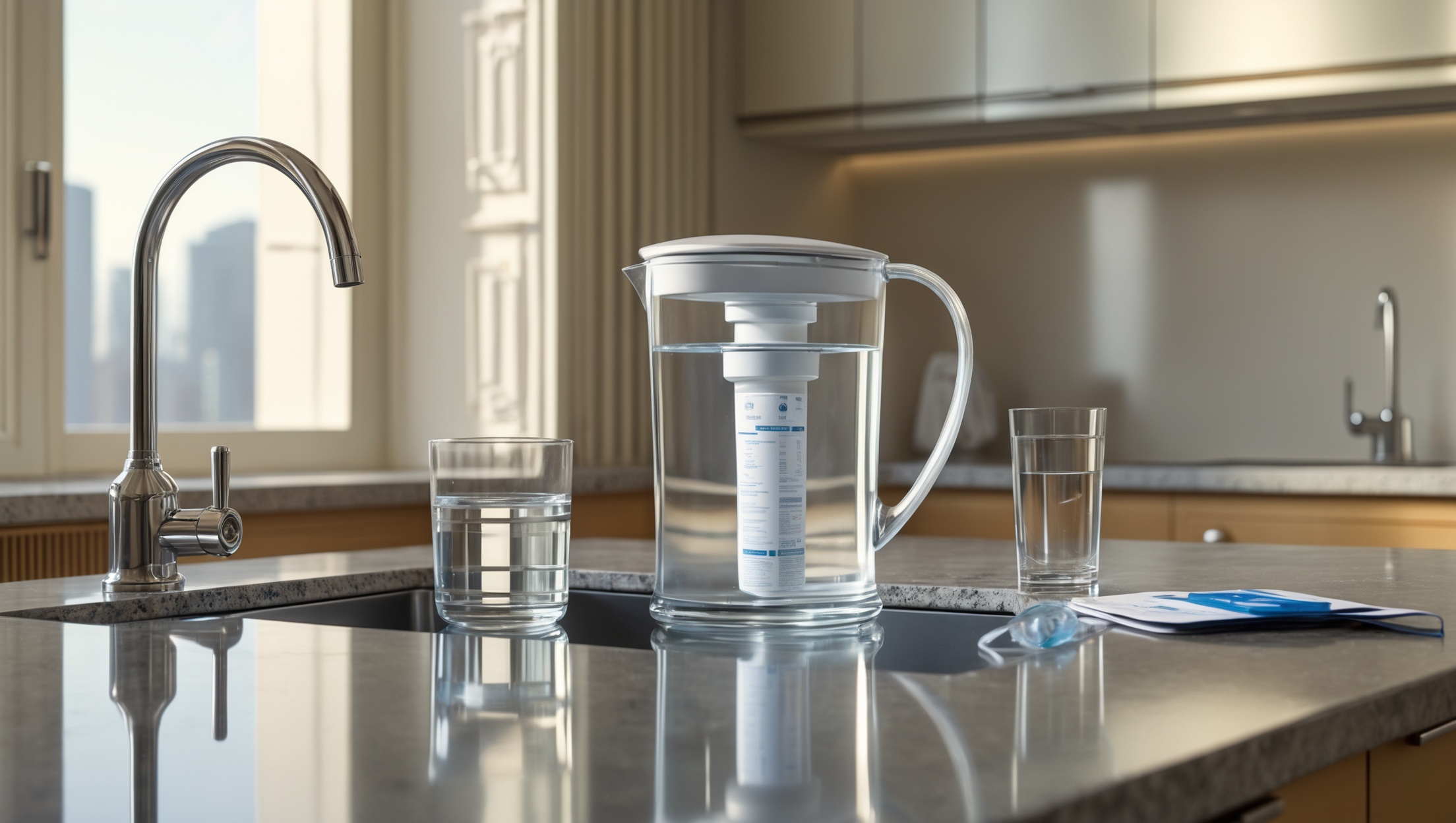
Introduction: Why Water Quality Matters When Living or Traveling Abroad
Accessing safe, clean water is something many of us take for granted—until we find ourselves living or traveling in a new country. Whether you’re an expat settling in for the long haul or a traveler navigating short-term stays, the quality of your tap water can directly impact your health, comfort, and daily routines. Water systems vary widely around the world, shaped by local infrastructure, climate, regulations, and even building age. What’s considered potable in one city might be risky in another, and even in popular expat destinations, water quality can fluctuate from neighborhood to neighborhood or season to season. Understanding how to assess, filter, and safely use local water isn’t just a matter of comfort—it’s critical for avoiding illness, maintaining your well-being, and adapting confidently to your new surroundings. This comprehensive guide shares practical, step-by-step advice on how to evaluate water quality wherever you are, choose the right testing and filtration solutions, and build smart habits for safe water use abroad.
Understanding Local Water Systems: What You Need to Know
Common Water Sources Abroad
Depending on your destination, tap water may come from:
- Municipal Supply: Treated and distributed by a city or regional authority. Standards and reliability vary greatly.
- Borehole or Well Water: Common in rural areas or smaller towns, with variable natural mineral content and contamination risk.
- Rainwater Harvesting: Used in areas with limited infrastructure; quality depends on maintenance and local air pollution.
- Private Delivery: In some regions, water is delivered by tanker and stored in rooftop or underground tanks, which can pose unique contamination risks.
Potential Contaminants
- Biological: Bacteria (E. coli, Salmonella), viruses, protozoa (Giardia, Cryptosporidium)
- Chemical: Heavy metals (lead, arsenic), pesticides, nitrates/nitrites, chlorine by-products
- Physical: Sediment, rust, microplastics
The most common risks to travelers and expats are microbiological (causing stomach upset or worse), but chemical contaminants can have long-term health effects and are sometimes overlooked.
How Local Regulations Affect Water Safety
Some countries enforce rigorous, transparent water testing and reporting. Others may lack consistent monitoring, and in some places, building-level infrastructure (old pipes, poorly maintained tanks) can undermine otherwise safe municipal water. Always research your specific location—not just the country, but the city and neighborhood.
Assessing Water Quality: Step-by-Step Practical Guide
Step 1: Do Your Homework Before Arrival
- Check official government or embassy travel advisories regarding water safety.
- Join expat forums or local Facebook groups to ask about recent experiences in your destination.
- Search for recent news about water quality issues or infrastructure upgrades.
Step 2: Visual, Taste, and Odor Checks
On arrival, use your senses:
- Is the water clear, or does it have a cloudy, yellow, or brown tint?
- Is there a strong smell of chlorine, sulfur, or metal?
- Does it taste bitter, salty, or metallic?
While not definitive, these clues can help you decide if further testing is needed.
Step 3: DIY Water Testing Kits
Portable water testing kits, widely available online and in hardware stores, can provide quick results for common contaminants. Look for kits that test for:
- Bacteria
- Chlorine
- Lead and other heavy metals
- pH and hardness
Follow instructions carefully, and if results raise concerns, consider contacting your landlord, property manager, or local water authority for further investigation.
Step 4: Professional Laboratory Testing
If you’re planning a long-term stay or have specific health vulnerabilities, consider professional lab testing. Many countries have certified labs or services that will collect samples and provide detailed analysis, especially for private wells or buildings with storage tanks.
Step 5: Monitor for Changes Over Time
Water quality can change seasonally (especially after heavy rainfall or during droughts), with maintenance work, or as infrastructure ages. Retest periodically, especially if you notice changes in taste, color, or odor.
Choosing the Right Filtration Solutions Abroad
Understanding Your Needs
Not all filters are created equal. The best solution depends on your assessment and the most likely contaminants in your area. Key options include:
- Activated Carbon Filters: Reduce chlorine, improve taste, and remove some organic compounds. Not effective against all bacteria or viruses.
- Ceramic Filters: Block bacteria and protozoa but not viruses or chemicals.
- Reverse Osmosis (RO): Removes a broad range of contaminants, including heavy metals and some microbes. More expensive, requires installation and regular maintenance.
- UV Purifiers: Neutralize bacteria and viruses, but don’t remove chemicals or sediment.
- Portable Water Bottles with Built-In Filters: Great for travel, hiking, and short stays—look for models certified for bacteria and protozoa removal.
Matching Filters to Contaminants
- Bacteria and Protozoa: Ceramic, RO, UV, or specialized bottle filters
- Viruses: UV or RO (not all filters remove viruses!)
- Heavy Metals: RO or specialized activated carbon filters
- Sediment: Simple pre-filters or mesh screens
Always check the certification standard (NSF, EPA, or equivalent) and replace filter cartridges as recommended.
Practical Installation Tips for Expats and Travelers
- Renters: Use countertop or faucet-mount filters that require no permanent modifications.
- Travelers: Bring a proven portable filter or UV pen, especially for destinations with unpredictable water quality.
- Long-Term Residents: Consider investing in under-sink or whole-apartment systems if permitted.
- Keep a backup supply of bottled water for emergencies or filter maintenance.
Smart Habits for Safe Water Use Abroad
Drinking and Cooking
- Only use filtered or boiled water for drinking, brushing teeth, and washing produce.
- Let tap water run for a minute in the morning to clear standing water in pipes.
- Store filtered water in clean, covered containers—never reuse single-use plastic bottles long-term.
Showering and Personal Hygiene
- In areas with known contamination, avoid swallowing shower water.
- Use boiled or filtered water to clean wounds or sensitive skin.
Ice, Beverages, and Eating Out
- Be cautious with ice, as it’s often made from tap water.
- Order hot drinks or bottled beverages when in doubt.
- Favor reputable cafes and restaurants that cater to international guests—they’re more likely to use safe water in preparation.
Special Considerations for Children, Pregnant Women, and Immunocompromised Individuals
These groups are more vulnerable to waterborne illness. Use the most robust filtration available, or stick to bottled water from reputable brands.
What to Do If You Get Sick: First Steps and Local Resources
If you experience sudden digestive symptoms (diarrhea, vomiting), rehydrate with safe water and oral rehydration salts. Seek local medical advice if symptoms persist beyond 24–48 hours, if you have a fever, or if you see blood in stool. Research nearby clinics or expat-recommended doctors before you need them.
Case Studies: Real-World Experiences from Expats and Travelers
Case Study 1: Apartment Living in Mexico City
Despite municipal treatment, many residents filter tap water due to aging pipes and rooftop tanks. A combination of a carbon filter for taste and a UV purifier for microbes is popular among expats. Regular tank cleaning is crucial.
Case Study 2: Rural House in Southern Italy
Water comes from a private well. DIY water testing revealed high mineral content but no dangerous bacteria. A sediment pre-filter and periodic lab testing keep the supply safe.
Case Study 3: Backpacking in Southeast Asia
Portable filter bottles and UV sterilizers are essential gear, especially in hostels or remote areas. Most travelers avoid tap water completely for drinking and brushing teeth, even in big cities.
Common Water Safety Myths Debunked
- Myth: “If locals drink the water, it must be safe for foreigners.”
Fact: Locals may have built up immunity to certain microbes; newcomers are more susceptible. - Myth: “Bottled water is always safer than tap.”
Fact: In some places, bottled water may be refilled from the tap and resold. Check seals and buy from reputable sources. - Myth: “All filters remove every contaminant.”
Fact: Most filters target specific risks. Always match the filter to your local water’s known risks.
Essential Tools and Resources for Managing Water Quality Abroad
- DIY water testing kits (multitest strips, digital meters)
- NSF-certified or equivalent water filter pitchers, faucet, or bottle filters
- UV water purifiers (compact for travel)
- Food-grade storage containers with tight-fitting lids
- Boiling kettle or portable immersion heater
- Contact info for local labs and expat clinics
Conclusion: Building Confidence in Your Water Habits Abroad
Adapting to a new country’s water system can feel daunting at first, but with the right knowledge and tools, you can turn water safety into a simple, manageable part of your daily routine. Start by understanding the specific challenges in your location—don’t assume what worked back home applies everywhere. Use your senses as an early warning system, but always confirm with proper testing, especially for long-term stays. Invest in the right filtration for your local risks, and don’t hesitate to ask other expats, landlords, or neighbors for advice on what really works in your building or neighborhood. Make safe water habits second nature: use filtered or boiled water for all consumption, be wary of ice and food prep in uncertain settings, and retest periodically or after major weather events. Most importantly, remember that vigilance pays off—waterborne illness can disrupt your experience abroad, but prevention is almost always within reach. With steady attention and a few strategic purchases, you can enjoy your new home’s culinary and cultural offerings with peace of mind, knowing you’ve made your water as safe as possible for yourself and your loved ones.
You mention that municipal water standards and reliability can vary a lot by location. For someone planning to set up a business in a country with inconsistent municipal supply, would you suggest investing in a filtration system right away, or should testing be done first to determine what’s actually needed?
It’s best to start with water testing before investing in any filtration system. Testing helps identify specific contaminants or issues in the local supply, ensuring you choose the right type of filtration for your needs. This way, you avoid unnecessary expenses and address the precise water quality challenges your business might face.
If I’m staying in a city where tap water quality changes from neighborhood to neighborhood, what’s the best practical way to do quick spot checks when I arrive somewhere new? Do you recommend specific affordable test kits for travelers?
When moving between neighborhoods with varying tap water quality, portable water test kits are a practical solution. Look for multi-parameter strips that test for common concerns like chlorine, bacteria, and heavy metals. Brands such as Watersafe and JNW Direct offer affordable kits designed for travelers. These strips are easy to use and give results within minutes, helping you quickly assess if water is safe for drinking or if you should rely on bottled or filtered options.