
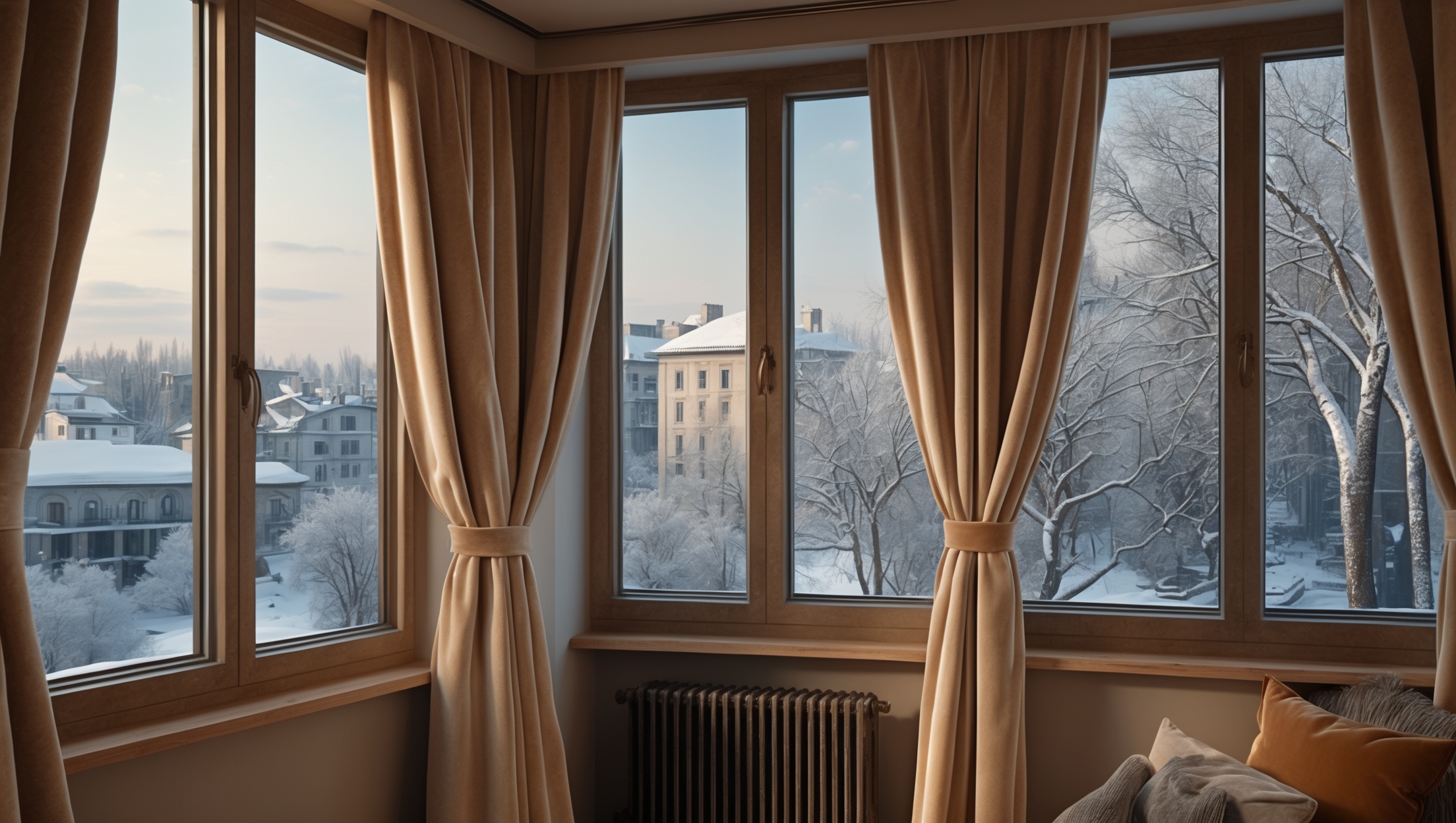
Introduction: Why Winterizing Abroad Matters
Moving abroad is full of surprises—some delightful, some less so. If you’re relocating to or traveling through regions known for their cold winters, adequately preparing your temporary home is far more than a comfort issue. It’s about safety, preventing costly damage, and ensuring your stay remains enjoyable. Unlike permanent residents, expats and travelers often face unique challenges: unfamiliar appliances, different building standards, and language barriers when sourcing supplies or arranging repairs. Landlords may not always provide thorough winter prep, leaving you responsible for insulation, heating, and protecting your belongings from cold-related mishaps. This comprehensive seasonal checklist is crafted specifically for expats and travelers in short- or medium-term housing. Whether you’re in a furnished apartment in Berlin, a countryside cottage in Japan, or a city flat in Toronto, these strategies will help you avoid common pitfalls, manage energy use, and maintain a warm, safe environment all winter long.
Understanding Local Winter Risks
Climate Assessment
Start by researching your new location’s winter climate. Check average temperatures, snowfall, and local weather hazards such as ice storms or high winds. Sites like Weatherbase or local meteorological services provide historical data. This will inform your priorities—whether you need to focus on insulation, plumbing, or simply keeping the damp at bay.
- Are subzero temperatures common, or is it a milder wet cold?
- Is snow and ice likely to accumulate, risking frozen pipes or blocked access?
- Are there frequent power outages in winter?
Building Standards and Common Issues
Not all regions build for the same winter severity. For example, apartments in southern Europe may have little heating or insulation compared to those in Scandinavia. Ask your landlord or previous tenants about common issues:
- Drafty windows and doors
- Uninsulated pipes
- Limited or inefficient heating options
- Condensation and mold problems
Essential Pre-Winter Inspection
Check Doors and Windows
Inspect all entry points for drafts. Hold a lit candle or incense stick near frames; flickering indicates air leaks. Pay special attention to:
- Window panes and frames
- Patio doors
- Main entrance and balcony doors
Heating System Assessment
Test all heating devices—radiators, electric heaters, underfloor systems—well before winter arrives. Note any unusual noises, weak heat output, or error lights. If central heating is included, clarify with your landlord how to control it and what to do if it fails.
Plumbing and Pipework
Ask about the location of exposed pipes, especially in older buildings or rural homes. Find out:
- Where the main water shut-off valve is
- If pipes are insulated or at risk of freezing
- Who to contact in case of a burst pipe
Sealing Out the Cold: Practical Draught-Proofing
Temporary Solutions for Renters
As a non-permanent resident, you may be limited in what you can modify. Fortunately, many renter-friendly products make a huge difference:
- Draft stoppers: Fabric or silicone strips placed at the base of doors
- Self-adhesive foam strips: Seal gaps around windows and doors
- Clear window insulation film: Apply with a hairdryer to create an extra barrier against drafts
- Thermal curtains: Heavy, lined curtains trap heat indoors
All are removable and leave no permanent marks, making them ideal for short-term stays.
Upgrading Window Coverings
If your apartment comes with thin or sheer curtains, consider upgrading to thermal or blackout versions. Not only do these reduce heat loss, but they also add privacy and block out early nightfall common in northern latitudes.
Heating: Staying Warm Efficiently
Optimizing Existing Systems
Learn how to use your heating system most effectively:
- For radiators, bleed them to remove trapped air for maximum efficiency
- If you have a thermostat, set it to a consistent, moderate temperature to avoid large fluctuations
- Close doors to unused rooms to focus heat where you need it
Supplemental Heating Devices
If your rental lacks adequate heating, portable solutions are a lifesaver:
- Oil-filled radiators: Safe, energy-efficient, and portable
- Ceramic space heaters: Quick heat for small rooms
- Electric blankets or heated mattress pads: Efficient for nighttime comfort
Always check the voltage compatibility with local power supply and never leave heaters unattended.
Smart Energy Use
Energy costs can be high abroad, especially on short-term contracts. Use programmable timers to heat rooms only when necessary, and monitor usage with a plug-in power meter if you pay utilities directly.
Protecting Plumbing and Preventing Freezes
Insulating Pipes
Frozen pipes can cause disastrous leaks and expensive damage. If you’re responsible for exposed plumbing (common in cottages or ground-floor flats):
- Wrap foam pipe insulation around pipes in unheated areas (bathrooms, basements, under sinks)
- Leave cabinet doors open on cold nights to let warm air circulate
- In severe cold, let a trickle of water run overnight to keep pipes moving
Know the Shut-Offs
Locate and label the main water shut-off valve. In an emergency, such as a burst pipe, you’ll save precious minutes by knowing exactly where it is.
Condensation Control and Mold Prevention
Ventilation Strategies
Winter often means shutting windows tight, but condensation can quickly lead to mold—especially in humid climates or poorly insulated buildings. To combat this:
- Vent bathrooms and kitchens after use (crack a window or use a fan)
- Use a dehumidifier or moisture absorbers in damp rooms
- Wipe down condensation on windows each morning
Spotting Early Warning Signs
Check for musty odors, black spots on walls or ceilings, and persistent dampness. Act quickly—report serious issues to your landlord to avoid health risks and deposit disputes.
Safety: Fire and Carbon Monoxide Precautions
Check Detectors
Many older apartments abroad lack smoke or carbon monoxide detectors. If not provided, purchase portable battery-operated units. Test them monthly and replace batteries as needed.
Safe Use of Heating Equipment
- Never use gas stoves or grills for heating
- Keep flammable materials away from heaters
- Ensure proper ventilation for gas or kerosene heaters (if allowed)
Familiarize yourself with local emergency numbers and procedures just in case.
Emergency Preparedness for Power Outages
Supplies to Keep on Hand
- Battery-powered torch and spare batteries
- Extra blankets and thermal clothing
- A supply of bottled water and non-perishable food
- Portable phone charger (power bank)
- Backup heating options, such as hand warmers
Local Support Networks
Find out if your building has a superintendent or emergency contact. Join local expat or tenant groups for quick advice and assistance during weather-related disruptions.
Cost Breakdown and Budgeting Tips
Typical Expenses
- Draught-proofing supplies: $30–$80
- Thermal curtains: $40–$150 per set
- Portable heater: $40–$120
- Dehumidifier: $60–$200
- Pipe insulation: $10–$30
- Battery-powered detectors: $20–$50
Factor in potential increases to your utility bills—ask your landlord for typical winter usage figures if possible. Always keep receipts; in some cases, landlords may reimburse you for improvements or you can reuse items at your next destination.
Step-by-Step Winterizing Checklist
- Inspect all windows and doors for drafts; install draft stoppers and foam strips
- Order and hang thermal curtains or upgrade existing window coverings
- Test and optimize your main heating system, or purchase supplemental heaters
- Insulate exposed pipes and locate the water shut-off valve
- Set up dehumidifiers or moisture absorbers in damp-prone areas
- Install or test smoke and carbon monoxide detectors
- Stock up on emergency supplies (batteries, torch, blankets, food)
- Join local expat or tenant groups for support
- Document any pre-existing issues and notify your landlord
Conclusion: Making Winter Abroad Comfortable and Worry-Free
Winter in a foreign country can be daunting, especially in a temporary home where you may not have total control over your environment. However, with preparation and a proactive approach, you can transform even the draftiest apartment into a warm, safe, and inviting sanctuary. Securing windows and doors, optimizing heating, insulating pipes, and planning for emergencies are all straightforward steps that pay dividends in comfort and peace of mind.
Remember, every location and home is unique. Don’t hesitate to reach out to local expat networks, neighbors, or professionals if you run into issues you can’t solve alone. Document your improvements, keep communication lines open with your landlord, and save receipts for any purchases that enhance the property. Not only does this protect your deposit, but it also demonstrates your commitment to responsible tenancy.
Most importantly, don’t let winter worries overshadow the unique experiences that life abroad offers. By taking these practical measures, you’ll be well-equipped to enjoy local winter traditions, explore your new surroundings, and focus on making lasting memories—all from the comfort of a cozy, well-prepared home.
You mention that landlords might not always prepare apartments for winter. If I’m only living abroad for a few months, how much insulation work should I actually invest in, and are there low-cost temporary fixes you’d recommend for drafty windows or poorly insulated pipes?
If you’re staying just a few months, it’s best to stick to simple, low-cost fixes. For drafty windows, try using draft stoppers, removable weatherstripping, or even bubble wrap as temporary insulation. For poorly insulated pipes, foam pipe sleeves or wrapping towels around exposed pipes can help prevent freezing. These solutions are inexpensive, easy to remove when you leave, and should make your stay more comfortable without major investment.