
Introduction: Why Understanding Local Heating Systems Abroad Matters
Moving to a new country or city, whether for a few months or several years, comes with a flurry of practical adjustments. One of the most overlooked—yet crucial—elements of comfortable living abroad is understanding how local heating systems work. The system that keeps you warm in winter is often very different from what you’re used to at home. From radiator networks in Europe to split-system heaters in Asia, and from ancient wood stoves in rural villages to modern underfloor heating in city apartments, heating methods can directly affect your comfort, your budget, and even your safety.
For travelers and expats, unfamiliarity with local systems can lead to a host of headaches—unexpected bills, chilly nights, or even accidental equipment damage. Heating is also a significant expense in many countries, and not knowing how to use or maintain the system efficiently can quickly eat into your travel fund. This comprehensive guide will walk you through the essential types of heating you’ll encounter, practical steps to operate and maintain them, the costs you should expect, and strategies for staying warm without breaking the bank. Whether you’re settling into a Parisian attic, a Tokyo apartment, or a rural cottage in Poland, you’ll gain actionable knowledge to keep cozy and avoid costly or uncomfortable surprises.
Types of Heating Systems You’ll Encounter Abroad
Central Radiator Heating
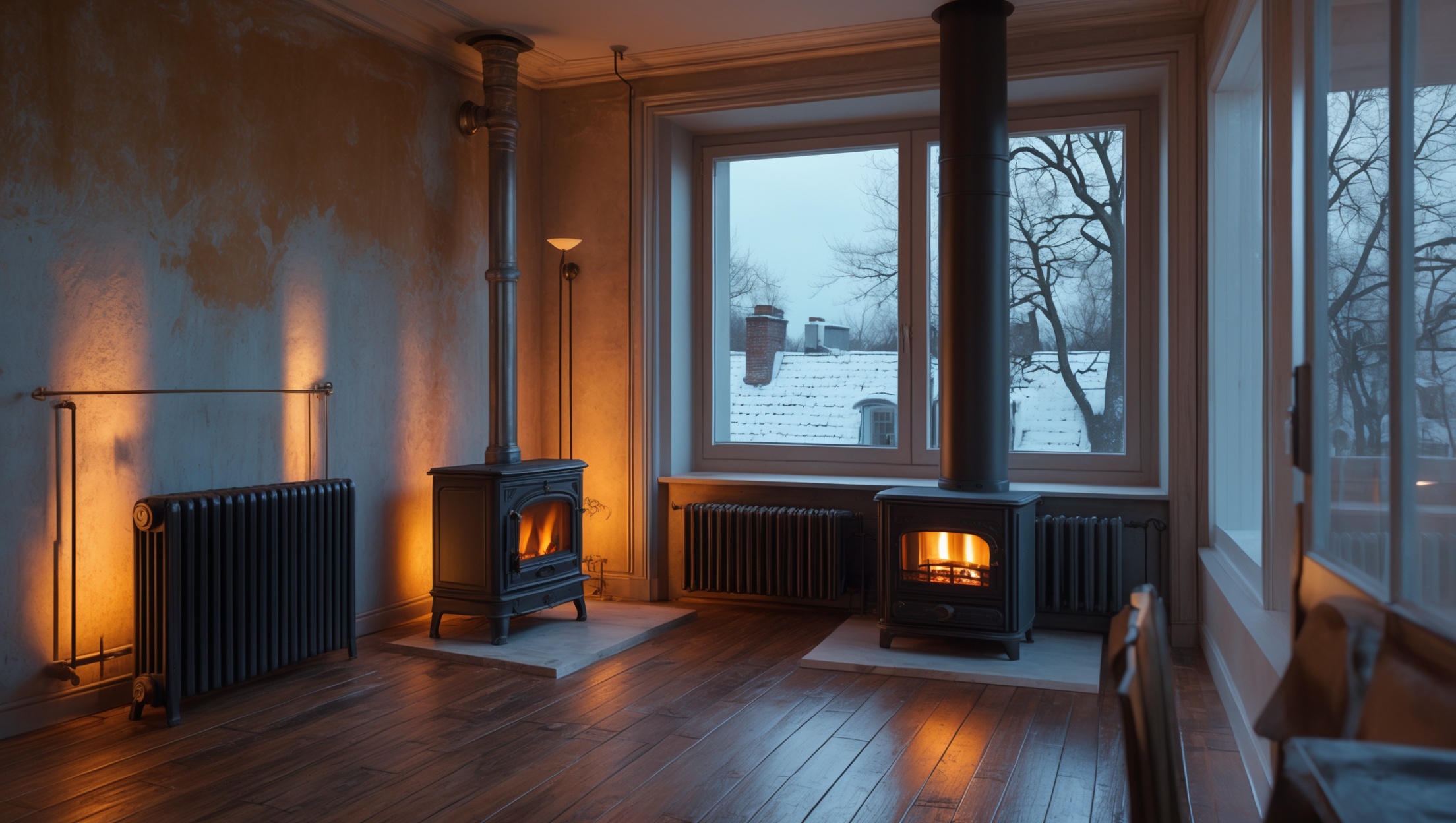
Common in much of Europe, Central Asia, and parts of South America, radiator heating relies on hot water or steam circulating through metal radiators in each room. The heat source may be a communal boiler for the entire building or a private boiler in your apartment. Radiators are generally reliable and offer even warmth, but older systems can be inefficient and slow to respond to temperature changes.
- How it works: Hot water or steam generated by a boiler moves through pipes to radiators.
- Control: Usually via thermostatic valves on each radiator; sometimes a central thermostat.
- Common issues: Air trapped in radiators (cold spots), leaks, noisy pipes, slow heat-up times.
Electric Space Heaters
In countries with milder winters or in older rental properties, electric heaters are a staple. These can include convection heaters, oil-filled radiators, fan heaters, or wall-mounted units. They are easy to use but can rapidly increase your electricity bill if used carelessly.
- How it works: Plug-in units heat air directly or radiate warmth.
- Control: Simple dials or digital thermostats on unit.
- Common issues: High running costs, uneven heating, safety hazards if left unattended.
Split-System Heat Pumps (Reverse Cycle AC)
Widely used across East Asia, Australia, and increasingly in Europe, these systems provide both heating and cooling. They are energy efficient but can be tricky to operate if you’re unfamiliar with the controls, which may be labeled in the local language.
- How it works: An outdoor unit exchanges heat with the air, providing warm or cool air indoors.
- Control: Remote control or wall-mounted panel, often with many settings.
- Common issues: Confusing controls, filters that need regular cleaning, noise from outdoor unit.
Underfloor Heating
Luxurious and efficient, underfloor (radiant) heating is increasingly common in modern apartments in Scandinavia, the UK, and parts of Asia. It provides an even, comfortable warmth but can take hours to reach the desired temperature.
- How it works: Hot water pipes or electric coils embedded in the floor.
- Control: Wall thermostat, sometimes multiple zones.
- Common issues: Slow response time, difficult to repair, requires clear floors for best efficiency.
Traditional Wood or Coal Stoves
Still prevalent in rural areas and older homes throughout Eastern Europe, Russia, and parts of Latin America. These stoves offer cozy, dry heat, but require manual fuel loading and careful operation.
- How it works: Burn wood or coal in a sealed chamber; heat radiates into the room.
- Control: Air vents, damper controls, fuel amount, and occasionally thermostats for pellet stoves.
- Common issues: Messy, labor-intensive, requires safe fuel storage and regular cleaning.
How to Identify and Operate Your Heating System
Step 1: Ask the Right Questions
Before moving in, ask your landlord or host:
- What type of heating system is installed?
- Who controls the heat (you, the building, the municipality)?
- How do you adjust the temperature?
- Are there any quirks or maintenance routines?
- What are the average monthly heating costs?
Step 2: Locate Controls and Manuals
Search for thermostats, radiator valves, or remote controls. If labels are in a foreign language, use a translation app or request an English manual from your landlord. Photograph controls for reference.
Step 3: Test the System
Run the system for at least half an hour on arrival to confirm it works and to identify any issues (strange noises, cold spots, error codes). Report problems immediately to avoid disputes later.
Step 4: Adjust for Comfort and Efficiency
- Set thermostats to a moderate temperature (18–21°C/64–70°F).
- Close doors and windows to retain heat.
- Use radiator valves to heat only occupied rooms.
- Program timers if available to avoid unnecessary heating while you’re out.
Cost Breakdown: What to Expect and How to Save
Common Pricing Models
- Metered Heating: Pay for actual energy consumed (electricity, gas, or district heating). Check meter readings at move-in and move-out.
- Fixed Monthly Fee: Some rentals include heating at a flat rate, especially in shared buildings.
- Prepaid Systems: In some countries, you top up a card or key to pay for heating in advance.
Typical Monthly Costs by Region
- Western Europe: €60–€200/month in winter, depending on insulation and system efficiency.
- Eastern Europe: $40–$120/month, but can spike in older or poorly insulated buildings.
- Japan and Korea: ¥6,000–¥20,000/month, with split systems or kerosene heaters common.
- Australia/NZ: $60–$180/month for electric or gas heating during winter months.
Budgeting Tips
- Ask for previous winter bills before signing a lease.
- Factor in the cost of fuel (wood, coal, kerosene) if using traditional stoves.
- If electricity is expensive locally, minimize use of electric space heaters.
- Consider investing in insulating curtains or draft stoppers (often cheap and easy to install).
Maintenance Best Practices for Expats and Travelers
Basic User Maintenance
- Radiators: Bleed air from radiators at the start of the season using a radiator key (easy and prevents cold spots).
- Split Systems: Clean or replace filters monthly for efficiency and air quality.
- Electric Heaters: Check for dust build-up, keep away from flammable materials, and unplug when not in use.
- Wood Stoves: Empty ash regularly, use only dry wood, and inspect for creosote build-up.
When to Call a Professional
- Boiler problems: Unusual noises, no heat, or error codes require a licensed technician.
- Gas leaks: If you smell gas, ventilate the area and call emergency services immediately.
- Electrical issues: Repeated fuse trips or sparks from heaters warrant an expert inspection.
Seasonal Checklist
- Test the heating system before cold weather starts.
- Check for drafts and seal windows/doors as needed.
- Arrange annual servicing for boilers and complex systems (ask landlord if it’s not your responsibility).
- Stock up on fuel if using wood, coal, or kerosene.
Safety Essentials: Staying Warm Without Risk
- Never block vents or cover heaters with clothing or furniture.
- Install a carbon monoxide detector if using any combustion-based heating (gas, wood, coal, kerosene).
- Follow all manufacturer instructions for operation and maintenance.
- Avoid using gas stoves or ovens for long-term heating—this is hazardous and can lead to poisoning or fire.
- Keep flammable materials away from all heating units.
- Ventilate regularly if you use portable fuel-burning heaters.
Energy-Saving Habits to Reduce Heating Costs
- Layer up: Wear warm clothing indoors and use extra blankets at night.
- Close doors to unused rooms to concentrate heat.
- Use thick curtains or window insulation film to minimize heat loss.
- Heat only the spaces you use rather than the entire home.
- Lower the thermostat at night or when you’re out.
- Let in sunlight during the day by opening curtains on sunny windows.
Common Myths About Heating Abroad—Debunked
- “Leaving the heat on low all day is cheaper than turning it off and on.” Reality: In most modern systems, heating only when needed saves money.
- “All radiators heat the same.” Reality: Some may need bleeding or maintenance to work efficiently.
- “Space heaters are always a good backup.” Reality: They’re useful, but can be costly and pose safety risks if misused.
- “You can always just bundle up.” Reality: In damp or poorly insulated homes, heating is essential for health, not just comfort.
Case Study: Navigating Heating in Three Global Cities
London, UK: The Old Radiator Challenge
Jess, an American expat, moved into a Victorian flat with old radiators. She noticed cold patches and a persistent hissing sound. After learning how to bleed the radiators and adjusting the valve settings, she reduced her heating costs by 20% and eliminated the cold spots.
Tokyo, Japan: Split-System Solutions
David, a digital nomad, struggled with the kanji-labeled remote for his split-system unit. With the help of a translation app and online forums, he learned to set the timer and clean the filters, which improved both comfort and energy efficiency during a chilly Tokyo winter.
Kraków, Poland: The Wood Stove Experience
Marta, a language student, rented a cottage with a traditional wood stove. She quickly realized the importance of using well-seasoned wood and regular cleaning. With a carbon monoxide detector installed, she enjoyed cozy winters at a fraction of the cost of electric heating.
Checklist: What to Do Before Winter Arrives
- Identify your heating system and locate all controls.
- Request manuals or translated instructions if necessary.
- Test the system for functionality and report issues early.
- Purchase or borrow basic maintenance tools (radiator key, filter cleaner).
- Stock up on fuel or heating essentials in advance.
- Inspect doors and windows for drafts; fit insulation materials if needed.
- Install safety devices (CO detector, smoke alarm) if not provided.
- Confirm how and when you will be billed for heating.
Conclusion: Staying Warm, Safe, and Savvy Abroad
Adapting to life in a new country brings unique challenges, and understanding local heating systems is one of the most practical steps you can take to ensure a comfortable and stress-free stay. Each system—from ancient wood stoves to modern central heating—has its quirks, costs, and maintenance needs. By identifying your heating setup early, learning the basics of safe operation, and adopting energy-saving habits, you can avoid the most common pitfalls that trip up new arrivals.
Don’t be afraid to ask questions, seek out manuals, or consult your landlord for guidance. A little research and preparation can yield big savings and prevent headaches. Remember, heating is not just about comfort—it’s about health and safety, especially in regions where winters are harsh. By following the tips and checklists in this guide, you’ll be ready to face any climate, keep your living space cozy, and enjoy your time abroad without unwelcome surprises on your utility bill. Stay warm, stay safe, and embrace the adventure of living and traveling in new places—now equipped with the insider knowledge to master whatever heating system you encounter.