
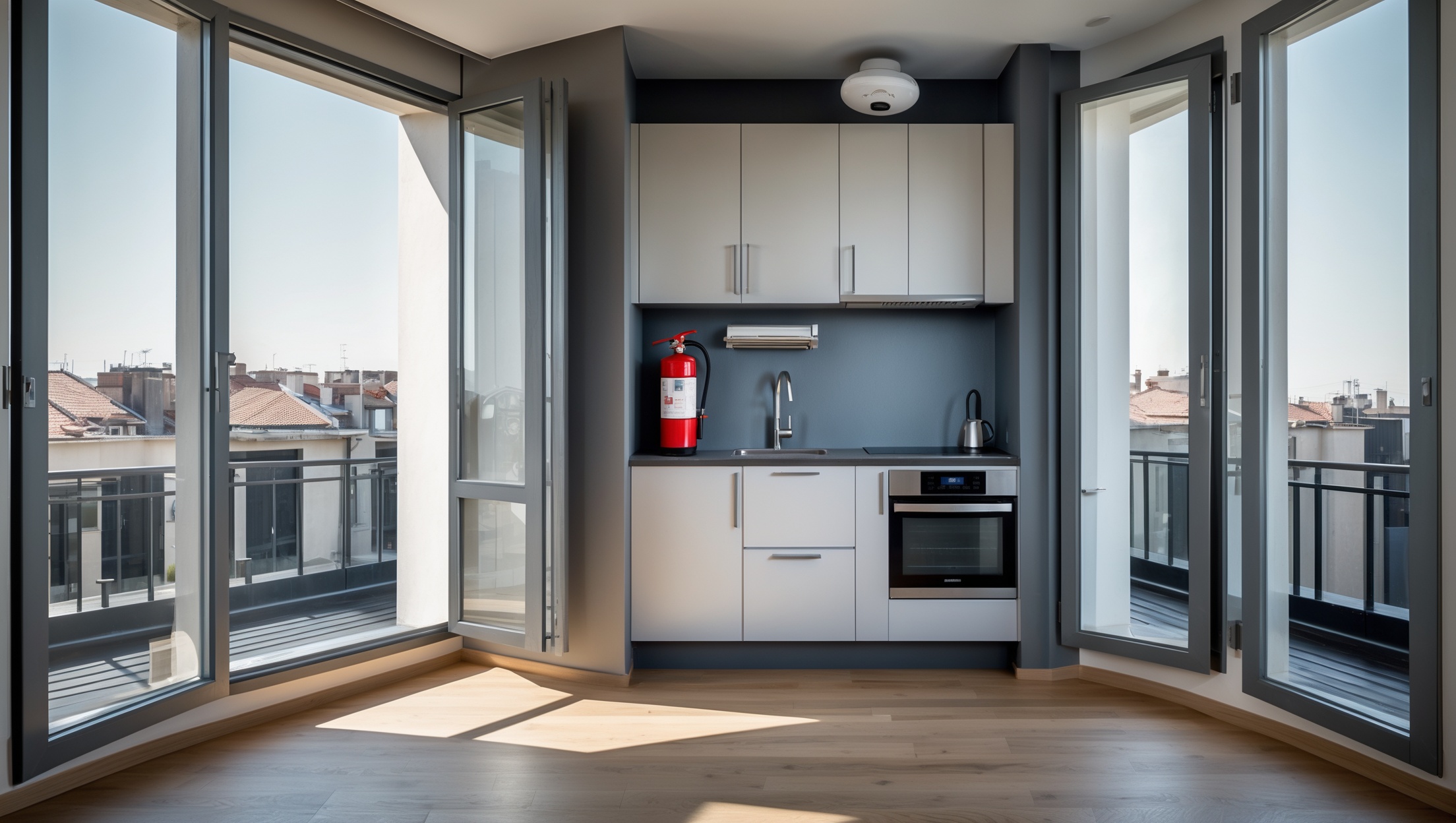
When settling into a short-term rental abroad—whether for work, study, or an extended adventure—most travelers and expats focus on comfort, convenience, or location. But beyond the view and Wi-Fi speed, there’s a crucial aspect many overlook: fire safety. The reality is that fire safety standards, equipment, and even regulations vary dramatically from country to country, and what you take for granted at home may be missing or different in your new digs. This guide is designed to help you decode local fire safety in short-term rentals abroad, equipping you with the practical know-how to protect yourself, your belongings, and your peace of mind.
We’ll explore what fire safety equipment should be present, how to quickly assess the compliance of your rental, what rules and regulations you need to be aware of, and the smart habits you can adopt to minimize risk. Whether you’re in a city apartment, countryside cottage, or beachfront bungalow, the following strategies will help you navigate unfamiliar environments safely and confidently. Fire safety is more than ticking boxes—it’s an essential part of responsible, enjoyable living abroad.
Understanding Fire Safety Basics: Why Standards Vary Abroad
Before you check in, it’s vital to understand that fire safety is not universal. Depending on where you are, requirements for smoke detectors, fire extinguishers, fire escapes, and emergency plans can differ widely. Some places have strict building codes and regular inspections, while others leave safety up to the property owner’s discretion. This means that what feels ‘normal’ at home might not be present—or even required—where you’re staying.
Key factors that affect fire safety abroad include:
- Local building codes and enforcement: Some cities have modern, well-enforced standards. Others may have older buildings exempt from recent regulations or lax oversight.
- Type of rental: Hotels and licensed guesthouses often face stricter rules than private apartments, Airbnbs, or rural lodgings.
- Availability of equipment: The presence of basic safety gear like smoke alarms or extinguishers can’t be assumed everywhere.
- Language barriers: Emergency instructions and equipment labels may not be in your language.
Being proactive and informed is essential, especially in unfamiliar environments.
Essential Fire Safety Equipment Checklist for Short-Term Rentals
Upon arrival, conduct a thorough fire safety check. Here’s what to look for and how to verify it’s in working order:
Smoke Detectors
- Should be present in sleeping areas and near kitchens.
- Test by pressing the button—listen for the alarm.
- Report missing or non-functional detectors to the property manager immediately. Consider carrying a portable battery-operated smoke alarm if traveling in regions with lax standards.
Fire Extinguishers
- Ideally located in or near the kitchen and at exits.
- Check the gauge: the needle should be in the green zone.
- Ensure the safety pin is in place and the unit is not expired (look for inspection tags or manufacturing dates).
- Familiarize yourself with the instructions—labels may be in another language, so ask for clarification if needed.
Fire Blankets
- Especially useful in kitchens for smothering small grease fires.
- Should be easily accessible, not stored in a cupboard behind pots or appliances.
Clear Exits and Escape Routes
- Check that all doors and windows open easily and are not blocked.
- If on an upper floor, look for safe stairwells or fire escapes.
- Identify at least two ways out of the building.
Emergency Lighting
- Hallways and stairwells should have backup lighting for power outages.
- If not present, keep a flashlight or headlamp handy in your room.
Visible Emergency Instructions
- Look for posted evacuation plans and emergency numbers.
- Translate or write down important phrases if in a non-English speaking country (e.g., “Fire! Help!” or the local emergency number).
Understanding Local Compliance and Permits
Short-term rentals may be subject to varying degrees of regulation depending on the country, city, and type of accommodation. Here’s how to gauge compliance and what to ask your host or landlord:
- Licensing: Is the property licensed or registered as a short-term rental? Many cities now require registration, which often includes a safety inspection.
- Inspection Records: Ask if the property has passed recent fire safety inspections. Some listings may display certificates or inspection dates.
- Insurance: Does the property carry fire or liability insurance? While this is less directly relevant to prevention, it indicates a level of responsibility from the owner.
- Occupancy Limits: Fire safety regulations often limit the number of guests. Overcrowding increases risk and may violate local laws.
- Local Fire Codes: Research the basic requirements for your destination. For example, some countries require carbon monoxide detectors in addition to smoke alarms, especially in homes with gas appliances.
Don’t hesitate to ask for documentation or clarification. Responsible hosts will appreciate your concern and be prepared to answer.
Common Fire Safety Risks in Short-Term Rentals Abroad
Knowing where hazards lurk is half the battle. In many international rentals, the following issues are surprisingly common:
- Outdated or overloaded electrical systems: Look for extension cords, exposed wiring, or crowded power strips—especially in older buildings.
- Improvised kitchen setups: Hot plates, portable stoves, or gas canisters may be used where full kitchens are lacking.
- No or blocked fire exits: Furniture or storage items may block emergency pathways.
- Lack of smoke alarms or extinguishers: Particularly in private apartments or rural homes.
- Combustibles near heat sources: Curtains, papers, or bedding close to radiators, space heaters, or stovetops.
- Locked or difficult-to-open windows and doors: Security concerns sometimes trump safety, making escape difficult in an emergency.
Give your rental a critical eye and address any issues with the host. If anything feels unsafe and cannot be resolved, consider changing accommodations.
Smart Fire Prevention Habits for Travelers and Expats
Even in the safest rental, your daily habits make a big difference. Here’s how to minimize your risk:
- Cook with caution: Never leave stoves, ovens, or hot plates unattended. Keep flammable items away from burners and always turn off appliances after use.
- Be mindful with candles and incense: Use only in stable holders, away from curtains or papers, and never leave burning items unattended.
- Don’t overload electrical outlets: Limit the use of adaptors and power strips. Unplug chargers and appliances when not in use.
- Keep exits clear: Don’t block doors or windows with luggage or furniture.
- Store matches and lighters safely: Especially if children are present.
- Plan your escape: Mentally rehearse how you would exit the rental in case of fire—day or night.
Fire Safety Tools and Equipment: What to Pack or Buy Locally
In some destinations, you may want to supplement the rental’s equipment. Here’s what’s worth bringing or sourcing locally:
- Portable smoke alarm: Compact, battery-powered units are affordable and easy to pack.
- Mini fire extinguisher or fire spray: Especially for longer stays or rural locations with limited emergency services.
- LED flashlight or headlamp: Essential for power outages or night evacuations.
- Multi-language emergency card: List the local word for “fire,” emergency numbers, and your address in the local language.
If you’re staying months or longer, consider purchasing a fire blanket or larger extinguisher locally. Hardware stores and supermarkets often stock these, and local staff can help you choose the right type.
Dealing with a Fire Emergency Abroad: Step-by-Step Guide
Should a fire break out, decisive action saves lives. Here’s a general emergency plan, but always adapt it to your specific environment:
- Raise the alarm: Shout “Fire!” and activate any available alarms.
- Evacuate immediately: Don’t waste time gathering possessions. Crawl low under smoke if necessary.
- Use the safest exit: If doors are hot, don’t open them—find another route. Never use elevators during a fire.
- Call emergency services: Know the local emergency number (different from 911 in many countries). Ask your host for this on arrival.
- Account for everyone: Gather in a safe outdoor location and let responders know if anyone is missing.
- Don’t re-enter: Never go back inside until authorities declare it safe.
If you must fight a small fire, ensure you have a safe exit behind you and only attempt it if you are trained and the fire is contained (e.g., a small pan fire).
Fire Safety and Local Culture: Navigating Differences
Fire prevention habits and attitudes toward safety can be influenced by local culture. For example, grilling indoors, using space heaters in unconventional ways, or burning incense may be routine in some places but risky in certain settings. Be observant and adapt accordingly.
- Note local customs: If you see hosts lighting candles or using open flames indoors, ask about their safety practices.
- Respect house rules: Some rentals prohibit smoking, candles, or cooking for very good reasons—these often stem from past incidents.
- Communicate proactively: If something seems unsafe, raise your concerns with your host or landlord.
What to Do If Your Rental Lacks Adequate Fire Safety
If you discover your rental is missing basic fire safety features, take action:
- Notify the host immediately: Give them a chance to fix the problem—many will respond quickly to avoid liability or bad reviews.
- Request a different property: If the issue can’t be resolved, ask your booking platform for assistance or a transfer.
- Use your own equipment: Set up your portable detector or extinguisher in the most strategic location.
- Consider relocation: If you feel unsafe and the host is unresponsive, prioritize your safety and seek alternative accommodation.
Document your concerns with photos or videos, especially if you need to escalate the issue with the booking platform or local authorities.
Case Studies: Fire Safety Experiences from Expats and Travelers
Case 1: Missing Smoke Alarms in Spain
Rachel, an American student in Madrid, arrived at her Airbnb to find no smoke detectors. The host quickly provided a plug-in alarm after she raised the issue, and thanked her for the awareness—he’d never been asked before.
Case 2: Kitchen Fire in Thailand
Tom, a digital nomad in Chiang Mai, accidentally started a small grease fire while cooking. The supplied fire blanket was easy to use and prevented further damage. He later discovered fire blankets are standard in local rentals due to frequent kitchen incidents.
Case 3: Blocked Escape Route in Italy
Sarah and James, staying in an old Florence apartment, noticed the only stairwell exit was blocked by bikes and storage boxes. They asked the landlord to clear the path, citing fire safety. The landlord complied and posted an emergency plan by the door.
Conclusion: Prioritizing Fire Safety for Peace of Mind
Fire safety is often overlooked in the excitement of moving abroad or traveling to new destinations. Yet, ensuring your short-term rental is equipped and compliant isn’t just about ticking boxes—it can truly save lives. By understanding local regulations, inspecting your rental for essential equipment, and adopting smart prevention habits, you empower yourself to enjoy your time abroad with greater confidence and security.
Remember: regulations and attitudes toward fire safety may differ, but your vigilance bridges the gap. Don’t assume that what’s standard at home applies everywhere. Take a few minutes upon arrival to check smoke alarms, identify exits, and ask your host the right questions. If you’re in doubt, supplement with your own equipment and don’t hesitate to seek a safer alternative if needed.
Ultimately, fire safety is about more than compliance—it’s about caring for yourself and those around you. By making it a priority, you’re free to focus on what really matters: making the most of your journey, wherever in the world it takes you.