
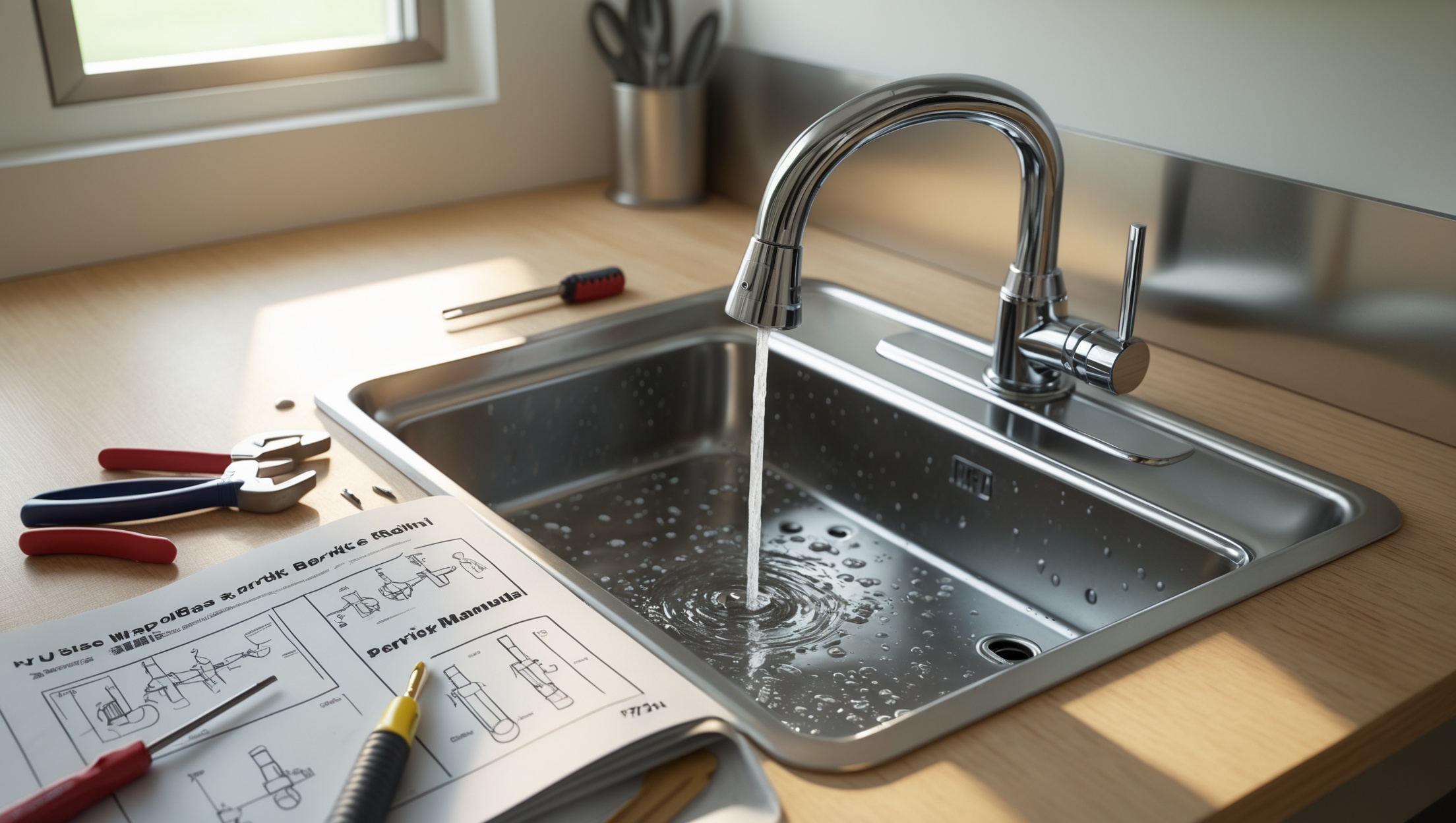
Living abroad offers adventure, discovery, and countless new experiences—but it also comes with its share of surprises, especially when it comes to household emergencies. Whether you’re renting an apartment in Lisbon, housesitting in Tokyo, or sharing a flat in Buenos Aires, you might suddenly face a leaking pipe, faulty wiring, or a broken appliance. While these situations can feel daunting—especially when you’re far from home and battling language barriers—being prepared and knowing how to act can turn a potential disaster into a manageable inconvenience. In this guide, we’ll walk you through practical steps to handle unexpected household breakdowns overseas. We’ll cover emergency repair basics, how to find reliable local help, what to prepare in advance, and how to navigate the unique challenges of unfamiliar environments. Whether you’re a digital nomad, expat, or long-term traveler, this resource will help you stay calm, organized, and safe when things go wrong at home abroad.
Understanding Common Household Emergencies Abroad
Every country has its quirks when it comes to housing, infrastructure, and repair practices. While you may be used to a certain standard of plumbing or electrical systems at home, accommodations abroad can present unexpected challenges. Here are some of the most common household breakdowns expats and travelers face:
- Water leaks (pipes, faucets, washing machines)
- Electrical outages (fuse box trips, faulty outlets, power surges)
- Appliance failures (refrigerators, stoves, heaters)
- Clogged drains and toilets
- Heating or air conditioning malfunctions
- Broken locks or windows
Not knowing how to respond immediately can lead to bigger problems, from property damage and lost deposits to safety hazards. That’s why it’s crucial to familiarize yourself with emergency procedures and local resources before you need them.
Pre-Arrival Prep: Building Your Emergency Toolkit
Essential Tools to Pack or Buy Locally
Even if you’re not a DIY enthusiast, a small toolkit can be invaluable. Consider assembling the following:
- Adjustable wrench
- Multi-bit screwdriver
- Roll of duct tape
- Flashlight (with spare batteries)
- Plunger
- Voltage tester (especially important for older apartments)
- Small first-aid kit
- Notepad and pen (for communication or taking notes over the phone)
Many countries have affordable hardware stores or markets, but in some locations, finding even basic tools can be surprisingly tricky. Packing a compact kit ensures you’re not caught off guard.
Know Your Rental: Critical Info to Collect
- Landlord or property manager contact info
- Building superintendent or maintenance team numbers
- Location of main water shut-off valve
- Fuse box/circuit breaker location and labeling
- Emergency contacts (local police, fire, or medical)
Take photos of these locations and keep a physical and digital copy of all contact details. If you’re staying in a shared or serviced apartment, ask the reception or building staff for their in-house emergency procedures.
First Response: What to Do When Something Breaks
Step 1: Assess the Situation Safely
Take a deep breath and evaluate the problem. Is it a minor inconvenience, or does it pose a threat to your safety or the property? For example, a leaking pipe near electrical outlets requires immediate action, while a dripping tap might be less urgent.
Step 2: Prevent Further Damage
- Water Issues: Shut off the main water valve if there’s a major leak. Place towels or buckets to contain the flow.
- Electrical Issues: If you notice sparks, burning smells, or exposed wiring, switch off the power at the circuit breaker and avoid contact.
- Gas Leaks: If you suspect a gas leak (smell of rotten eggs, hissing sound), evacuate immediately, avoid using electrical switches, and call emergency services.
Step 3: Notify Relevant Parties
Contact your landlord, property manager, or building staff as soon as possible. Be clear and concise—if you’re not fluent in the local language, use translation apps or have a bilingual friend assist. Provide photos or video if possible.
Step 4: Secure the Area
Keep pets and children away from the affected area. If applicable, inform neighbors if the problem could impact them (e.g., water leaks in apartments above or below).
Finding Local Repair Help: Resources and Tips
Where to Look for Trusted Professionals
- Landlord/Agency Recommendations: Many rentals come with a preferred list of electricians, plumbers, or handymen.
- Local Expats Groups: Online communities (Facebook, WhatsApp, Reddit) often have vetted recommendations.
- Building Staff: In apartment complexes, supers or porters often have direct contacts for urgent repairs.
- Specialist Apps/Websites: Many countries have platforms like TaskRabbit, Thumbtack, or local equivalents (e.g., ProntoPro in Italy, Fixando in Portugal).
- Neighborhood Hardware Stores: Shop staff often know reliable tradespeople or offer quick repair services themselves.
What to Ask When Hiring
- Are you licensed and insured for this type of work?
- Can you provide an estimate (in writing if possible)?
- Do you offer emergency/after-hours service?
- How quickly can you arrive?
- What payment methods do you accept?
It’s wise to clarify whether the landlord or agency covers repair costs, or if you’ll need to pay upfront and seek reimbursement. Always keep receipts and document the problem and solution for your records.
Dealing with Language Barriers
Effective Communication Strategies
When you don’t speak the local language, describing technical issues can be stressful. Here’s how to make it easier:
- Use translation apps (Google Translate, DeepL) for both written and spoken communication.
- Take photos or videos to show the issue—visuals can transcend language barriers.
- Learn key phrases: “Water is leaking,” “No electricity,” “The heater is broken.” (Practice or save them in your phone.)
- Ask a neighbor or building staff for help if you’re struggling to get your point across.
Many repair professionals are used to working with foreigners, but patience and politeness go a long way. If a misunderstanding occurs, stay calm and try rephrasing or using more visuals.
What to Expect: Local Repair Norms and Timelines
Common Differences from Home
- Availability: In some countries, same-day service is rare—repairs might take days or even weeks.
- Payment: Cash is often preferred, though some providers accept mobile payment apps.
- Work Standards: Building codes and best practices vary. Don’t assume repairs will match your home country’s standards.
- Parts Sourcing: Replacement parts may take longer to source, especially for imported appliances.
Managing Expectations
Stay flexible and communicate clearly. If a repair is delayed, ask for temporary solutions (e.g., portable heaters, bottled water, extension cords) and document all conversations. Keeping a paper trail helps if there are disputes over deposits or responsibilities later.
Insurance and Liability: Who Pays for What?
Coverage Basics
Most landlords abroad are responsible for major structural repairs, while tenants may be on the hook for minor maintenance or damage caused by negligence. Check your lease agreement for details.
- Renter’s insurance (sometimes called tenant or contents insurance) can cover damage to your possessions and third-party liability if you cause damage to the property.
- Some travel insurance policies include limited coverage for accidental property damage in rental homes—read the fine print.
How to Document Damage
Take date-stamped photos and videos of the issue and subsequent repairs. Notify your landlord and insurer as soon as possible, and keep all correspondence in writing when possible.
Smart Habits to Reduce Emergency Risks
- Test smoke and carbon monoxide detectors upon arrival.
- Check for signs of leaks, mold, or faulty wiring as soon as you move in.
- Don’t overload electrical outlets—use adaptors and surge protectors where needed.
- Ask about appliance quirks or local utility schedules (e.g., planned outages).
- Keep pathways clear and store emergency numbers in your phone.
Being proactive with simple checks and questions can reduce the likelihood of emergencies and make your stay much smoother.
Case Study: A Leaking Pipe in Barcelona
Emma, a remote worker from Canada, arrived in Barcelona for a six-month stay. Two weeks in, she woke to the sound of running water under her kitchen sink. Opening the cabinet, she found a growing puddle. Unsure of the main water shut-off location and unable to reach her landlord immediately, she quickly:
- Used her translation app to search “main water shut-off Barcelona apartment” and found a guide with pictures.
- Shut off the valve and placed towels to contain the leak.
- Messaged her landlord with a photo and short description in both English and Spanish.
- Asked in a local expat WhatsApp group for an emergency plumber recommendation.
- Within two hours, a plumber arrived, fixed the pipe, and provided a digital receipt. The landlord reimbursed her the next day.
Emma’s quick thinking, digital toolkit, and local connections turned a stressful situation into a manageable one—without major damage or extra expenses.
Conclusion: Turning Emergencies into Opportunities for Confidence
Household emergencies abroad can feel overwhelming, but with the right preparation and mindset, you can handle them with confidence. The key is to anticipate potential issues before they arise: assemble a basic toolkit, familiarize yourself with your rental’s infrastructure, and build a list of emergency contacts and resources. When something goes wrong, act swiftly to minimize damage, communicate clearly with all parties, and don’t hesitate to use local networks—both online and offline—for help. Remember that every country has its own repair timelines, standards, and costs, so flexibility and patience are vital. By documenting everything and understanding your insurance coverage, you’ll safeguard your finances and your peace of mind. Most importantly, each challenge is an opportunity to learn, adapt, and grow more self-reliant in a new environment. With these strategies, you’ll not only survive household breakdowns abroad—you’ll thrive, turning setbacks into stories and skills that last a lifetime.