
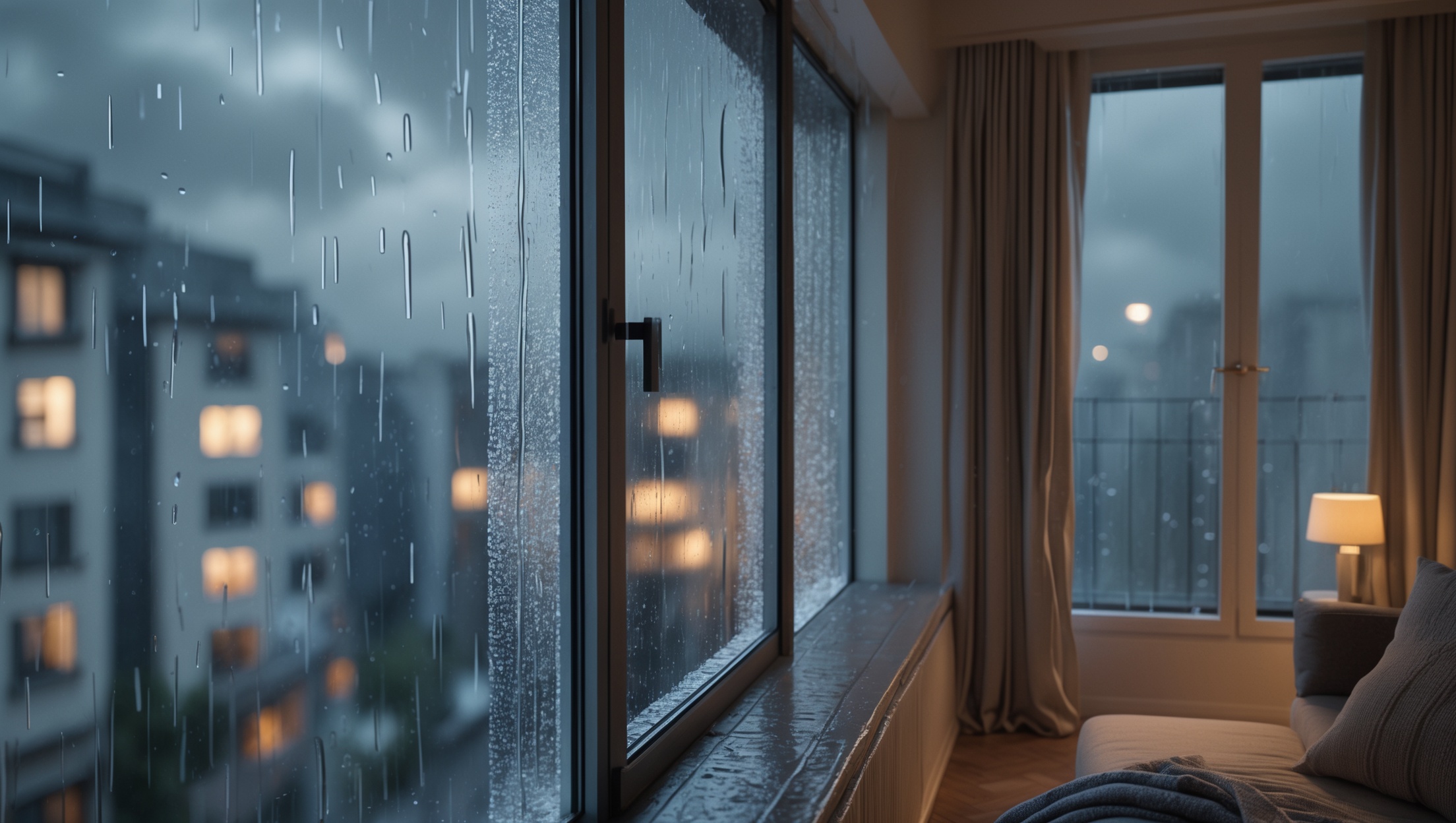
Introduction: Why Weatherproofing Matters in Rental Apartments Abroad
Whether you’re an expat settling in for a new job, a digital nomad hopping between cities, or a long-term traveler, the comfort of your living space abroad is vital. Yet, moving into a rental apartment in a new country often brings unexpected climate challenges—drafty windows, damp air, sweltering summers, or bone-chilling winters. Many rentals, especially in older buildings or regions with milder climates, lack the insulation or weatherproofing features you might expect back home. This can mean higher utility bills, humidity problems, or simply a less comfortable stay.
But you don’t need to tear down walls or make permanent renovations to vastly improve your comfort and energy efficiency. With smart, renter-friendly upgrades, you can transform even a basic apartment into a cozy, weather-resistant haven—without risking your security deposit or violating lease terms. In this guide, we’ll break down practical, affordable, and reversible strategies for weatherproofing rental apartments abroad. Whether you’re facing humid monsoons in Southeast Asia, chilly winds in Central Europe, or Mediterranean heatwaves, you’ll find actionable tips for every climate and budget.
Assessing Your Apartment: The Renter’s Weatherproofing Audit
Step 1: Identify Drafts and Air Leaks
Start with a walk-through of your apartment. On a windy or cold day, check for drafts:
- Feel for air movement around window frames, door edges, and electrical outlets.
- Hold a lit incense stick or a piece of tissue paper near suspected gaps; movement signals airflow.
- Note any rattling windows, loose door frames, or gaps under exterior doors.
Step 2: Check for Moisture and Humidity Issues
Look for:
- Condensation on windows or walls.
- Mold or mildew in corners, especially in bathrooms and kitchens.
- Musty odors or peeling paint—signs of persistent dampness.
Step 3: Assess Sun Exposure and Heat Gain
Observe how sunlight enters your apartment throughout the day. Excessive direct sunlight can cause overheating, while a lack of sun may make rooms chilly and damp.
Quick Win Upgrades: Weatherproofing Without Tools
Heavy Curtains and Thermal Blinds
Thick, lined curtains or thermal blinds are among the easiest ways to improve insulation. They help trap heat in winter and block sunlight in summer. Look for:
- Blackout curtains (for heat and light control).
- Thermal or insulated linings to reduce heat transfer.
- Extend curtains well past window edges to cover any gaps.
Door Draft Stoppers
Simple draft excluders (also called door snakes or door sweeps) block cold air from entering under doors. You can buy them inexpensively, or DIY with rolled towels or sand-filled fabric tubes. These are especially useful for:
- Front doors leading to unheated hallways or stairwells.
- Balcony doors, especially in older buildings.
Window Insulation Film
Clear plastic window insulation kits temporarily seal drafty windows and reduce heat loss. They stick on with removable adhesive and can be peeled off at the end of your lease. These are particularly effective in:
- Cold climates with single-pane or poorly sealed windows.
- Rooms where you feel a noticeable chill near the glass.
Rugs and Carpets
Hard floors, especially tile or stone, can be a source of heat loss. Using area rugs or carpets helps insulate against cold and adds comfort underfoot.
Dealing with Humidity and Damp
Portable Dehumidifiers
If you’re in a humid or rainy region, a portable dehumidifier is a game changer. It prevents mold growth, protects your belongings, and improves air quality. Features to look for:
- Auto shut-off when the tank is full.
- Adjustable humidity settings.
- Compact size for easy storage and transport.
Moisture Absorbers
In closets, under sinks, or in small bathrooms, disposable moisture absorbers (like silica gel packs or calcium chloride crystals) are effective at keeping dampness in check. These are inexpensive and widely available in most countries.
Ventilation Best Practices
Open windows briefly each day to air out the apartment, even in winter. Use bathroom and kitchen exhaust fans after cooking or showering. If fans are weak or absent, consider a small portable fan aimed at a window to encourage air exchange.
Renter-Friendly Insulation Tricks
Removable Weatherstripping Tape
Self-adhesive foam or rubber weatherstripping is easy to apply around windows and doors. It peels off cleanly, making it ideal for rentals.
Window Sealing Putty
Temporary window putty or caulk strips can fill small gaps in window frames. They’re non-permanent and can be removed without leaving residue.
Bubble Wrap for Windows
In a pinch, large bubble wrap pressed against wet glass forms an extra insulating layer. It’s a quirky but effective solution for severe cold snaps in otherwise temperate climates.
Managing Sun and Heat: Stay Cool Without AC
Reflective Window Film
Static-cling reflective films block UV rays and reduce heat gain, making rooms cooler without blocking all natural light. They’re removable and won’t damage glass.
DIY Window Shades
For top-floor apartments or intense midday sun, hang light-colored fabric or emergency foil blankets (shiny side out) behind curtains to reflect heat away.
Cross-Ventilation Techniques
If safe to do so, open windows on opposite sides of your apartment to create a cooling breeze. Use fans to enhance airflow.
Weatherproofing for All Seasons: A Checklist
- Winter: Install window insulation film, seal drafts, use heavy curtains, and lay down rugs.
- Summer: Apply reflective window film, use light curtains, and maximize ventilation.
- Rainy/Humid Season: Run dehumidifiers, use moisture absorbers, and check for leaks after heavy rain.
- Transitional Seasons: Adjust window coverings and ventilation as outside temperatures fluctuate.
Essential Tools and Supplies: The Renter’s Kit
- Removable weatherstripping tape
- Window insulation film or bubble wrap
- Draft stoppers for doors
- Heavy curtains or thermal blinds
- Portable dehumidifier
- Moisture absorbers
- Static-cling reflective window film
- Area rugs
- Basic toolkit (scissors, tape measure, utility knife)
Most of these items are lightweight and can be packed into your luggage or sourced at local hardware or home goods stores.
Budget Breakdown: Weatherproofing Without Breaking the Bank
Estimated Costs (by Region)
Prices vary, but here’s a general guide for a one-bedroom apartment:
- Weatherstripping tape: $5–$15
- Window insulation film: $10–$25 per kit
- Draft stoppers: $5–$20
- Heavy curtains: $20–$60 per set
- Dehumidifier: $40–$150 (rentable in some countries)
- Moisture absorbers: $2–$10 each (lasts 1–3 months)
- Reflective window film: $15–$30 per window
- Rugs: $20–$100 (new or secondhand)
Inexpensive upgrades like tape, film, and draft stoppers can make a huge difference for under $50. If you plan to stay for several months or repeat moves, investing in portable items (like curtains or a dehumidifier) pays off over time.
Landlord Communication: Staying Compliant
Always review your lease before making any changes. Most temporary upgrades are harmless and easily reversed, but it’s smart to inform your landlord about:
- Applying window film (especially if adhesive is involved).
- Installing curtain rods or hardware requiring new holes.
- Running electrical appliances like dehumidifiers constantly.
When in doubt, opt for non-permanent solutions, or use existing hardware (like tension rods for curtains).
Case Studies: Weatherproofing Wins from Real Expats
Case 1: Beating the Cold in Berlin
Anna, a Canadian expat in Berlin, arrived in November to a classic Altbau apartment with beautiful but leaky windows. After a week of shivering, she bought window insulation film and heavy curtains from a local hardware store. She spent about €40 and cut her heating bill by 25%, with far fewer cold drafts.
Case 2: Taming Humidity in Bangkok
Mike, an American digital nomad, was surprised by mold on his shoes after a rainy month in Bangkok. He invested in a small dehumidifier and several reusable moisture absorbers for closets. The musty smell disappeared within days, and his electronics stayed safe from condensation.
Case 3: Staying Cool in Southern Spain
Lucia, an Italian freelancer, used reflective window film and white blackout curtains to keep her sunny living room cool during Andalusia’s brutal summer. She also placed a fan near the window for cross-ventilation, reducing her reliance on air conditioning and saving on electricity.
Maintenance Best Practices: Keeping Your Upgrades Effective
- Inspect weatherstripping and replace it if it starts peeling or loses effectiveness.
- Wash or air out curtains and rugs regularly to prevent dust and mold.
- Empty dehumidifier tanks daily in high-humidity periods.
- Check windows and doors after storms for new leaks or damage.
- Remove all temporary materials (film, tape, draft stoppers) before moving out to avoid disputes over your deposit.
Conclusion: Creating Comfort, No Matter Where You Land
Adapting to a new country means embracing unfamiliar climates, but it doesn’t mean you have to put up with uncomfortable living conditions. Weatherproofing a rental apartment abroad is less about major renovations and more about smart, renter-friendly upgrades that make daily life more pleasant—and more affordable. With a little effort and minimal investment, you can take control of your environment, reduce utility costs, and protect your health and belongings from the effects of temperature extremes, humidity, and drafts.
The key is to assess your apartment’s vulnerabilities early, prioritize easy wins like sealing drafts and controlling moisture, and invest in a basic kit of portable, reversible solutions you can take from one rental to the next. Communicate openly with landlords and use non-permanent methods whenever possible to ensure compliance. By planning ahead, you’ll not only enhance your comfort and savings but also gain valuable skills that serve you well in any corner of the globe. Weatherproofing isn’t just for homeowners—it’s a smart move for any traveler, expat, or remote worker who wants to feel at home, wherever they roam.