
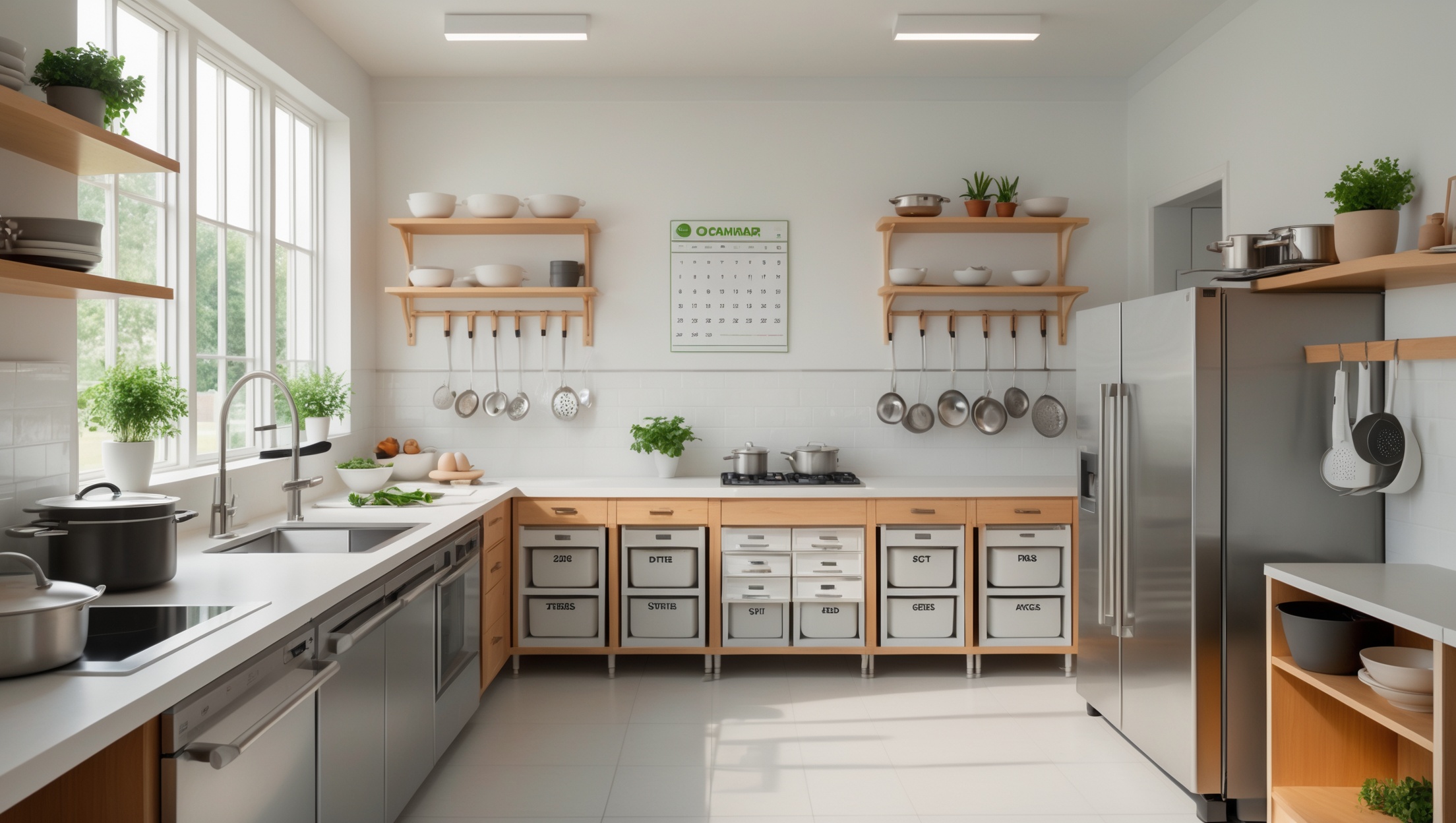
Cooking in public or shared kitchens is a hallmark of life abroad for travelers and expats, whether you’re in a hostel, student dorm, co-living space, or guesthouse. These communal spaces offer the chance to save money, mingle with fellow residents, and even experiment with local ingredients. However, public kitchens also come with unique safety challenges—from unfamiliar appliances to varying standards of cleanliness and etiquette. Understanding how to navigate these risks is essential for a pleasant, worry-free experience. This comprehensive safety checklist goes far beyond the basics, equipping you with practical know-how for every stage of your culinary journey abroad. Whether you’re a first-time backpacker or a seasoned expat, following these guidelines will help you avoid mishaps, prevent foodborne illness, and foster positive relationships with your kitchen-mates and hosts.
Understanding the Public Kitchen Landscape
Types of Public Kitchens You’ll Encounter
- Hostel Kitchens: Typically compact and high-traffic; expect basic gear and limited fridge space.
- Co-Living or Apartment-Share Kitchens: More amenities, but shared among several long-term residents.
- Student Dorm Kitchens: May be communal per floor or per suite, with variable standards of cleanliness.
- Guesthouse/B&B Kitchens: Sometimes offer partial access; rules may be stricter.
Common Safety Challenges
- Mixed skill levels using kitchen equipment
- Inconsistent cleaning and maintenance practices
- Potential for cross-contamination and food spoilage
- Unfamiliar appliances, voltages, and gas systems
- Storage confusion and risk of food theft or mix-ups
General Safety Rules: The Non-Negotiables
- Never leave cooking unattended, especially when using gas stoves or ovens.
- Wash hands with soap before and after handling food, especially raw meat or poultry.
- Wipe down all surfaces before and after use with disinfectant provided or your own wipes.
- Label your food clearly (name, date) and store it in sealed containers to prevent contamination and mix-ups.
- Report any broken appliances or hazards (e.g., gas smells, frayed cords) to staff or management immediately.
Hygiene Best Practices
Personal Hygiene
- Tie back long hair and avoid loose clothing that could catch on burners.
- Use a clean apron if available, or designate a cooking shirt for kitchen use.
- Cover minor cuts or wounds with waterproof bandages before handling food.
Kitchen Cleanliness
- Inspect utensils, cutting boards, and cookware before use. Wash thoroughly if in doubt.
- Never reuse a cutting board or knife for raw and cooked foods without washing.
- Use a separate cloth or disposable towel for drying dishes—shared sponges often harbor bacteria.
- Dispose of food scraps promptly and correctly; familiarize yourself with local waste and recycling rules.
Equipment and Appliance Safety
Stoves and Ovens
- Check for posted instructions—appliances often differ by country (e.g., gas ignition methods, voltage ratings).
- Turn pot handles inward to avoid accidental knocks in crowded spaces.
- Never use damaged or makeshift power adapters for electric appliances; risk of fire or electric shock is high.
- If using gas, ensure proper ventilation and check for gas leaks (rotten egg smell). Don’t hesitate to seek help if unsure.
Small Appliances
- Inspect cords, plugs, and sockets before use. Report any exposed wiring.
- Never overload power strips. If unsure of local voltage, ask staff before plugging in personal appliances.
- Clean blenders, toasters, and microwaves after each use—crumbs and residue attract pests and pose fire hazards.
Food Safety and Storage
Shopping and Preparation
- Buy groceries in quantities you’ll use quickly; fridge and pantry space is often limited.
- Prefer sealed, shelf-stable items if your stay is brief or fridge space is unreliable.
- Use separate utensils for raw and cooked foods to avoid cross-contamination.
Cooking Temperatures
- Ensure meats, eggs, and poultry are cooked through; bring a small instant-read thermometer if possible.
- Never eat leftovers that have been left out for more than 2 hours—or 1 hour in hot climates.
- When in doubt, throw it out—foodborne illness is not worth the risk, especially abroad.
Storing Your Food Safely
- Use clear, airtight containers and label them with your name and the date.
- Organize your items together to minimize disruption to others’ food.
- Promptly discard expired or spoiled items to keep communal spaces pleasant and safe.
Etiquette and Conflict Avoidance
Respecting Others’ Space and Time
- Clean as you go, especially during peak meal times.
- Don’t monopolize large cookware or all burners during busy hours.
- Return communal items (e.g., salt, oil, utensils) to their designated spots after use.
- If you borrow an item (with permission), clean and return it promptly.
Preventing and Handling Disputes
- Avoid touching or moving others’ food without explicit permission.
- If you notice a spill or mess that isn’t yours, pitch in—communal harmony is vital.
- Address issues politely and directly; involve staff if conflicts escalate.
Local Compliance and Emergency Prep
Know the Rules
- Familiarize yourself with posted kitchen rules—local fire codes or health regulations may differ from what you’re used to.
- Adhere to quiet hours or restricted cooking times, especially in residential areas.
Emergency Procedures
- Locate fire extinguishers, emergency exits, and first aid kits immediately upon arrival.
- Know who to contact (front desk, security, management) in case of an emergency.
- If a fire breaks out, evacuate first and alert others—do not attempt to fight a kitchen fire unless trained.
The Traveler’s Seasonal Checklist
- Summer: Watch for rapid food spoilage; use coolers or ice packs if fridge space is tight. Keep surfaces dry to deter insects.
- Winter: Be aware of carbon monoxide risks if using gas stoves in poorly ventilated kitchens. Allow extra time for appliances to heat up.
- Rainy Season: Watch for slippery floors and increased pest activity; wipe up spills immediately.
- Holiday Periods: Expect higher kitchen traffic; plan meals during off-peak hours and prep ingredients in advance.
Recommended Tools and Supplies to Pack
- Reusable airtight containers (for storage and leftovers)
- Small bottle of dish soap and personal sponge/cloth
- Compact instant-read thermometer (for food safety)
- Portable cutting board and utility knife (if permitted)
- Reusable shopping bag for groceries
- Travel-size disinfectant wipes or spray
- Labels or masking tape and a marker for food storage
- Lightweight apron (optional, but handy for cleanliness)
Case Studies: Real-World Lessons
Case 1: Avoiding Cross-Contamination in a Hostel Kitchen
Maria, an exchange student in Prague, noticed her hostel kitchen’s sponges were always damp and dirty. She brought her own cloth and wiped down surfaces before use, avoiding the stomach bug that went around later that week. Lesson: Don’t rely on communal cleaning supplies, and always inspect before use.
Case 2: Power Adapter Mishap in a Japanese Guesthouse
Tom plugged his 120V blender into a 220V outlet using a cheap adapter, causing a short circuit and brief power outage. Afterward, he learned to check voltage ratings and only use approved adapters. Lesson: Appliance safety can differ drastically by country—always check before plugging in.
Case 3: Food Mix-Up in a Co-Living Space
Lisa, living in a Barcelona co-living home, lost her groceries several times due to unlabeled containers. She started labeling everything and saw the thefts stop, with other residents soon adopting the same habit. Lesson: Clear labeling is essential for food safety and community harmony.
Conclusion: Cooking with Confidence Abroad
Public kitchens abroad are vibrant hubs of culture, conversation, and culinary experimentation—but only if approached with care and respect. By following this essential safety checklist, you’ll protect your health, avoid costly or dangerous mishaps, and foster a welcoming environment for yourself and others. Remember, every communal kitchen has its own rhythms and unwritten rules, so stay observant and adaptable. Packing a few key items, maintaining strict hygiene, and respecting both people and property will transform your cooking experience from risky to rewarding. Most importantly, these habits don’t just keep you safe—they help build trust and camaraderie with fellow travelers and expats, turning shared meals into lasting memories. Whether you’re sautéing in Seville, boiling pasta in Bangkok, or baking in Berlin, let this checklist be your passport to safe, enjoyable, and memorable communal kitchen adventures abroad.
Can you clarify what to do if the public kitchen only provides very basic gear, as you mentioned is common in hostel kitchens? Are there any essential items you recommend bringing from home to make things safer or easier?
If the public kitchen only has basic gear, it’s helpful to bring a few compact essentials from home. Consider packing a small cutting board, a sharp travel knife with a protective cover, a lightweight microfiber towel, and a reusable water bottle. A set of reusable utensils and a collapsible food container can also make cooking and eating easier and more hygienic. These items can help you prepare food safely and avoid sharing potentially unclean equipment.
You mentioned that kitchen equipment can be unfamiliar in different countries, especially with different voltages and gas systems. What should I check or ask about before using appliances in a new place to avoid accidents or damaging my own devices?
Before using any appliances, check what type of power outlets and voltage are used in the country. Make sure your devices are compatible or use a proper adaptor or converter. For gas systems, ask whether it’s natural gas or propane and confirm how to turn gas on and off safely. Always inspect cords and plugs for damage, look for safety instructions on the appliances, and don’t hesitate to ask the host or manager for a demonstration if you’re unsure how something works.
The article talks about unfamiliar appliances and different gas systems in public kitchens abroad. If I’m not sure how to use a certain stove or oven, who should I ask for guidance—staff, other residents, or should I look up instructions myself?
If you’re unsure about operating a stove or oven, it’s best to first ask the kitchen staff since they’re most familiar with the equipment and any safety guidelines. If staff aren’t available, other residents who use the kitchen regularly can also be a good resource. As a last resort, you can look up instructions or user manuals online, but always prioritize safety and don’t hesitate to ask someone nearby for help.