
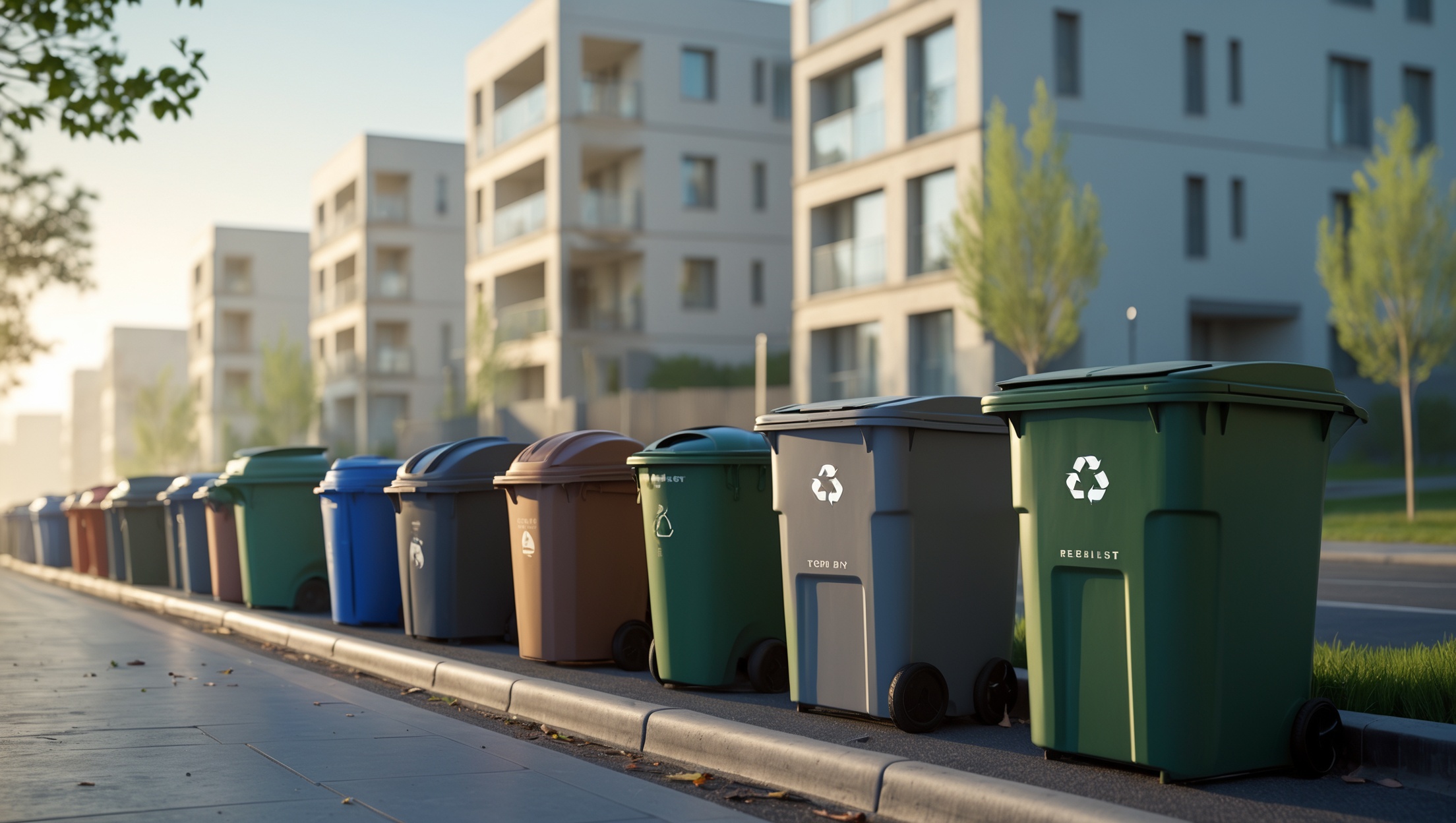
Introduction: Why Trash Collection Abroad Matters More Than You Think
Moving abroad or embarking on a long-term travel adventure comes with its fair share of surprises, and one of the most overlooked aspects is the local trash collection system. While it might seem like a minor detail compared to visas or accommodation, understanding how waste is managed in your new city can make a significant difference in your daily life. Local trash collection abroad often involves different schedules, separation rules, fees, and even strict penalties for non-compliance. A simple mistake—like putting recyclables in the wrong bin or missing a collection day—can result in hefty fines, angry neighbors, or even strained landlord relationships. For expats and travelers alike, mastering this everyday system is crucial for integrating smoothly, avoiding unnecessary costs, and respecting local customs and environmental efforts. This guide unpacks everything you need to know: from deciphering collection calendars to navigating municipal waste fees and adopting smart waste habits that will help you settle in efficiently, keep your space clean, and ensure you’re a responsible member of your new community.
How Local Trash Collection Systems Differ Worldwide
Every country—and often, every city—has its own approach to waste management. These differences can be dramatic, shaped by local environmental policies, infrastructure, and cultural attitudes toward recycling and sustainability. Let’s look at the key ways systems can differ:
- Collection Frequency: Some places collect household waste daily, while others may only pick up once a week or less.
- Separation Rules: You may need to separate not just recyclables and general waste, but also glass, paper, organics, plastics, or even textiles.
- Container Types: Standardized bins, color-coded bags, communal dumpsters, or street-side collection points may be used.
- Fee Structures: Some municipalities charge directly based on the amount of waste produced, while others include fees in rent or utility bills.
- Collection Days and Times: These can be tightly regulated, with waste only allowed curbside for a short window before pickup.
- Special Waste: Bulky items, electronics, hazardous materials, and yard waste often require separate arrangements or pickup requests.
Understanding these local nuances is the first step to becoming waste-wise abroad.
Decoding Local Schedules and Calendars
Where to Find Collection Information
Information on trash collection can be surprisingly tricky to locate, especially if you don’t speak the local language. Here’s how to get started:
- Municipal Websites: Most cities publish detailed schedules and separation rules online. Use translation plugins if needed.
- Landlords and Neighbors: Ask directly for details—experienced locals are often happy to explain the system.
- Building Notices: Many apartment buildings post collection calendars in common areas or by the entrance.
- Local Apps: Some cities have dedicated waste management apps that send reminders for collection days.
Sample Collection Schedules
Here are a few real-world examples to illustrate the diversity:
- Germany: Paper (blue bin) every two weeks, organics (brown bin) weekly, general waste (black bin) bi-weekly, glass at communal bins only.
- Japan: Burnable waste twice a week, recyclables on alternating days, and non-burnables or hazardous items on specific monthly dates.
- Italy: Each neighborhood has its own color-coded calendar—plastic and metals on Mondays, paper on Wednesdays, organics three times a week, etc.
- United States: Varies by city, but typically once weekly for general waste, with recycling and yard waste collected on alternating weeks.
Best Practices for Staying on Track
- Set Digital Reminders: Add recurring events to your phone or calendar for each waste type.
- Print and Post Schedules: Keep a copy of the schedule visible near your kitchen or main door.
- Watch for Holiday Changes: Collection may be delayed or rescheduled around public holidays.
Understanding Fees, Fines, and How to Avoid Them
Types of Fees You Might Encounter
Trash collection costs are handled differently around the world. Here’s what to expect:
- Flat Municipal Fees: Charged annually or monthly, often included in rent or as a separate utility bill.
- Pay-As-You-Throw: In some places (notably parts of Switzerland, Korea, and Japan), you pay for official trash bags or bin tags. The more you throw away, the more you pay.
- Volume-Based Fees: Larger bins or more frequent pickups cost more.
- Special Item Charges: Bulky or hazardous items may require pre-purchased stickers or separate fees.
Common Fines and How to Avoid Them
- Improper Sorting: Mixing recyclables with general waste can result in fines or uncollected bins.
- Putting Trash Out Too Early/Late: Many cities have strict time windows when trash can be placed outside; violations can mean fines or neighborhood complaints.
- Unauthorized Bags/Bins: Using non-official bags or placing items in the wrong location may also incur penalties.
To avoid fines, always use the correct bags or bins, follow the schedule, and ask your landlord or neighbors for clarification if you’re unsure about local rules.
Waste Separation: What Goes Where?
Typical Categories of Waste
Sorting rules are often stricter than you might expect. While categories vary by location, the most common include:
- General Waste: Non-recyclable household trash.
- Recyclables: Glass, plastics, metals, and paper—often with further separation required.
- Organics: Food scraps, coffee grounds, and sometimes yard clippings.
- Special Waste: Electronics, batteries, hazardous chemicals, textiles, large items.
How to Decode Local Signs and Symbols
Many cities use color codes, pictograms, or even local dialect on bins and collection bags. If you’re unsure:
- Snap a photo and use a translation app.
- Look for official city websites with downloadable guides.
- Ask building managers for a sorting cheat sheet.
Tips for Effective Sorting
- Rinse recyclables to prevent odors and contamination.
- Break down cardboard and crush bottles to save space.
- Keep hazardous waste (batteries, electronics) separate and inquire about special collection days.
Smart Habits for Waste Management Abroad
Minimizing Waste to Save Money and Hassle
- Opt for reusable shopping bags and containers.
- Shop at local markets where packaging is minimal.
- Compost food scraps if possible (some cities offer communal compost bins).
- Repair and repurpose items before discarding.
Keeping Your Home Tidy and Odor-Free
- Use bins with tight-fitting lids, especially for organics.
- Empty bins regularly to avoid pests.
- Clean bins with vinegar or baking soda between uses.
Building Good Neighbor Relationships
- Follow building etiquette for shared bins (never overfill or leave trash outside containers).
- Participate in community clean-up events when possible.
- Be proactive in learning and respecting local customs around waste—this is often noticed and appreciated!
Special Cases: Bulky Items, Electronics, and Hazardous Waste
Bulky Waste (Furniture, Mattresses, Appliances)
Disposal of large items almost always requires special arrangements. Many cities offer:
- Pre-scheduled curbside pickups (often with a fee).
- Drop-off at municipal recycling centers.
- Purchase of disposal stickers or tags from local stores.
Never leave bulky items curbside without permission—this can result in steep fines.
Electronics and Batteries
- Designated collection days or drop-off points are common for electronics.
- Many shops or supermarkets have battery and small electronics recycling bins.
- Some countries prohibit disposal of electronics with regular trash entirely.
Hazardous and Medical Waste
Items like paint, solvents, or expired medications require careful disposal. Check local guidelines and use official hazardous waste centers. Pharmacies may collect unused medications.
Case Study: Adapting to Trash Collection in Three Countries
Germany: Strict Separation and Pay-As-You-Throw
In Berlin, newcomers are often surprised by the detail required in sorting. Color-coded bins are strictly enforced, and improper sorting can mean bins are left uncollected. Rental contracts typically include a municipal waste fee, but extra pickups or oversized items require a separate request and payment. Many expats find it helpful to keep a printed sorting chart in the kitchen.
Japan: Community-Driven Waste Culture
Japanese municipalities provide detailed trash calendars with precise instructions. Trash must be placed outside only during designated hours, and clear bags are required for certain waste types. Non-compliance often results in your trash being left behind with a note. Community monitors may check for correct sorting, so it pays to learn the system quickly.
USA: Variation and Flexibility
In the US, rules vary greatly by city. Some places provide bins for everything; others require you to purchase tags or stickers for extra bags. Many cities now offer online lookup tools for schedules and accepted materials. While fines are less common, repeat offenders can face penalties or loss of service.
Step-by-Step: Setting Up Your Trash Routine Abroad
- Research Local Rules: Search for your city or district’s waste management website, or ask your landlord for written guidelines.
- Obtain the Right Bins or Bags: Purchase official bags or bins as required—these may be available at supermarkets, hardware stores, or directly from your building manager.
- Mark Collection Days: Use a calendar or app to track which waste is collected when.
- Set Up a Sorting Station at Home: Use labeled bins or baskets for each waste type, ideally in your kitchen or entryway.
- Learn Special Procedures: Find out how to dispose of electronics, bulky items, and hazardous waste.
- Introduce Yourself to Neighbors: Ask if there are any building-specific customs or shared responsibilities.
- Review and Adjust: After your first month, assess what’s working and tweak your setup as needed.
Pro Tips: Avoiding Common Mistakes
- Never assume your home country’s system applies—always double-check local rules.
- If in doubt, sort more carefully—over-sorting is rarely penalized, but contamination is.
- Don’t leave trash outside overnight unless specifically allowed.
- Keep proof of payment for municipal fees or special waste pickups in case of disputes.
- When moving out, arrange for a final cleanup and proper disposal of all waste.
Conclusion: Making Waste Management Abroad Effortless
Getting trash collection right may not be the most glamorous part of life abroad, but it is one of the most practical—and a true marker of integration. Mastering local schedules, separation rules, and waste fees will save you money, prevent unpleasant surprises, and help you build positive relationships with neighbors and landlords. Plus, respecting local systems is a simple but meaningful way to contribute to community cleanliness and environmental health. By adopting smart habits, staying informed, and being proactive in your approach, you’ll spend less time worrying about waste and more time enjoying the experiences that drew you abroad in the first place. Remember: every city has its quirks, but with the right information and a little flexibility, you’ll soon find yourself sorting, separating, and scheduling like a local—making your transition smoother and your new life abroad that much more enjoyable.
As someone preparing to move abroad with kids, I’m curious about how strictly separation rules are enforced in different countries. Are fines usually given right away for small mistakes, or do most places offer warnings first to help newcomers adjust?
Enforcement of separation rules can vary widely by country and even by city. Generally, many places are understanding toward newcomers and may issue warnings or provide additional guidance before giving fines, especially for small mistakes. However, some areas are stricter and may impose fines right away to encourage compliance. It’s a good idea to check local guidelines and, if possible, ask neighbors or your landlord how things are handled in your new area.
I noticed you mentioned municipal waste fees can differ in structure. How do these fees usually get billed for travelers renting short-term, like through Airbnb, compared to long-term residents? Is it something to watch out for when budgeting?
For short-term rentals like Airbnb, municipal waste fees are usually included in the nightly rate, so travelers rarely see a separate charge. Long-term residents, however, often receive a bill directly or as part of their utility payments. If you’re planning a longer stay or negotiating a monthly rental, it’s wise to confirm whether waste fees are included or extra, as this can affect your budget.