
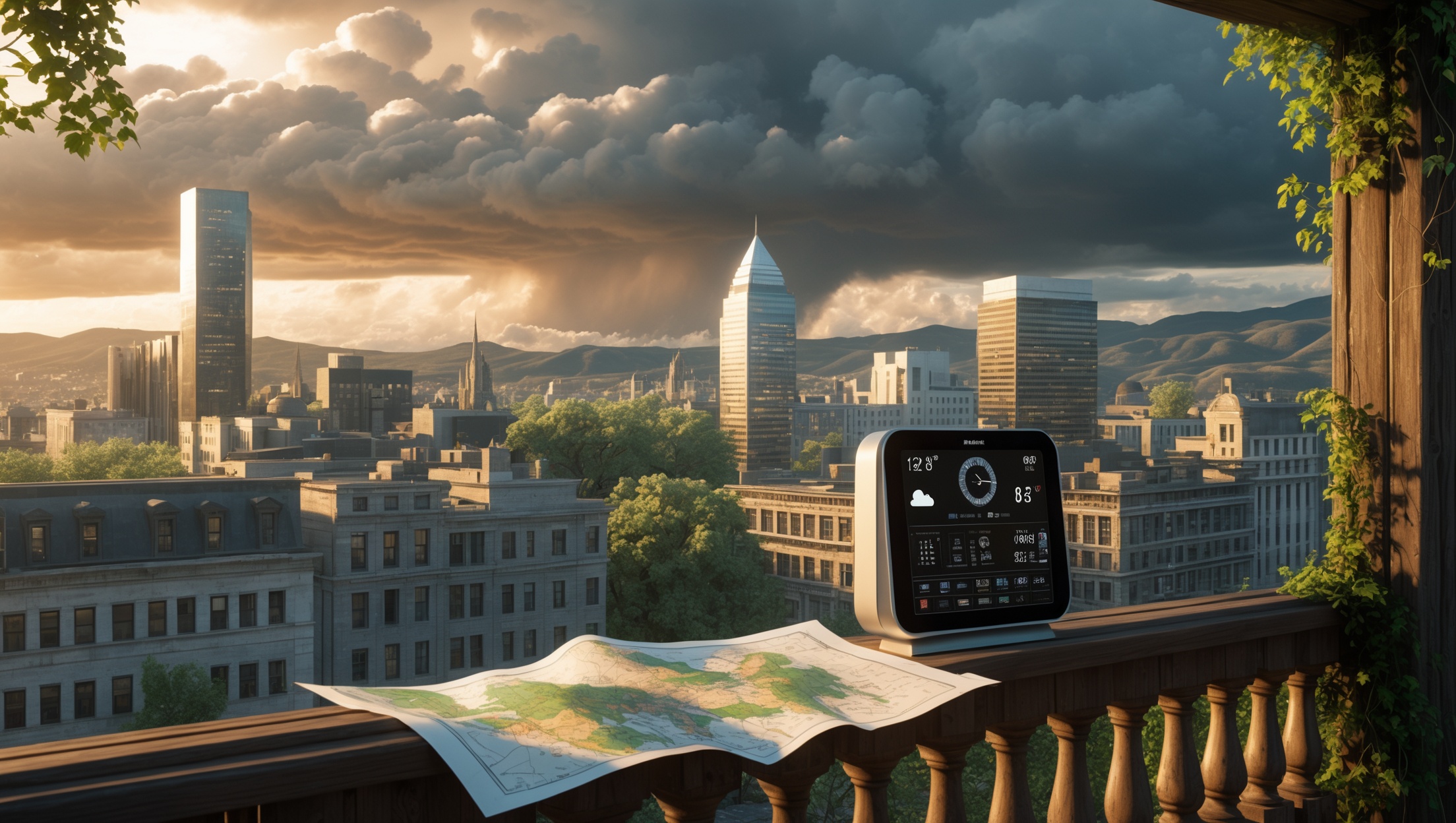
Introduction: Why Understanding Local Weather Patterns Matters Abroad
For travelers and expats, mastering local weather patterns isn’t just a matter of curiosity—it’s a crucial skill for safety, comfort, and making the most of your time abroad. Moving to a new country or city means adapting to unfamiliar climates, from monsoon seasons in Southeast Asia to sudden cold snaps in Europe or unpredictable tropical storms in the Caribbean. Failing to anticipate local weather can lead to ruined plans, health risks, property damage, and avoidable expenses. If you’re planning a trek across the Andes, renting an apartment in Tokyo, or road-tripping through the Australian Outback, knowing how to read and react to local weather will protect your health, save you money, and deepen your appreciation of the place you now call home. This comprehensive guide walks you through the practical steps, essential tools, and key mistakes to avoid when interpreting weather abroad—so you can thrive, rain or shine.
Getting Oriented: The Basics of Local Weather Systems
Understanding Macro vs. Microclimates
Weather patterns are shaped by both broad regional influences and hyper-local factors. Macroclimates refer to large-scale patterns affecting entire regions—think Mediterranean summers or Scandinavian winters. Microclimates, on the other hand, can change significantly even within a single city or neighborhood, influenced by elevation, proximity to water, urban density, and vegetation. For example, a hillside neighborhood may be much cooler and windier than the city center just a few kilometers away. When settling abroad, take time to ask locals about neighborhood-specific quirks and check multiple weather sources for localized forecasts.
Key Weather Influencers to Research
- Seasonal Cycles: Dry vs. wet seasons, monsoons, hurricane/cyclone periods, snow seasons.
- Prevailing Winds: Winds can influence temperature, humidity, and air quality; important for coastal and desert regions.
- Elevation: Higher altitudes are generally cooler and may see more precipitation.
- Proximity to Water: Coastal areas often have milder temperatures but more humidity and sudden storms.
Essential Tools and Resources for Weather Tracking
Reliable Digital Tools
- Local Meteorological Services: Always bookmark the official weather bureau for your host country. These sources offer the most accurate and region-specific warnings.
- Weather Apps: Download at least two reputable apps (e.g., Windy, AccuWeather, or the local favorite) and compare their data. Many apps let you set customizable alerts for severe weather.
- Satellite Imagery: For advanced users, global satellite services (like MeteoEarth or NOAA) allow you to track storm systems in real time.
- Weather Widgets: Add widgets to your phone’s home screen for instant updates.
Analog Tools and Local Knowledge
- Digital Thermometer and Barometer: Especially useful in areas with sudden pressure drops or heat spikes.
- Paper Map: Mark areas prone to flooding, landslides, or high winds.
- Community Boards and WhatsApp Groups: Local groups often share hyper-local warnings faster than official channels.
Common Weather-Related Mistakes (and How to Avoid Them)
1. Relying Only on Global Apps
Many expats make the mistake of trusting international apps without cross-checking with local meteorological services. This can lead to missing critical, region-specific warnings. Always use both for best accuracy.
2. Ignoring Microclimates
Assuming the citywide forecast applies to your street or village is a recipe for surprises. Always ask neighbors and track your own observations—local knowledge is invaluable.
3. Underestimating Seasonal Extremes
Newcomers often underestimate how severe a “rainy season” or “heatwave” can be until it’s too late. Research historical weather records and prepare accordingly, especially if your housing is not weatherproofed.
4. Not Setting Alerts for Severe Weather
Failing to set up push notifications or SMS alerts can leave you unprepared for sudden events like typhoons, hailstorms, or flash floods. Configure alerts as soon as you arrive.
Step-By-Step: Setting Up Your Personal Weather System Abroad
Step 1: Research and Bookmark Local Weather Authorities
Start by searching for the official meteorological institute or weather bureau in your host country. Bookmark their site and follow them on social media. Examples include AEMET (Spain), JMA (Japan), or BOM (Australia).
Step 2: Download and Configure Weather Apps
- Install at least two apps—one global, one local.
- Allow location access for hyper-local forecasting.
- Set up push notifications for severe weather events.
Step 3: Build a Local Network
- Join relevant WhatsApp, Telegram, or Facebook groups for your neighborhood.
- Introduce yourself to neighbors and ask about typical weather surprises.
- Subscribe to local news outlets for weather alerts and emergency procedures.
Step 4: Outfit Your Home with Basic Weather Gear
- Purchase a digital thermometer/hygrometer for indoor climate awareness.
- Invest in a surge protector for electronics if storms are frequent.
- Keep a waterproof flashlight and basic emergency kit ready during severe weather seasons.
Step 5: Maintain a Weather Journal
Keep a simple notebook or digital log of daily observations—temperature, humidity, wind, and unusual events. Over time, you’ll spot patterns and gain a sixth sense for local climate quirks.
Advanced Strategies: Reading the Sky Like a Local
Cloud Identification
Learning to recognize common cloud types can provide early warnings:
- Cumulonimbus: Tall, anvil-shaped clouds signal thunderstorms or heavy rain ahead.
- Cirrus: Wispy clouds high in the sky may indicate a change in weather within 24 hours.
- Stratus: Low, gray clouds often bring drizzle or persistent rain.
Natural Indicators
- Sudden wind shifts or temperature drops can precede storms.
- Insects, birds, and local animals often react to changes—watch for unusual behavior.
- Pay attention to distant thunder or changes in air pressure (feeling “heavy”).
Monitoring Local Waterways
In flood-prone regions, rivers or canals can rise rapidly. Track water levels after heavy rain and know your evacuation routes. Some countries offer SMS flood alerts—register if available.
Weather Safety Checklist for Expats and Travelers
- Check all forecasts before outdoor travel or major plans.
- Register with your embassy for emergency alerts.
- Stock emergency supplies (food, water, batteries) for at least 72 hours during storm or typhoon season.
- Know the location of the nearest shelter or safe room.
- Keep paper and offline maps in case of power or network outages.
- Learn local emergency numbers and basic phrases in the local language.
- Have a backup power source for your phone and essential devices.
Case Study: Adapting to Unexpected Weather in Southeast Asia
Consider Sarah, a first-time expat in Thailand. She arrived during what she thought was the “cool season” based on online guides, only to be caught in a week of unexpected torrential rain. Her imported weather app failed to warn her of local flood risks, and her apartment—on the ground floor—was briefly inundated. After joining a local expat Facebook group, Sarah learned to check the Thai Meteorological Department’s site daily, set up SMS alerts, and moved essential items higher. By the next rainy season, she was fully prepared, with waterproof storage, a portable fan, and a keen eye on the sky. Her experience underscores the importance of tapping into local knowledge and using region-specific resources.
Myths and Misconceptions Debunked
- Myth: “If it’s sunny in the morning, it’ll stay nice all day.”
Fact: In many tropical regions, afternoon storms are common despite clear mornings. - Myth: “I can rely solely on my home country’s weather apps.”
Fact: Global apps often miss hyper-local warnings and unique seasonal phenomena. - Myth: “Locals don’t prepare, so I don’t need to either.”
Fact: Many locals have intricate preparation routines—watch and learn!
Practical Tips for Travelers and Expats
- Always carry a compact umbrella, even in the dry season.
- Invest in lightweight, quick-dry clothing for sudden downpours.
- Use waterproof cases for electronics during monsoon or hurricane seasons.
- Map out alternative routes and transport options in case of flooding or snow.
- Store digital copies of important documents in the cloud in case of weather emergencies.
Conclusion: Weather Wisdom for a Smoother Life Abroad
Understanding and adapting to local weather patterns abroad is more than just a convenience—it’s a vital part of living well, staying safe, and truly integrating into your new environment. By leveraging the right digital tools, tapping into local knowledge, and developing your own observational skills, you’ll be better equipped to handle everything from sudden storms to seasonal extremes. Not only does this reduce stress and risk, but it also opens the door to richer experiences—like knowing the best time to visit a hidden beach, or the safest way to explore during a festival. Remember, weather is as much a part of a place’s culture as its food or language. By learning to read the sky and understand its signals, you become a more confident, prepared, and engaged world citizen. Whether you’re an occasional traveler or settling in for the long haul, investing the effort to master local weather will pay off in comfort, confidence, and a deeper connection to your new home.
I’m planning to move to a city in Europe that’s known for sudden cold snaps, like you mentioned in the article. Are there any specific signs or indicators I should look out for that suggest a cold snap is about to happen, especially for someone who isn’t familiar with the climate yet?
If you’re new to a European city with sudden cold snaps, watch for rapid drops in temperature, a sharp increase in wind speed, and changes in cloud cover—especially when thick, dark clouds move in quickly. Local weather forecasts and radio updates can also give advance warning. Residents might also start bundling up or preparing their homes, which is another subtle sign a cold snap could be coming.
When you mention microclimates, how can I figure out what kind of weather differences to expect within the same city before I arrive? Are there any apps or local resources you recommend for checking neighborhood-specific forecasts, especially if my language skills are basic?
To get a sense of microclimate differences within a city, you can use apps like AccuWeather or Weather Underground, which often provide neighborhood-level forecasts. Google Weather is also helpful for a general overview. Additionally, local Facebook groups or expat forums sometimes share insights about area-specific weather quirks. Even with basic language skills, international weather apps are user-friendly and often available in multiple languages, making it easier to compare weather data for different parts of a city.
You mentioned that it’s important to ask locals about neighborhood-specific weather quirks when settling abroad. Do you have any tips on how to approach these conversations if there’s a language barrier or cultural differences?
If language or cultural differences make conversations tricky, try starting with simple weather-related phrases you can learn beforehand. Visual aids, like pointing to the sky or using a weather app, can also help. Approach people with a friendly attitude and open body language. Sometimes, local shops or community centers are good places to ask, as staff may be used to helping newcomers and might speak some English.
When traveling during a region’s wet or monsoon season, how can you tell if daily forecasts are trustworthy or if sudden storms could still catch you by surprise? Are there specific tools or apps you recommend using abroad for more accurate updates?
During wet or monsoon seasons, daily forecasts can sometimes miss sudden changes, as local weather can shift quickly. To stay better informed, use multiple sources like AccuWeather, Windy, or the local meteorological service app, which often provide real-time radar and alerts. Observing the sky yourself and asking locals can also help spot signs of approaching storms that apps might not catch immediately.