
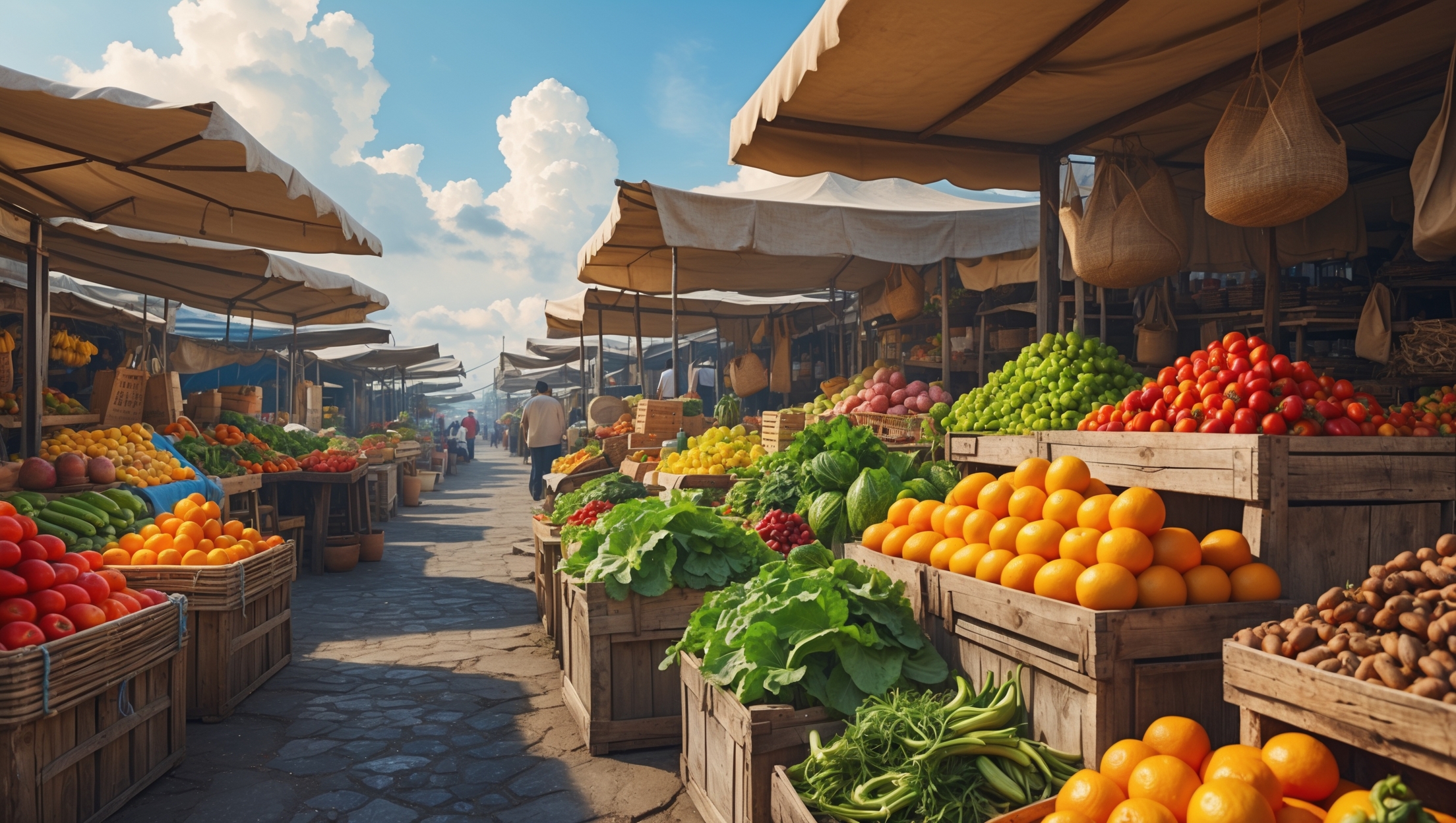
Introduction: Demystifying the Real Cost of Grocery Shopping Abroad
Moving or traveling abroad brings a host of exciting changes, but one of the most persistent questions for expats and long-term travelers is: how much does it really cost to keep your pantry stocked in a new country? Grocery shopping abroad is rarely as straightforward as picking up where you left off at home. Prices, product availability, payment systems, and even the very definition of a “grocery store” can differ wildly from one country to the next. Hidden costs lurk in unfamiliar packaging sizes, import fees, local taxes, and even the price of convenience. For newcomers, what looks like a minor weekly expense can quickly balloon into a budget-busting surprise. This guide will take you through the nitty-gritty of grocery shopping abroad, from understanding the cost breakdown and building a realistic budget, to navigating local markets and avoiding common financial pitfalls. Whether you’re living in a European capital, a Southeast Asian city, or a small Latin American town, this resource is packed with practical strategies and real-world tips to help you make the most of your money and shop like a local.
Understanding Grocery Store Types Abroad
Supermarkets vs. Local Markets
Depending on your destination, the grocery landscape can range from sprawling hypermarkets to tiny corner shops and lively outdoor markets. Supermarkets often carry recognizable international brands and provide a one-stop shopping experience, but may come with higher prices, especially for imports. Local markets, on the other hand, can offer fresher produce and regional specialties at competitive rates, but may require cash and haggling skills. Understanding the strengths and limitations of each can help you tailor your shopping strategy.
- Supermarkets: Wider selection, higher prices for imports, often accept cards.
- Local Markets: Fresh local goods, lower prices, cash preferred, limited packaged foods.
- Convenience stores: Open late, higher per-unit prices, limited selection.
- Specialty shops: Bakeries, butchers, fishmongers—often higher quality, but may be pricier than supermarkets.
Membership Stores and Wholesale Options
In some countries, warehouse clubs and membership-only stores (think Costco, Metro, Makro) offer bulk buying at reduced rates. However, these often require annual fees and may only be cost-effective for larger households or those staying long-term. Check local expat forums for advice on membership deals and whether these stores accept foreign credit cards.
Cost Breakdown: What Makes Up Your Grocery Bill?
To budget effectively, it’s crucial to understand the factors influencing your grocery bill abroad. Here’s a breakdown of typical cost contributors:
- Base price of goods: Local products are usually cheaper, while imported items can be significantly marked up—sometimes double or triple the price in their country of origin.
- Taxes and VAT: Many countries include Value Added Tax (VAT) in shelf prices, but some add it at checkout. Specialty foods and alcohol may incur additional taxes.
- Packaging sizes: Standard sizes often differ abroad. For example, milk may come in 1-liter cartons rather than gallons, which can affect per-unit costs.
- Payment method fees: Some stores charge for credit card use or offer discounts for cash.
- Bags and packaging: Many countries have banned free shopping bags. Bring your own to avoid extra charges.
Sample Cost Comparison: Local vs. Imported Goods
- Milk (1L): Local brand $0.90 / Imported brand $1.85
- Bread (loaf): Local bakery $1.20 / Imported sliced bread $2.75
- Cheese (200g): Local cheese $2.00 / Imported cheddar $4.50
- Fresh vegetables (1kg): Market $1.50 / Supermarket $2.20
Prices are illustrative; always check local sources for up-to-date information.
Grocery Budgeting Abroad: Building a Realistic Plan
Step 1: Track Your Spending
For at least one month, keep all your grocery receipts. Use a spreadsheet or budgeting app to categorize expenses (produce, meat, pantry, snacks, cleaning, etc.). This will reveal spending patterns and help you spot areas for savings.
Step 2: Adapt to Local Eating Habits
Imported foods and international brands can be tempting but are often the quickest way to overspend. Embrace local products and seasonal produce—they’re fresher, tastier, and much more affordable. Experiment with regional dishes to stretch your budget further.
Step 3: Factor in Non-Food Essentials
Don’t overlook household items like cleaning supplies, toiletries, and paper products. These can be much more expensive abroad, especially if you stick to familiar brands. Try local alternatives or buy in bulk where possible.
Step 4: Plan for Splurges
Budgeting doesn’t mean deprivation. Allow for occasional treats—whether it’s a favorite snack from home or a bottle of local wine. Setting aside a small monthly “treat” fund can help you stick to your plan long-term.
Hidden Fees and Unexpected Costs
Currency Fluctuations and Bank Charges
Paying by card in a foreign currency can incur international transaction fees, sometimes up to 3% per purchase. Withdraw cash in larger amounts to minimize ATM fees, and consider using a travel-friendly debit card that reimburses foreign ATM charges.
Delivery and Online Grocery Services
Online grocery delivery is growing in popularity, especially in larger cities. While convenient, these services often charge higher prices per item, delivery fees, and tips. Always compare the final bill to in-store shopping.
Seasonal Price Spikes
Prices for certain products—especially produce, dairy, and meat—can fluctuate dramatically with the seasons. Expect higher prices for off-season fruits and vegetables or imported specialty items during local holidays.
Navigating Local Markets Like a Pro
Best Practices for Market Shopping
- Visit early: Arrive soon after opening for the freshest selection and to avoid crowds.
- Bring cash: Many markets don’t accept cards. Small change is appreciated.
- Buy what’s in season: Seasonal produce is cheaper, fresher, and often tastier.
- Ask for prices up front: In some countries, prices aren’t always marked—don’t be shy about asking.
- Compare stalls: Prices can vary significantly between vendors. Walk the market before buying.
- Negotiate respectfully: In some cultures, haggling is expected. Start with a friendly tone and know when to accept the offer.
Understanding Market Lingo and Local Units
Markets may use local units of measure (e.g., kilos, grams, pounds) and regional terms for common foods. Learn a few key words and phrases—many vendors appreciate the effort, and it can help you avoid overpaying.
Smart Shopping Strategies for Expats and Travelers
Leverage Loyalty Programs and Discounts
Supermarkets abroad often have loyalty cards or apps that unlock weekly discounts and special offers. Ask about sign-up requirements; sometimes a foreign passport is enough. Take advantage of in-store promotions and “yellow tag” sales for staple items.
Learn to Read Local Labels
Understanding ingredient lists, expiration dates, and nutrition facts in a foreign language can be tricky. Use translation apps or look for universal symbols. Be cautious with unfamiliar additives or allergens.
Bulk Buying: When It Saves (and When It Doesn’t)
- Bulk buys are economical for non-perishables (rice, pasta, canned goods), but beware of bulk produce unless you can use it all before it spoils.
- Split large packages with friends or neighbors to save money and reduce waste.
Shop During Off-Peak Hours
Late evenings or weekday mornings often mean shorter lines and, in some markets, end-of-day discounts as vendors clear inventory.
Case Study: Monthly Grocery Budgets in Three Destinations
1. Lisbon, Portugal (Single Person)
- Supermarket staples: €120
- Local market produce: €30
- Household items: €20
- Treats/imports: €15
- Total: €185/month
2. Bangkok, Thailand (Couple)
- Supermarket (mix of local/imports): 5,500 THB
- Wet market produce/meat: 2,000 THB
- Household/cleaning: 700 THB
- Total: 8,200 THB (~$240 USD)/month
3. Mexico City, Mexico (Family of Four)
- Supermarket: MXN 2,200
- Local markets: MXN 1,000
- Specialty/imports: MXN 800
- Household goods: MXN 400
- Total: MXN 4,400 (~$250 USD)/month
These budgets reflect mid-range spending with a mix of local and imported goods. Heavy reliance on imports or organic products can increase costs by 30% or more.
Common Pitfalls and How to Avoid Them
- Sticking to familiar brands: Try local alternatives to save significantly.
- Ignoring seasonal trends: Shop for what’s in season to avoid inflated prices.
- Not checking expiry dates: Especially in markets with high turnover or extreme heat.
- Forgetting to bring a shopping bag: Bag fees add up and plastic is often banned.
- Overbuying perishables: Without refrigeration or climate control, food can spoil quickly.
Tips for Special Diets and Food Allergies Abroad
If you have dietary restrictions or allergies, grocery shopping abroad can be more challenging—and sometimes more expensive. Here’s how to navigate:
- Learn key allergy words in the local language and keep a translation card handy.
- Scout expat forums for specialty shops or online retailers catering to your needs.
- Consider bringing a supply of essential specialty foods or supplements from home for the first few months.
- Be prepared for higher prices and limited variety for gluten-free, vegan, or other specialty products.
Conclusion: Shop Smart, Eat Well, and Enjoy the Local Flavor
Grocery shopping abroad doesn’t have to be a daunting or budget-busting experience. While the initial learning curve can be steep—navigating unfamiliar stores, puzzling over price tags, and recalculating your weekly budget in a new currency—adapting your habits pays off in the long run. By embracing local products, learning to shop at markets, and understanding the real cost structure of food in your new home, you’ll not only save money but also enjoy a richer, more authentic culinary experience. Remember that flexibility is your greatest asset: be willing to try new brands, adjust your meal plans to what’s in season, and take advantage of local deals and discounts. Track your expenses, plan for occasional splurges, and don’t be discouraged by the occasional sticker shock—everyone makes a few mistakes in the early days. Over time, you’ll develop a shopping routine that fits your budget, supports your lifestyle, and lets you savor the best your new country has to offer. Happy shopping—and bon appétit!
I’m curious how you recommend budgeting for unpredictable costs like import fees or varying package sizes when first moving to a new country. Are there any strategies to avoid major surprises in your first few months?
When moving to a new country, start by tracking your grocery expenses closely during the first month to identify patterns and unexpected costs. Build a flexible budget with a buffer for surprises like import fees or unfamiliar package sizing. Shopping at local markets and buying seasonal or local brands often helps minimize these costs. Asking locals about typical prices and checking online store flyers can also help you anticipate and avoid major surprises.
In your experience, is it better to stock up at supermarkets for pantry staples and just use local markets for produce and meat, or can you realistically do most of your shopping at markets without sacrificing too much convenience or variety?
You can do most of your shopping at local markets, especially for fresh produce and meat, and often find great variety and quality. However, supermarkets are usually more convenient for pantry staples like rice, pasta, and canned goods, which may not always be available at markets. Many people use a combination: markets for fresh items and supermarkets for packaged or specialty goods. This approach balances variety, freshness, and convenience.
You mention that what seems like a minor weekly expense can turn into a big budget surprise. Do you have any specific tips for families on how to estimate a realistic grocery budget when moving to a new country, especially with kids who might want familiar snacks?
To estimate a realistic grocery budget for your family abroad, start by researching local supermarket prices online or in expat forums. Track your typical grocery spending at home and factor in about 10–20% extra for imported or familiar snacks for your kids. Visit local markets soon after arrival to compare prices. Also, make a sample weekly meal plan, including treats, to get a better picture of recurring costs. Expect to adjust your budget in the first month as you learn what your family really needs.