
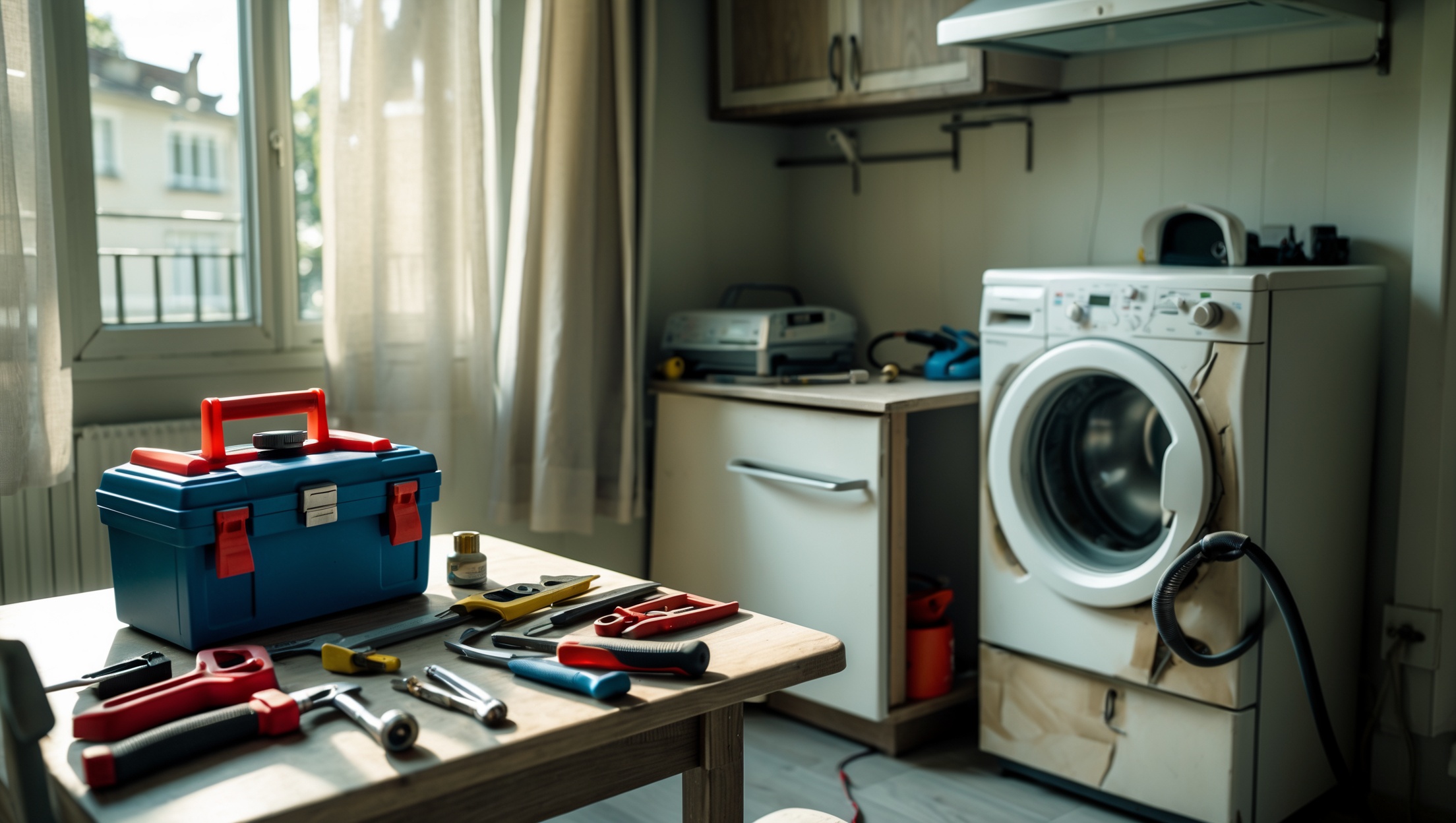
Introduction: Why Household Repair Services Abroad Matter
Living abroad brings a world of adventure, but it also comes with unique day-to-day challenges—especially when things break down. Whether you’re an expat settling into your new life, a digital nomad hopping between cities, or a long-term traveler, you’ll eventually face a leaky faucet, a malfunctioning air conditioner, or a jammed window. In your home country, you likely have trusted repair contacts or a sense of how much repairs should cost. Abroad, the landscape is different: language barriers, unfamiliar service standards, varied cost structures, and different expectations can turn a minor repair into a major headache. Getting household repairs done efficiently and for a fair price requires local know-how, practical tools, and a proactive mindset.
This comprehensive guide will walk you through the entire process of navigating local household repair services abroad. You’ll learn how to source reliable help, understand cost breakdowns, avoid common pitfalls, and even handle simple fixes yourself. We’ll discuss essential tools to pack or buy locally, language tips for communicating repair needs, and strategies to ensure repairs are done safely and properly. By the end, you’ll feel empowered to maintain your overseas home confidently and cost-effectively.
Understanding the Local Repair Landscape
Types of Household Repairs Abroad
Common repairs you might face include:
- Plumbing issues (leaks, clogged drains, faulty toilets)
- Electrical repairs (outlets, light fixtures, basic wiring)
- Appliance malfunctions (washing machines, ovens, refrigerators)
- Carpentry (broken furniture, door adjustments, window repairs)
- Heating and air conditioning maintenance
The prevalence of these issues depends on local building standards, climate, and the age of your accommodation. For example, older European apartments may have quirky plumbing, while tropical climates can cause air conditioners to work overtime.
Local Service Models: What to Expect
Service delivery varies by country and city. In some places, apartment buildings have an on-site superintendent or handyman. Elsewhere, you’ll need to find independent tradespeople. Some countries have formal associations and licensing, others rely on informal networks or word-of-mouth recommendations.
Key questions to research:
- Are repair services regulated or informal?
- Is it common to tip or provide refreshments?
- How quickly can you expect service?
- Are parts readily available locally?
Landlord vs. Tenant Responsibilities
Rental contracts abroad vary widely. Some landlords cover all repairs, while others expect tenants to handle minor fixes. Always clarify:
- Who pays for what types of repairs?
- Who chooses the repair provider?
- Are there preferred vendors or procedures?
- What’s the process for emergency repairs?
Cost Breakdown: What to Budget For
Typical Pricing Structures
Repair costs can be hourly, per job, or even flat-rate for common tasks. Some areas have minimum call-out charges, while others expect you to negotiate. To avoid surprises, ask for written quotes when possible and clarify whether parts and labor are included.
Example cost breakdowns (actual prices will vary by country and city):
- Plumbing: $30–$100 per call-out + parts
- Electrician: $40–$120 per hour
- Appliance repair: $50–$150 per job + parts
- Carpentry: $20–$80 per hour
Always budget a 20% buffer for unexpected complications or extra parts.
Hidden Costs to Watch For
- Travel fees for out-of-area repairs
- Weekend or after-hours surcharges
- Parts import fees if something isn’t locally available
- Disposal fees for old appliances
How to Pay
Cash is still common for smaller repairs in many countries. Some providers accept mobile payments or bank transfers. Always confirm payment methods in advance to avoid awkward surprises.
Finding Reliable Repair Services
Where to Start Your Search
- Building manager: Your first stop if you live in an apartment block
- Landlord or letting agent: May have preferred contacts
- Local expat forums and Facebook groups: Rich sources of recommendations
- Neighborhood WhatsApp or Telegram groups: Common in many cities
- Online platforms: Country-specific apps and websites (e.g., TaskRabbit, Thumbtack, or local equivalents)
- Word of mouth: Ask neighbors, colleagues, or shopkeepers
Vetting Service Providers
- Check for licenses or certifications where relevant
- Ask for references or reviews
- Get multiple quotes for larger jobs
- Clarify guarantees or warranties on work
In countries with informal markets, reputation and referrals matter more than formal credentials.
Language Tips for Booking Repairs
- Learn key repair vocabulary in the local language (e.g., “water leak,” “broken socket,” “appointment”)
- Use translation apps, but double-check technical terms
- Send photos or videos to clarify issues
- Confirm appointment times and costs in writing (text or messaging app)
Essential Tools and DIY Basics
Should You Attempt DIY Repairs?
Simple fixes—like tightening a loose hinge, changing a lightbulb, or unclogging a sink—are often quicker and cheaper to do yourself. For anything involving gas, major plumbing, or electricity, local regulations may require a licensed professional. Always check your lease and local laws before attempting repairs.
Must-Have Tools for Expats and Travelers
- Multi-bit screwdriver (Phillips and flat-head)
- Adjustable wrench
- Pliers
- Measuring tape
- Utility knife
- Small hammer
- Voltage tester (for basic electrical safety)
- Plunger
- Superglue and duct tape (for quick fixes)
Many local hardware stores sell compact tool kits—perfect for temporary stays. If you plan to move frequently, invest in a travel-friendly set.
Basic Repairs You Can Usually Handle
- Replacing light bulbs and batteries
- Unclogging drains with a plunger
- Tightening loose screws or hinges
- Patching minor wall holes (with locally available filler)
For more advanced jobs, always consider safety and the risk of voiding warranties or breaching your lease.
Communication Strategies: Bridging the Language Gap
Essential Phrases and Tips
- “Can you come today/tomorrow?”
- “How much will it cost?”
- “Is the price for labor only, or does it include parts?”
- “Is there a guarantee on your work?”
Keep a list of these phrases saved in your phone in both English and the local language.
Using Photos and Videos
Visual aids help bridge language gaps. If you’re not fluent, send a clear photo or video of the problem. Many providers are used to this and it helps prevent misunderstandings about the repair needed.
Staying Safe: Permits, Compliance, and Personal Security
When Permits Are Needed
Major repairs (e.g., electrical rewiring, structural work) may require permits or inspections. Always check with your landlord or building manager before authorizing substantial work. Unauthorized repairs can lead to fines or eviction in some countries.
Ensuring Worker Legitimacy
- Ask to see ID or credentials if hiring independently
- Do not leave valuables in plain sight during visits
- Try to have someone else present if you’re uncomfortable
In most cases, reputable providers are professional and trustworthy, but common sense is always advised.
Common Pitfalls and How to Avoid Them
Overpaying for Simple Repairs
Without a sense of local pricing, it’s easy to be quoted above-market rates. Always get at least two quotes and ask local friends or neighbors what they would pay for similar jobs.
Unnecessary Upgrades or Replacement
Some providers may suggest replacing an entire appliance or fixture when a simple repair will suffice. Ask probing questions and seek a second opinion for costly recommendations.
Communication Breakdowns
Misunderstandings about what needs to be fixed, timing, or costs are common across languages. Written confirmations and visual aids help prevent mix-ups.
Delays and No-shows
Service reliability varies. Set clear expectations for arrival times and confirm appointments the day before. Have a backup contact in case of delays.
Case Study: Navigating Appliance Repair in Mexico City
Scenario: An expat’s refrigerator stops working. The landlord says repairs are the tenant’s responsibility.
- Asked neighbors for recommendations; received two contacts.
- Sent WhatsApp messages with photos of the problem and asked for quotes.
- Both providers quoted similar prices (~800 pesos, about $45), including parts.
- Chose the provider with quicker availability and better reviews from neighbors.
- Repair completed same day, paid in cash, and received a 30-day warranty.
Lessons: Local referrals, clear communication, and upfront pricing made the process smooth and cost-effective.
Maintenance Best Practices for Preventing Repairs
- Clean air conditioner filters monthly
- Check for leaks under sinks and around toilets every few weeks
- Run appliances per manufacturer’s instructions
- Keep drains clear by avoiding food scraps and grease
- Report minor issues to your landlord before they become serious
Regular checks and good habits can save you time, money, and stress down the line.
Conclusion: Becoming a Savvy Global Home Maintainer
Adapting to life abroad means more than just learning a new language or trying local food—it’s about mastering the daily practicalities that keep your home comfortable and safe. Navigating household repair services is one of those essential skills that can make or break your overseas experience. By understanding how local repair services operate, budgeting realistically, building your own toolkit, and communicating effectively, you’ll be well-equipped to handle whatever household hiccups come your way.
Remember, prevention is your best friend. Regular maintenance and prompt attention to small problems can prevent bigger (and more expensive) breakdowns. When you do need outside help, tap into local networks, check credentials, and don’t hesitate to ask questions. With a little preparation and a proactive mindset, you can turn what might seem like a daunting challenge into just another part of your global adventure.
Wherever you choose to live, practical home maintenance is a universal need. The more you engage with local systems and build your repair-savvy skills, the more confident and independent you’ll feel—no matter how far from home you are. Happy fixing!
The guide mentions language barriers when arranging repair services abroad. Are there any specific strategies or useful phrases you recommend for explaining more technical repair issues if you’re not fluent in the local language?
When you’re not fluent in the local language, having visuals can help—try showing photos or pointing directly to the problem. It’s also handy to learn key repair-related words (like leak, broken, electricity, pipe, urgent). Write down the issue in simple terms and use translation apps to bridge gaps. If possible, ask neighbors or building staff to help explain, as they often know the right vocabulary for common repairs.
You mention varied cost structures for repairs in different countries. Could you give an example of how much a typical air conditioner repair might cost in, say, Southeast Asia versus Europe, and what factors influence that price difference?
A typical air conditioner repair in Southeast Asia might cost anywhere from $30 to $100, while similar repairs in Europe could range from $100 to $300 or more. The price difference is mainly due to labor costs, local demand, availability of spare parts, and whether imported or local brands are involved. Urban areas and developed regions also tend to have higher service charges.