
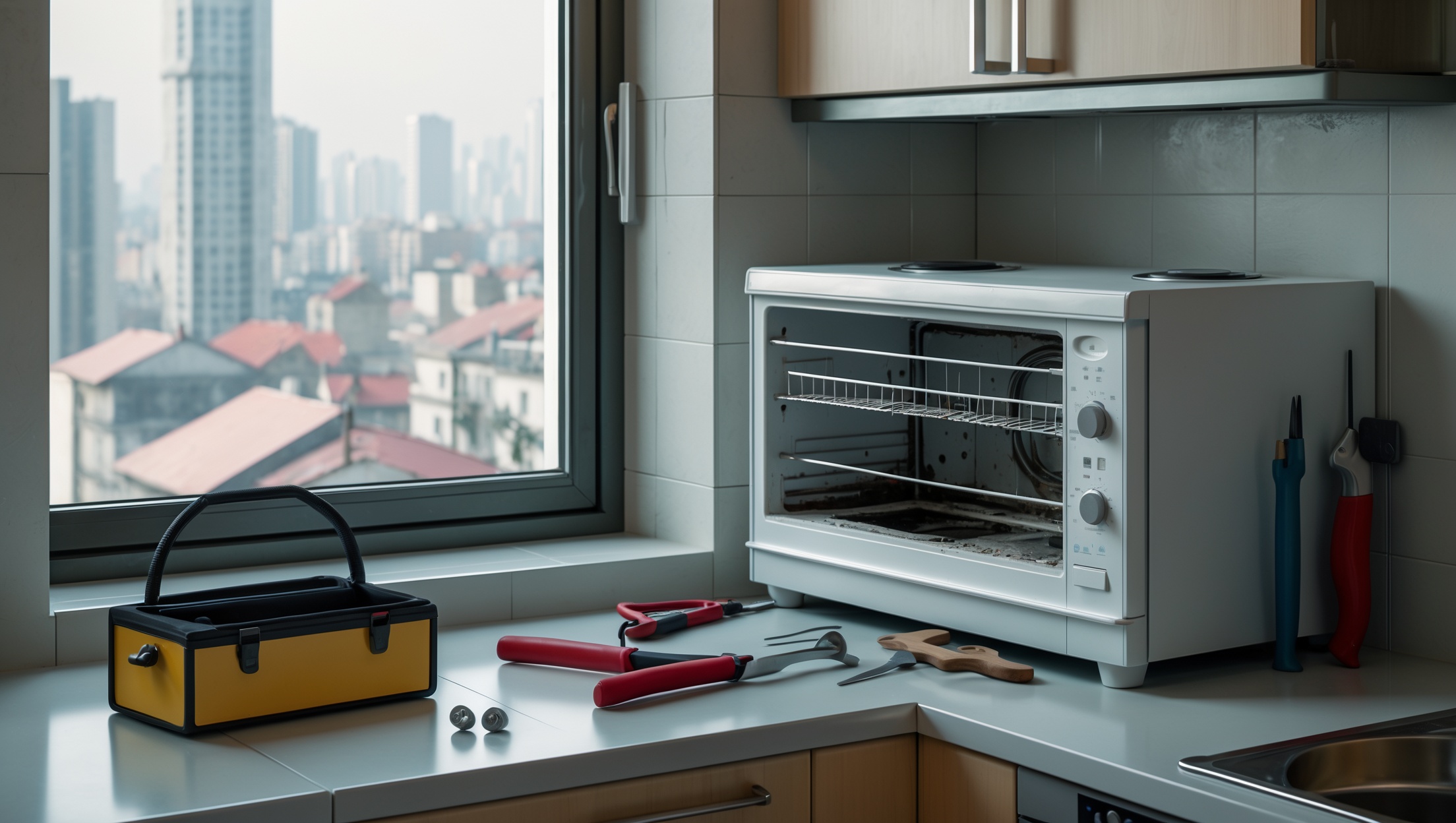
Introduction: Why Appliance Repairs Abroad Can Be Surprisingly Tricky
Settling into life abroad brings daily adventures, but few moments are more stressful than a suddenly silent refrigerator, a washing machine that won’t drain, or a stovetop stubbornly refusing to ignite. Whether you’re an expat in a bustling metropolis or a digital nomad calling a coastal town home, appliance breakdowns are inevitable. Yet, arranging repairs in an unfamiliar country can be a logistical puzzle — complicated by local business customs, varying costs, language barriers, and a maze of repair options. Many newcomers assume finding a technician is as simple as a quick online search, but the reality is far more nuanced. Local repair ecosystems can differ dramatically from what you’re used to: from cash-only payments and informal repairmen, to official service centers with weeks-long waitlists, or even the expectation that tenants handle repairs themselves. This guide unpacks the process step-by-step, arming you with practical strategies to find, vet, and communicate with appliance repair services abroad. Learn how to avoid common pitfalls, understand what you’re likely to pay, overcome language hurdles, and keep your home running smoothly — wherever you choose to live.
Understanding the Local Repair Landscape
Formal vs. Informal Services
Most countries offer a spectrum of appliance repair options. In some cities, major brands maintain official service centers staffed by certified technicians — but these can be costly and slow. More commonly, you’ll encounter independent repair shops, freelance technicians, or even neighborhood handymen. Quality and reliability can vary widely, making it essential to understand your options:
- Official Service Centers: Typically handle warranty repairs, use original parts, and may provide receipts for insurance — but often require appointments and may not cover out-of-warranty items.
- Independent Shops/Technicians: Offer faster service and lower prices, especially for common brands or older appliances, but may use generic parts and offer limited guarantees.
- Neighborhood Handymen: Often discovered via word-of-mouth, these local experts can fix a range of issues at low cost, but reliability and expertise vary greatly.
Who Handles Repairs: Tenant, Landlord, or Owner?
Local norms determine who is responsible for appliance repairs. For furnished rentals, landlords often cover major repairs, but tenants may be expected to handle minor fixes. In some countries, even large repairs fall on the occupant once the lease is signed. Always check your rental contract and clarify expectations before proceeding.
Common Appliances Needing Repairs Abroad
- Washing Machines: Water not draining, spin issues, or electrical faults.
- Refrigerators: Not cooling, excessive noise, or water leaks.
- Stovetops & Ovens: Ignition problems, temperature irregularities, or broken elements.
- Air Conditioners: Cooling issues, filter blockages, or refrigerant leaks.
- Water Heaters: No hot water, strange noises, or leaks.
Knowing the most common failures can help you describe the problem clearly and source local expertise more efficiently.
How to Find Reliable Appliance Repair Services
Online Platforms and Apps
Many countries have local equivalents to Yelp, TaskRabbit, or Thumbtack. Search in the local language or use expat forums to find recommended platforms. Examples include:
- Europe: TaskRabbit, Gumtree, local Facebook groups.
- Asia: Shopee Services, regional WhatsApp groups, Line app.
- Latin America: MercadoLibre, local classifieds, expat Facebook groups.
Word-of-Mouth and Community Boards
Personal recommendations are gold. Ask neighbors, building staff, or local friends for trusted technicians. Many apartment buildings have bulletin boards with contact numbers for reliable repairmen. Check community noticeboards in local supermarkets, expat cafes, or online forums.
Manufacturer Websites and Authorized Lists
If your appliance is under warranty or you prefer official service, consult the manufacturer’s website. Most provide lists of authorized technicians, often with booking forms or hotlines. Be sure to check warranty terms before booking.
Local Hardware Stores
Staff at hardware or appliance parts stores are often well-connected and may recommend skilled local repair professionals. This is especially helpful for smaller towns or when navigating language barriers.
Overcoming Language Barriers When Arranging Repairs
Essential Vocabulary and Phrases
Prepare key phrases in the local language, such as:
- “The washing machine is leaking.”
- “The refrigerator is not cooling.”
- “Can you provide a price estimate?”
- “Is there a warranty for the repair?”
Consider using translation apps or printing out relevant vocabulary. Google Translate’s conversation mode can be a lifesaver during in-person visits.
Photo and Video Communication
Sending photos or short videos of the issue can bridge language gaps and help technicians diagnose the problem before arriving. Many local repair services now accept WhatsApp, WeChat, or Line messages with media attached.
Enlisting a Local Helper
If you’re struggling with communication, ask a bilingual neighbor, building manager, or coworker to help arrange the appointment. In many cultures, introductions from locals can also prompt better service and fairer prices.
Cost Breakdown: What to Expect and How to Avoid Overpaying
Typical Pricing Structures
- Call-Out Fee: A flat fee for the technician’s visit, regardless of whether repairs are performed. This can range from $10–$50, depending on the country and city size.
- Labor Charges: Usually quoted per hour or per job. Some technicians offer fixed prices for common repairs (e.g., replacing a washing machine pump).
- Parts: Original manufacturer parts cost more than generic alternatives. Always ask for a breakdown.
- Emergency or After-Hours Surcharges: Expect higher fees for weekend, evening, or urgent same-day service.
Sample Cost Ranges by Region
- Western Europe: €60–€150 for common appliance repairs, including call-out and labor.
- Eastern Europe: €25–€60, often cash-only.
- Asia: $20–$80, with parts often sourced from local markets.
- Latin America: $15–$70, with strong bargaining culture.
Note: Prices can vary widely in major cities versus rural areas. Always request a written or texted estimate before agreeing to repairs.
How to Avoid Common Overcharging Pitfalls
- Request multiple quotes if possible.
- Ask for a detailed breakdown of parts and labor.
- Check recent online reviews or community recommendations.
- Clarify whether the initial inspection is free or charged.
- Agree on payment terms in advance, including acceptable currencies or cash-only policies.
Smart Strategies for a Smooth Repair Experience
Before the Technician Arrives
- Document the Issue: Take clear photos and note symptoms, error codes, or sounds.
- Secure Valuables: Lock away personal items if you’re inviting a technician into your home.
- Prepare the Space: Clear access to the appliance, mop up leaks, and ensure good lighting.
- List Questions: Jot down questions about the repair, parts, and warranty.
During the Service Call
- Politely observe, but avoid interfering with the technician’s work.
- Ask for a receipt or written summary of the repair, especially if you plan to claim costs from your landlord or insurance.
- If unsure, request photos of replaced parts for your records.
After the Repair
- Test the appliance thoroughly before the technician leaves.
- Request a warranty period for the repair (common: 30–90 days).
- Keep all documentation for future reference or insurance claims.
Dealing with Unreliable Technicians or Poor Repairs
Common Warning Signs
- Reluctance to provide an estimate or receipt.
- Pushing for cash payment only, without documentation.
- Repeated rescheduling or no-shows.
- Refusing to answer questions about parts or guarantees.
What to Do If the Repair Fails
- Contact the technician immediately and document the recurring issue.
- If unresponsive, escalate via community platforms or request help from your landlord or building manager.
- Consider leaving an honest review to help others avoid similar issues.
Escalating for Official Support
For unresolved issues with official service centers, contact consumer protection agencies or the appliance manufacturer’s regional office. Some countries have ombudsman services for rental-related disputes.
Tips for Sourcing Parts and DIY Repairs
Where to Buy Parts Locally
Major cities often have dedicated appliance parts districts or markets. Inquire at hardware stores or search online marketplaces for your city. Bring the old part or a detailed photo to ensure an exact match.
Safety First: Know Your Limits
- Simple fixes like replacing filters, light bulbs, or worn hoses can often be done yourself.
- For electrical repairs, gas appliances, or internal components, always call a professional — unfamiliar wiring and voltage standards can be dangerous.
Useful Tools to Have on Hand
- Basic screwdriver set (including Phillips and flat-head)
- Adjustable wrench
- Voltage tester (for checking outlets or cords)
- Translation app for technical terminology
Appliance Repair and Insurance Abroad
Rental and Home Insurance Coverage
Some rental or home insurance policies cover appliance repairs due to accidental damage or power surges. Always check policy details and exclusions, and keep repair receipts for reimbursement claims.
Manufacturer Warranties
Warranties often apply only to the country of purchase. If you brought appliances from home, check whether international warranty support is available — and be aware of potential import restrictions on parts.
Case Studies: Real-World Repair Experiences Abroad
Case Study 1: Washing Machine Woes in Spain
After a washing machine breakdown in Madrid, an expat found a technician via a local Facebook group. The repair cost €85, paid in cash, with a 60-day warranty. Key takeaway: Word-of-mouth recommendations and photo evidence sped up diagnosis and repair.
Case Study 2: Fridge Repair in Thailand
A traveler in Chiang Mai used the Line app to book a local repairman. Communicating via translated text and photos, the technician arrived within a day and replaced a thermostat for $35. Key takeaway: Using messaging apps with photos streamlined communication.
Case Study 3: Unreliable Service in Mexico City
An expat relied on a classified ad to book a stove repair. After initial repairs failed, the technician became unresponsive. The tenant ultimately contacted the landlord for help finding a reputable service. Key takeaway: Always request a written warranty and keep the landlord informed.
Conclusion: Mastering Appliance Repairs as an Expat or Traveler
Appliance repairs abroad can feel daunting, but a proactive approach — from researching local service options to preparing for language barriers — goes a long way toward stress-free living. The key is understanding the local repair ecosystem, setting clear expectations with landlords, and leveraging community knowledge for trusted recommendations. Always document issues, clarify costs upfront, and retain receipts for potential insurance claims or disputes. Don’t hesitate to use technology, whether translation apps or messaging platforms, to communicate more effectively with technicians. When in doubt, prioritize safety and lean on local support networks for assistance. With these strategies, you’ll not only keep your home running smoothly but also gain valuable insights into local life and customs. Navigating repairs becomes less of a hassle and more of a window into your temporary home’s daily rhythms — making you a more confident, savvy, and resilient expat or traveler.
You mentioned that official service centers might require weeks-long waitlists, while independent technicians could be faster. In practice, how do you recommend balancing the need for timely repairs with the potential risks of using informal or freelance repair options?
To balance urgency with reliability, start by checking reviews or asking locals for recommendations on independent technicians. If an appliance is crucial, you might prefer a trusted freelance repair person for a faster fix, but verify their credentials and request a clear estimate. For expensive or warranty-covered items, consider waiting for an official center, even if it takes longer. Documenting the repair and keeping receipts can help if problems arise later.
As someone used to US appliance repairs where receipts and insurance claims are straightforward, I’m curious how to handle situations abroad when informal repairmen don’t provide receipts. Are there any tips for documenting the repair or getting reimbursed if needed?
When working with informal repairmen abroad who don’t provide receipts, try to document the repair as thoroughly as possible. You can take clear photos before and after the repair, note the date, time, and contact details of the repair person, and write a brief summary of the work done. Some insurers accept this informal documentation, especially if you explain the local context. It can also help to ask the repairman for a handwritten note, even if it’s not on official letterhead.
If I’m renting an apartment abroad and my washing machine suddenly stops working, how do I figure out if it’s my responsibility or the landlord’s to arrange and pay for the repair? Does this usually depend on the country or is it more about the rental agreement?
Whether you or your landlord is responsible for repairing the washing machine usually depends on your rental agreement. Many countries have general guidelines, but the specifics—like who handles and pays for appliance repairs—are often spelled out in your contract. Check your lease for any clauses about maintenance. If it’s unclear, ask your landlord directly or consult local tenant laws, as rules can vary by country.
If you end up using an independent repair technician instead of an official service center, how do you make sure you’re not overcharged or given low-quality replacement parts, especially if you don’t speak the language well?
To avoid overcharging or low-quality parts when using an independent technician abroad, ask for a written estimate upfront, if possible, and request that any replaced parts be shown to you after the repair. Bring a friend who speaks the language, use a translation app, or show clear photos of your appliance model and needed parts. Checking local reviews or community forums can also help you find trustworthy technicians.