
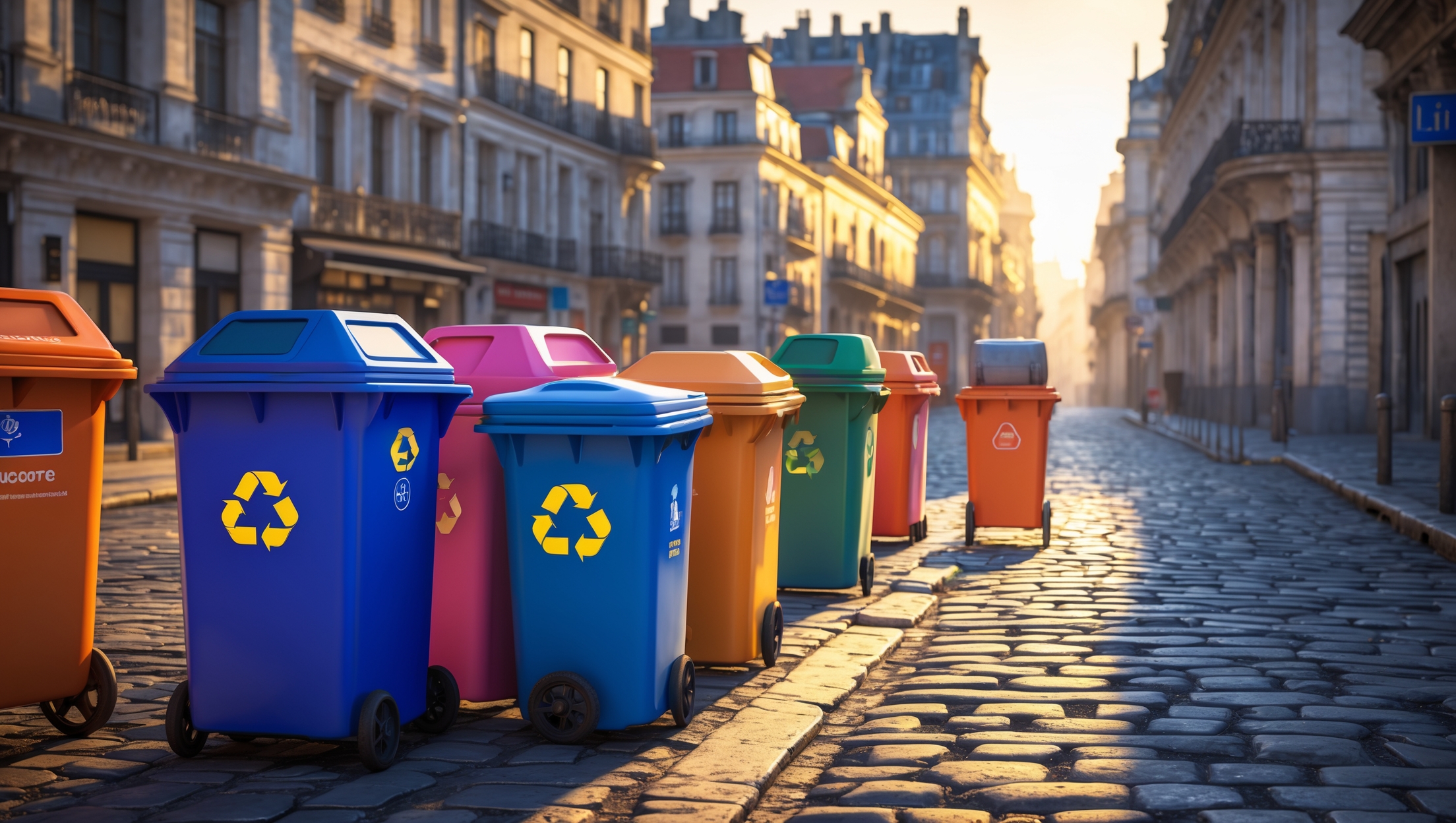
Introduction: The Hidden Challenge of Recycling Abroad
Whether you’re embarking on a months-long adventure or settling down as an expat, one aspect of daily life that often catches travelers off guard is local recycling and waste management. Each city, region, or country can have dramatically different rules for what, how, and even when you recycle. Missteps are common: incorrect sorting can result in fines, the embarrassment of overflowing bins, or even environmental harm where your good intentions backfire. Many newcomers assume recycling is universal—plastic in blue, paper in green, and so on. The truth? Systems vary widely, and compliance is more than a civic duty: it’s essential for integrating smoothly into your new community and minimizing your environmental footprint. In this in-depth guide, you’ll learn how to decode local recycling systems abroad, avoid costly mistakes, understand the hidden costs, and establish practical habits to recycle efficiently wherever your travels take you. Whether you’re a digital nomad hopping continents or an expatriate settling into a new home, mastering these skills will help you live more sustainably, respect local customs, and avoid unnecessary hassles.
Understanding Why Recycling Systems Differ Internationally
Legal Frameworks and Local Culture
Recycling policies are shaped as much by local laws as by culture and infrastructure. Some countries, such as Germany and Sweden, have advanced, multi-stream systems with strict enforcement and high community participation. Others, like some parts of Southeast Asia or Africa, may have more limited or informal systems. There are several reasons for these differences:
- Government Policy: National and municipal regulations dictate what materials are accepted and how they must be sorted.
- Economic Factors: The profitability of recycling certain materials affects which items are collected.
- Public Awareness: Countries with strong environmental education foster higher compliance and innovation.
- Infrastructure: The availability of recycling centers, collection vehicles, and processing facilities shapes what’s possible.
- Market Demand: If there is no local market for recyclables (like certain plastics), they may end up in landfills, regardless of sorting.
Common International Variations
- Color Codes: Bin colors and what they mean can change from city to city. Blue might mean paper in one country and plastics in another.
- Accepted Materials: Some places accept only PET plastics; others allow all types. Glass may be excluded in certain regions due to processing costs.
- Collection Schedules: Frequency and timing of pickups can differ, impacting how you store waste.
- Deposit Schemes: In countries like Germany, beverage containers require a deposit (Pfand) and must be returned to reclaim your money.
Compliance: How to Decode Local Recycling Rules
Research Before You Arrive
Preparation is your best defense against recycling confusion. Before your move or extended trip:
- Check municipal websites for guides (often available in English for major cities).
- Search for expat forums or Facebook groups; locals and fellow expats frequently share up-to-date tips.
- Look for downloadable infographics or apps specific to the city. Many European cities now offer English-language recycling apps.
On Arrival: Observe, Ask, Confirm
- Check Bin Labels: Inspect the signage or stickers on communal bins—these typically include icons or multilingual instructions.
- Ask Neighbors or Landlords: They can clarify gray areas, like whether pizza boxes are considered paper or compost.
- Visit Local Recycling Centers: If unsure, staff can provide printed guides and answer questions.
Common Compliance Pitfalls
- Wishcycling: Tossing items you hope are recyclable, but aren’t—like greasy food containers or composite materials.
- Contamination: Mixing recyclables with food waste or dirty containers, which can spoil an entire batch.
- Ignoring Special Rules: Batteries, electronics, and hazardous waste often have separate collection points.
- Overfilling or Wrong Days: Leaving bins overflowing or setting them out on the wrong day can result in fines.
Cost Breakdown: The True Price of Recycling Abroad
Direct Costs for Travelers and Expats
- Waste Management Fees: In many European cities, recycling and trash collection are funded through taxes or monthly building fees. In some cases, you pay based on the volume or weight of waste produced.
- Deposit Schemes: Paying extra for bottles/cans up front—recoverable only if you return them properly.
- Fines for Non-Compliance: Cities like Zurich or Vienna impose hefty fines for improper sorting or illegal dumping, ranging from €30 to over €500.
Hidden and Opportunity Costs
- Time Investment: Sorting waste correctly can take extra time each week, especially when learning a new system.
- Storage Solutions: Small apartments may require you to purchase extra bins or bags to keep recyclables separated until collection day.
- Transport Costs: Some items, like electronics or large recyclables, may need to be taken to distant collection centers.
Step-by-Step: Setting Up a Functional Recycling System
Step 1: Identify Local Requirements
- Use city websites or guides to list accepted materials.
- Note color codes and collection schedules.
Step 2: Organize Your Living Space
- Purchase or repurpose bins/bags matching local color codes.
- Label bins in your native language and the local language for clarity.
- Dedicate an accessible spot near your kitchen for ease of use.
Step 3: Establish Routines
- Set calendar reminders for collection days to avoid missed pickups or fines.
- Rinse containers to avoid contamination and odor.
- Compress bulky items to save space.
Step 4: Handle Special Waste Properly
- Locate drop-off points for batteries, electronics, and hazardous materials.
- Keep a separate bag or box for these items, and plan monthly drop-offs.
Tools, Equipment, and Apps for Hassle-Free Recycling
Essential Gear
- Stackable Bins: Ideal for small apartments; color-coded and space-saving.
- Compost Caddy: If organics are collected, a vented bin reduces odor.
- Labels/Stickers: Multilingual or icon-based for clarity.
- Reusable Bags: Handy for carrying recyclables to communal bins or drop-off points.
Recommended Apps and Digital Tools
- Too Good To Go: Reduces food waste by connecting you with surplus meals from local restaurants.
- Local Recycling Apps: Many cities (Berlin, London, Paris) have official apps offering schedules, sorting guides, and alerts.
- Google Translate: Useful for deciphering bin signage.
Myths and Realities: Debunking Common Recycling Misconceptions Abroad
Myth 1: “If It Has a Recycling Symbol, It’s Always Accepted”
Reality: Symbols indicate the type of plastic or material, not necessarily local acceptance. Always check local guidelines.
Myth 2: “All Plastics Are Recycled Everywhere”
Reality: Many regions recycle only certain types (e.g., PET, HDPE). Others may incinerate or landfill the rest.
Myth 3: “Contaminated Recyclables Will Be Cleaned at the Facility”
Reality: Heavily soiled items can cause entire loads to be rejected and sent to landfill.
Myth 4: “Deposit Systems Are Just a Money Grab”
Reality: Deposit-refund schemes significantly boost recycling rates and reduce litter.
Case Study: Recycling in Berlin vs. Bangkok
Berlin: Multi-Stream, Strictly Monitored
- Bins: Yellow (plastics/metals), Blue (paper), Brown (organic), Black (general waste).
- Deposit System: Most beverage containers carry a Pfand, reclaimable at supermarkets.
- Compliance: Fines for incorrect sorting; active monitoring by building managers.
Bangkok: Informal, Entrepreneur-Driven
- Bins: Few in residential areas; most recycling is collected by independent waste pickers.
- Accepted Materials: High-value items like cardboard, aluminum, and clear plastics are prioritized.
- Compliance: Minimal enforcement; travelers can support recycling by separating and making items accessible to collectors.
Pro Tips for Travelers and Expats: Everyday Recycling Success
- Travel With a Set of Lightweight Reusable Bags: For on-the-go waste sorting and carrying recyclables to drop-off points.
- Keep a Photo of Local Bin Icons: Reference it when sorting, especially at communal bins where languages may differ.
- Adopt the “Leave No Trace” Mindset: If in doubt, take recyclables with you until you find the right bin.
- Engage with Community Clean-Ups: Great way to learn local practices and meet neighbors.
- Share Knowledge: If you notice others struggling, offer friendly tips or resources.
Conclusion: Recycling as a Gateway to Responsible Living Abroad
Recycling, while often overlooked in the excitement of moving or traveling abroad, is a crucial aspect of responsible, sustainable living. Understanding and respecting the local system is more than just compliance—it’s a way to integrate into your new community, support environmental stewardship, and avoid unnecessary costs or legal issues. Each city presents its own challenges and opportunities, from the color of bins to the types of materials accepted and the way fines are enforced. By proactively researching local requirements, setting up practical systems at home, and staying flexible as you encounter new rules, you’ll not only minimize your environmental impact but also model good citizenship wherever you go. Remember: successful recycling abroad is not about perfection, but about continuous learning and adaptation. Make it part of your journey, and you’ll find that the habits you develop will benefit you—and the planet—long after your travels end. Embracing these practices is a small, daily way to show respect for your host country and contribute positively to global sustainability efforts.
You mentioned that the profitability of recycling certain materials affects what gets collected in different countries. For travelers on a tight budget, are there hidden disposal fees or extra costs to watch out for when adapting to local recycling practices abroad?
Yes, in some countries there can be hidden disposal fees or charges for improper sorting or using the wrong bins, especially in places with strict waste management rules. Some areas also charge for extra garbage bags or require you to purchase official ones. It’s a good idea to check local guidelines when you arrive, ask your accommodation about any specific rules, and keep an eye out for posted instructions to avoid unexpected costs.
I’m planning to stay in Germany for a few months and am a bit overwhelmed by the strict, multi-stream recycling system you mentioned. Are there specific resources or guides for foreigners to help understand the sorting categories and avoid mistakes that might lead to fines?
Germany’s recycling system can feel complex at first, but many municipalities offer brochures and posters in English explaining what goes in each bin—usually for paper, plastics and packaging, glass, and general waste. You can often pick these up at local government offices or find them on city websites. Some apartment buildings also provide sorting guides for residents. If you’re unsure, neighbors or your landlord are usually happy to help clarify local rules and avoid accidental mistakes.
The article talks about economic factors influencing which materials are actually recycled in different countries. As a traveler, is there an easy way to find out which items are truly recyclable in a new area, or should we just stick to the most common materials like paper and plastic?
It’s a good idea to check local recycling guidelines when you arrive, since rules and accepted materials can vary a lot. Many cities post information on bins or public signs, and hotels or hosts can often explain what items are accepted. If you’re unsure, recycling clean paper, cardboard, and certain plastics (like bottles) is usually a safe bet, but avoiding contamination is just as important.
As a small business owner planning to send employees abroad for short-term assignments, I’m wondering how to make sure they comply with local recycling rules and avoid fines. Does the article include any practical tips or resources for quickly learning the recycling system in a new city?
Yes, the article offers practical tips for travelers, including small business employees, to quickly adapt to local recycling systems. It suggests researching city or municipal websites for official guidelines, asking hotel or accommodation staff about local rules, and observing how locals sort waste. The article also recommends checking for signage on bins and using mobile translation apps to understand recycling instructions.
You mention that incorrect sorting when recycling can sometimes result in fines or other penalties. What’s the best way to figure out the specific rules for recycling in a new city or country when you first arrive, especially if instructions aren’t in English?
To understand recycling rules in a new place, start by looking for pictograms or color codes on bins, which are often intuitive even without text. If you’re unsure, ask your accommodation staff or locals for guidance. City tourism offices can also provide leaflets or advice. Translation apps can help with signs or instruction sheets that aren’t in English. Taking photos of local bins and comparing them with online resources can also clarify what goes where.
I will be moving with my kids to a new country soon, and I’m worried about keeping up with the local recycling rules, especially since we’ve heard that mistakes can lead to fines. Are there practical resources or strategies for families to quickly learn and adjust to the new system when you arrive?
When you arrive, check if your local municipality provides guides (often available online or at city offices) that explain recycling rules clearly. Many areas use color-coded bins and offer illustrated flyers. Visiting your local waste collection center or joining community groups can also help you pick up tips quickly. For families, turning sorting into a game for your kids can make learning the new system easier and more fun.
I noticed you highlighted the impact of public awareness and local participation in recycling. As a traveler, what’s the most effective way to quickly learn the right sorting habits in a new region without relying on possibly outdated online resources?
The best way to quickly learn proper sorting habits in a new region is to observe local signage and instructions at recycling stations, as these are usually current and tailored to the area. You can also ask local residents, hotel staff, or shopkeepers about the specific rules. Many communities post clear, visual guides in public spaces, making it easy to adjust your habits without relying on online sources.
I’m curious about the hidden costs related to recycling mistakes abroad that you referenced. Are these mostly financial, or could they also include other challenges like strained relationships with neighbors? Any tips to help avoid these issues?
Hidden costs from recycling mistakes abroad can definitely be more than just financial penalties. In some places, repeatedly sorting waste incorrectly might lead to fines, but it can also cause friction with neighbors or hosts, especially in communal living situations. To avoid these issues, try to learn the local recycling rules as soon as you arrive, ask locals or your host for tips, and check for posted instructions in shared waste areas.
You mentioned that incorrect sorting can lead to fines and other hassles. From your experience, how easy is it for newcomers to figure out the local recycling rules when there’s a language barrier or when instructions aren’t clearly posted?
Figuring out local recycling rules can definitely be tricky for newcomers, especially with language barriers or unclear signage. In many places, instructions might only be in the local language or use unfamiliar symbols, which adds to the confusion. It helps to ask neighbors, check municipal websites using translation tools, or observe what others do. Some cities also have color-coded bins, which can make things a bit easier to guess even without clear instructions.
You mentioned that incorrect sorting can sometimes lead to fines. How can travelers quickly learn the local rules to avoid costly mistakes, especially if they’re moving around frequently or staying short-term in different regions?
To avoid fines from incorrect recycling, travelers should check for local recycling guides, which are often available on city or municipality websites and sometimes posted in public places or accommodations. When you arrive in a new place, ask your host or hotel staff about local sorting rules. Many areas use color-coded bins with illustrations, making it easier to sort items correctly. If you’re unsure, observe how locals dispose of waste or look for posted instructions near bins.
As a small business owner who travels to source products, I often struggle with understanding local recycling rules in each country. Could you provide more specific examples of how government policy or economic factors might impact what materials I’m allowed to recycle in different regions?
Local recycling rules often depend on government policies and the economics of waste management in each area. For example, countries with strict environmental regulations, like Germany, may require businesses to sort packaging materials into multiple categories, while others might only collect basic recyclables due to limited infrastructure. In some places, if the market for certain recycled materials is weak, local facilities may not accept items like mixed plastics or glass, even if they’re theoretically recyclable. It’s always helpful to check municipal guidelines or ask local contacts before disposing of materials.
You mentioned that incorrect sorting can sometimes lead to fines. How do most travelers find out about local rules before they get in trouble? Are there quick resources or tips you recommend for people who don’t speak the local language?
Most travelers learn about local recycling rules through signs at waste bins, information at hotels or hostels, and guides from local tourism centers. If you don’t speak the language, look for color-coded bins, pictograms, or ask your host for a simple explanation. Apps like Google Translate can help you read instructions. It’s a good idea to snap a photo of local guidelines for reference during your stay.
I noticed you talked about differences in government policy and economic factors shaping recycling systems. If I’m visiting a country with less formal recycling infrastructure, what are some practical steps I can take to minimize my environmental impact as a traveler?
When visiting countries with less formal recycling systems, you can reduce your environmental impact by carrying a reusable water bottle, shopping bag, and utensils to avoid single-use plastics. Try to purchase products with minimal packaging and properly sort any recyclables where local facilities exist. Supporting businesses that prioritize sustainability and reusing items whenever possible also helps. These small actions collectively make a difference even in areas with limited recycling options.
You mention fines and other consequences for incorrect sorting when recycling abroad. Could you share some examples of common mistakes travelers make and what the usual penalties or corrective steps are in different countries?
Travelers often mistakenly put food waste in recycling bins or mix paper with plastics, which is not allowed in many places. In Germany, for example, putting the wrong items in recycling can lead to fines up to 100 euros. In Japan, improper sorting may mean your trash won’t be collected, and repeat offenses can result in warnings or higher penalties. Usually, local authorities provide instructions or stickers for correct sorting, and first-time mistakes are sometimes met with reminders rather than fines.
Could you give some examples of everyday items that are commonly recycled in the US but might not be accepted in other countries? I want to avoid accidentally contaminating recycling bins while traveling with my kids.
Absolutely, it’s smart to check this before you travel. In the US, items like plastic water bottles, aluminum cans, and cardboard are widely accepted in recycling bins. However, things such as plastic bags, pizza boxes with grease, and certain types of paper (like receipts) might not be recyclable in many other countries. Disposable coffee cups and takeout containers are also often excluded. When in doubt, look for local recycling guidelines or ask a local before tossing something in the bin.
You mentioned that some countries have very advanced recycling systems while others are much more basic. If I’m traveling between different regions in the same country, should I expect recycling rules to change a lot, and how can I avoid confusion or making mistakes that could lead to environmental harm?
Yes, recycling rules can vary significantly between regions within the same country, especially in places with decentralized waste management. To avoid confusion, always check for local recycling posters or ask hosts or locals about rules in each area. Look for color-coded bins and symbols, and when in doubt, separate recyclables from general waste to minimize harm. Being observant and asking questions is the best way to adapt responsibly.
As a small business owner who ships products internationally, I’m curious about the potential legal or financial implications if my packaging is not sorted correctly according to local recycling systems abroad. Are there specific fines or penalties I should be prepared for in certain regions?
If your packaging does not comply with local recycling regulations in certain countries, you could face legal or financial consequences. Some regions in the EU, for example, have strict Extended Producer Responsibility (EPR) laws, meaning non-compliance can result in fines, product bans, or delays at customs. It’s important to research the rules in your target markets and, if needed, register with local authorities or recycling organizations to avoid penalties.
I am curious about the hidden costs you referenced. Are there any unexpected fees or expenses travelers should be aware of when using recycling services abroad, like special bin charges or penalties for improper sorting?
Yes, travelers can encounter some unexpected costs related to recycling abroad. In certain countries or cities, there may be charges for purchasing specific recycling bins or bags, and some accommodations might include a recycling fee in the service bill. Penalties for improper sorting can also apply, ranging from small fines to larger penalties if waste is repeatedly mismanaged. It’s a good idea to check local guidelines or ask your host about specific recycling rules and potential costs before disposing of waste.
I am curious about the potential fines for not following local recycling guidelines as described in the article. Are these penalties usually communicated clearly to newcomers, and is there any way to appeal or avoid mistakes if you are genuinely unfamiliar with the local system?
According to the article, fines for not following local recycling rules can vary widely depending on the country or city. In many places, penalties are posted on bins or in public spaces, but sometimes the rules aren’t explained in detail to newcomers. If you’re unsure, it’s best to ask your host or local authorities. Some areas allow appeals or warnings if you can show you were unfamiliar with the system, especially for first-time offenses.
The article mentions that incorrect sorting can actually lead to fines or community issues. How can a traveler quickly figure out the specific recycling rules in a new country or city, especially when there isn’t clear signage or information in English?
When you’re unsure about local recycling rules, asking your accommodation staff or hosts is often the fastest way to get clear instructions. You can also look for information on the official city or municipality website, use translation apps if signage is in another language, or observe how locals dispose of their waste. If in doubt, separate items as much as possible and avoid mixing trash with recyclables.
I’m planning a long stay in Germany, and I’m a bit overwhelmed by the mention of multi-stream systems and strict rules. Is there a reliable way to quickly figure out the correct sorting for each type of material, especially if I don’t speak the language well?
In Germany, recycling bins are color-coded: yellow for packaging (Plastik), blue for paper, brown or green for organic waste, and gray or black for general waste. Many apartments or public spaces have visual guides near the bins. If you’re unsure, apps like ‘Waste Guide’ or using your phone’s camera to translate local signs can help identify the right bin. Asking a neighbor can also clear up confusion—the system seems daunting at first, but you’ll get used to it quickly.
I know that in the US, we’re used to single-stream recycling where most recyclables go in the same bin, but you mentioned countries like Germany having strict multi-stream systems. Could you give a real-world example of what items might be separated differently than in the US, or what common mistakes Americans make when first navigating those systems?
In countries like Germany, recycling is separated into several distinct bins: for example, paper and cardboard go in one bin, plastics and metals in another, and glass is further separated by color—clear, green, and brown. A common mistake Americans make is tossing everything recyclable into one bin or not rinsing containers thoroughly. Another is putting the wrong type of glass (like drinking glasses or ceramics) in the bottle recycling bins, which is not allowed there.
You mentioned the hidden costs tied to recycling mistakes—do you have practical tips or tools for estimating what those fines or extra expenses might be in advance, especially for someone moving products or conducting business as an expat?
Estimating recycling-related fines or extra expenses in advance can be tricky, as they vary by country and even by city. For business or expat moves, it’s best to check local government websites or contact local waste management agencies for published fee schedules. Some countries have official online calculators or downloadable guides detailing potential fines and fees. Connecting with local expat forums or chambers of commerce can also help you get recent, real-world examples of actual costs businesses have faced.
You mention that incorrect sorting can lead to fines and even environmental harm. As a small business owner planning to expand operations internationally, what are some cost-effective ways to train my staff about local recycling rules before we even get there?
A cost-effective way to prepare your staff is to use online resources from local government websites or environmental organizations in your target country; many offer guides in several languages. You could also arrange virtual training with local recycling experts. Creating simple visual guides or checklists summarizing key rules can help employees understand what goes where, and regular quizzes or discussions will reinforce learning before your team arrives.
You mentioned some regions have limited or informal recycling systems. If you’re staying long-term in a place like that, what are some practical steps to minimize your waste, since proper recycling might not always be available?
If you’re staying long-term where recycling is limited, focus on reducing waste from the start. Shop with reusable bags and containers, choose products with little or no packaging, and buy in bulk when possible. Repurpose jars and bottles for storage or crafts. Compost food scraps if local conditions allow. Also, look for local reuse or swap groups to exchange items instead of discarding them.
I noticed the article mentions that incorrect recycling abroad can sometimes lead to fines. How do travelers find out about the specific penalties or enforcement practices in a new country, especially if there’s a language barrier?
Travelers can usually learn about recycling penalties by checking local government or city websites, which often have sections in English or use clear symbols. Upon arrival, hotel staff or hosts are a great resource for practical info about local rules and fines. In cases where language is a barrier, look for posted signs near recycling bins, or use translation apps to interpret instructions and warnings.
The article mentions that economic factors determine which materials are collected for recycling in different countries. Are there any low-cost tips for visitors to reduce waste in places with limited or informal recycling systems, especially when living somewhere short-term?
Absolutely, there are simple ways to reduce waste even where recycling is limited. Try choosing products with minimal or reusable packaging, using refillable water bottles and bags, and buying fresh food instead of heavily packaged items. If composting is not possible, reduce food waste by planning meals and sharing leftovers. Reusing containers and finding local reuse or donation options for items you no longer need can also help minimize your impact.
The article mentions that incorrect sorting while recycling abroad can actually result in fines. Do you have any examples of how strict the enforcement is in certain countries, and what travelers can do if they’re unsure about local rules?
Enforcement varies widely, but some countries like Germany and Japan are known for being particularly strict—fines can range from small penalties to larger amounts if sorting rules are ignored. In cities like Berlin, for example, inspectors may check bins and issue warnings or fines. If you’re unsure about local recycling rules, ask your accommodation staff, look for signage on bins, or check local government websites. When in doubt, try to separate items conservatively based on the categories provided.
You mentioned that incorrect sorting can even result in fines in some places. Could you give examples of what kind of mistakes are most commonly penalized, and how much those fines might be? I’m concerned about accidentally breaking the rules without realizing it.
Common mistakes that lead to fines include putting food waste in recycling bins, mixing plastics with non-recyclable materials, or using the wrong colored bags. For example, in Germany, putting recyclables in general waste can result in fines from 30 to 200 euros. In parts of Japan, incorrect sorting or using non-approved bags can bring warnings or fines of up to 50 dollars. It’s always worth checking local sorting guides to avoid these issues.
You mentioned that the profitability of certain materials can affect what gets recycled in different countries. As a traveler trying to minimize my waste, how can I find out in advance what types of recyclables are actually accepted before I arrive in a new place?
To find out what recyclables are accepted in your destination, check the city or country’s official waste management website before you go. Many local government sites list detailed recycling guidelines. You can also ask your accommodation host or staff, as they often have up-to-date information. If you’re unsure, look for signage at public recycling bins when you arrive, as these usually specify what’s accepted.
The article mentions that incorrect sorting can lead to fines or even embarrassment. Do you have any tips for families staying in short-term rentals to avoid costly mistakes, particularly in countries with strict enforcement like Germany or Sweden?
To avoid fines or awkward situations, start by checking the recycling instructions often posted in your rental or provided by your host. In countries like Germany or Sweden, separate your waste carefully—usually into paper, plastics, glass, and organic bins. If you’re unsure, ask your host for a quick walkthrough or look for pictograms and color codes on bins. Taking photos of local signage can also help everyone in your family remember the system.
I’m curious about the ‘hidden costs’ you mention in the article—could you give some concrete examples of what small business owners might need to budget for when adapting to new recycling systems abroad, like fees, extra bins, or fines for non-compliance?
Small business owners abroad may face several hidden costs when adapting to local recycling systems. These can include initial fees for setting up recycling services, purchasing or renting extra bins for specific waste types, and ongoing charges for waste collection. There might also be fines for improper sorting or contamination if your recycling doesn’t meet local standards. It’s a good idea to check with the local municipality or waste management provider to understand all potential expenses and compliance requirements in advance.
You mentioned that some countries have strict enforcement and high participation in recycling, while others rely on more informal systems. How can travelers find out about local recycling rules before they arrive, especially in places where information isn’t available in English?
To learn about local recycling rules before traveling, try reaching out to your accommodation ahead of time, as hotels and hosts can often explain the system. You can also look for visuals or symbols on local bins upon arrival since many places use color coding or pictures, even if information isn’t in English. If you’re unsure, observing how locals handle their waste can provide helpful clues.
The article talks about the hidden costs associated with recycling abroad. Could you elaborate more on what kind of costs travelers or expats might encounter with local recycling systems, such as charges for bins or specific bags?
Travelers and expats might face several types of recycling-related costs abroad. These can include mandatory fees for special recycling bins or bags required by local authorities, charges for waste collection services, or deposits on recyclable containers like bottles or cans. In some places, not using approved bags or not sorting waste properly can lead to fines. It’s a good idea to check local rules soon after arrival to avoid unexpected expenses.
As a small business owner who often sends employees abroad for projects, how can I quickly understand and communicate the specific recycling rules in each country to my team, especially in places with complex multi-stream systems like Germany? Are there reliable resources or apps you recommend for staying compliant?
To help your team stay compliant, consider preparing a simple guide for each destination before travel, focusing on common materials and the local sorting requirements. For countries with complex systems like Germany, official city websites and airport brochures often provide clear instructions. Apps such as Recycle Coach or local equivalents can also offer rule summaries by city or region. Having a go-to digital document or chat group for quick reference can make ongoing communication easier for your employees.
As a small business owner who exports to Europe, I’m curious about how different legal frameworks abroad might impact how I should sort packaging materials for recycling. Are there specific regions where non-compliance could lead to immediate fines, or is it usually just a warning at first?
European countries have varying recycling regulations, and non-compliance can have different consequences depending on the region. For example, Germany and Austria are known for strict enforcement, where immediate fines for improper sorting or non-compliance can occur, especially for businesses. In other countries like Italy or Spain, initial warnings are more common, but repeat offenses can still lead to fines. It’s important to research the specific recycling laws in each country you export to and ensure your packaging meets local standards to avoid penalties.
I’m curious about the fines you mentioned for non-compliance. How common are these penalties for newcomers in different countries, and do you have any tips for avoiding unexpected costs while still trying to do the right thing with recycling abroad?
Fines for improper recycling vary widely by country. In some places, like Germany or Japan, authorities take recycling rules seriously and fines can be imposed even on newcomers, though first-time offenders might get a warning. To avoid unexpected costs, always check local guidelines—these are often posted in public areas or provided by accommodation hosts. If unsure, ask locals or hotel staff how to sort your waste properly, and when in doubt, separate recyclables from general trash to minimize mistakes.
I’m curious about the hidden costs you referred to in the article. Could you elaborate on what these costs typically involve, and if travelers or expats should expect to budget extra for compliant waste disposal or recycling services in different countries?
Hidden costs often include mandatory recycling bags or bins, special disposal fees for electronics or bulky items, and potential fines for incorrect sorting. In some countries, local councils require residents—including expats and long-term travelers—to purchase specific waste bags or stickers. Others charge annual waste management fees. It’s wise to check local rules in advance and budget a small monthly amount for these possible expenses, especially if you’ll be staying for more than a few weeks.
The article mentions that the cost and complexity of recycling differ depending on the country. Do you have any tips for travelers on how to estimate or budget for potential recycling-related costs or fees before moving or visiting somewhere new?
When planning a trip or move, it helps to research the specific recycling policies of your destination. Some countries charge deposits on bottles or fees for using recycling centers. Check local government or municipal websites for details on waste management services, recycling rules, and any potential charges. Also, ask your accommodation provider or landlord about fees included in rent or utilities. This way, you can better estimate and budget for any recycling-related expenses.
The article says that government policy and economic factors shape how recycling works in different countries. If I’m staying somewhere with a more informal or limited recycling system, what can I do to still minimize my environmental impact day to day?
If you’re in a place with limited or informal recycling, focus on reducing waste from the start. Carry a reusable water bottle, bags, and utensils to avoid single-use items. Choose products with minimal packaging, and try to reuse containers whenever possible. You can also seek out local recycling drop-off points or community groups dedicated to sustainability. These small choices can make a real difference even when formal recycling options are scarce.
You mention that the costs of recycling mistakes can add up and each country has its own rules. Is there a resource or app that helps travelers figure out what materials are accepted in a specific city or region before arriving, so we can prepare ahead of time?
Yes, there are tools that can help with this. Apps like Recycle Coach and websites such as Earth911 provide information about local recycling rules in many countries and cities. You can enter your destination to see accepted materials and sorting guidelines. It’s also helpful to check the official website of the city or municipality, as they often publish updated recycling guidelines and fee details for residents and visitors.
You mentioned that incorrect sorting could lead to fines or overflowing bins. How common are these penalties for newcomers, and is there usually a grace period for people just moving into a new country to adjust to the local system?
Penalties for incorrect sorting often depend on the country and even the local municipality. Many places do offer an informal grace period or issue warnings before fines, recognizing that newcomers may need time to learn the system. However, in some cities, fines can be enforced right away, so it’s a good idea to check local guidelines or ask neighbors when you arrive.
I’m curious about the hidden costs you alluded to in the introduction—aside from potential fines, are there other financial implications travelers or expats should be aware of when adjusting to more advanced recycling systems, especially in places like Germany or Sweden?
Beyond potential fines, travelers and expats might encounter costs like paying deposits on bottles or cans, which are refunded when containers are returned—common in Germany and Sweden. There can also be fees for specific waste bags or mandatory purchase of approved containers for recycling. In some cases, improper sorting could lead to extra charges from landlords or waste management companies. Being aware of these practices helps avoid unexpected expenses.
I noticed the article mentions fines for incorrect sorting. Do you have any tips on how to avoid accidentally mixing up recyclables, especially in countries where the bin colors and accepted materials differ from what we’re used to in the US?
To avoid fines and confusion, always check the labels or posters near recycling bins, as many countries provide visual guides. When arriving at your destination, ask hosts or locals about local practices, since bin colors and sorting rules can be very different. If you’re unsure about an item, it’s usually safer to put it in the general waste bin rather than risk contamination. Carrying a small translation card or using your phone to translate bin instructions can also be very helpful.
The article mentions fines and embarrassment as possible consequences of recycling mistakes abroad. Could you explain how travelers can find out the specific rules in a new country or city before making any costly errors?
To avoid mistakes with recycling abroad, travelers can start by checking the official website of the city or country they’re visiting, as local governments often publish recycling guidelines in multiple languages. Tourist information centers and hotel staff are also great resources for up-to-date recycling rules. It can help to look for signage on public bins, which usually uses clear symbols or instructions. Taking a few minutes to learn these rules can help you recycle correctly and avoid fines.
You mention that compliance with local recycling rules is more than just a civic duty and could even lead to fines if done incorrectly. For someone staying only a few weeks, how can I quickly find out the right recycling procedures in a new city or country, especially if information isn’t in English?
To quickly learn local recycling rules when information isn’t in English, try checking with your accommodation staff—they’re often familiar with local procedures. You can also look for recycling symbols and color codes on bins, as these are fairly universal. If you’re unsure, watch what locals do or use translation apps to scan posted instructions. For short stays, sticking to the basics—separating recyclables like glass, paper, and plastics—usually helps you comply.
I’m planning to stay in several countries with different recycling systems, but I’m worried about hidden costs and the time needed to adapt. Is it common for short-term visitors to face extra fees if they make mistakes, or is that more of a concern for long-term residents and expats?
Short-term visitors rarely face extra fees for recycling mistakes. Most countries focus enforcement and fines on long-term residents, landlords, or businesses. As a traveler, you’re generally expected to make a reasonable effort to follow local recycling rules, but honest mistakes are usually overlooked. Adapting to new systems may take a little time, but signage and public bins often help guide proper sorting.
You mention that noncompliance with local recycling rules can sometimes result in fines or embarrassment. Could you provide some examples of common mistakes travelers make with recycling abroad, and how to identify local bin systems when the colors or labels are different from what we’re used to in the US?
A common mistake is putting recyclables in the wrong bin, like mixing plastic or glass with general waste, since color codes and symbols often differ from the US. In many countries, blue, yellow, or green bins may indicate different materials than at home. To identify the local system, check any posted signage—often with pictures—or ask a local for clarification. Be sure to rinse items before recycling, as unclean recyclables can be rejected in some places.
As a small business owner who sometimes travels for work, I’m curious how to handle recycling compliance if I’m only staying in a country for a short period. Are there quick ways to learn local rules without risking fines or confusing my rental hosts?
If you’re visiting a country briefly, the easiest way to understand local recycling rules is to check signs in your rental or building, ask your host directly for instructions, or look for sorting guides often posted near bins. Many cities provide simple visuals or color-coded bags. When in doubt, keep recyclables clean and separated, and never mix hazardous items with regular recycling to avoid issues or fines.
I’m curious about the ‘hidden costs’ you brought up with local recycling systems. As someone who moves frequently, is it usually the traveler or the landlord who is responsible for any fees or penalties from recycling mistakes in rental housing?
Responsibility for recycling-related fees or penalties often depends on the rental agreement and local regulations. In many places, landlords might get the initial fine, but they can pass costs on to tenants if the lease makes tenants responsible for proper waste sorting. It’s wise to check your contract and ask your landlord directly how recycling compliance is handled to avoid surprises.
I noticed the article mentions that making mistakes with local recycling rules can lead to fines. How do travelers or expats typically learn about these regulations when they first arrive, especially if there’s a language barrier or not much information available in English?
Travelers and expats often learn about local recycling rules by checking guides at airports, hotels, or rental accommodations, where basic instructions are sometimes displayed. Local government websites may offer English summaries, and some cities provide multilingual brochures. Asking neighbors or staff at your accommodation can also help clarify the rules. In areas with a language barrier, looking for pictograms or color-coded bins is a practical way to understand sorting requirements.
You mentioned hidden costs associated with recycling mistakes, like fines or overflowing bins. Could you give some examples of what those fines might look like in places with strict systems, such as Germany or Sweden?
In countries like Germany, fines for improper recycling can range from about 10 to 500 euros depending on the mistake and municipality. For example, putting the wrong items in recycling bins or not sorting packaging can lead to penalties. In Sweden, while fines are less common, repeated offenses may result in extra waste collection fees or even charges from building managers. It’s a good idea to check local recycling rules to avoid these costs.
You mention that some countries impose fines for incorrect recycling. Could you provide examples of how much these fines can be, and whether travelers are often actually fined, or are warnings more common for first-time mistakes?
Fines for incorrect recycling vary by country. For example, in Germany, fines can range from about 10 to 100 euros for minor offenses but can be higher for repeated or serious violations. In Italy, penalties can reach up to several hundred euros. However, travelers making honest mistakes are often given warnings first, especially if it’s clear they’re unfamiliar with local rules. Actual fines are usually reserved for repeated or deliberate offenses.
I noticed you talked about both economic factors and local laws shaping recycling systems. If I plan to stay in several countries with very different recycling rules, what’s the best way to avoid any unexpected costs or penalties as I adjust to each place?
To avoid unexpected costs or penalties, make it a habit to check local government or city websites for recycling guidelines as soon as you arrive in a new country. Pay attention to sorting requirements, collection schedules, and any deposit systems on bottles or containers. If you’re staying in a rental or hotel, ask your host or staff about local recycling practices. Following these steps can help you comply with local laws and prevent fines.
I noticed you brought up the hidden costs of recycling abroad. Could you clarify what kinds of direct or indirect expenses travelers should expect when trying to comply with strict local recycling systems, especially in places like Germany or Sweden?
When traveling in countries like Germany or Sweden, direct costs can include deposits on bottles or cans, which you pay up front and get refunded when returning containers to recycling points. Indirect expenses might involve buying specific trash bags required by local rules or paying fees if you accidentally sort waste incorrectly. Some accommodations also pass along waste disposal charges to guests, so it’s wise to check local guidelines and ask your host about any expected recycling-related costs during your stay.
I’m curious about navigating recycling fines mentioned in the article. If you’re in a country with strict enforcement like Germany and accidentally mis-sort your waste, are there any resources or appeal processes for travelers who genuinely didn’t know the local rules?
In countries with strict recycling rules like Germany, fines can be issued for incorrect sorting, but local authorities often understand that travelers might be unfamiliar with the system. If you receive a fine, you can usually contact the local waste management office to explain your situation. Some cities have appeal processes or can offer guidance if you genuinely made a mistake. Checking with your accommodation or local tourist information center can also help—they may provide resources or help mediate if language barriers arise.
As a small business owner who regularly ships products abroad, I’m curious how I can ensure my packaging meets local recycling requirements when the rules change so much from country to country. Are there resources or certifications that can help small exporters stay compliant and avoid fines?
To help your business comply with varying recycling rules abroad, consider looking into international certifications like FSC for paper or the Mobius Loop for recyclability, which are widely recognized. Many countries publish packaging guidelines for importers, often available through their trade or environmental agencies. Trade associations and local chambers of commerce can also provide updated compliance resources or connect you with consultants who specialize in packaging regulations.
If I’m staying in a country where recycling isn’t as organized or is mostly informal, what’s the best way for a newcomer like me to find out exactly what to do with things like batteries or plastic bags so I don’t accidentally cause harm or get fined?
In countries with less formal recycling systems, ask your host, local neighbors, or accommodation staff how they handle items like batteries and plastic bags. You can also look for signs at supermarkets or community centers, as these often indicate collection points for hazardous or recyclable materials. If in doubt, keep special waste items separate and ask at a local municipality office for guidance.
Can you elaborate on how fines for incorrect recycling work abroad? Are they typically enforced right away, and do costs vary a lot between countries or even within regions in the same country?
Fines for incorrect recycling abroad do vary quite a bit. In some countries, local authorities enforce them strictly and issue fines immediately if you’re caught putting the wrong items in recycling bins. In others, there may be warnings first or only occasional checks. Costs can differ not just between countries but also between cities or regions in the same country, depending on local regulations and enforcement practices. It’s always wise to check the local rules wherever you’re staying.
I’m curious about how much extra time or money travelers should realistically expect to spend on recycling properly in places with strict systems like Germany or Sweden, compared to countries with more relaxed or informal recycling rules.
In countries like Germany or Sweden, you might spend a few extra minutes sorting waste into separate bins, as the systems are more detailed. Costs are generally low, but you may pay small deposits on bottles and cans, which you get back when returning them. Compared to places with relaxed recycling, the main difference is the need to pay more attention and invest a little extra time, but out-of-pocket expenses remain minimal.
I’m curious about the costs you mentioned related to recycling mistakes. Could you give some examples of the kinds of fines or extra expenses travelers might face if they sort their waste incorrectly in different countries?
Travelers can face a range of costs if they don’t sort waste properly abroad. For example, in Germany, households or individuals may get fined between 10 and 50 euros for incorrect recycling. In Japan, improper sorting can lead to extra collection fees or even warnings and fines from local authorities. In Switzerland, using the wrong bag for trash can result in fines or needing to buy special disposal stickers. It’s always wise to check the local rules where you’re staying to avoid these unexpected expenses.
If I’m traveling between multiple countries in Europe, like Germany and Sweden, how easy is it to adapt to the different recycling systems? Are there certain materials—like specific types of plastic or paper—that tend to cause the most confusion for travelers?
Adapting to recycling systems in countries like Germany and Sweden can take a little getting used to, as sorting rules and bin colors do differ. Plastics, especially items like plastic bags or food packaging, and mixed-material packaging often cause the most confusion. Paper is usually easy, but remember that things like greasy pizza boxes might not be accepted. Checking local signage and asking locals when unsure can help you recycle correctly.
You mentioned that legal requirements and enforcement differ a lot from place to place. If I’m staying in a city with limited recycling options or less infrastructure, is it better to take my recyclable materials to a special facility or just follow whatever the local practice is, even if it’s not ideal for the environment?
If you’re in a city with limited recycling options, it’s generally best to follow local rules to avoid legal issues or confusion. However, if you have access to a special facility where you can drop off recyclables and it’s practical for you to do so, that’s a great way to minimize your environmental impact. Balancing local compliance with environmental responsibility is key.
As a small business owner who often ships products to clients abroad, I’m curious how differences in recycling laws might affect packaging choices. Are there specific materials that are generally safer to use if I want to ensure my packaging can be recycled in most countries?
When shipping products internationally, it’s a good idea to use packaging made from plain cardboard, paper, or PET (a type of plastic often labeled with the number 1 recycling symbol). These materials are widely accepted in most recycling systems. Avoid mixed-material packaging, like plastic-coated paper or polystyrene, as these are less likely to be recyclable abroad. Always check for country-specific guidelines if you have larger shipments.
You mentioned that incorrect sorting can lead to fines or other issues. For small business owners like me, what are some practical steps to avoid costly recycling mistakes when setting up a new location overseas?
When setting up your business abroad, start by contacting the local waste management authority or municipality to get clear recycling guidelines. Train your staff on sorting rules and provide labeled bins in visible areas. Consider posting visual reminders near disposal points. Regularly review updates to local regulations to stay compliant, and if unsure, consult with a local waste consultant to avoid costly mistakes or fines.
As a traveler on a budget, I’m wondering if there are any hidden fees or extra costs to recycling wrong in some countries, or is it mostly just about following local customs and avoiding embarrassment? Any tips for minimizing unexpected costs?
In some countries, improper recycling can lead to fines, especially in places with strict waste separation rules like Germany or Japan. These penalties can be unexpected if you’re not familiar with local guidelines. To avoid extra costs, check posted instructions at recycling and trash bins, ask accommodation staff about the rules, and try to keep a small bag for recyclables until you’re sure where to dispose of them. Staying aware of local practices helps you steer clear of both embarrassment and unexpected fees.
I noticed the article mentions that incorrect sorting can lead to fines or even embarrassment. Are there certain countries or cities where these penalties are more common or strict, and what should I look out for as a newcomer to avoid costly mistakes?
Yes, some countries and cities are quite strict about recycling rules. For example, Germany, Switzerland, and parts of Japan are known for enforcing fines if you sort waste incorrectly. You might also face penalties in places like Sweden or South Korea. As a newcomer, always check local recycling guides, look for signs or color-coded bins, and ask locals or your accommodation for advice. Pay special attention to separating items like glass, paper, plastics, and food waste, as sorting requirements can be very specific.
You mention that missteps in recycling abroad can sometimes result in fines. Could you elaborate on how these penalties are typically enforced in different countries, and whether short-term travelers are treated differently from local residents when it comes to accidental non-compliance?
Penalties for incorrect recycling vary by country. In some places, like Germany or Japan, authorities may issue fines or warnings if non-compliance is found, often after inspecting bins or reviewing waste at collection points. Short-term travelers are usually not treated differently; however, enforcement may be more lenient for obvious tourists or accidental mistakes. Some areas focus more on education than punishment, especially in tourist zones, but repeat or blatant violations can still lead to fines regardless of residency.
I’m planning to move to a new country soon, and I’m a bit confused about the costs you mentioned. Are there upfront fees or ongoing charges for using local recycling services as an expat, or is it typically included with regular trash pickup?
The costs for recycling services can vary quite a bit depending on the country and even the city you move to. In many places, recycling is included in your regular municipal waste fees, but some areas might charge separate or additional fees for recycling bins or pickups. Occasionally, you may need to purchase specific bags or stickers for recycling, which are a small extra cost. It’s a good idea to check with your local municipality once you arrive to understand exactly what’s included and any charges to expect.
I’m headed to Europe for a few months and am used to the simple blue and green bin system in the US. If I mess up the sorting in a country like Germany, could I actually get fined, and how do I figure out what the color codes mean when I first arrive?
In Germany, waste sorting is taken seriously and incorrect recycling can sometimes lead to fines, especially for repeated mistakes in apartment buildings. When you arrive, check for guides near the bins or ask your landlord or neighbors about local color codes, as they can vary by city. You’ll often find yellow for plastics, blue for paper, brown for organics, and grey or black for general waste, but it’s always best to confirm locally.
We travel a lot as a family, and the different recycling rules in each country can be confusing, especially when the bins aren’t clearly labeled. Do you have any tips for helping kids quickly learn what goes where, or maybe some resources in English that explain local recycling systems for newcomers?
One useful approach is to take a photo of the recycling bins and labels wherever you’re staying, then review them together with your kids. Encourage them to look for recognizable symbols or colors, which often indicate types of waste. Many cities provide simple English guides at tourist information centers, and hotel receptions often have handouts or posters with recycling instructions. Making a quick game of sorting your waste together each day can also help your kids remember the local rules more easily.
I’m curious about the fines or penalties mentioned for sorting incorrectly while abroad. Are these typically enforced a lot, or is it more of a rare situation? If someone makes a mistake because they’re new to the country, what usually happens?
Fines for incorrect recycling abroad can vary a lot depending on the country and even specific cities. In many places, enforcement is real, but first-time or obvious tourist mistakes often get a warning rather than a fine. Authorities tend to be understanding if you’re new, as long as you’re making an honest effort to follow the rules. Repeated or blatant violations, though, are more likely to result in penalties.
I’m curious about the hidden costs you mentioned related to recycling abroad. Are there common expenses travelers should budget for, like buying special bags or paying waste fees, when adapting to different recycling systems in other countries?
Yes, travelers often encounter extra costs when adapting to recycling systems abroad. In many countries, you might need to purchase special color-coded recycling bags or pay for stickers to tag your waste for collection. Some places charge a pay-as-you-throw fee, where garbage disposal costs depend on the amount or type of waste. It’s a good idea to check local guidelines and budget for these small but sometimes unexpected expenses.
I’m curious about the hidden costs you mentioned when recycling abroad. Are these mostly in the form of fines for incorrect sorting, or are there other expenses travelers should budget for, like paying for specific recycling bags or extra pickup fees in certain countries?
Hidden costs while recycling abroad can include more than just fines for incorrect sorting. In some countries, travelers may need to purchase specific recycling bags, which can come at a small but noticeable cost. Other places might charge extra for additional pickup or for disposing of certain types of recyclables. It’s a good idea to check local guidelines or ask your accommodation about any fees or special requirements before you start recycling.
I’m heading to Germany for a semester abroad, and I know their recycling rules are pretty strict. How do you recommend learning the specific sorting system before I arrive so I don’t accidentally mess up and risk a fine?
In Germany, recycling rules can vary by city, so it’s helpful to check your host university or accommodation’s guidelines—they often provide info in English. You can also find details on official city websites by searching for ‘Abfalltrennung’ (waste separation) and your destination. Watching video guides about German recycling, or asking locals once you arrive, can also help you feel confident about sorting your waste correctly.
If I’m staying in a country for only a few weeks, how important is it to fully learn their specific recycling sorting rules? Could I get fined for small mistakes as a short-term visitor, or is enforcement mainly aimed at locals?
It’s definitely worthwhile to learn the main recycling rules, even for a short stay. Many countries expect everyone, including visitors, to sort waste correctly. While fines are usually rare for tourists making honest mistakes, some cities or accommodations do enforce rules quite strictly. Focusing on the basics—like separating recyclables, organics, and trash—should help you avoid issues and show respect for local efforts.
I’m curious about the hidden costs you mentioned when it comes to local recycling systems abroad. Could you clarify what kinds of unexpected expenses travelers or expats might encounter, and are there any tips for budgeting these costs into daily life?
Hidden costs in local recycling systems abroad can include fees for special collection bags, deposits on bottles or cans that aren’t refunded unless returned properly, and fines for incorrect sorting. Some places also charge for extra waste disposal or require buying specific bins. To budget, find out local rules early, set aside a small monthly amount for these fees, and reuse or return containers whenever possible to minimize extra charges.
As a small business owner who travels often for work, I’m curious how to handle recycling when local rules conflict with what we do back in the US. Are there any tips for quickly learning local sorting systems to avoid fines, especially when the signage is unclear or only in the local language?
When local recycling rules differ from what you’re used to, start by asking your hotel staff or local colleagues how to sort waste—they’re often familiar with common practices. If signage is unclear or in another language, look for color-coded bins and universal symbols, which can provide helpful clues. Carry a translation app to decipher key words, or snap a photo to show someone for guidance. Double-bagging recyclables until you’re sure of the right bin can also help prevent mistakes and potential fines.
You said that missteps like incorrect sorting can lead to fines or huge hassles. As someone used to the US blue-bin system, what should I look out for first when moving somewhere with a more complicated multi-stream recycling setup?
When adjusting to a multi-stream recycling system, start by learning exactly which materials go into each bin—often paper, plastics, glass, and metals are separated. Watch for local signage, as rules can vary even within a country. Contamination, like food residue or mixing types, is a common reason for fines. Taking photos of instructions or asking neighbors can help you get it right from the start.
As a small business owner who ships products internationally, how can I find out the specific recycling and packaging disposal rules for different countries ahead of time so I can ensure my shipments are compliant and avoid fines?
To ensure your shipments comply with recycling and packaging rules in different countries, start by checking the official government or environmental agency websites for each destination. Many countries publish guidelines specifically for importers and manufacturers. You can also contact local chambers of commerce, trade associations, or your shipping partners, as they often have up-to-date resources and can clarify specific requirements to help you avoid fines.
As a small business owner who travels to source products, I’m curious how costly mistakes with local recycling might impact our bottom line. Could you elaborate on what sorts of fines or hidden fees travelers or expats commonly encounter in strict countries like Germany?
In countries like Germany, strict recycling rules mean mistakes can lead to fines ranging from 10 to several hundred euros, especially for repeat offenses or improper sorting of business waste. Some municipalities also add extra fees for incorrect bins or for contaminated recyclables, which can increase waste management costs. Staying informed about local guidelines and training staff can help avoid these penalties and keep expenses in check.
You mention that incorrect sorting can lead to fines or embarrassment when living abroad. As a parent traveling with kids, how do you suggest getting the whole family up to speed on unfamiliar recycling rules quickly when you move to a new country?
To help your family adjust quickly, try to learn the recycling system as soon as you arrive—pick up local guides, ask neighbors, or check municipal websites. Make recycling a fun activity by involving your kids in sorting and labeling bins together. You can also use simple charts or color-coded stickers to help everyone remember what goes where. Practicing together makes the process less stressful and helps kids learn the rules faster.
I’m curious about the hidden costs mentioned in the article—are there specific fines or unexpected expenses families should watch out for when adjusting to new recycling rules abroad, especially in countries with strict enforcement like Germany or Sweden?
Yes, in countries like Germany and Sweden, families can face specific fines for not sorting waste correctly or for contaminating recycling bins. For example, putting the wrong items in recycling can result in fines that vary by municipality. Some areas also charge for extra bags or bins if you generate more waste than allowed. It’s important to familiarize yourself with local guidelines and any charges for special disposal services, as these can add up unexpectedly.
I’m planning a long stay in Germany, and you mention they have strict enforcement and multi-stream recycling systems. How do I find out exactly which materials go in which bins, and are there penalties if I make a mistake as a newcomer?
In Germany, recycling rules vary by city, so it’s best to check your local municipality’s website or ask your landlord for a guide about bin colors and materials. Typically, bins are color-coded for paper, plastics, glass, and organic waste. Newcomers are expected to try their best, but repeated or obvious mistakes can lead to warnings or fines. Most neighbors are happy to help if you have questions.
The article mentions that incorrect sorting can sometimes lead to fines. Do you have any advice on what travelers should do if they’re unsure which items go in which bins, particularly in countries where the rules are strict or not clearly posted?
If you’re unsure about recycling rules while traveling, it’s best to ask a local, like your host or hotel staff, since they usually know the specifics. If that’s not possible, look for pictograms or instructions on the bins themselves. When in doubt, putting items in the general waste is safer than risking contamination of recyclables, especially in countries with strict enforcement. Carrying out small items until you find clearer instructions is another option.
I’m curious about the hidden costs mentioned in the guide. Are there any specific fees or extra expenses travelers should look out for when dealing with recycling abroad, like buying special bags or paying for waste collection services?
Yes, travelers may encounter extra costs when recycling abroad. In some countries, you might need to buy specific recycling or trash bags, which can be pricier than standard ones. Certain places also charge fees for waste collection or require prepaid stickers for garbage disposal. It’s helpful to check local regulations or ask your accommodation about any required purchases or fees so you can budget accordingly.
You mention that compliance with local recycling systems is not just civic duty but also helps with integrating into the community. How do the recycling expectations for businesses differ from those for individuals in places with strict enforcement, like Germany? Are there certain penalties or added costs I should be aware of as a foreign entrepreneur?
In countries like Germany, businesses face stricter recycling regulations than individuals. Businesses must separate waste meticulously, document disposal, and may need contracts with certified recycling companies. Penalties for non-compliance can be substantial, including hefty fines. Additionally, businesses often pay waste disposal fees based on the amount and type of waste generated. As a foreign entrepreneur, it’s essential to familiarize yourself with local waste management laws to avoid unexpected costs or legal issues.
I’m planning to live abroad for a few months and want to start off on the right foot with recycling. Is it usually more expensive to buy recycling bins or supplies locally, or do travelers typically just use what comes with their rental apartment?
Most rental apartments abroad provide basic recycling bins or containers as part of the setup, especially in countries with strict recycling rules. If bins aren’t provided, local shops or supermarkets usually sell affordable options. It’s usually more practical to use what’s already in your rental, and you can always ask your landlord or host if you’re unsure about what’s supplied.
As a small business owner who sometimes travels for work, I’m wondering how I can efficiently train my team to adapt to different recycling rules abroad. Do you have any tips on quickly learning local compliance requirements so we avoid fines or environmental mistakes when visiting new countries?
To help your team adapt quickly, designate someone to research recycling rules for each destination before travel. Many cities publish clear guides online or provide info at airports and hotels. Brief your team on the main rules—like sorting categories and collection days—during pre-trip meetings. Encourage asking hotel staff or local contacts about specifics. Creating a simple checklist for each country can help everyone stay compliant and avoid mistakes or fines.
You mention that mistakes with recycling can sometimes lead to fines or even embarrassment. Do you have any tips for small business owners on how to train their staff or communicate local waste policies clearly when operating temporarily abroad, especially when language barriers are involved?
For small business owners abroad, visual aids can be very helpful—using clear signs with images near recycling bins helps everyone understand sorting rules, regardless of language. Brief staff training sessions using demonstrations or short videos also work well. If possible, provide a simple reference sheet with key local waste guidelines in both local and familiar languages. Encourage staff to ask locals or venue partners if they’re unsure, and update your materials as you learn more.
You mentioned that missteps like incorrect sorting can lead to fines in some countries. For someone settling abroad, how common are these penalties and is there an average cost travelers should be aware of for violating local recycling rules?
Fines for incorrect recycling do exist in several countries, though how often they’re enforced varies. In places like Germany and Switzerland, authorities may issue fines if your waste is repeatedly sorted incorrectly. These penalties can range from about 10 to 200 euros, depending on the location and severity. It’s a good idea to check with your local municipality when you arrive so you know the rules and avoid any surprises.
I’m planning to move to a country with a less developed recycling system, and I’m concerned about both compliance and environmental impact. Do you have any practical tips for minimizing mistakes when there aren’t clear rules or infrastructure in place?
When local recycling systems are lacking, focus on reducing waste upfront. Choose reusable bags, bottles, and containers, and try to buy products with minimal or recyclable packaging. Separate what recyclables you can, even if collection is limited, and look for drop-off points at supermarkets or community centers. If unsure about local rules, observe what neighbors do or ask local contacts. Composting food scraps, even on a small scale, can also help limit landfill waste.
I’m moving to a country with what sounds like a strict and multi-stream recycling system, like you mentioned in Germany or Sweden. How do newcomers usually find out the specific color codes or sorting rules for their area? Is this information easy to access for someone who doesn’t speak the language?
Most newcomers learn about local recycling rules through welcome guides from city offices, apartment landlords, or neighbors. Many cities in places like Germany or Sweden provide printed brochures or online info sheets, often available in English and other languages. You can also ask at local government offices or check municipal websites. Some areas place clear stickers or posters near bins showing color codes and sorting tips, which helps even if you don’t speak the local language.
As a small business owner who sometimes ships products while traveling, I’m wondering how to stay compliant with local recycling rules that can be quite different from home. Are there reliable resources or organizations you recommend for quickly finding specific regulations in each country?
For keeping up with local recycling rules while traveling, national or municipal government websites are usually the most reliable and up-to-date sources. Organizations like the Global Recycling Foundation and local chambers of commerce can also provide guidance or point you to resources. It can help to contact local waste management companies or visit tourist information centers, as they often have brochures or summaries of local recycling requirements.
As a parent traveling with kids, I often struggle to understand what goes in which bin, especially when the colors and rules change from place to place. Are there any tips or tools to help families quickly learn the local system so we can avoid fines or mistakes?
Navigating recycling rules in different countries can indeed be confusing, especially with children in tow. When you arrive, look for illustrated guides near bins or ask your accommodation staff for a quick rundown. Many cities have official recycling apps or websites with visual guides in multiple languages. Taking a photo of the local signage and reviewing it with your kids before sorting can also make things easier and help everyone remember what goes where.
I noticed the article mentions that incorrect sorting can sometimes lead to fines when living abroad. How can someone quickly figure out local sorting rules if language or signage is confusing, especially right after arriving in a new country?
If you find local recycling rules confusing due to language barriers, try checking with your accommodation host, landlord, or neighbors for a quick explanation. You can also use translation apps to understand signage or labels on recycling bins. Some cities provide pictorial guides, so look for images on collection bins to help identify what goes where. If you’re really unsure, observe how locals sort their waste for the first few days.
You mentioned that missteps in recycling abroad can sometimes result in fines or even embarrassment. Could you give some examples of common mistakes travelers make with local recycling rules, and any tips for quickly learning the right way to sort materials in a new country?
Travelers often make mistakes like tossing recyclables in the wrong bin, not rinsing containers, or mixing items that need to be separated, such as glass and paper. In some places, even minor errors can lead to fines. To learn local rules quickly, look for signage on bins, ask your host or hotel staff, or check city websites. Buying groceries? Shops often display sorting guides to help customers recycle correctly.
I’m curious about the hidden costs referenced, specifically for expatriates. Are there typical fees or extra expenses involved in local recycling programs abroad, and do these costs vary significantly between countries with advanced versus more informal systems?
Hidden costs for expatriates in local recycling programs can include mandatory recycling fees, extra charges for special waste disposal, or the need to purchase specific bags or bins. In countries with advanced systems, these fees are often transparent and included in municipal taxes or utility bills. In places with informal systems, costs might come from hiring private collectors or handling waste yourself, which can be less predictable and sometimes higher. Expenses and requirements definitely vary depending on the country and how formalized the recycling system is.
The article mentions that some regions have strict enforcement with fines for incorrect sorting. Do you have any practical tips for avoiding accidental mistakes in these places, particularly for expats or visitors struggling with language barriers?
To avoid mistakes in regions with strict recycling enforcement, try to learn the key words for common recyclables in the local language or keep a translation app handy. Look out for pictograms on bins, as they often help clarify what goes where. If in doubt, ask a neighbor or building manager. Taking photos of sorting instructions can also be a helpful reference.
You mention that government policy and economic factors shape recycling rules abroad. If I’m traveling to a country with limited recycling infrastructure, what are some practical tips for reducing waste or handling recyclables responsibly in the absence of clear systems?
If you’re visiting a place with limited recycling options, try to reduce waste by carrying reusable items like water bottles, bags, and utensils. Choose products with minimal packaging when shopping. If you generate recyclables, hold onto them until you find a proper disposal point—sometimes hotels or larger cities have collection bins. Composting food scraps or buying fresh, unpackaged food can also help minimize waste.
I’m curious about the costs you referenced—are travelers usually responsible for any regular recycling fees, or is that mostly handled by landlords or local authorities abroad? Any tips on budgeting for unexpected recycling-related expenses as a newcomer?
Travelers are rarely charged direct recycling fees, as most costs are included in local taxes or rent, typically handled by landlords or local authorities. However, you might encounter deposits on bottles or fees for special waste disposal. When budgeting, set aside a small monthly amount for unexpected recycling expenses and ask your landlord about any recycling-related costs upfront to avoid surprises.