
Introduction: Why Laundry Abroad Is More Complicated Than You Think
Moving or traveling abroad comes with a host of exciting challenges, from navigating transportation systems to sampling local cuisine. Yet, few expats and travelers anticipate how different—and sometimes complex—doing laundry can be in a new country. Laundry isn’t just a routine chore: it’s a window into local culture, a test of your adaptability, and, if not managed well, a source of unexpected costs and frustrations. From deciphering foreign washing machines and payment systems to understanding unspoken etiquette in communal spaces, laundry day can quickly become a memorable adventure (or a headache) for the unprepared.
This comprehensive guide is here to demystify local laundry systems abroad. You’ll learn about the true costs (and how to budget), how to decode unfamiliar equipment, which habits will save you money and hassle, and what etiquette rules you must follow to avoid awkward encounters. Whether you’re a digital nomad, student, long-term expat, or frequent traveler, mastering laundry logistics can save you time, money, and even help you blend in with locals. Let’s turn laundry day from a dreaded task into an efficient, stress-free part of your life abroad.
Common Types of Laundry Systems Abroad
Understanding the local landscape is the first step. Laundry systems vary widely across the globe. Here’s what you’ll typically encounter:
1. Coin-Operated Laundromats
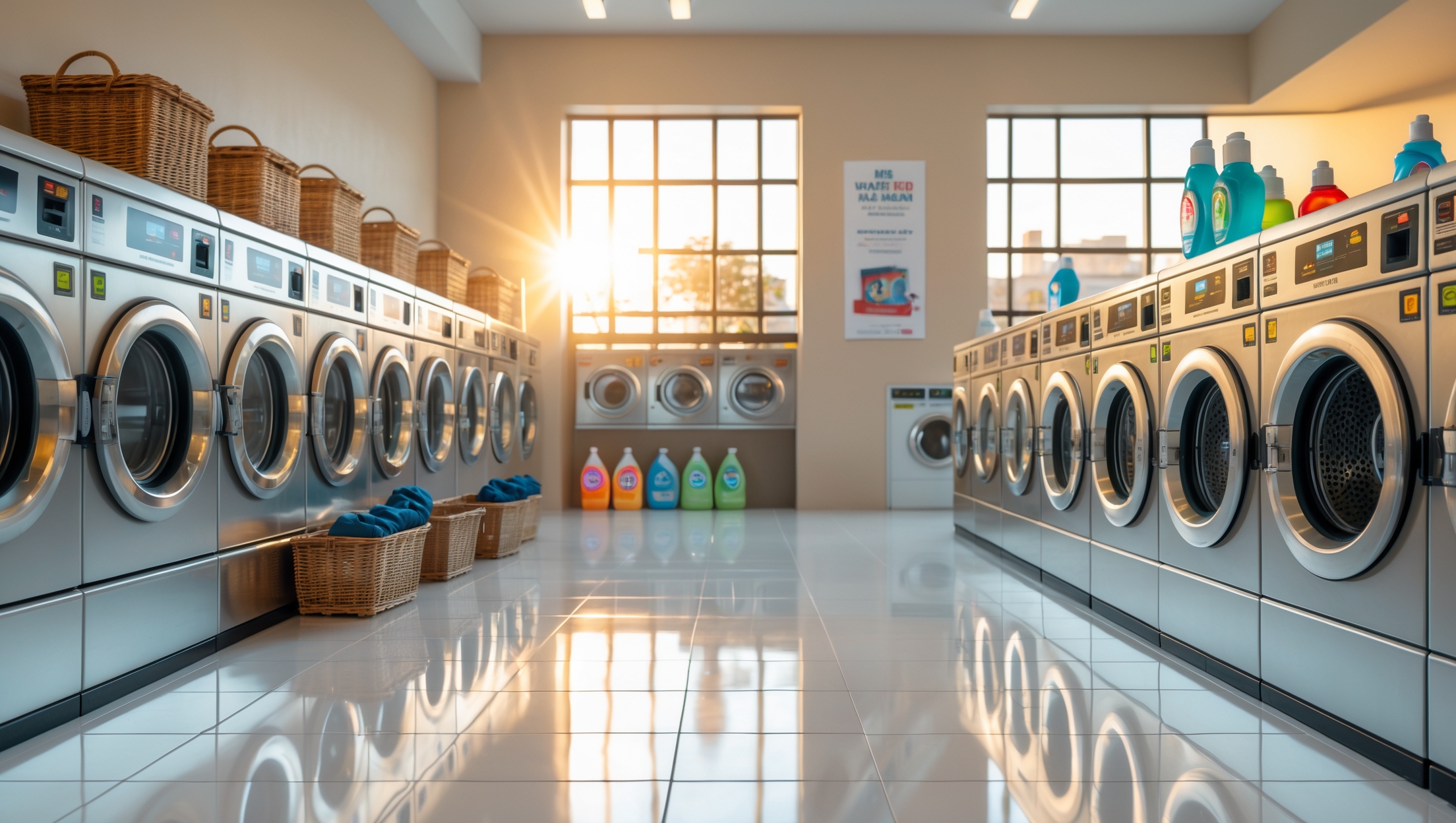
Common in cities across Europe, North America, Australia, and parts of Asia. These are standalone facilities with multiple machines, open to the public, and usually self-service.
2. Apartment or Hostel Laundry Rooms
Many apartment buildings and hostels provide shared laundry rooms for residents. These may use coin, token, or electronic card payment systems. Expect communal etiquette rules.
3. Drop-Off Laundry Services
Popular in Southeast Asia, Latin America, and some Middle Eastern countries. You hand over your laundry to staff and pick it up washed, dried, and folded. Prices are often by weight or load.
4. In-Home Washing Machines
Common in some European and East Asian apartments, though often small or combo washer-dryer units. Dryers may be rare or absent—air-drying is standard.
5. Traditional Hand-Washing
Still prevalent in rural areas or countries with limited infrastructure. You may need to wash by hand in a sink, basin, or at communal washing stations.
Laundry Costs: What to Expect and How to Budget
Laundry costs vary by country, city, and method. Here’s a breakdown to help you plan and avoid surprises:
Coin-Operated Laundromats
- Europe: €3–€6 per wash, €2–€5 per dry
- USA/Canada: $2–$4 per wash, $1.50–$3 per dry
- Australia: AUD $4–$6 per cycle
Bring coins or small bills. Some facilities use prepaid cards or mobile payment apps.
Apartment/Hostel Laundry Rooms
- Costs are often lower than public laundromats.
- Expect €1–€3 per machine in Europe; $1–$2 in North America.
- Sometimes included in rent or hostel fees—ask in advance.
Drop-Off Laundry Services
- Asia: $1–$3 per kilo, often next-day service
- Latin America: $0.75–$2 per kilo
- Express service costs extra. Prices may vary seasonally.
In-Home Machines
- Factor in water and electricity costs. In Europe, a single load may cost €0.50–€1 in utilities.
- Detergent and softener add to ongoing expenses.
Hand-Washing
- Costs are minimal—just water, detergent, and time.
- You may need to purchase a wash basin or bucket.
Budget Tip: Track your laundry expenses for a month to estimate ongoing costs. If you’re on a tight budget, compare in-building facilities to local laundromats and drop-off services for the best value.
Decoding Laundry Equipment and Payment Systems
Washing Machines: Key Differences Abroad
- Top-Loading vs. Front-Loading: Front-loaders are common in Europe and Asia, more energy/water-efficient but often smaller and slower. Top-loaders are faster and more common in North America and Australia.
- Combo Units: Washer/dryer combos save space but can take longer per cycle and handle smaller loads.
- Settings: Labels may be in the local language. Use a translation app or ask staff for help.
Dryers and Air-Drying
- Electric dryers are rare in many European, Asian, and Latin American homes due to cost and energy use. Air-drying racks or balconies are common.
- In laundromats, dryers may be coin- or time-based. Don’t overload them for best results.
Payment Systems
- Coins: Most common. Bring exact change.
- Tokens: Buy from a machine or attendant.
- Prepaid Cards: Load at kiosks; convenient in modern facilities.
- Mobile Apps: Increasingly popular in major cities; link to your bank or e-wallet.
Expert Tip: Always check signage for operating instructions and payment requirements before starting a load.
Laundry Etiquette: Unwritten Rules Every Foreigner Should Know
In Public Laundromats
- Don’t leave clothes unattended for long—machines are in high demand, and locals may remove your load if it’s done.
- Wipe down machines if you spill detergent or leave lint behind.
- Remove your laundry promptly at cycle end.
- Don’t overload machines; respect posted weight limits.
Apartment and Hostel Laundry Rooms
- Observe posted laundry hours—some buildings restrict nighttime use.
- Sign-up sheets or apps may be used to reserve time slots. Don’t skip your turn.
- Use only your own detergent unless otherwise stated.
- Be discreet with undergarments if local culture is conservative—use laundry bags or dry inside your room.
Drop-Off Services
- Separate delicate items or request gentle washing in advance.
- Count your items and check for damage before leaving the shop.
- Tip staff if customary in the country (e.g., 5–10% in some Asian countries).
Following local laundry etiquette not only avoids conflict but can win you goodwill among neighbors and staff.
Essential Laundry Tools and Products for Life Abroad
- Collapsible Laundry Basket: Saves space in small apartments or hostel rooms.
- Travel-Size Detergent: Especially useful for hand-washing or if local brands irritate your skin.
- Laundry Bag or Mesh Wash Bag: Protects delicates and makes carrying easier.
- Portable Drying Rack: Essential where dryers are scarce; choose a foldable, lightweight model.
- Lint Roller: Good for pet hair or lint-prone fabrics.
- Sink Stopper or Basin: Indispensable for hand-washing in places with limited facilities.
- Stain Remover Pen: Handy for emergencies.
- Universal Plug Adapter: Needed for travel irons or portable steamers.
Pack these essentials before you travel, or source them locally on arrival. Local shops or supermarkets often stock basic supplies.
Smart Habits for Hassle-Free Laundry Abroad
1. Sort and Pre-Treat at Home
Sort clothes into whites, colors, and delicates before heading out. Pre-treat stains so they don’t set during transit.
2. Choose Off-Peak Times
Laundromats and shared laundry rooms are busiest on weekends and evenings. Early mornings or weekday afternoons are typically quieter.
3. Learn Key Local Laundry Terms
Know the local words for ‘wash,’ ‘dry,’ ‘detergent,’ and ‘delicate.’ Save translations or photos of machine instructions if you’re unsure.
4. Air-Dry When Possible
Save money and extend the life of your clothes by air-drying. Use indoor racks or balcony lines where permitted.
5. Keep an Eye on the Weather
Check forecasts before air-drying outside. Sudden rain can ruin laundry day, especially in tropical or rainy regions.
6. Secure Your Laundry
In shared spaces, always stay nearby or use a lockable bag in hostels. Petty theft is rare but possible in busy cities.
7. Don’t Overload Machines
Exceeding the recommended load slows washing, leaves residue, and can cause machine malfunctions. If in doubt, split your load.
8. Track Your Laundry Schedule
Set reminders for laundry pickup or cycle end—some machines don’t beep loudly, and unattended loads can go missing or get moved.
Dealing with Laundry Mishaps and Emergencies
Lost or Damaged Items
- Laundromats: Check with staff immediately. Some have lost-and-found bins.
- Drop-Off Services: Report issues as soon as possible, with a list of items. Many shops post disclaimers about lost or damaged goods—read them when you drop off.
Color Bleeding and Shrinkage
- Always separate new, brightly colored clothes. Use cold water if unsure about the fabric.
- Check fabric care labels before choosing wash settings.
Soap Residue and Allergies
- Some local detergents may be heavily perfumed or harsh. Bring hypoallergenic detergent if you have sensitive skin.
- Run an extra rinse cycle if your clothes feel sticky or smelly.
Language Barriers
- Use translation apps to read machine instructions or communicate with staff.
- Photograph settings or ask a local for help if you’re stuck.
Case Studies: Laundry Lessons from Expats Around the World
Case Study 1: Navigating Tiny Machines in Tokyo
Sarah, a Canadian expat in Tokyo, was shocked to find her apartment’s washing machine held just 3 kg of clothes—about half a typical North American load. She learned to do laundry twice as often and air-dry everything on her balcony, as dryers were virtually unheard of among her neighbors. Her tip: Invest in a sturdy drying rack and do small loads regularly to avoid laundry pile-up.
Case Study 2: Drop-Off Service in Bangkok
When Daniel moved to Bangkok, he discovered the convenience of drop-off laundry shops, which washed, dried, and neatly folded his clothes for less than $5 a week. However, after losing a favorite shirt, he started counting all items and requesting gentle wash for delicates. Local friends advised him to avoid peak hours and always check for missing buttons or zippers before leaving.
Case Study 3: Hostel Laundry Nightmares in Madrid
Emma, backpacking through Spain, found hostel laundry rooms jam-packed on weekends. Machines filled quickly, and unattended loads were sometimes dumped on counters. She learned to reserve slots early and bring a book to wait out the cycle, making friends along the way. Her advice: Use hostel Facebook groups or WhatsApp chats to coordinate laundry times and avoid conflicts.
Local Laundry Myths Debunked
- Myth: All laundromats are open 24/7.
Reality: Many close at night or have restricted hours—especially in residential areas. - Myth: Drop-off laundry is always gentle on clothes.
Reality: Machines may be set to high heat by default to save time and energy. Specify washing instructions for delicates. - Myth: Air-drying takes forever.
Reality: In dry or windy climates, clothes can dry faster than in a tumble dryer—especially on sunny balconies. - Myth: Using local detergents is always safe.
Reality: Many local brands are strong or highly scented. Test on a small load if you have allergies or sensitive skin.
Conclusion: Making Laundry Day Abroad Effortless and Empowering
Laundry may seem like a minor detail in the grand adventure of living or traveling abroad, but anyone who’s faced a broken machine, missing socks, or a language barrier knows it can quickly become a major headache. By understanding the local laundry landscape—costs, equipment, etiquette, and best practices—you equip yourself to handle this everyday task with confidence and ease. Not only will you save money and time, but you’ll avoid awkward cultural missteps and make a better impression on neighbors, landlords, and fellow travelers.
Take the time to scout your options, ask locals for advice, and experiment with routines until you find what works best for your lifestyle. Pack a few key tools, learn essential laundry vocabulary, and stay flexible in your approach. Whether you’re navigating a crowded laundromat in Paris or air-drying clothes in a tropical climate, you’ll find that mastering laundry abroad is surprisingly empowering—and can even offer moments of connection and insight into your new community.
So the next time you’re sorting socks in a foreign city, remember: laundry isn’t just a chore—it’s a skill that, done right, can make your life abroad smoother, cleaner, and more enjoyable. Happy washing!
I’m moving to an apartment in Europe soon and noticed you mentioned different payment systems in shared laundry rooms, like coins, tokens, or electronic cards. How do I find out which system my building uses, and can I prepare for this before arriving?
To find out which laundry payment system your new apartment uses, reach out directly to your landlord, property manager, or current tenants—they can tell you if you’ll need coins, tokens, or a card. If you need cash or tokens, consider arriving with small change or ask if you can purchase tokens on-site. For electronic cards, check if the building issues them upon move-in or if you need to register online in advance.
I always get confused by different washing machines abroad. When you talk about decoding unfamiliar equipment, do you have tips for figuring out what cycles or settings mean if I don’t know the language?
If you’re faced with a washing machine in a language you don’t understand, try using a translation app on your phone to scan labels or controls—many apps can translate text instantly with your camera. Look for icons, as they are often standard: a tub with waves usually means a normal wash, a shirt might indicate a quick cycle, and a snowflake is typically for cold wash. When in doubt, opt for the shortest or most gentle cycle to avoid mishaps.
I’m a little confused about the etiquette part in shared laundry rooms, especially in apartment buildings abroad. Are there any unwritten rules about how long you should leave your laundry in the machine or what you should do if someone else’s load is finished but still in the washer?
In shared laundry rooms, it’s considerate to remove your laundry from the washer or dryer as soon as the cycle ends. If you find someone else’s load finished and still in the machine, it’s generally acceptable to gently place their laundry on a clean surface or in a provided basket. Try not to leave your laundry unattended for more than 10–15 minutes after the cycle ends to avoid inconveniencing neighbors.