
Introduction: Why Packing Smart Matters for Extended Stays Abroad
Moving abroad or planning an extended stay in a new country is a thrilling adventure, but it comes with a unique set of logistical challenges. Unlike short vacations, living overseas for months—or even years—demands a different approach to packing and organization. You’ll need to balance bringing what you truly need with avoiding excess baggage and clutter. Overpacking leads to stress, higher costs, and less flexibility, while underpacking can leave you scrambling for essentials in unfamiliar markets. Whether you’re an expat, digital nomad, or slow traveler, smart packing and storage strategies are key to a comfortable, organized, and enjoyable life abroad. This comprehensive guide dives deep into the practical details: the gear you can’t live without, efficient packing systems, and clever storage hacks for maximizing small spaces and adapting to new environments. By the end, you’ll be equipped with expert tips and actionable steps to streamline your move and make your extended stay a success.
Choosing the Right Luggage: Suitcase, Backpack, or Hybrid?
Assessing Your Needs Based on Destination and Lifestyle
The ideal luggage for long-term stays depends on several factors: climate, housing options, transportation methods, and your day-to-day needs. If you’ll be based in urban areas with good infrastructure, a rolling suitcase is often the most practical choice. For rural destinations or frequent moves, a durable backpack or hybrid bag offers greater flexibility and mobility.
- Suitcase: Best for city living, easy to organize, but may be cumbersome on rough terrain or stairs.
- Backpack: Ideal for multi-stop trips, rural areas, or countries with limited paved roads.
- Hybrid (wheeled backpack): Combines the benefits of both, though usually with less capacity.
Key Features to Look For
- Lightweight yet sturdy build (polycarbonate or ballistic nylon)
- TSA-approved locks for security
- Expandable compartments for flexibility
- Compression straps to stabilize loads
- Water-resistant materials
- Quality wheels and zippers (YKK zippers are the gold standard)
Packing Systems: Maximizing Space and Minimizing Stress
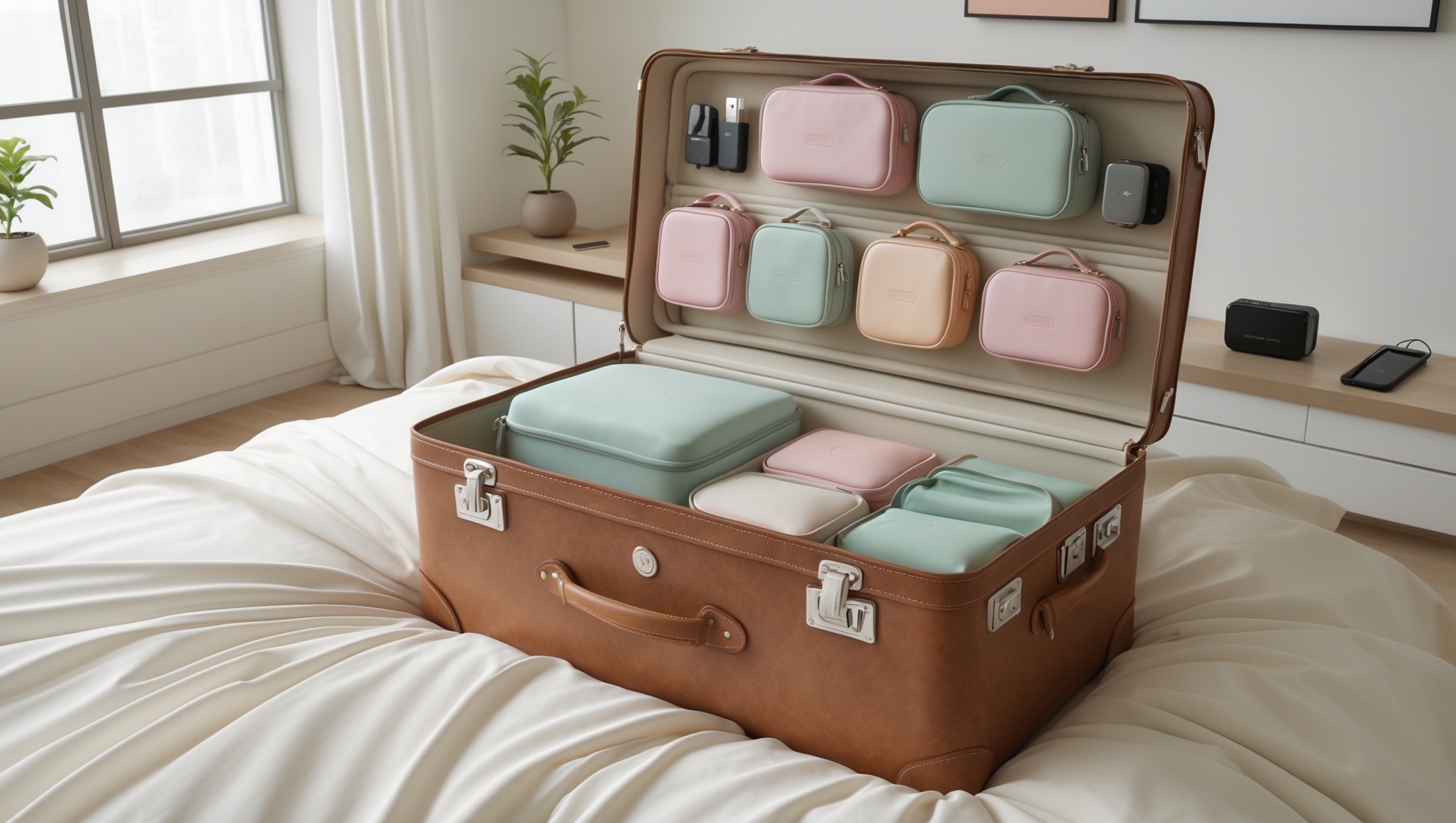
Packing Cubes: The Game-Changer
Packing cubes are essential for keeping clothes and accessories organized. Assign cubes by clothing type (tops, bottoms, undergarments) or by activity (work, gym, leisure). Choose cubes with mesh panels for breathability and quick identification of contents. Compression cubes are especially helpful for bulkier items like sweaters or jackets.
Vacuum Bags: For Off-Season or Bulky Items
If you’re moving to a place with seasonal weather, vacuum-sealed bags can shrink down cold-weather clothes or bedding for storage. Choose manual compression bags if you won’t have access to a vacuum cleaner.
Toiletry and Tech Pouches
- Waterproof toiletry bags prevent leaks in your luggage.
- Tech organizers with elastic loops and zippered compartments keep chargers, adapters, and cables untangled and easily accessible.
Gear Essentials: What to Pack and What to Buy Locally
Clothing: The Capsule Wardrobe Approach
Adopt a capsule wardrobe of 20–30 versatile pieces that can be mixed and matched for various occasions and climates. Focus on:
- Neutral colors and quick-dry fabrics
- Layering options for changing weather
- One set of formalwear for special events
- Comfortable walking shoes and sandals
- Weather-appropriate outerwear
Electronics: Universal Adapters and Beyond
- Multi-country plug adapter with surge protection
- Compact power strip (for rentals with limited outlets)
- Portable battery pack (10,000mAh+ for heavy phone users)
- Lightweight laptop or tablet with protective case
- Noise-canceling headphones (especially useful for shared housing)
Health and Hygiene Supplies
- Basic first-aid kit (bandages, antiseptic, pain relievers)
- Travel-size bottles for toiletries
- Reusable water bottle and filter (if tap water is questionable)
- Prescription medications with copies of scripts
What to Leave Behind (and Buy Locally)
- Bulky toiletries and cleaning supplies (often available at destination)
- Seasonal clothing not needed immediately
- Kitchenware—unless you have specific dietary needs (see below for exceptions)
- Books (go digital where possible)
Specialized Gear: Adapting to Unique Local Challenges
Climate-Specific Items
- Tropical: Mosquito net, high-DEET repellent, moisture-wicking clothing, UV umbrella
- Cold: Thermal underwear, insulated boots, compact space heater (if rentals lack central heating)
- Wet/Humid: Quick-dry towels, waterproof phone pouch, silica gel packs for electronics
Security Solutions
- Portable door lock or wedge for added security in rentals
- Small cable lock for securing backpacks or luggage
- RFID-blocking wallet or passport holder
Cooking and Food Prep
- Collapsible kettle or immersion heater (if you drink tea/coffee)
- Small, sharp knife with blade guard (rarely provided in rentals)
- Reusable shopping bags and foldable containers for groceries and leftovers
Storage Hacks: Making the Most of Limited Space Abroad
Organizing Small Apartments or Rentals
Many apartments abroad are compact and lack built-in storage. Try these solutions:
- Under-bed storage bins for off-season clothes or shoes
- Hanging organizers on doors for accessories, toiletries, or electronics
- Stackable crates or cubes for creating makeshift shelves
- Foldable furniture (ottomans, chairs, drying racks) to save space when not in use
- Vacuum bags for items you rarely need
Keeping Documents and Valuables Safe
- Use a portable safe or lockbox for passports, cash, and important documents
- Digitize documents and store them securely in the cloud (encrypted if possible)
- Separate backup credit/debit card in a hidden pouch
Packing for Local Transportation and Weekend Trips
Daypacks and Carry-On Bags
A lightweight daypack (15–18L) is invaluable for everyday errands, hiking, or spontaneous excursions. Look for features like anti-theft zippers, water bottle pockets, and a padded laptop sleeve.
Modular Packing
Pack a small, compressible duffel bag in your main luggage. This becomes your go-to for short trips or as an overflow bag for extra purchases.
Essential Grab-and-Go Kits
- Pre-packed toiletries kit for quick getaways
- Travel laundry kit (sink stopper, detergent sheets, clothesline)
- Compact first-aid kit
Advanced Tips: Packing for Flexibility and Longevity
Rotation System
Store out-of-season or rarely used items in the least accessible spots (top shelves, under the bed) and rotate as the seasons change. This keeps daily-use items within easy reach and prevents clutter.
Label Everything
Label bags, cubes, and bins with contents and season. This saves time hunting for items and helps maintain order during long stays.
Maintenance Supplies
- Travel-sized sewing kit for wardrobe repairs
- Multi-tool or Swiss Army knife (check local regulations)
- Small bottle of fabric refresher spray
Case Study: A Digital Nomad’s Year in Three Countries
Meet Alex, a remote worker who spent a year living in Portugal, Vietnam, and Argentina. Initially, Alex overpacked—bringing kitchen gadgets and multiple pairs of shoes. After a month, he realized that many items went unused and cluttered his small Lisbon apartment. By consolidating into packing cubes and vacuum bags, and leaving non-essentials behind in a local storage locker, Alex freed up space and reduced stress. He also bought a compact electric kettle and a sharp knife locally, which proved invaluable across different kitchens. His biggest lesson: prioritize multi-use, quality items, and adapt to what’s available locally. Modular packing let him travel light for weekend getaways, while a portable safe kept his documents secure in shared housing. Alex’s experience highlights the value of flexibility and continuous refinement in your packing system.
Conclusion: Packing as a Skill for Smoother Living Abroad
Packing smart for an extended stay isn’t just about fitting everything into a suitcase—it’s about cultivating a mindset of efficiency, adaptability, and comfort. By choosing the right luggage, using strategic packing systems, and focusing on versatile, quality gear, you’ll set yourself up for a smoother transition and more enjoyable life overseas. Clever storage hacks help you adapt to smaller spaces and unfamiliar housing, while modular packing and grab-and-go kits make exploring your new environment spontaneous and stress-free. Remember, you don’t need to bring everything—embrace local solutions and refine your approach as you settle in. Packing for flexibility and longevity is a skill that pays dividends in comfort, mobility, and peace of mind. Whether you’re moving for work, adventure, or a fresh start, these strategies will help you travel lighter, live better, and make the most of your time abroad. Happy travels and smart packing!
You mention that overpacking can be a major issue during extended stays abroad. Do you have any tips on how to decide which ‘essentials’ are truly necessary versus items that can be easily purchased once you arrive, especially in less familiar markets?
When deciding what to pack for an extended stay, focus on items that are hard to replace or specific to your needs, like prescription medications, specialty electronics, or particular clothing for your size or climate. Everyday basics—like toiletries, simple clothing, and kitchenware—are usually easy to find locally, even in less familiar markets. Research your destination’s shopping options beforehand, and prioritize versatile, multipurpose items to keep your luggage light.
I noticed you mentioned the benefits of hybrid luggage for people who move around a lot. In your experience, are there any durability or comfort issues with hybrids when used long-term, especially on rough terrain or frequent travel days?
Hybrid luggage, which combines features of both hard and soft-sided bags, generally holds up well, but there are some trade-offs. Over time, the mixed materials can show wear at seams or zippers, especially if you’re often on rough terrain. Wheels and handles may also experience more strain from frequent movement. For long-term use, I’d suggest choosing hybrids with reinforced corners, sturdy zippers, and high-quality wheels to maximize durability and comfort during frequent travel.
I noticed you mentioned expandable compartments as a key feature to look for in luggage. Could you share some specific packing strategies or hacks for maximizing these compartments without overpacking or making the bag difficult to manage?
Expandable compartments are great for flexibility, but it’s important not to fill them just because the space is there. Try packing bulkier, non-fragile items like jackets or shoes in the expanded area, and keep heavier items close to the wheels for balance. Use packing cubes or compression bags to keep things organized and easy to access. Always check your airline’s weight limits so you don’t overfill and end up with a heavy, awkward bag.
I have to move abroad with two kids, and I’m struggling to decide between a rolling suitcase and a hybrid bag for all our stuff. How do you suggest managing luggage when traveling as a family, especially with kids needing easy access to their things?
When moving abroad with kids, rolling suitcases are helpful for managing heavy items and keeping things organized, but hybrid bags can be useful for their flexibility and easier access in tight spaces. Consider giving each child a small backpack with their essentials and comfort items for quick access. Use rolling suitcases for bulkier family belongings, and pack each bag so the most-used items are on top. This way, you balance organization, convenience, and manageability.
You mention avoiding excess baggage, but as someone moving abroad for over a year, what are your best tips for storing off-season clothing and equipment in a compact apartment without access to extra closets or storage units?
For compact apartments, try using vacuum storage bags to reduce the volume of off-season clothes. Store these bags under the bed, on wardrobe shelves, or even in empty suitcases. Multi-purpose furniture with built-in storage, like ottomans or bed frames with drawers, can also help. For equipment, consider vertical storage solutions like wall hooks or over-door racks to keep things off the floor and organized.
For long-term stays in regions with both urban centers and rural areas, how do you recommend choosing between a rolling suitcase and a hybrid wheeled backpack, especially when factoring in space restrictions and local transportation options?
If you’ll be moving between urban and rural areas, a hybrid wheeled backpack is often more versatile. It’s easier to maneuver over uneven terrain or when streets aren’t suitcase-friendly, and you can still roll it in airports or cities. They also tend to be more compact, which is helpful with limited storage or crowded transport. If you won’t walk much with your bag, a rolling suitcase offers better organization and easier packing. Consider where you’ll spend most of your time and what types of transport you’ll use most.
I noticed you highlighted the importance of avoiding excess baggage during extended stays. Could you offer any specific suggestions for storage hacks or packing systems that keep essentials accessible but also minimize clutter in small living spaces abroad?
To minimize clutter in small spaces, try using packing cubes or compression bags to organize clothes and keep items compact. Multi-purpose storage, like collapsible bins or over-the-door organizers, can maximize limited closet or shelf space. Roll or fold clothing vertically in drawers to see everything at a glance. Store infrequently used items under the bed or on high shelves. Prioritize essentials, and try a one-in, one-out rule to avoid accumulating extras.
When it comes to choosing between a suitcase and a hybrid bag for extended stays, do you have any tips for organizing things like shoes or toiletries to prevent mess and maximize space, particularly if you’re staying in small apartments overseas?
To keep shoes and toiletries organized in either a suitcase or a hybrid bag, use separate packing cubes or pouches. For shoes, pack each pair in a reusable bag to keep dirt away from clothes, and use the space inside shoes to store socks or small items. For toiletries, opt for a compact hanging organizer that you can hang in tight spaces. This approach works well in small apartments, keeps things tidy, and makes unpacking easier.