
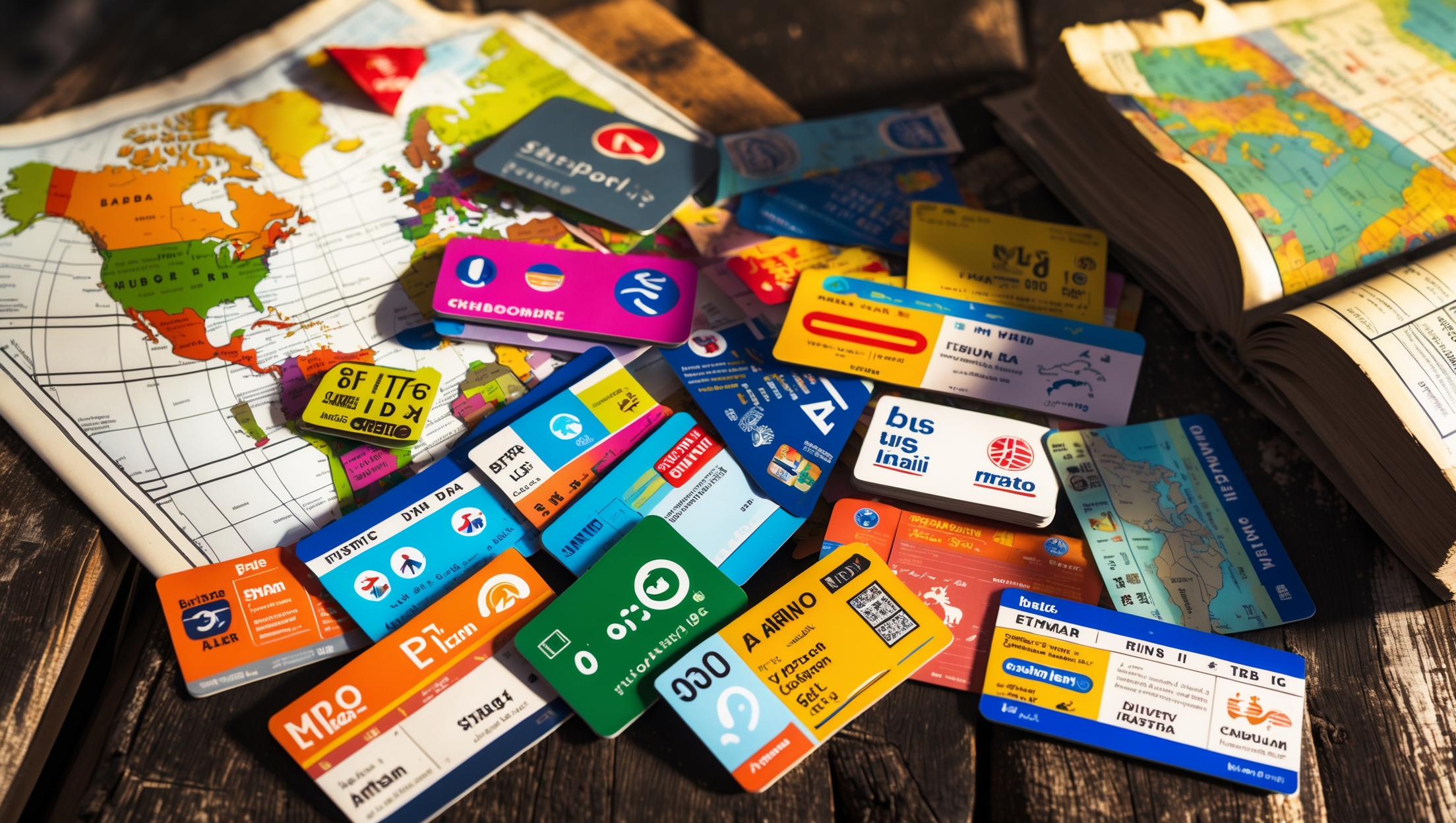
Introduction: The Power of Local Transportation Passes Abroad
When moving or traveling abroad, one of the most liberating—and sometimes perplexing—aspects of daily life is navigating local transportation systems. Whether you’re an expat settling into a new city or a traveler seeking efficient ways to explore, understanding how to leverage transportation passes can dramatically reduce your expenses and streamline your commutes. Yet, the variety of options, rules, and payment systems can be daunting, often leading newcomers to overspend or miss out on the best deals. This guide demystifies public transport passes across the globe, offering a detailed roadmap to finding, purchasing, and maximizing the right pass for your needs. From cost breakdowns and eligibility tips to hidden perks and renewal tricks, you’ll gain expert strategies to make every ride count—saving money, time, and unnecessary hassles.
Understanding Local Transportation Passes: What Are They?
Transportation passes are prepaid cards, digital tickets, or paper booklets granting access to public transit systems for a set period or number of rides. They typically cover buses, metros, trams, ferries, and sometimes regional railways within a designated area. Passes can be categorized as:
- Time-Based: Valid for unlimited travel within a period (daily, weekly, monthly, annual).
- Trip-Based: A fixed number of rides (e.g., 10-trip tickets).
- Distance/Zone-Based: Price and validity depend on the zones or distance traveled.
- Tourist Passes: Special passes for visitors, often including attractions and discounts.
Each city or country has unique systems—some fully digital, others relying on paper or reloadable smartcards. Understanding the local approach is the first step to smart commuting.
Decoding the Local System: Research Before You Ride
Online Resources and Official Apps
Start with the official transportation authority websites and apps. Look for:
- Comprehensive fare tables and pass options
- Eligibility criteria (residency, age, student status)
- Interactive maps and zone breakdowns
- Pass purchase and top-up locations
Use forums, expat groups, and travel blogs for real-world advice and recent updates—some passes or promotions may not be advertised in English or online.
Key Terms to Know
- Contactless: Tap cards or phones to pay.
- Reloadable: Add credit to a single card, often required for monthly passes.
- Integrated Ticketing: One pass covers multiple forms of transport.
- Validation: How and when you must activate or scan your pass.
Cost Breakdown: Is a Pass Worth It?
Calculating Your Expected Usage
Before purchasing any pass, estimate your average weekly or monthly trips. Compare:
- Single ticket prices
- Short-term (daily/weekly) pass cost
- Long-term (monthly/annual) pass cost
For example, if in Berlin a single metro ride is €3.20, a monthly pass is €86, and you plan to commute 40 times per month, the pass brings the per-ride cost down to €2.15. Factor in weekend trips or spontaneous travel—unlimited passes offer flexibility that can quickly pay off.
Hidden Savings and Perks
- Some passes include discounts on museums, events, or partner services.
- Student, youth, or senior discounts can be substantial but may require proof of eligibility.
- Annual passes often come with extra bonuses (e.g., free months, companion tickets).
- Corporate or university partnerships may offer subsidized rates.
Step-by-Step: How to Purchase and Set Up Your Pass
1. Identify the Right Pass
Match your usage to the pass type. Frequent commuters benefit from monthly or annual passes, while tourists or infrequent travelers might prefer 10-trip cards or day passes. Check for zone coverage—some cities (e.g., Paris, London) require paying extra for travel beyond central areas.
2. Gather Required Documents
Some passes, particularly long-term ones, require documents:
- Passport or national ID
- Proof of address (rental contract, utility bill)
- Student or work ID, if claiming discounts
- Passport-sized photo (for personalized cards)
Prepare digital and physical copies, as requirements vary.
3. Where and How to Buy
- Transport Offices: Major stations often have service counters for personalized passes.
- Ticket Machines: For short-term or generic passes; instructions may be available in multiple languages.
- Retail Partners: Some cities partner with convenience stores, newsstands, or supermarkets.
- Online: Increasingly common for digital passes; some require local bank cards or addresses.
- Mobile Apps: Many systems now offer instant pass purchase and storage on your smartphone.
4. Activating and Using Your Pass
Follow instructions—some passes must be validated with a first tap or scan. For time-based passes, the clock may start on first use, while others activate from the moment of purchase. Always check if you must tap in and out (common in places like London) or just on entry.
Compliance and Common Pitfalls to Avoid
Always Validate
In many countries (Italy, France, Germany), failing to validate your pass or ticket—even if you have paid—can result in steep fines. Look for validation machines at platform entrances, on buses, or at station gates.
Stay Within Your Zone
Traveling beyond your pass’s zone, even accidentally, can lead to penalties. Use official maps to learn zone boundaries, especially for airport trips or day excursions outside the city center.
Renewal and Expiry Dates
Set reminders to renew your pass, as some systems do not auto-renew. If you lose your pass, report it immediately—some cards can be blocked and replaced for a fee.
Ticket Inspections
Random inspections are common, especially on trams and buses. Always carry your pass and any required ID. Digital passes may need to be shown in an official app, not just as a screenshot.
Smart Usage Strategies: Get the Most from Your Pass
Mix and Match
Some cities allow combining passes (e.g., a monthly metro card plus pay-as-you-go for suburban trains) for greater flexibility. Analyze your routes to see if a combination saves money.
Leverage Off-Peak and Weekend Perks
Many passes offer free travel for companions on weekends or holidays—great for hosting visitors. Some systems have cheaper off-peak passes if your schedule is flexible.
Track Your Usage
Keep tabs on your journeys, especially if you use pay-as-you-go or capped systems (like London’s Oyster, where after a daily limit, extra travel is free). Check your card balance and trip history regularly to avoid surprises.
Unlock Extra Benefits
- Check for loyalty programs—some cities reward frequent riders with bonuses or gift cards.
- Look for bundled passes (e.g., transport + bike/scooter share) for last-mile connectivity.
- Some tourist passes include airport transfers and local attractions—evaluate if bundled offers suit your stay.
Case Study 1: Monthly Commuter in Madrid
Elena, an expat working in central Madrid, considered her options:
- Single ride: €1.50
- 10-trip ticket: €12.20
- Monthly pass (30 days, all zones): €54.60
With a daily round-trip commute (22 days/month = 44 rides), the monthly pass reduced her cost to €1.24 per ride, plus she could use the pass for spontaneous outings without extra expense. She registered online, uploaded a photo, paid at a metro office, and received a reloadable card.
Case Study 2: Digital Short-Term Pass in Singapore
James, a tourist in Singapore for 5 days, opted for the Singapore Tourist Pass:
- 3-day unlimited pass: SGD $20
- Deposit: SGD $10 (refundable)
- Single rides: SGD $1.50–$2.50 each
He picked up the pass at Changi Airport, used it for over 12 rides, and returned it for his deposit before departing. The pass worked on all MRT trains and buses, offering huge savings and convenience.
Maintenance and Troubleshooting: Keeping Your Pass Active
Card Not Working?
If your card fails at a gate or reader, try:
- Checking for physical damage or demagnetization
- Ensuring it’s not expired or out of credit
- Visiting a service counter for troubleshooting or replacement
For app-based passes, update the app and ensure your phone’s NFC is enabled.
Lost or Stolen Passes
Report losses immediately—some cities can block and reissue passes for a small fee, especially for personalized cards. Keep a copy of your card number and registration details.
Local Variations: Notable City Examples
- London: Oyster cards and contactless payments, daily/weekly fare caps, zone-based pricing.
- Tokyo: Suica/Pasmo IC cards, pay-as-you-go with auto top-up, coverage for trains, subways, buses.
- New York: MetroCard (phasing out), OMNY contactless system, unlimited 7-day and 30-day options.
- Paris: Navigo card, weekly/monthly unlimited, strict validation rules.
- Melbourne: Myki smartcard, touch on/off, daily/weekly caps, regional add-ons.
- Istanbul: Istanbulkart, reloadable, covers ferries, trams, metros, funiculars.
Always check the latest official guidance, as systems evolve rapidly (e.g., digital wallets, new apps).
Myths and Mistakes: Common Misconceptions Debunked
- “Tourist passes are always a rip-off.” Sometimes, tourist passes offer unbeatable value—especially if you plan multiple trips daily. Compare costs before dismissing them.
- “You can use any card on any system.” Integration is not universal. Many cards are city-specific; international credit cards may not work everywhere.
- “Paper tickets are safer than digital.” Digital passes are often more secure and can be blocked or replaced if your phone is lost.
- “Inspectors never check foreigners.” Ticket checks are random and strict. Fines are usually immediate and non-negotiable—always travel with a valid pass.
Conclusion: Riding Smarter, Living Easier
Mastering local transportation passes is one of the most empowering skills for life abroad. With the right pass, you gain not only financial savings but also the freedom to explore, connect, and settle into your new environment with confidence. From understanding complex zone systems to leveraging digital wallets and layered discounts, a little research and planning can yield significant rewards. Avoid common pitfalls by validating, staying zone-aware, and keeping your pass current. Take advantage of perks like weekend travel for guests or discounts at local attractions—these small benefits can greatly enhance your experience.
Every city has its quirks and evolving systems, but the principles remain the same: analyze your needs, select the right pass, and use it strategically. Whether you’re commuting daily, exploring as a tourist, or juggling multi-modal transit in a sprawling metropolis, a well-chosen transport pass is your ticket to smoother, smarter living abroad. Stay informed, stay compliant, and enjoy the journey—every ride is a step toward making the world your neighborhood.
Are there any tips for expats on choosing between a time-based monthly pass and a multi-trip ticket, especially if your commute or travel schedule changes from week to week? I’m not sure how to estimate which option would actually save more over time.
When your schedule varies, it helps to track how many trips you typically make each week for a month or two. Compare the total cost of single or multi-trip tickets for those weeks against the price of a monthly pass. If your travel frequency is inconsistent, a multi-trip pass often gives you more flexibility and savings, but once your trips consistently approach the break-even point, a monthly pass may be better.
The guide talks about digital tickets and smartcards, but what if the local system still uses mostly paper passes? Are there specific tips or challenges for expats using older, non-digital systems, especially when it comes to renewing or reloading passes?
If you’re dealing with paper passes, one key challenge is that renewals and reloads often require in-person visits to ticket offices, kiosks, or authorized vendors, which may have limited hours or long lines. Hold onto your receipts as proof of purchase, and check if there are specific dates or windows for renewals. It’s also wise to carry small change, as some places may not accept cards. Always ask about lost pass replacement policies, since paper tickets are easier to misplace.
If I plan to stay in a city for just over a week, is it usually better to get a time-based pass like a weekly or monthly one, or can I mix different passes such as tourist passes and single tickets to find the best value?
For a stay just over a week, it’s smart to compare the cost of a weekly pass with the total you’d spend on daily or tourist passes, plus any single-trip tickets you might need. Some cities offer flexible day bundles or short-term passes that could work well. Mixing passes and tickets can sometimes save money, especially if you’re not traveling every day. Check the local transit site for exact options and pricing.
The article mentions time-based, trip-based, distance/zone-based, and tourist passes, but how do you decide which type of pass makes the most sense if you’re not sure how often you’ll be using public transport in a new city?
If your usage is uncertain, consider starting with pay-as-you-go single tickets or a rechargeable card, so you only pay for what you use. After a few days, check your travel patterns. If you start using public transport multiple times daily, a time-based or unlimited pass may offer savings. Tourist passes can be practical for short stays with heavy sightseeing. Reviewing your habits after a week or so will help you choose the best value moving forward.
You mention that every city or country can have a different approach to transportation passes, with some fully digital and others using paper or smartcards. How do you usually find out in advance which system a city uses, and are there ways to get these passes before arriving?
To find out what type of transportation pass a city uses, I typically check the official website of the city’s public transit authority. They usually provide details on whether passes are digital, paper, or smartcards. Many cities also list how to purchase passes online or via mobile apps, and some even allow you to buy in advance for delivery or pick-up at the airport or stations. It’s also helpful to look for recent traveler forums for updated tips.
You mention that some systems are fully digital while others still use paper or smartcards. From your experience, how easy is it to actually buy and reload these passes as a newcomer who might not have a local bank account yet?
Buying and reloading transportation passes as a newcomer is usually straightforward, even without a local bank account. Many systems let you purchase paper tickets or reload smartcards at station kiosks with cash or international credit cards. Fully digital systems may require an app, but buying single rides or short-term passes is often possible without any local banking details. If you ever face issues, staff at stations are generally helpful to guide you through the process.