
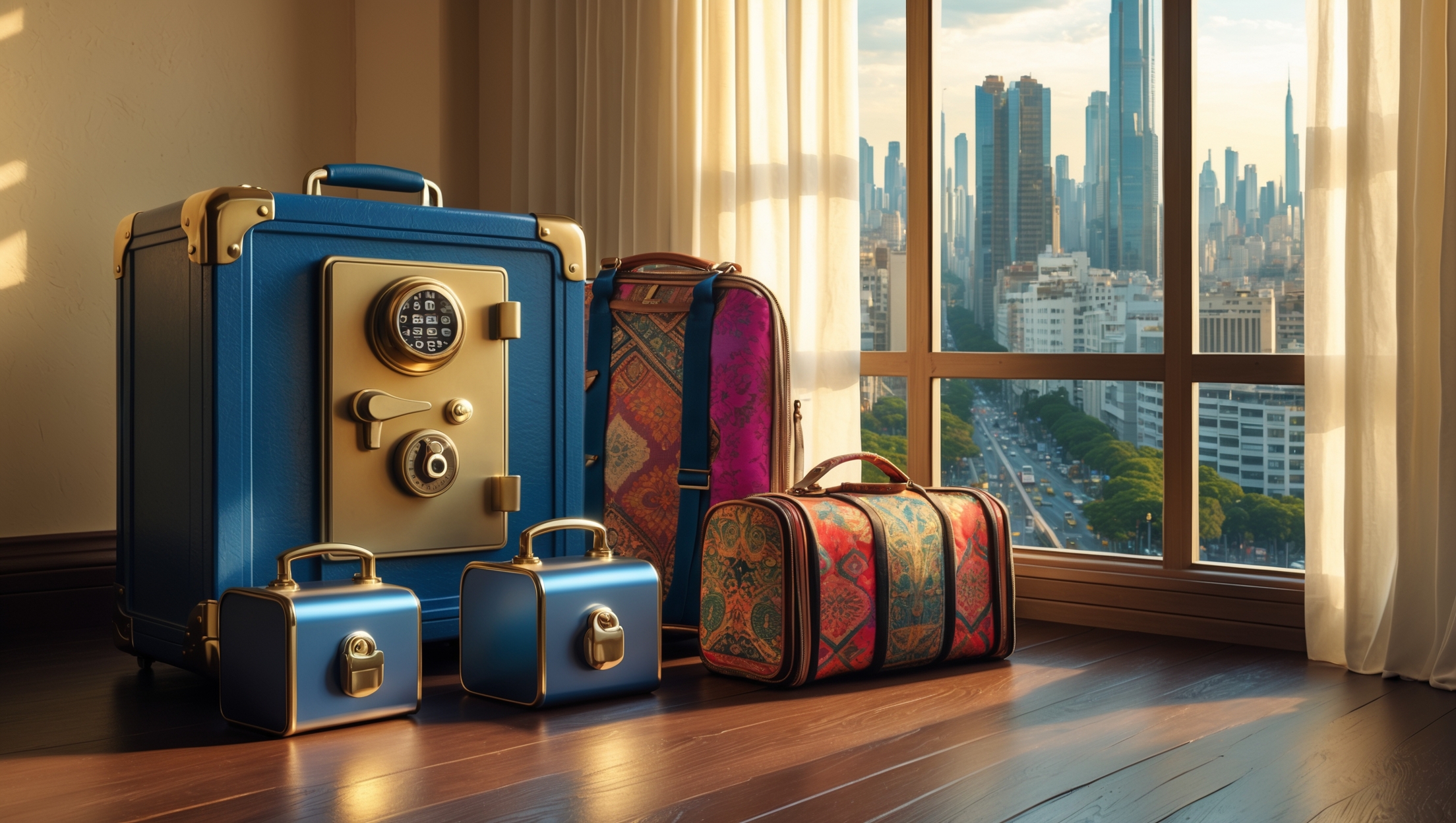
Introduction: Why Valuables Security Matters Abroad
Living or traveling abroad is an exciting adventure, but it also comes with unique security challenges—especially when it comes to safeguarding your valuables. Whether you’re an expat settling in for the long haul or a traveler hopping between destinations, you’ll quickly realize that protecting important documents, electronics, jewelry, and sentimental items isn’t as straightforward as it is back home. New environments mean new risks: unfamiliar housing, shared spaces, inconsistent local security standards, and different types of insurance coverage. The consequences of theft or loss abroad can be serious, leading to stress, time-consuming paperwork, and even jeopardizing your plans. This guide provides a detailed, practical roadmap for securing your valuables abroad, blending expert strategies, trusted security tools, and local know-how. From choosing the right storage solutions and understanding local risks, to dealing with landlords and navigating cultural differences in security, you’ll learn how to protect what matters most—so you can focus on enjoying your overseas experience with peace of mind.
Understanding the Local Security Landscape
Researching Crime Trends and Common Risks
Before you even pack your bags, investigate the security reputation of your destination. Search for recent crime statistics, expat forums, and embassy safety advisories. Pay special attention to:
- Petty theft hotspots (markets, public transport, tourist districts)
- Common scams targeting foreigners
- Break-in rates in residential areas
- Prevalence of pickpocketing or bag snatching
Use this information to calibrate your security measures and decide which valuables are truly necessary to bring.
Understanding Local Housing Security
Rental properties vary widely in their security features. Some important questions to ask your landlord or agent:
- Are there deadbolts or secondary locks on all doors?
- Do windows have secure latches or bars, especially on lower floors?
- Is there a working intercom or security gate for the building?
- What is the building’s history with theft or break-ins?
Don’t hesitate to request upgrades or add your own portable security devices if standards are lacking.
Choosing What to Bring, What to Leave, and What to Store
Essential vs. Non-Essential Valuables
Travel light and wisely. Separate your valuables into three categories:
- Essentials: Passport, primary bank cards, work electronics, medications, insurance documents.
- Nice-to-Haves: Sentimental jewelry, backup electronics, extra bank cards.
- Leave-At-Home Items: Heirlooms, rarely used luxury items, anything irreplaceable and unnecessary for your stay.
The fewer valuables you bring, the less you have to worry about securing them.
Storing Non-Essential Valuables Back Home
If possible, leave irreplaceable items with a trusted friend or in a safe deposit box at home. Some banks allow you to rent secure storage for documents and jewelry. Consider digitalizing important papers—scan and encrypt copies of IDs, insurance, and travel documents for secure cloud storage.
Smart Storage Solutions for Valuables Abroad
Portable Travel Safes and Lockboxes
Invest in a compact, tamper-resistant travel safe or lockbox. Look for models with:
- Steel cables to secure to fixed furniture
- Water resistance for humid or tropical climates
- Combination or biometric locks
Use these for cash, passports, and smaller electronics when staying in hotels, hostels, or shared apartments.
Hidden Storage Options in Accommodation
Don’t rely solely on obvious places like under mattresses or in sock drawers. Get creative with concealment:
- Use diversion safes disguised as books, cans, or toiletries
- Store items in zipped compartments inside clothing or luggage
- Secure valuables in locked suitcases with TSA-approved locks
- Hide small items in less expected kitchen or bathroom containers
Utilizing Hotel and Hostel Safes
Many hotels and hostels offer in-room or reception safes. Before use:
- Test the safe’s locking mechanism and ask for a receipt if using a reception safe
- Never store all valuables in a single location
- Photograph items before storage for insurance documentation
Long-Term Storage: Renting Lockers or Safe Deposit Boxes
For medium- to long-term stays, research local storage facilities. Banks sometimes offer safe deposit boxes, though you may need a local account. Self-storage facilities often have secure lockers or small units for rent. Ensure the provider has robust security (CCTV, access logs, insurance options).
Security Tools and Technology Worth Packing
Essential Security Gadgets
Consider packing these portable tools:
- Door-jam alarms or portable locks for added room security
- Cable locks for bags, laptops, and bikes
- Bluetooth trackers for luggage and electronics
- Travel insurance with theft/loss coverage
Digital Security for Electronic Valuables
Physical theft isn’t the only risk. Secure your devices with:
- Strong passwords and biometric authentication
- Remote wipe capabilities (set up before departure)
- Regular encrypted cloud backups
- VPN for secure online transactions and communication
Register your devices’ serial numbers and keep a list online for easy reporting if they’re stolen.
Practical Day-to-Day Habits for Protecting Valuables
Minimizing Exposure Outside the Home
Only carry what you need each day. Leave backup cards and cash in your accommodation safe. Use anti-theft bags with slash-proof straps for city outings. Avoid displaying expensive jewelry or electronics in public.
Staying Vigilant in Shared and Public Spaces
Hostels, co-living spaces, and even some apartments may have more foot traffic than you’re used to. Always lock your room or storage area, even for short absences. Get to know your neighbors and staff—community awareness deters opportunistic theft.
Using Local Services with Caution
When using local laundry, repair, or delivery services, never hand over bags containing valuables. If you need to store items during a day trip, opt for reputable luggage storage services (check reviews, security, and insurance policies).
Navigating Cultural Differences in Security
Understanding Local Attitudes Toward Security
Some cultures are more relaxed about home security, while others take it very seriously. Observe local habits: Do neighbors leave doors or windows open? Are security bars common? Adapt your practices to match or exceed local standards. Ask expat groups for area-specific advice.
Building Trust with Landlords and Neighbors
Introduce yourself to your landlord and neighbors. Trusted relationships can alert you to local risks and create an informal security network. If you’re uncomfortable with existing locks or security features, discuss upgrades—many landlords will accommodate reasonable requests, especially if you offer to share costs.
Planning for Emergencies: What to Do if Valuables Are Lost or Stolen
Immediate Steps After a Loss
If you discover a theft or loss:
- Secure your safety first
- Report the loss to local authorities and request a police report
- Notify your embassy or consulate if documents are involved
- Contact banks to freeze or replace cards
- Initiate insurance claims with documentation
Replacing Important Documents
Keep digital and paper copies of all IDs, visas, and insurance policies. This expedites replacement at embassies, banks, or local offices. Some countries require a police report for official replacements, so always obtain one promptly.
Insurance Essentials for Valuables Abroad
Reviewing Existing Policies
Before you leave, check your home insurance for overseas coverage. Many policies have exclusions for international travel or require add-ons for electronics and jewelry. Travel insurance often covers theft, but limits vary—read the fine print regarding proof of ownership and reporting timeframes.
Choosing the Right Insurance Add-Ons
If you’re bringing high-value items, consider:
- Personal articles policies for jewelry, cameras, laptops
- Insurance offered by credit card providers (often covers purchases and travel-related theft)
- Specialized expat or digital nomad insurance with comprehensive theft/loss options
Document all valuables with photos, serial numbers, and receipts before departure to streamline any future claims.
Case Studies: Real-World Lessons from Travelers and Expats
Avoiding the “All Eggs in One Basket” Mistake
An expat in Madrid learned the hard way after keeping all cash, cards, and passports in a single bag—lost to a pickpocket in a crowded metro. Lesson: distribute valuables and only carry what’s needed each day.
Getting Creative with Concealment
A long-term traveler in Southeast Asia used a diversion safe disguised as a shampoo bottle to store emergency cash—surviving multiple hostel stays without incident, even when a roommate’s belongings were pilfered.
Insurance Saves the Day
A digital nomad in Mexico had a laptop stolen from a co-working space but was able to quickly replace it thanks to comprehensive travel insurance—and because all important files were backed up to the cloud.
Conclusion: Peace of Mind for a Smoother Adventure
Securing your valuables while living or traveling abroad isn’t about paranoia—it’s about planning, awareness, and using the right tools for your specific context. By understanding local risks, choosing carefully what to bring, and employing smart storage solutions, you can drastically reduce your vulnerability to theft or loss. Portable safes, creative concealment, and digital precautions all play a role, as do strong relationships with landlords, neighbors, and local service providers. Remember, no security solution is foolproof, but layering your defenses makes you a far less appealing target. Should the worst happen, being prepared with insurance, documentation, and backup plans ensures you’re never left stranded. Ultimately, the goal isn’t to live in fear, but to free yourself from worry—so you can focus on making the most of your overseas experience, building memories, and immersing yourself in a new culture with true peace of mind. Smart security is an investment that pays off every day you spend abroad—so start now, and travel with confidence.
When looking at local crime statistics and embassy advisories, how up-to-date or reliable do you find information tends to be for less-traveled destinations? I’m planning a move to a smaller city and want to be sure I’m using accurate security data to plan.
Information for less-traveled destinations can sometimes be less current or comprehensive compared to major cities. Local crime statistics may not be updated frequently, and embassy advisories tend to focus on broader regions rather than specific smaller cities. It’s a good idea to check multiple sources—local news in the destination, recent expat forums, and community groups—to supplement official data and get a more accurate picture of current security conditions.
You mention investigating local crime trends and deciding which valuables are truly necessary to bring abroad. Could you give some guidance on which types of items are best left at home versus what you’d recommend always carrying, especially for families traveling long-term on a budget?
When traveling long-term, especially on a budget with family, it’s best to leave high-value jewelry, expensive electronics, and sentimental irreplaceable items at home. Only bring essentials like passports, necessary bank cards, and one reliable phone per adult. For kids, avoid extra gadgets unless truly needed. Carry copies (digital and paper) of important documents, but keep originals secure. Limit cash to what you need for a few days, and use secure payment methods. This approach keeps you safer and reduces stress about potential loss.
Can you share more about dealing with landlords when it comes to installing additional security—like deadbolts or window locks—especially if we’re only renting for a few months? I want to be respectful but still make sure our belongings are protected.
When renting for a short period, it’s best to communicate openly with your landlord about your security concerns. Ask for permission before making any changes, explaining the temporary nature and how you’ll restore things afterward. Consider non-permanent options, like portable door locks or window alarms, that don’t require drilling. This way, you balance security with respect for the property and your rental agreement.
Regarding rental property security, if I find a place that lacks deadbolts or secure window latches, what are some temporary or affordable upgrades I could do myself as a renter without violating a typical lease abroad?
If your rental lacks deadbolts or secure window latches, you can use portable door locks or doorstop alarms that require no installation. For windows, consider using adjustable window security bars or removable locks that clamp onto the frame. These upgrades are temporary, don’t damage property, and are usually allowed under standard leases. Always check with your landlord first to be sure.
When checking with a landlord about security features like deadbolts and window latches, what should I do if the housing I can afford doesn’t really meet those standards? Are there any practical low-budget upgrades or precautions I can take on my own?
If your housing lacks strong security features, you can still take some practical steps on a budget. Consider using portable door locks or door wedges for extra reinforcement. For windows, you can install inexpensive window alarms or use dowels to prevent them from being opened from the outside. Always keep valuables hidden and use lockable suitcases or portable safes if possible. These measures can help enhance your safety even if you can’t make major upgrades.
When researching local crime trends before traveling, are there particular embassy resources or expat forums you recommend for the most up-to-date and reliable security information, especially for less popular destinations?
For up-to-date security info, embassy websites are a solid starting point—many have travel advisories and country-specific safety updates. The US State Department, UK Foreign Office, and Australian DFAT provide detailed reports. For less traveled destinations, expat forums like Expat Exchange or local Facebook groups are useful for real-world insights. Combining official advisories with peer experiences usually gives the clearest picture of current risks.
You mention talking to landlords about locks and window security in rental properties. If I’m moving into a shared apartment abroad where I don’t know the roommates, what extra steps should I take to make sure my important documents and electronics are protected?
In a shared apartment with unfamiliar roommates, consider using a small portable safe or lockbox for your important documents and electronics. You can keep this in your room and secure it with a key or combination lock. Always lock your bedroom door when you leave, and keep backups of important documents stored digitally in a secure, encrypted cloud service just in case. It’s also a good idea to get insurance for valuable items.
When looking into insurance coverage for valuables overseas, are there any common exclusions or gaps in policies that expats and business travelers should watch out for, especially if they keep both personal and business items in shared or unfamiliar housing?
Yes, insurance policies for valuables abroad often have exclusions that expats and business travelers need to be aware of. Common gaps include limited coverage for items left unattended in shared housing, exclusions for losses due to negligence, or theft from unsecured locations. Some policies also separate coverage for personal and business items, so you might need additional riders for business equipment. Always review policy details and ask your insurer specifically about coverage in shared or unfamiliar accommodations.
When researching rental properties abroad, do you have any tips for verifying how secure door and window locks actually are, especially if I don’t know the local language or typical hardware standards?
When checking rental properties abroad, ask the landlord for clear photos or videos of all locks on doors and windows. You can also request a live video call to see them in real time. If you’re unsure about their quality, share these images with a local locksmith or an online expat group for advice. It helps to look for visible features like deadbolts or security bars, which are usually good signs of decent security.