
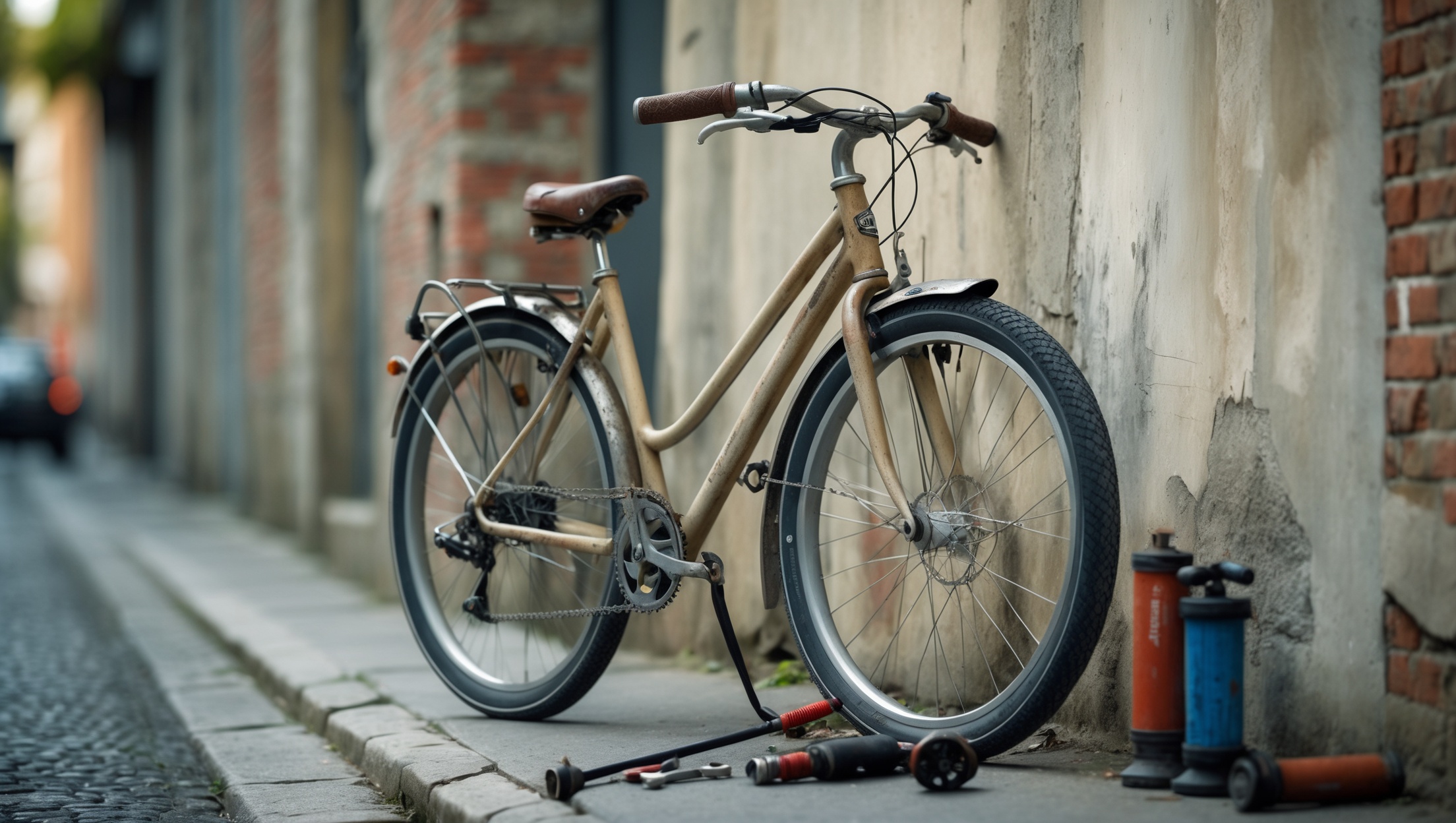
Introduction: The Joy and Practicality of Biking Abroad
Exploring a new country by bicycle offers a unique blend of freedom, exercise, and deep connection to local life. Whether you’re an expat settling in for a year, a digital nomad hopping cities, or a long-term traveler seeking affordable mobility, cycling abroad can be both a practical solution and a memorable adventure. But unlike renting a bike for a quick day tour, owning or regularly using a local bicycle in a foreign country involves a learning curve. From unfamiliar traffic rules to sourcing reliable parts, travelers face distinct challenges and opportunities when integrating cycling into their daily routines. This guide dives into the nuts and bolts—literally—of finding, budgeting for, maintaining, and safely riding a bicycle abroad. We’ll cover how to spot beginner pitfalls, what tools you actually need, and how to keep your ride safe and legal, so you can pedal confidently wherever you land.
Understanding the Local Bicycle Market
Where (and How) to Find Bicycles Abroad
Your approach to sourcing a bicycle will depend heavily on your destination, the length of your stay, and your riding goals. Here are the most common options:
- Local Bike Shops (LBS): Reliable for quality, service, and local know-how. Staff can advise on suitable models for local terrain and weather. Prices may be higher, but after-sales support is valuable.
- Secondhand Marketplaces: Facebook Marketplace, Craigslist, Gumtree, OLX, and local equivalents are treasure troves for used bikes. Expect to haggle and inspect carefully; scams and hidden defects are common.
- Specialized Online Platforms: Sites like eBay and dedicated cycling forums often list better-maintained bikes, sometimes with maintenance histories.
- Community Boards and Hostels: Noticeboards in hostels, universities, and expat hangouts often feature bikes for sale from departing travelers.
- Rental-to-Own or Long-Term Rentals: Some shops or platforms offer monthly rates, which may include maintenance. These can be cost-effective for stays of 1–6 months.
What to Look For: Suitability and Red Flags
- Frame Size and Fit: Comfort and safety depend on the right fit. If unsure, ask staff to measure you or use online sizing guides.
- Condition: Check for rust, bent wheels, sticky brakes, and worn tires. Spin the wheels, test each gear, and look for frame cracks.
- Locks and Accessories: In many countries, bikes are theft magnets. Factor in the cost of a quality lock and, if needed, lights, fenders, and racks.
- Proof of Ownership: Always request a receipt or transfer of ownership document, especially when buying used, to avoid buying stolen goods.
Budgeting for a Bicycle Abroad: The Real Costs
Purchase Price: New vs. Used
Expect vast price differences depending on your location and the local cycling culture. In bike-friendly cities like Amsterdam or Copenhagen, used bikes start at €80–€200, while new entry-level models begin around €300. In developing countries, prices tend to be lower, but quality varies.
Essential Accessories and Upfront Expenses
- Helmet: Often not included in bike sales; expect to pay €20–€60 for a new one.
- Lock: A robust U-lock or heavy-duty chain is crucial. Budget €30–€70.
- Lights and Reflectors: Often required by law; budget €10–€30.
- Pump and Patch Kit: Essential for flats; €10–€20 total.
- Fenders, Racks, and Baskets: Optional, but useful for daily use, especially in rainy or practical cities.
Ongoing Maintenance and Unexpected Costs
- Regular Tune-Ups: Budget for a professional tune-up every 3–6 months if you ride daily (€30–€60 each).
- Spare Parts: Tires, tubes, brake pads, and chains wear out. Keep €50–€100 per year for replacements.
- Theft and Vandalism: Unfortunately common; consider insurance or a secondhand backup bike if you’re in a high-theft city.
Essential Tools and Equipment: Don’t Overpack, Don’t Underprepare
The Bare Minimum Toolkit
Packing a full mechanic’s kit is rarely practical. Instead, assemble a compact, versatile toolkit:
- Mini Multi-Tool: Should include Allen keys, screwdrivers, and a chain tool.
- Portable Pump: Hand pumps are light and reliable; CO2 inflators are faster, but require cartridges.
- Spare Tube and Patch Kit: Punctures are the most common repair abroad; always carry spares.
- Tire Levers: Lightweight and essential for fixing flats.
- Chain Lubricant: Especially important in rainy or dusty climates; small bottles are travel-friendly.
Where to Buy Tools and Spare Parts Locally
- Local Bike Shops: Best for quality and advice, though prices may be higher than online.
- Supermarkets and General Stores: In some countries, basic tools and tubes are widely available.
- Online (with Local Delivery): Platforms like Amazon, Lazada, or local equivalents can fill in gaps, especially for less common parts.
Maintenance Best Practices: Keep Your Bike Rolling Smoothly
Routine Checks: A Simple Weekly Checklist
- Tires: Check pressure and inspect for cuts or embedded glass.
- Brakes: Squeeze levers; cables shouldn’t feel spongy or stick.
- Chain: Wipe down and re-lube if squeaky or after rain.
- Lights and Reflectors: Confirm batteries and visibility, especially before evening rides.
- Lock: Inspect for wear or signs of tampering.
Basic Repairs You Can (and Should) Learn
- Fixing a Flat: The #1 repair for travelers; practice at home before you need it on the road.
- Adjusting Brakes and Gears: Online tutorials abound; minor tweaks can make rides safer and smoother.
- Lubricating Chain and Cables: Prevents rust and keeps your ride efficient.
When to Seek Professional Help
Don’t risk your safety with critical repairs (e.g., wheel truing, brake cable replacement, frame cracks). Most local bike shops offer affordable service packages, and supporting local mechanics can lead to insider tips and community connections.
Legal Compliance and Permits: Stay on the Right Side of the Law
Registration and Licensing Requirements
Some cities (e.g., Tokyo, Zurich) require bicycle registration, even for short-term stays. Fines for unregistered bikes can be steep, and police may impound bikes without proof of ownership. Check city or national government websites or ask at bike shops for the latest rules.
Helmet and Safety Equipment Laws
Helmet use is mandatory in countries like Australia and New Zealand, while other places leave it up to the rider. Lights and bells are often compulsory, especially after dark. Ignorance isn’t an excuse—fines can range from €10 to €100 or more.
Insurance Essentials
Bicycle theft insurance is available in many countries, often as an add-on to renter’s or homeowner’s insurance. Personal liability insurance is highly recommended, as you may be liable for damages in an accident, especially in European countries. Check policy details for exclusions (e.g., unlocked bikes, night-time thefts).
Smart Safety Strategies for Riding Abroad
Know the Local Road Rules
- Side of the Road: Remember countries where you must ride on the left (e.g., UK, Australia, Japan).
- Bike Lanes and Shared Paths: Some cities have extensive networks; others require you to share space with cars or pedestrians. Learn the local etiquette—bell use, passing, and right of way.
- Signage and Signals: Hand signals and bike-specific traffic lights may differ from your home country.
Theft Prevention Beyond a Good Lock
- Choose Parking Wisely: Park in busy, well-lit areas, preferably near security cameras or inside buildings.
- Double Locking: Use two different lock types (U-lock + cable) for added security.
- Remove Accessories: Take lights, GPS units, and bags with you to deter theft.
- Register Serial Numbers: Photograph your bike and record serial numbers for easier recovery if stolen.
Personal Safety While Riding
- Visibility: Wear bright or reflective clothing, especially at night or during poor weather.
- Situational Awareness: Stay alert for erratic drivers, pedestrians, and unfamiliar road hazards (e.g., tram tracks, cobblestones).
- Emergency Contacts: Save the local emergency number (e.g., 112 in Europe, 911 in North America) and the address of the nearest hospital or clinic.
Case Study: Navigating Bicycling as an Expat in Copenhagen
Background: Lisa, a Canadian expat, moved to Copenhagen for a 12-month work assignment. She wanted to commute like a local but had never lived in a bike-dominant city.
- Finding a Bike: Lisa purchased a used city bike from a local Facebook group for 1200 DKK (≈€160), including a sturdy lock.
- Legal Compliance: She registered the bike at the city office, attached a new license plate, and reviewed Danish cycling laws (mandatory lights, specific hand signals).
- Maintenance: Lisa bought a basic toolkit and learned to patch flats via YouTube. She scheduled tune-ups at a local shop every three months, costing about 300 DKK (≈€40) each.
- Safety: After hearing about a friend’s stolen bike, she always double-locked the frame and wheels, parked in monitored lots, and removed her lights after dark.
- Outcome: By budgeting for maintenance and insurance, Lisa enjoyed a year of safe, affordable, and authentic local commuting, making connections with other cyclists along the way.
Step-by-Step Setup Tutorial: Getting Riding-Ready in a New Country
- Step 1: Research the local market and decide between new, used, or rental options based on your budget and length of stay.
- Step 2: Inspect the bike thoroughly before purchase. Test ride if possible; check documentation.
- Step 3: Purchase essential accessories: helmet, lock, lights, pump, and a basic repair kit.
- Step 4: Register your bike if required by local law. Ask for a written receipt or ownership proof.
- Step 5: Review local traffic rules, cycling maps, and any required insurance policies.
- Step 6: Practice basic repairs at home, especially fixing flats and adjusting brakes.
- Step 7: Plan your first rides on low-traffic routes, gradually building confidence in busier settings.
Conclusion: Embracing Two-Wheeled Freedom—Safely and Smartly
Bicycling abroad is much more than a practical way to get from A to B—it’s a passport to local culture, hidden neighborhoods, and spontaneous adventures that most travelers miss. However, integrating cycling into your new life requires thoughtful planning, from sourcing a reliable bike to understanding local laws and safety practices. By budgeting realistically, assembling a lean but effective toolkit, learning basic maintenance, and respecting both legal and cultural norms, you’ll set yourself up for hassle-free, enjoyable riding. Remember: a small investment in quality equipment, regular maintenance, and theft prevention pays off in peace of mind and long-term savings. And don’t underestimate the value of connecting with local cyclists—whether it’s for repair tips, route advice, or simply sharing the joy of the ride. With the right preparation and a spirit of curiosity, your bicycle can become your most trusted travel companion abroad. Here’s to smooth roads, safe journeys, and the freedom to explore your new world at your own pace.