
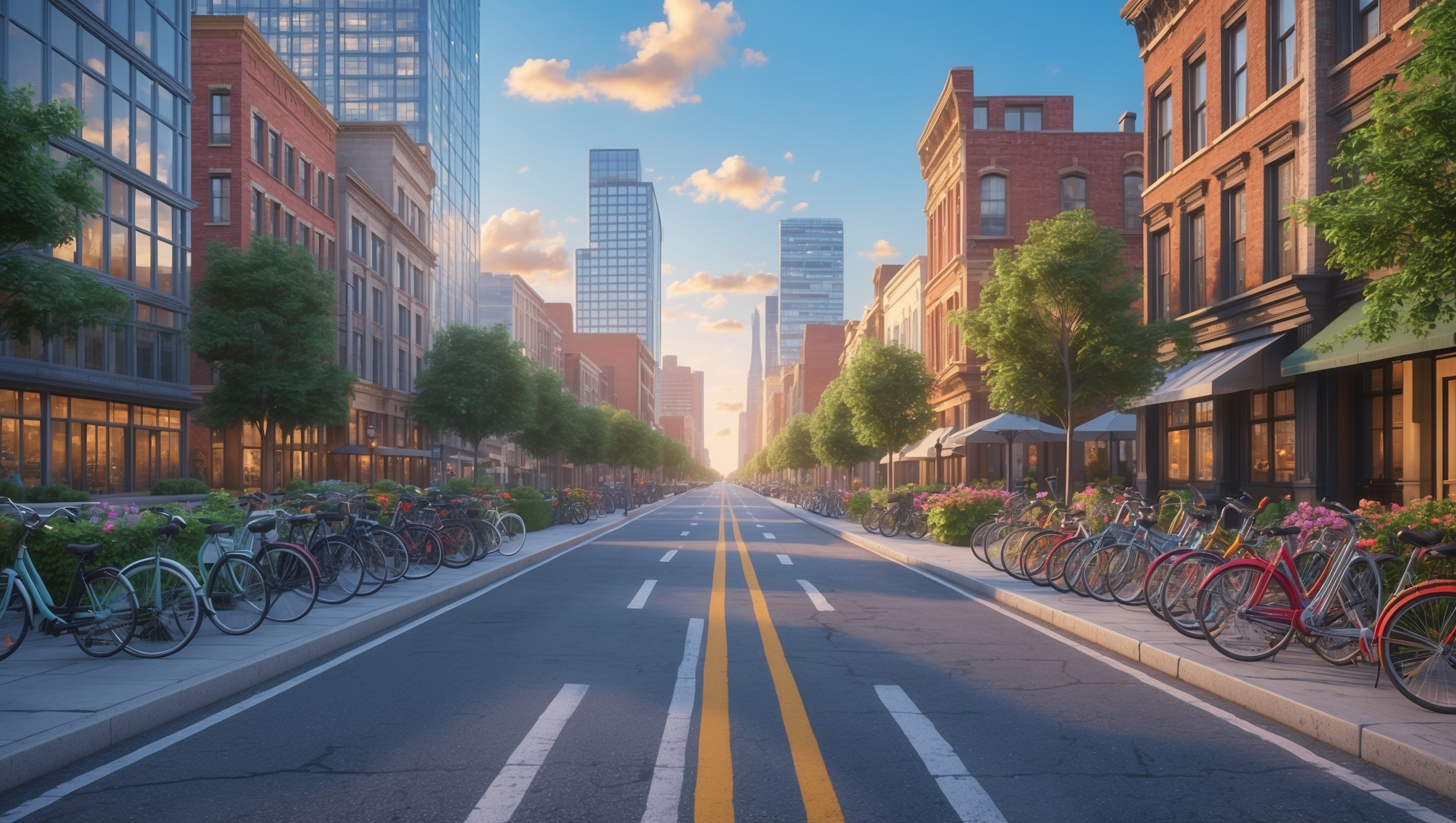
Introduction: The Urban Cycling Revolution Across Borders
City biking isn’t just a way to commute—it’s a window into local life, an eco-friendly travel option, and an adventure all its own. Whether you’re a digital nomad, an expat, or a traveler on a city break, embracing cycling abroad can transform your experience of a new place. But urban cycling in a foreign city comes with unique challenges. Local traffic laws may be unfamiliar, street layouts can be confusing, and the right gear may not be what you’re used to at home. The difference between a smooth ride and a stressful ordeal often comes down to preparation, awareness, and respect for local practices. This comprehensive guide will help you decode the essentials of city biking abroad, from the gear you actually need to the rules you didn’t know existed, plus practical strategies to avoid common pitfalls that catch newcomers off guard. Whether you’re considering renting a city bike for a few days or planning to invest in your own, you’ll find actionable advice to ensure safety, compliance, and maximum enjoyment on two wheels.
Understanding Local Biking Culture and Infrastructure
How City Biking Differs Around the World
The culture and infrastructure for urban cycling varies dramatically from one city to another. In Amsterdam or Copenhagen, separated bike lanes and cycling etiquette are ingrained in daily life. In cities like Los Angeles or Bangkok, cycling may be less common and infrastructure minimal. Before hitting the streets, research your destination’s cycling culture:
- Bike Lanes: Are they physically separated, painted on the road, or non-existent?
- Traffic Behavior: Do drivers respect cyclists? Are there unwritten rules among locals?
- Weather Impact: Will rain, snow, or heat affect your ride?
- Typical Bike Types: Are city bikes, e-bikes, or folding bikes prevalent?
Resources to Gauge Bike-Friendliness
Utilize these resources to understand how suitable a city is for cycling:
- City Websites: Many large cities publish cycling maps and safety guides.
- Online Forums: Expat and travel forums often discuss real-world experiences.
- Apps: Komoot, Strava, or Google Maps’ cycling mode can help plan safe routes.
Essential Gear: What You Need and What to Leave Home
Must-Have Equipment for Urban Cyclists Abroad
Packing or renting the right gear is crucial for comfort, safety, and compliance. Here’s what you can’t skip:
- Helmet: In some countries, helmets are mandatory; in others, they’re rare. Always prioritize safety, regardless of local habits.
- Bike Lock: Theft can be a problem in many cities. Choose a sturdy U-lock or combination lock.
- Lights: Most cities require both front (white) and rear (red) lights after dusk. Carry rechargeable options.
- Bell or Horn: Often mandatory, and always useful for alerting pedestrians and vehicles.
- Reflective Gear: A vest or bands significantly increase visibility in low-light conditions.
Nice-to-Have (But Not Essential) Items
- Puncture Repair Kit: Especially useful if you’ll be cycling daily.
- Compact Pump: Most rental shops provide these, but check ahead.
- Gloves: Protect hands and improve grip in wet or cold weather.
- Phone Mount: Useful for navigation in unfamiliar streets.
What to Avoid Packing
- Bulky Tools: Local bike shops can handle repairs you can’t manage with a multitool.
- Heavy Accessories: Focus on portability—most essentials are available for rent or purchase locally.
Bike Rental, Sharing, and Buying: Navigating Your Options
Short-Term Rentals
Most major cities offer daily or hourly bike rentals. Look for reputable providers:
- Docked Systems: Public bikes like Vélib’ (Paris) or Citi Bike (NYC) are convenient but may have time limits.
- Local Shops: Often provide better-maintained bikes and more flexible terms.
Bike-Sharing Apps
App-based services (e.g., Lime, Nextbike, Donkey Republic) allow you to locate, unlock, and pay for bikes via your smartphone. Tips:
- Check app availability before arrival—some services operate only in select districts.
- Understand pricing: some charge by the minute, others by the ride or day.
- Familiarize yourself with return policies to avoid unexpected fees.
Buying a Bike Abroad
If you’re staying for months, buying may be cost-effective. Consider:
- Secondhand Marketplaces: Facebook Marketplace, Craigslist, or local equivalents.
- Bike Shops: Offer warranties and tune-ups but can be pricier.
- Registration: Some cities require bike registration or licensing—check local rules.
Compliance and Safety: Rules You Can’t Afford to Ignore
Traffic Laws for Cyclists
- Helmet Laws: Vary by country and sometimes by age group. Fines can apply.
- Lighting Requirements: Failing to use lights at night is a common ticketing offense.
- Bike Lane Usage: In some cities, it’s illegal to ride on sidewalks or roads without bike lanes.
- Signaling: Hand signals are often required by law when turning or stopping.
- Alcohol Limits: Cycling under the influence can carry the same penalties as driving in many countries.
Insurance Essentials for Urban Cyclists
Bike insurance is rare for short-term travelers, but consider:
- Theft Coverage: Check if your travel insurance covers bike theft or damage.
- Liability: In some countries, you may be liable for damages caused while cycling—ask your insurer.
Maintenance and Safety Checklist
- Pre-Ride Inspection: Check brakes, tires, chain, and lights every time.
- Locking: Always lock your bike to a fixed object, even if stepping away briefly.
- Route Familiarity: Plan your route in advance, noting safe crossing points and high-traffic areas.
Common Pitfalls and How to Avoid Them
1. Misjudging Local Traffic Patterns
Many newcomers underestimate how aggressively or passively drivers interact with cyclists. Observe local cyclists for a day before riding yourself. When in doubt, yield and make eye contact at intersections.
2. Ignoring Weather Conditions
Sudden rain can make roads slippery and visibility poor. Pack a lightweight rain jacket and be prepared to dismount if conditions deteriorate.
3. Overpacking or Underpreparing
Carrying too much can make cycling awkward, while lacking essentials (lights, lock, water) can put you at risk. Aim for a balance with a small backpack and only the necessities.
4. Misunderstanding Rental Terms
Late returns or leaving bikes outside designated zones can incur hefty fines. Always read the fine print before using a sharing service.
5. Underestimating Bike Theft
Some cities are unfortunately hotspots for bike theft. Always use a high-quality lock and avoid leaving bikes overnight in public places.
Step-by-Step: Your First City Bike Ride Abroad
1. Choose the Right Bike
Test the seat height, brakes, and tires. Ensure the bike fits your size and is roadworthy.
2. Plan Your Route
Use a cycling map or app to avoid high-traffic roads and find dedicated bike lanes.
3. Dress Appropriately
Wear visible clothing and consider layers for changing weather. Avoid loose items that could get caught in the chain.
4. Follow Local Rules
Obey traffic signals, use hand signals, and ride in the correct direction—never against traffic.
5. Secure Your Bike
Upon arrival, lock both the frame and front wheel to a solid fixture. Remove valuables from the basket or panniers.
Seasonal Considerations: Cycling All Year Round
Spring and Summer
- Hydrate frequently—urban routes can get hot.
- Beware pollen allergies if cycling past parks or gardens.
Autumn
- Wet leaves can be as slippery as ice—slow down on corners.
- Shorter days mean lights are essential even in early evening.
Winter
- Frost and ice require extra caution or studded tires.
- Wear gloves and insulated layers; cold hands affect braking response.
Case Study: Biking in Berlin vs. Mexico City
Berlin
- Extensive bike lanes and priority traffic signals for cyclists.
- Helmet use is common but not required by law.
- Bike theft is a major issue; always double lock your bike.
Mexico City
- Rapidly expanding bike infrastructure but gaps remain.
- Ecobici bike-sharing system is popular and affordable.
- Traffic is dense; defensive riding is a must, and helmet use is recommended.
Advanced Tips: Integrating Biking With Public Transport
Many cities allow bikes on trains or subways during off-peak hours. Folding bikes or e-scooters may be accepted more broadly. Always check:
- Permitted times and carriages for bikes.
- Whether an extra ticket or permit is needed.
- Local etiquette for storing bikes on platforms and in vehicles.
Conclusion: Embrace the Freedom and Responsibility of City Cycling Abroad
Urban cycling abroad offers a unique blend of freedom, flexibility, and immersion in local culture. With the right preparation, understanding, and respect for local rules, cycling can be the highlight of your stay in any city. From choosing essential gear to deciphering traffic patterns and avoiding rookie mistakes, you’re now equipped with practical knowledge to navigate urban environments safely and efficiently. Remember that every city has its own rhythm—take time to observe, adapt, and learn from local cyclists. Invest in a quality lock, never underestimate the value of lights and visibility, and always give yourself time to get comfortable before tackling busy intersections or complex routes. By integrating cycling into your travel routine, you not only save money and reduce your environmental footprint, but also gain a deeper, more personal perspective on the places you visit. So, saddle up, stay alert, and enjoy the ride—your next city awaits, and there’s no better way to explore it than on two wheels.
You mention that choosing the right gear depends on local conditions, but what are the essentials you recommend bringing versus renting or buying locally, especially if I only plan to bike for a few days in a city with unpredictable weather?
For a short biking trip in a city with unpredictable weather, it’s best to bring lightweight, packable essentials like a helmet (for fit and safety), a waterproof jacket, and reflective accessories. Items such as a bike and heavy locks are usually more practical to rent or buy locally, since they’re bulky to travel with. Consider also packing gloves and a small repair kit, but lights and panniers can typically be rented if needed.
I’m curious about navigating cities where bike infrastructure is minimal, like Los Angeles or Bangkok. What are the most important safety strategies or gear to prioritize when the roads aren’t really designed for cyclists?
In cities with limited bike infrastructure, staying visible is key—wear bright clothing and use front and rear lights, even during the day. Always wear a well-fitted helmet. Choose routes with less traffic when possible, and ride defensively by anticipating driver actions. Consider a rearview mirror for better awareness and a loud bell to alert pedestrians or cars. Staying alert and confident makes a big difference in challenging environments.
If I’m traveling with my kids and planning to use city bikes for a few days, are there usually options for child seats or bikes that accommodate families, or should I be bringing something from home?
Many city bike share systems in Europe and popular travel destinations do offer bikes with child seats or cargo bikes suitable for families, but availability can vary a lot by city. It’s a good idea to check the website or app of the specific bike share program in your destination before you arrive. If you need something specific—like a child trailer or if your kids are very young—bringing your own equipment or renting from a dedicated local bike shop might be better.
You mention that city biking gear can differ depending on the destination. As a parent traveling with my kids, what essentials should I pack or rent to keep younger riders safe, especially if the local bike infrastructure isn’t as developed as in Amsterdam?
For younger riders, be sure to bring or rent properly fitting helmets, high-visibility vests, and lights for extra safety. Consider packing gloves and weather-appropriate clothing too. If infrastructure is less developed, a child seat or a trailer might be safer than letting kids ride alone. Always check the quality of rental bikes and, if possible, opt for quieter routes or bike paths. Carry a basic first aid kit and review local traffic rules together before setting off.
I’m planning to rent a city bike while traveling and noticed you mentioned that typical bike types vary by city. How can I quickly figure out what kind of bike I should rent for comfort and safety if I don’t speak the local language?
When you arrive, take a look at what most locals are riding. City bikes often have features suited for the area, like upright handlebars or fatter tires for cobbled streets. At the rental shop, point to bikes you see outside or use photos to help communicate. If in doubt, choose a bike with a comfortable seat and good brakes—these are universal signs of a safe, city-friendly ride.
You mention that city biking gear may not be the same as what we’re used to at home. Could you give some examples of specific gear differences travelers should anticipate between, say, US cities and major European cities?
In major European cities, cyclists often use rear wheel locks, chain guards, and integrated lights, which are less common in the US. European bikes typically have built-in racks and fenders for daily commuting, while US city riders may rely more on removable accessories. Reflective vests and panniers are also more popular in Europe due to stricter safety rules and utility biking norms. Helmets, on the other hand, are mandatory in some US cities but are often optional or less commonly worn in Europe.
You talk about weather impact on cycling in different cities. How should I adjust gear or safety plans if my kids and I are biking somewhere that has sudden rain or heat waves, especially if we’re unfamiliar with the local area?
For sudden rain, pack lightweight waterproof jackets, quick-dry clothing, and covers for helmets and backpacks. In case of heat waves, bring plenty of water, sun hats or visors under helmets, and sunscreen. Plan your route ahead and note safe spots to shelter or cool down—like cafes or public buildings. If possible, check local weather alerts before heading out and avoid riding during extreme conditions for your family’s safety.
The article mentions that gear expectations can change a lot from city to city. If I’m just renting a bike abroad for a few days and not investing in my own, are there essential items I should bring from home, or will most rentals have what I need?
If you’re renting a bike for a short trip abroad, most rental shops will provide a basic bike and often a helmet. However, it’s smart to bring a few personal essentials: a lightweight rain jacket, a reusable water bottle, and maybe your own comfortable seat cover or gloves if you have preferences. It’s also a good idea to carry a small lock and your own lights if you plan to ride after dark, as some rentals may not include these.
I’m planning my first trip where I’d like to use city bikes to get around, but I’m used to biking in the US where lanes aren’t always separated. How do I figure out if a city has bike infrastructure that’s beginner-friendly before I arrive, and are there warning signs that a place might be unsafe for someone new to urban cycling?
To gauge if a city is beginner-friendly for cycling, look up maps or city websites highlighting bike lanes—especially if they show protected or separated lanes. Reviews from other cyclists, forums, and social media can reveal if locals feel safe biking there. Warning signs include scarce or poorly marked bike lanes, heavy car traffic, and a lack of bike-sharing programs. Researching these aspects before your trip can help you find a comfortable city for your first urban biking experience.
You mentioned that bike infrastructure can vary a lot between cities. If we’re traveling with kids, how can we quickly figure out if a city is truly safe for family biking, especially in places where drivers might not be used to sharing the road with cyclists?
A good first step is to look for dedicated bike lanes that are physically separated from traffic, as these are safest for families. Check local cycling maps and forums for family-friendly route suggestions. It’s also helpful to observe how many people, especially children, are biking around. If possible, ask locals or staff at bike rental shops about safe routes and neighborhoods for biking with kids.
When you mention investing in your own bike versus renting city bikes abroad, what factors should businesses consider when choosing which option to offer employees on work trips? Are there insurance or cost implications we should keep in mind?
When deciding between providing employees with their own bikes or offering access to rental city bikes, businesses should consider factors like trip duration, frequency of travel, storage, and local bike infrastructure. Renting is often more cost-effective and convenient for short, occasional trips since it avoids shipping and maintenance costs. However, for frequent or long-term assignments, investing in a dedicated bike may offer better value. Insurance is important either way—ensure liability and theft coverage, as city bike schemes may have limits or require users to accept certain risks.
You touched on differences in typical bike types, like city bikes versus folding bikes. If I’m planning to rent for just a few days in a city with unpredictable weather, which type would you recommend for flexibility and comfort, especially if I’m new to riding in urban environments abroad?
For a short-term rental in a city with unpredictable weather, a city bike is usually the best choice for comfort and ease, especially if you’re new to urban cycling. City bikes typically offer upright seating, wider tires for stability, and built-in fenders to protect you from rain or puddles. Folding bikes are great for portability, but they often have smaller wheels and may not feel as steady for beginners. If you don’t need to take your bike on public transport or store it in tight spaces, stick with a city bike.
I’m planning my first trip abroad where I’ll be relying on city bikes to get around. The article mentions the importance of understanding unwritten rules among locals. How do you usually figure out those unwritten cycling customs when you don’t speak the language well?
Observing local cyclists closely is a great way to pick up on unwritten rules, such as where to ride, how to signal, and how people behave at intersections. You can also watch for body language and patterns: for example, do cyclists ring bells before passing, or do they queue at red lights? If you’re unsure, starting slow and following the crowd helps. Sometimes, a friendly gesture or smile can open the door to quick advice from fellow riders, even without speaking much of the language.
You mention that gear expectations can differ abroad compared to what we’re used to at home. Could you give some examples of bike gear that’s considered essential in certain cities but might be optional or uncommon in the US?
Absolutely! In cities like Amsterdam and Copenhagen, front and rear lights, bell, and wheel locks are not just common—they’re legally required. Reflective vests or high-visibility pannier covers are also standard in places like Paris. In Tokyo, many cyclists use integrated front baskets and kickstands, both less common in the US. Helmets, while essential in the US, are actually optional for adults in many European cities.
I’m planning a short trip to a European city and want to try city biking, but I’m worried about not knowing the unwritten rules locals follow. Can you share some tips on how to quickly pick up the cycling etiquette in a new city so I don’t accidentally offend anyone or break any local customs?
To get comfortable with local cycling etiquette, observe how locals behave—watch where they ride, how they signal, and how they interact with cars and pedestrians. Always stay in designated bike lanes, signal your turns, and yield to pedestrians at crossings. Avoid blocking pathways when you stop and don’t ride side by side on narrow lanes. If in doubt, a friendly nod or smile goes a long way. Each city can be a bit different, but blending in is mostly about being courteous and alert.
I’ve ridden in US cities like Chicago and New York, where bike lanes can appear and disappear suddenly. How do you suggest travelers handle unexpected gaps in urban cycling infrastructure abroad, especially if they’re not confident riding in mixed traffic?
When cycling abroad and bike lanes suddenly disappear, it’s best to plan routes ahead using local cycling maps or apps that highlight safer streets. If you’re not confident riding in mixed traffic, stick to quieter side streets when possible, even if it means a longer route. Walking your bike on busy stretches is always an option as well. Consider cycling during off-peak hours for less traffic, and always stay alert for local traffic patterns and rules.
You mention that bike infrastructure and traffic behavior vary a lot from city to city. For someone traveling on a budget, do you have tips on how to quickly assess if a destination is bike-friendly enough for daily commuting, especially when local resources may not be available in English?
To quickly gauge a city’s bike-friendliness on a budget, look for signs of dedicated bike lanes, the number of locals cycling, and whether bikes are available for rent or part of public transit. Observe intersections and traffic signals—do they accommodate cyclists? You can also check for online map platforms, as they often show bike routes regardless of language. If possible, reach out to local hostels or community groups for firsthand advice.
How do you suggest figuring out the unwritten cycling rules or etiquette in a new city if you don’t know any locals? Is talking to other cyclists on the street a good idea, or are there better approaches for this?
Observing local cyclists is a great first step—pay attention to how they signal, navigate intersections, and interact with cars and pedestrians. While chatting with fellow cyclists at stoplights or bike racks can be helpful, you might also try visiting local bike shops or community centers, where staff are often happy to share tips. Online forums and city-specific cycling groups can also provide valuable insights into local etiquette.
I’m planning a family vacation in Europe and want to get around by bike with my kids. Do most cities have options for renting child seats or bikes suitable for young children, or is it best to bring our own?
Many European cities offer rental bikes with child seats or have special kids’ bikes available, especially in popular tourist destinations and larger cities. However, availability can vary, so it’s a good idea to check with local bike rental shops in advance or reserve online. Bringing your own gear ensures a perfect fit and comfort for your children, but adds to your luggage. If convenience is key, renting locally is usually a practical choice.
You mention that the right gear may be different depending on the city. Can you give some examples of essential gear that would be specific to certain countries or climates? Like, do any cities require helmets or extra visibility gear?
Absolutely! For example, in Australia and some parts of Canada, helmets are legally required for all cyclists, so packing a certified helmet is essential there. In northern European cities like Copenhagen or Amsterdam, rain gear and waterproof panniers are useful due to frequent wet weather. In places with low winter daylight, such as Stockholm, high-visibility clothing and strong front and rear lights are important, and often required by law. Always check local regulations before your trip, as gear requirements can vary widely.
As a parent planning to bike with my kids abroad, I’m wondering how to find out if a city’s cycling infrastructure really feels safe for families, especially in places where bike lanes might just be painted on the road. Are there ways to get a sense of this before we arrive?
To gauge if a city’s cycling infrastructure is family-friendly, look for photos and videos from local cycling groups or recent visitors—these often reveal how protected the bike lanes really are. Forums and social media can be helpful for firsthand accounts about riding with kids. Also, check if cities offer dedicated cycle paths separated from traffic, not just painted lanes, since those offer more safety for families.
I’m new to biking in the city and planning my first trip abroad. The article mentions that some cities have physically separated bike lanes, while others just have painted lanes or none at all. For someone not super confident on a bike, how do you figure out if a city is safe enough for beginner cyclists before you get there?
To gauge how beginner-friendly a city is for cyclists, research local bike maps and look for information on cycling infrastructure, like protected bike lanes. User reviews, travel forums, and city tourism websites often provide insights into how safe and comfortable cycling feels there. You can also check if the city offers beginner cycling tours or has a popular bike-sharing system, which usually indicates a supportive environment for new cyclists.
I noticed you brought up the differences in biking infrastructure between places like Copenhagen and LA. For someone planning a multi-city trip, would you recommend bringing your own gear, or is renting locally a better way to adjust to each city’s setup and regulations?
Bringing your own gear can offer comfort and familiarity, especially if you have specific needs, but renting locally often makes it easier to adapt to each city’s unique infrastructure and regulations. Many cities offer quality rental bikes and sometimes even helmets or locks, so you can travel lighter and have gear that matches local standards. If your trip includes cities with very different cycling cultures, renting locally can help you quickly adjust and comply with local rules.
You talk about the importance of understanding local biking etiquette and the way drivers interact with cyclists. For someone who’s never biked outside the US, how can I quickly pick up on those unwritten rules when visiting a new city?
When you arrive in a new city, start by watching how local cyclists behave—notice where they ride, how they signal, and whether they follow or break traffic laws. If possible, join a local bike tour for firsthand guidance. Also, don’t hesitate to ask local riders for advice at bike shops or popular cycling spots. Observing and asking questions will help you get comfortable with the city’s unique cycling habits.
I see you recommend researching local cycling culture and infrastructure before riding in a new city. Could you share practical tips on how to find reliable information about bike lane safety and traffic behavior if you don’t speak the local language?
You can use mapping apps like Google Maps or OpenStreetMap, which often highlight bike lanes and paths regardless of language. Visual cues on these maps can guide you even if you can’t read local labels. Social media groups or online cycling forums often have English-speaking locals or expats who share firsthand advice on traffic behaviors and safe routes. Watching recent YouTube ride-alongs from the city can also reveal typical traffic conditions and cycling etiquette.
The article mentions that bike infrastructure and driving behavior can vary a lot between cities. For someone who hasn’t biked abroad before, what’s the best way to figure out local etiquette, especially in places where traffic rules aren’t always clearly enforced?
To get a feel for local biking etiquette, observe how local cyclists behave—notice where they ride, how they interact with cars, and their use of hand signals. If possible, join a guided city bike tour or ask staff at local bike shops for tips. Online cycling forums or local expat groups can also offer firsthand advice about unspoken rules and common practices in that city.
If I’m traveling to a city where bike lanes are only painted on the road and drivers don’t seem to pay much attention to cyclists, what specific gear would you recommend to stay visible and safe? Is a helmet enough or are there other must-haves?
A helmet is essential but not enough in cities where bike lanes aren’t well respected. To boost your visibility, wear a high-visibility vest or jacket, and add front and rear lights to your bike, even during the day. Reflective tape on your bike and backpack helps, too. Consider a loud bell for alerting drivers and pedestrians. Bright clothing and lights make a big difference in keeping you safe.
You mentioned that bike culture and infrastructure can be super different depending on the city, like Amsterdam versus Los Angeles. How can a visitor quickly figure out the unwritten cycling rules or etiquette in a place where they might not speak the language very well?
Observing local cyclists is a great way to pick up on unwritten rules and etiquette—watch how people signal, where they ride, and how they interact with traffic. If possible, join a guided bike tour at the start of your visit, as guides often share helpful tips about local customs. You can also look for visual cues like signs or road markings, and don’t hesitate to politely ask fellow cyclists or bike rental staff for advice, even with basic language skills.
The article mentions that gear needs can be different abroad compared to what we use at home. Could you give some specific examples of gear that’s essential for urban biking in Europe versus the US, especially if I’m just renting a city bike for a few days?
Certainly! In many European cities, local laws often require cyclists to use front and rear lights and sometimes reflective vests, especially at night, so it’s wise to bring or rent those. A sturdy lock is a must in both Europe and the US, but in some European cities, double-locking with a heavy-duty chain is common due to bike theft rates. Helmets may not be legally required everywhere in Europe, unlike some US cities, but it’s still recommended for safety. Also, consider a rain poncho or packable jacket, since sudden showers are more frequent in some European climates.
Do you have any tips on how to figure out those unwritten local cycling rules mentioned in the article? I’ve found that things like signaling or merging can feel totally different from city to city, and I’m never quite sure how to blend in as a visitor.
Observing local cyclists is a great way to pick up on those unwritten rules quickly. Try riding behind locals for a while to see how they signal, merge, and interact with traffic. Don’t hesitate to ask a local cyclist or staff at bike rental shops for tips—they’re often happy to share advice. If you join a group ride or tour, you’ll also get real-time guidance on local cycling etiquette.
For someone thinking about investing in their own folding bike for international travel, do you have advice on whether most cities’ infrastructure easily accommodates these types of bikes compared to renting a standard city bike locally?
Folding bikes are generally well-suited for international travel because they’re easy to transport on trains, buses, and in hotels. Most urban infrastructure that accommodates regular bikes—like bike lanes and racks—will also work for folding bikes. However, some bike-sharing docks or secure lockers may not fit smaller wheels or unusual frames, so double-check local facilities. Renting a standard city bike is often more convenient for short visits, but owning a folding bike offers more flexibility if you plan to ride frequently and value portability.
I noticed you mentioned the importance of understanding local cycling etiquette and different types of bike lanes. If I’m planning a short business trip and want to rent a city bike, what’s the best way to quickly learn the unwritten rules and avoid unintentionally offending locals or getting in trouble?
Before your trip, check if the city’s tourism or transportation websites offer quick cycling guides, as these often highlight local etiquette and lane types. When you arrive, observe local cyclists to notice their habits, such as signaling or lane positioning. If you rent from a local shop, ask staff about key do’s and don’ts. Finally, being courteous and cautious—yielding to pedestrians, signaling turns, and not blocking paths—will help you blend in smoothly.
You mention the impact of weather on city biking, especially in places that experience rain or snow. Are there any specific types of gear or accessories you recommend for staying comfortable and safe in harsher weather when cycling abroad?
For cycling in rainy or snowy conditions, it’s important to have waterproof outerwear such as a good rain jacket and pants, as well as shoe covers to keep your feet dry. Fenders on your bike help prevent water and slush from splashing up. In snowy conditions, consider using wider tires with good tread for better grip. Bright, reflective gear and reliable lights are also essential for visibility in bad weather.
I’m curious about adjusting to traffic behavior in cities where biking isn’t that common, like Los Angeles or Bangkok. Do you have any tips for staying safe in places where drivers might not be used to sharing the road with cyclists?
In cities where cycling isn’t common, visibility is key—wear bright clothing and use lights, even during the day. Ride predictably so drivers can anticipate your movements, and avoid weaving between cars. Stay alert at intersections and make eye contact with drivers when possible. It’s also a good idea to research local traffic norms, as driver awareness and road etiquette can vary widely.
I’m interested in offering bike rentals to tourists in my city, but I wonder how I can educate visitors about the unique traffic behaviors and unwritten cycling rules specific to our area, as mentioned in your article. Do you have any tips or resources to help small businesses with this?
To help tourists understand local cycling customs, you could create a simple info sheet or brochure highlighting key traffic behaviors and unwritten rules unique to your city, and provide it when they rent a bike. Consider offering a short orientation before each rental, or posting clear guidance at your shop. Visual aids, such as maps with tips and common dos and don’ts, can be very effective as well. Partnering with local cycling groups can also give you valuable insights to share with your customers.
You mention that weather can have a significant impact on city biking abroad, especially regarding rain, snow, or heat. Are there any essential gear items you would recommend specifically for dealing with unexpected weather changes in cities where bike infrastructure is less developed?
When biking in cities with less developed infrastructure, it’s smart to prepare for sudden weather shifts. A compact, waterproof jacket and quick-drying clothes help with rain. Light gloves and a breathable hat are useful for both sun and cold. Consider carrying a lightweight, reflective rain cover for your backpack and shoes with good grip for slippery surfaces. Foldable fenders for your bike can also help minimize splash in wet conditions.
You mention that the right gear abroad may not be what US cyclists are used to. Could you give some examples of essential gear or accessories that are considered standard in some cities but might be surprising or unfamiliar to Americans?
Certainly! In many European cities, items like full-coverage fenders, integrated wheel locks, dynamo-powered lights, and chain guards are standard on city bikes but less common in the US. Some places also require bell usage by law, and reflective vests are often mandatory at night. These accessories help with visibility, theft prevention, and adapting to local weather or regulations—things American cyclists might not expect as essential.
I’m curious about city bike rentals versus investing in my own bike while abroad. Are there specific cities where buying a used bike is actually more practical or affordable than just using rentals for a few weeks?
In some cities like Amsterdam, Berlin, or Copenhagen, buying a used bike can be more practical and affordable if you plan to stay for several weeks or longer. Used bikes are plentiful and can often be resold before you leave, making them a cost-effective choice. However, in cities with well-priced, flexible rental schemes (like Paris or London), rentals might be simpler and less hassle. Your decision depends on your length of stay, local resale markets, and how much daily riding you expect.
Could you provide more detail on how to identify unwritten cycling rules or etiquette in a new city? For travelers who might not speak the local language, are there effective strategies to pick up on these cultural nuances quickly to avoid common mistakes?
Observing local cyclists is a great way to pick up on unwritten rules—watch how they signal, where they ride, and how they interact with traffic. Try to follow the flow, pause at intersections to see what others do, and notice if riders use bells, hand signals, or verbal cues. If language is a barrier, gestures and eye contact can help communicate your intentions. Joining a local group ride or guided bike tour can also give valuable insights into local etiquette.
You mention that local biking rules and even the typical type of bikes can vary widely. If I’m only renting a bike for a few days, should I bother researching local traffic laws in detail, or can rental shops usually give a good rundown when I pick up the bike?
It’s a good idea to look up the main local cycling laws before you go, especially around things like helmet requirements, bike lanes, and signaling. Rental shops often provide a brief overview, but it can vary how thorough they are. Doing a bit of research ahead of time helps you feel more confident and avoid surprises, especially in cities with strict or unique cycling rules.
You mentioned that the right gear depends on the local environment. If we’re renting bikes abroad for a short trip, what’s the most essential equipment I should bring from home versus what’s usually provided or easy to get locally?
If you’re renting bikes abroad, it’s wise to bring your own well-fitted helmet since helmet quality and availability can vary. Also consider packing a compact rain jacket and a set of lights, especially if you’ll be cycling after dusk. Most rental shops supply locks and basic repair kits, but if you have a preferred saddle or cycling gloves, those can add comfort. Reflective gear and a reusable water bottle are also easy to bring and useful anywhere.
When gearing up for city biking in places where dedicated bike lanes are non-existent or barely marked, are there specific safety strategies or gear upgrades seasoned cyclists recommend? I’m used to US streets where bike infrastructure can be pretty hit or miss.
Absolutely, in cities without clear bike lanes, visibility and situational awareness become even more important. Seasoned cyclists often recommend using bright front and rear lights, reflective clothing or gear, and a loud bell or horn. A mirror attached to your handlebars or helmet can help you monitor traffic behind you. Always plan routes in advance to choose quieter streets if possible, and ride predictably to make your movements clear to drivers.
For business travelers on a tight schedule, which gear essentials from your list would you recommend prioritizing if they’re only biking in a new city for a couple of days, especially in places where cycling isn’t as ingrained as it is in Amsterdam or Copenhagen?
For business travelers with limited time, focus on essentials like a compact helmet, a good bike lock, and front and rear lights for visibility. Also, bring a lightweight rain jacket in case of sudden weather changes. These items will keep you safe and comfortable without weighing you down, especially in cities where cycling infrastructure may be less developed.
You mention that bike culture and infrastructure can differ a lot between cities, like Amsterdam versus Los Angeles. When preparing to cycle in a city where bike lanes are minimal or non-existent, what strategies do you recommend specifically for staying safe in traffic and navigating unfamiliar street layouts?
When cycling in cities with limited bike lanes, prioritize visibility by wearing bright clothing and using lights, especially at night. Stick to less busy streets when possible, and always ride defensively, assuming drivers may not see you. Study a map beforehand to plan your route, and be prepared to walk your bike if an area feels unsafe. Following local traffic rules and signaling clearly helps drivers anticipate your movements.
As someone used to straightforward bike lanes in the US, I’m curious about how to prepare for cities where bike infrastructure is minimal or non-existent, like you mention with Los Angeles or Bangkok. What strategies do you recommend for navigating safely in places without dedicated bike lanes?
In cities with limited bike infrastructure, it’s important to be extra vigilant. Stick to quieter side streets whenever possible and always ride predictably, making your movements clear to drivers. Use front and rear lights, reflectors, and wear bright clothing to boost visibility. Stay out of the door zone when passing parked cars and avoid weaving between traffic. If conditions feel unsafe, don’t hesitate to dismount and walk your bike on busy stretches.
The article suggests using city websites and other resources to assess bike-friendliness, but are there any strategies for quickly identifying local unwritten rules or etiquette once you arrive, especially if you’re only visiting for a short time and don’t speak the language?
Observing local cyclists is a quick way to pick up unwritten rules—notice where they ride, how they signal, and how they interact with traffic. Try joining a guided bike tour early in your visit; guides often share helpful etiquette tips. Watching cyclists at intersections or busy areas can also reveal local habits. If you’re unsure, a friendly gesture or smile can go a long way, even without knowing the language.
I’m a bit nervous about biking in cities where cycling isn’t as common or the infrastructure isn’t great, like you mentioned with Los Angeles or Bangkok. Do you have any tips for handling roads that don’t have designated bike lanes or when drivers might not be used to sharing the road with cyclists?
When biking in cities with limited bike infrastructure, stay as visible as possible—wear bright clothing and use front and rear lights, even during the day. Ride predictably and avoid weaving between parked cars. Take the lane when necessary so drivers see you, and always signal your turns clearly. Keep alert for opening car doors and erratic traffic, and try to plan your route using quieter streets when possible. Trust your instincts—if a road feels unsafe, it’s okay to walk your bike on the sidewalk for a stretch.
I’m planning my first bike trip abroad and I’m a bit worried about adjusting to totally different biking cultures and rules. Do you have any tips on how to quickly pick up local cycling etiquette, especially in cities where bike infrastructure is minimal or unclear?
To adapt quickly, watch local cyclists to see how they interact with traffic and pedestrians. Start by riding slowly and sticking to quieter streets if possible. Don’t hesitate to politely ask locals for advice—they’re usually happy to help. If signage is unclear, yield to cars and pedestrians and signal your moves clearly. Apps or local cycling groups can also offer up-to-date insights on city-specific habits and safe routes.
When you suggest researching the typical bike types in a city, how important is it to match what locals use? For example, would it be harder to get around or stand out if I rent a regular city bike in a place where most people are on e-bikes or folding bikes?
Matching the local bike type can make a noticeable difference. Using a similar bike helps you blend in, makes it easier to keep pace with traffic, and can ensure better comfort on local paths. If most locals use e-bikes or folding bikes, riding a standard city bike might make hills tougher or limit your options on public transport. While you can still get around, aligning with local preferences usually means a smoother, more enjoyable experience.
Do I need to bring my own bike gear from home, or is it usually possible to rent or buy everything locally when city biking abroad? I’m a bit concerned about packing space and wonder what experienced travelers typically do.
Most experienced travelers bring a few essential items from home, like a comfortable helmet, padded gloves, and maybe a compact lock, since fit and quality can vary a lot abroad. However, you can usually rent or buy basic gear like bikes, helmets, and lights in major cities. If packing space is tight, plan to rent or purchase locally, but bring anything you consider crucial or hard to replace.
You mention that the right gear for city biking abroad might be different from what I’m used to at home. Could you give some specific examples of gear that first-time cyclists from the US should bring or avoid when biking in European cities?
When biking in European cities, US cyclists should consider bringing a sturdy lock, as bike theft can be more common. High-visibility vests or lights are often required, especially at night. Helmets aren’t mandatory everywhere, so check local laws, but bringing your own is wise. Avoid bulky panniers or wide handlebars since narrow bike lanes and crowded streets are common. Skip heavy-duty mountain bikes—lightweight city or folding bikes are more practical.
I’m planning a study abroad program and was hoping to use a city bike to get around, but I’m not sure how to pick a city that’s actually safe and convenient for cyclists. Are there specific online resources or rankings that compare bike-friendliness between cities like Amsterdam and Los Angeles?
Yes, there are several resources that compare bike-friendliness among cities worldwide. The Copenhagenize Index is a well-known ranking that evaluates cities based on cycling infrastructure, safety, and accessibility. You can also check the PeopleForBikes City Ratings for US cities, which provide detailed scores and analysis. These tools can help you compare cities like Amsterdam and Los Angeles to find the best fit for your cycling needs.
Can you elaborate on what gear might differ abroad compared to what we use back home in the US? I want to make sure we pack or rent the right things if we plan to cycle during our city vacation with young children.
City cycling gear requirements can vary a lot by country. In some places, helmets are mandatory for everyone, while in others only for kids, or not at all. Reflective vests and front/rear lights are often required, especially at night. You might also encounter bikes with built-in locks, bells, or even special child seats that differ from US designs. It’s smart to check local regulations and consider renting child seats or trailers locally, as they may be better suited to the city’s infrastructure.
When you mention practical strategies to avoid common pitfalls for newcomers biking in foreign cities, do you have any tips specifically for dealing with unfamiliar traffic signals or signage that might not be intuitive to someone used to US roads?
Absolutely, navigating unfamiliar traffic signals or signage can be a real challenge for cyclists abroad. A good approach is to observe how local cyclists handle intersections and signals before setting off. If possible, look up common road signs and signals used in your destination ahead of time. When in doubt, proceed cautiously and avoid assuming signals mean the same thing as in the US. Taking a guided bike tour early in your trip can also help you get comfortable with the local rules and signs.
When it comes to gear, does the article recommend bringing your own helmet and lights, or is it usually possible to rent or buy quality accessories locally, especially in cities where cycling isn’t as common as in places like Amsterdam or Copenhagen?
The article suggests that while larger cycling cities may have high-quality gear available for rent or purchase, in cities where cycling is less common, it’s a safer bet to bring your own helmet and lights. Local options in those places might be limited or lower quality, so packing your own ensures you’re prepared and meet safety standards.
When researching a city’s cycling culture, how can a newcomer distinguish between formal traffic laws and those ‘unwritten rules’ mentioned in the article? Are there reliable ways to observe or learn these local habits before actually riding in traffic?
To distinguish between formal traffic laws and unwritten rules, start by checking official local government or tourism websites for published regulations. For unwritten habits, watch cyclists during busy hours, noting how they interact with cars and pedestrians. Observing bike lanes, group riding behavior, and stop sign etiquette can be revealing. You might also join a guided city bike tour or chat with local cyclists at bike shops or cafes to get insider tips before you ride.
If I’m traveling to a city where bike lanes are mostly just painted lines on the road instead of being physically separated, what are some safety tips or gear you’d recommend for someone who’s not very experienced riding in mixed traffic?
When riding in cities where bike lanes are just painted lines, visibility is key—wear bright or reflective clothing, and use front and rear lights, even during the day. A helmet is strongly recommended for protection. Ride predictably, signal your turns clearly, and make eye contact with drivers when possible. Start by cycling during quieter times to build confidence in mixed traffic. Consider a mirror to keep an eye on traffic behind you.
If I’m planning to rent a bike for just a few days while visiting a city that doesn’t have much cycling infrastructure, what basic gear should I prioritize bringing from home? Are there any essentials that are hard to find locally in places like Bangkok or LA?
If you’ll be cycling in a city with limited bike infrastructure like Bangkok or LA, it’s smart to bring your own helmet, a bright front and rear light set, and a reflective vest or sash for visibility. Compact bike locks and a basic repair kit (like a multi-tool and patch kit) can also be handy, as quality options may be limited or expensive locally. These essentials help keep you safe and prepared for most situations.
You mention needing different gear than what we might use at home—can you give examples of what kind of bike gear or accessories are more common or necessary in cities like Amsterdam compared to cities like Los Angeles?
In cities like Amsterdam, cyclists usually rely on sturdy bikes with built-in locks, chain guards, and mudguards since riding in wet weather is common. Most locals use practical accessories like panniers or baskets for carrying items and front and rear lights are essential for visibility. In contrast, Los Angeles riders might prioritize helmets, reflective gear, and lighter bikes due to longer distances and different traffic patterns. So, Amsterdam focuses more on utility and weatherproof gear, while LA emphasizes safety and comfort for longer, faster rides.
You mention that the right gear may not always be what people are used to at home. Could you give some examples of gear differences to expect when biking in cities like Amsterdam versus places with less established cycling infrastructure?
In cities like Amsterdam, you’ll often see upright bikes with chain guards and built-in lights, plus sturdy locks and panniers for carrying items. Helmets are less common there, thanks to safer infrastructure. In contrast, cities with less developed cycling networks may require helmets by law, high-visibility clothing, or even reflective gear due to more car traffic and fewer designated bike lanes. Choosing gear that matches local conditions and regulations can make your ride much smoother.
The article mentions different types of bikes, like e-bikes and folding bikes, being more common in some cities. If I’m traveling with a budget and plan to rent, is it usually worth paying extra for an e-bike in a place with challenging weather, or should I stick with a basic city bike?
If you’re visiting a city with challenging weather, like lots of hills, strong winds, or frequent rain, renting an e-bike can make your rides much more comfortable and less tiring, even if it costs a bit more. For mostly flat cities with mild weather, a basic city bike should be fine and will help you save money. Consider your route and how much effort you want to put in before deciding.
I’m curious if your guide covers any strategies for learning unwritten traffic rules or cycling etiquette when language barriers exist. Are there universal signs or behaviors that help newcomers fit in more smoothly with local biking culture?
The article touches on observing local cyclists to pick up on unwritten rules and etiquette, especially when language barriers make signage or instructions hard to follow. Universal cues like using hand signals, keeping to the right or left (depending on the country), and making eye contact at intersections are common. Watching how locals navigate and interact is one of the best ways to adapt quickly to a new cycling culture.
As a parent traveling with kids, I’m curious if renting bikes abroad tends to offer options with child seats or family-friendly gear, or if it’s better to bring our own. Any tips for making city cycling safe for families in less bike-friendly places?
Many cities abroad do offer bike rentals with child seats or family-friendly gear, but availability can be limited, especially in less bike-friendly destinations. It’s wise to contact rental shops ahead of time to confirm options. If safety is a major concern, bringing your own helmets or child seats may give you peace of mind. Stick to quieter routes, use dedicated bike lanes when possible, and consider guided tours that cater to families for added safety.
I’m planning a trip to a city where cycling isn’t super common, like Los Angeles. What specific gear should I prioritize to stay safe when the local infrastructure is minimal and drivers might not be used to sharing the road with cyclists?
In a city like Los Angeles where cycling infrastructure can be limited, prioritize a high-visibility helmet, bright reflective clothing, and powerful front and rear lights so drivers can easily spot you at any time of day. A loud bell or horn is useful for alerting others, and a sturdy lock is essential for bike security. Consider adding mirrors to your handlebars or helmet for better awareness of traffic coming from behind.
I have two kids and we’re thinking about biking as a family when we travel to new cities. Are there any tips for finding child-friendly bike rental options or routes, especially in places where bike lanes might be minimal or mixed with car traffic?
When traveling with kids, look for bike rental shops that offer child seats, tag-along bikes, or cargo bikes. Some cities have guided family bike tours, which can be a safer way to explore. Always ask the rental staff about the safest, least-trafficked routes, and try to ride during off-peak hours. If dedicated bike lanes are rare, consider parks, riverside paths, or pedestrianized areas as alternatives.
You mention that weather can really impact cycling abroad. Do most bike rental shops in cities provide extra gear like rain ponchos or lights, or is it better to pack those kinds of things before traveling?
Most city bike rental shops do offer basic essentials like lights, especially where local laws require them. However, items such as rain ponchos or other weather-specific gear are less commonly provided. For convenience and peace of mind, it’s a good idea to pack compact rain gear and any personal accessories you might need before your trip, just in case they’re not available on site.
As a parent who might be biking with kids in an unfamiliar city, how can I find out ahead of time if child seats or family-friendly bikes are commonly available for rent, and what kind of safety gear should I expect to bring myself?
To find out if child seats or family bikes are available, check the websites of local bike rental shops or larger bike share programs in your destination—many list their available gear and note if they cater to families. You can also contact shops directly to confirm. While some places provide helmets and child seats, it’s wise to bring your own helmets for proper fit and consider reflective vests, lights, and basic first-aid items for extra safety.
You mention that the right gear might differ from what cyclists are used to at home. Are there specific items commonly required or recommended in European cities that would be unusual or unnecessary in U.S. cities like Los Angeles?
Yes, several items are more common or even required in European cities. For example, high-visibility vests are mandatory at night or in low-light conditions in countries like France and Italy. Dynamo lights (powered by pedaling) are also popular and sometimes required, whereas battery-powered lights are more common in the U.S. Additionally, city cyclists in Europe often use sturdy frame locks and wheel locks, since theft rates can be higher. Some cities require a bell by law, which is often overlooked in places like Los Angeles.
I’m planning my first trip abroad and want to try city biking, but I’m a bit confused about gear. Is it usually better to bring my own helmet and lock from the US, or can you typically rent or buy decent ones in most cities?
Bringing your own helmet is a good idea, especially since sizing and safety standards can vary between countries. Locks are usually available to buy or sometimes rent in most cities, but the quality can differ. If you have a lock you trust, pack it; otherwise, plan to pick one up at a local bike shop when you arrive.
I’m planning my first trip to Europe and want to use city bikes to get around, but I’m worried about understanding local biking etiquette, especially in places like Amsterdam where cycling culture seems very established. Do you have tips on how to quickly pick up on unwritten rules or gestures used by local cyclists?
Observing local cyclists for a few minutes before you start riding is one of the quickest ways to pick up on unwritten rules. In Amsterdam, for example, cyclists often use hand signals for turning, ring their bell to alert others, and expect riders to keep to the right unless overtaking. Maintain a steady pace and avoid sudden stops in bike lanes. If you’re unsure about a gesture, looking around for context or mimicking the general flow can help you blend in smoothly.
You talked about how the right gear abroad isn’t always what you’d use at home. Could you give some examples of gear that’s essential in a city with minimal infrastructure, like Los Angeles or Bangkok, compared to places like Amsterdam?
In cities like Los Angeles or Bangkok, where bike lanes and cycling infrastructure are limited, it’s important to have high-visibility clothing, powerful front and rear lights, a loud bell or horn, and a durable lock. Reflective patches and a helmet with extra protection also help. In contrast, cities like Amsterdam usually have dedicated bike paths, so gear can be simpler—often just a basic lock and standard lights.
The article talks about needing different gear for biking abroad compared to what I might use at home. Could you elaborate on what specific gear changes I should plan for, especially if I’m trying to pack light but still want to be prepared for local weather or safety conditions?
When cycling abroad, it’s smart to adjust your gear for local weather and safety norms. Lightweight, packable rain jackets or vests are useful for unpredictable climates. Visibility gear, like reflective bands or lights, is often more critical in some cities. Helmets are legally required in certain countries, so check local laws. Consider a compact lock, and swap your usual toolkit for a multi-tool. Layered clothing lets you adjust to changing temperatures without overpacking.
I’m curious about practical strategies for researching local traffic behavior and unwritten cycling rules before arriving. Are there particular signs or website features you look for on city websites, or are there local forums or resources that are especially helpful for first-time visitors?
To get a feel for local cycling habits and unwritten rules, look for city government websites with sections on transportation, cycling maps, or PDF guides—these often include practical tips unique to the area. Scanning local forums, Reddit threads, or expat Facebook groups can be valuable too, as locals and other visitors often share real-world advice on etiquette and common hazards. Watch for discussion about specific intersections, hand signals, or shared paths to get a sense of everyday behavior.
You mention that bike lanes can be either physically separated, painted on the road, or sometimes not present at all. How should a newcomer approach cycling in cities where there are no dedicated lanes and drivers may not be as accustomed to sharing the road with cyclists?
In cities without dedicated bike lanes, it’s wise to ride defensively and make your intentions clear to drivers by signaling turns and maintaining a predictable line. Stay as visible as possible by wearing bright clothing and using lights, especially at night or in low-visibility conditions. Avoid weaving between parked cars and traffic, and when in doubt, take a safe distance from the curb to avoid obstacles. If the roads feel unsafe, consider using quieter side streets or walking your bike on the sidewalk where local rules permit.
You mentioned that the right gear may differ from what I’m used to at home. Could you clarify which specific items are essential for city biking abroad, especially for someone traveling light or on a budget?
For city biking abroad, especially when traveling light or on a budget, the essentials are a compact helmet, reliable bike lights (front and rear), a sturdy lock, and a small repair kit (multi-tool, tire levers, patch kit). Consider a lightweight rain jacket and a reusable water bottle. If you’re renting bikes, a comfortable seat cover can help. Most other gear, like panniers or specialized shoes, isn’t necessary unless you’ll be riding long distances.
As a parent planning a family trip to Europe, I’m curious how easy it is to find rental bikes with child seats or trailers in cities with strong biking cultures like Amsterdam compared to places where biking isn’t as common. Do you have tips on researching this in advance?
In cities like Amsterdam, it’s quite straightforward to find rental bikes equipped with child seats or trailers, as family cycling is well supported. Shops typically advertise these options online. For destinations where biking is less common, availability may be limited, so it’s best to contact rental shops directly before your trip. Look at recent reviews and check official tourism websites for recommendations. Booking in advance ensures the right setup for your family.
You mentioned that typical bike types can vary a lot between cities. As someone who’s never rented a bike abroad, how do I choose between a city bike, e-bike, or folding bike if I’m not sure what’s common or practical at my destination? Any tips for making the right pick ahead of time?
To choose the best bike type abroad, consider your route, comfort with cycling, and local terrain. City bikes suit flat, short rides and are widely available. E-bikes help with hills or longer distances but may cost more. Folding bikes are practical if you’ll use public transport or have limited storage. Check rental websites for what’s popular locally and reviews from other travelers. If unsure, city bikes are usually a safe starting point.
You mention that gear requirements can be really different from what I’m used to at home. For someone traveling from the US, is it better to bring your own helmet and lights, or do most major cities abroad have affordable rental options that actually meet safety standards?
Bringing your own helmet and lights is usually the safest bet, especially if you’re particular about fit and quality. While some major cities offer rental helmets and bikes equipped with lights, the standards and availability can vary a lot. Many rental helmets abroad may not meet US safety standards, and shared bikes’ lights can sometimes be dim or unreliable. Packing your own gear ensures you meet safety requirements and have equipment you trust.
I’m planning to rent a city bike during my upcoming trip, but I’m worried about not knowing the unwritten cycling rules locals follow. Do you have any tips for quickly picking up these local habits so I don’t accidentally break etiquette or put myself at risk?
Observing local cyclists before you start can be really helpful—watch how they interact with traffic, use hand signals, or where they wait at lights. If possible, join a guided bike tour your first day, as guides can point out common practices and hazards. Also, don’t hesitate to ask locals for tips, and always follow posted signs and dedicated lanes, since those often reflect both official and local norms.
You mention that in some cities bike lanes are physically separated and in others they barely exist. As a beginner, should I stick to cities with better bike infrastructure, or are there ways to safely navigate cities where bike lanes aren’t common?
Cities with well-developed bike infrastructure are definitely easier and often safer for beginners, but it’s still possible to enjoy cycling in places with fewer bike lanes. If you find yourself in such a city, try to plan your route in advance on quieter streets, use reflective gear for visibility, and be especially attentive to traffic flow and local rules. Consider riding during off-peak hours until you build confidence.
Our shop frequently gets visitors from overseas asking about local cycling culture. Do you have tips on how small businesses can help newcomers understand unwritten biking rules and etiquette in cities where infrastructure is limited or inconsistent?
One effective way is to create a simple handout or poster outlining key unwritten rules and local etiquette, like signaling turns or yielding to pedestrians. Hosting short orientation sessions or group rides for newcomers can also help them learn by example. Encouraging questions and sharing stories from local cyclists makes the culture more approachable, especially in places where signage and infrastructure are lacking.
Could you elaborate a bit more on how to quickly research a city’s unwritten cycling rules, especially for places where drivers may not be used to sharing the road with bikes? I’m curious what practical strategies you recommend for understanding local traffic behavior before arriving.
To get a sense of a city’s unwritten cycling rules, try checking local cycling forums and recent YouTube videos from bike commuters in that area. Social media groups focused on cycling are also great for asking locals about their experiences. Observing footage of daily commutes can reveal subtle habits, like where cyclists ride in the lane or how they handle intersections. Reaching out to local bike shops for advice can also give you practical, firsthand tips.
Could you expand a bit on how to prepare for cities where cycling infrastructure is minimal or nearly nonexistent, like you mentioned with Los Angeles or Bangkok? Are there particular safety strategies or gear that become more essential in these environments?
In cities with little cycling infrastructure, being visible and predictable is key. High-visibility clothing, bright front and rear lights, and a loud bell or horn become even more important. Always plan your route ahead, prioritizing quieter side streets when possible. Ride defensively, assume drivers may not see you, and avoid distractions like headphones. A mirror and a sturdy helmet are also strongly recommended for extra awareness and protection.
You mention that common bike types can vary by city—if I rent a city bike abroad, how do I know if it’ll be comfortable and safe for someone who’s not used to e-bikes or folding bikes? Are there signs or questions I should look out for when renting?
When renting a city bike abroad, ask whether the bike is a standard pedal bike, an e-bike, or a folding model. If you’re not used to e-bikes or folding bikes, request a traditional city bike. Check the seat height adjustment, brakes, and overall sturdiness before riding. It’s also helpful to take a quick test ride to make sure you feel comfortable and in control.
When it comes to understanding local traffic behavior and unwritten cycling rules in a new city, do you have any tips for travelers who only speak English and might struggle to find this info on city websites? Are there reliable ways to observe or learn these cultural nuances quickly once you arrive?
Observing local cyclists during your first rides is a great way to pick up on unwritten rules, like signaling or how they interact with traffic. Try joining a local guided bike tour—they often share tips about cycling culture. If you’re comfortable, ask bike shop staff or fellow cyclists for advice. Visual cues, like where people ride or how they handle intersections, can be more helpful than written guidelines, especially when language is a barrier.
I’m planning a trip to a city where bike lanes are just painted on the road, not physically separated. Do you have any tips on how to handle local traffic in places like that, especially if drivers aren’t used to sharing the road with cyclists?
When cycling in cities with only painted bike lanes, it’s important to stay as visible and predictable as possible. Wear bright clothing and use front and rear lights, even during the day. Always signal your turns, make eye contact with drivers when possible, and avoid weaving in and out of traffic. Be cautious at intersections and parked cars, watching for opening doors or turning vehicles. If traffic feels too aggressive, don’t hesitate to walk your bike on the sidewalk for a short stretch.
Our business sometimes hosts visiting clients from abroad, and we’re thinking of offering city bikes for them to use. How can we quickly determine if our city’s biking infrastructure and local culture are suitable for this, especially since some clients may not be experienced cyclists?
To assess if your city is suitable for visiting cyclists, start by reviewing whether there are protected bike lanes, clear signage, and accessible bike parking in key areas. Observe how common and accepted cycling is—do locals ride regularly, and are drivers respectful? It’s also wise to check local cycling rules and see if there are beginner-friendly routes. You could even try a test ride yourself to spot potential challenges for less experienced riders.
As someone who often rents bikes while visiting different cities, I’m curious about any tips for identifying whether local drivers are generally respectful of cyclists or if there are common unwritten rules I should watch for that aren’t posted anywhere.
When renting bikes in new cities, observe how drivers interact with local cyclists before you set out—are they giving space, yielding at crossings, or honking? Chat with bike shop staff or locals for insights into unwritten rules, like whether cyclists commonly use sidewalks or if you should signal turns assertively. Watch for cues at intersections and always make eye contact with drivers when possible to gauge their awareness.
As someone who sometimes needs to send employees abroad, I’m wondering if the article could clarify whether rental city bikes in places like Copenhagen or Amsterdam usually include helmets as part of the gear, since helmet rules might be different than here in the US?
Rental city bikes in cities like Copenhagen and Amsterdam generally do not include helmets as part of the standard rental package. In these countries, helmet use is not mandatory for adults and is less common than in the US. If helmets are required or preferred, travelers should plan to bring their own or check in advance with specific rental shops, as some may offer helmets for an additional fee upon request.
You mentioned the importance of researching climate and local cycling practices. How do you recommend packing or renting gear in destinations where the weather can be unpredictable, especially if we want to avoid lugging too much stuff as a family with kids?
When traveling as a family, it’s wise to pack lightweight, versatile layers—like compact rain jackets and breathable shirts—that work in various weather conditions. Many cities offer quality rental shops where you can get helmets, child seats, and even weather-appropriate gear, reducing what you need to bring. Check ahead with local rental providers about gear availability, and consider packing just the essentials to keep your luggage manageable.
As a parent planning a family trip abroad, I’m curious how city biking works with kids, especially in places where bike lanes might not be physically separated. Are there recommended gear or strategies to keep children safe in cities with limited cycling infrastructure?
When biking in cities with limited or non-separated bike lanes, it’s important to use child-specific safety gear like well-fitted helmets, high-visibility vests, and lights for both you and your kids. Consider using a child seat, trailer, or tandem attachment for younger children to keep them close. Stick to quieter streets, ride single file, and review local traffic rules together before heading out. If the city offers guided bike tours for families, these can be a safer way to explore.
You mention that the right cycling gear can differ depending on the local culture and climate. For a small business owner who’s trying to pack light, what would you say are the absolute essentials to bring along versus items that can typically be rented or bought on arrival?
For a small business owner packing light, the essentials to bring are a comfortable, weather-appropriate helmet (if it fits your head well and meets local regulations), padded cycling shorts, a lightweight waterproof jacket, and your preferred cycling gloves. Lights and locks are often available for rent or purchase at your destination, as are items like repair kits and reflective vests. Prioritize personal comfort and fit for what you bring, and plan to get bulkier or standardized items on arrival.
I saw you brought up the differences in bike types like e-bikes or folding bikes depending on the city. How do I figure out which kind is more practical or accepted in a new place if I’m planning to stay there for a few months?
To determine which bike type suits your temporary city, observe what locals ride and check city infrastructure—some places have better support for e-bikes or folding bikes. Research local regulations, as certain cities restrict e-bikes or require registration. Visiting bike shops and rental services can also give you insights into what’s popular and practical. If possible, try renting different types for a few days to see what feels comfortable and fits your daily routes.
The article touches on needing different types of gear depending on location. Could you elaborate on what essential gear might change in cities with harsh weather conditions compared to more temperate climates, especially for someone who is packing light?
In cities with harsh weather, it’s smart to pack compact rain gear like a lightweight waterproof jacket and shoe covers, as well as gloves for cold or wet conditions. A packable high-visibility vest is helpful during low-light weather. For temperate climates, you can often skip the heavier layers and focus on breathable clothing. No matter the climate, a helmet and front/rear lights are always essential.
As someone who’s used to cycling in US cities where drivers can be pretty unpredictable, I’m curious how you actually research the local traffic behavior and unwritten cycling rules before arriving in a new country. Are there specific resources or forums you’d recommend for getting a realistic sense of what to expect?
To get a feel for local cycling norms and driver behavior, it helps to check city-specific cycling forums, Reddit threads, and expat Facebook groups, where people share real-life experiences. YouTube is also useful for ride-along videos that show traffic dynamics in action. If you can, reach out to local cycling clubs—they’re often happy to answer questions or offer advice for newcomers.
When it comes to sourcing the right gear for city biking, especially in places where weather can change rapidly, how can small business owners like myself advise customers on what essentials are truly necessary? Do you have a checklist that works across different types of cities mentioned in your article?
Advising customers in varying climates is all about focusing on versatility. A universal essentials checklist includes a helmet, high-visibility waterproof jacket, packable rain cover, reliable lights, a sturdy lock, gloves, and a compact repair kit. Encourage customers to prioritize layers for unpredictable weather and lightweight gear for easy carrying. This approach works well in both rainy cities and those with sudden temperature swings.
You mentioned how cycling infrastructure can vary from city to city and even painted bike lanes versus physically separated paths. If I’m planning to cycle in a place with little to no bike lane infrastructure, what are the most important safety tips or precautions I should take?
When cycling in places without dedicated bike lanes, visibility and positioning are key. Always wear bright or reflective clothing, use front and rear lights, and make eye contact with drivers at intersections. Ride predictably, staying a safe distance from parked cars to avoid doors opening suddenly. Obey all traffic rules, signal your turns clearly, and stay alert for unexpected hazards. If possible, plan your route to use quieter streets or those with slower traffic speeds.
I noticed you highlight the importance of understanding local cycling etiquette and typical bike types. Could you discuss how travelers can adapt if they arrive in a city where their preferred bike style isn’t commonly available for rent or purchase?
If your preferred bike style isn’t readily available, try to stay flexible with your riding approach. Consider renting a locally common bike—like a city or utility bike—even if it’s different from what you usually use. Take a few minutes to get comfortable with the handling and features before setting off. Adjust seat height and handlebars if possible, and ask local shops for tips on adapting your riding style to the new setup.
The article mentions that traffic behavior and unwritten rules can differ a lot between cities. As a small business owner who might need to navigate several cities on business trips, how do you suggest quickly learning the local cycling etiquette to stay safe and respectful?
When arriving in a new city, observe local cyclists for the first few minutes to notice common behaviors, like how they signal turns or interact with cars and pedestrians. Ask locals at bike shops or rental stations for tips on unwritten rules. If possible, join a guided bike tour to get a feel for the pace and etiquette. Online forums or city cycling groups can also provide quick insights.
You mentioned that cycling culture and infrastructure can vary a lot between places like Amsterdam and Los Angeles. What practical steps do you recommend for quickly learning unwritten local cycling rules when visiting a city for the first time, especially when official resources are limited?
Observing local cyclists is a great way to pick up unwritten rules—watch how they signal, where they ride, and how they interact at intersections. If possible, join a local bike tour or group ride, as guides and fellow riders often share useful tips. Start out riding cautiously, follow the flow, and don’t hesitate to ask local cyclists for advice when you pause at stops.