
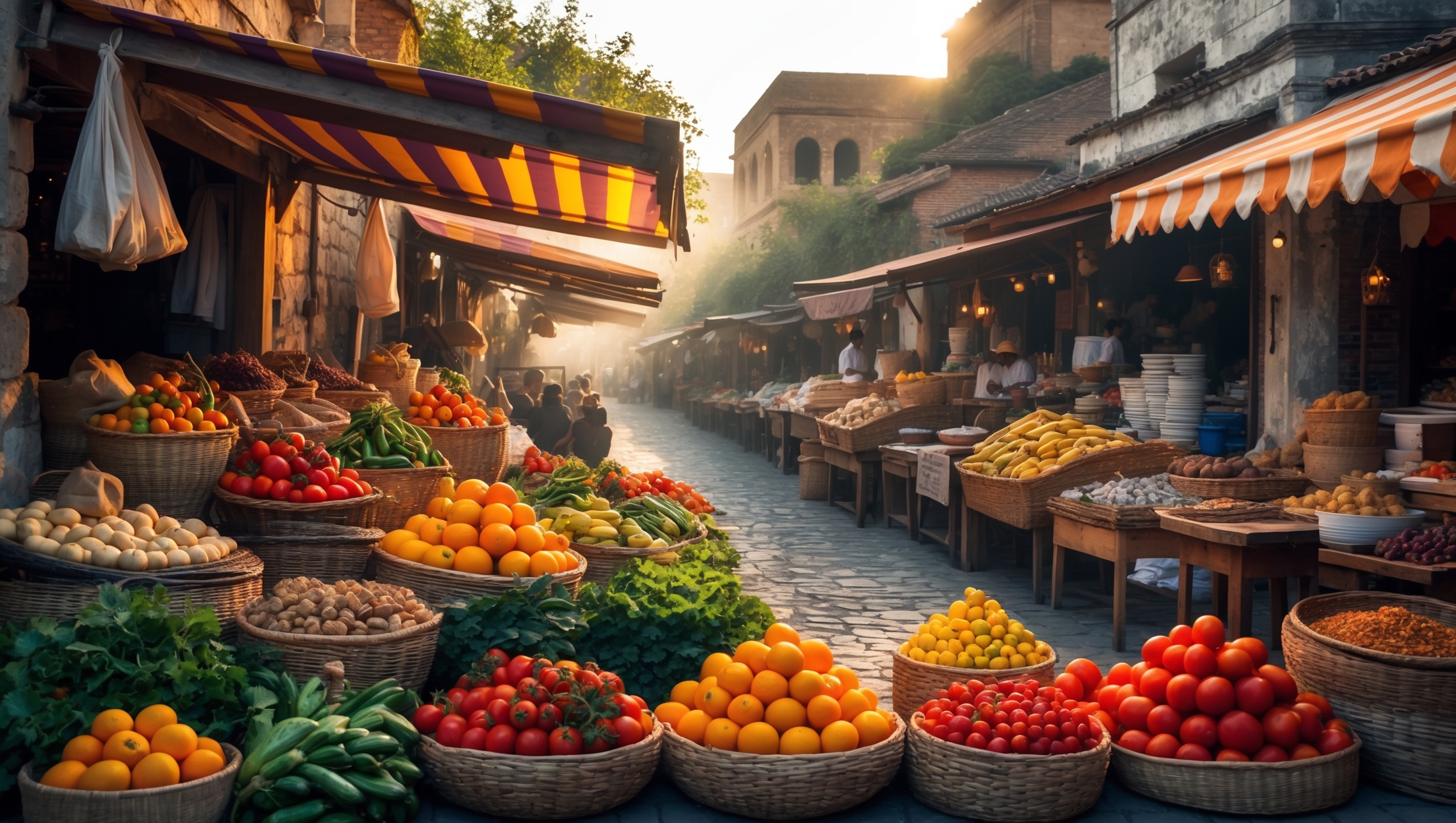
Introduction: Unlocking the World of Local Food Markets Abroad
Stepping into a bustling local food market is one of the most immersive ways to experience life, travel, and living in a new country. Whether you’re a digital nomad, long-term expat, or an adventurous traveler, local markets offer a window into the culinary heart of a place. But they can also pose challenges—unfamiliar produce, different bargaining cultures, and potential food safety pitfalls. Successfully navigating these markets isn’t just about grabbing the freshest fruit or the best cheese; it’s about connecting with a new community, managing your daily budget, and ensuring what you bring home is safe to eat. In this guide, we’ll walk you through every practical step for shopping at local food markets abroad: from planning your visit and knowing what to look for, to understanding market etiquettes, managing costs, and ensuring food safety. With these actionable strategies and insights, you can confidently shop like a local and savor your global adventure to the fullest.
Why Local Markets Matter: Beyond the Grocery Store
Embracing Culture Through Food
Local food markets are not just places to buy groceries—they are vibrant cultural hubs. Each stall tells a story, from generations-old family recipes to unique regional products. Participating in market life helps you grasp local customs, language, and dietary staples, making your travel or relocation richer and more authentic.
Freshness, Variety, and Value
Markets often offer fresher, more varied produce than supermarkets, often at better prices. You’ll find seasonal specialties, rare ingredients, and homemade goods that rarely make it to chain stores. Many markets feature organic or sustainably grown items, giving you healthier options and a chance to support small-scale farmers and artisans.
Prepping for Your Market Visit: What to Know Before You Go
Researching Market Schedules and Locations
- Check opening days and hours: Many markets only operate on specific days or mornings. Confirm schedules online, via local guides, or by asking residents.
- Scout location and transport: Use maps to find the market’s exact spot and plan your route. Consider public transit, walking, or cycling for convenience.
Essential Tools and Equipment
- Reusable bags: Bring sturdy, washable bags to carry your finds. In many places, plastic bags are banned or costly.
- Small change and cash: Many stalls are cash-only. Prepare coins and small bills to avoid payment hassles.
- Notebook or translation app: Useful for jotting down new food names or communicating if there’s a language barrier.
- Cooler bag or ice pack: In hot climates, these keep perishables safe until you get home.
Setting a Budget
- List essentials: Plan meals in advance and list must-have ingredients, but allow flexibility for surprising finds.
- Compare prices: Check supermarket prices beforehand to spot deals and avoid overpaying.
- Set a daily/weekly limit: Allocate a spending cap to keep your shopping in check and avoid impulse splurges.
Market Day: Step-by-Step Shopping Strategies
Arriving at the Right Time
- Early birds: Arrive early for the freshest selection and lighter crowds.
- Late arrivals: Near closing time, vendors often offer discounts to clear unsold stock. Risk: reduced selection.
Survey Before You Buy
Take a stroll around the market first. Note who has the freshest produce, which stalls draw local shoppers (a sign of quality), and compare prices. Ask for samples if appropriate—many vendors are happy to offer a taste, especially of fruits, cheeses, or cured meats.
Bargaining: Art and Etiquette
- Know where it’s expected: In some cultures, bargaining is normal; in others, prices are fixed and haggling is frowned upon. Observe locals or ask beforehand.
- Start politely: Smile and greet the vendor. Ask the price, then make a reasonable counteroffer, especially if buying in bulk.
- Respect boundaries: Don’t push if a vendor declines to negotiate. Thank them and move on if the price doesn’t suit your budget.
Choosing the Best Produce and Goods
- Assess freshness: Look for vibrant color, firm texture, and pleasant aroma. Avoid wilted greens, bruised fruit, or fish with dull eyes.
- Ask about origin: Inquire if produce is local or imported. Local items are typically fresher and cheaper.
- Buy in season: Seasonal goods are usually tastier, more nutritious, and cost less.
- Consider portion sizes: Some vendors sell by weight, others by piece or bunch. Clarify pricing units to avoid surprises.
Food Safety: Crucial Steps for Healthy Shopping
- Inspect cleanliness: Choose vendors with clean hands, tidy stalls, and covered foods.
- Be cautious with dairy, meat, and fish: Ensure these are refrigerated or stored on ice. Avoid products left in the sun or at room temperature for hours.
- Wash all produce: Even if it looks clean, wash thoroughly at home to remove dirt, pesticides, or bacteria.
- Mind expiry dates: For packaged goods, check dates and seals.
Managing Costs: Budgeting and Smart Buys
Tracking Expenses
- Keep receipts: Not all vendors provide them, but if they do, keep receipts to track spending.
- Use a notebook or budgeting app: Jot down each purchase, especially if shopping for a household or long-term stay.
Bulk Buying and Sharing
- Split big buys: Team up with neighbors or fellow travelers to share bulk purchases and savings.
- Preserve excess: Freeze, dry, or pickle surplus produce to avoid waste and save money.
Spotting Deals and Avoiding Tourist Prices
- Learn local terms: Knowing basic numbers and product names helps you avoid being charged extra.
- Shop where locals shop: Tourist-heavy stalls may inflate prices. Watch where local families and older shoppers congregate.
- Visit at end of day: Vendors may discount perishable goods before closing.
Integrating Local Foods into Your Daily Life
Cooking with New Ingredients
Don’t be intimidated by unfamiliar items. Ask vendors or fellow shoppers how to prepare them, or look up recipes online. Experimenting with local ingredients can deepen your connection to the place and expand your culinary skills.
Storing Your Market Haul
- Proper storage: Separate fruits and vegetables to avoid overripening. Store leafy greens in breathable bags, and keep dairy or meat chilled.
- Frequent shopping: Buy smaller quantities more often to keep produce fresh, especially in hot or humid climates.
Building Relationships with Vendors
- Be a regular: Frequent visits foster trust and may lead to better deals, fresher selections, or even special orders.
- Learn names and customs: Greet vendors in their language and observe local etiquette. Small gestures go a long way.
Market Safety and Compliance: What Every Shopper Should Know
Local Regulations and Permits
- Know the rules: Some markets require vendors to display permits or hygiene certificates. Don’t hesitate to ask if unsure.
- Respect customs: In some places, touching produce before buying is frowned upon. Wait for the vendor to select items for you.
Insurance and Liability
While foodborne illness is rare in well-run markets, travel insurance with coverage for medical emergencies can offer peace of mind. Save vendor contact details if you need to follow up about a product or incident.
Case Study: A Week of Market Shopping in Oaxaca, Mexico
Let’s put these tips into action. Imagine you’ve just arrived in Oaxaca for a one-month stay. Your goal: eat well, stay on budget, and soak up local culture.
- Preparation: You research Mercado de la Merced’s hours and make a shopping list for the week’s meals. You pack a backpack, reusable bags, and a small cooler for cheese and meat.
- Market Visit: Arriving early, you circle the market, sampling local quesillo (cheese) and inspecting the freshest avocados. You chat with a vendor about the best way to cook squash blossoms.
- Budgeting: You track expenses in a notebook and adjust your menu for the week when you spot a deal on mangos. At week’s end, you save by buying tortillas and eggs in bulk for breakfasts.
- Integration: With tips from vendors, you prepare tlayudas (local flatbreads) and share a meal with new friends from your guesthouse.
The result: delicious, affordable meals; new friendships; and a deeper understanding of local life—all thanks to confident, smart market shopping.
Common Myths About Foreign Markets—Debunked
- “Markets are only for locals.” – Most markets welcome everyone. Vendors often appreciate curious newcomers and may share cooking tips or samples.
- “Everything is cheaper than supermarkets.” – While many items are, some specialty goods or out-of-season produce may cost more. Compare prices and shop smart.
- “Bargaining is mandatory everywhere.” – In some countries, fixed pricing is the norm. Learn local customs to avoid awkward situations.
- “It’s unsafe to buy meat and dairy at markets.” – With proper vendor selection and safe storage, market-bought perishables can be as safe (or safer) than supermarket options.
Conclusion: Becoming a Confident Market Shopper Abroad
Shopping at local food markets abroad is far more than a transaction—it’s a celebration of culture, community, and culinary adventure. By preparing ahead, embracing local customs, and staying vigilant about food safety and budgeting, you transform every market visit into an opportunity for genuine connection and discovery. Remember: each market has its own rhythm and rules. With open-mindedness, a friendly approach, and the practical strategies shared here, you’ll not only secure the freshest, most delicious ingredients but also gain insight into the daily lives and traditions of your host community. Whether you’re haggling for sun-ripened tomatoes in southern Italy or sampling spices in a Moroccan souk, market shopping is an essential skill for anyone living or traveling abroad. Make it part of your regular routine, and you’ll return home with more than just recipes—you’ll have stories, friendships, and a deeper appreciation for the world’s rich tapestry of flavors. Happy shopping, and bon appétit!
You mention that local markets often have better prices and fresher produce than supermarkets. Have you found it’s usually more cost-effective to do most of your family’s grocery shopping at these markets, or do you still need to supplement with grocery store visits for essentials?
Shopping at local food markets can definitely save you money, especially on fresh produce, meats, and local specialties. However, supermarkets often carry packaged goods, household items, or products like dairy and grains that markets might not always have. Many people find the best approach is to buy most fresh items at the market, then supplement at supermarkets for essentials and anything not available locally.
I love the idea of finding seasonal specialties at local markets while traveling, but I’m always worried about getting overcharged as a foreigner. Do you have suggestions for handling bargaining and making sure I pay fair prices without offending anyone?
To avoid overpaying at local markets, start by observing what locals pay or politely ask them about typical prices. Approach bargaining with a friendly attitude, and don’t be afraid to walk away if the price feels too high—often sellers will offer a fairer price. It helps to carry small bills and coins to make negotiations smoother. Smiling and showing appreciation for the vendor’s goods can go a long way towards positive, respectful interactions.
I love the idea of connecting with local communities through markets. Could you elaborate more on how to figure out the best times to visit a market for the freshest produce and to avoid tourist crowds?
To get the freshest produce and avoid tourist crowds, it’s best to arrive at local markets early in the morning, just as they open. Vendors typically stock their stalls with the day’s fresh goods then, and you’ll find fewer tourists. Also, consider visiting on weekdays rather than weekends, since weekends tend to attract more visitors. If possible, ask locals or your accommodation staff about the market’s peak and quiet times, as these can vary by region.
I’m curious about food safety at these markets, especially when buying items like cheese or homemade goods. What steps do you recommend for travelers to avoid getting sick from products that might not meet the regulations we’re used to in the US?
When buying cheese or homemade goods at local markets, look for vendors with high turnover, as this suggests fresher products. Choose items that are stored properly, like chilled dairy products kept on ice. Avoid anything that looks unrefrigerated or has an unusual smell or appearance. Washing your hands before eating and sticking to cooked foods when unsure can further reduce your risk. If you have a sensitive stomach, consider sampling small amounts first to see how you react.
You mention that local markets often offer better prices and more variety than supermarkets. How can I best manage my daily budget when shopping at these markets, especially if I’m unfamiliar with local pricing or bargaining customs in a new country?
To manage your daily budget at local markets, start by setting a cash limit for each visit. Observe what locals pay and compare prices between stalls before buying. Don’t be shy to ask sellers about typical prices or portion sizes. If bargaining is common, approach it with a friendly attitude and only negotiate if you’re comfortable. Keep notes on what you spend each day so you can adjust your budget as you learn more about local costs.
You talk about unfamiliar produce at foreign markets—any advice on how to figure out what’s safe to eat raw versus what should be cooked, especially when there’s a language barrier and labels aren’t in English?
When unsure about unfamiliar produce, it’s wise to observe how locals prepare and eat it—if you see people peeling or cooking it, that’s a good sign it may not be safe to eat raw. Opt for fruits you can peel yourself if worried about contamination. If language is a barrier, use a translation app or show vendors a picture of someone eating the item raw or cooked to help clarify. When in doubt, cook the produce to reduce potential risks.
You mentioned that local markets can be great for managing your daily budget and getting better value. Do you have any advice for a first-timer on how to compare prices or negotiate without offending vendors, particularly if I have no experience with bargaining cultures?
If you’re new to bargaining, start by observing how locals interact and what prices they pay. It’s helpful to ask the price at a few stalls before making a decision—this gives you an idea of the going rate. When negotiating, always be polite and friendly. Smile and use simple language to suggest a lower price, but accept a no gracefully. Vendors usually appreciate respectful customers, and sometimes a small discount is possible just by showing interest and courtesy.
You mentioned managing your daily budget at local markets. In your experience, are prices at these markets usually fixed, or is bargaining common practice, especially for things like cheese and baked goods? Any tips for avoiding getting overcharged as a foreigner?
Prices at local markets can vary—some stalls, especially those selling cheese or baked goods, may have fixed prices, while others expect some bargaining. In many countries, haggling is normal with fresh produce or in open-air sections. To avoid overpaying, observe how locals shop, ask for prices before buying, and don’t hesitate to politely negotiate if it seems appropriate. Carry small bills or coins for easier transactions and try to learn a few basic phrases in the local language.
You mentioned that local markets can sometimes have different bargaining cultures. How do you figure out the right way to haggle or negotiate prices without accidentally offending vendors in a new country?
To get a sense of local bargaining customs, start by observing how locals interact with vendors—notice if they negotiate or accept prices as given. It can help to smile and be polite; often, vendors appreciate respectful attempts at bargaining. Asking other shoppers or your hotel staff about local norms is useful too. If in doubt, keep it friendly and never push too hard—sometimes, a vendor’s first price really is the final price.
When you mention connecting with a new community through local markets, do you have any tips for how someone who doesn’t speak the language can start conversations with locals or vendors while shopping?
Absolutely! Even if you don’t speak the local language, a warm smile and friendly gestures go a long way. Try learning a few basic phrases like hello, thank you, or how much. Pointing, showing interest in products, or using translation apps on your phone can help bridge the gap. Vendors often appreciate your effort, and sometimes a simple exchange of greetings or a compliment about their produce can spark a pleasant interaction.
As a small business owner, I’m interested in sourcing unique ingredients from local markets abroad. Do you have any tips for negotiating prices fairly without offending vendors, especially in places with different bargaining cultures?
When negotiating at local markets abroad, start by showing genuine interest in the products and respect for the vendor’s expertise. Learn some basic greetings or phrases in the local language, which helps build rapport. Ask about the usual price first and make a polite counteroffer rather than aggressively haggling. Be aware of local customs; in some places, bargaining is expected, while elsewhere it may be less common. If unsure, observe locals or ask vendors about their pricing approach. Always thank them, even if you don’t reach a deal.
When traveling for business, I’m often short on time. Do you have suggestions for quickly assessing whether produce at a local market is safe, especially if I can’t communicate well with the vendors?
If you’re pressed for time and facing a language barrier, look for produce that appears clean, undamaged, and free from excessive bruising or mold. Choose fruits and vegetables with intact skins, as these are generally safer. Prepackaged or pre-washed items can be good options if you’re unsure about washing facilities. Avoid cut or ready-to-eat produce that’s been exposed to air or handled frequently. When possible, pick items you can peel yourself.
I’m excited to try shopping at local food markets when I travel, but I’m worried about food safety, especially with things like dairy and ready-to-eat items. Are there specific signs or questions I should keep in mind to make sure what I’m buying is safe?
When shopping at local markets, look for stalls with high turnover and lots of local customers—this usually means food is fresher. For dairy and ready-to-eat foods, check if items are kept properly chilled or covered, and ask vendors how recently the food was prepared. If you’re unsure about the cleanliness of water used in foods like salads or ice, it’s best to avoid them. Trust your senses: if something smells or looks off, it’s safest to skip it.
Regarding food safety at local markets abroad, do you have any specific tips for identifying which vendors use proper hygiene practices, especially when language barriers make it hard to ask directly? I’d love to hear about practical signs or red flags to watch for.
Absolutely, there are several visual cues to gauge vendor hygiene. Look for vendors who wear gloves or use utensils instead of bare hands, and who keep raw and cooked foods separate. Clean, organized stalls and displayed food covered from dust are positive signs. If you see frequent handwashing or clean water for rinsing produce, that’s good too. On the other hand, avoid stalls with visible pests, food kept at unsafe temperatures, or dirty work surfaces.
I’m interested in the aspect of food safety you mentioned when shopping at local markets abroad. Could you share more detailed tips on how to identify stalls or products that follow proper hygiene practices, especially when there’s a language barrier?
When shopping at local markets, look for stalls that appear clean and organized, with fresh food displayed off the ground and vendors using gloves or utensils to handle items. Notice if there’s regular handwashing or use of hand sanitizer. Busy stalls with local customers are often a good sign. If you can’t ask questions due to a language barrier, rely on visual cues like cleanliness, fresh smells, and proper food storage (cold foods kept cool). Buying fruits you can peel yourself is also a safe bet.
You mentioned ensuring food safety in local markets—are there specific signs or questions I should use when picking things like cheese or homemade goods, especially if I don’t speak the local language well?
When choosing items like cheese or homemade goods, look for signs of cleanliness at the stall and how products are stored—refrigerated items should be kept cool. Check if the vendor uses gloves or tongs, and avoid items that are uncovered or handled repeatedly. If you don’t speak the language, a friendly gesture toward the item and a questioning look can prompt the vendor to indicate its freshness or when it was made. You can also learn simple phrases like ‘fresh?’ or ‘today?’ in the local language to help.
You mentioned that local markets often offer better prices and unique products. As someone trying to keep costs low for my business, how do you recommend comparing the value of market finds versus supermarket options, especially when shopping abroad?
To compare value effectively, start by noting the prices and quantities at both local markets and supermarkets—sometimes markets are open to haggling, which can make them cheaper. Also consider quality and freshness, as market produce often lasts longer, reducing waste. Make a quick list of your main items, tally the costs at both places, and factor in transport or storage needs. This way, you’ll see which option truly offers better value for your business.
I like the idea of managing my daily budget at local markets. Do you have advice on how to compare prices or negotiate fairly without offending vendors, especially when I’m unfamiliar with the local bargaining culture?
Comparing prices is easiest if you take a quick walk around the market before buying, noting prices at several stalls. To negotiate respectfully, smile and be polite—try asking if there’s a ‘best price’ rather than haggling aggressively. Observing how local shoppers interact with vendors can also guide your approach and help you avoid misunderstandings.
The article mentions managing your daily budget at local markets. Could you give some tips on how to negotiate prices respectfully or spot fair deals, especially if you don’t speak the language well?
When shopping in local markets, it’s helpful to observe what locals pay and start with a friendly greeting. Use a calculator or write down numbers to clarify prices if language is a barrier. Always smile, be polite, and avoid aggressive bargaining. If possible, buy a small item first to gauge pricing. Comparing prices at several stalls can also help you spot fair deals and avoid overpaying.
You mentioned that local markets often have different bargaining cultures compared to what travelers might be used to. Could you give some examples of common bargaining practices in different countries, and how to avoid accidentally offending vendors?
In many Asian countries like Thailand, haggling is expected, but always with a smile and polite tone. In Morocco, the process can be lively and lengthy, with both sides enjoying the negotiation. In contrast, markets in France or Japan usually have fixed prices, and bargaining is uncommon. To avoid offense, observe how locals interact first, approach with respect, and never insist if a vendor says no—being friendly and gracious is key in any setting.
I’m planning my first trip abroad and love the idea of shopping at local markets like you described. As someone who’s only familiar with American supermarkets, what’s the best way to figure out which local items are safe to eat, especially if I can’t speak the language very well?
When exploring local markets abroad, it’s helpful to look for foods that are cooked or peeled, like grilled meats or fruit with thick skins. If you’re unsure about an item, watch what locals are buying and eating—this is often a good sign of what’s safe. Also, stick to stalls with high turnover as the food is likely fresher. Carrying a translation app can help you ask basic questions or read signs about ingredients and preparation methods.
I’m planning to stay in one city for just a week—do you think it’s still worth shopping at local markets instead of supermarkets for that short of a visit? Are there any ways to save money if I’m only buying small amounts?
Shopping at local markets can definitely be worthwhile, even for a one-week stay. You’ll often find fresher produce and unique local foods that aren’t available in supermarkets. To save money when buying small amounts, visit markets later in the day when sellers might offer discounts, and don’t hesitate to buy loose items or ask for smaller quantities. This way, you avoid waste and can still enjoy the local experience.
As a small business owner who sometimes sources specialty ingredients while traveling, I’m curious about your tips for ensuring food safety when dealing with unfamiliar produce or vendors. Are there red flags you look out for that are specific to certain countries?
When sourcing specialty ingredients abroad, pay attention to cleanliness at the vendor’s stall, the freshness of produce (avoid bruised or overly ripe items), and whether foods are stored properly (chilled if needed). In some countries, look out for unfiltered water used for washing produce or ice, and avoid pre-cut fruits exposed to open air. It’s also wise to check if vendors handle money and food separately and wear gloves. If language is a barrier, observing where locals shop and what they choose can offer useful clues too.
When you mention market etiquette, could you elaborate on common customs or dos and don’ts for interacting with vendors in different countries? I’m especially curious if there are typical bargaining practices or greetings that first-timers should know about to avoid misunderstandings.
Market etiquette often varies by country, but some general guidelines can help. In many places, a polite greeting—like a smile, a simple hello, or using the local language—is appreciated before you start browsing. Bargaining is common in markets across Asia, the Middle East, and parts of Africa, but less so in much of Europe or North America, where prices are usually fixed. Always be respectful when negotiating, avoid aggressive haggling, and accept a vendor’s final price gracefully. It’s also considerate to handle produce gently and ask before taking photos.
I love the idea of shopping at local markets while traveling, but I worry about food safety, especially with unfamiliar produce or dairy. Do you have any specific tips for making sure what I buy is safe to feed my kids?
When shopping for produce, choose fruits and vegetables that can be thoroughly washed or peeled, as this reduces the risk of bacteria. For dairy, look for items that are pasteurized and sold from refrigerated cases, not left at room temperature. Avoid anything with an unusual smell or texture. If you’re not sure how something should be stored or prepared, ask the vendor or stick to items you’re familiar with. Bringing your own antibacterial wipes can also help when handling foods.
As a small business owner, I’m curious about how to manage food safety concerns when buying from local markets abroad. Are there specific signs or questions I should use to assess whether produce or homemade goods are actually safe to take back to my shop or home?
When sourcing from local markets abroad, look for vendors who keep produce clean, shaded, and separated from raw meats or seafood. Ask sellers about their handling practices, how recently items were harvested or made, and if they follow local food safety regulations. Check that homemade goods are properly sealed and labeled, and avoid items with unusual odors or signs of spoilage. Trust your senses and don’t hesitate to request details about sourcing and preparation.
You mention that markets can help manage daily budgets compared to grocery stores. From your experience, are there typical strategies for bargaining or price comparison in local markets that can help keep costs low without offending vendors?
In local markets, it’s common to compare prices by browsing multiple stalls before making a purchase—vendors expect this and won’t be offended. Friendly bargaining is usually welcome, but keep your tone polite and respectful. It helps to ask if there’s a discount for buying in bulk or at the end of the day when vendors may be more flexible. Smiling and engaging in a bit of conversation often makes negotiations smoother without seeming pushy.
The article suggests that markets can have better prices than supermarkets. Could you share any advice for managing a daily budget when shopping at these markets, especially if I don’t speak the language or know how to negotiate prices?
When shopping at local markets abroad, bring cash in small denominations to make transactions easier and avoid overpaying. Try observing what locals pay before making purchases, and use a calculator or phone to clarify prices if language is a barrier. Setting a daily spending limit beforehand can help you stay on track. If negotiation feels uncomfortable, look for stalls with posted prices or politely indicate your budget to vendors—they often understand basic numbers.
You mentioned that local markets often have different bargaining cultures. Can you give some tips for how to negotiate prices respectfully without offending vendors in a country where I’m not familiar with the customs?
To negotiate prices respectfully in unfamiliar local markets, start by observing how locals interact and follow their lead. Approach vendors with a friendly attitude, smile, and greet them politely. Avoid aggressive haggling—make reasonable counteroffers instead of dramatic discounts. If a price isn’t accepted, thank the vendor and walk away politely; sometimes they may call you back with a better offer. Remember, in some cultures bargaining is expected, while in others it may be seen as disrespectful, so paying attention to local cues is key.
You mention that local markets can have different bargaining cultures. Could you provide some specific tips on how to approach haggling respectfully in markets where negotiating is expected, and how to recognize when it’s not appropriate?
When bargaining is expected, start by greeting the vendor with a smile and showing genuine interest in their products. Politely ask for the price, and if you sense flexibility, make a reasonable counter-offer. Keep your tone friendly and good-natured throughout. If vendors give a firm price, use signs like fixed price tags or see locals not haggling as cues that negotiating isn’t appropriate. Always accept a vendor’s final answer gracefully to maintain respect.
You mentioned markets can offer better prices and more variety than supermarkets. In your experience, how do you manage budgeting at local markets, especially when it’s easy to get tempted by new foods or bulk deals? Any strategies for sticking to a daily food budget?
When shopping at local markets, setting a daily spending limit beforehand helps keep your budget in check. Bring cash in the exact amount you want to spend and avoid using cards. Make a rough meal plan to guide your purchases, but allow a small portion of your budget for spontaneous treats. Tracking your spending as you go, either on paper or your phone, can also prevent overspending while still enjoying new foods.
You mentioned the importance of market etiquettes and understanding bargaining cultures. Can you give some specific tips on how to negotiate prices respectfully without offending the local vendors, especially in places where haggling is common?
When negotiating prices in markets where haggling is expected, start by smiling and greeting the vendor politely. It helps to ask the price first, then make a counter-offer that’s reasonable—not too low. Be friendly and respectful, showing appreciation for their products. If the vendor says no, accept their answer gracefully or try a small increase. Avoid aggressive bargaining and always thank them, even if you don’t buy.
I’m curious about food safety at local markets, especially when things aren’t packaged like at home. How can I tell if produce or homemade goods are safe to buy and eat when traveling abroad?
When shopping at local markets abroad, check that produce looks fresh, without bruising or mold, and is kept out of direct sun. For homemade goods, choose stalls with steady customer flow, which suggests local trust. Ask how items are prepared and handled—vendors who practice good hygiene and use clean utensils are a better choice. Washing fruits and vegetables yourself before eating adds another layer of safety.
As a small business owner who sometimes sources specialty ingredients abroad, I’m curious about your tips on managing food safety at local markets. Are there specific red flags or questions I should keep in mind when buying perishable items like cheese or meat from unfamiliar vendors?
When sourcing perishables like cheese or meat abroad, check for clean, well-refrigerated displays and vendors who use gloves or utensils when handling food. Look for clear labeling, recent production dates, and avoid items with off smells or discoloration. Don’t hesitate to ask about storage practices, origin, and delivery frequency. If possible, visit at peak times to see turnover rates—busy stalls usually signal fresher inventory.
When visiting a new country, I sometimes struggle with identifying which produce is truly local and in season, especially when labels are missing or in another language. Do you have any tips from your own experience on how to tell what’s actually from the region versus imported at these markets?
One helpful approach is to observe what’s most abundant and prominently displayed—these are often local and in season. Chatting with vendors, even with basic language skills or gestures, can reveal a lot; most are proud of their local offerings. Also, look for signs of freshness, like dirt on root vegetables or slightly imperfect shapes, which usually suggest local sourcing rather than imports.
You mentioned that many local markets offer organic or sustainably grown items. Are there any reliable ways to tell if produce is truly organic when shopping abroad, especially if I don’t speak the local language well?
Identifying truly organic produce abroad can be tricky, especially with language barriers. Look for official organic certification labels or symbols on signs or packaging, as these are often recognizable even if you don’t read the language. Vendors sometimes display certificates at their stalls. If you’re unsure, observe other shoppers—locals often know which stalls have trustworthy goods. Lastly, choosing produce that still has some dirt and imperfections can indicate it’s grown with fewer chemicals.
I’m interested in the part about ensuring food safety when buying fresh produce at local markets abroad. Are there specific signs or red flags to look out for when selecting fruits or vegetables that might not be familiar to me?
When buying unfamiliar fruits or vegetables at local markets, look for signs of freshness like vibrant color, firm texture, and a pleasant smell. Avoid produce with bruises, soft spots, or mold. Watch out for excess moisture, which can lead to spoilage, and steer clear of items displayed directly on the ground. If possible, choose items that vendors handle with clean tools or gloves.
As a parent, I’m always concerned about food safety, especially when shopping abroad. Besides looking for freshness, are there certain signs or red flags at a market stand that might indicate the food isn’t safe for kids to eat?
Absolutely, there are some helpful signs to watch for. Be cautious if you notice unrefrigerated dairy, meat, or seafood, as these should be kept cold. Avoid stands where flies or other pests are present, or where the vendor handles food and money without gloves or hand-washing. Also, steer clear of produce with mold, bruises, or an off smell, and check that packaged items are properly sealed.
When it comes to managing my daily budget at overseas markets, do you have any strategies for comparing prices or negotiating without offending local vendors? I want to support small-scale farmers but also keep expenses under control while sourcing fresh ingredients.
To compare prices, start by browsing several stalls before making purchases, noting the going rates for similar items. For negotiating, adopt a friendly tone and ask if there’s any discount for buying in bulk or for being a regular customer. Be polite and respectful—smiling and showing genuine interest often helps. Supporting small-scale farmers can also mean buying seasonal produce, which typically offers the best value for money.
You mention that different countries have their own market etiquettes and bargaining cultures. Could you share any tips for someone who might be worried about accidentally offending vendors while trying to negotiate prices, especially if they don’t speak the local language well?
Absolutely, being polite and respectful goes a long way, even when you don’t share a common language. Smile, greet vendors, and use gestures to show interest or ask about prices. If bargaining is common, start with a lower offer but always remain friendly. Avoid pushing too hard if the vendor seems uncomfortable. Simple phrases like thank you or please, learned in the local language, can help create goodwill.
You talk about managing your daily budget while shopping at markets abroad. In your experience, how does the overall cost usually compare to sticking with supermarkets, especially when you factor in the temptation to buy unique or specialty items at the market?
Shopping at local markets can often be cheaper for everyday staples like fruits, vegetables, and bread, especially if you compare them to supermarket prices abroad. However, it’s easy to spend more than planned if you get tempted by unique or specialty items that you might not find elsewhere. To manage costs, set a clear budget before visiting the market and focus mainly on essentials, allowing yourself a small amount for new or interesting finds.
When you mention ensuring what you bring home is safe to eat, do you have any specific tips for spotting signs of spoilage or unsafe handling at markets, especially if there are language barriers when asking vendors about their products?
Absolutely, there are visual and sensory cues you can use even if you can’t ask detailed questions. Look for produce with bruising, mold, or off smells, and avoid anything that looks overly wilted or slimy. For meats and dairy, check if they’re kept chilled or on ice. Cleanliness of stalls and whether vendors use gloves or tongs can also be indicators of good handling. Trust your senses—if something looks or smells odd, it’s best to skip it.
You mentioned the importance of understanding market etiquette and different bargaining cultures. Could you share some tips for first-timers on how to approach haggling or negotiating prices without offending vendors in a new country?
When haggling in a new country, start by smiling and greeting the vendor politely—it helps build rapport. If bargaining is common, ask if there’s any flexibility on price, but be respectful and avoid aggressive or dismissive language. It’s helpful to know the typical starting price range by observing locals or asking your hotel staff. If the vendor won’t lower the price, accept it graciously or walk away without argument. Always show appreciation for their time, even if you don’t make a purchase.
I’m planning my first trip abroad and love the idea of getting fresh produce at local markets, but I’m worried about recognizing which items are actually safe to eat, especially in countries where I don’t speak the language. Are there any specific signs or strategies you recommend for identifying safe and fresh foods in unfamiliar markets?
Look for stalls with high turnover and busy local customers, as this usually means the produce is fresh and trusted. Fresh fruits and vegetables should look vibrant and free of bruises or mold. If possible, choose items you can peel or wash thoroughly yourself. When unsure about a product or ingredient, try using a translation app or showing a picture to the vendor. Trust your senses—if something smells or looks off, it’s best to skip it.
The article mentions the importance of understanding market etiquettes when shopping abroad. Could you share some specific examples of common etiquette differences travelers might encounter in local food markets, especially regarding bargaining or sampling products?
In many local food markets, etiquette can vary widely. For example, in some countries like Morocco or Turkey, bargaining is expected and part of the shopping experience. In contrast, markets in Japan generally have fixed prices, and haggling is considered rude. When it comes to sampling, some markets freely offer tastes to encourage purchases, while in others, it’s polite to wait for the vendor to offer a sample rather than asking. Always observe what locals do first, and greet vendors before touching or picking up food items.
You mentioned that local markets are often more affordable and offer fresher produce than supermarkets. Have you found that it’s usually better to do most of your shopping at markets, or should I still plan to visit a regular grocery store for certain staples when traveling?
Local markets are fantastic for fresh produce, local specialties, and sometimes even baked goods or cheeses, often at better prices than supermarkets. However, for staples like packaged snacks, bottled water, toiletries, or specific international brands, regular grocery stores can be more reliable. Many travelers find that a mix works best: shop at markets for fresh and local items, then supplement with a store visit for essentials or hard-to-find products.
I like the idea of exploring rare ingredients and seasonal specialties in local markets, but how can travelers on a tight budget make sure they’re still getting good value without sacrificing freshness or quality compared to shopping at supermarkets?
To get the best value at local markets, visit near closing time when vendors often discount perishable items. Compare prices at several stalls before buying. Focus on produce that’s in season—it’s usually fresher and less expensive. Don’t hesitate to ask vendors for recommendations or if they offer deals for bulk purchases. This way, you can enjoy fresh, quality ingredients without stretching your budget.
You mention that local markets can have potential food safety pitfalls. Are there any specific signs or red flags I should watch out for when choosing which produce or food stalls are safest, especially if I don’t speak the local language?
Absolutely, there are some universal signs you can look for. Check if the produce looks fresh, free of bruises, mold, or insects. Stalls that are clean, with vendors using gloves or tongs, are usually safer. Notice if perishable foods are kept cool or shaded. Busy stalls with a steady stream of local customers often indicate reliability and good hygiene, even if you can’t communicate directly.
You mentioned that understanding food safety in local markets is important. Could you share any specific tips or red flags travelers should look out for, especially when the vendor setup or local hygiene practices seem different from what we’re used to in the US?
When visiting local markets abroad, keep an eye out for cleanliness at stalls—surfaces should look clean, and vendors should use clean utensils and handle food with washed hands or gloves. Be cautious if food is left uncovered, sits in the sun, or attracts flies. Trust your senses: if something smells off or looks questionable, it’s best to skip it. Also, choose stalls with a steady flow of local customers, as this is often a sign of fresh, safe food.
I’m excited about finding unique seasonal specialties at local food markets, but I’m also sticking to a daily budget. Do you have any tips for negotiating prices respectfully without offending local vendors, especially when I’m not fluent in the local language?
Approach vendors with a smile and show genuine interest in their products—that friendliness goes a long way, even with language barriers. Learn a few basic phrases like ‘how much?’ and ‘thank you’ in the local language. If haggling is common in the area, politely suggest your price, keeping your tone friendly and respectful. If they decline, don’t push; a warm thank you leaves a good impression. Shopping near closing time can also naturally lead to better deals.
I love the idea of supporting small-scale farmers and finding rare ingredients, but how do you recommend managing costs if I’m on a tight student budget? Are local markets generally cheaper overall than supermarkets in most countries?
Local markets can often be more affordable than supermarkets, especially for fresh produce and seasonal items. To manage costs, go towards the end of the market day when vendors may lower prices, buy in smaller quantities to avoid waste, and focus on local, in-season products. It also helps to bring cash, compare prices between stalls, and ask about discounts for students or bulk purchases. This way, you can enjoy unique finds while sticking to your budget.
You mention managing costs at local markets can be better than supermarkets. Can you give more specific strategies for bargaining or negotiating prices in a respectful way, especially in places where haggling is the norm but I’m not fluent in the local language?
Absolutely. Start by observing how locals bargain and follow their lead on when and how much to negotiate. Use friendly body language—smile, point, or gesture to indicate interest. It helps to know a few key phrases like ‘how much?’ and ‘too expensive’ in the local language, but you can also use a calculator or phone to show your price. Always remain polite, thank the vendor even if you don’t buy, and avoid pushing too hard; respect goes a long way.
You talked about local markets offering fresh and unique products at better prices than supermarkets. Have you found that shopping only at markets is cheaper overall, or do you still need to supplement with grocery store visits for staples?
Shopping at local markets can definitely save money, especially on fresh produce, herbs, and some specialty items. However, it’s common to still need grocery stores for certain staples like rice, pasta, canned goods, or household products that are not always available or are more expensive at markets. Many travelers find the best value by combining both: getting fresh and unique items at the market, and then picking up essentials at the supermarket.
You mention that local markets are a good way to manage your daily budget, but are there certain types of items or times of day that usually offer the best deals for students traveling on a tight budget?
Yes, students can often find the best deals on fresh produce, local snacks, and ready-to-eat meals at local markets. Prices tend to drop towards the end of the market day, when vendors are eager to sell remaining goods. Also, buying in-season fruits and vegetables is usually cheaper. If you’re open to slight imperfections or bulk purchases, you can save even more.
The article talks about managing costs at local markets compared to supermarkets. Can you share any specific tips for bargaining or making sure you’re not overpaying as a foreigner who might not know the usual prices?
When shopping at local markets, it helps to observe what locals are paying before you buy. Don’t be afraid to politely ask for the price and negotiate if bargaining is common—smiling and showing interest goes a long way. Carry small bills, so you can pay exact amounts. If you’re unsure about fair prices, try visiting a few stalls to compare before deciding. Sometimes buying in bulk or at the end of the market day can get you better deals.
You mention that local markets often have better prices and fresher options than supermarkets, but do you have tips for not getting overcharged as a foreigner? I’m traveling with kids and want to stick to a daily budget while still getting quality ingredients.
To avoid overpaying at local markets, try to observe what locals pay before you buy, or shop alongside them. Greet vendors politely and ask about prices up front. It’s fine to compare stalls before making a choice. Carry small bills to pay exact amounts, and don’t be afraid to politely negotiate if that’s common in the area. This way, you can stick to your budget and still get fresh, quality food for your family.
The article mentions managing costs and daily budgets while shopping in local markets abroad. Could you suggest specific strategies for tracking expenses or negotiating prices, especially if you’re stocking up in bulk for a small business?
For tracking expenses, try using a dedicated notebook or a simple mobile app to record each purchase as you shop, separating items by category. When buying in bulk, always ask vendors if they offer discounts for larger quantities—many will negotiate, especially near market closing times. Compare prices across stalls before committing, and don’t hesitate to politely haggle or request a better rate for repeat business or bigger orders.
You mention that managing your daily budget is part of the market experience. Do you have any tips on how to negotiate prices respectfully in places where bargaining is expected, without overpaying or offending the vendors?
When bargaining in local markets, start by greeting the vendor and showing genuine interest in their goods. Politely ask for the price, then make a reasonable counter-offer with a friendly smile. If you’re unsure what’s fair, watch how locals negotiate first. Always stay courteous, be willing to compromise, and accept with gratitude if you reach a mutually agreeable price. This approach helps ensure both you and the vendor feel respected.
The article talks about connecting with the local community through market shopping. Are there any tips for overcoming language barriers or cultural misunderstandings when trying to ask about unfamiliar ingredients or products?
When shopping at local markets abroad, a smile and friendly body language can go a long way. If you don’t speak the language, try learning a few basic phrases or bring a translation app to help with ingredient names. Pointing, showing interest, and being patient usually encourages vendors to help. Observing how locals interact with sellers can also give you clues about etiquette and questions to ask.
You mentioned that local markets often have seasonal specialties and rare ingredients that aren’t available in chain stores. How can someone unfamiliar with the local language figure out what something is or how to prepare it without accidentally offending the vendor?
One helpful way is to use your phone’s translation app to show the vendor what you want to ask, or to translate labels and signs. Pointing and using polite gestures, like a smile or a nod, goes a long way. Sometimes, showing interest by asking for a simple recipe or miming cooking actions helps break the ice. Vendors are usually proud of their products and happy to share basic information, even across language barriers.
I’m interested in supporting small-scale farmers as suggested, but sometimes markets mix local and imported products. Are there effective ways to distinguish truly local goods from imported ones when shopping in these markets abroad?
Identifying local products can be tricky, but there are a few strategies that help. Ask vendors directly about the origins of their produce—many are proud to share if it’s locally grown. Look for signs or labels indicating local farms or regions. Pay attention to seasonality; fruits and vegetables in season are more likely to be local. Getting to know market regulars and observing which stalls have repeat customers can also point you toward authentic local goods.
You mentioned markets can be more budget-friendly than supermarkets. For someone moving with kids, do you have suggestions for planning a weekly market trip that helps balance cost, quality, and time spent shopping?
Planning a weekly market trip with kids can be smooth and budget-friendly by making a list of essentials before you go and setting a spending limit. Visiting early often means fresher produce and fewer crowds, which helps with children. Involve your kids by letting them pick some fruits or snacks, which keeps them engaged and encourages healthy choices. Stick to a regular shopping day to save time and develop a routine.
You mentioned managing your daily budget at these markets—do you have advice on how to compare prices or negotiate without offending vendors, especially if you don’t speak the language well?
When comparing prices, start by browsing several stalls to get a sense of common rates before buying. If you don’t speak the language, use a calculator or phone to show the price you’re suggesting, and smile to keep things friendly. It’s polite to ask if discounts are available rather than pressuring for a lower price. Vendors often appreciate respectful interest and nonverbal cues.
You talked about markets often having fresher and more affordable food than supermarkets. Do you have tips for figuring out if a market’s prices are actually better, or advice for bargaining without offending local sellers?
To compare prices, take a quick walk around the market and note prices for similar items at a few stalls, then check a nearby supermarket if possible. For bargaining, always be polite and friendly—smile, greet the seller, and avoid pushing too hard. Asking, ‘Is this your best price?’ or offering a small discount respectfully is common in many places, but if the seller seems firm or uncomfortable, it’s best to accept the price or thank them and move on.
When it comes to managing daily budgets at local food markets abroad, do you have any tips for avoiding tourist prices or haggling respectfully, especially if you don’t speak the local language well?
One good way to avoid tourist prices is to observe where locals shop and what they pay before making a purchase. If you’re unsure about haggling, a friendly smile and polite gestures help a lot. You can also use a calculator or write down numbers to clarify prices. Learning a few key phrases, like ‘How much?’ or ‘Is there a discount?’, can go a long way even if you don’t speak the language fluently.
You mentioned market prices and managing your daily budget—have you found that bargaining is generally expected at these local markets, or is it better to pay the asking price? Any tips for avoiding overpaying as a foreigner?
In many local markets abroad, bargaining is quite common, especially in open-air or street markets. Vendors often expect a bit of negotiation, but always approach it politely and with a smile. To avoid overpaying, observe what locals are paying, compare prices among several stalls, and start with a friendly lower offer. If the vendor is firm on price, it’s usually best to accept it or move on. Remember, bargaining should feel respectful and enjoyable for both sides.
I’m pretty new to visiting markets abroad and the different bargaining cultures you mentioned make me nervous. Do you have any tips for how to negotiate prices respectfully, especially if I don’t speak the language well?
Negotiating in local markets can feel intimidating, but a friendly attitude goes a long way. Start by smiling and greeting the vendor. If you don’t speak the language, using a calculator or writing numbers can help. Offer a counterprice politely, and don’t be afraid to walk away if the price is too high. Vendors usually appreciate respect and genuine interest, even if your bargaining isn’t perfect.
You mentioned that market etiquette can vary and that knowing what to look for is key to a successful shopping experience. Could you give some concrete examples of local etiquette or customs at markets in different regions that travelers should be aware of?
Absolutely! In European markets, haggling is less common, and it’s polite to greet vendors with a “bonjour” or “buongiorno.” In many Asian markets, bargaining is expected, but always do so with a smile and respect. In Middle Eastern souks, sharing tea before discussing prices is sometimes part of the process. Also, in some places, touching produce before buying is frowned upon—wait for the vendor to assist you. Observing locals’ behavior can offer helpful clues about etiquette.
I’m curious about your tips for budgeting while shopping at local food markets, since prices and bargaining cultures can vary a lot from place to place. Do you have suggestions on how to estimate weekly costs or avoid overpaying as a newcomer?
To estimate weekly costs at local markets, it helps to first walk around and compare prices at different stalls before buying. Take note of prices for your most-used items and ask locals what they typically pay. Bring cash in small bills, and don’t be afraid to politely negotiate if it’s customary. Set a maximum amount for each shopping trip to help you stay within budget and track your spending as you go.
You mentioned that shopping at local food markets can help manage your daily budget compared to supermarkets. Do you have any tips for avoiding tourist prices or getting a fair deal when you’re unfamiliar with the currency or customary bargaining practices?
To avoid tourist prices, try to observe what locals pay or ask a local friend for guidance. It’s helpful to carry small bills in the local currency to avoid overpaying. If bargaining is common, start by offering about 60–70% of the asking price and negotiate politely. Also, visit markets a bit away from major tourist areas, as they often have fairer prices.
When it comes to managing your daily budget, do you find that it’s better to go to the market near closing time for deals, or does that risk getting lower-quality produce? I’m curious how locals usually balance cost versus freshness.
Visiting markets near closing time can often get you better deals, as vendors may lower prices to clear out stock. However, the selection might be more limited and some produce could be less fresh. Many locals balance this by shopping earlier for the freshest items when they need high quality, and going later if they’re looking to save money on ingredients that will be used soon or cooked right away.
You mention managing your daily budget at local food markets. Could you elaborate on strategies for comparing prices or spotting fair deals when you’re unfamiliar with the usual costs in a new country?
When you’re unfamiliar with local prices, start by casually observing what locals pay and check prices at a few different stalls before buying. Ask vendors about typical portion sizes and prices, and consider using a currency converter app to stay aware of what you’re spending. If possible, chat with fellow shoppers or your accommodation host for price advice, and remember that prices often vary between morning and late afternoon. This approach will help you spot fair deals and shop confidently.
When you mention managing your daily budget while shopping at local food markets, do you have any specific tips for keeping costs down without missing out on regional specialties, especially in more touristy cities where prices might be higher?
To keep costs down in touristy cities, try shopping early or late in the day when vendors may offer deals to clear inventory. Focus on local, in-season produce, which is usually more affordable and at its best. Ask vendors about lesser-known regional specialties that locals buy, as these can be delicious and less expensive. Setting a daily cash limit at the market also helps manage spending while still enjoying authentic flavors.
I’m curious about managing food safety when buying meats or dairy at these markets. Are there certain signs or tips you recommend for making sure you’re picking items that are safe to eat, particularly in countries with less strict regulations?
When buying meats or dairy at local markets, check that products are kept chilled or on ice, and avoid anything sitting out at room temperature. Look for vendors with high turnover, as this often means fresher goods. Pay attention to cleanliness—both of the stall and the vendor. If possible, trust your senses: fresh meat shouldn’t smell sour, and dairy should not look separated or discolored. When in doubt, it’s safer to choose pasteurized dairy products.
You mention that local markets can have different bargaining cultures depending on the country. Could you elaborate on some common bargaining etiquette differences travelers might encounter and tips for respectful negotiation?
Bargaining customs really do vary. In some countries like Morocco or Thailand, haggling is expected, but always start with a friendly greeting and a smile. In parts of Europe, prices are usually fixed and bargaining can be seen as rude. Always stay polite, never get aggressive, and accept a seller’s price if they say no. Observing locals or asking vendors about the process can help guide your approach.
As someone who tries to stick to a tight daily budget for my café, I’m curious how you recommend managing costs when buying in small quantities at foreign markets, especially when price tags aren’t displayed or bargaining is expected.
When shopping in foreign markets without visible prices, start by asking a few vendors for their prices to get a sense of the fair range for items you need. Be polite but firm when bargaining, and don’t be afraid to walk away if the price seems high. Buying in small quantities often means less bargaining power, so focus on building relationships with regular vendors who may offer better deals over time.
You mention that local markets can have different bargaining cultures. How can a first-timer figure out whether bargaining is expected and what’s considered respectful versus rude when trying to negotiate prices?
Observing how locals interact with vendors is a good starting point—notice if they negotiate or pay the listed price. You can also ask your host, hotel staff, or a friendly vendor if bargaining is common. If you do negotiate, keep the tone light and friendly, smile, and accept the vendor’s response gracefully. Avoid haggling over very small amounts, as that can be seen as disrespectful in some cultures.
I’m interested in managing my budget while still trying local specialties at these markets. Do you have any tips for negotiating prices or spotting good deals without offending local vendors?
To manage your budget and enjoy local specialties, try visiting markets later in the day when vendors may offer discounts on fresh goods. Observe how locals interact to get a sense of fair prices, and ask about specials or bundled offers. When negotiating, be polite and smile—round numbers and gentle haggling are often accepted. Avoid aggressive bargaining, as respect is valued, and showing genuine interest in the food can help you connect with vendors.
When it comes to ensuring food safety at markets, do you have any tips for spotting signs of freshness or avoiding potential pitfalls when buying meat or dairy? I want to make the most of local finds but stay healthy while traveling abroad.
Absolutely, food safety is key when exploring local markets. For meat, look for clean stalls, meat stored on ice, and vendors using gloves or utensils. Fresh meat shouldn’t have a strong odor or grayish color. For dairy, check if it’s kept chilled and avoid items exposed to heat or flies. If possible, buy from busy stalls—high turnover usually means fresher products. Always trust your senses: if something smells or looks off, it’s safer to skip it.
You mentioned managing your daily budget while shopping at local food markets. Do you have any advice on how to compare prices or negotiate with vendors, especially in places where bargaining is the norm? I don’t want to overspend but also want to support local sellers fairly.
One helpful tip is to walk around the market first and check prices at several stalls before buying anything. This gives you a sense of the going rates. If bargaining is expected, start by offering slightly less than the asking price and negotiate from there, always with a friendly attitude. It’s okay to pay a bit more if you feel the produce is high quality, and this also supports the local community. Setting a daily budget beforehand will help you keep track of your spending while enjoying the experience.
You mention managing daily budgets at local markets abroad. Do you have any tips specifically for avoiding overspending when confronted with so many unique and tempting items, especially when prices and bargaining practices vary so much by country?
To avoid overspending at local markets, start by setting a daily spending limit before you go and bring only that amount in cash. Take a walk around the market first to compare prices before making any purchases. If bargaining is common, don’t be afraid to negotiate politely. Prioritize what you really want to try and keep impulse buys to a minimum.
I’m curious about the food safety aspect you mentioned. What specific steps should you take to make sure the produce or homemade goods you buy at these markets are safe to eat, particularly in countries with different health standards?
When shopping at local markets abroad, start by looking for vendors with clean stalls and fresh-looking produce. Always wash fruits and vegetables thoroughly with bottled or boiled water before eating. Peel produce when possible to reduce risk. For homemade goods, opt for items that are cooked or baked rather than raw, and buy from sellers who use gloves or utensils. If something looks or smells off, it’s best to skip it.
You mention that markets often have different bargaining cultures and etiquettes. Can you give specific examples of how bargaining works in various countries or what might be considered rude versus acceptable when negotiating prices?
Absolutely! In Morocco and many Middle Eastern countries, bargaining is expected—start below the asking price and negotiate with a smile, but accept the final offer respectfully. In Thailand, gentle negotiation is common, but being overly aggressive can be frowned upon. In contrast, in places like Japan or much of Western Europe, prices at markets are usually fixed, and trying to bargain can be seen as disrespectful. Always observe local shoppers and follow their lead for cues on etiquette.
I’m curious about managing costs as a traveler. Do you have any tips for bargaining respectfully at local markets, or is haggling generally frowned upon in some countries? How can I avoid accidentally offending the vendor while trying to save money?
Haggling is common in many local markets, but customs vary by country. Before bargaining, observe how locals interact and start with a friendly greeting. Offer a reasonable counterprice rather than a very low one, and always smile and remain polite. If the vendor declines, accept their price graciously. In some places, prices are fixed and haggling is inappropriate, so check for signs or ask if bargaining is welcome. Respect and courtesy go a long way in making the experience positive for both you and the vendor.
You mentioned managing your daily budget when shopping at local markets. Do you have any advice on how to avoid overspending, especially when encountering unique local products that aren’t available back home?
It’s easy to get excited by unique local products, but setting a daily spending limit before you go can help you stay on track. Bring only the cash you plan to spend and avoid using cards for impulse buys. Consider taking a quick lap around the market first to check prices and compare options before making any purchases. Prioritize the must-try items and give yourself a small allowance for special treats.
You mention the importance of understanding local bargaining cultures while shopping at food markets abroad. Could you provide specific tips or examples of how to approach negotiating prices respectfully in different countries?
Certainly! In Morocco, it’s common to start by offering half the asking price and gradually work towards a compromise while remaining polite and smiling. In Thailand, bargaining is expected in markets, but do so with a friendly attitude and respect the vendor’s final price. In France, prices at food markets are usually fixed, so bargaining is rare and may be seen as rude. Observing locals and starting with a greeting can also help set a positive tone for negotiation wherever you are.
I noticed the guide talks about ensuring food safety while shopping abroad. Are there specific signs or questions I should be aware of to make sure the products I buy at these markets are safe, especially if I plan to resell or use them in my café?
When shopping at local markets abroad, check for signs of freshness like vibrant colors, firm textures, and clean presentation. Ask vendors about how recently items were harvested or caught, and if they follow any local hygiene standards. If possible, observe their handling practices—such as using gloves or separating raw and cooked foods. For resale or café use, inquire if they can provide source or quality certifications, and always ensure you can transport and store items at safe temperatures.
The article mentions that markets often have better prices than supermarkets, which is great for a tight budget. Is it generally acceptable to negotiate prices at these markets, or could that be seen as rude in some countries? Would love to hear about any cultural pitfalls to avoid.
Negotiating prices is common in many local markets, but the acceptability really depends on the country and the market itself. In parts of Asia, Africa, and the Middle East, bargaining is expected. However, in some European countries, prices at food markets are usually fixed and haggling may be considered impolite. It’s smart to observe how locals interact or ask discreetly if negotiation is okay. Always be polite and smile—aggressive bargaining can be frowned upon anywhere.
You mentioned managing your daily budget at local markets. Do prices tend to be negotiable, or is bargaining frowned upon in most countries? I don’t want to accidentally offend anyone, but I also want to get the best value.
Whether bargaining is acceptable at local markets can vary a lot by country and market type. In many places across Asia, Africa, and parts of Latin America, bargaining is expected and part of the shopping experience. However, in much of Europe or at markets with marked prices, vendors may see haggling as disrespectful. To avoid offense, observe what locals do and, if unsure, try asking politely if the price is fixed. Respecting local customs helps you budget wisely while keeping interactions positive.
I love the idea of finding rare ingredients at local markets, but how do you handle pricing and bargaining when you don’t speak the language well? Any strategies to avoid being overcharged as a foreigner?
One helpful approach is to observe how much local shoppers are paying before you buy anything. Using a calculator or your phone to show the seller the price you want can bridge language gaps. Smiling and being polite often encourages fair treatment, and if possible, have a local phrase or two written down to ask about prices. It’s also wise to visit a few stalls to compare prices so you get a sense of the typical cost and avoid being overcharged.
I’m interested in the budgeting aspect you mentioned. Are there any strategies for negotiating prices at local food markets without offending vendors, especially in cultures where bargaining is common?
When bargaining at local food markets, always start with a friendly greeting and show genuine interest in the products. Ask about prices politely, and if you want to negotiate, do so with a respectful tone and a smile. It’s helpful to know common phrases in the local language and to start by offering a price slightly below what you’re willing to pay. If the vendor declines, accept their decision graciously or meet them halfway. Building rapport goes a long way in cultures where bargaining is part of the experience.
I’m curious about how to handle food safety concerns when shopping at local markets, especially in countries where refrigeration isn’t common at stalls. Are there specific red flags to look for, or steps to take right away after buying produce or meat?
When shopping at local markets without much refrigeration, look for stalls with high turnover and produce or meat that is kept shaded and away from pests. Avoid items that smell off, look slimy, or have unusual colors. Once you’ve purchased food, wash produce thoroughly with clean water and peel it if possible. For meat, cook it as soon as you get back, and make sure it reaches a safe internal temperature. These steps will help minimize risks.
You mentioned managing costs and finding better prices at local markets. Is it usually expected to bargain in these markets, and if so, do you have any tips for beginners on how to negotiate respectfully without offending the sellers?
Bargaining is common in many local markets, but customs can vary by country. If you see others negotiating, it’s usually acceptable. Start with a friendly greeting, ask for the price, and if you feel comfortable, politely offer a lower price. Smile and keep your tone respectful. If the seller says no, thank them and consider whether to accept their price or walk away. The key is to be courteous and not push too hard—remember, it’s a conversation, not a confrontation.
The article mentions that markets often offer better prices and seasonal specialties compared to supermarkets. From a budget perspective, how can I best plan my purchases for a week abroad without overbuying or wasting fresh ingredients?
To avoid overbuying and waste, start by planning your meals for the week and making a list of the fresh items you’ll need. Visit the market with this list, but be flexible if you spot seasonal deals. Buy smaller quantities, as markets often let you choose exact amounts. If possible, shop more frequently, picking up only what you’ll use in the next couple of days, so ingredients stay fresh and get fully used.
When researching a local market’s schedule, have you found any strategies for figuring out which days or times are best for finding the freshest produce, especially in countries where information isn’t easily available online?
Talking directly to locals, like hotel staff or nearby shopkeepers, is one of the most reliable ways to learn about the best market days and times. Visiting the market early in the morning often means fresher produce, as sellers usually display their new stock then. Observing when locals shop can also give good clues about peak times for freshness.
You mentioned that local markets can have different bargaining cultures. Could you share some tips on how to negotiate prices respectfully, especially if you don’t speak the local language well?
To negotiate respectfully, start by observing how locals interact with vendors to understand common practices. Use friendly body language and smile to show goodwill. It helps to learn a few key phrases like ‘How much?’ or ‘Can you lower the price?’ in the local language. If language is a barrier, use gestures such as showing the amount you’re willing to pay with fingers or a calculator. Always keep the conversation polite and avoid being pushy—if the vendor refuses, thank them and move on.
You mention local markets can help manage a daily budget, which sounds great for business travels. Do you have any tips for tracking expenses or negotiating prices to make sure I actually end up saving money compared to shopping at regular grocery stores?
To track your expenses, keep a simple daily log on your phone or a small notebook, noting what you spend at each market. Take photos of receipts when possible. For negotiating prices, learn a few basic phrases in the local language and don’t be afraid to politely ask for a discount, especially if you’re buying in bulk. Compare prices on similar items at grocery stores to see your real savings.
I’m curious about the food safety aspect mentioned in the article. When shopping in local food markets abroad, what specific signs or practices should I look for to make sure the produce and other items are safe to eat?
When shopping at local markets abroad, look for vendors who keep produce shaded and display clean, fresh-looking items—avoid anything wilted or bruised. Check that meats and dairy are properly chilled or on ice. Notice if sellers use gloves or utensils rather than bare hands. It’s also a good sign if the market area appears clean and free of pests. Washing produce thoroughly before eating is always recommended.
I’m curious about ensuring food safety in local markets abroad, especially if I don’t speak the local language well. Do you have any tips for how to check if produce or dairy is safe to buy when communication is a challenge?
When language is a barrier, focus on visual and sensory checks. For produce, look for freshness—avoid items with bruises, mold, or wilting. For dairy, choose sealed, refrigerated items with intact packaging and recent dates. Observing where locals shop and what they buy can also help. If in doubt, opt for items you can peel or cook, which reduces risk even if you can’t ask detailed questions.
The article mentions potential challenges like different bargaining cultures and food safety pitfalls in local markets. Do you have any tips on how to spot safe food vendors or what to look out for when choosing produce in unfamiliar markets?
When choosing vendors, look for stalls that are busy with local customers, as high turnover usually means fresher products. Check if the vendor keeps their produce shaded and clean, and watch how they handle food—clean hands and tools are good signs. For produce, inspect items for bruises or unusual smells. If buying ready-to-eat foods, opt for those cooked fresh and still hot. Trusting your senses and observing hygiene practices will help you find safer options.
When you mention managing your daily budget at local food markets abroad, do you have any practical tips for avoiding paying tourist prices, especially in places where bargaining is common? Are certain types of markets more budget-friendly than others?
To avoid paying tourist prices, try to shop where locals do and visit markets earlier in the day or closer to closing time when vendors may offer better deals. Watch how locals bargain and follow their lead—polite negotiation is often expected in open-air markets. Farmers’ and neighborhood markets usually have better prices than those in tourist hotspots or souvenir-heavy areas. Always check prices at a few stalls before buying so you can compare and spot the fairer deals.
I’m curious about managing costs when shopping at these markets, since you mention they can be more budget-friendly than supermarkets. Are there any strategies for bargaining or avoiding tourist markups, particularly in popular market destinations?
To manage costs and avoid tourist markups, try visiting markets early when vendors are more willing to negotiate. Learn a few local phrases for bargaining, and always compare prices at several stalls before buying. Pay in local currency and avoid showing large bills. If possible, shop alongside locals rather than in obvious tourist groups, as vendors may offer better prices to regular customers.
When it comes to food safety at local markets, do you have any practical suggestions for checking if produce or homemade goods are safe to eat, especially in places where I might not speak the language well?
When shopping at local markets, look for produce that appears clean, undamaged, and free from unusual odors or discoloration. For homemade goods, notice if the vendor follows good hygiene practices, such as using gloves or covering food. If language is a barrier, observe what locals are buying and ask for recommendations through gestures or translation apps. Washing produce thoroughly and peeling fruits when possible also helps.
You mention that markets can offer better prices and more variety than supermarkets. In your experience, how do you recommend balancing the urge to try new, possibly unfamiliar ingredients with keeping my costs predictable for my business’s weekly supply budget?
One way to strike that balance is to set aside a small part of your weekly budget specifically for experimenting with unfamiliar ingredients, while dedicating the rest to your tried-and-true staples. Track prices and quantities as you shop, and consider making a note of which new items work well for your menu. This approach keeps your core supply costs steady while still allowing room for creativity and discovery.
You mentioned market schedules can vary a lot. Have you found any reliable ways to find out the opening days and hours before you go, especially if you don’t speak the language? I’m worried about showing up when everything is closed.
To avoid arriving when markets are closed, try checking local tourism websites or city apps, as they often list market schedules in several languages. Hotel staff or hosts can also help with up-to-date information. If you use translation apps, you can search for market names and hours in the local language, which is often more accurate. Photos of posted signs or asking nearby shopkeepers can also be effective if you’re already in the area.
I’m curious about the food safety aspect you touched on. Are there specific signs or red flags to look out for at foreign markets to avoid products that might not be safe to eat? Some tips on handling unfamiliar produce would be really helpful.
Look for clean stalls, vendors using gloves or utensils, and fresh-smelling produce—avoid anything with an off odor, bruises, or visible mold. Be cautious with unrefrigerated dairy, meat, or seafood. For unfamiliar produce, rinse it well with clean water and, if possible, peel or cook it before eating. If water quality is questionable, use bottled or boiled water to clean fruits and vegetables.
I’m curious about managing costs while shopping at local food markets abroad. Are there particular strategies you recommend for sticking to a daily budget without missing out on regional specialties and organic options?
To manage costs at local food markets, start by setting a daily cash limit to help you stay on budget. Visit markets later in the day, when vendors may offer discounts on unsold produce. Prioritize buying local, in-season items, which are usually fresher and more affordable. If you want organic options, ask about certified stalls, and consider focusing on a few regional specialties each day instead of trying everything at once.
You mention managing your daily budget while shopping at local food markets abroad. Do you have any tips for families trying to stick to a budget but still wanting to try new and authentic foods?
Absolutely! For families, it’s helpful to set a daily spending limit before you visit the market and bring cash to avoid impulse buys. Focus on buying seasonal produce and local staples, which are usually less expensive and fresher. Share tasting portions of new foods as a group so everyone can try something different without buying full servings of everything. Also, chat with vendors—they often suggest affordable local specialties or offer small samples.
The article mentions the importance of checking market schedules and hours since many markets only operate on certain days. Are there any tips for finding reliable information about opening times, especially if you don’t speak the local language?
When you don’t speak the local language, it can help to look for the market’s official website or social media pages, as they often post updated schedules and hours. If those aren’t available, try asking at your accommodation—they usually have up-to-date info. You can also use translation apps to read signs or ask locals. Photos of open stalls or crowds are a good sign that a market is running that day.