
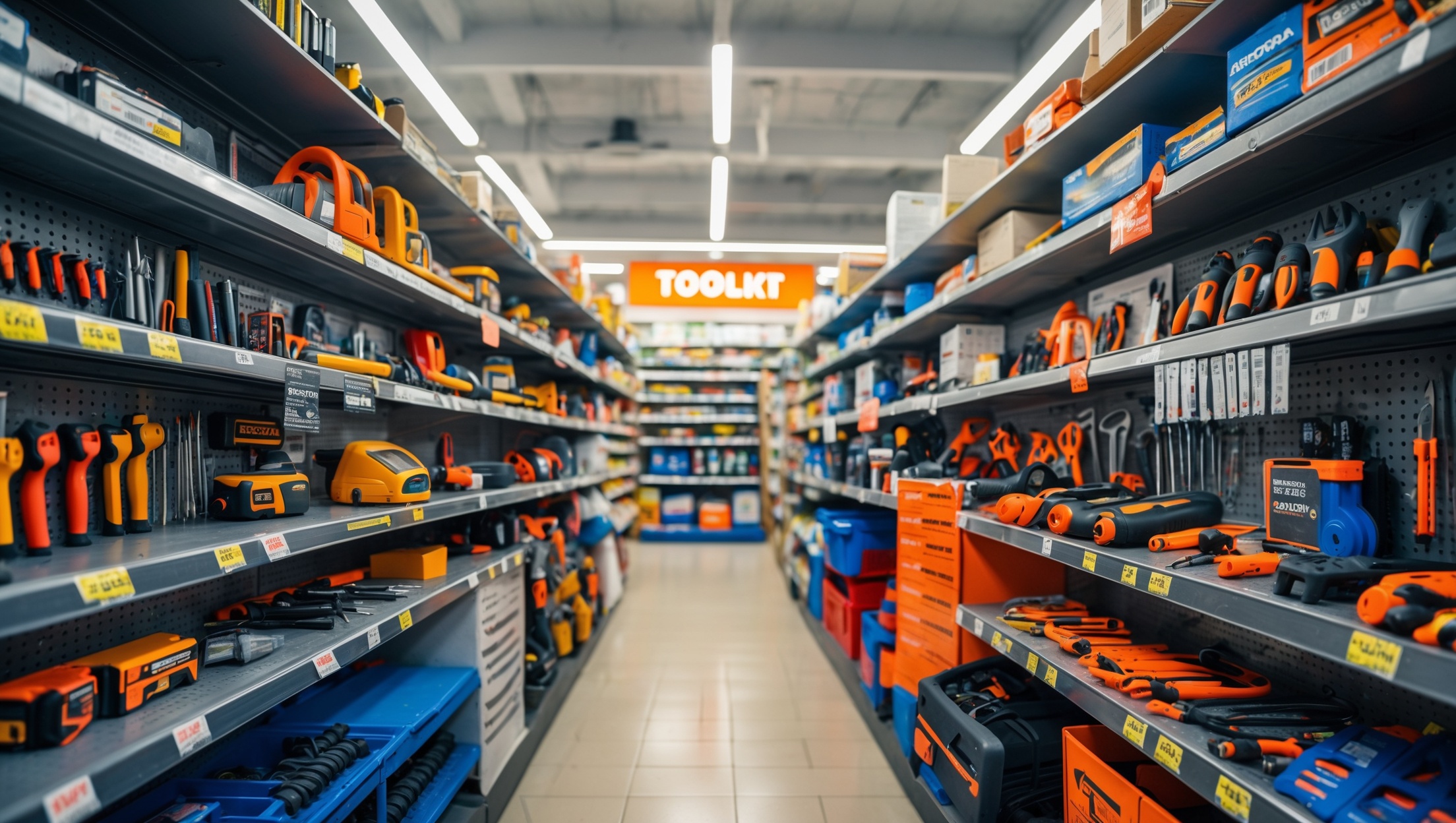
Introduction: The Local Hardware Store Adventure
Whether you’re an expat settling into a new country, a digital nomad on a long-term stay, or a traveler tackling a minor repair in your temporary home, local hardware stores can be both a treasure trove and a challenge. Unlike the familiar big-box retailers back home, hardware stores abroad are often smaller, more specialized, and brimming with tools and materials you may not recognize. Shopping for a simple screwdriver or lightbulb can turn into an adventure in translation, cultural discovery, and sometimes, trial and error. Yet, learning how to navigate these shops is a practical skill that pays off: you’ll save money by fixing things yourself, feel more at home, and gain confidence living independently in a new place.
This guide is your expert roadmap to shopping at local hardware stores abroad. We’ll cover the must-have tools for expats and travelers, how to overcome language barriers, regional quirks in hardware terminology, tips for identifying quality products, and smart strategies to avoid common beginner mistakes. You’ll also learn how to handle returns and warranties, and how to build local relationships for future support. Ready to demystify the world of hardware shopping in a new country? Let’s get started.
Understanding Local Hardware Stores: What to Expect
The Layout and Size Difference
Most local hardware stores outside of North America and Western Europe are compact, family-run operations. These stores may be packed floor-to-ceiling with goods and have little signage. Don’t expect wide aisles or self-service; often, you’ll describe your need to the shopkeeper, who fetches items from behind the counter or a back room.
- Specialized sections: Plumbing, electrical, paint, and gardening supplies may be separated or mixed together.
- Limited English signage: Be prepared for labels, packaging, and sizing information to be in the local language and measurement system.
- Cash-based payments: Many stores still operate on a cash-only basis, especially in smaller towns.
Identifying the Right Store
In some countries, hardware supplies are split among several specialty shops (e.g., electrical, plumbing, paint). Look for regional terms: in France, a quincaillerie; in Spain, a ferretería; in Italy, a ferramenta; and in parts of Asia, simply ‘hardware shop’ or a translation thereof. Ask locals or neighbors for recommendations, as the closest store might not be the best stocked or most helpful.
Essential Tools and Terms to Know
Must-Have Tools for Expats and Travelers
Building a basic toolkit will help you handle everyday fixes and assemble furniture. Prioritize tools that are versatile and compact:
- Multibit screwdriver: One handle with interchangeable bits saves space and covers most screw types.
- Adjustable wrench: Useful for plumbing, bike repairs, and furniture assembly.
- Pliers (combination or needle-nose): For gripping, bending, and cutting wires.
- Measuring tape: Vital for furniture placement and minor renovations. Be aware of metric vs. imperial units!
- Utility knife: For opening packages, trimming materials, or small craft projects.
- Hammer: Choose a lightweight, compact model for versatility.
- Level: Essential for hanging artwork or shelves.
- Electrical tester: For safely checking outlets and appliances.
Local Terminology: Avoiding the Lost-in-Translation Trap
Hardware jargon is packed with false friends and region-specific terms. For example, ‘plasterboard’ is ‘drywall’ in the US, ‘rawlplug’ means ‘wall anchor’ in the UK, and screw sizes vary worldwide. Prepare by:
- Learning the local terms for your needed tools and materials. Use translation apps with offline dictionaries or print out a glossary.
- Taking photos of the item you need replaced (e.g., a broken plug, old lightbulb) to show staff.
- Understanding size and measurement differences—metric is standard in most countries, but thread pitch and head types may differ.
Smart Shopping Strategies
How to Prepare Before Visiting
Preparation is crucial for a successful hardware store visit abroad. Here’s how to minimize confusion and maximize your chances of finding what you need:
- Make a detailed list: Include dimensions, quantities, and the intended use for each item.
- Bring a sample: If you’re replacing something like a fuse, washer, or bulb, bring the old one with you—it’s the most reliable way to get a match.
- Use translation tools: Apps like Google Translate can help you find the right word in the local language. Download the dictionary for offline use in case of spotty connectivity.
- Plan for payment: Carry local cash and coins, as credit cards may not be accepted.
- Check store hours: Many hardware shops close for lunch breaks or have limited weekend hours.
Evaluating Product Quality
Quality can vary widely, especially in markets with imports from different countries. Here are tips for making smart choices:
- Look for known international brands for critical items like power strips, surge protectors, or extension cords.
- Inspect packaging for intact seals and clear labeling. Avoid items with damage or missing instructions.
- Ask the shopkeeper for recommendations or for products with a guarantee.
- For tools you’ll use often, invest in mid-range quality rather than the cheapest option to avoid breakage.
Negotiating and Bulk Buying
In many countries, especially in markets or small shops, prices are negotiable. Don’t be shy about asking for a discount, especially if you’re buying several items. Phrases like “Is there a better price?” or “If I buy three, can you make a deal?” are usually well received. Bulk buying can also save money on frequently used items like screws, wall anchors, or sandpaper.
Dealing with Language and Measurement Barriers
Language Tips for Hardware Shopping
Language barriers are one of the biggest challenges for expats and travelers in hardware stores. Here’s how to overcome them:
- Visual aids: Bring photos or sketches of what you need. Even a quick drawing can help a shopkeeper understand your request.
- Learn basics: Memorize key terms like ‘screwdriver,’ ‘nail,’ ‘tape measure,’ ‘lightbulb,’ and common sizes in the local language.
- Use gestures: Pointing, miming the action, or showing the broken part can convey your needs without words.
- Patience and politeness: A smile and a “thank you” in the local language go a long way, especially if communication is slow.
Measurement Systems: Metric vs. Imperial
Most countries outside the US use the metric system. Be prepared for:
- Screw and bolt sizes: Metric threads (mm) vs. imperial (inch) threads can be incompatible. Bring the original part for matching when possible.
- Pipe diameters: Plumbing sizes may differ from what you’re used to. Take precise measurements in millimeters or centimeters.
- Tool sizes: Wrenches and sockets may not fit if you buy the wrong measurement system. A set with both types can be a lifesaver.
Avoiding Common Mistakes
Frequent Beginner Pitfalls
It’s easy to make mistakes in unfamiliar hardware stores. Here’s what to watch out for:
- Assuming compatibility: Not all plugs, bulbs, or fasteners are standardized worldwide. Check voltage, socket type, and thread before buying replacements.
- Overbuying: Unless you plan to stay long-term, avoid buying large quantities of items you may not use up.
- Ignoring return policies: Many small shops don’t accept returns, especially on electrical or cut-to-size items. Ask before purchasing.
- Neglecting safety standards: Look for CE, UL, or other safety certifications on electrical goods.
How to Handle Returns and Warranties
Returns and warranties work differently abroad. Here are some tips:
- Keep your receipt for all purchases. Some shops require it for any exchange or warranty claim.
- Ask about the warranty period and what it covers before buying expensive tools or electronics.
- If possible, test electrical items in-store before leaving.
Building Local Relationships and Getting Support
The Value of a Regular Hardware Shop
Becoming a familiar face at a local hardware store has perks. Shopkeepers may offer advice, give you a heads-up about sales, or even order special items for you. They’re also a valuable source of local know-how—how to fix things according to local standards, or who to call for bigger jobs.
Finding Help for Complex Projects
If your project is beyond your skills, ask the shopkeeper if they can recommend a local handyman or technician. Many have a network of reliable professionals. Be clear about the job scope and ask for an estimate before work begins.
Case Study: Shopping for a Leaking Faucet Repair in Southern Spain
To illustrate the process, let’s follow an expat in Seville who discovers a leaking kitchen faucet:
- They remove the old faucet cartridge, photograph it, and bring it to the local ferretería.
- The shopkeeper examines the part and identifies the correct replacement. Using a translation app and some gestures, they confirm the size and type needed.
- While there, the expat purchases a small adjustable wrench and plumber’s tape, both recommended by the shopkeeper.
- At home, the repair goes smoothly, saving the cost of hiring a plumber and building confidence for future fixes.
This experience is typical: a mix of preparation, local support, and hands-on learning.
Checklist: What to Bring and Know Before Your Visit
- List of items needed, with intended use and measurements
- Photos or physical samples of replacement parts
- Basic vocabulary in the local language (printed or on your phone)
- Cash in local currency
- Understanding of local store hours and customs
- Patience and willingness to ask questions
Conclusion: Mastering the Local Hardware Store Experience
Learning to navigate local hardware stores abroad is a practical life skill that empowers you to solve problems, save money, and adapt more smoothly to your new environment. While the first few visits might feel overwhelming, each trip builds your vocabulary, tool knowledge, and confidence. The key is preparation: know what you need, learn local terms, and don’t hesitate to ask for help—both in the store and from neighbors or expat groups.
Beyond just acquiring tools, these shopping trips offer valuable cultural insights. You’ll interact with locals, understand regional approaches to repair and maintenance, and discover products you might never see at home. In time, you may even become the go-to fixer in your expat circle, able to tackle everything from a squeaky hinge to a leaky faucet with tools bought just down the street.
So, the next time something needs fixing or you want to personalize your new space, head to the local hardware store with confidence. With the strategies and tips outlined in this guide, you’ll not only get the job done but also deepen your connection to your adopted home—one screw, nail, or paintbrush at a time.