
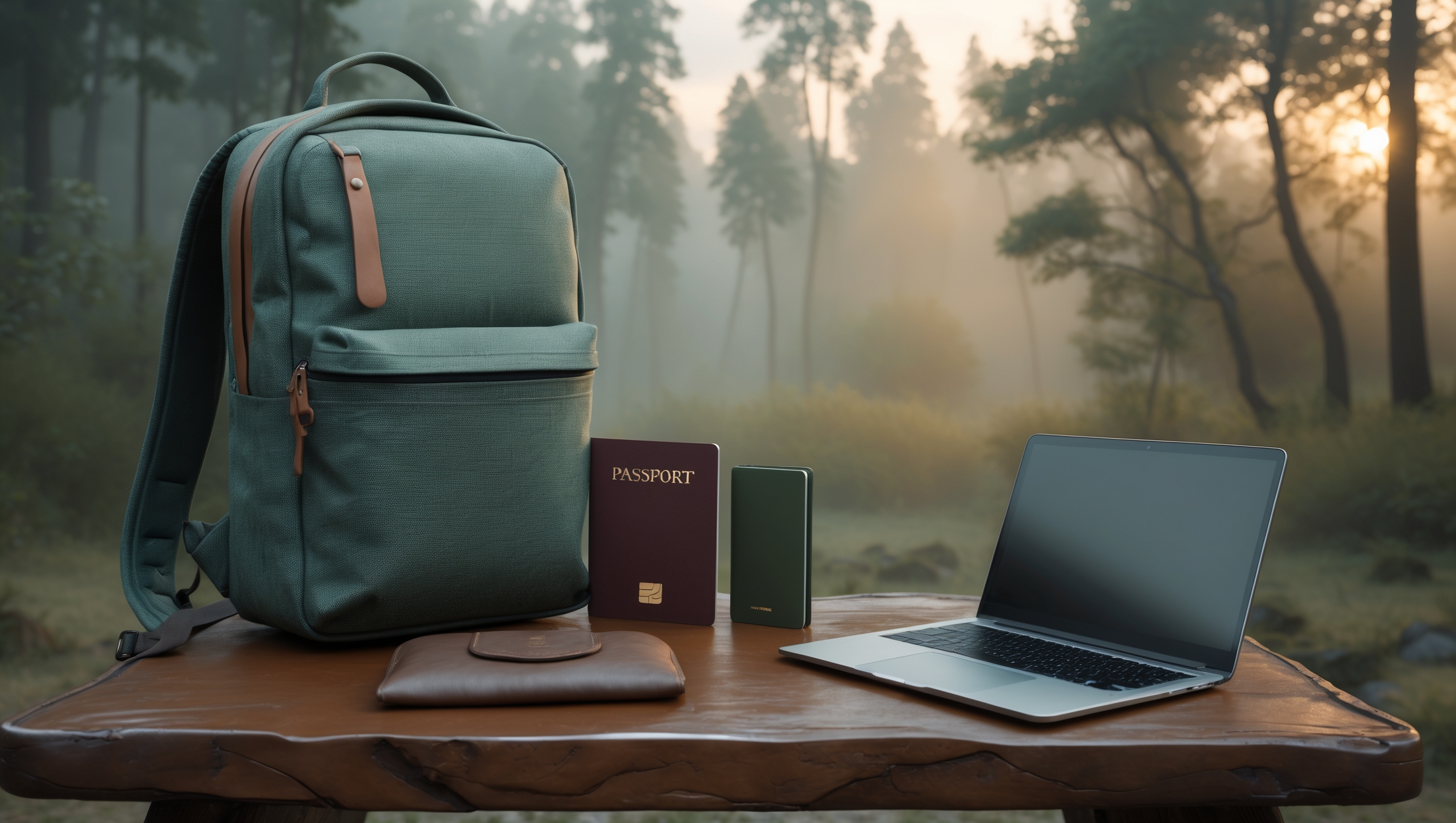
Introduction: The Allure of Minimalist Living on the Road
Minimalist living has captured the imagination of many travelers, digital nomads, and wanderlusters who dream of discovering the world unburdened by possessions. The idea of packing your life into a single backpack, moving freely between countries, and spending your money on experiences rather than things is undeniably appealing. But what does it really cost to embrace this lifestyle? Is minimalist travel genuinely cheaper, or do hidden expenses lurk beneath the surface? This guide delves deep into the practicalities and true costs of minimalist living on the move, providing you with actionable tips for budgeting and thriving on less.
Whether you’re a seasoned traveler looking to shed excess baggage or a beginner contemplating your first long-term adventure, understanding the financial realities is essential. We’ll break down core expenses, highlight common pitfalls, and offer strategies for making the most of your money and your journey. By the end, you’ll have a clear roadmap for living minimally without sacrificing comfort, safety, or adventure.
The Foundations of Minimalist Travel
What Does Minimalist Living Really Mean?
Minimalist living while traveling goes beyond packing light. It’s about intentional choices: carrying only what you need, prioritizing experiences over possessions, and being mindful of how your spending aligns with your values. Minimalist travelers aim to maximize freedom and flexibility while minimizing clutter, stress, and unnecessary expenses.
Common Motivations for Minimalist Travel
- Financial Freedom: Less stuff means less spent on storage, transport, and replacements.
- Mobility: Moving between places is easier with fewer belongings.
- Focus: Reduced distractions let you concentrate on what matters most—be it work, relationships, or exploration.
- Sustainability: A smaller footprint is kinder to the planet.
Budget Breakdown: What Does Minimalist Living Actually Cost?
Core Expense Categories
- Accommodation: Hostels, short-term rentals, coliving spaces, or even camper vans.
- Transportation: Flights, trains, buses, local transit, rideshares, and occasional splurges.
- Food: Groceries, eating out, and local specialties.
- Gear & Replacements: High-quality, multipurpose gear and the cost of replacing worn-out essentials.
- Connectivity: SIM cards, Wi-Fi, VPNs, and backup data plans.
- Experiences & Activities: Tours, entrance fees, classes, and unique local events.
- Health & Wellness: Basic insurance, gym day passes, and occasional medical expenses.
- Miscellaneous: Laundry, toiletries, gifts, and unexpected costs.
Sample Monthly Budget for a Minimalist Traveler (2024)
- Accommodation: $400–$900 (varies by region and comfort level)
- Transportation: $100–$350 (depends on pace of travel)
- Food: $200–$450 (mix of groceries and eating out)
- Gear & Replacements: $30–$60 (amortized monthly)
- Connectivity: $20–$50
- Experiences & Activities: $60–$200
- Health & Wellness: $30–$100
- Miscellaneous: $30–$80
Total Average: $870–$2,190 per month
Beginner Mistakes to Avoid: The Hidden Costs of Going Minimal
Underestimating the Value of Quality Gear
In a bid to save money, new minimalist travelers often choose cheap gear. However, low-quality bags, shoes, or electronics fail quickly and cost more in the long run. Invest in durable, multi-use items that withstand constant travel. For example, a reliable backpack and weatherproof jacket may seem expensive upfront but will prevent frequent replacements.
Neglecting Health, Safety, and Insurance
Minimalist doesn’t mean skipping essentials. Forgoing health insurance, first aid kits, or digital backups can lead to massive out-of-pocket costs if something goes wrong. Always budget for basic coverage and emergency preparedness.
Chasing the Lowest Price (at Any Cost)
Constantly opting for the cheapest accommodation or flights can backfire. Ultra-budget lodging may be unsafe or uncomfortable, while inconvenient flights can waste time and energy. Balance cost with comfort, safety, and productivity, especially if you work remotely.
Ignoring the True Cost of Frequent Moves
Moving often sounds freeing but adds up quickly. Each relocation comes with transportation costs, cleaning fees, and lost productivity. Consider staying longer in each destination to save money and avoid travel fatigue.
Practical Budgeting Strategies for Minimalist Travelers
Track Every Expense
Use budgeting apps like Trail Wallet, Nomad Wallet, or even simple spreadsheets to monitor all spending. Categorize expenses and set monthly limits. Review and adjust regularly to spot trends and avoid overspending.
Prioritize Spending on What Matters Most
Decide what experiences or comforts are non-negotiable for you. For some, it’s a private room every few weeks; for others, it’s occasional splurges on local cuisine or unique excursions. Allocate more budget to these while cutting back elsewhere.
Leverage Local Knowledge
Connect with locals and fellow travelers via forums, meetups, or social media groups. They often have tips on affordable housing, free events, and hidden gems that won’t break the bank.
Embrace Slow Travel
Staying a month or longer in one place often unlocks discounts on accommodation, transportation, and even food. You’ll reduce travel fatigue and gain a deeper appreciation for each destination.
Smart Minimalist Gear Investments: When Less Is More
Essential Gear Checklist (with Replacement Cycles)
- Backpack (40–45L): Replace every 3–5 years
- Weatherproof Jacket: Replace every 2–3 years
- Versatile Footwear (1–2 pairs): Replace annually if used daily
- Multi-use Electronics (laptop, phone, e-reader): Replace every 2–4 years
- Packing Cubes & Organizers: Replace as needed
- Travel Adapters & Chargers: Replace every 2–3 years
- Reusable Water Bottle & Utensils: Replace as needed
Choose reputable brands with strong warranties and global support networks. Whenever possible, buy used or refurbished electronics to save money and reduce environmental impact.
Seasonal Checklist: Adapting Your Minimalist Kit Year-Round
Winter Travel Adjustments
- Pack a lightweight down or synthetic insulation jacket
- Use merino wool base layers for warmth and odor control
- Choose waterproof shoes or boots
- Bring compact gloves, hat, and scarf—preferably items that pack small
Summer Travel Adjustments
- Swap out heavier layers for moisture-wicking, breathable fabrics
- Include a sun hat and high-SPF sunscreen
- Carry a microfiber towel for beach or pool days
- Opt for sandals or lightweight shoes
Transitioning Between Climates
Ship or store off-season items if feasible, or plan your travel route to follow favorable weather patterns. This minimizes the need to carry bulky gear year-round.
Managing Digital Life on the Move
Staying Connected on a Minimalist Budget
- Purchase local SIM cards or use eSIMs for affordable data
- Leverage Wi-Fi in cafes, libraries, and coworking spaces
- Invest in a reliable VPN for security when using public networks
- Back up important files to the cloud to avoid costly data loss
Debunking Common Myths About Minimalist Travel Costs
- Myth: Minimalist living is always cheaper.
Reality: Upfront investments in quality gear, insurance, and reliable transport can be significant, but they pay off long-term. - Myth: You must sacrifice comfort and safety to save money.
Reality: Smart planning lets you enjoy both by prioritizing what matters and reducing wasteful spending. - Myth: Minimalist travelers don’t need a budget.
Reality: Careful budgeting is even more critical when living with less, as surprises can have a bigger impact.
Real-World Case Study: A Year of Minimalist Living Across Southeast Asia
Background
Anna, a freelance designer, adopted minimalist living and spent 12 months traveling through Thailand, Vietnam, and Malaysia. She started with a 40L backpack, a laptop, and less than a dozen clothing items.
Monthly Average Spend
- Accommodation: $500 (mostly monthly apartment rentals)
- Transportation: $120 (mix of trains, buses, budget flights)
- Food: $250 (local markets and occasional dining out)
- Other Expenses: $160
She occasionally splurged on national park tours and invested in a better rain jacket after her first one failed. By tracking every expense and staying longer in each city, she avoided travel fatigue and kept costs predictable. Her biggest savings came from skipping expensive gear upgrades and using local services for laundry and repairs.
Conclusion: Embracing Minimalist Living for a Richer Travel Experience
Minimalist living while traveling isn’t just about cutting costs or owning less—it’s about making intentional choices that align with your values, enhance your freedom, and foster authentic connections with the world around you. By understanding the real expenses involved and planning your budget with care, you can avoid common pitfalls that trip up new travelers. Quality gear, reliable connectivity, and a sensible approach to health and safety are investments, not luxuries. With a clear-eyed view of the true costs and a willingness to adapt, minimalist travel can open doors to personal growth, adventure, and lasting memories.
As you set out on your journey, remember: minimalism is a mindset as much as a method. It’s about focusing on what truly matters to you, letting go of what doesn’t, and finding joy in simplicity. The financial freedom and flexibility it offers can be transformative—but only with honest budgeting and practical preparation. Use the strategies and real-world insights from this guide to chart your own course, avoid costly mistakes, and savor the richness that comes from living with less and experiencing more. Happy travels!
When breaking down the core expenses for minimalist living on the move, how do costs like travel insurance, digital nomad workspace fees, or periodic gear replacements compare to traditional travel or stationary living? I’m curious if certain expenses tend to catch new travelers off guard.
Costs like travel insurance and workspace fees often surprise new minimalist travelers. Unlike traditional travel, where insurance may be an afterthought, it becomes essential for long-term nomads and can add up over time. Workspace fees are unique to digital nomads and can rival or even exceed local rent, depending on the region. Gear replacements are also more frequent since items see heavier use. Compared to stationary living, these expenses are less predictable and can catch people off guard if not budgeted for.
You mention that minimalist living on the road can align spending with personal values, but how does this approach affect choices like splurging on experiences versus saving for emergencies? Are there recommended strategies for balancing those priorities when planning a travel budget?
Minimalist living encourages you to be intentional with spending, so when budgeting, it’s helpful to first define what you value most—memorable experiences or financial security. Set aside a dedicated emergency fund before allocating money for special activities. Try using a percentage system, like reserving 70% for essentials, 20% for experiences, and 10% for savings, and adjust as your needs change. This way, you can enjoy unique moments without compromising your safety net.
You mention that minimalist living while traveling is about being intentional with spending and prioritizing experiences over possessions. For someone who’s never done this before, do you have any tips on finding a balance between saving money and not sacrificing comfort or safety on the road?
Start by identifying your must-haves for comfort and safety, like reliable accommodation and health essentials. Prioritize these in your budget, and look for ways to save in other areas, such as eating local food or using public transportation. Research each destination ahead of time to spot affordable, reputable options. Remember, comfort doesn’t always mean luxury—sometimes, it’s just about thoughtful planning and knowing your own limits.
You highlight how minimalist travel emphasizes experiences over possessions, but how do you handle budgeting for big-ticket experiences like tours or adventure activities while still keeping costs down overall? Do you prioritize them in your budget, or find ways to cut elsewhere?
To afford big-ticket experiences while traveling minimally, many people do prioritize those experiences in their budget. They often plan ahead by allocating a set amount specifically for tours or activities they value most. To balance the cost, they look for savings in other areas like cheaper accommodation, cooking their own meals, or using public transport. This way, they can enjoy meaningful experiences without overspending overall.
You talk about making intentional choices to focus spending on experiences instead of possessions, but how do you recommend handling necessary business tools or tech while traveling minimally? Is there a risk of sacrificing too much functionality for the sake of traveling light?
Balancing minimalism with business needs is definitely important. When choosing tech or tools, go for multipurpose devices—like a lightweight laptop that doubles as a tablet, or noise-cancelling headphones suitable for both work and travel. Prioritize what you use daily and consider digital alternatives to physical items. The key is to avoid over-packing, but not at the expense of your work. Renting or borrowing gear at your destination is also an option if you need something rarely.
You mentioned that minimalist living helps reduce spending on things like storage and transport, but are there any hidden costs that new travelers might underestimate, such as visas, health insurance, or unexpected gear replacements? How should someone factor these into their initial budget planning?
Absolutely, there are hidden expenses that can catch new travelers off guard. Visas, travel health insurance, and emergency gear replacements can add up quickly. When budgeting, make a list of all required documents for your destinations, research health coverage options, and set aside an emergency fund for unexpected costs. It’s wise to overestimate these categories in your budget so you’re prepared for surprises rather than shortfalls.
I get how minimalist travel means bringing less stuff, but are there any specific hidden costs you’ve noticed with things like visas, insurance, or last-minute accommodation that tend to catch people by surprise?
Yes, some hidden costs can sneak up on minimalist travelers. Visa fees vary widely and can add up, especially for longer stays or multiple countries. Travel insurance is another big expense, especially if you need coverage for health and cancellations. Last-minute accommodation can be pricey, particularly during peak seasons or in remote areas. It’s also easy to overlook things like foreign transaction fees, laundry, or replacing lost or broken essentials on the road.
You mention that minimalist travelers should be mindful of aligning spending with their values. Could you give some examples of specific expenses that are often overlooked or underestimated when budgeting for a minimalist lifestyle on the road?
Certainly! Some commonly overlooked expenses for minimalist travelers include travel insurance, local SIM cards or data plans, laundry services, health and wellness items, and occasional splurges on experiences that match your values. Small recurring costs like digital subscriptions or transaction fees can also add up. Factoring these into your budget ensures your spending truly supports your priorities while avoiding surprises.
I run a small online shop and am considering shifting to a more mobile, minimalist lifestyle like the one you describe. When budgeting, are there any common hidden costs for digital nomads in the US, such as ongoing business expenses or taxes, that people tend to overlook?
Yes, there are several hidden costs to factor in. Besides regular living expenses, digital nomads often overlook ongoing business costs like website hosting, software subscriptions, shipping for physical products, and reliable internet fees. Taxes can also be tricky—self-employment tax, state income tax (depending on your residency), and sales tax compliance for your shop may still apply. It’s wise to set aside funds for health insurance and occasional coworking space fees, too.
In your experience, what are some of the hidden expenses that often surprise people who try minimalist living while traveling, especially when moving between countries frequently? Are there particular costs that are commonly overlooked in the initial budget?
One of the most commonly overlooked expenses is visa fees, which can add up quickly when crossing borders often. Travelers also tend to underestimate costs like travel insurance, foreign transaction fees, and unexpected transportation changes. Additionally, mobile data and SIM cards in each new country, as well as laundry and storage costs for belongings not always carried, can catch people off guard. Factoring in these extras will help make your budget more realistic.
You mention that minimalist travelers prioritize experiences over possessions, but I wonder how that actually plays out in destinations where experiences can be quite expensive. Are there strategies for keeping activity and entertainment costs low without sacrificing the quality of the trip?
Absolutely, enjoying rich experiences doesn’t have to break the bank, even in pricier destinations. Look for free walking tours, local festivals, public parks, and community events—these often provide authentic insights into a place. Consider off-peak visits, group discounts, or city tourist cards for attractions. Connecting with locals through online groups can also uncover affordable, memorable activities that aren’t widely advertised.
When you mention hidden expenses in minimalist travel, could you give some examples of what those might be? Are there specific costs people tend to overlook when living on the move?
Hidden expenses in minimalist travel often include things like laundry costs, unexpected medical expenses, baggage storage fees, and emergency gear replacements. People also sometimes overlook fluctuating accommodation rates, visa fees, and the higher prices for last-minute transportation. These can add up quickly and catch travelers off guard, even when living simply.
You mention hidden expenses that can come with minimalist travel, even when you’re careful about what you bring. Could you give some specific examples of these unexpected costs and how you recommend budgeting for them upfront?
Some hidden expenses of minimalist travel include having to buy items at your destination that you left behind to save space, such as toiletries, chargers, or adapters. Laundry costs can also add up if you pack fewer clothes. Occasional baggage fees for strict airlines or replacing worn-out essentials on the road are common too. To budget for these, set aside a small monthly fund specifically for unplanned purchases and research local prices ahead of time so you’re not caught off guard.
I get how minimalist living helps with mobility and financial freedom, but I’m curious about how to realistically estimate a monthly budget for this lifestyle. Are there any ballpark figures or budgeting tools you recommend for someone just starting out?
Estimating a monthly budget for minimalist travel depends on your destinations, accommodation style, and daily needs. Many beginners find $1,000–$2,500 per month to be a common range, covering lodging, food, transport, and essentials. Tools like Trail Wallet and Nomad List can help you track expenses and compare city costs. Start by listing your core expenses, track spending for a few weeks, and adjust as you go to fit your comfort and goals.
When budgeting for minimalist travel, how do you suggest balancing the desire for comfort and safety with keeping expenses low, especially for families traveling long-term? Are there specific categories where it’s worth spending a bit more?
When traveling as a family, it’s wise to prioritize spending on accommodation and health insurance, since comfort and safety matter most there. You can often save on food by cooking or shopping locally, and on transportation by using passes or slower travel methods. While it’s tempting to cut costs everywhere, investing a bit more in reliable lodging and safe environments is usually worthwhile for long-term peace of mind.
I get that minimalist travel is about packing light and being intentional with expenses, but could you give some examples of hidden costs that first-time travelers usually overlook? I want to make sure I budget for more than just transportation and accommodation.
You’re right that packing light and budgeting for major expenses is just the start. Some hidden costs first-time travelers often overlook include travel insurance, foreign transaction fees, laundry, SIM cards or extra data, toiletries you may need to restock, sudden changes in visa requirements, souvenirs, and unexpected transportation (like late-night taxis if public transit stops running). Setting aside a small buffer for these can help you avoid surprises.
Could you provide more detail on how to balance staying comfortable and safe with keeping your belongings minimal, especially when moving between countries with different climates or safety considerations?
Balancing comfort, safety, and minimalism while traveling through different countries means focusing on versatile, high-quality items. Choose clothing layers that work across climates—like a lightweight thermal, packable jacket, and quick-dry fabrics. For safety, opt for an anti-theft bag and carry only essential valuables. Research each destination’s climate and safety tips beforehand, so you can adjust your packing list as needed without overpacking.
You mention that minimalist living can help prioritize experiences over possessions, but I’m curious how you balance comfort and safety, especially when budgeting. Are there areas where skimping too much can backfire or actually cost more in the long run?
You’re right to consider comfort and safety as priorities while living minimally and traveling. Cutting costs on things like accommodation or transportation can sometimes lead to uncomfortable or unsafe situations, which might end up costing more if you need to relocate or deal with emergencies. It’s wise to invest a bit more in reliable lodging, health insurance, and secure travel options, even if it means less spending elsewhere. Prioritizing these essentials helps ensure your minimalist lifestyle remains enjoyable and sustainable.
You mention that minimalist living while traveling is about making intentional choices and prioritizing experiences over possessions. Could you give some real-life examples of unexpected or hidden expenses that new minimalist travelers often overlook?
Certainly! Some hidden expenses minimalist travelers often miss include foreign transaction fees on credit cards, sudden health or travel insurance needs, laundry costs in new places, and higher prices for last-minute transportation or accommodation bookings. Simple things like replacing lost or worn-out essentials, or paying for luggage storage when exploring cities before check-in, can also add up. Planning for these less obvious costs helps avoid surprises on the road.
You mention that minimalist travel often means fewer belongings and lower overall expenses, but I’ve actually found that things like replacing gear or paying for quality lightweight items can add up. How do you suggest balancing quality versus cost when trying to stick to a minimalist budget on the road?
You’re absolutely right that replacing gear or investing in lightweight, durable items can increase upfront costs. To balance quality and cost, prioritize essentials where durability matters most, like shoes or backpacks, and opt for budget-friendly options on less critical items. Research and buy secondhand when possible, and take good care of your belongings to extend their lifespan. Careful planning can help avoid unnecessary purchases and keep your budget in check.
I get the appeal of focusing on experiences instead of possessions, but how do you actually budget for unexpected costs, like medical emergencies or last-minute travel changes, when you’re traveling with only a backpack?
When traveling minimally, it’s smart to set aside a dedicated emergency fund within your budget, separate from your daily expenses. Consider travel insurance that covers medical emergencies, and always have access to a small reserve of cash or a backup credit card for last-minute changes. Planning for flexibility—such as choosing refundable bookings—can also help you manage surprise costs without stress.
When budgeting for minimalist travel, how do you recommend balancing comfort and safety with keeping expenses down, especially for beginners who might not want to sacrifice too much convenience starting out?
When you’re new to minimalist travel, focus on essentials like safe accommodations and reliable transport, even if they cost a bit more. You can save in other areas, such as by cooking your own meals, packing light, and prioritizing free or low-cost activities. Start with a balance you’re comfortable with, then gradually make adjustments as you gain confidence and experience.
When you talk about making intentional choices and prioritizing experiences over possessions, how do you decide what’s essential to bring versus what’s better to buy along the journey? Are there specific items you’ve regretted not packing or extra costs you didn’t anticipate?
Deciding what to bring starts with identifying absolute necessities, like documents, basic clothing, and essential electronics. For less critical items or things easily found on the road, it’s often better to buy as needed. I’ve occasionally regretted not packing certain adapters or weather-appropriate clothing, which led to unexpected expenses. Planning for your destination’s climate and local costs helps minimize these surprises, and leaving room in your bag allows flexibility to pick up items only if truly needed.
You mention that minimalist travel can come with hidden expenses. Could you give an example of some unexpected costs that first-time travelers might overlook, even if they’re keeping their gear and belongings minimal?
Absolutely, hidden expenses can catch even minimalist travelers by surprise. For example, you might face extra fees for last-minute transportation changes, higher prices for healthy food options in remote areas, or unexpected costs for laundry if you’re rotating through a small wardrobe. Travel insurance and medical expenses are also easy to overlook, especially if you’re moving between countries frequently.
You mentioned that minimalist living helps save money on things like storage and transportation. Can you break down what kind of unexpected or hidden costs travelers should look out for, especially when moving frequently between countries?
Absolutely. When moving between countries, travelers often face hidden costs such as visa fees, last-minute accommodation surcharges, high mobile roaming charges, and charges for oversized or excess luggage. Currency conversion fees and local taxes can also add up quickly. It’s wise to budget extra for emergencies and to research each destination’s specific entry requirements and costs before moving.
I see that minimalist travel is supposed to help you save money by cutting down on stuff, but how does it actually compare to a more traditional travel style when it comes to big expenses like accommodation or insurance?
Minimalist travel can lead to savings on accommodation and insurance compared to traditional travel. For example, minimalists often choose hostels, shared spaces, or short-term rentals over hotels, which can lower costs. Since you carry fewer belongings, you might also need less insurance coverage, and can avoid checked baggage fees. However, some expenses like travel insurance are still necessary, but you may be able to opt for more basic plans since you have less to insure.
I’m curious about the hidden expenses you mentioned for minimalist travel. Are there any unexpected costs that first-time travelers commonly overlook when moving between countries with just a backpack?
Absolutely, there are several hidden expenses that often catch first-time minimalist travelers off guard. Common ones include visa fees, currency exchange charges, last-minute accommodation costs when plans change, and baggage fees for budget airlines with strict carry-on limits. Also, basic items like toiletries or chargers sometimes need replacing in new countries, and these small purchases can add up. It’s wise to set aside a buffer in your budget for these surprises.
I noticed you talked about the appeal of minimalist living for mobility and financial freedom, but are there specific regions or countries where practicing minimalist travel is actually more expensive due to things like higher accommodation costs or limited public transport options?
Yes, some regions do make minimalist travel more expensive. For example, countries with high accommodation costs like Switzerland, Norway, or Singapore can strain a minimalist budget, even if you pack light. Also, places with limited public transport—such as parts of the US, Australia, or remote islands—often require renting cars or using costly taxis, which adds up. Choosing destinations with robust transit systems and more affordable lodging can help keep costs down for minimalist travelers.
You mentioned the importance of prioritizing experiences over possessions when traveling minimally. How do you recommend balancing comfort and cost, especially when it comes to choosing accommodations that are affordable but still safe and comfortable?
Finding a balance between comfort and cost typically means researching ahead and being flexible. Look for guesthouses, hostels with private rooms, or short-term rentals that have good reviews for cleanliness and safety. Reading recent guest feedback helps spot any red flags. Sometimes staying slightly outside city centers or sharing accommodations can lower costs without compromising comfort. Always prioritize safety by checking location and amenities before booking.
I get that minimalist living on the road can help with mobility and focus, but have you run into situations where having fewer belongings actually made things harder, like in countries with different climates or stricter baggage requirements? How do you plan for that in your budget?
Absolutely, having fewer belongings can sometimes be a challenge, especially when moving between climates or facing strict airline baggage rules. Planning for this, it’s smart to budget extra for multi-purpose clothing, occasional gear rentals, or buying items locally as needed. I also keep a small fund for surprise expenses, like paying for checked bags or replacing essentials lost or damaged on the road.
I understand that minimalist travel means focusing on essentials, but when it comes to budgeting, how do you handle unexpected expenses like emergency medical care or last-minute transportation changes while living out of a backpack?
To handle unexpected expenses while traveling minimally, it’s wise to set aside a contingency fund within your budget—many travelers recommend 10–20% of your monthly allowance for emergencies. Carry a credit or debit card dedicated to emergencies, and consider travel insurance that covers medical care and trip disruptions. Staying flexible with your itinerary and regularly reviewing your finances also helps you adapt if sudden costs arise.
I’m curious about the actual monthly costs for minimalist travelers—do you have insights on which expenses tend to surprise people the most after they hit the road? For example, are visa runs, health insurance, or remote work costs typically higher than expected?
Many minimalist travelers find that unexpected costs like visa runs and health insurance can really add up. Visa runs may be needed more often than planned, and the costs—flights, accommodation, and fees—can be surprisingly high. Health insurance is another area where expenses often exceed expectations, especially for comprehensive international coverage. Remote work costs, like reliable internet or coworking spaces, can also be higher in some regions. Factoring in these less obvious expenses is key to building a realistic travel budget.
While you discuss the financial freedom that comes with reducing possessions, how do costs like travel insurance, visas, or replacing worn-out essentials typically compare to traditional travel expenses? Is there a certain point where minimalist travel stops being budget-friendly?
Minimalist travel often saves money on accommodation and baggage fees, but costs like travel insurance, visa fees, and replacing gear remain steady regardless of how much you carry. In some cases, the need to buy higher-quality, multi-use items or replace essentials more often can offset savings. Minimalist travel usually stays budget-friendly as long as you’re mindful about these ongoing expenses and plan for them in your budget, but excessive gear replacement or frequent visa runs can tip the balance.
The article mentions budgeting and strategies to thrive on less while traveling minimally. Could you provide some examples or ballpark figures for monthly expenses, especially for families traveling with kids? I’m trying to get a realistic idea before taking the plunge.
For families traveling with kids, monthly expenses can vary based on destination, lifestyle, and travel pace. Many minimalist travel families report budgets ranging from $2,000 to $4,000 per month. This typically includes accommodation (often $800–$1,500), food ($500–$1,000), transportation ($300–$600), and activities or insurance. Choosing slower travel, cooking meals, and using home exchanges can help manage costs. Your actual expenses may be lower or higher depending on your choices and destinations.
I’m curious about how minimalist travelers handle staying comfortable and safe without carrying many belongings. Are there specific strategies or products you recommend for budgeting efficiently while still making sure you’re prepared for emergencies during long-term travel?
Minimalist travelers often prioritize versatile, high-quality gear that serves multiple purposes, like a lightweight jacket that’s both rainproof and warm or a compact first aid kit with essentials. They also research destinations ahead to know what’s available locally, reducing what needs to be packed. For emergencies, carrying digital copies of important documents, a small power bank, and a basic medical kit helps ensure safety without adding bulk. Budget travelers often use apps for expense tracking and seek accommodation with basic amenities included, making it easier to stay comfortable and prepared.
The article talks about prioritizing experiences over possessions and maintaining comfort and safety on a minimalist budget. Can you share specific strategies for finding affordable yet safe accommodation options when traveling long-term with just a backpack?
When traveling long-term with just a backpack, look for hostels, guesthouses, and short-term rental platforms that offer private rooms or dorms with strong reviews for safety and cleanliness. Consider joining trusted house-sitting websites, where you care for someone’s home in exchange for accommodation. Booking stays for longer periods often gets you discounts. Always check recent reviews and contact hosts with any questions to ensure the place meets your comfort and safety needs.
If you’re living out of a single backpack for several months, do you have any tips for balancing comfort and safety without going over budget? I’m a little worried about ending up with gear I regret or spending too much on lightweight stuff.
Focus on versatile, durable basics rather than the lightest or most expensive gear. Choose clothing that layers well and dries quickly, and pick items that serve multiple purposes. For safety, include a small first aid kit and copies of important documents. Test your gear at home before leaving to see what you truly need. Buying secondhand or borrowing items can also save money while helping you avoid regrettable purchases.
You mention that minimalist travelers often prioritize experiences over possessions, but are there particular types of experiences that tend to drive up the budget unexpectedly? I’m trying to plan ahead and would like to know which activities or situations can turn out to be more expensive than anticipated.
Certain experiences can catch minimalist travelers off guard when it comes to costs. Adventure activities like guided hikes, scuba diving, or hot air balloon rides often come with high fees. Attending popular local events or festivals can also be pricier than expected due to ticket prices and increased accommodation costs. Additionally, spontaneous excursions or last-minute tours tend to be more expensive, so planning and booking in advance can help manage your budget.
I noticed the article talks about budgeting for minimalist travel, but I’m wondering how you handle unexpected expenses like medical emergencies or last-minute transportation changes. Do you usually set aside a specific contingency fund, and if so, how much do you recommend based on your experience?
Unexpected expenses are definitely a reality when traveling, and it’s smart to plan for them. It’s a good idea to set aside a contingency fund as part of your budget. Many minimalist travelers recommend keeping 10–20% of your monthly travel budget as an emergency buffer. This can help cover things like medical emergencies or sudden transportation changes without derailing your overall plans.
I get that minimalist travel is supposed to help save money, but I’m wondering how much the costs actually change from one country to another. Do you have tips for budgeting in more expensive destinations while keeping the minimalist approach?
Costs can vary a lot depending on the country, especially for accommodation, food, and transport. In pricier destinations, focus on free or low-cost activities, stay in hostels or shared spaces, cook simple meals, and use public transit. Track daily spending so you can adjust quickly if costs are higher than expected. Minimalism helps by letting you pack light and avoid unnecessary purchases, but being flexible and prepared to adapt your habits is key.
The article mentions staying comfortable and safe on the road with minimal belongings. Can you provide more specific examples of what essential items are worth investing in to avoid extra costs or inconvenience down the line?
Absolutely. Investing in a high-quality, lightweight backpack is key for durability and comfort. Choose versatile clothing that layers easily and dries quickly. A sturdy portable power bank helps you stay connected, and a compact first aid kit can save money on basic health needs. Reliable travel insurance and a water filtration bottle are also smart choices to avoid unexpected expenses or hassles.
You mention that minimalist living means prioritizing experiences over possessions and being mindful of spending. Could you provide some examples of unexpected or hidden expenses that people often overlook when budgeting for long-term travel as a minimalist?
Some common hidden expenses minimalist travelers face include visa fees, travel insurance, unexpected medical costs, laundry, replacing worn-out essentials, and baggage fees for low-cost flights. Also, costs like SIM cards, internet access, and workspace rentals can add up. Planning for these less obvious expenses can help keep your budget on track while maintaining a minimalist lifestyle.
I noticed you mention that minimalist living can help reduce expenses like storage and transportation. Could you share some real-life examples or numbers on how much a traveler can expect to save compared to more traditional travel styles?
Certainly! Minimalist travelers often save significantly by carrying only essentials, which means no checked bag fees—saving $30–$60 per flight. Without extra luggage, they can use public transport instead of taxis or rental cars, saving $10–$40 per trip. By not needing storage units for excess belongings, monthly costs of $50–$150 are avoided. Altogether, many minimalist travelers report saving several hundred dollars each month compared to those with more possessions and traditional travel habits.
I get the appeal of packing light and being more mobile, but I’m wondering how sustainable minimalist travel actually is for longer periods, like a year or more. Are there any specific budgeting strategies you’d recommend for people trying to do this long term?
Minimalist travel can be sustainable long-term with some planning. Track your expenses closely and prioritize spending on essentials rather than souvenirs or extra gear. Consider slow travel—staying longer in one place—to save on transportation and benefit from monthly rental rates. Also, create a flexible emergency fund for unexpected costs. Reevaluate your budget every few months to adjust for changing needs or locations.
You mention that minimalist traveling aims to minimize unnecessary expenses, but are there any specific hidden costs or surprise fees you’ve encountered that first-time travelers might not expect when budgeting for this lifestyle?
Some hidden costs first-time minimalist travelers might not expect include foreign transaction fees on credit cards, unexpected baggage charges for even small items on budget airlines, and higher prices for last-minute accommodation. Also, things like travel insurance premiums, laundry costs, and fees for withdrawing cash abroad can add up. It’s a good idea to budget a little extra for these surprises.
You mention that minimalist living on the road can sometimes hide unexpected expenses. Could you provide examples of these hidden costs that new travelers often overlook? I’m especially interested in costs that aren’t immediately obvious when planning a minimalist trip.
Absolutely, some hidden costs can catch minimalist travelers off guard. For example, frequent laundry due to limited clothing, higher prices for small food portions or single-use items, storage units for belongings left behind, short-term accommodation premiums, and replacing worn-out gear more often. Also, health insurance suitable for travel and unexpected transport fees can add up quickly. These expenses are easy to overlook when planning a streamlined, minimalist trip.
You mention hidden expenses that come with minimalist travel. Could you give some specific examples of these less obvious costs that people tend to overlook when budgeting for life on the move?
Certainly! Some hidden expenses minimalist travelers often overlook include frequent laundry costs, higher prices for buying single-use or travel-sized items, more frequent gear replacements due to heavy use, storage fees for belongings left behind, and unexpected costs like digital nomad insurance or international phone plans. These can add up, so it’s important to factor them into your travel budget.
I’m curious about the hidden costs you mentioned that might come with minimalist travel. Could you give some real-life examples of expenses that first-timers often overlook, especially for people moving frequently between countries?
Certainly! Hidden costs that often catch first-time minimalist travelers off guard include visa fees, travel insurance (especially for multiple countries), banking fees for international transactions, unexpected medical expenses, and higher costs for last-minute accommodation. Frequent moves can also lead to extra luggage fees or storage costs if you accumulate items along the way. These expenses can add up quickly, so it’s smart to budget with some buffer for the unexpected.
When budgeting for minimalist living on the road, how do you recommend balancing the desire for comfort and safety with the goal of minimizing both possessions and spending, especially for those new to long-term travel?
Finding the right balance comes down to prioritizing what truly matters to you. Focus on essentials that enhance comfort and safety, like a reliable backpack, good quality shoes, and basic first aid. Choose budget-friendly accommodation in safe areas, and spend on items that serve multiple purposes. Over time, you’ll learn what you can live without, so start simple and adjust as you go.
I’m curious how minimalist living compares cost-wise to more traditional travel styles when it comes to accommodation choices. Do you find that staying in hostels or short-term rentals as a minimalist traveler actually saves money overall, or do costs add up in unexpected ways?
Minimalist living often helps reduce accommodation costs, especially if you choose hostels or budget short-term rentals and avoid unnecessary extras. However, costs can add up if you prefer private rooms or stay in high-demand locations. Some find that frequent moves or last-minute bookings can increase expenses as well. In general, careful planning and flexibility are key to making minimalist travel more affordable compared to traditional styles that might favor hotels or resorts.
You mention prioritizing experiences over possessions while on the move. For business owners who need to carry tech gear and paperwork, have you found any minimalist packing or budgeting tips that balance these needs without sacrificing essential work items or comfort?
Balancing work essentials with minimalist travel is possible by focusing on multi-purpose tech (like 2-in-1 laptops or tablets), digitizing paperwork when feasible, and using compact organizers for cables and accessories. For budgeting, insure your gear and factor in occasional coworking spaces for comfort and productivity, so you don’t have to carry everything with you at all times.
I’m curious about the hidden expenses mentioned in the article—could you give some specific examples of what those might be when traveling as a minimalist? Are there any costs that tend to surprise first-time travelers?
Some hidden expenses for minimalist travelers include frequent laundry costs, buying replacement essentials like clothing or toiletries, and higher prices for single-use items that can’t be bought in bulk. First-time travelers are often surprised by transaction fees for currency exchange, last-minute accommodation price hikes, or unexpected costs for luggage storage. These aren’t always obvious when planning but can add up quickly on the road.
I get the appeal of focusing on experiences instead of possessions, but how do you handle budgeting for things like healthcare, digital nomad visas, or emergency situations when you’re traveling long term with just a backpack? Are there particular strategies you recommend for balancing minimalism with preparedness?
Balancing minimalism with preparedness is key for long-term travel. For healthcare, consider international insurance plans designed for digital nomads. When it comes to visas, research requirements and fees for each destination ahead of time, building those costs into your budget. Always set aside an emergency fund—many travelers recommend at least a few months’ expenses accessible at all times. Using digital tools to track spending and prioritize essentials over non-essentials can help you stay prepared without overpacking.
When you talk about hidden expenses with minimalist travel, could you give some real examples? I’m planning a semester abroad and want to make sure I don’t overlook any less obvious costs while trying to pack light and budget smart.
Absolutely, some hidden expenses can sneak up on minimalist travelers. For example, you might need to buy replacement toiletries, laundry services, or clothing if you run out or your gear wears out. Baggage fees for last-minute flights or train rides can also add up, especially if your bag exceeds weight limits. Don’t forget occasional costs like buying adapters or paying for local SIM cards. Planning for these can help you stay within your budget.
You talk about prioritizing experiences over possessions as a minimalist traveler. How do you recommend balancing spending on unique adventures without blowing your budget or sacrificing comfort and safety?
Balancing unique adventures with your budget as a minimalist traveler often comes down to careful planning. Set aside a specific amount for experiences each month and choose a few meaningful activities rather than trying to do everything. Look for group discounts, off-peak rates, or local recommendations to save money. Always keep a separate fund for comfort and safety needs so you never have to compromise on those essentials.