
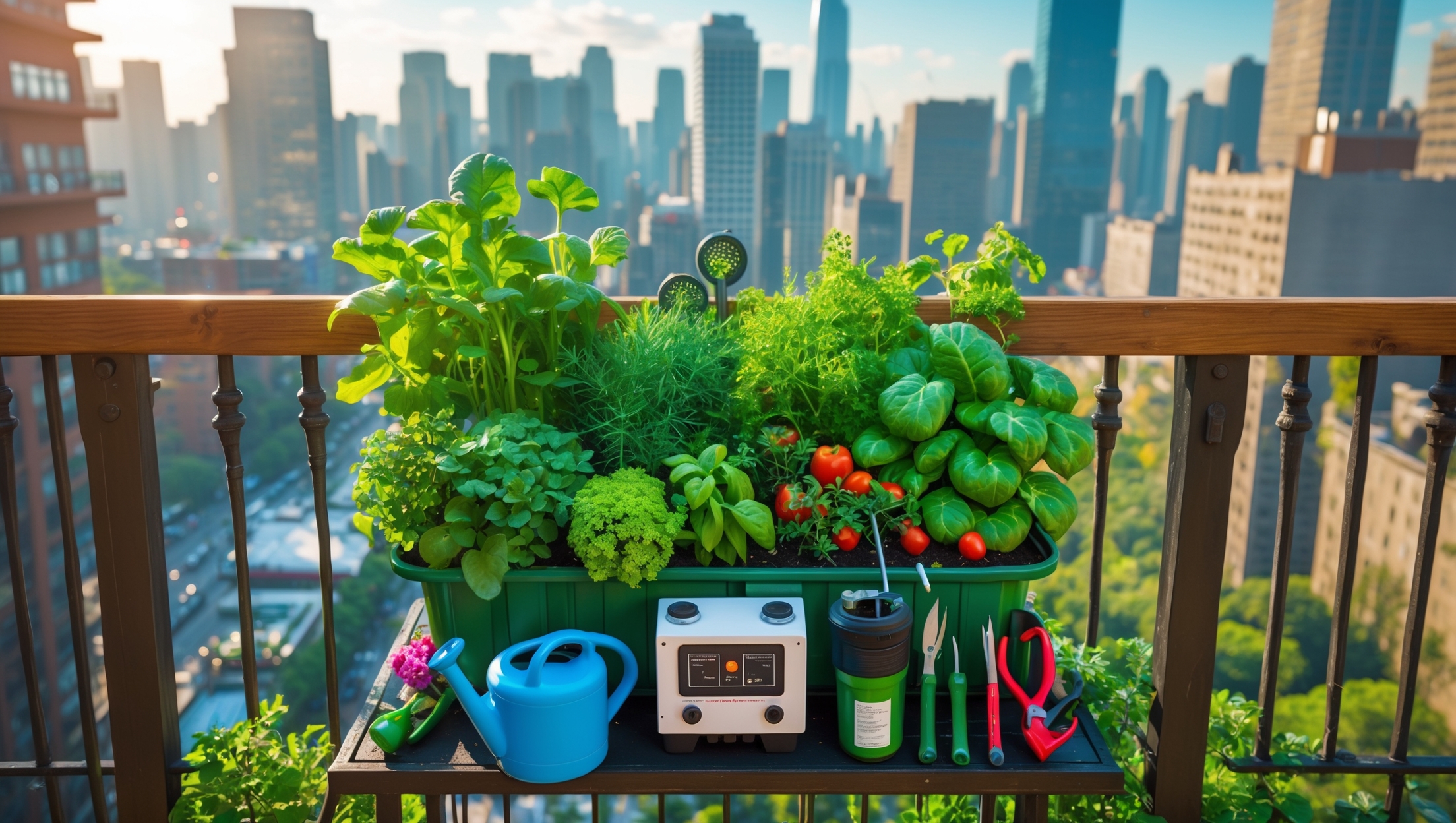
Introduction: The Rise of Mobile Permaculture
As digital nomadism and long-term travel become increasingly popular, the desire for self-sufficiency and sustainability on the road has never been stronger. Many travelers relish exploring new cuisines, but few realize the unique opportunity to grow their own food—even while constantly on the move. Enter portable permaculture: the art and science of cultivating edible plants, herbs, and microgreens in flexible, compact systems that fit into suitcases, vans, or temporary apartments. For expats, van-lifers, and travel enthusiasts eager to supplement their diets or reduce their ecological footprint, mobile permaculture offers both a rewarding hobby and a practical solution to fresh food access. This in-depth guide explores the tools, setups, real-life case studies, and step-by-step strategies to help you grow food anywhere, from urban rooftops in Bangkok to campervans in Patagonia. Whether you’re a seasoned gardener adapting to a nomadic lifestyle or a complete beginner, you’ll discover actionable advice, essential equipment guides, and inspiring stories that prove you don’t need a fixed address to harvest your own greens.
Understanding Portable Permaculture: Principles and Possibilities
What is Permaculture?
Permaculture is a design philosophy rooted in mimicking natural ecosystems to create sustainable, self-maintaining agricultural systems. Traditionally practiced on homesteads and farms, its ethics—care for the earth, care for people, and fair share—translate beautifully to portable formats. Mobile permaculture adapts these principles for compact, modular, and often temporary living situations.
Key Advantages for Nomads and Travelers
- Fresh Food Access: Enjoy homegrown herbs, salads, and vegetables regardless of local markets or food deserts.
- Cost Savings: Reduce grocery bills, especially in countries with expensive produce.
- Health Benefits: Control over food quality, pesticide use, and nutritional content.
- Therapeutic Value: Gardening relieves stress and fosters a sense of connection to place, even temporary ones.
- Sustainability: Lower your travel footprint through composting, reduced packaging, and hyper-local food sourcing.
Essential Tools and Equipment for Mobile Gardens
Container Selection: From Grow Bags to Self-Watering Pots
Choosing the right vessel is crucial. For maximum portability, consider:
- Fabric Grow Bags: Lightweight, foldable, and available in various sizes—perfect for van-lifers and apartment renters.
- Self-Watering Containers: Save time and water, ideal for travelers with unpredictable schedules.
- Stackable Planters: Vertical gardens maximize balcony or small indoor spaces.
- Window Boxes: Suitcase-friendly and easy to attach in temporary rentals.
Growing Mediums: Lightweight and Clean
Standard garden soil is heavy and often prohibited in luggage. Opt for:
- Coco Coir: Lightweight, compressed bricks expand with water, easy to transport.
- Perlite and Vermiculite: Aerates the soil, reduces weight, and improves drainage.
- Pre-mixed Organic Potting Soil: Purchase locally to avoid travel restrictions.
Seeds, Cuttings, and Microgreen Kits
For maximum flexibility, pack:
- Heirloom Seed Packets: Compact and legal in most countries; check local regulations.
- Microgreen Kits: Require minimal space and deliver a fast harvest—often within 10 days.
- Reusable Seed Trays: Durable and nest inside each other for easy packing.
Portable Watering Solutions
- Collapsible Watering Can: Saves space and is easy to stash in a backpack.
- DIY Drip Irrigation: Repurpose small bottles to create slow-release watering systems for when you’re away.
Other Handy Tools
- Mini trowel and folding spade
- Spray bottle for misting seedlings
- Compact pruning scissors
- Biodegradable fertilizer tablets or organic liquid feed
Step-by-Step Setup: Your First Mobile Permaculture Garden
Step 1: Assess Your Space and Light
Whether you’re in a campervan, hostel, or Airbnb, start by identifying available sunlight. South-facing windows, balconies, and dashboard areas make ideal spots. If you’re limited to shade, focus on greens and herbs that tolerate lower light.
Step 2: Choose Your Crops Wisely
- Fast Growers: Lettuce, arugula, spinach, radishes, and microgreens.
- Compact Herbs: Basil, cilantro, mint, chives, and parsley.
- Edible Flowers: Nasturtiums and calendula for beauty and nutrition.
Research local climate and customs; sometimes, trading seeds or cuttings with locals is a great way to expand your selection and build community.
Step 3: Assemble and Plant
- Unpack your containers and fill with your chosen soil mix.
- Moisten the medium thoroughly before planting.
- Sow seeds at the recommended depth or transplant young plants.
- Label your crops, especially in mixed containers.
Step 4: Water and Care
- Check moisture daily, especially in warm climates or heated indoor spaces.
- Rotate containers to ensure even light exposure.
- Fertilize lightly with organic feed every two weeks.
Step 5: Harvest and Regrow
- Harvest leafy greens by snipping outer leaves, allowing the center to keep growing.
- Regrow green onions, basil, or lettuce from kitchen scraps for a continuous supply.
Case Studies: Real Travelers, Real Gardens
Case Study 1: Van-Lifers in New Zealand
Anna and Marc transformed their campervan into a rolling garden with a row of fabric grow bags along the dashboard and a vertical rack at the rear door. They focused on arugula, basil, and cherry tomatoes, using a collapsible watering can and locally sourced compost. The key to their success was regular rotation of containers to maximize sunlight and a simple drip system made from reused water bottles for days spent off-grid.
Case Study 2: Rooftop Balcony in Lisbon
As a long-term Airbnb guest, Samuel utilized stackable planters and window boxes, growing cilantro, lettuce, and nasturtiums. He used coco coir and local perlite, sourcing organic seeds from a neighborhood market. His biggest challenge was wind, so he secured containers with lightweight ties and created a windbreak from recycled cardboard.
Case Study 3: Backpacker Hostels in Southeast Asia
Julia, a solo traveler, carried a microgreen kit and several lightweight fabric pouches. She negotiated with hostel owners to keep her trays on communal windowsills, sharing fresh greens with fellow travelers. Her setup required only a spray bottle and periodic rinsing, making it both social and sustainable.
Overcoming Common Challenges
1. Travel Restrictions and Customs
Many countries restrict the import of seeds and plant material. To avoid issues:
- Buy seeds or soil locally when possible.
- Clean all containers before crossing borders.
- Declare any biological materials and check quarantine rules.
2. Water and Drainage
Portable setups are prone to overwatering or drought. Always ensure containers have adequate drainage and consider using self-watering pots or adding a moisture meter.
3. Pests and Disease
Moving between climates can expose plants to new pests. Carry a small bottle of neem oil or insecticidal soap, and inspect plants regularly for signs of trouble. Isolate new plants before mixing them with your established garden.
4. Light and Temperature Fluctuations
Use reflective surfaces to boost light indoors, and move containers during the day to chase the sun, especially in urban rentals. For cold climates, choose hardy greens and insulate pots with fabric or bubble wrap.
Seasonal Checklist for Nomadic Growers
Spring and Summer
- Start new crops and experiment with succession planting for a continuous harvest.
- Increase watering frequency as temperatures rise.
Autumn
- Focus on quick-maturing greens and herbs.
- Begin composting food scraps in a small, odor-sealed container if local laws permit.
Winter
- Grow microgreens indoors with a compact LED grow light.
- Reduce watering and move containers away from cold drafts.
Compliance, Insurance, and Local Regulations
Permits and Local Laws
Most regions encourage small-scale container gardening, but urban areas may have restrictions regarding rooftop or communal space use. Always check with landlords, hostel managers, or local authorities before installing permanent fixtures or compost bins.
Insurance Tips
While travel insurance rarely covers plants, high-value portable gardening equipment—such as specialized LED grow lights or rare seed collections—may be added as specified items under gear insurance. Photograph items and keep receipts for any claims.
Building Community and Sharing Abundance
Nomadic gardening isn’t just about personal benefit. Sharing surplus with fellow travelers, hosts, or neighbors builds goodwill and can lead to cultural exchanges. Join local gardening groups, swap seeds, or host a mini-workshop at your hostel or co-living space. These connections deepen your travel experience and spread the ethos of sustainability.
Conclusion: Harvesting More Than Food
Portable permaculture isn’t just a quirky hobby for the green-thumbed traveler—it’s a movement that empowers nomads to reclaim agency over their nutrition, wellness, and environmental impact. Whether you’re cultivating a dashboard salad garden in your van, sprouting microgreens on a hostel windowsill, or nurturing herbs on a high-rise balcony, you’re actively weaving sustainability into your journey. The tools and techniques explored here make mobile gardening accessible and productive, while real-life case studies prove its feasibility across continents and living arrangements. By overcoming logistical hurdles—such as water access, border restrictions, and changing climates—you join a growing community of global citizens dedicated to living lightly and eating well, wherever the road leads. So, pack your seeds, grab a grow bag, and start cultivating abundance on the move. The next fresh salad may be only a suitcase away—and the friendships and memories you grow along the road will last even longer than the harvest.
I’m really interested in the idea of growing food on the go, but I’m wondering what types of plants or microgreens are best suited for life in a suitcase or van, especially when moving between very different climates. Could you share some recommendations based on your case studies?
From our case studies, sprouts like alfalfa, mung beans, and lentils are top picks for nomads since they grow quickly, need little light, and thrive in jars or trays. Microgreens such as radish, broccoli, and pea shoots also adapt well, especially since they tolerate wide temperature ranges. Herbs like basil and cilantro can do well in compact containers if you have a small sunny spot. All these options are portable, low-maintenance, and don’t mind frequent moves.
I’m really curious how practical it is to grow food in different climates as a nomadic traveler. For example, do certain plants or microgreens work better when you’re constantly moving between places with different temperatures and light conditions?
Growing food as a nomadic traveler is definitely possible, especially with quick-growing options like microgreens and sprouts. These tend to be more forgiving and adaptable to changes in temperature and light. Leafy greens such as lettuce, kale, and herbs like basil also do well in a range of conditions. Using portable containers or hydroponic setups helps you manage varying climates, as you can move them to the best spot for sun or warmth as needed.
I’m pretty new to gardening and love the idea of mobile permaculture, but I’m worried about keeping plants alive while moving between different climates. Do you have tips for which types of herbs or microgreens are most resilient for someone traveling between states with very different weather?
Herbs like mint, chives, parsley, and oregano tend to be hardy and adapt well to different climates, making them great choices for mobile gardeners. For microgreens, sunflower, radish, and pea shoots are resilient and grow quickly in containers. Choosing compact, fast-growing plants lets you harvest often and replant as needed. Portable containers and regular moisture checks will also help your plants thrive while you travel.
I’m curious about what types of compact systems actually work best for someone living out of a van, especially if you have limited sunlight and need to move often. Do you have recommendations for setups or crops that hold up well to constant travel and changing conditions?
For van life with limited sunlight and frequent moves, compact hydroponic systems or self-watering containers work well. Leafy greens like lettuce, spinach, and hardy herbs such as mint or chives tolerate low light and adapt to movement. Microgreens are another resilient, fast-growing option that need minimal space and can thrive with portable LED grow lights. Choose sturdy containers with secure lids to prevent spills while driving.
You mention portable permaculture setups for places as varied as campervans and urban rooftops. Are there particular challenges nomads face in different climates or countries when trying to grow their own food, and how do they overcome those issues on the road?
Nomads definitely face unique challenges depending on the climate and country. Hot, dry areas can make water access tricky, so many use compact drip systems or self-watering containers. In colder climates, portable greenhouses or insulated planters help protect plants. Travelers also adapt by choosing resilient crops that suit local conditions and by researching local regulations about growing food, especially when crossing borders.
Could you elaborate on the essential equipment you recommend for starting out with portable permaculture as a van-lifer? I’d like to know what gear is truly necessary versus what can be improvised, especially when working with limited space and budget.
For portable permaculture as a van-lifer, start with a few stackable containers or grow bags for plants—they’re lightweight and easy to move. Basic hand tools like a trowel and pruners are helpful, but can sometimes be improvised with sturdy kitchen utensils. A compact watering can or repurposed bottle works for irrigation. For soil, bring a small bag of potting mix; composting scraps in a sealed container is a space-saving plus. Skip bulky items like large shovels or heavy planters—creativity with what you have on hand is key when space and budget are tight.
I’m interested in trying out portable permaculture while traveling in my campervan, but I wonder how travelers handle issues like plant lighting and temperature swings, especially when moving between different climates. Do you have any advice for maintaining stable growing conditions in such variable environments?
Maintaining stable growing conditions in a campervan can be a challenge, but it’s definitely doable with some planning. For lighting, compact LED grow lights are energy-efficient and can supplement sunlight when parked in shady spots. To manage temperature swings, use insulated containers or mini greenhouses, and keep plants away from direct drafts or heating/cooling vents. Monitoring with a small thermometer and adjusting plant location as you travel between climates also helps keep your plants healthy.
You mention that mobile permaculture can help cut grocery costs, which is awesome. Can you give an idea of what the start-up investment looks like for a basic kit that would actually make a difference for a van-lifer on a student budget?
For a van-lifer on a student budget, a basic mobile permaculture kit can be surprisingly affordable. Starter supplies like small fabric grow bags, a few packets of seeds, compact hand tools, and organic soil or compost can cost between $40 and $80. You might also want a small watering can or spray bottle. Salvaged containers and free local compost can further reduce expenses.
You mention that mobile permaculture can help reduce grocery bills and provide fresh food access for travelers. Could you share what the initial setup costs typically look like for a compact system, and how long it usually takes before you start seeing a return in terms of harvested food?
For a compact mobile permaculture setup—like a few sturdy containers, quality soil, seeds, and basic irrigation—you can expect to spend around $50 to $150 to get started, depending on your choices and local prices. If you start with fast-growing crops like greens or herbs, you might see your first harvest in about 3 to 6 weeks, and your investment could begin paying off within a couple of months.
I’m curious how well portable permaculture systems hold up during frequent travel, especially with changes in climate or altitude. Are there particular plants or microgreens that consistently perform well across different environments mentioned, like urban rooftops and campervans?
Portable permaculture systems can thrive with frequent travel if you choose resilient plants. Microgreens such as radish, sunflower, and pea shoots tend to perform well across various climates and altitudes, as they grow quickly and don’t require deep soil. Hardy herbs like basil and mint also adapt well to changing conditions, making them good picks for both urban rooftops and campervan setups. Regular monitoring and adjusting watering routines are key to success when environments shift.
I love the idea of mobile permaculture, especially for traveling families. How do you handle growing food in climates that change drastically as you travel, like going from humid to dry places? Are there certain plants that adapt better when you’re moving across different regions?
Adapting to different climates as you travel does take planning, but it’s definitely possible. Many nomadic growers focus on hardy, fast-growing crops like leafy greens, herbs, and radishes, which can adjust to new conditions more easily. Using containers or portable raised beds helps control soil and moisture too. It’s also helpful to select some local seeds as you arrive in new regions, since they’re already adapted to thrive there.
You mention the cost savings of growing your own produce on the road, but how much time does it actually take to maintain these portable gardens? I’d love to try it, but I worry about keeping up while juggling work and parenting.
Maintaining a portable garden as a traveling nomad usually takes about 15–30 minutes a day, depending on the size and types of plants you choose. Simple setups like herb boxes or small container veggies require less care than larger systems. Many nomads find that involving kids in watering and harvesting helps share the workload and turns it into a family activity.
You mentioned compact systems that can fit into suitcases or temporary apartments—does this approach require any special tools or setups for watering and drainage when you’re constantly on the move? I’m curious how travelers deal with mess and leaks in small spaces.
Traveling gardeners often use self-watering containers or compact hydroponic systems, which help minimize spills and make watering easier in small spaces. Many portable setups have built-in trays or double pots to catch drainage. Some even line their containers with absorbent mats or use lightweight soil mixes to reduce mess. The key is choosing gear designed for mobility and keeping extra towels or plastic sheets handy for extra protection.
I’m new to both gardening and traveling long-term. Can you explain what kind of compact systems work best for growing herbs or greens in a van or rental apartment? Are there specific tools or containers you would recommend for absolute beginners who don’t have much extra space?
For small spaces like vans or rental apartments, compact systems such as window sill planters, vertical wall gardens, or stackable pots are very effective for herbs and greens. Self-watering containers or fabric grow bags are beginner-friendly and take up little room. Look for kits designed for indoor use, which often include everything you need to get started. Choose easy herbs like basil, mint, or lettuce, and place them near natural light whenever possible.
I’m interested in the idea of growing food out of a van or in a temporary apartment, but how do you manage things like watering and lighting when you’re constantly moving between places with different climates and sunlight?
Managing watering and lighting while on the move can be done with a little planning. Many nomadic gardeners use self-watering containers or hydroponic setups that reduce the need to water frequently. For lighting, portable grow lights powered by batteries or solar panels are a popular choice, especially in low-light environments. Adjusting your plant choices to suit your current climate also helps, so consider hardy or fast-growing varieties that can handle some variability.
When you’re traveling internationally and constantly crossing climates, how do you handle the different light and temperature needs for microgreens or herbs in a portable setup? Are there certain containers or systems that work best to buffer those changes?
Adapting to different climates on the move can be a challenge, but many nomads use insulated, opaque containers to buffer temperature swings and protect plant roots from direct sunlight. For microgreens and herbs, stacking trays or portable hydroponic systems with adjustable covers can help regulate humidity and light exposure. Some travelers also bring compact LED grow lights and pack lightweight shade cloths, so they can quickly adapt their setup to the local environment.
Could you share more about the initial costs and space requirements for getting started with portable permaculture systems that fit into luggage or vans? I’m trying to figure out if it’s realistic to start this as a student moving between short-term rentals.
Portable permaculture setups can be quite budget-friendly, especially if you start small. Basic kits with fabric grow bags, compact soil mixes, and seeds may cost between $30 and $100. For van setups, you might invest $100–$300 for stacking containers or self-watering planters. Most systems fit into a suitcase or storage tub and need just a few square feet—think windowsills, balconies, or van shelves. As a student, it’s realistic, provided you have access to sunlight and can manage regular watering.
I’m curious how realistic it is to keep a portable permaculture setup thriving if you’re moving every week or two, especially when dealing with different climates or customs restrictions at borders. Do you have advice for maintaining plant health during constant travel?
Keeping a portable permaculture setup thriving while moving every week or two is quite challenging, especially with climate changes and customs rules. Consider choosing hardy, fast-growing plants that adapt well to different conditions, and use lightweight, modular containers. Research customs regulations before crossing borders to avoid issues. Maintain consistent care by monitoring water, light, and soil needs, and try to set up mini-greenhouse covers for protection. Some nomads opt for sharing or swapping plants with locals at each location to manage these challenges.
For someone new to gardening and living out of a van, what would be the simplest and most budget-friendly portable permaculture system to start with? Is there a basic starter kit or minimum equipment you’d suggest for beginners on the road?
For van life beginners, try starting with a few sturdy containers or recycled buckets, good-quality potting soil, and easy-to-grow seeds like lettuce, herbs, or radishes. A small trowel, a spray bottle for watering, and a tray to catch drips are useful and budget-friendly. You don’t need a fancy kit—just keep it simple and choose fast-growing, low-maintenance plants that can handle limited sunlight and space.
Could you share more about how people deal with different climates and local laws when growing edible plants while traveling between countries, especially for van-lifers moving across regions like Patagonia or Asia?
Traveling nomads often choose hardy, adaptable plant varieties that can handle a range of climates, focusing on portable container gardens or compact hydroponic systems. They watch local weather closely and adjust their setups seasonally. Regarding laws, they research each country’s regulations about importing seeds or plants, as some borders are strict to prevent pests or invasive species. Many connect with local growers for advice and often buy seeds or cuttings locally to stay compliant and ensure plants suit the environment.
Since you mentioned both vans and temporary apartments, how do the equipment needs and daily routines differ between living on the road versus staying in short-term rentals when it comes to growing food? I’d like to understand what challenges I might face in each situation.
Living in a van, you’ll need compact, lightweight setups like small hydroponic kits, portable grow lights, and containers that can handle movement. Daily routines often involve checking plants more frequently due to changing environments. In short-term rentals, you usually have more space and stability, making it possible to use larger pots, window gardens, or vertical systems. However, you may need to adapt to unfamiliar lighting and avoid damage to the property. Each situation requires different planning, but mobility and space are the main challenges you’ll navigate.
I noticed you mention cost savings as one of the key benefits of mobile permaculture. Could you expand a bit on the initial investment required for setting up a compact permaculture system, especially for someone starting with no gardening supplies at all?
Starting a compact permaculture system as a nomad usually involves some initial investment, though it can be tailored to your budget. Basic supplies might include portable containers, quality soil or compost, seeds, and simple tools, which could total anywhere from $50 to $200 depending on quality and quantity. Upcycling containers and sourcing seeds through swaps can help lower costs. Over time, the system pays off by reducing food expenses and waste.
I see you mention the potential cost savings from growing your own greens while traveling. Could you share more details on the initial investment and upkeep costs for a basic mobile permaculture system, especially for someone just starting out with limited gardening experience?
For a basic mobile permaculture setup, initial costs can be kept low by starting with upcycled containers, simple soil mixes, and easy-to-grow greens like lettuce or spinach. Expect to spend around $30–$60 on seeds, soil, and basic tools. Upkeep costs mainly involve occasional soil amendments and seeds, usually under $10 per month. These small-scale setups are ideal for beginners and can be expanded gradually as you gain confidence.
In the article you mention growing food in small spaces like suitcases and vans. Could you share which specific portable setups are most practical for someone just starting out, particularly if they’re on a tight budget and have limited gardening experience?
For beginners with limited space and budget, fabric grow bags or upcycled containers like plastic tubs or buckets work well. These are lightweight, easy to move, and don’t require special skills to set up. Start with hardy plants like herbs or leafy greens, as they adapt well to small, portable environments. Just make sure whatever container you choose has drainage holes.
I’m interested in setting up a mobile permaculture system for travel through both urban and remote areas. Could you clarify which specific edible plants or microgreens tend to thrive best in compact, constantly moved setups like suitcases or vans, especially given variable lighting and temperature conditions?
For compact and portable setups, microgreens like sunflower, radish, pea shoots, and broccoli are great choices because they grow quickly and tolerate variable light. For edible plants, consider leafy greens such as lettuce, arugula, and spinach, as they can adapt to containers and fluctuating temperatures. Herbs like basil, cilantro, and mint also work well in small spaces and can handle some movement. Just make sure to use lightweight containers and monitor moisture closely, as mobile setups can dry out faster.
I’m curious how feasible it is to keep edible plants thriving in a moving van, especially when dealing with changes in weather or limited sunlight. Do you have recommendations for the most resilient herbs or greens that are easy for beginners to start with while on the road?
Keeping edible plants thriving in a moving van is definitely possible with a bit of planning. Choose resilient herbs like mint, chives, parsley, and oregano—they tolerate variable conditions and are forgiving for beginners. For greens, try lettuce, arugula, or spinach, which can grow in smaller containers and adapt well. Use lightweight pots, secure them for travel, and consider a small grow light if sunlight is limited. Remember to water regularly and adjust placement to avoid temperature extremes.
For someone completely new to gardening and planning to travel overseas, how difficult is it to get started with mobile permaculture? Are there low-cost equipment options or beginner-friendly setups that don’t require a lot of maintenance while on the move?
Mobile permaculture can actually be quite accessible for beginners, even if you’re traveling. Many nomads start with simple setups like fabric grow bags or small container gardens, which are affordable and easy to move. Portable self-watering pots or recycled containers help keep maintenance low, and you can grow hardy herbs or greens that don’t need much care. Start small, experiment with different containers, and gradually expand as you get more comfortable.
You mention that mobile permaculture can help reduce grocery bills, especially in places with expensive produce. For someone completely new to growing food, how much initial investment would you estimate is needed to set up a compact, nomad-friendly garden for fresh greens and herbs?
For someone just starting out, setting up a compact, nomad-friendly garden for fresh greens and herbs can be quite affordable. With some basic containers, quality soil, seeds, and a few simple tools, you could get started with an initial investment of $30–$60. Many travelers use recycled containers and focus on easy, quick-growing plants like lettuce or basil to keep costs low. As you gain experience, you can expand or adjust your setup as needed.
I’m curious about how practical it is to maintain a portable permaculture setup if you’re frequently crossing international borders. Are there any legal or logistical challenges when traveling with soil, seeds, or live plants in your suitcase or van?
Carrying soil, seeds, or live plants across international borders can be tricky due to strict customs and biosecurity regulations in many countries. Authorities often restrict or prohibit these items to prevent the spread of pests and diseases. Practically, it’s much easier to source seeds and soil locally at each destination, and focus on transportable tools or knowledge rather than physical plants. Always check local regulations before attempting to travel with any agricultural materials.
You mentioned mobile permaculture can help cut grocery costs, which sounds awesome. Could you elaborate on what kind of initial investment is needed for essential equipment to get started as a beginner, and if there are budget-friendly options?
Getting started with mobile permaculture doesn’t have to be expensive. Essential equipment includes portable containers or grow bags, quality soil or compost, seeds, and basic tools like a trowel and watering can. You can often repurpose items like buckets or old totes as planters to save money. For a basic setup, expect to spend $30-60 if you buy things new, but using recycled materials can bring costs down even further. Many beginners start small and expand as they learn what works best for their travel style.
I’m curious how portable permaculture systems compare in cost and yields to just buying produce while traveling. Do the upfront expenses and ongoing maintenance pay off for someone moving countries every few months, or is it more of a hobby than an economic benefit?
Portable permaculture systems often require an initial investment in equipment, seeds, and soil, plus ongoing maintenance. For someone moving countries every few months, the costs and effort usually outweigh the direct savings compared to buying produce locally. Yields are typically modest given limited space and time. Many nomads find the biggest benefits are personal—fresh food, sustainability, and enjoyment—rather than financial. It’s more a rewarding hobby than a consistent economic advantage for frequent travelers.
I’m curious about how portable permaculture setups deal with customs regulations when crossing international borders, especially with soil, seeds, or live plants. Have you come across any strategies or tips that nomadic growers use to avoid issues with plant quarantine laws?
Nomadic permaculturists often avoid carrying soil, seeds, or live plants across borders to prevent customs issues. Instead, they source seeds and materials locally once they arrive in a new country. Some also use sterilized potting mixes or hydroponic setups that don’t contain soil. It’s common to research local regulations in advance and to connect with local growers or seed libraries upon arrival to stay compliant with plant quarantine laws.
I noticed you mentioned growing microgreens and herbs while traveling. How do portable permaculture setups handle common issues like inconsistent sunlight in different locations or limited access to water? Are there specific strategies you recommend for nomads facing these challenges?
Portable permaculture setups often use lightweight containers and trays for microgreens and herbs, making it easy to move them into sunnier spots as needed. For inconsistent sunlight, try using reflective materials or portable grow lights if you have access to power. To address limited water, self-watering containers or capillary mats can help, and collecting rainwater or carrying collapsible water bags is practical. Choose fast-growing, resilient plants that tolerate some variation in conditions to make your nomadic garden more adaptable.
I’m interested in the equipment needed for portable permaculture on the road. Do you recommend any specific compact systems that work best in small vehicles like vans, and how do they handle movement and limited sunlight during travel days?
For small vehicles like vans, modular hydroponic or aeroponic systems are popular because they save space and are less messy. Stackable grow towers or compact container gardens with deep trays are also practical. To handle limited sunlight, many nomads use battery-powered grow lights. During travel, securing the systems to prevent spills is key—look for units with tight lids and stable bases. Choose hardy, low-light-tolerant plants for best results on the road.
The article mentions growing food in places like campervans and temporary apartments. For someone just getting started with no gardening experience, what would be the simplest edible plants or microgreens to try first, and how much time does daily maintenance typically take while on the road?
For beginners on the move, microgreens like radish, sunflower, and pea shoots are some of the easiest to start with. They grow quickly, need minimal space, and don’t require special equipment. Daily care is simple: mist or water them once or twice a day and make sure they have some indirect sunlight. Usually, you’ll spend just 5–10 minutes per day on maintenance.
I’m curious how realistic it is to grow enough food in a van or suitcase setup to actually supplement your diet in a meaningful way. Do people end up growing just herbs and microgreens, or have you seen setups that support things like tomatoes or peppers for travelers?
Growing food in a van or suitcase is usually best for fast-growing and compact crops like herbs, microgreens, and maybe some leafy greens. These can supplement your diet but typically don’t provide a large volume. While a few travelers have experimented with compact tomato or pepper plants in containers, yields are usually small due to limited space and light. Most nomads use these setups for small additions to meals rather than full meal replacement.
The article mentions cost savings as a benefit, but how realistic is it to break even or save money when factoring in the initial investment for compact growing setups, especially for someone planning to travel internationally? I’d love to hear examples of what the payback period looks like in real life.
Breaking even depends on factors like the type of setup, travel destinations, and how much food you produce. Compact systems such as portable hydroponics can cost $100–$300 upfront. For nomads who grow herbs, greens, or sprouts, savings can add up in regions where fresh produce is expensive, sometimes offsetting the investment in 6–18 months. If you’re often in places with high food costs, the payback period can be shorter. However, frequent moves and import restrictions might extend the timeline.
As a parent who enjoys traveling with kids, how practical is it to set up a portable permaculture system in a small campervan, and do you have tips on keeping plants healthy while dealing with different climates?
Setting up a portable permaculture system in a small campervan can be practical with some planning. Focus on compact, low-maintenance plants like herbs or leafy greens, and use lightweight containers that can be secured while driving. To help plants handle changing climates, try moving them indoors during extreme temperatures and monitor soil moisture closely. Using self-watering containers and selecting hardy plant varieties will also make it easier to keep them healthy on the road with kids.
I’m new to gardening and travel full-time in my campervan. Can you recommend specific portable permaculture setups or kits that are easy to manage for beginners, especially with limited space and sunlight? I’m curious how practical it really is to grow fresh greens on the move.
Absolutely, growing fresh greens while traveling is quite practical with the right setup. Consider using compact fabric grow bags or stackable vertical planters since they’re lightweight and portable. Microgreens and salad greens are ideal—they need little space and grow quickly. Choose shallow containers for leafy greens and place them near your brightest window or use a small LED grow light if sunlight is limited. Self-watering planters can also reduce daily care, making it easier to manage as you move.
I’m curious how realistic it is to keep up with portable permaculture while constantly moving between different climates and countries. What are some of the biggest challenges nomads face with pests or plant care, and how do they manage those on the road?
Keeping up with portable permaculture while always traveling can be tough, especially with changing climates, unfamiliar pests, and different soil and water conditions. Nomads often deal with pests by using portable barriers, natural repellents, or selecting hardy, pest-resistant plants. For plant care, they focus on low-maintenance crops and use containers or grow bags for easy transport. Regular observation and adapting methods to each new location help manage these challenges on the road.
If I wanted to start a small mobile permaculture project while living in college dorms or moving apartments every few months, what would be the most affordable setup for a beginner, and how much time would I need to maintain it each week?
A great budget-friendly option is to use portable containers or fabric grow bags for herbs and small veggies—they’re lightweight, easy to move, and don’t require much space. Start with low-maintenance plants like basil, lettuce, or green onions. Expect to spend around 1–2 hours per week on watering, checking soil, and occasional trimming. It’s a manageable way to keep things simple and productive while you’re on the move.
For someone new to gardening and bouncing between countries, what are the must-have tools or starter kits you’d recommend for growing microgreens or herbs on the go? I’m interested in minimizing upfront costs and mess since we move pretty frequently with kids.
For growing microgreens and herbs while traveling, compact and reusable items are ideal. Consider a shallow, sturdy tray (plastic or stainless steel), a spray bottle for watering, and packets of fast-growing seeds like basil, cilantro, or radish. Use lightweight, clean growing mediums such as coconut coir or paper towels to avoid soil mess. Many starter kits come with everything included and are small enough for travel, making setup and cleanup easy, especially around kids.
I’m curious about how mobile permaculture setups handle customs or agricultural restrictions when traveling internationally with live plants or seeds. Are there recommended practices or specific types of plants that tend to be easier to transport across borders?
Mobile permaculture practitioners often face strict customs and agricultural regulations when crossing borders with plants or seeds. It’s usually best to avoid transporting live plants internationally, as many countries prohibit or heavily restrict their import to prevent pests and diseases. For seeds, always check local laws—some countries allow certain vegetable seeds if they meet cleanliness standards and are properly labeled. Many nomads recommend sourcing seeds locally upon arrival or focusing on universally accepted, non-invasive varieties. Carrying documentation and original packaging can also help with customs inspections.
Could you share more details on the types of portable systems or containers that are easiest to travel with, especially for someone who flies frequently? I’m wondering what options are lightweight but still allow for decent yields while on the road.
For frequent flyers, fabric grow bags and collapsible felt planters are great options—they’re lightweight, flexible, and easy to pack flat in luggage. Hydroponic grow kits with compact, modular components also travel well and allow for quick setup in new places. Consider starting with leafy greens or microgreens, as they yield quickly and thrive in small containers.
Could you provide more details on how portable permaculture compares to just shopping at local markets in terms of initial cost, ongoing effort, and the types of foods you can realistically grow while constantly moving between different climates?
Portable permaculture usually has a higher initial cost than just shopping locally, since you’ll need equipment like grow bags, soil, and seeds. Ongoing effort is greater, too—you’ll be watering, tending, and moving your plants regularly. Compared to local markets, which offer a wide array of foods, portable growers focus on compact, fast-growing crops like herbs, leafy greens, and some root vegetables. Climate changes also limit what you can grow, so variety is more restricted than at markets.
You mention portable permaculture setups for different living situations, like vans and temporary apartments. Could you give some advice on which types of edible plants are best suited for each environment, especially for someone just getting started with no gardening experience?
For van life, herbs like basil, mint, and chives do well in small pots and need minimal care. Leafy greens such as lettuce and spinach also grow quickly in containers. In temporary apartments with more space and light, you can try tomatoes or peppers in larger pots. Start with easy-to-grow plants like radishes or green onions, as they’re forgiving for beginners and don’t require deep soil.
I’m curious about watering systems for portable setups, especially for people traveling through areas with limited water access or who move between climates. Do you have any tips or product recommendations for compact, efficient irrigation methods that work well for van-lifers in the US?
For van-lifers and nomads, self-watering planters and capillary mat systems are both compact and efficient. You might also consider drip irrigation kits designed for small gardens, which can connect to portable water tanks and use timers for efficiency. Collecting rainwater with collapsible barrels is another good option where allowed. Look for products specifically labeled for container gardening or RV use—they tend to be more water-efficient and space-saving.
I’m really interested in the idea of growing food while moving between countries, but I’m wondering how people manage bringing soil or compost in their suitcase or van, especially considering customs and agricultural laws. Are there alternatives to traditional soil that work for nomads?
Transporting soil or compost across borders can be tricky due to customs and agricultural restrictions—many countries prohibit it to prevent pests and disease. Nomads often use alternatives like coco coir, peat pellets, or hydroponic systems for growing food on the move. These materials are lightweight, clean, and usually allowed in most countries, making them practical substitutes for traditional soil.
I’m curious about how travelers handle local regulations or customs checks when carrying portable gardening setups across different countries. Are there any tips or potential challenges with transporting soil, seeds, or hydroponic systems internationally?
Transporting gardening supplies internationally can be tricky due to strict agricultural regulations in many countries. Soil and seeds often face restrictions or require permits, as authorities want to prevent invasive species and pests. It’s generally safer to avoid bringing soil and check each country’s rules on seeds. Hydroponic gear is usually allowed, but always clean it thoroughly before crossing borders. Whenever possible, buy local seeds and supplies once you arrive. This approach respects local laws and helps you adapt your setup to the region’s environment.
I’m curious about what kind of compact systems work best for growing microgreens or herbs in small spaces like a suitcase or a van. Are there specific setups recommended for complete beginners who want to start with the most portable options?
For beginners aiming for portability, tray-based microgreen kits are ideal—they’re lightweight, need minimal soil or grow mats, and fit easily in a suitcase or van. Stackable container systems with self-watering features are also popular for herbs. Both options require little more than sunlight or a small grow light, making setup and care straightforward even for those just starting out.
For someone just starting out as a digital nomad and wanting to try growing microgreens while moving between Airbnbs, what are the most lightweight and low-maintenance options? Also, how do you handle pests or local climate differences when you’re always in new places?
For a nomadic lifestyle, microgreens like radish, broccoli, or mustard are great—they grow quickly, need minimal space, and require only shallow containers. Use lightweight trays and bring a small spray bottle for watering. To handle pests, inspect seeds and trays before each new setup and consider using mesh covers. For climate changes, choose hardy seeds and avoid windows with extreme drafts or direct sun. Adjust watering based on humidity and always check for mold growth.
I’m curious about what kinds of compact growing setups work best for travelers who are mostly based in campervans versus those renting temporary apartments. Are there specific systems or materials you’d recommend for ease of transport and setup, especially for people crossing between different climates in the US?
For campervan travelers, compact hydroponic kits, fabric grow bags, and stackable planters work well since they’re lightweight and easy to move. For those staying in temporary apartments, small vertical gardens or window-sill planters are effective and simple to set up. Consider modular systems with detachable parts, and use durable, food-safe plastics or fabric materials. For crossing climates, choose adaptable containers and focus on resilient crops like leafy greens and herbs that adjust well. Self-watering features can also be helpful for varying conditions.
I love the idea of growing my own microgreens while traveling, but how do you manage consistent watering and light for the plants if you’re moving between different climates or staying in places without a lot of natural sunlight?
Growing microgreens on the move can be quite manageable with a few tools. For consistent watering, consider using a small spray bottle for misting or use self-watering trays that help maintain moisture. If you’re in places with little natural sunlight, compact LED grow lights work well and can be powered by USB or portable batteries. Adjusting your setup depending on each location’s conditions will help your microgreens thrive no matter where you are.
You mentioned portable systems that fit in suitcases and temporary apartments. For someone on a tight budget, what are some DIY options or affordable starter kits for growing herbs or microgreens on the road? I’m curious about what’s realistically achievable without much initial investment.
For a budget-friendly start, you can use recycled containers like plastic salad boxes, takeout trays, or even empty water bottles as planters for microgreens or herbs. Just add a bit of potting mix or even damp paper towels, scatter seeds, and keep them moist near a window. Starter kits with basic trays and seeds are affordable online, but DIY setups using household items work just as well for travelers who want to keep costs low.
I’m interested in the idea of portable permaculture for van-lifers mentioned in your article. Could you elaborate on any specific challenges with keeping plants healthy when constantly changing climates, especially when traveling through different regions or countries?
Keeping plants healthy as a van-lifer can be tricky, especially with frequent climate changes. Plants may struggle with variations in temperature, humidity, and sunlight. Common challenges include sudden temperature drops, inconsistent watering, and limited airflow inside vehicles. To help, choose hardy plant varieties, use portable grow lights, monitor temperature and moisture closely, and be ready to reposition plants as you cross into new regions with different weather. Careful observation and flexibility are key to success.
I noticed the article talks about reducing grocery bills by growing your own food while traveling. For someone who’s on a tight budget and just starting out, what would be the most cost-effective portable setup to try first, especially if I only have a small van or carry-on suitcase?
If you have limited space like a small van or suitcase, start with compact, lightweight options like sprouting jars or small fabric grow bags. Sprouting seeds such as lentils or alfalfa are very affordable, don’t need soil, and grow quickly with just water and a jar. For greens or herbs, fabric bags can be used with a bit of potting mix and can be moved easily. These setups require minimal investment and space.
I’m curious about the upfront costs for setting up a portable permaculture system that works in a van or small apartment. Is it possible to start on a college student budget or are there affordable DIY options recommended in the guide?
You can absolutely start a portable permaculture system on a college student budget. The article highlights affordable DIY options like using recycled containers, basic grow lights, and simple soil mixes, which keep costs low. Many nomads begin with just a few repurposed jars or boxes for sprouts and microgreens. Scaling up is possible over time, so it’s easy to start small and expand as you learn.
You mention cost savings as a perk, but I’m wondering how much it actually costs to set up a basic mobile permaculture kit that can fit in a van or suitcase. Are there affordable starter systems or is it better to DIY from scratch if I’m on a tight budget?
A basic mobile permaculture kit can be quite affordable, especially if you DIY most components. Starter kits online range from $50 to $200, but assembling your own from containers, compact soil, and seeds can cost as little as $20–$50. DIY lets you customize for your space and budget. Reusing containers and sourcing seeds locally or swapping with others can save even more.
You mention growing edible plants and microgreens in vans and temporary apartments. How do you manage things like drainage and sunlight if you’re moving constantly or staying in places with little natural light?
Managing drainage in mobile setups usually involves using lightweight containers with secure lids and drainage holes, often with a catch tray underneath to prevent spills. For limited sunlight, many nomads rely on compact LED grow lights, which can be powered by portable batteries or the vehicle’s electrical system. Positioning plants near available windows and rotating them as needed also helps when natural light is scarce.
I’m intrigued by the idea of growing microgreens and herbs while traveling, but I’m wondering how you handle differences in climate and sunlight in various countries. Do the portable setups you mention work just as well in colder or cloudier regions as they do in sunny areas?
Portable setups for microgreens and herbs can be adapted for different climates. In colder or cloudier regions, using compact LED grow lights helps supplement limited sunlight, and insulated containers can protect plants from chilly drafts. You may need to adjust watering frequency since less sunlight means slower growth and less evaporation. Overall, with some tweaks, these setups remain effective almost anywhere you travel.
I am curious about how nomads manage watering and light requirements for portable gardens, especially inside vans or temporary apartments where conditions can change day to day. Are there particular setups or tools that make this easier while on the move?
Nomads often use compact self-watering containers or hydroponic systems with water reservoirs to simplify watering on the road. For light, portable LED grow lights are popular, as they can supplement natural light when parked indoors or in shady spots. Timers and moisture meters help maintain consistency. Many also opt for hardy, low-maintenance plants that tolerate irregular conditions, making mobile gardening more manageable.
Could you elaborate on the essential equipment needed for starting portable permaculture in a temporary apartment versus a campervan? I’m trying to figure out what’s truly necessary and what might be overkill, especially when traveling internationally on a tight budget.
For a temporary apartment, focus on lightweight, compact items like fabric grow bags, small LED grow lights, and collapsible watering cans—these are practical and easy to pack. In a campervan, prioritize space-saving vertical planters and portable solar lights, plus a sturdy storage box for soil and seeds. Avoid bulky raised beds or heavy ceramic pots. Stick to multipurpose tools and seeds for fast-growing, resilient crops. Minimalism is key when traveling internationally and keeping expenses low.
The article mentions that mobile permaculture can help save money on groceries for nomads. Could you provide examples of which setups or crops offer the best savings versus initial investment costs, especially for travelers on a tight budget?
For travelers on a budget, starting with compact and low-cost setups like bucket gardens, fabric grow bags, or collapsible planters is very cost-effective. Crops like salad greens, herbs (basil, cilantro, mint), cherry tomatoes, and sprouts offer some of the best savings since they grow quickly, require minimal space, and are often pricey to buy fresh. These setups are inexpensive to start and easy to move, making them ideal for nomads looking to supplement their groceries affordably.
You mention growing microgreens and herbs in vans and temporary apartments, but how much time per day or week does portable permaculture usually require, especially for someone with a busy travel schedule? Is it realistic to maintain these systems if I’m not always parked in one place?
Portable permaculture setups like microgreens and herbs are actually quite manageable for busy travelers. Typically, you’d spend about 15–30 minutes a day checking moisture, rotating trays for sunlight, and harvesting. Many tasks, such as watering, can be done quickly. Even if you move frequently, these systems are designed to be low-maintenance—just ensure they’re secure while traveling and have access to light when parked.
I’m interested in the mobile permaculture setups you mention for van-lifers. Are there specific container sizes or plant varieties that work best in limited van space, especially considering sunlight and temperature changes while traveling through different regions?
For van-lifers, compact containers like 5–10 liter pots or window boxes fit well and are easy to secure while driving. Choose hardy plant varieties such as dwarf tomatoes, salad greens, herbs like basil and mint, and microgreens—they adapt well to changing conditions. Since sunlight and temperature can vary, try movable planters and use shade cloth or insulation as needed to protect your plants during extreme heat or cold.
You mention that mobile permaculture can lead to cost savings for travelers, especially in countries where produce is expensive. Could you elaborate on the initial investment required for setting up a portable system, and how long it usually takes to break even compared to buying fresh produce locally?
Setting up a portable permaculture system typically involves initial costs for containers, lightweight soil, seeds, and basic tools. This investment can range from $50 to $200 depending on the scale and quality of materials. For frequent travelers in countries with high produce prices, you might break even within 2–4 months, as homegrown greens and herbs quickly offset grocery expenses. Savings will vary based on what you grow and how much you rely on your own produce.
In your experience, which portable permaculture setups work best for travelers who only have limited luggage space, like those backpacking or constantly moving between rentals? Are there specific container types or plant varieties that stand up better to frequent handling and changes in climate?
For travelers with very limited luggage space, soft-sided grow bags and compact fabric pots are ideal—they’re lightweight, flexible, and easy to pack. Hardy herbs like basil, mint, and chives, as well as microgreens, adapt well to frequent moves and varied climates. Stick to fast-growing, resilient plants and avoid anything with deep root systems. Collapsible watering cans and small hand tools also make portable gardening much easier.
I’m curious about the initial investment for starting a mobile permaculture kit like the ones mentioned in the article. What are the most cost-effective setups for someone living out of a van or moving between temporary apartments?
A cost-effective mobile permaculture kit usually includes lightweight, stackable containers or grow bags, basic hand tools, a small bag of quality soil or compost, and a selection of seeds for fast-growing crops like leafy greens and herbs. For van living, vertical planters and compact LED grow lights can maximize space. If staying in apartments, window planters or balcony rail systems work well. The initial investment can range from $50 to $200, depending on what you already have and the scale you’d like to start with.
I’m curious how the cost savings of mobile permaculture compare when traveling in regions with strict agricultural import rules or high produce prices. Have you or your case studies encountered challenges bringing seeds or plants across borders, and how have you navigated any legal restrictions?
Traveling nomads in the article did report challenges with strict agricultural import rules, especially at international borders where seeds and plants can be confiscated. Some avoided carrying seeds altogether and instead sourced them locally upon arrival, which sometimes increased costs or limited crop choices. Others focused on container gardening with only permitted materials. Navigating these legalities often meant careful research of local regulations, declaring all plant material, and sometimes accepting higher produce prices as a trade-off for compliance and convenience.
I’m intrigued by the idea of growing food while constantly traveling, especially in places like campervans or temporary apartments. Are there certain edible plants or herbs that consistently adapt best to these portable setups, or should I expect to experiment a lot with trial and error in different climates?
Some edible plants and herbs are well-suited for portable, mobile setups, even with changing environments. Herbs like basil, mint, chives, and parsley adapt well to containers and grow quickly indoors or in small outdoor spaces. Leafy greens such as lettuce and spinach also do well in pots. Still, you may need to experiment a bit, since light, temperature, and humidity can vary from place to place, but starting with these resilient options is a good bet.
The idea of growing herbs and greens in a van or temporary apartment sounds awesome, but how do you keep plants healthy when you’re dealing with limited sunlight, temperature changes, or days without watering while on the road?
To keep your plants healthy in a mobile setup, consider using compact LED grow lights to supplement sunlight, especially in darker spaces. Choose hardy herbs and greens that tolerate some fluctuation, like lettuce or mint. Use self-watering containers or add water-absorbent crystals to soil to reduce the risk of drying out when you’re away. Insulate your plant area or move containers to shield them from temperature extremes. Regularly check soil moisture and adjust placement as needed during your travels.
You mention portable permaculture as a way to cut grocery costs, which definitely appeals to me as someone traveling in the US where fresh produce can get pricey. Do you have advice on how to keep plants healthy during long drives or flights, or ways to handle different climate zones efficiently?
To keep plants healthy during travel, use sturdy, well-draining containers and secure them to prevent tipping. For long drives, choose hardy plants like herbs or greens and shield them from direct sun in the car. During flights, smaller, soil-less options like cuttings or seeds are best, since they’re easier to transport and less regulated. To handle different climate zones, select adaptable varieties and bring lightweight row covers to protect against temperature swings. Always check local regulations before bringing plants across state lines.
I’m really interested in the idea of growing microgreens while traveling, but how do you deal with changing climates or different light conditions when you’re moving between places like apartments, vans, or rooftops?
Growing microgreens while traveling is definitely possible! Many nomads use portable trays and grow lights to ensure their plants get enough light, even in dim apartments or vans. For changing climates, choose fast-growing, hardy microgreens like radish or peas, and use lightweight covers to protect from temperature swings. Just make sure to monitor moisture levels closely, as both indoor and outdoor conditions can affect how quickly trays dry out.
As a small business owner who often travels to cities with limited fresh produce, how expensive and time-consuming is it to get started with one of these compact permaculture systems, and are there options for people on tight schedules?
Getting started with a compact permaculture system doesn’t have to be costly or overly time-consuming. Many nomads opt for small, modular setups like grow bags, container gardens, or portable hydroponic kits. Initial costs vary but can be kept affordable with DIY options. Maintenance is usually minimal, especially with self-watering containers or automated systems, making it feasible for those with tight schedules. You can start small and expand as you get comfortable.
The article mentions the cost savings of mobile permaculture for travelers. Do you have any guidance on the initial investment for basic portable systems, and how long it typically takes to see financial savings compared to just buying produce while abroad?
For a basic portable permaculture setup, like small hydroponics or compact container gardens, initial costs can range from $50 to $200 depending on materials and local prices. Many travelers find they start seeing savings within 2 to 4 months, especially if they regularly consume herbs, greens, or certain vegetables. The payback period can be shorter if local produce is expensive or hard to find.