
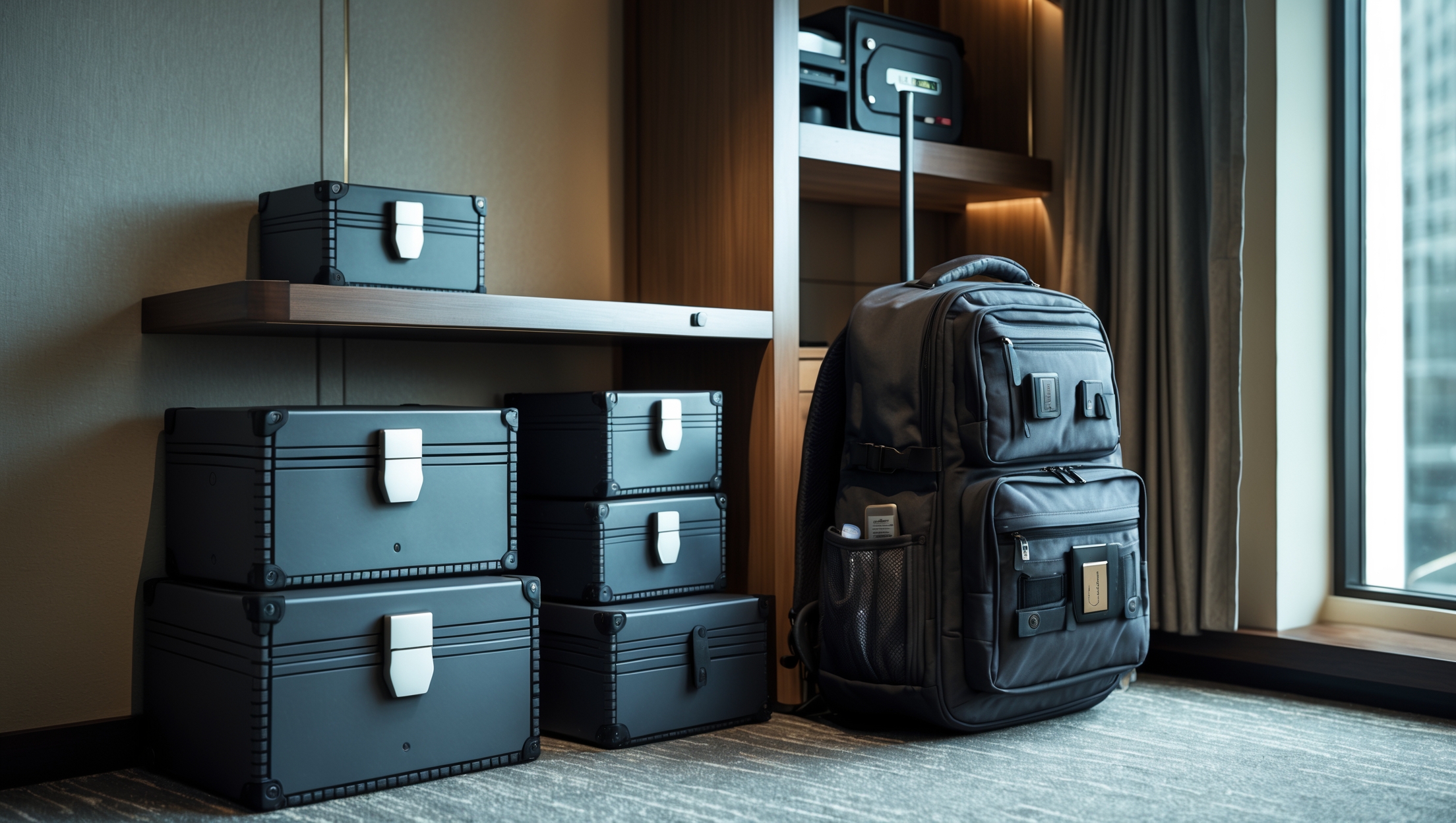
Introduction: The Realities of Securing Valuables on the Move
Traveling or living in temporary accommodations—whether hotels, hostels, or short-term rentals—offers endless opportunities for adventure, discovery, and personal growth. However, one of the most persistent challenges faced by travelers and digital nomads is how to keep their valuables secure. From passports and electronics to sentimental keepsakes and emergency cash, the risk of theft or loss is a genuine concern. Unlike your own home, temporary spaces often have inconsistent security standards, shared access, or minimal privacy, leaving your belongings vulnerable. This guide is designed to demystify the art of safeguarding valuables while on the road, drawing on real-world experiences, expert advice, and practical tools. You’ll learn not just what to pack, but how to assess risks, choose the right security gear, and implement effective habits for peace of mind. Whether you’re a seasoned nomad or preparing for your first extended trip, these insights will help you protect your essentials, so you can focus on enjoying your journey instead of worrying about your possessions.
Understanding the Unique Risks of Temporary Accommodation
Assessing Your Setting: Hotel, Hostel, or Short-Term Rental
Each type of accommodation presents its own security profile:
- Hotels: Generally offer in-room safes and controlled access, but staff and housekeeping may have master keys.
- Hostels: Often involve shared dorms and communal storage, increasing the risk of opportunistic theft.
- Short-Term Rentals: Vary widely in security; may rely on basic locks and lack safes or secure storage options.
Identifying High-Value Targets
Typical valuables include:
- Passports and identification documents
- Laptops, tablets, and smartphones
- Cameras, lenses, and accessories
- Jewelry and sentimental items
- Credit cards and emergency cash
Common Threats to Be Aware Of
- Room theft (by strangers or staff)
- Opportunistic theft in shared spaces
- Break-ins due to weak locks or visible valuables
- Accidental loss or misplacement
Choosing the Right Security Tools and Equipment
Portable Safes and Lockboxes
Modern travel safes are lightweight, compact, and made from slash-resistant materials. Look for models with:
- Steel-reinforced cables for attaching to fixed furniture
- Combination or key locks
- Water-resistant and fire-resistant features, if possible
Pacsafe and Anti-Theft Bags
Anti-theft travel gear incorporates cut-proof straps, RFID-blocking pockets, and locking zippers. Popular brands like Pacsafe offer backpacks and crossbody bags that deter “slash-and-grab” theft and keep your valuables close.
Door and Window Security Devices
- Portable Door Locks: Add a layer of security that works on most inward-opening doors, preventing unauthorized entry even when staff have a key.
- Travel Door Alarms: Emit a loud sound if the door is opened unexpectedly, acting as both deterrent and alert.
- Window Locks: Small, adhesive or clamp-style locks for securing sliding windows or balcony doors in rentals.
Secret Stash Containers
Items disguised as everyday objects—such as soda cans, hairbrushes, or toiletries—allow you to hide cash and small valuables in plain sight. Use these in combination with more robust security options.
Digital Security: Encryption and Backup
For laptops and external drives, enable full-disk encryption and use strong passwords. Regularly back up important data to the cloud or an encrypted USB drive kept separate from your main bag.
Practical Strategies for Everyday Security
Always Lock Up—But Know the Limitations
Use provided safes when available, but understand their vulnerabilities. Many hotel safes can be reset with master codes found online. Supplement in-room safes with your own lockbox or portable safe, secured to an immovable object.
Divide and Conceal
- Never keep all your cash, cards, and documents in one place.
- Store backups in a separate bag, lockbox, or with a trusted travel companion.
- Use decoy wallets or small amounts of cash in easy-to-reach places to deter persistent thieves.
Minimize What You Carry
Only bring what you need for the day; leave non-essentials locked away. Avoid flashing expensive gear or jewelry, and keep your luggage tidy so you can quickly spot if anything is missing.
Be Discreet with Staff and Strangers
- Don’t discuss your valuables, travel plans, or room details in public areas.
- Politely decline room cleaning unless necessary, and consider using “Do Not Disturb” signs.
Insurance: Protecting What You Can’t Secure
Even with the best precautions, loss can happen. Travel insurance that covers valuables (including electronics and jewelry) is essential. Review the policy for:
- Coverage limits per item and in total
- Proof-of-ownership requirements
- Exclusions for unattended belongings
Step-by-Step: Setting Up a Secure Space in Any Accommodation
1. Survey the Room and Entry Points
Upon arrival, inspect door locks, windows, and any connecting doors. Ensure all locks function and report deficiencies to management immediately.
2. Identify Secure Anchorage Points
Look for heavy, immovable furniture (e.g., bed frames, plumbing pipes) to attach your portable safe or lockbox. Avoid obvious spots like closet rods or lamp stands, which can be dismantled or moved.
3. Set Up Security Devices
- Install portable door locks or alarms as soon as you check in.
- Secure windows and balcony doors, especially on ground or lower floors.
4. Store and Conceal Valuables
Place high-value items in your lockbox or safe, and stash it out of sight. Use decoy stash containers for small cash amounts. For items too large for the safe, hide them creatively (e.g., inside dirty laundry bags or under false bottoms in a suitcase).
5. Establish a Daily Routine
- Return items to their secure locations after use.
- Double-check locks and alarms before leaving and at night.
- Keep a checklist of your valuables and scan for missing items daily.
Real-World Tips from Experienced Travelers
- Photograph Everything: Take pictures of your valuables and serial numbers. Email copies to yourself for easy reporting if something goes missing.
- Register Electronics: Use manufacturer registration or tracking services (like Apple’s Find My or Samsung’s SmartThings) to locate lost devices.
- Mark Your Bags: Use distinctive tags or small, hidden marks to identify luggage in case of mix-ups or theft.
- Neighborhood Awareness: Research crime rates and recent incidents in your accommodation area before booking.
- Trusted Contacts: Share your accommodation address and emergency contact info with a friend or family member back home.
Myths and Misconceptions About Security in Temporary Accommodation
- “Hotel Safes Are Impenetrable”: Many can be bypassed in minutes. Always use additional security.
- “Nothing Will Happen in a Good Neighborhood”: Theft can occur anywhere. Be vigilant regardless of location.
- “Staff Are Always Trustworthy”: While most are honest, some thefts involve insiders or contractors. Secure your valuables at all times.
- “Insurance Will Cover Anything”: Most policies exclude unattended items or have strict limits. Read the fine print.
Maintenance and Ongoing Security Best Practices
Regularly Check Your Gear
Test locks, safes, and alarms periodically to ensure they haven’t been tampered with or malfunctioned. Replace batteries and update access codes as needed.
Secure Your Digital Life
- Change passwords regularly, especially if using shared Wi-Fi networks.
- Log out of sensitive accounts and avoid saving passwords on communal devices.
Review and Update Insurance and Inventory
Update your travel insurance policy and inventory lists as your collection of valuables changes. Keep digital and physical copies of receipts and documentation.
Conclusion: Peace of Mind Wherever You Go
Ensuring the safety of your valuables in temporary accommodation isn’t just about buying the latest gadgets or hiding your passport in a clever spot; it’s about adopting a proactive, layered approach to security. By understanding the unique risks of each lodging type, investing in appropriate tools, and developing daily habits that prioritize caution, you can dramatically reduce your exposure to loss or theft. Remember, no single device or strategy is foolproof. Effective security is the sum of thoughtful preparation, situational awareness, and the willingness to adapt as circumstances change.
Ultimately, safeguarding your possessions enables you to focus on the true joys of travel and life abroad: making connections, exploring new places, and growing as a person. The peace of mind that comes from knowing your essentials are protected is invaluable—freeing you to embrace every opportunity with confidence. Wherever your journey takes you, these strategies will help ensure your valuables are as safe as possible, so you can make the most of your experience without unnecessary worry. Safe travels, and may your adventures always outweigh your anxieties.
You mention that security in short-term rentals can vary a lot and may not provide safes. If I have to leave important documents behind while we go out for the day, what are some practical steps to make sure they’re hidden or protected without expensive gear?
If you need to leave important documents in a short-term rental without a safe, you can hide them in less obvious places, such as inside a book, between layers of clothing in your suitcase, or within a kitchen container. Avoid common hiding spots like bedside drawers or under mattresses. You can also use zippered bags to keep everything together, and ensure windows and doors are securely locked when you leave.
I’m curious about your advice for small business owners traveling with confidential paperwork or high-value electronics. Are there any budget-friendly security strategies you recommend when a short-term rental doesn’t have a safe or secure storage?
When staying in a place without a safe, consider using portable lockboxes or cable locks to secure laptops and documents inside a closet or suitcase. Keep valuables out of plain sight and use tamper-evident bags for extra peace of mind. Also, back up important files online and avoid leaving sensitive items unattended. These strategies are affordable and can greatly reduce risk during your travels.
As a parent traveling with kids, I have to bring important documents and some electronics for work. Do you have any tips for making sure passports and laptops are secure in hotel rooms, especially if we need to leave them behind during the day for activities?
When leaving passports and laptops in your hotel room, use the in-room safe if available, but double-check that it’s secured to the wall or floor. For extra security, store documents and small electronics in a locked travel pouch or portable safe inside your luggage, preferably out of sight. Keep a backup of important documents digitally, and avoid leaving valuables in plain view. Let the front desk know if you’re concerned, as some hotels offer extra security options or safe deposit boxes at reception.
I noticed you mention that hotel safes can sometimes be accessed by staff with master keys. In your experience, is it safer to use the in-room safe or carry a portable lockbox, especially for things like passports and emergency cash?
Both options have pros and cons. In-room safes are convenient but, as mentioned, hotel staff may have master access. A portable lockbox adds a layer of control—you keep the key or combination—but you’ll need to secure it to a fixed object so it can’t just be carried away. For passports and emergency cash, many travelers find a portable lockbox offers better peace of mind, especially if used discreetly.
I usually book short-term rentals for my family, but they rarely seem to have secure storage options. What are some practical habits or routines to reduce the risk of theft when staying somewhere with just basic locks and no safe?
When basic locks are your only option, take valuables with you whenever possible, or keep them out of obvious sight—avoid leaving things near windows or in plain view. Use lockable travel bags or portable lockboxes for extra protection. If you need to leave items behind, split valuables into separate locations inside the rental. Always double-check that doors and windows are locked, especially before heading out.
We’ll be staying in a short-term rental soon with our kids, and I’m worried since there probably won’t be a safe. Do you have any tips for protecting passports and devices when there isn’t secure storage available?
When a safe isn’t available, keep passports and devices hidden in less obvious spots, like inside a child’s toy or in a bag of clothing. Split up valuables rather than keeping everything together. Consider using portable travel safes or lockable bags secured to heavy furniture. Always lock doors and windows when leaving, and if possible, take important items with you during outings.
The article mentions that short-term rentals can have pretty inconsistent security features. Is there a way to assess how secure a rental is before booking, or any low-cost measures I can take if the place only has very basic locks?
You can get a sense of a rental’s security by checking reviews for mentions of safety, looking closely at listing photos for visible locks or safes, and asking the host directly about doors, windows, and any other security features. If the locks seem basic, consider bringing a portable door lock or doorstop alarm for extra protection. Keeping valuables in a locked suitcase or small portable safe can also add another layer of security during your stay.
If I’m staying in a short-term rental that doesn’t have a safe or any obvious secure storage options, what’s the best way to protect things like passports and electronics when I have to leave them behind for a few hours?
In a short-term rental without a safe, consider hiding valuables in less obvious spots, such as inside a locked suitcase, within clothing layers, or in toiletry bags. Use portable travel safes or lockboxes if you have one. Keep valuables out of sight from windows and doors. Also, take photos of important documents and back up electronic data for extra peace of mind.
You mention that hotels typically have in-room safes but that staff might have master keys. What steps can I take to make using those safes more secure, or are there better alternatives for keeping stuff like passports and cash safe in a hotel?
While in-room safes offer convenience, they aren’t foolproof since hotel staff can access them. For extra security, consider using a portable travel safe that you can lock to a fixed object in your room. Another option is to store valuables in the hotel’s main safety deposit box at the front desk, which usually has tighter security. Always keep minimal valuables with you and use discreet bags or pouches to avoid drawing attention.
For short-term rentals, since security features can be pretty basic or inconsistent, what practical tools or strategies do you recommend for travelers on a tight budget who want some peace of mind about their electronics and cash?
For travelers on a tight budget, consider using a portable, lockable travel safe or small lockbox, which can be secured to a fixed object in your rental. Also, keep valuables out of plain sight and use cable locks for laptops. Splitting up cash and storing it in different locations can reduce risk. If possible, choose rentals with lockable doors or lockers.
When staying in short-term rentals that don’t have safes or much in the way of security, are there any budget-friendly portable lockboxes or security products you would personally recommend based on real usage? I want something effective but not too bulky for travel.
For travel, compact lockboxes like the Master Lock Portable Safe or the Pacsafe Travelsafe are practical options. They’re lightweight, fit in luggage, and can secure passports, cash, and small electronics. Both have steel cables to attach to fixed objects, so you can use them even in rooms without safes. Users report they’re sturdy enough to deter opportunistic theft, while still being easy to pack.
For travelers who tend to stay in short-term rentals that often lack secure storage or safes, what affordable security tools or strategies would you suggest for protecting valuables, especially when you’re out exploring for most of the day?
Portable travel safes are a practical and affordable option—they’re usually lockable and can be secured to fixed furniture. If that’s not available, consider using locking luggage or portable lock boxes. For smaller items like passports or jewelry, use diversion safes that look like everyday objects. Also, keep valuables spread out rather than all in one place, and avoid advertising where you store your things to others in the rental.
When staying in short-term rentals that lack built-in safes, what affordable security tools or DIY strategies do you recommend for keeping valuables like cash and passports secure? I’m especially interested in approaches that don’t require damaging or modifying the property.
For short-term rentals without built-in safes, consider portable lockboxes or travel safes—they’re affordable, easy to pack, and require no installation. You can also use diversion safes, like hollowed-out books or cans, to discreetly store valuables among everyday items. Additionally, keep valuables out of obvious places like bedside tables. If possible, lock your luggage with a TSA-approved padlock for extra security. These strategies require no damage or modification to the property.
You mention that short-term rentals can have widely varying levels of security. Are there red flags or questions guests should ask hosts before booking if they plan to bring expensive electronics or important documents? Any practical screening tips would be really helpful.
Before booking, ask hosts whether the property has secure locks on doors and windows, a safe or lockbox for valuables, and if there are security cameras or staff on-site. Red flags include vague answers, reluctance to share security details, or reviews mentioning theft or break-ins. Also, check if past guests mention feeling secure. It’s wise to clarify if only registered guests will have access to the property during your stay.
You mention that every accommodation type has its own security risks. If I’m staying in a short-term rental without a safe, what would be the most effective and low-cost way to secure my laptop and cash when I need to step out for a few hours during the day?
If your short-term rental doesn’t have a safe, conceal your laptop and cash in less obvious places, like inside a suitcase under clothes or within a kitchen cabinet behind other items. Consider using a portable travel lockbox or cable lock to secure valuables to heavy furniture. Always lock doors and windows when leaving, and avoid telling others you’re carrying valuables. These methods are both effective and budget-friendly.
You mentioned that hotels generally offer in-room safes, but also that staff might have master keys. Are in-room safes actually secure or is there a better way to store valuables at a hotel?
In-room safes do add a layer of protection, but it’s true that hotel staff may have override access. For higher-value items, consider using the hotel’s main safe at reception, which often has stricter controls and documentation. Also, keep a record of your valuables and use discreet luggage locks as an extra precaution. Combining these methods can help increase security for your items.
When staying in short-term rentals that don’t offer any kind of safe or secure storage, what practical steps can you take to protect things like passports and electronics, especially if you’re traveling solo and need to leave valuables unattended for a day?
If your rental doesn’t provide a safe, consider using portable travel safes or lockable bags that you can secure to sturdy fixtures (like pipes or heavy furniture). Keep valuables out of obvious places—avoid drawers and under mattresses. You can also split up valuables in different hiding spots. For extra peace of mind, back up electronic data and carry digital copies of important documents. Let the property owner know you value security and ask if they have suggestions or can temporarily store items for you.
If a hostel doesn’t provide any lockers or secure storage options, what practical steps can I take to keep things like my passport or emergency cash safe, especially when I have to leave the room for most of the day?
If there are no lockers, use a small portable travel safe or lockable bag that you can secure to a fixed object in your room, like a bed frame. Keep valuables hidden in less obvious places, such as inside a pillowcase or among your clothes. Only carry the essentials with you when going out, and split your cash—leave some hidden in your bag and keep some on your person in a money belt or neck pouch.
For students who have to stay in hostels during college trips, what specific strategies would you recommend to secure valuables like laptops and passports when there’s no in-room safe? Are portable locks or luggage safes actually effective in shared dorm settings?
In hostel dorms without in-room safes, portable lockboxes or luggage safes can be quite effective—just ensure they’re made from cut-resistant material and have strong, reliable locks. Secure your valuables to a fixed object, like a bed frame. Always keep essentials like your passport on you when possible, using a money belt or neck pouch. Also, avoid leaving electronics out unattended, and consider using a privacy screen for your laptop.
You mention that hotel staff or housekeeping may have master keys to room safes. Are there any specific precautions or habits you recommend for travelers who have to rely on these safes for valuables like passports and electronics?
If you need to use a hotel room safe, consider storing only what’s absolutely necessary and avoid keeping all your valuables together. Take photos or note serial numbers of electronics, and use a tamper-evident bag if possible. Don’t leave valuables unattended for extended periods, and make a habit of checking the safe before departure each time. For extra security, you might ask if the hotel offers a main safe at reception, which is often more secure than in-room safes.
When you mention that hotel staff and housekeeping might have master keys to in-room safes, are there any particular models or brands of portable safes or locks you’ve found actually fit inside hotel safes for extra protection? I often worry about relying solely on the hotel-provided options.
It’s a smart idea to use extra security. Many travelers find that small portable safes like the Pacsafe Travelsafe or Master Lock Portable Safe can fit inside standard hotel room safes, adding another layer of protection. For compact options, look for soft-sided models or lockboxes no larger than 10 x 6 x 2 inches—these usually fit most hotel safes. Always check the dimensions before your trip to be sure.
You mentioned that hotels often have in-room safes, but staff and housekeeping might have master keys. How reliable are those safes really, and is there anything extra I should do to protect things like passports when staying in hotels?
In-room hotel safes offer some protection but aren’t completely secure, since staff may have override access. For important items like passports, consider using the hotel’s main safe at the front desk, as access is more tightly controlled. You can also store valuables in tamper-evident bags or small portable locks inside the safe to add a layer of security. Always keep digital copies of essential documents just in case.
The article mentions that hostels typically have communal storage, increasing the risk of theft. Have you come across any budget-friendly DIY solutions or portable locks that are effective for solo travelers who can’t always watch their stuff in a shared dorm setting?
Yes, there are several budget-friendly options for solo travelers in hostels. Portable travel safes or lockable steel mesh bags can secure your valuables inside a larger locker or even to fixed objects in your dorm. Small cable locks or flexible steel cords also work well for attaching bags to beds or lockers. For DIY, some travelers use a combination of a sturdy zippered pouch and a cable lock to keep essentials safe when they’re out. These solutions are lightweight and easy to pack.
You mention that in hotels, staff and housekeeping can have master keys to the room safes. Are there any recommended strategies or products for adding an extra layer of protection if I have to leave valuables in a hotel safe?
To boost security when using a hotel safe, consider placing your valuables in a tamper-evident bag or a small portable lockbox before locking them in the safe. You can also use motion-detecting travel alarms inside the safe, which will alert you if it’s opened. For extra peace of mind, document your belongings with photos and keep a record of serial numbers.
You mentioned that hostels often have communal storage and higher risks of theft. Are there any specific habits or types of portable locks that work best for protecting valuables in a shared dorm environment?
In shared dorms, it’s smart to use a small, sturdy padlock for hostel lockers, ideally one with a combination rather than a key. For extra security, consider a portable travel safe or lockable bag for items that don’t fit in lockers. Always store valuables out of sight and avoid leaving them unattended in the room, even briefly. Keeping your items in separate places can also reduce risk if something does go missing.
In the context of running a small business while traveling, do you have any recommendations for keeping client-sensitive documents and electronics secure in short-term rentals, especially when there are no in-room safes available?
For small business owners traveling without access to in-room safes, consider using portable lockboxes or travel safes that can be secured to fixed objects in your rental. Keep sensitive documents digitally whenever possible using encrypted cloud storage, and enable strong passwords and two-factor authentication on all devices. When you’re out, store valuables out of sight in inconspicuous places, and avoid sharing details of your work or valuables with anyone in the accommodation. If available, utilize local bank safety deposit boxes for the most critical items.
If I’m staying at a short-term rental that doesn’t have a safe or any obvious security features, what are some effective but affordable tools or habits you’d recommend for protecting important items like passports or electronics?
If your rental lacks a safe, consider using portable lockboxes or travel safes—they’re affordable and easy to pack. For daily habits, keep valuables out of sight, ideally in inconspicuous places like inside clothing drawers or unused kitchen containers. Always lock doors and windows when you leave, and take smaller items like passports with you if possible. Also, avoid discussing your valuables or routines with people you don’t know well.
Could you share any tips on how to discreetly store high-value business electronics, like laptops or payment devices, when staying in short-term rentals that don’t provide safes or secure storage?
For high-value electronics in rentals without safes, consider using lockable travel cases or portable lockboxes, which can be secured to heavy furniture. Hide devices in inconspicuous places like clothing drawers, inside folded garments, or amongst everyday items. Avoid obvious spots like under beds. If feasible, take small electronics with you when you leave. Also, use privacy covers and password protection on your devices for added security.
You mention that short-term rentals often vary in terms of security and might not have safes available. Do you have any suggestions for portable security devices or techniques that are effective but still TSA-friendly and easy to travel with?
Absolutely. Compact cable locks or portable travel safes made of cut-resistant materials are TSA-friendly and fit easily in luggage. You can use a cable lock to secure bags or items to fixed furniture in your room. RFID-blocking pouches for passports and cards are also handy. For added privacy, consider a portable door alarm or wedge; they alert you to unauthorized entry and are lightweight for travel.
I see you mention that hotels usually have in-room safes, but staff or housekeeping might have master keys. Do you have any practical tactics for making sure valuables stay safe in those cases, especially for things like passports or extra cash?
If you’re concerned about hotel staff having access to in-room safes, consider using a portable travel safe or a lockable bag that you can secure to a fixed item in your room, like a pipe or closet rod. For especially important items like passports or extra cash, you could keep them with you in a concealed travel pouch or money belt when possible. Splitting up your valuables and hiding them in less obvious spots, such as inside a sock or in a toiletry bag, adds an extra layer of security.
I noticed you mention that hotel staff might have master keys to in-room safes. How secure are those safes really, and is it safer to use a portable travel safe for things like passports and cash?
In-room safes in hotels offer some protection, but staff often have override codes or master keys for emergencies, which means they’re not completely secure against unauthorized access. A portable travel safe adds an extra layer of security since only you have access. For highly valuable items like passports and cash, using a portable safe—especially one that can be tethered to a fixed object in your room—can be a safer choice.
You mention that hotels often have in-room safes, but staff may have master keys. Are there any specific steps you recommend for making the most of a hotel safe, or times when it’s actually safer to use a portable lockbox instead?
When using a hotel safe, set a unique PIN and avoid storing all your valuables in one place. Always double check that the safe is locked before leaving the room. For high-value or irreplaceable items, a portable lockbox can add security—especially if you can secure it to an immovable object. If you’re unsure about staff access or the room safe looks old or unreliable, the portable lockbox is often the safer choice.
I noticed you mentioned that hotels typically offer in-room safes but staff might have master keys. In your experience, are in-room safes generally secure enough, or should I use additional security measures for things like emergency cash and electronics?
In-room safes in hotels offer a basic level of security, which is often enough for storing minor valuables. However, because staff may have master keys or override codes, they’re not foolproof. For higher-value items like emergency cash and electronics, consider using additional precautions such as portable travel safes, locking luggage, or storing valuables at the hotel’s main safe deposit box if available.
You mentioned that hotels often have in-room safes but staff may have master keys. In your experience, is it actually safer to use those safes, or would you recommend travelers use portable security devices instead?
In-room hotel safes offer some protection against opportunistic theft, but it’s true that staff might have access via master keys. For extra peace of mind, especially with high-value items, portable security devices such as travel safes or lockboxes can add another layer of security. Using both options together—placing valuables in the hotel safe and securing them within a portable device—often provides the best balance of convenience and safety.
When you mention that hotels have in-room safes but staff might have master keys, do you have any advice for making use of those safes more secure? Are there any practical steps travelers can take to make unauthorized access by staff less likely?
It’s wise to be cautious with in-room safes, since hotel staff can sometimes access them with master codes or keys. To enhance security, you can place a tamper-evident tape or sticker over the safe’s seam—if it’s broken when you return, you’ll know it was opened. Avoid storing all valuables together, and consider carrying especially important items with you or using the hotel’s main safe at reception, which usually has stricter controls and logging.
I see you mentioned both in-room safes in hotels and the issue of staff having master keys. How reliable are those safes in practice, and are they generally safer than just keeping valuables hidden in your luggage or using a portable lockbox?
In-room safes add a layer of convenience, but since hotel staff can access them with master keys or codes, they’re not fully secure. Hiding valuables in your luggage offers little protection if someone searches your room. A portable lockbox, especially one you can secure to a fixed item, is generally safer than either option. For maximum security, consider combining methods—use the safe for less critical items and a lockbox for your most valuable belongings.
You mention that hotel safes can be accessed by staff or with master keys. Are there any practical steps I can take to make using these safes more secure, or should I consider using personal security devices instead when staying in hotels?
Hotel safes do offer convenience, but their security isn’t foolproof since staff may have master keys or codes. To boost safety, use the safe for less valuable items, and consider also using portable travel safes or lockboxes for your most important valuables. Keeping high-value items with you when possible is ideal. You can also use tamper-evident bags inside the hotel safe to detect unauthorized access.
You mentioned that hotels usually have in-room safes, but staff might have master keys. How effective are portable travel safes or lockboxes as an extra layer of security compared to just using the room safe, and are they worth the investment for travelers on a tighter budget?
Portable travel safes or lockboxes can offer added peace of mind, especially if you have concerns about hotel staff access to in-room safes. While they aren’t foolproof, they add a physical barrier that can deter opportunistic theft. For budget-conscious travelers, there are affordable models available, and many are compact and lightweight. They’re particularly useful in shared accommodations or hostels, and they let you secure valuables to fixed objects, which helps increase security.
Do you have any recommendations for travelers who are staying in short-term rentals that don’t have safes or much in the way of security? Are portable travel safes worth the investment, or are there other tricks that can help keep passports and electronics safe in these situations?
Portable travel safes can be a good investment, especially for securing passports, cash, and small electronics when a rental lacks safes. Look for models with steel cables so you can lock them to fixed objects. Alternatively, hide valuables in unlikely places, use lockable luggage, and split items between bags to reduce risk. Always keep backups of important documents digitally in case something does go missing.
I noticed you mentioned that hostels and short-term rentals have different risks because of communal spaces or weaker locks. If I’m traveling on a budget and have to pick one of these options, which usually offers better security for important things like passports and electronics?
Between hostels and short-term rentals, short-term rentals usually offer better security for valuables like passports and electronics. This is because you’ll typically have a private, lockable space and less foot traffic from strangers. Hostels often have communal areas and shared rooms, which increase the risk. However, always check if the rental has solid locks, and consider bringing a travel lock or portable safe for added protection.
I noticed you mentioned that short-term rentals can have minimal security and might not offer safes. As a small business owner who travels with sensitive client documents, what practical steps do you recommend if I can’t find a property with secure storage options?
If your accommodation doesn’t offer secure storage, consider carrying a portable travel safe or lockbox to keep sensitive documents secure in your room. Always keep important papers out of sight and locked away when not in use. You might also want to use tamper-evident bags for extra peace of mind. Lastly, never leave valuables unattended and, if possible, take them with you when you’re out for extended periods.
For someone staying in a budget short-term rental that doesn’t offer any kind of safe, what are some affordable ways to secure important things like passports and laptops, especially when the locks on the doors seem pretty basic?
If the locks aren’t reliable and there’s no safe, consider using a portable travel safe or a sturdy lockable bag to store passports and laptops. These items can be secured to fixed objects like pipes or heavy furniture using a cable lock. Also, try to keep valuables out of obvious spots such as drawers or under the bed. For important documents, carrying digital copies on a secure, password-protected device provides an extra layer of backup.
You mention that hotels usually have in-room safes but staff might have master keys. How secure are these safes in practice, and do you recommend using them or relying on other methods for things like passports and electronics?
In-room safes in hotels add some security, but they aren’t foolproof—staff can often access them with master keys or override codes. For valuables like passports and electronics, consider splitting up storage: keep less critical items in the safe, but for high-value or irreplaceable things, you might use a lockable suitcase or ask to store them in the hotel’s main safe at the front desk, which is generally more secure.
You talk about the risks of hotel staff having master keys and hostels having communal storage. If I have to choose between a hotel room safe and discreetly hiding valuables in my luggage, which option is generally more secure in your experience?
Between using a hotel room safe and hiding valuables in your luggage, the hotel safe is usually the more secure option. While staff might technically have access, room safes are designed to deter opportunistic theft and are less likely to be targeted than easily accessible luggage. If you do use the safe, remember to set your own code and double-check that it locks properly before leaving your room.
For someone staying in a short-term rental where there is no safe provided, what are some practical and affordable tools or strategies you would recommend for storing important documents and electronics securely on a limited budget?
If your rental doesn’t have a safe, consider a portable travel safe or a lockable suitcase—they’re affordable and can deter casual theft. Hiding valuables in less obvious spots, like inside clothing drawers or among toiletries, adds a layer of security. For documents, use a lockable document pouch. Always keep backup digital copies of important papers and, if possible, take valuables with you when you leave the property for extended periods.
For someone who frequently switches between hostels and short-term rentals, is there a particular type of portable lock or storage solution that works well across different accommodation types without taking up too much space in my luggage?
A portable travel safe or lockbox is a popular option for frequent travelers. Look for flexible models made of cut-resistant material with a steel cable, which you can loop around a fixed object in your room. These are compact and lightweight, so they fit easily in your luggage. Additionally, a sturdy TSA-approved padlock can help secure lockers or storage compartments in hostels and rentals.
You mention that short-term rentals can vary widely in terms of security, sometimes lacking even basic safes. What strategies do you recommend for securing valuables in places where there isn’t a safe available and the locks seem pretty basic?
If your accommodation doesn’t provide a safe and door locks feel unreliable, try concealing valuables in less obvious spots—inside unused kitchen containers, behind books, or within clothing. Portable travel safes or lockable bags can add a layer of protection. Always keep valuables out of sight from windows, and if possible, use a cable lock to secure items to heavy furniture. For extra precaution, take photos of your valuables and store digital backups of important documents.
When staying at a hostel with only communal storage available, what practical habits or low-cost gear would you suggest for someone who can’t afford a portable safe but still needs to protect electronics and IDs?
If you don’t have access to a portable safe, use a sturdy lockable bag or backpack and always keep it with you when possible. Store valuables deep inside your luggage, wrapped in clothes to make them less obvious. Consider small cable locks to secure your bag to fixed furniture. Split up your valuables, keeping IDs and electronics separate, to avoid losing everything at once. Finally, back up important data online in case a device does go missing.
I usually travel with my kids, and we often end up in short-term rentals that don’t have safes or secure storage. Do you have any recommendations for affordable portable safes or specific products that work well for families in these situations?
For families staying in short-term rentals without built-in safes, portable travel safes can be a practical solution. Look for small lockable cases made of cut-resistant materials—brands like Pacsafe and Master Lock offer affordable options that can be secured to fixed objects in the room. Cable lock bags are another good choice, as they’re lightweight and easy to pack. Consider using separate pouches for each family member’s valuables for added convenience and organization.
In situations where a hotel safe is not available or feels unreliable, what specific portable security tools do you recommend travelers bring without adding too much extra weight to their luggage?
If a hotel safe isn’t available or seems unreliable, consider bringing a small portable travel safe or lockbox—these are lightweight, often made of cut-resistant materials, and can be secured to immovable objects in your room. A sturdy cable lock or a locking bag is another practical option, especially for securing valuables inside your luggage. Door alarms or portable door locks can also add an extra layer of security to your room without taking up much space in your bag.
You talked about different risks in hotels versus hostels versus short-term rentals. If I’m traveling with expensive camera equipment, which type of accommodation would generally be the safest, or are there specific features I should prioritize when booking a place?
If you’re traveling with expensive camera equipment, hotels usually offer the highest level of security, especially those with in-room safes, CCTV, and 24-hour staff. When booking, prioritize accommodations with secure storage options, strong locks, and good reviews on safety. Short-term rentals can also be secure if they have robust door locks and private entrances. Always avoid leaving valuables unattended in shared hostel rooms.
The article mentions that hotel staff or housekeeping may have master keys to in-room safes. Is there a best practice for keeping especially sensitive items, like client contracts or backup hard drives, truly private when staying in hotels for business trips?
For truly sensitive items like client contracts or backup hard drives, consider using a portable travel safe that you keep locked inside your luggage or attach to a fixed object in your room. Alternatively, ask the hotel if they offer safety deposit boxes at the front desk, as these are usually more secure. If privacy is critical, you may want to keep these items with you whenever possible, rather than leaving them unattended in your room.
You mentioned that hotels usually have in-room safes but staff often have master keys. For someone on a tighter budget who tends to stay in hostels or cheaper rentals, are there affordable security tools or habits that actually make a big difference in protecting valuables like laptops and documents?
Absolutely, there are several affordable ways to secure valuables in budget accommodations. Consider using small portable travel safes or lockable bags for items like laptops and documents. Cable locks let you secure your bag or case to a fixed object in your room. Also, keep valuables out of sight and separate them if possible. Taking valuables with you when you go out, or storing backups of important documents digitally, adds another layer of protection.
For hostels with shared dorms and communal storage, what are some low-cost but effective tools or habits you would recommend for protecting things like laptops and passports when I can’t carry them with me all the time?
For hostels with shared dorms, a small portable lockbox or cable lock is a worthwhile, affordable option to secure your laptop or passport inside communal lockers or to a fixed object. Always use luggage locks even on small bags. Keep valuables out of sight and avoid discussing them openly. Consider splitting up your valuables—keep your passport with you and store your laptop, for example. Photograph important documents as a backup, and check the hostel’s reception for any secure storage options they may offer at little to no extra cost.
Could you explain how to assess whether a short-term rental has adequate security, especially if it doesn’t have a safe? Are there particular low-cost security tools that work well in these situations?
To assess a short-term rental’s security, check for sturdy door and window locks, well-lit entrances, and secure building access. If there’s no safe, consider using portable door alarms, travel safes, or lockable luggage. Door wedge alarms and portable door locks are affordable and effective for adding extra security. Always keep valuables out of sight and avoid sharing access codes or keys unnecessarily.
You mentioned that hostels often have shared storage, which makes me nervous about leaving valuables there. Have you come across any budget-friendly security gear that’s actually effective for storing important items in a hostel setting?
Absolutely, there are several budget-friendly options worth considering for hostels. Portable travel safes or lockable pouches made of cut-resistant materials can be secured to fixed objects like beds or pipes. Small combination padlocks for lockers are helpful as well, and many travelers use RFID-blocking wallets for passports and cards. These items are lightweight, easy to pack, and provide added peace of mind in shared spaces.
As a parent traveling with kids, I’m worried about securing things like passports and essential electronics in places like hostels where we share a room. Are there particular portable safes or locks you’d recommend that work well for families?
For families staying in shared spaces like hostels, look for portable travel safes made from cut-resistant materials—brands like Pacsafe and Master Lock offer good options. These can be secured to fixed objects like bed frames with a steel cable. Also, consider small combination-lock boxes for passports and electronics. Make sure items are always out of sight, and teach your kids to hand valuables straight to you when not in use.
You mentioned that security in short-term rentals can really vary. For someone on a longer stay who doesn’t want to invest in expensive portable safes, are there any low-cost strategies or tools you’d suggest for keeping passports and cash hidden from potential thieves?
Absolutely, there are several low-cost ways to keep valuables like passports and cash safer during a longer stay. Consider using creative hiding spots within your accommodation, such as inside empty food containers, beneath drawers, or taped under furniture. You could also use diversion safes, which are everyday-looking items with hidden compartments that are quite affordable. Splitting and hiding valuables in different locations further reduces the risk of losing everything at once.
You mention that hotels usually provide in-room safes but that staff or housekeeping may have master keys. Are there any practical tips for adding an extra layer of security beyond the hotel safe in this situation?
Absolutely, you can boost security by using a small travel lockbox or portable safe that fits inside the hotel safe. Consider securing it to something immovable if possible. Alternatively, split up your valuables—keep some in the safe and others hidden in less obvious spots in your room. Also, avoid discussing your valuables or safe use within earshot of staff or other guests.
When traveling for business and working remotely, I often have to leave my laptop and sensitive documents in my hotel room. The article mentions in-room safes, but I’ve heard mixed things about their reliability. Are there any additional precautions I should take to secure electronics beyond just using the safe?
Absolutely, while in-room safes offer some protection, it’s smart to add extra measures. Consider using a lockable laptop security cable and keeping valuables out of sight, perhaps inside inconspicuous items or bags. Encrypt your sensitive files, use strong passwords, and enable device tracking features. You can also ask the hotel about secure storage at the front desk for particularly important items.
I noticed you mentioned that hotel safes are available but staff might have master keys. Are there any ways to make using those hotel safes more secure, or should I consider additional locks or portable safes even in hotels?
Hotel safes are convenient, but since staff might have access, they’re not foolproof. For extra security, consider using a portable travel safe or lockbox that fits inside the hotel safe, which adds another layer of protection. You could also use tamper-evident bags for small valuables. Combining these methods can help deter unauthorized access while still taking advantage of the hotel’s amenities.
You mention that short-term rentals can have very basic locks and sometimes no safe at all. If we are staying for several weeks, what’s the best way to store passports and emergency cash, especially if we’ll be out most days exploring the area?
If your rental lacks a safe, consider using a portable travel safe or lockbox, which you can secure to a sturdy fixture in your room. For extra peace of mind, split your passports and cash into separate hiding spots—some in your bag with a lock, some in a concealed spot like inside a shoe or among your clothes. Always keep digital copies of your documents in case of loss.
You mention that hotel staff might have master keys to in-room safes. Are there any practical steps I can take to add another layer of security to valuables stored in hotel safes, especially if we’re staying more than a week?
While hotel safes offer some protection, you can add extra security by using a portable travel safe or lockbox that fits inside the hotel safe, securing items with your own lock. Consider splitting up valuables so they’re not all in one place, and use tamper-evident bags for smaller items. For very valuable items, ask the hotel if they have a secure main safe at reception for guest use, as these are often more secure than in-room safes.
I’m curious about the effectiveness of in-room safes at hotels, especially since staff may have master keys. Would you suggest relying on these safes, or is it safer to use personal security gear for items like passports and electronics while staying at a hotel?
In-room hotel safes do provide some protection against opportunistic theft, but since staff may have access via master keys, they aren’t foolproof. For highly valuable items like passports and electronics, consider using personal security gear such as portable travel safes or RFID-blocking pouches. You could also carry key items with you when possible. Combining these methods increases your security.
You talked about the wide range of security in short-term rentals. For someone who moves around every few weeks and can’t invest in expensive gear, what practical habits or budget-friendly tools would you suggest for safeguarding essentials like passports and electronics when there’s no safe available?
When moving frequently and staying in places without safes, try to keep valuables like passports and electronics with you whenever possible, especially during transit. Use a lockable suitcase or a portable lockbox that fits inside your luggage—these are affordable and add a basic layer of security. Hide essentials in less obvious spots inside your room (like inside shoes or deep in your luggage). Also, avoid advertising your valuables online or to strangers, and consider using digital backups for important documents.
I noticed you highlighted the varying security levels between hotels, hostels, and short-term rentals. For someone on a tight budget who frequently switches between these types of accommodation, what low-cost security tools or strategies would you suggest that are both portable and effective?
For budget travelers who move between different types of accommodation, consider using a compact portable travel safe or combination lockbox for your valuables. Small cable locks can secure zippers on bags or attach them to fixed furniture. Doorstop alarms and portable door locks add extra room security and are lightweight. Always keep an inventory of your items and avoid leaving valuables unattended, even in seemingly secure locations.
In terms of temporary rentals that often lack proper safes, what are some affordable and practical security gear options a college student could use to keep their laptop and passport secure when they’re out exploring?
For a college student in a temporary rental, portable lockboxes or cable locks are budget-friendly ways to secure items like a laptop and passport. You can use a lockbox with a combination code and secure it to a fixed object in your room. Alternatively, a sturdy cable lock can attach your laptop to furniture. Also, consider keeping your passport in a hidden pouch or travel wallet, and avoid leaving all valuables in one place.
For someone staying in a short-term rental that doesn’t offer a safe, what’s the most reliable portable security gear you recommend for protecting laptops and passports, especially if traveling on a budget?
A portable travel safe or lockbox with a steel cable is highly reliable for securing laptops and passports when a rental lacks a built-in safe. Look for compact, slash-resistant options that can be tethered to fixed furniture. They’re affordable and don’t require installation. Additionally, using a TSA-approved luggage lock on your bags adds another layer of security, even when you’re not in the room.
For someone staying in a short-term rental without a built-in safe, what practical, budget-friendly tools or strategies would you suggest to ensure items like passports and electronics stay secure, especially when leaving the property for several hours?
If your rental doesn’t have a safe, consider using a portable travel safe or lockable pouch, which can be secured to a fixed object like a pipe or bed frame. You could also hide valuables in less obvious places, such as inside a laundry bag or a box of food. For small electronics and passports, keeping them in a locked suitcase provides an extra barrier. Always avoid leaving valuables in plain sight, and take high-value items with you when possible.
For travelers staying in short-term rentals where there usually isn’t a safe, what practical steps or affordable security gear do you recommend to keep things like laptops and travel documents secure, especially if the locks seem basic or unreliable?
When staying in short-term rentals without a safe, consider a portable travel safe or lockbox for your valuables—these can be secured to a heavy piece of furniture. Use cable locks for laptops and keep travel documents in RFID-blocking pouches. Always keep valuables out of sight, and take photos of important documents as a backup. If the door lock seems weak, a portable door alarm or travel door lock can add extra security while you’re inside.
The article mentions that hotel staff may have master keys to in-room safes. Are there any practical techniques or extra precautions you suggest to minimize the risk of theft by people with authorized access while staying in hotels?
To reduce the risk of theft by those with authorized access, consider using a portable travel safe that can be locked to a fixed object in your room. You might also store valuables in multiple places rather than a single location. For especially important items, keep them with you when possible, or use the hotel’s main safe at reception, which often has stricter controls and documentation for access.
In your section on short-term rentals, you mention that security can really vary and some places might not have safes at all. Do you have any suggestions for small business owners who need to travel with sensitive documents or electronics but want to avoid carrying around heavy portable safes?
If you want to avoid heavy portable safes, consider using lockable bags or pouches designed for documents and electronics, which are lighter but still provide a level of protection. You might also look into discreet security cables for laptops or cases that can be locked and secured to furniture. Whenever possible, keep items out of sight, use password protection for devices, and store digital backups in case of loss.
When you mention hotel in-room safes, how reliable are they actually in practice? Have you encountered situations where staff or housekeeping could easily access them, and are there any additional steps travelers should take to make those safes more secure?
Hotel in-room safes are convenient, but their reliability can vary. In many cases, staff may have master codes or override keys for emergencies, which means they’re not completely secure from internal access. To add protection, consider using a portable travel safe inside the room safe, or keep high-value items with you when possible. Also, avoid setting obvious passcodes and check for signs of tampering before use.
You talk about different risks in hostels versus short-term rentals. For a student traveling on a tight budget, what are some low-cost but effective ways to secure things like laptops and passports in shared spaces?
For students on a tight budget, small portable lockboxes or cable locks are inexpensive and practical for securing laptops and passports in hostels or shared rentals. Always use lockers provided by the accommodation and bring your own sturdy padlock. When those aren’t available, keep valuables in your bag and use a lockable strap to attach it to a fixed object. Also, distribute your valuables—don’t keep everything in one place, and back up important documents digitally.
When staying in a short-term rental without a safe, what are some practical low-budget tools or DIY tricks you’ve found effective for securing electronics and documents? Are there any specific portable products that have worked well for you?
For securing electronics and documents in a short-term rental without a safe, consider using a portable travel lockbox or a locking cable to secure items to heavy furniture. Simple DIY tricks include hiding valuables in inconspicuous spots like empty food containers or inside clothing drawers. Door and window alarms are also budget-friendly and easy to install for added peace of mind. Portable safe bags with combination locks are popular and lightweight for travel.
You mentioned that hostels often use communal storage which increases the risk of theft. Are there any specific brands or types of portable safes that you recommend for travelers on a budget who stay mostly in hostels?
For travelers on a budget, there are a few well-known portable safes that work well in hostels. Consider brands like Pacsafe and Master Lock, which offer small, lightweight safes or lockable bags that can be secured to fixed objects. Look for options with steel wire mesh and combination locks, as these are harder to tamper with and easy to carry in your luggage.
When staying in a short-term rental that doesn’t offer any kind of safe or secure storage, what’s the best approach for protecting valuables like a passport or laptop? Is there an affordable portable security tool you would suggest for students traveling on a budget?
If your short-term rental doesn’t have a safe, consider using a portable travel safe—a lockable pouch or small box made from slash-resistant material. These can be secured to a fixed object in the room, like a pipe or bed frame, with a steel cable. They’re fairly affordable and lightweight, making them ideal for students. Always keep valuables out of obvious places and carry essentials like your passport on your person when possible.
I noticed you mention that hotels often have staff with master keys, which makes me a bit uneasy. Do you have any tips for making use of hotel safes more secure, or would it be wiser to use personal lockboxes even when a safe is available?
Hotel safes do offer some security, but since staff often have override access, it’s smart to add extra precautions. You could use a personal lockbox inside the safe for another layer of protection, or secure valuables in a tamper-evident bag. Always set your own code and avoid keeping all valuables in one place. For especially valuable items, a personal lockbox is often the safest bet.
When staying in a hostel with shared dorms, what are some creative or lesser-known ways to keep things like passports and cash safe if there’s no private locker available?
If your hostel dorm doesn’t offer private lockers, you can try sewing a small hidden pocket into your pillowcase or a piece of clothing, like inside your jacket. Some travelers use empty toiletry containers (like a deodorant stick or empty sunscreen bottle) to discreetly hide cash and passports. You could also keep valuables in a waterproof pouch and sleep with them under your pillow or inside your sleeping bag. Dividing your valuables into different spots, rather than keeping everything together, adds an extra layer of security.
You mentioned that security standards can really vary in short-term rentals. Are there affordable portable locks or safes that actually work well for families staying just a week or two? I’d love some real-world suggestions that aren’t too bulky or expensive.
Absolutely, there are some practical and affordable options for families. Portable door locks like the Addalock or DoorJammer are lightweight and easy to use, adding an extra layer of security to most doors. For valuables, consider small travel safes or lockable pouches, such as the Pacsafe Travelsafe, which can be secured to fixed objects. These solutions are compact, under $50, and suitable for short stays.
With hostels often having shared dorms and communal spaces, how can I realistically store electronics like laptops and tablets when my teens and I go sightseeing for the day? Are there strategies beyond just locking them in our bags?
In hostels, consider using lockers if available—bring your own sturdy lock for added security. If lockers aren’t an option, ask reception if they offer secure storage for valuables. For extra peace of mind, use anti-theft bags with lockable zippers and consider portable travel safes that can be secured to fixed objects in the room. Always keep valuables out of sight and avoid sharing details about what you’re storing with others.
Do you have any tips for storing valuables in short-term rentals that don’t offer safes or secure storage, especially when the property only has basic locks? I’m concerned about the lack of security compared to hotels.
When your rental lacks a safe, consider using portable travel safes or lockboxes that you can secure to heavy furniture or plumbing. Hide valuables in less obvious places within your luggage, and avoid leaving them out in plain sight. If possible, take small items with you when you go out. It’s also wise to use digital backups for sensitive information. For extra peace of mind, check if your travel insurance covers theft in short-term rentals.
The article mentions that hotels usually provide in-room safes, but staff might have master keys. Are there specific steps you recommend to add another layer of security for valuables in these cases, especially for things like passports and cash?
For extra security, you could use a portable travel safe or lockbox that fits inside the hotel safe—these often require a separate combination or key. Consider dividing your valuables so they’re not all in one place, and keep a record of important documents. Using tamper-evident bags is another way to spot unauthorized access. Always lock your luggage and avoid broadcasting where valuables are stored.
I’m planning to stay in a mix of hostels and short-term rentals this summer, but I’m on a tight budget. What affordable security tools do you recommend for travelers who move between different types of temporary accommodation?
For budget-conscious travelers, portable security tools like combination padlocks, compact cable locks, and small portable safes are great options. Doorstop alarms are also inexpensive and can alert you if someone tries to enter your room. Always use hostel lockers when available, and consider a slash-resistant daypack for valuables you need to keep with you. These tools are lightweight, easy to pack, and useful across different accommodation types.
I noticed you differentiated the security risks between hotels, hostels, and short-term rentals. Are there any affordable security tools or habits you recommend specifically for people staying in hostels with shared dorms and communal storage?
For hostel stays with shared dorms, small portable locks are very affordable and helpful—use them on your locker or suitcase. A simple cable lock can also secure your bag to bunk frames. Always keep important items like cash, passport, and electronics in a compact pouch you can carry with you. Try not to leave valuables unattended, and get into the habit of double-checking your belongings before leaving your bed area.
When you mention that hotel staff and housekeeping might have master keys for in-room safes, do you recommend using those safes or should I look into portable locks or travel safes instead? If so, what’s an affordable option for someone who’s just starting out?
In-room safes do offer some protection, but since staff may have master keys, it’s wise to use extra security for valuable items. Portable travel safes or lockable bags are a good option if you’re concerned. Affordable choices include small cable lock bags or portable safe boxes, which are usually lightweight and under $40. These can be secured to fixed objects in your room for added peace of mind.
In your experience, is it generally safer to trust the in-room safe at a hotel or to use a personal lockbox when storing valuables like passports and electronics? I’m interested in understanding which option provides better protection against both theft by staff and break-ins.
A personal lockbox typically offers better protection than an in-room hotel safe, especially against theft by staff or skilled intruders. Hotel safes can sometimes be accessed by master codes or staff keys, while a lockbox with a strong lock adds an extra layer of security. For maximum safety, keep your lockbox hidden and, if possible, secured to a fixed object in your room.
For short-term rentals that don’t provide a safe, do you have any specific recommendations for portable security solutions that are still effective but don’t require permanent installation? I’m wondering what’s realistic for someone who moves accommodations frequently.
For frequent moves, a portable travel safe or lockbox is a practical choice—look for one with a steel cable so you can loop it around a fixed object in your room. Compact cable locks can also help secure zippers on luggage. Additionally, RFID-blocking pouches keep your cards and passports safe from electronic theft. These options don’t require any installation and fit easily in your luggage.
You mentioned that in-room safes in hotels can still be accessed by staff with master keys. Are there any practical steps or products you recommend to add an extra layer of security for passports and electronics when using these safes?
You can boost security by using portable travel safe bags that lock and can be attached to fixed objects inside your room or safe. Some people also use tamper-evident bags to seal valuables so you’ll know if someone tried to access them. Additionally, consider locking items in a pouch inside the hotel safe and photographing your valuables for extra peace of mind.
You mention that hotel staff and housekeeping may have master keys to in-room safes. What are some practical steps travelers can take to mitigate this risk, and are there more secure alternatives than using the provided hotel safe?
To reduce the risk of unauthorized access to in-room safes, consider using a portable travel safe or lockbox with your own combination or key. You can also ask the hotel if they offer safe deposit boxes at the front desk, which often have stricter access controls. Additionally, keep valuables with you when possible or split them up so no single item is left in one place. These steps provide more control and security than relying solely on the hotel’s in-room safe.
You mention that staff access in hotels can be a risk even if there are in-room safes. For small business owners traveling with sensitive documents, would you suggest using a safety deposit box at the hotel front desk, or are there safer alternatives you’ve come across?
Hotel front desk safety deposit boxes are generally more secure than in-room safes, since access is typically controlled and monitored with dual keys. For highly sensitive documents, you could also consider using off-site bank safe deposit boxes if available, or secure digital copies in encrypted cloud storage as a backup. Always keep a minimal amount of sensitive material on hand when possible, and use tamper-evident bags for added security.
You mention that short-term rentals can really vary in terms of security. If I’m booking one for a family trip, what are the top features or questions I should look for or ask the host to make sure our valuables aren’t at risk?
When booking a short-term rental, ask the host if the property has secure door and window locks, a safe for valuables, and exterior lighting. Check if the building uses access control like keycards or codes instead of easily copied keys. You might also want to ask about security cameras in public areas and whether the area itself is considered safe. Reading recent reviews for mentions of security can provide extra reassurance.
I noticed you mentioned that hotel safes can sometimes be accessed by staff with master keys. Have you found any reliable portable safes or lockboxes that are practical for someone moving frequently between different types of temporary accommodations?
Portable safes and lockboxes can definitely add an extra layer of security when moving between different temporary accommodations. Many travelers find compact safes like the Pacsafe Travelsafe series or Master Lock portable lockboxes both practical and reliable. These typically allow you to secure valuables inside and anchor the safe to a fixed object, like a pipe or heavy furniture, using a steel cable. They’re lightweight, easy to pack, and offer more privacy than hotel safes.
Can you elaborate on how reliable in-room safes in hotels typically are? I’m curious whether staff with master keys pose a significant risk, and if there are additional steps you recommend beyond just using the safe for items like passports and electronics.
In-room safes in hotels offer some deterrence, but they aren’t completely secure—hotel staff often have master keys or override codes. For especially valuable items like passports or electronics, consider using the hotel’s main safe at reception, if available. Also, back up important digital data and keep copies of documents elsewhere. For extra peace of mind, use discreet luggage locks and avoid discussing your valuables openly in public areas.
As a parent traveling with kids, I’m worried about passports and electronics getting stolen in a hotel, especially knowing that staff might have master keys. Do you have any tips for extra steps we can take beyond using the in-room safe?
It’s understandable to be extra cautious when traveling with your family. In addition to the in-room safe, consider carrying a portable travel safe that you can secure to fixed furniture. You can also divide valuables—keep some with you and others hidden in less obvious places like inside a diaper bag or with kids’ clothes. Always lock your bags and avoid leaving all valuables in one place. For passports, using a neck wallet or belt pouch that you wear is a great option when out and about.
If I’m staying in a hostel with only open lockers for storage, do you have any practical tips for safeguarding electronics and passports overnight, especially if my budget doesn’t allow for higher-end security gear?
If you only have open lockers, try using a small, sturdy cable lock to secure your bag or backpack to a fixed point inside the locker. Keep your electronics and passport in a money belt or neck pouch and sleep with them under your clothes or pillow. Wrap valuables in plain clothing to make them less noticeable. Always back up important data online, just in case.
You mention that in hotels, in-room safes are commonly available but staff might have master keys. Do you have any recommendations for additional measures I can take to secure my valuables if I have concerns about hotel staff access?
If you’re concerned about hotel staff accessing the in-room safe, consider using a portable travel safe or a lockable bag that you can secure to a heavy or fixed object in your room. You might also split your valuables between several hiding spots, or keep particularly valuable items with you whenever possible. Avoid advertising that you have valuables, and use do-not-disturb signs to limit room access when you’re away.
When you mention using specific security gear in hostels where storage is often communal, do you have suggestions on affordable tools or habits that can help protect laptops or sensitive business documents, especially if a private room isn’t available?
For hostels with communal storage, consider using a sturdy cable lock to secure your laptop to an immovable object. A portable travel safe or lockbox is a budget-friendly option for important documents. When possible, keep digital copies encrypted on your devices and use password protection. Always keep valuables out of sight and avoid drawing attention to them. If lockers are available, bring your own padlock for extra security.
For someone staying in short-term rentals without a safe, what practical steps would you recommend to secure electronics and passports, especially if they’re on a tight budget and can’t always carry everything with them? Any specific low-cost products or DIY solutions you’ve tried?
If your rental lacks a safe, consider hiding valuables in less obvious places, like inside empty food containers or tucked deep in your luggage under clothing. A simple cable lock can secure electronics to heavy furniture. For passports, use travel pouches or money belts that can be hidden among your clothes. Affordable portable lockboxes are available, but DIY options like locking a small bag with a padlock and hiding it in a hard-to-reach spot also help. Always keep digital backups of important documents just in case.
You mentioned that hotel staff or housekeeping may have master keys to in-room safes. Are there any recommended ways to add an extra layer of security to a hotel safe, or should I avoid using them entirely for really sensitive items?
If you have very sensitive items, it’s best to avoid using hotel safes altogether, as staff often have master access. For an extra layer of security, you can use a portable travel safe or lockbox that fits inside the in-room safe. Alternatively, consider asking the hotel if they offer secure storage at the front desk, which is sometimes more secure than in-room options.
You mentioned that hostels and short-term rentals can have very different security standards. If I have to prioritize, should I be more concerned about theft in a hostel dorm or in a poorly secured Airbnb, and are there specific habits you suggest for each scenario?
Generally, hostels with shared dorms carry a higher risk of petty theft due to multiple people having access to the room. In contrast, a poorly secured Airbnb could be more vulnerable to break-ins from outsiders. In hostels, always use provided lockers or bring a sturdy padlock, and never leave valuables in plain sight. For Airbnbs, check door and window locks on arrival and keep valuables hidden or locked in your luggage when out. Staying alert and discreet with your belongings is important in both cases.
Regarding hotel in-room safes, do you have any recommendations or precautions for travelers who are concerned about staff having master key access? I am especially curious if there are additional steps guests can take beyond just relying on the provided safe.
Hotel in-room safes can offer basic security, but it’s true that staff may have master codes or keys. For extra peace of mind, consider using portable travel safes or lockboxes that you secure inside the safe or elsewhere in your room. Also, keep a list of your valuables and use tamper-evident bags. If you have very high-value items, ask if the hotel has a secure deposit box at reception, which typically has stricter access controls.
The guide talks about how hostels often have shared storage, which makes me a bit nervous. For someone traveling with a laptop and a passport, what tools or strategies would you suggest for keeping those really secure in a shared dorm environment?
In a shared dorm, consider using a portable travel safe or a lockable bag that attaches to a fixed object, so valuables like your laptop and passport aren’t easily snatched. Always keep your passport on you when possible, and use hostel lockers with your own sturdy padlock. For extra peace of mind, backup important documents digitally and avoid leaving gadgets unattended, even briefly.
You mentioned that hotel staff may have master keys to in-room safes. Have you come across any tips or reliable strategies to make using hotel safes safer, or is it sometimes better to carry valuables with you instead? I’m curious how to balance convenience and risk.
Hotel safes offer convenience, but you’re right to be cautious, since staff access is sometimes possible. A practical approach is to use the safe for less critical items and carry your most valuable belongings or sensitive documents with you. For extra protection, you can also use small portable travel safes or lock bags inside the hotel safe. Always keep an inventory of your valuables and consider insurance for irreplaceable items. Balancing risk often depends on how valuable or essential the items are to you and how secure you feel in your accommodation.
For hostels with shared dorms, what’s the most budget-friendly way to secure something like a laptop if the lockers they provide seem flimsy or too small? Should I prioritize a particular kind of security bag or lock?
If hostel lockers are too small or don’t seem sturdy, a portable lockable bag or travel safe is a good, budget-friendly option. Look for anti-slash bags that can be locked to a fixed object like bed frames. When choosing a lock, opt for a sturdy combination or key lock—avoid simple luggage locks. Always keep valuables out of sight and, when possible, carry them with you if you don’t feel confident in the storage options.
I noticed you mentioned that hotel safes aren’t always totally secure since staff might have master keys. Besides using the safe, are there any clever ways to add an extra layer of security for things like passports or laptops while staying in hotels?
Absolutely, you can add extra security by using portable travel safes or lockable bags that attach to fixed objects in your room, like plumbing or furniture. Consider keeping valuables in less obvious places—for example, tucking items inside a sock or a toiletry bag. For laptops, use a cable lock to secure them to a desk or heavy furniture. Always split up your important belongings instead of keeping everything in one spot.
Your guide mentions that hotel staff or housekeeping may have access to in-room safes. Are there any precautions travelers can take to add an extra layer of security for electronics or cash in those situations, or should we avoid using hotel safes altogether?
You don’t have to avoid hotel safes entirely, but taking extra steps is smart. For added security, use tamper-evident bags for your electronics or cash before placing them in the safe, making it obvious if they’ve been accessed. You can also keep valuables in a locked hard-shell case inside the safe. Splitting up valuables and keeping some with you or hidden in your luggage adds another layer of protection.
In situations where a short-term rental doesn’t offer a safe or secure storage, what practical steps do you recommend for protecting important documents and electronics when leaving the property for the day?
If your rental doesn’t provide a safe, consider taking important documents and small electronics with you in a backpack or lockable travel bag whenever you leave. For items you can’t carry, hide them in less obvious places like inside luggage, under clothing in drawers, or within empty containers. Using portable travel safes or lockboxes that can be secured to fixed objects can also add an extra layer of security.
I travel with my kids and often have to bring things like tablets and passports everywhere we go. Based on your article’s tips, which type of accommodation would you say is the safest for families who need to store tech and documents, especially if hotel safes aren’t always reliable?
For families with valuables like tablets and passports, serviced apartments or reputable vacation rentals can be safer than standard hotels. They often offer private, lockable spaces and fewer strangers passing through. You can use portable lockboxes or lockable suitcases for extra security inside your room. Always check for secure building access and consider accommodations with good reviews for safety.
I run a business that requires frequent travel, and I often carry sensitive customer information on my laptop. The article mentions security differences between hotels and short-term rentals. Are there recommended portable safes or tech solutions that work particularly well in settings where there is no in-room safe available?
For frequent travelers carrying sensitive data, portable safes like Pacsafe or Master Lock travel safes are popular options—they’re lightweight and can be secured to fixed objects in a room. For tech solutions, consider using full-disk encryption on your laptop and strong, unique passwords. If you need quick data lockdown, some apps allow remote locking or data wiping. This combination offers both physical and digital protection when no in-room safe is available.
I noticed you mention that hotel safes often exist but can be accessed by staff with master keys. Do you have any practical recommendations for additional steps travelers can take when storing valuables in these safes, or is it safer to use portable locks or safes brought from home?
Hotel safes do offer convenience, but you’re right—they aren’t completely secure since staff may have master access. For extra security, consider using a portable travel safe or lockbox, which you can secure to a fixed object in your room. You can also split up valuables and use discreet hiding spots for less critical items. Taking photos of your valuables for insurance purposes is another good precaution.
You mention that hostels usually have communal storage, which sounds pretty risky. Do you have suggestions for low-cost or DIY methods to keep electronics safe in a hostel setting, especially when you’re sharing a dorm with people you don’t know?
In hostel dorms, consider using a small portable lockbox or travel safe that can be secured to a fixed object like a bed frame. If that’s not an option, wrap your electronics in clothing and place them deep in your luggage, then use a luggage lock. Carrying valuables with you in a discreet daypack, especially when showering or stepping out briefly, is another practical approach.
When assessing short-term rentals for security, are there any telltale signs or red flags in the listing photos or descriptions that can help you anticipate potential risks before booking?
When reviewing listings, check if windows and doors look sturdy or if locks appear flimsy. Photos that hide entry points or omit key areas, like the main entrance, can be a concern. Descriptions that lack details about security features—such as deadbolts, safes, or alarm systems—might indicate minimal protection. Also, be cautious if the property seems in a very isolated area or if the host avoids answering direct questions about safety.
For someone staying in a short-term rental that doesn’t provide a safe or extra security, what practical tools or portable security devices would you recommend, especially if traveling on a tight budget?
If you’re on a budget and your rental lacks a safe, consider using a sturdy portable lockbox or travel safe, which can be secured to a fixed object in your room. Door and window alarms are inexpensive and easy to set up for extra peace of mind. Also, use luggage locks for your bags and keep valuables out of plain sight when you’re away.
When choosing between a hostel and a short-term rental, which one would you say is generally safer for storing expensive electronics like laptops and cameras? I’m traveling on a student budget and want to minimize risks without overspending on security gadgets.
Short-term rentals usually offer more privacy and security for your valuables compared to hostels, as you often have a private room or even the whole place to yourself. In hostels, shared spaces increase the risk unless they provide secure lockers. If you choose a hostel, look for one with sturdy lockers and bring your own lock. For either option, avoid leaving valuables unattended and try to keep them out of sight when not in use.
When you mention that passports and electronics are common targets in temporary lodgings, are there particular budget-friendly security tools or habits that work reliably in hostels, where storage is often communal and access is less controlled?
Yes, in hostels where storage is communal, portable lockboxes or travel safes that can be secured to fixed objects are effective and not too expensive. Always use your own padlock for lockers instead of those provided. Keeping valuables like passports and electronics on you in a small anti-theft bag or money belt when possible adds another layer of safety. Finally, avoid displaying valuables openly and consider splitting up your cash and cards in different secure spots.
You mention that hotels often provide in-room safes but that staff may have master keys. Do you have any advice on how to use these safes as securely as possible, or should travelers consider bringing their own portable lockboxes instead?
While in-room safes offer some protection, it’s wise to take extra precautions since staff may have master access. Use the safe for items you don’t need often, and consider bringing a portable lockbox for your most valuable possessions—these can be locked to sturdy fixtures in your room. If using the hotel safe, set a strong, unique code and avoid sharing it. For extra security, split valuables between the safe and your lockbox.
I noticed you mentioned that hotel staff may have master keys to in-room safes. What strategies or tools do you recommend for travelers worried about this kind of insider access when storing high-value items in hotels?
If you’re concerned about hotel staff potentially having master keys to in-room safes, consider using a portable travel safe or a locking bag with steel cables that can be attached to fixed objects in your room. Alternatively, ask the hotel if they offer secure storage at the front desk, as this is often more secure. For very high-value items, it’s best to keep them with you whenever possible or use a safety deposit box at a bank.
I noticed that short-term rentals can vary a lot in terms of security features. If I’m booking a rental for just a few nights and there’s no safe provided, what are some practical tools or habits you’d recommend that don’t require a big investment?
If your rental doesn’t include a safe, consider using a portable travel lock to secure your room or luggage. You can also keep valuables in a locked suitcase or a small lockbox. Try to store items out of obvious sight, such as inside less-used bags or clothing drawers. As a habit, avoid leaving valuables unattended when possible and take them with you if you’re concerned about security.
You mention that hotel safes can still be accessed by staff with master keys. In your experience, is it safer to use those in-room safes or are there better portable security options for things like passports and cash when staying in hotels?
While in-room hotel safes add some convenience, they aren’t fully secure since staff can access them with master keys or codes. For higher security, consider portable travel safes or lockable pouches that you can secure to fixed objects in your room. These options make it much harder for anyone to quickly remove or access your valuables like passports and cash.
The article mentions that hotels often have in-room safes but staff may have master keys. For someone concerned about internal theft, are there affordable travel security tools or habits you recommend to supplement or replace the use of hotel safes?
If you’re concerned about hotel staff access, consider portable travel safes that can be locked around fixed objects in your room. Cable lock pouches, lockable luggage, and small combination padlocks on your bags also help. Keeping valuables with you when possible, using hidden pouches, and not advertising where you store items are good habits. These options offer extra peace of mind beyond relying solely on hotel safes.
When you mention that hotel staff or housekeeping might have master keys to in-room safes, do you have any practical tips for adding an extra layer of security beyond just using the safe itself? Have you found portable travel safes or personal locks effective in these scenarios?
Adding an extra layer of security is a smart idea. You can use a portable travel safe or lockbox that fits inside the hotel safe for double protection. Some travelers also use tamper-evident tape or zip ties to tell if the safe has been accessed. Small cable locks can secure your suitcase or backpack to fixed furniture, making it harder to move or open. These steps can make it less convenient for anyone with master access to tamper with your valuables.
When it comes to short-term rentals that might just have basic locks and no safes, what are some practical, budget-friendly steps someone can take to hide or secure items like passports and electronics if they plan to be out most of the day?
In short-term rentals without safes, stash valuables in less obvious places like inside a bag of laundry, between clothing layers in your suitcase, or in a kitchen container. Consider using portable lockboxes or travel safes that can be locked to fixed furniture. Avoid leaving items out in plain view, and keep electronic serial numbers recorded just in case. These steps add extra security without much cost.
When staying in a short-term rental that lacks secure storage options, what would be the best way to assess if the existing locks are sufficient, or should I consider bringing my own portable lockbox? Curious about your thoughts on balancing practicality and peace of mind in these cases.
When checking short-term rentals, first examine the main entry door locks, windows, and any interior lockable spaces. If locks seem basic or flimsy, or if you can’t confirm when they were last changed, bringing a portable lockbox or travel safe offers extra security for valuables. This approach keeps your important items protected while letting you relax and enjoy your stay without constantly worrying about theft.
When staying in short-term rentals that lack safes or have only basic locks, what affordable or DIY security tools have you found most effective for keeping items like passports and electronics safe, especially if you’re on a tight budget?
For budget-friendly security in short-term rentals, many travelers use portable door locks or door alarms for added room security. Small cable locks or locking pouches can secure items inside your luggage. Some people hide valuables in everyday containers like empty toiletry bottles or disguise them among clothing. Keep items out of plain sight and split valuables between bags. These simple measures often provide a good layer of protection without spending much.
You mentioned that hotel staff and housekeeping often have master keys to in-room safes. In your experience, is it actually safer to use those safes, or would you recommend travelers rely more on portable lockboxes or other options?
Hotel in-room safes offer convenience, but since staff may have master keys, they’re not the most secure option for very valuable items. For added peace of mind, using a portable lockbox or travel safe that you secure to a fixed object in your room can be safer. Consider combining both methods—store less critical items in the hotel safe, and keep your most important valuables in your own lockbox.
You mentioned that hotel staff and housekeeping may have master keys to in-room safes. Are there any specific steps or extra tools you recommend to further secure important documents like passports in a hotel environment?
To add an extra layer of security for your passports in a hotel, consider using a small portable travel safe that you can lock to a fixed object in the room, like a pipe or closet rod. You might also carry tamper-evident bags—these will show if someone has tried to access your documents. For added peace of mind, keep digital copies of your passport in a secure cloud location just in case.
You talk about how short-term rentals can really vary in terms of security. If I’m staying somewhere without a safe, what’s the best way to secure things like my passport and laptop without spending a lot on travel gear?
If your accommodation doesn’t have a safe, try hiding your passport and laptop in less obvious places, such as inside a bag of clothes or a kitchen drawer. You can also use a portable lockable pouch or bag, which is usually affordable. Avoid leaving valuables out in plain sight and keep them with you when possible, especially if you’ll be gone for longer periods.
If a short-term rental doesn’t have a safe or secure storage options, what are some practical steps I can take to minimize the risk of theft, especially if I have to leave valuables unattended for a few hours during the day?
If your short-term rental lacks a safe, consider hiding valuables in less obvious places, like inside inconspicuous containers or luggage. Keep items out of plain sight and close curtains when you leave. Take photos of your valuables for reference. If possible, use portable lockboxes or small travel safes. You could also store especially valuable items with you or in a secure locker nearby, such as at a train station or luggage storage service.
I noticed short-term rentals can really vary when it comes to security. If a rental doesn’t have a safe or sturdy locks, what are some practical steps or affordable products you’d suggest for securing things like laptops and passports during my stay?
If your rental lacks a safe or strong locks, consider using a portable travel safe or lockbox—these are affordable and can be secured to fixed objects. You can also buy small cable locks for bags or laptops. For added security, keep valuables out of sight, ideally in a locked suitcase, and take important items like passports with you when possible. Always use door wedges or portable door locks to reinforce entry doors during your stay.
I noticed you mention that hotels often have in-room safes but staff may have master keys. If I have a laptop and some emergency cash, does it make more sense to carry them with me everywhere or trust the hotel safe? How do I weigh the risks as a busy parent managing my family’s things?
Balancing safety and convenience can be tricky, especially with a family. Hotel safes offer some protection but, as mentioned, staff may have access. If carrying your laptop and cash everywhere is impractical, consider splitting your valuables: keep emergency cash on you and lock less critical items in the safe. Also, use bags with anti-theft features if you need to take valuables out. Ultimately, choose what feels most manageable given your daily plans and family’s needs.
As a small business owner who frequently stays in short-term rentals for conferences, I’m curious if the article has recommendations specifically for securing sensitive business documents or devices that don’t fit in the standard in-room safes mentioned for hotels.
Yes, the article suggests a few alternatives for items that won’t fit in standard in-room safes. It recommends portable travel safes or lockable storage bags, which you can secure to heavy or immovable fixtures in your rental. It also mentions using discreet hiding spots for documents and keeping devices with you when possible. For added security, you could consider encrypted storage devices for sensitive digital information.
You mentioned security differences between hostels and short-term rentals, but I often travel for business and sometimes need to bring inventory samples. Could you recommend which type of accommodation would be best for storing business-related valuables, or are there specific storage tools that work well regardless of setting?
For business-related valuables like inventory samples, short-term rentals usually provide more privacy and control over access than hostels, making them a safer choice. Regardless of where you stay, consider using portable lockboxes or travel safes that can be secured to fixed objects in your room. These offer an added layer of protection whether you’re in a rental or a hostel.
In situations where a hotel safe is available but you’re concerned about staff access with master keys, what additional precautions would you recommend to keep passports and electronics more secure?
If you’re concerned about hotel staff access to the room safe, consider using a portable travel safe or locking pouch for your valuables, and secure it to a fixed object in the room. You can also keep especially important items like passports with you whenever possible. For electronics, enable strong passwords and tracking features. Finally, photograph your valuables for insurance purposes in case anything does go missing.
When staying in a hostel without lockers or safes, what are some discreet ways you’ve found effective for keeping electronics like laptops and cameras secure from opportunistic theft? Would portable locks or anti-theft bags actually help in this scenario?
In hostels without lockers, portable locks and anti-theft bags can add a decent layer of security—especially if you secure your bag to a fixed object like a bed frame. Also, try hiding valuables inside plain-looking items or packing cubes in your luggage. Keeping electronics with you when possible is best, but these strategies can deter opportunistic theft when you have to leave them behind.
Could you elaborate on how to assess whether a short-term rental has adequate security before booking? I’m especially interested in practical steps for evaluating basic locks and what to do if the rental doesn’t have a safe. Any suggestions for families on a budget?
To assess security, check listing photos for visible deadbolts or secure locks on doors and windows. Before booking, message the host to confirm lock types and ask about extra security features like peepholes or security bars. If there’s no safe, consider bringing a portable travel safe or lockbox. For families on a budget, choose rentals in safer neighborhoods and store valuables out of sight, such as in a locked suitcase, when you’re out.
When staying in a short-term rental that doesn’t offer a safe, do you have any budget-friendly strategies for storing high-value items like laptops or cash? I’m curious what practical tools actually work when the space just has basic locks.
If your rental only has standard locks, consider using portable travel safes or lockable bags—these can be secured to heavy furniture or plumbing fixtures and are fairly affordable. Hide valuables in less obvious places, like inside clothing piles, unused kitchen containers, or toiletry bags. For extra peace of mind, keep items with you when possible and avoid advertising valuables by leaving them in plain sight.
Since hostels often have shared dorms and communal storage, do you have any suggestions for budget-friendly portable locks or cases that actually work in that type of environment? I’m worried that most of the obvious solutions might be too easy to break into.
In shared hostel environments, portable travel safes made from slash-resistant materials (like Pacsafe or similar brands) are a good option—they can be locked to a bed frame or other fixed object. Compact combination padlocks for lockers are better than basic key locks, as keys are easy to misplace. For extra security, consider small lockboxes or cable locks that allow you to secure your bag itself to something sturdy. While nothing is foolproof, combining a tamper-resistant safe with smart usage reduces risk without breaking your budget.
You mention that hotel room safes aren’t always foolproof since staff may have master keys. Are there any portable locks or additional tools you’d recommend bringing to further secure valuables inside those safes or elsewhere in the room?
It’s true that hotel safes can be vulnerable. To add an extra layer of security, consider bringing a portable travel safe or lockbox, which can fit inside the room safe or be secured to a fixed object using a steel cable. You might also use a small padlock for the safe itself, or pack a doorstop alarm to alert you if someone enters your room while you’re away.
When staying in a short-term rental that doesn’t have a safe or obvious secure storage, what are some practical steps you recommend for protecting items like passports and emergency cash? Is there a particular method that works better in places with minimal security features?
If your rental lacks a safe, consider keeping valuables in a lockable travel pouch or portable safe, which you can hide in less obvious spots like inside a suitcase under clothes or behind furniture. Splitting cash and documents into separate concealed spots can reduce risk. Always keep a digital backup of important documents. When possible, bring valuables with you or use local bank deposit boxes if available. Simple deterrents like door alarms or portable locks can also add a layer of security in low-security rentals.
I see that hotels usually provide in-room safes, but you mention that staff and housekeeping may have master keys. Are there any extra steps I can take to make sure my passport and electronics are really secure in this situation?
If you’re concerned about in-room safes, consider keeping your passport and valuable electronics in a portable travel safe or lockbox that you can secure to a fixed object in the room. You might also use tamper-evident bags for extra peace of mind. For very sensitive items, ask the hotel if they offer a main safe deposit box at reception, as access is usually more controlled.
You mentioned that hotels often provide in-room safes but also that housekeeping or staff might have master keys. Are there any extra steps you recommend to make using these safes more secure, or should I look for alternative ways to safeguard items in a hotel room?
While in-room safes offer some protection, they aren’t completely foolproof since hotel staff may have master access. For extra security, you can use a portable travel safe that locks to a fixed object, keep valuables in tamper-evident bags, or split items between different hiding spots in your room. For very valuable items, consider using the hotel’s main safe at reception, which often has stricter access controls.
I’m curious about securing electronics like laptops in hostels where storage is communal and theft risks are higher. Are there affordable lockbox options or portable security tools that you would consider must-haves for budget-conscious travelers?
For budget travelers staying in hostels, a portable cable lock or a small combination lockbox can be really useful for securing laptops and other electronics. Some travelers use anti-theft bags with lockable zippers, which make quick grabs harder. Look for lightweight lockboxes that fit inside lockers or under beds. It’s smart to always keep valuables out of sight and, when possible, use hostel-provided lockers with your own sturdy padlock for extra security.
I noticed you talked about differences between hotels, hostels, and short-term rentals when it comes to security. If I’m booking a short-term rental on a tight budget, what are the most effective and affordable measures I can take to protect things like laptops and passports when there’s no built-in safe available?
If your short-term rental doesn’t have a safe, inexpensive steps can still boost your security. Use a portable lockbox or cable lock to secure valuables to heavy furniture. Always keep laptops and passports out of sight—preferably in a locked suitcase or backpack. Consider using small door or window alarms for added peace of mind. Finally, take valuables with you when possible, and avoid advertising them in shared spaces.
When staying in short-term rentals with minimal security features, what are some practical steps I can take if the place doesn’t offer a safe? Would you recommend carrying a portable lockbox, or are there other effective low-cost strategies that have worked for you or other travelers?
Carrying a portable lockbox is an excellent idea, especially for important items like passports and cash. Another low-cost strategy is to use creative hiding spots within your accommodation—think inside a box of cereal or among your socks. You can also use a small cable lock to secure your bag to a fixed object. Keeping valuables with you when possible is always safest, but these methods add extra layers of security.
Since security standards in short-term rentals can really vary, do you have any tips for quickly assessing the security level when you first arrive? For example, are there specific red flags or quick fixes travelers should focus on if the place lacks a safe?
When you arrive, check if doors and windows have solid locks and look for signs of forced entry or poor maintenance. Notice if exterior doors are hollow or flimsy. If there’s no safe, store valuables in hard-to-find spots, ideally locked in your luggage. Consider using a portable lock for your door or a travel safe. Also, make sure only authorized staff have access to the property.
I noticed that short-term rentals can vary a lot in their security measures and often lack secure storage. For someone traveling with valuable electronics, what practical and budget-friendly security tools would you suggest for these types of accommodations?
For short-term rentals, consider using portable security tools like small travel safes or lockable bags for your electronics. These are lightweight, often fit in luggage, and can be secured to fixed objects in your room. A simple doorstop alarm is also useful—it alerts you to any unauthorized entry. Keeping valuables out of sight and using privacy features like curtains or blinds can further reduce risk without much expense.
You mention that hotels usually have in-room safes but that staff may have master keys. As a parent traveling with kids, what are some extra steps I can take if I want to store passports and electronics more securely when using a hotel safe?
To increase security, consider using a portable travel safe or lockbox that fits inside the hotel safe, adding another layer of protection. You could also keep particularly important items, like passports, with you in a hidden money belt when you’re out. For electronics, back up data before your trip, and enable device tracking and password protection. If you’re especially concerned, ask the front desk if they offer secure storage at reception, which is often more closely monitored.
For someone on a tight budget, what are some affordable but effective tools you’d recommend to keep things like passports and small electronics secure in a hostel dorm, given the risks you mentioned with shared storage?
For a tight budget, consider a portable travel safe or lockbox—these are small, lightweight, and can be secured to a fixed object like a bed frame. A sturdy combination padlock for lockers is also a good investment. In addition, use anti-theft pouches to keep passports and cash close to you while you sleep. These options offer solid protection without breaking the bank.
I’m planning to stay in a short-term rental next month and noticed the article mentions that security can really vary with those places. If there’s no safe or secure storage, what are some realistic steps I can take to protect things like my passport and laptop without spending a ton of money?
If your short-term rental doesn’t have a safe, you can store your passport and laptop in a locked suitcase or backpack when you’re out. Keep valuables hidden in less obvious spots, like inside clothing or shoes. Consider using a portable travel safe or lockable pouch, which are relatively affordable. Always keep copies of important documents online and inform the property host about your concerns—they might have additional security tips or suggestions.
For short-term rentals that don’t provide a safe, do you have suggestions for affordable, easy-to-carry security tools that actually make a difference? I’m planning a multi-city trip and want to avoid lugging around heavy gear.
For travel where a safe isn’t provided, consider a portable travel safe made of cut-resistant material—many are lightweight and lock to fixed objects like pipes or furniture. Compact cable locks or locking bags are also handy for securing backpacks or suitcases. Additionally, a simple door stop alarm can offer peace of mind in your room. These tools are affordable, easy to pack, and add noticeable protection for your valuables.
As someone who often travels for business and has to carry sensitive documents and electronics, I’m curious about your recommendations for the most effective portable safes or lockboxes that actually fit inside typical hotel safes or hostel lockers. Have you found certain models or brands work better than others?
For business travelers, compact lockboxes like the Pacsafe Travelsafe series or SentrySafe portable safes have a good reputation for fitting into standard hotel safes and hostel lockers. Look for models that are soft-sided or have flexible cables, as these adapt more easily to tight spaces. Many travelers report that Pacsafe’s 5L or 12L sizes fit most safes and lockers, while still offering solid protection for documents and electronics.
If I’m traveling with kids and have several passports and electronics to keep safe, what practical steps would you recommend for a short-term rental that doesn’t have a safe? Are there budget-friendly tools or habits that really make a difference in these settings?
For a short-term rental without a safe, use lockable luggage to store passports and electronics—always keep them zipped and locked when not in use. Hide valuables in less obvious spots, like inside a bag of diapers or among kids’ toys. Bring a small portable travel lockbox for extra security; these are affordable and easy to pack. Establish a habit of doing a quick valuables check before leaving the property each time.
You mentioned that hotel safes can be accessed by staff using master keys. In your experience, are portable travel safes or lockboxes a better option for something like a passport, or do you still use the hotel safe for convenience?
Portable travel safes or lockboxes do add an extra layer of security since you control the key or combination, and staff can’t easily access them. For important items like passports, many travelers prefer these over hotel safes, especially in places where they feel security is a concern. However, hotel safes are more convenient for quick access. Personally, I use a small travel lockbox for my passport and most valuable items, then store the lockbox inside the hotel safe for double protection.
You mention that hotels usually have in-room safes but staff may have master keys. Would you say hostels with lockers are actually safer in some cases, or is it better to keep valuables with you at all times? I’m curious how other parents balance convenience and security.
Hostel lockers can be more secure than hotel safes in some situations, especially if you use your own high-quality padlock. However, no method is foolproof—staff may have access, or lockers could be compromised. Many parents combine strategies: they keep the most valuable or irreplaceable items (like passports and cash) on their person, and store less critical belongings in the locker or safe. Ultimately, balancing convenience and security means assessing the risk and using a mix of precautions that best fit your family’s needs.
I noticed you talked about different security levels in hostels versus short-term rentals. If I’m traveling with both electronics and cash, do you have tips on prioritizing what to lock up or keep with me depending on the accommodation type and risk level?
When staying in hostels, it’s best to lock up both electronics and cash if secure lockers are available, since shared spaces pose a higher risk. If lockers aren’t reliable or available, keep your most valuable items—like passports, large amounts of cash, and small electronics—with you. In short-term rentals, the risk is usually lower, but it’s still wise to use a portable safe if you go out or hide valuables in less obvious spots. Always avoid leaving everything together in one place to minimize loss if theft occurs.
You mentioned that hostels usually involve shared dorms and communal storage, which can increase the chances of theft. Are there any specific security products or hacks you’d recommend for someone staying in a hostel who doesn’t have access to an in-room safe?
When staying in hostels without in-room safes, consider using a portable travel safe or lockable bag that you can attach to a fixed object like a bed frame. Small padlocks for lockers are helpful, but make sure you bring your own sturdy one. For smaller valuables, use a money belt or neck pouch that stays with you. Try to keep your items organized and never leave valuables unattended in open areas.
As a parent traveling with kids, I usually have more stuff to secure, like tablets, IDs, and some emergency cash. When staying in a short-term rental that doesn’t have a safe, what practical steps can I take to hide or secure these items, especially if I need to leave them behind during day trips?
When staying in a rental without a safe, consider hiding valuables in less obvious places, like inside a child’s toy or diaper bag, a zipped compartment in your luggage, or among your kids’ clothing. Use lockable bags or portable travel safes for extra security. For small items like cash and IDs, a money belt or neck pouch tucked deep in your belongings can work well. Always keep an inventory and avoid leaving items in plain sight or near entrances.