
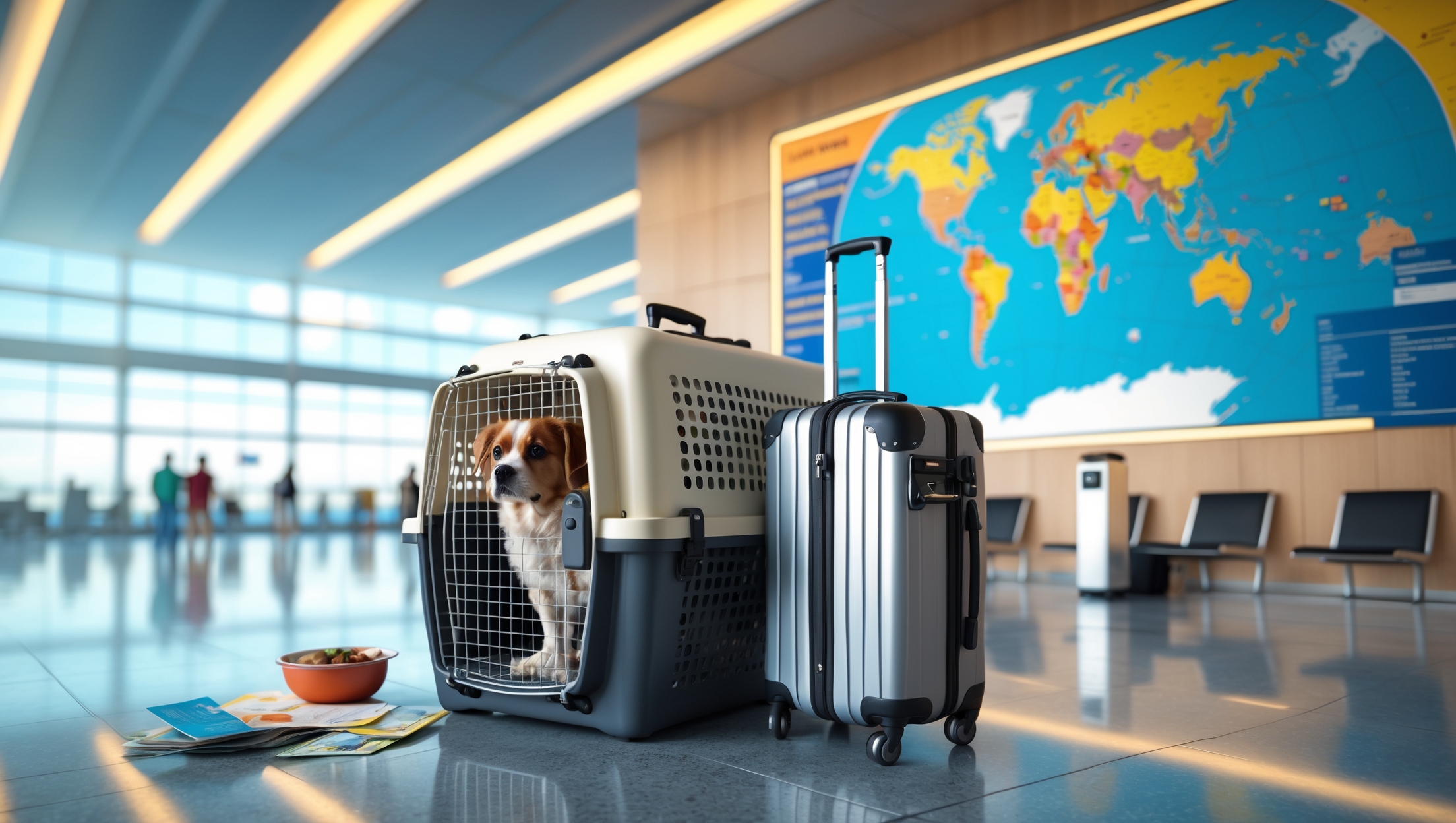
Introduction: The Reality of Traveling with Pets Abroad
For many, pets are beloved family members, and leaving them behind during extended travels or relocations is simply not an option. However, the prospect of bringing a pet across international borders can be daunting, with a maze of regulations, unexpected costs, and practical challenges. Whether you’re a digital nomad, expatriate, or planning an extended vacation, understanding how to navigate the logistics of pet travel is crucial for their safety and your peace of mind. In this comprehensive guide, we’ll break down the essential compliance steps, provide a realistic cost analysis, and share actionable tips to help you and your furry friend thrive abroad. From deciphering import requirements to managing in-flight comfort and handling cultural differences in pet ownership, this guide offers expert insight to transform what could be a stressful process into a seamless, rewarding adventure for both you and your pet.
Understanding International Pet Travel Compliance
Why Compliance Matters
International pet transport is heavily regulated to prevent the spread of diseases and protect animal welfare. Non-compliance can lead to denied boarding, expensive quarantines, or even the heartbreaking possibility of your pet being sent back or euthanized. Each country sets its own rules, and even transit countries may have their own requirements.
Key Steps in the Compliance Process
- Research Destination Requirements: Start with the official government veterinary or agriculture department website of your destination. Requirements often include vaccinations, microchipping, and specific paperwork.
- Visit an Accredited Veterinarian: Only licensed and sometimes government-accredited vets can issue valid health certificates and complete required treatments.
- Microchipping: Most countries require ISO 11784/11785-compliant microchips for identification, inserted before any required vaccinations.
- Vaccinations and Treatments: Rabies is almost always mandatory, but additional vaccines (like for leptospirosis or tick-borne diseases) or anti-parasitic treatments may be needed.
- Official Documentation: Pet passports, health certificates, and sometimes import or transit permits are essential. Some documents must be endorsed by a national authority (e.g., USDA in the US).
- Quarantine Requirements: Some countries (like Australia or New Zealand) mandate quarantines from 10 days to several months, depending on origin and vaccination history.
- Timing: Many steps are time-sensitive. For example, rabies vaccinations and blood titers may need to be administered months in advance.
Common Mistakes to Avoid
- Assuming the same rules apply for all countries or all pets.
- Overlooking requirements for layover or transit countries.
- Failing to check airline-specific pet travel policies and crate requirements.
- Neglecting to confirm documentation validity periods.
- Waiting until the last minute to start the process.
Budget Breakdown: The True Cost of Traveling with Pets
Bringing a pet abroad often comes with hidden and substantial expenses. Planning ahead ensures you avoid financial surprises and can make informed decisions about your pet’s journey.
Pre-Departure Expenses
- Microchipping: $25–$75
- Vaccinations: $50–$200+ depending on requirements
- Blood Titers (if needed): $100–$300
- Veterinary Health Certificate: $50–$200
- Government Endorsement Fees: $30–$200
- Pet Passport (where applicable): $25–$100
- Crate/Carrier (IATA-compliant): $50–$500
Travel Costs
- Airline Fees: $100–$500 (in-cabin), $200–$2,000 (cargo, depending on route and pet size)
- Pet Transport Agency (optional): $500–$3,000+ for door-to-door services
- Transit or Layover Fees: Some airports or airlines charge extra for handling or boarding during layovers ($50–$250)
Arrival and Post-Arrival Expenses
- Customs Clearance: $50–$500
- Quarantine Fees: $300–$2,000+ (if applicable)
- Local Registration and Licensing: $10–$100
- Ongoing Vet Visits and Insurance: $100–$500/year (varies by location)
Hidden and Unexpected Costs
- Emergency medical care for travel stress or injuries
- Special food or medication unavailable locally
- Rental deposits and pet fees for housing
- Pet-sitting or daycare during travel segments where pets aren’t allowed
Insurance Essentials: Protecting Your Pet Abroad
International pet insurance is often overlooked but can be a financial lifesaver. Coverage typically includes accident, illness, and sometimes third-party liability, which is mandatory in some countries.
Types of Coverage to Consider
- Accident and Illness: Covers veterinary care for injuries and sickness, both during travel and once settled abroad.
- Travel Disruption: Reimbursement for canceled flights or quarantine extensions due to pet health issues.
- Third-Party Liability: Covers damages your pet may cause to people or property.
- Repatriation: Covers costs of returning your pet home in emergencies.
Choosing a Policy
- Ensure the policy covers all countries on your itinerary, including transit stops.
- Check for exclusions (e.g., breed, age, pre-existing conditions).
- Compare deductibles, payout limits, and claim processes.
- Look for 24/7 helplines or local partners in your destination.
Permits, Pet Passports, and Paperwork: Navigating the Bureaucracy
The paperwork required for international pet travel is intricate and unforgiving. A single missing form can mean denial of entry.
Essential Documents
- Pet Passport: Used in the EU and select countries, consolidates vaccination and identification records.
- Veterinary Health Certificate: Usually completed within 7–14 days of travel, confirming your pet’s health and vaccination status.
- Import Permit: Required by countries like Australia, Japan, and the UAE, applied for well in advance.
- Proof of Microchip and Vaccinations: Documentation must match the microchip number.
- Rabies Titer Test Certificate: Mandatory for some countries, showing sufficient rabies antibodies.
- Customs Declaration Forms: Some countries require advance notification of arrival.
Where to Find Official Information
- Embassy or consulate websites
- Official government agriculture/veterinary departments
- International Air Transport Association (IATA) guidelines
- Reputable pet relocation services
Booking Your Pet’s Journey: Practical Travel Planning
Choosing the Right Airline and Route
- Not all airlines accept pets, and each has unique restrictions (e.g., breed bans, heat restrictions, embargoes during certain seasons).
- Direct flights reduce stress and risk for your pet; avoid layovers or transfers when possible.
- Check for pet-friendly cabin or cargo policies and review crate/carrier specifications in advance.
Crate and Carrier Preparation
- Only IATA-approved crates are accepted for cargo transport. They must be large enough for your pet to stand, turn, and lie down comfortably.
- Label crates clearly with your details and a photo of your pet. Include water and absorbent bedding.
- Prepare your pet for crate travel with gradual acclimation at home.
In-Flight Tips
- Avoid sedatives—most airlines prohibit them as they can compromise breathing at altitude.
- Feed your pet no less than 4 hours before check-in to avoid travel sickness.
- Exercise your pet before departure to reduce anxiety and energy levels.
Survival Tips: Helping Your Pet Adapt Abroad
Arrival is only the beginning. Pets often need time and support to adjust to new environments, climates, and routines.
First Days: Easing the Transition
- Keep routines as similar as possible—feeding, walking, and playtimes.
- Gradually introduce your pet to new spaces and people.
- Monitor for signs of stress: hiding, appetite loss, excessive vocalization, or aggression.
- Locate a local veterinarian in advance for emergencies.
Long-Term Considerations
- Research leash laws, pet licensing, and local attitudes toward animals.
- Find pet-friendly parks, cafes, and services for socialization and exercise.
- Be aware of climate risks—some breeds struggle in hot or cold weather; adjust routines and gear as needed.
- Source familiar food or transition diets slowly to avoid digestive issues.
Case Study: Moving a Dog from the US to Germany
Let’s look at a real-world example to illustrate the process and potential pitfalls.
- Research: Germany requires ISO-compliant microchip, current rabies vaccination, and an EU health certificate endorsed by the USDA.
- Timeline: Microchip placed and rabies shot given at least 21 days before travel. Health certificate issued within 10 days of entry.
- Cost: Microchip and vaccination ($120), vet visits and USDA endorsement ($180), airline pet fee ($300), IATA crate ($100).
- Challenges: Coordinating vet appointments and USDA endorsement within a tight window; ensuring crate met Lufthansa’s specifications; finding a pet-friendly apartment in Berlin (extra deposit required).
- Outcome: With careful planning, the move was smooth. The dog adjusted quickly with daily walks in local parks and familiarity with routines.
Frequently Asked Questions
- Can I bring my pet on all airlines? No. Some airlines do not accept pets, restrict certain breeds, or have embargoes during hot/cold weather. Always check in advance.
- What if my pet has a layover in a third country? Transit countries may have their own regulations. Some require advance notification or paperwork, even if you never leave the airport.
- Is quarantine always required? Not always. It depends on origin, destination, and compliance with vaccination/titer requirements. Some countries waive quarantine for pets meeting all criteria.
- How early should I start the process? Begin research and veterinary steps at least 6 months in advance to accommodate all possible requirements.
Conclusion: Making Pet Travel a Success
Traveling or moving abroad with your pet can be complex, but it is absolutely achievable with diligence and planning. Compliance with international regulations is non-negotiable—missing a single step can have devastating consequences. Budgeting realistically is equally important, as hidden costs can add up quickly. Investing in pet insurance and understanding local laws will protect you from financial and legal surprises.
The journey doesn’t end at arrival. Helping your pet adjust to their new environment, sourcing appropriate care, and maintaining routines will ensure their happiness and well-being. Remember, every country—and every airline—has unique rules, so start your research early, double-check every requirement, and don’t hesitate to consult experts or professional pet transport services for complex moves.
Bringing your pet abroad not only keeps your family together but also enriches your experience in new places. With careful preparation, patience, and a commitment to your companion’s welfare, you can embark on a global adventure that’s fulfilling for both you and your pet. Safe travels!
You mentioned that even transit countries may have their own requirements. If I have a layover in a country where I’m not planning to leave the airport, do I still need to meet that country’s pet import rules, or just the final destination’s regulations?
If your pet remains in the airport’s international transit area and does not officially enter the transit country, you usually don’t have to meet that country’s pet import rules. However, some countries have special regulations for pets in transit, so it’s important to check with both your airline and the transit country’s authorities before you travel to avoid any unexpected issues.
I noticed you referenced both destination and transit country requirements for traveling with pets. If I have a layover in a country with stricter rules than my final destination, do I need to comply with those as well, or only the final country’s regulations?
You generally need to comply with the pet import requirements of any country where you have a layover, especially if you change planes or leave the international transit area. Even short stops can trigger extra rules or documentation, so it’s smart to check the regulations for both your transit and destination countries to avoid issues during your trip.
You mention that each country and even transit countries have their own pet entry requirements. If I have a layover in a country that I’m not actually visiting, do I still need to meet their pet travel compliance rules, or just my final destination’s?
If your pet will be staying in the airport’s international transit area and not officially entering the transit country, usually you only need to meet the entry requirements for your final destination. However, some countries require compliance with their rules even for pets in transit, or have special regulations for layovers. Always check with your airline and the transit country’s embassy to be sure of the specific requirements for your route.
The cost analysis part sounds very useful. Could you share more specific examples of what unexpected expenses might come up when taking pets abroad? I’m trying to budget for my dog’s move and would like to avoid any surprises.
Unexpected expenses when moving your dog abroad can include last-minute vet visits for required vaccines, additional paperwork fees, quarantine costs if rules change, and airline pet travel surcharges. You might also face extra charges for approved travel crates, boarding during travel delays, or pet insurance for international coverage. Always check the latest rules for your destination, as requirements—and fees—can change quickly.
You mentioned that each country has its own import requirements and that even transit countries may have different rules. How do I make sure I am fully compliant when I have layovers in multiple countries on the way to my final destination?
To ensure full compliance when you have layovers in multiple countries, research the pet import and transit regulations for every country on your route—not just your final destination. Contact each country’s embassy or official government website for up-to-date requirements. It’s also wise to check with your airline, as they may have additional policies for pet travel during layovers. Always carry all required documents, including health certificates and vaccination records, for every country you’ll enter or transit through.
You mentioned the importance of microchipping and vaccinations when traveling with pets internationally. How far in advance should I start this process to make sure all the paperwork and requirements are met before my trip?
It’s wise to start preparing your pet’s microchipping and vaccination process at least 4 to 6 months before your trip. Some countries require certain vaccines to be administered well in advance, and there might be waiting periods before travel is allowed. Beginning early also gives you time to gather paperwork, complete required tests, and handle any unexpected delays.
I’m planning to travel overseas with my dog and I saw that every country has its own compliance steps like vaccinations, microchipping, and certifications. How far in advance do I need to start this process to avoid any last-minute issues at the airport?
It’s best to start preparing at least 4 to 6 months before your travel date. Some countries require a series of vaccinations, microchipping, and health certificates that must be completed in specific timeframes. Starting early gives you time to handle paperwork, schedule vet appointments, and address any waiting periods for certain vaccines or tests, so you won’t face delays or problems at the airport.
The article mentions unexpected costs with international pet travel. Could you share more details about which expenses tend to catch owners off guard and how to budget for things like quarantines or paperwork fees along the way?
Unexpected costs often include pet import permits, health certificates, vaccinations, microchipping, and quarantine fees, which can vary by country. Some destinations also require pre-travel vet visits or specific lab tests. Additionally, last-minute changes or delays might mean extra boarding or kennel fees. To budget, research your destination’s requirements in advance, get quotes from airlines and pet relocation services, and set aside a contingency fund for unplanned expenses—at least 20% more than your initial estimate is a good rule of thumb.
I’m getting ready to move abroad and I’m worried about the microchip part. If my dog already has a microchip but it’s not ISO 11784/11785-compliant, can I get a second one implanted, or do I need to replace the old one?
You don’t need to remove your dog’s old microchip. If it isn’t ISO 11784/11785-compliant, most countries allow you to have a second, compliant chip implanted. Just make sure both microchip numbers are registered and recorded in your pet’s documents, and bring your own microchip scanner if possible, to ensure both can be read during inspection.
You mention that even transit countries can have their own regulations when traveling with pets. How do you recommend handling layovers where the pet will not be leaving the airport? Are there specific compliance steps for pets just passing through?
When your pet is only transiting through a country and will not leave the airport, some countries still require certain documents or advance notice. Check the specific regulations of all transit countries before your trip—some may ask for a transit permit or proof of vaccinations, even if your pet stays airside. Contact your airline in advance, as they often help coordinate compliance for transit stops.
I’m planning a move abroad for about six months and I’m on a tight budget. Could you give a ballpark estimate of the typical costs involved in vaccinations, vet visits, and paperwork for bringing a pet to another country?
For a six-month move, you can typically expect to spend between $200 and $700 per pet on vaccinations, vet visits, and required paperwork. Costs vary by country, but this usually includes microchipping, core vaccinations, health certificates, and any specific tests or treatments your destination requires. Be sure to check the regulations for your destination, as some countries may require additional steps or quarantine costs.
I saw that different countries can have really strict requirements, like specific types of microchips and vaccines. If my pet already has a microchip but it’s not the ISO 11784/11785 type, can I get a second one, or would that create problems with the paperwork?
You can get a second ISO 11784/11785 microchip for your pet even if they already have a different type. This is a common solution for travel compliance. Just make sure both chip numbers are recorded in your pet’s paperwork, and that the microchip used for any vaccinations or blood tests matches the official documentation. This helps prevent confusion during border checks.
You mention that each country has its own import requirements for pets, and even transit countries might have their own rules. How do you find out the compliance steps for countries you’re just passing through during layovers, and do airlines generally help with this?
To find out compliance steps for transit countries during layovers, check the official government or agriculture websites of those countries for pet import and transit regulations. Airlines can sometimes offer guidance, but their information may not cover every detail or change. It’s best to contact the consulates or embassies of the transit countries to confirm requirements, and double-check with your airline about their specific policies for pet transfers during layovers.
We’re considering a move abroad with our dog and I’m finding the differing microchip standards confusing. If our pet already has a US microchip that isn’t ISO 11784/11785 compliant, what is the process for getting this updated before international travel?
If your dog’s current microchip isn’t ISO 11784/11785 compliant, you’ll need to get an ISO-compliant microchip implanted by your veterinarian before you travel. Your vet can scan for the existing chip, then insert the new ISO chip—be sure both numbers are recorded in your pet’s records. Some countries require both chips to be registered, so double-check destination requirements. Also, update any paperwork to match the new microchip number.
Could you give more detail about the cost analysis for things like microchipping and the required health certificates? I’m planning a trip abroad and want to get an idea of the total budget I should expect for the compliance steps before the actual travel.
Certainly! Microchipping costs typically range from $25 to $75, depending on your vet and location. Health certificates—usually required for international travel—can cost between $50 and $200. Additional expenses may include vaccinations ($20–$50 per shot), parasite treatments, and any lab testing required by your destination country. Altogether, budgeting around $200 to $400 per pet for compliance steps before travel is a safe estimate.
As a small business owner who often travels for work, I’m curious about the actual cost breakdowns mentioned in the guide. Do you have any estimates for budgeting when traveling with pets, especially unexpected fees like those from airlines or customs?
The article highlights that costs can vary widely, but you should generally budget for airline pet fees (often $100–$500 per flight, depending on carrier and pet size), vet checks and paperwork ($50–$250), and customs or import fees (ranging from $30 to several hundred dollars). Unexpected fees may include quarantine charges or last-minute airline rule changes, so setting aside an extra $200–$500 as a buffer is wise.
You mention that even transit countries may have their own requirements when traveling with pets. If my flight has a layover in a country but I’m not leaving the airport, do I still need to meet that country’s pet import regulations, and how do I find out?
Yes, some countries require that all animals passing through, even just during layovers in the airport, meet their import or transit requirements. This can include vaccinations, permits, or specific documentation. To find out the exact rules, check the official government website or embassy of your transit country, and consult your airline, as they are familiar with transit regulations and can guide you based on your route.
You mentioned unexpected costs when traveling internationally with pets. Aside from the obvious like flights and paperwork, are there any hidden or surprise expenses I should budget for when planning my dog’s move abroad?
Absolutely, there are several hidden expenses to consider. Quarantine fees can be costly in some countries, and you might also face charges for airport handling or inspection upon arrival. Specialized travel crates that meet airline regulations can be expensive, and you may need pre-travel vet visits or extra vaccinations. Additionally, some destinations require pet relocation agents or customs brokers, which adds to the cost. It’s wise to set aside a contingency fund for these surprises.
You mentioned unexpected costs in the article. Could you give a breakdown of what some of those hidden expenses might be beyond the obvious travel fees, like microchipping or special paperwork, especially for someone moving with their pet for an extended period?
Certainly! Beyond standard fees, hidden expenses can include quarantine costs, import taxes, additional veterinary visits for country-specific vaccines, pet insurance updates, and unexpected boarding fees if your accommodation isn’t pet-friendly right away. Also, factor in costs for replacement pet supplies, local pet registrations, and higher rent deposits for pet-friendly housing. These can add up during a long-term stay.
Does the cost analysis in your guide cover things like unexpected quarantine fees if something goes wrong with paperwork, or is it mainly for the standard prep like vaccinations and microchipping?
The cost analysis in the guide focuses mainly on standard preparation expenses, such as vaccinations, microchipping, travel crates, and official documentation. Unexpected quarantine fees due to issues with paperwork are mentioned as potential risks, but they aren’t included in the main cost breakdown. It’s a good idea to budget extra for these unforeseen expenses, just in case.
You mentioned that even transit countries have their own requirements for pet travel. If my layover is only a few hours, do I still need to meet those countries’ regulations, or would the rules only apply for my destination country?
Even if your layover is just a few hours and you don’t leave the airport, some transit countries still require you to comply with their pet regulations. This can include specific paperwork or vaccinations, depending on the country and airline. It’s important to check the rules for every country on your itinerary, not just your final destination, to avoid any unexpected problems during your journey.
You brought up unexpected costs when relocating with pets internationally. Could you give examples of what some of these hidden expenses might be, especially for longer stays, and if there are ways to reduce them without compromising safety or compliance?
Hidden costs when relocating pets internationally can include quarantine fees, extra vaccinations specific to your destination, pet import permits, microchipping requirements, and even specialized pet transport services. For longer stays, ongoing expenses like pet insurance abroad, special food, or finding pet-friendly accommodation can add up. To reduce costs, research pet regulations early, compare airlines or pet shippers, and book well in advance. Sometimes bundling services, like combining microchipping and vaccines at one vet visit, can also help save money without sacrificing safety or legal compliance.
The article mentions unexpected costs associated with pet travel abroad. Besides the usual paperwork and vet fees, what are some lesser-known expenses travelers should budget for to avoid last-minute surprises during international pet relocation?
In addition to paperwork and vet fees, some lesser-known expenses can include airline pet cabin or cargo fees, import taxes in your destination country, quarantine charges, pet transport crates that meet international standards, and boarding costs if your travel dates don’t align. You might also face charges for last-minute documentation translation, microchip registration, or hiring a pet relocation agency for complex moves. Budgeting for these possible extras can help you avoid surprises at the last minute.
The article talks about unexpected costs when traveling with pets. Could you give some examples of hidden fees or expenses that tend to surprise business owners who are relocating with their animals abroad?
Some common hidden fees that catch business owners off guard include quarantine charges, unexpected pet import taxes, veterinary certification fees, and airline handling fees for animals. You may also encounter charges for special crates, required vaccinations, or pet relocation services. Additionally, last-minute hotel pet deposits or cleaning fees can add up during travel. Planning ahead for these expenses can help you avoid budget surprises.
You mentioned unexpected costs involved in bringing pets abroad. Could you give more detail on what the typical extra expenses are beyond flights and paperwork, like quarantine fees or special vaccinations, so I can plan my budget realistically?
Certainly! Beyond flights and paperwork, common extra expenses include mandatory quarantine fees (which can be daily or weekly charges), special vaccinations not routinely given at home, microchipping, and government veterinary inspections. Some countries also require import permits, which come with application fees. Additionally, you might need approved pet carriers, airline handling fees, and sometimes pet relocation service costs. Planning for these can help you avoid surprises in your budget.