
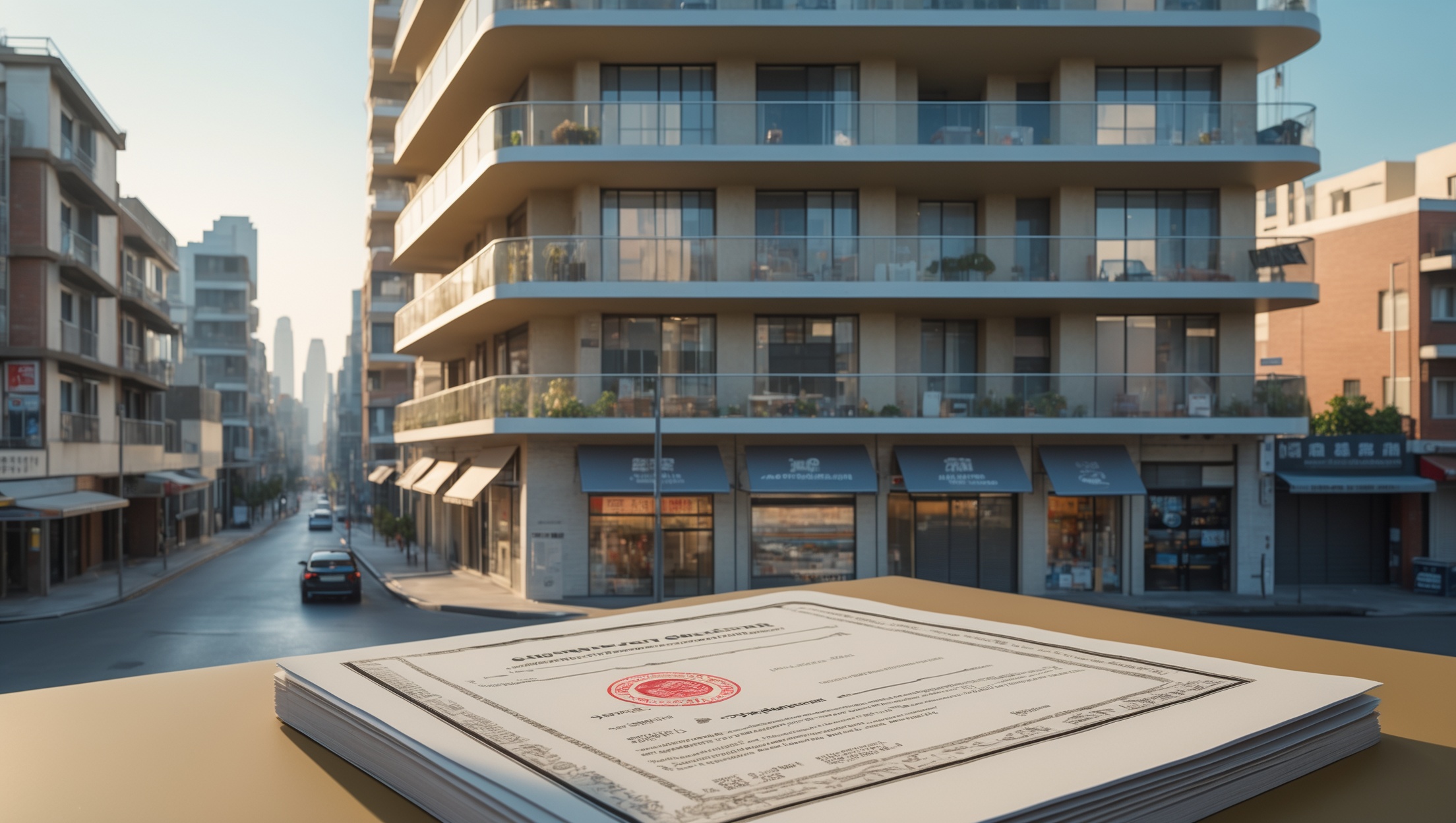
Introduction: The Unseen Side of Expats’ Housing — Permits and Peace of Mind
So you’ve found the perfect apartment or house abroad. You’re picturing cozy nights in, local markets, maybe a home-cooked meal with new friends. But before you hang those curtains or even sign a lease, there’s a crucial step that often goes overlooked by travelers and expats: navigating local housing permits. Whether you’re renting, renovating, or even just making upgrades, compliance with local housing regulations isn’t just bureaucratic red tape—it’s essential for avoiding fines, eviction, or even legal trouble in your new country. The rules differ drastically from city to city and country to country, yet many newcomers think a rental agreement is all they need. In reality, housing permits can impact everything from your right to live in a property, to your ability to make changes, to your protection as a tenant or owner. This guide demystifies the permit process abroad, breaks down the types of permits you may encounter, and offers step-by-step strategies to ensure your new home is legally secure. Avoid the classic expat mistake of “I didn’t know”—get equipped with insider knowledge, practical checklists, and real-world tips to make your overseas living experience smooth and stress-free.
Understanding Local Housing Permits: What Are They and Why Do They Matter?
What Exactly Is a Housing Permit?
A housing permit is an official authorization from a local authority that allows you to live in, rent out, or modify a residential property. The specifics vary widely: some countries require permits for all foreign residents, others only for certain types of leases, and many have regulations for renovations or changes to properties. Housing permits serve several purposes: they ensure safety standards, control real estate markets, and help local governments keep track of their population—especially in popular expat destinations.
Common Types of Permits Found Abroad
- Residence Permits: Sometimes separate from your visa, these are required for living in certain properties, especially in high-demand cities (e.g., Amsterdam’s huisvestingsvergunning).
- Rental Permits: Landlords may need local approval before renting to foreigners or for short-term rentals (common in Germany, Spain, and Portugal).
- Renovation/Alteration Permits: Any structural changes—installing a new kitchen, knocking down walls, even painting exteriors—often require municipal approval.
- Occupancy Permits: Proof that a residence meets health, safety, and zoning standards (common for newly built or renovated units).
Why Permits Are Especially Critical for Expats and Travelers
Ignoring local permit requirements can lead to serious consequences: fines, forced eviction, and in some cases, legal proceedings or loss of residency rights. Permits also protect you by ensuring your home meets local safety and quality standards. For digital nomads and remote workers, lack of proper documentation can jeopardize visa renewals or tax status. Bottom line: never assume rules are the same as “back home.”
Country-Specific Pitfalls: Real-World Cases and Key Differences
The Netherlands: Housing Permits for Popular Cities
In cities like Amsterdam, certain neighborhoods require a huisvestingsvergunning (housing permit) for tenants. This is separate from your visa or residence registration. Often, the property itself must meet criteria (such as price caps or square footage) and the tenant must apply through the city. Renting without the right permit can result in eviction and blacklisting.
Germany: Registration and Rental Licensing
All residents must register their address (Anmeldung), but in cities like Berlin and Munich, landlords need special approval to rent properties, particularly for furnished or short-term rentals. Without a proper rental permit, tenants risk sudden lease termination and loss of deposit.
Portugal and Spain: Short-Term Rental Licenses
Popular tourist destinations often require an Alojamento Local (Portugal) or Licencia de Vivienda (Spain) before a property can be let to short-term tenants. Travelers who book flats without checking licenses may find themselves abruptly evicted if authorities discover illegal rentals.
United Arab Emirates: Renovation and Visitor Permits
In Dubai and Abu Dhabi, any renovation—down to changing tiles—may require approval from both the building management and municipal authorities. Even hosting guests for more than a few nights can require notifying the local authorities.
Japan: Strict Zoning and Renovation Controls
Japan’s “minpaku” law controls short-term accommodation. Renovations often need local ward office permits, and non-compliance can mean hefty fines or loss of rental rights.
Step-by-Step Guide: Securing Housing Permits Abroad
Step 1: Research Local Requirements Before Signing Anything
- Start with the official city or municipal website. Look for sections on housing, expat services, or permits.
- Join local expat forums or social media groups—ask about recent permit changes or experiences.
- Contact your local embassy or consulate for up-to-date legal requirements.
Step 2: Verify Landlord or Agent Compliance
- Ask for copies of existing permits or proof of registration.
- Request to see the building’s occupancy permit (especially in new or recently renovated properties).
- Beware of landlords who discourage paperwork or “know a way around the system.”
Step 3: Prepare Your Documentation
- Passport and visa/residence permit.
- Proof of income or employment (sometimes required for permit approval).
- Rental contract or purchase agreement.
- Application forms (download from local authority websites).
Step 4: Submit Applications—With Patience
- Double-check application deadlines and processing times (some cities have waiting lists).
- Submit all required documents—missing paperwork can delay or void your application.
- Keep digital and paper copies of everything submitted.
Step 5: Follow Up and Keep Records
- Track your application status; don’t hesitate to call or email for updates.
- If approved, store permit documents securely and make digital backups.
- If denied, request a written explanation and seek advice from local legal aid or expat associations.
Budgeting for Permits: What to Expect and How to Avoid Surprises
Typical Permit Costs by Region
- Western Europe: €50–€300 for housing permits; renovation permits from €100 upwards (plus possible inspection fees).
- Asia-Pacific: Permit fees often bundled into rental agreements, but renovation approvals can range from $30–$1000 depending on scale.
- Middle East: Permit costs vary widely—some are free, while others (especially in expat compounds) can be several hundred dollars.
Hidden Costs
- Translation of documents into the local language.
- Notarization or legal certification fees.
- Administrative charges for expedited processing or inspections.
Tips for Staying on Budget
- Factor permit costs into your initial housing budget—don’t treat them as “extras.”
- Ask landlords or agents to clarify who pays which fees (sometimes they’re negotiable).
- Set aside a small contingency fund for unexpected requirements.
Tools and Resources for Navigating Permits
Online Tools and Directories
- Official city/municipal housing portals (often available in English for major expat cities).
- Local legal aid clinics and expat associations—many offer free initial consultations.
- Translation apps (Google Translate, DeepL) for form-filling and correspondence.
- Secure cloud storage (Dropbox, Google Drive) for document management.
Professional Assistance: When to Seek Help
- Complex renovations or purchases: Hire a local solicitor or notary who specializes in property law.
- If language barriers are steep, consider a relocation agency—many handle paperwork and translations.
- For visa/residency-linked permits, use certified immigration consultants recommended by your embassy.
Common Permit Myths—Debunked
- “Permits are just for owners, not renters.” In many cities, both parties have responsibilities. Even tenants may need to apply for their own permits.
- “Short-term stays don’t require permits.” Many places require permits even for stays as short as a few weeks, especially in tourist hotspots.
- “As a foreigner, I can’t get a permit.” Most countries have procedures for foreigners, though requirements may be stricter or take longer.
- “My agent will handle everything.” Agents can help, but you’re ultimately responsible for compliance. Always double-check paperwork personally.
A Seasonal Checklist: Ensuring Your Permits Stay Valid
- Before Moving In: Confirm all permits are current and in your name, if required.
- Every 6 Months: Check for regulatory updates—rules can change with little notice, especially in major cities.
- Before Any Renovation: Secure all necessary approvals, even for minor works.
- Before Subletting or Hosting Guests: Review permit terms—some forbid sublets or require guest registration.
- When Renewing Lease or Ownership: Ensure documentation is updated; re-apply if needed.
What to Do If You’re Caught Without the Right Permits
Immediate Steps
- Stay calm—many permit issues are resolved with documentation and fines.
- Contact your landlord, agent, or legal advisor for guidance.
- Gather proof of residence, rental agreements, and any correspondence with authorities.
Potential Consequences
- Fines ranging from modest to substantial, depending on jurisdiction.
- Eviction or forced relocation within a short timeframe.
- Possible loss of deposit or blacklisting from rental markets.
- For owners: legal proceedings or forced sale.
How to Mitigate Damage
- Act quickly—authorities are often more lenient with proactive residents.
- Appeal decisions if you believe you’re in the right, ideally with local legal help.
- Once resolved, keep records for future reference.
Conclusion: Empowered, Informed, and Ready for Your New Home
Living abroad is an adventure filled with discovery, but it’s also a journey that requires diligence and respect for local rules. Housing permits may seem like dull bureaucracy, but they are your shield against unexpected fines, evictions, and legal headaches. By understanding what permits apply to your specific situation, budgeting for the costs, and keeping documentation up to date, you ensure not just compliance, but true peace of mind. Remember, local regulations are not obstacles—they’re roadmaps to a safe, comfortable, and legal life in your new country. Take the time to research, ask questions, and reach out for help when needed. The effort you invest upfront pays off in a smoother, more enjoyable expat experience, letting you focus on what really matters: building your new life abroad, exploring, connecting, and thriving. So before you unpack your boxes or pick up a paintbrush, double-check those permits—you’ll thank yourself every day in your new home.