
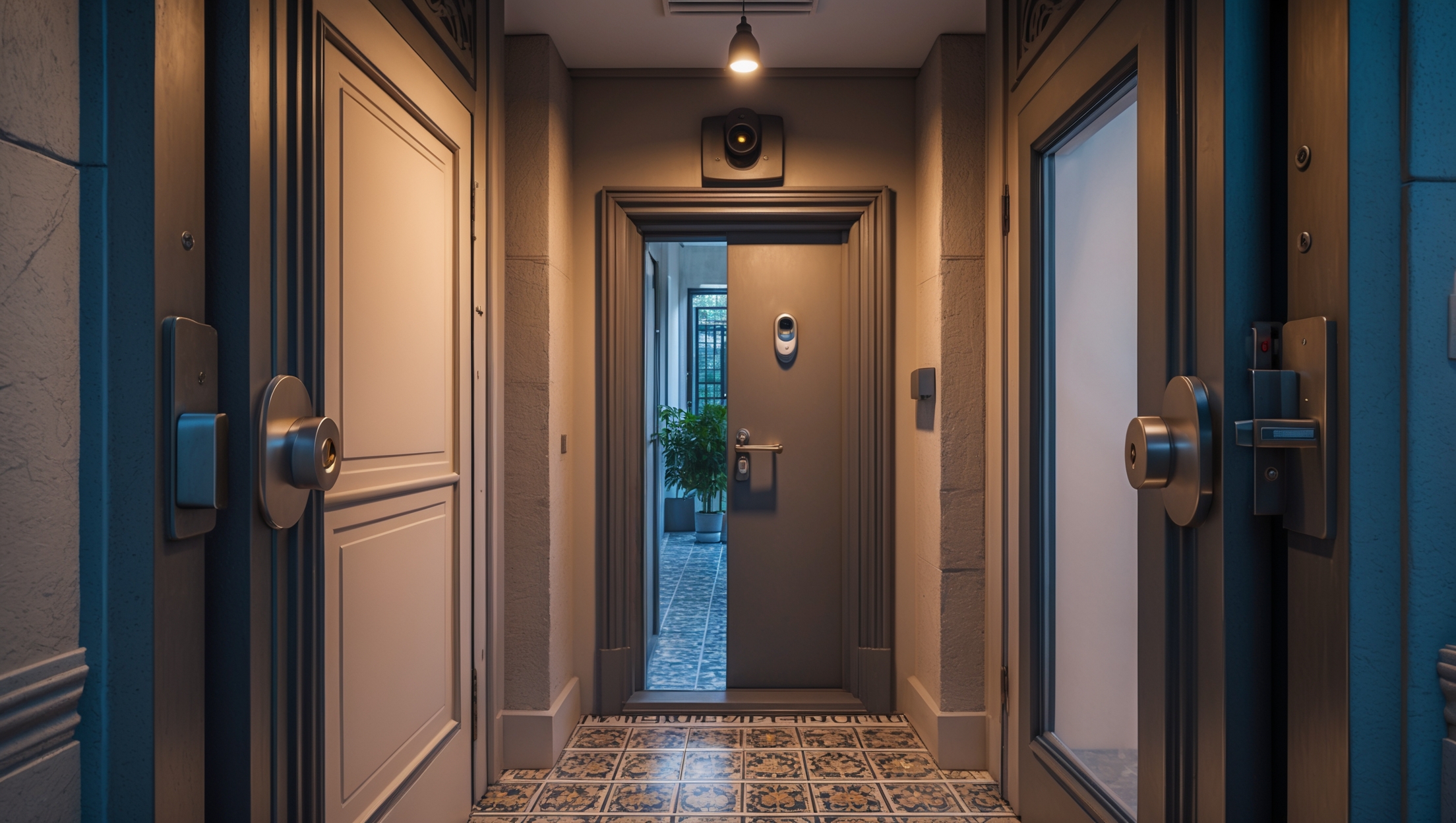
Introduction: Why Apartment Security Abroad Matters
Moving or traveling abroad brings excitement, new experiences, and sometimes a fair share of worry—especially when it comes to keeping your temporary or long-term home safe. Security is a universal concern, but the risks and solutions differ significantly from one country or city to another. Whether you’re an expat settling in for the long haul or a traveler renting a short-term apartment, understanding local threats, cultural attitudes toward security, and what tech or habits really work can make the difference between peace of mind and a costly ordeal. This comprehensive guide blends practical advice, real-world examples, and actionable steps to help you assess, upgrade, and maintain apartment security wherever you land. From understanding local crime trends and vetting neighborhoods to smart tech that’s actually effective (and legal!) in your new location, you’ll discover how to build a personalized, effective safety strategy for your overseas home.
Understanding Local Security Risks
Researching Neighborhood Safety
Start your security plan by investigating the actual risks in your chosen area. Safety can vary dramatically even within the same city. Here’s how to get reliable information:
- Local Police Reports: Many cities publish neighborhood crime statistics online or through local police stations.
- Expat Forums & Facebook Groups: Ask recent arrivals and long-term residents about their experiences. They can flag areas with frequent break-ins or scams.
- Embassy Safety Alerts: Check for official warnings about crime trends or scams targeting foreigners.
- On-the-Ground Observations: When visiting potential apartments, look for signs of recent break-ins or poor lighting.
Common Threats by Region
Every country has its own unique risks. For example:
- Europe: Petty theft and burglaries are common in major cities, especially in tourist-heavy districts.
- Latin America: Opportunistic break-ins can be frequent in some cities. Gated entrances and doormen are valued.
- Southeast Asia: Street-level apartments may face risks from both theft and local wildlife.
- Australia & New Zealand: Generally low violent crime, but opportunistic theft does happen in city centers.
Understanding these local nuances is crucial for tailoring your security approach.
Evaluating Your Apartment’s Security Baseline
Entry Points: Doors and Windows
Examine all possible entry points in your apartment:
- Main Door: Is it solid wood or metal? Does it have a deadbolt? Are the locks modern or outdated?
- Windows: Especially important on ground or first floors. Are there bars, secure latches, or vulnerable sliding mechanisms?
- Balconies/Fire Escapes: Often overlooked, but accessible from adjacent buildings or rooftops in dense cities.
Building Security Features
- Doorman or Security Staff: Helpful in deterring casual intruders.
- Secure Entry System: Key fob, intercom, or coded access? How often are codes changed?
- CCTV in Common Areas: Acts as both deterrent and investigative tool.
- Lighting: Well-lit entrances dissuade would-be thieves.
Ask the Landlord or Agency
Don’t hesitate to ask pointed questions before signing a lease:
- When were the locks last changed?
- Who else has keys?
- What’s the building’s protocol for letting in visitors or contractors?
Smart Security Upgrades That Work Abroad
Portable Door and Window Locks
For renters or short-term stays, portable security devices are invaluable. Consider:
- Travel Door Locks: Wedge-style or portable latch locks add another layer of protection.
- Window Alarms: Easy-to-install, battery-powered devices that emit loud alerts.
These require no landlord permission and can be removed without damage.
Smart Cameras and Sensors
Modern wireless security cameras and smart sensors are compact, easy to set up, and don’t require hardwiring. Popular options include:
- Battery-powered indoor cameras (ensure local regulations permit indoor filming—some countries have strict privacy laws).
- Door and motion sensors with app alerts.
- Smart doorbells (if allowed by your building).
Always check local privacy rules and building policies before installation.
Upgrading Locks (With Permission)
If you plan a long-term stay, ask your landlord about upgrading to:
- High-Security Deadbolts: Consider models with anti-bumping and anti-picking technology.
- Digital Keypads: Useful for keyless entry and changing codes between guests.
Document any changes and clarify what must be reversed at move-out.
Legal and Cultural Considerations
Local Laws on Security Devices
Security equipment laws vary widely. In some countries, installing cameras—even inside your rental—may be restricted. Always:
- Research national and local laws online or via your embassy.
- Get written permission from your landlord for any permanent installations.
- Be mindful of privacy—avoid filming shared spaces or neighbors.
Cultural Attitudes Toward Security
Overt security measures may be seen as distrustful or even offensive in some cultures. For example, adding bars or cameras in a Japanese rental could raise eyebrows, while in parts of Latin America, visible security is the norm. Talk to local friends or neighbors to gauge what’s considered appropriate.
Security Habits: The Most Effective (and Overlooked) Layer
Build Strong Daily Routines
- Lock all doors and windows—even when home. Many break-ins happen during the day or when residents are present.
- Don’t buzz in unknown visitors. Be cautious with delivery personnel or maintenance workers.
- Rotate your routines. Don’t leave obvious patterns such as empty apartments at predictable hours.
- Use timers for lights. Make it look like someone is always home, especially during trips.
Manage Keys Responsibly
- Never hide keys outside in obvious places.
- If you lose a key, ask for locks to be changed—immediately.
- Limit how many people have copies, and keep track of every set.
Neighborhood Networking: Safety in Community
Getting to Know Your Neighbors
Building rapport with neighbors is one of the best defenses. They can spot suspicious activity, water your plants, or collect mail when you’re away. To foster trust:
- Introduce yourself soon after moving in.
- Offer to exchange contact details for emergencies.
- Participate in building or neighborhood WhatsApp groups, if available.
Leverage Community Resources
- Local Watch Groups: Many cities have volunteer patrols or online watch groups.
- Building Meetings: Attend if possible to stay informed about issues or upcoming changes.
Insurance and Documentation
Renter’s and Contents Insurance
Insurance requirements and availability vary by country. For peace of mind:
- Look for policies specifically covering theft and damage in your host country.
- Keep digital and paper copies of all documents and receipts for valuables.
- Understand the claims process—some insurers require police reports within 24 hours.
Inventory and Proof of Ownership
- Photograph valuables and serial numbers.
- Store documentation in a secure cloud location.
- Consider using property marking kits (where legal).
Case Studies: Security Lessons from Real Expats
Case 1: Barcelona, Spain
An expat renting a centrally-located flat experienced a break-in through an insecure balcony window. After upgrading with portable window alarms and joining a neighborhood WhatsApp group, both their sense of safety and actual risk improved. The landlord later upgraded building entry locks after multiple tenant requests.
Case 2: Bangkok, Thailand
A traveler in a serviced apartment used smart plugs for lights and a wireless camera (approved by the landlord), deterring an attempted entry. Quick communication with building staff and neighbors aided police response.
Case 3: Mexico City, Mexico
A long-term expat found that building relationships with neighbors and the doorman provided the most effective early warning system. Portable door wedges and clear labeling of valuables for insurance helped after a minor theft incident from a shared laundry area.
Step-by-Step Security Setup Checklist
- Research crime trends in your new neighborhood.
- Inspect all entry points and ask the landlord about lock history.
- Install portable door/window locks and alarms as needed.
- Set up smart cameras or motion sensors (where legal and permitted).
- Test and use light timers to simulate occupancy.
- Introduce yourself to neighbors and exchange emergency contacts.
- Secure or store away valuables—avoid window displays.
- Photograph and document all high-value items.
- Choose a local insurance policy that covers theft and damage.
- Regularly review and adjust your routines for ongoing safety.
Conclusion: Peace of Mind Through Proactive Security
Securing your apartment abroad isn’t about living in fear—it’s about equipping yourself with the right knowledge, habits, and tools to enjoy your new adventure with confidence. Effective security is a blend of local awareness, practical upgrades, and solid community ties. While technology offers powerful solutions, don’t underestimate the value of simple habits and human connections. By assessing local risks, enhancing physical security, and building respectful relationships with those around you, you can significantly reduce your vulnerability to crime no matter where you land. Remember, security is an ongoing process: as neighborhoods change and your routines evolve, so should your safety strategies. Stay proactive, stay informed, and you’ll not only protect your belongings but also create a stronger sense of home—wherever in the world you choose to live.
I’m trying to figure out how to check neighborhood safety before signing a lease abroad. Besides police reports and embassy alerts, are there tools or apps that work well for researching crime levels in different countries—especially if I don’t speak the local language?
Absolutely, there are several tools that can help you research neighborhood safety globally, even if you don’t speak the local language. Apps like Numbeo, CityProtect, and NeighborhoodScout aggregate crime data for many cities. For language barriers, use Google Translate to navigate local sites or reviews. Social media groups for expats in your destination can also provide real-life insights into area safety.
I’m planning to spend a few months in Europe and I saw you mentioned that smart tech should be legal in the host country. Are there certain common security devices that might actually be illegal to use in some places, and how can I check before buying anything?
Yes, certain security devices like surveillance cameras, audio recorders, or smart doorbells with video features can have strict regulations in some European countries, especially concerning privacy and consent. Before buying any device, check the local laws or regulations about residential surveillance. You can do this by looking up government or embassy advice for your destination, or by asking your landlord or local property manager about what’s allowed.
I’m getting ready to rent my first apartment abroad and wondered how to figure out if smart locks or other smart tech are actually legal or allowed in the country I’m moving to. Is there a good way to check this before signing a lease?
To check if smart locks or other smart tech are legal or allowed, start by researching local laws—some countries have restrictions on certain devices or require landlord approval. Contact your prospective landlord or property manager directly to ask about their policy. You could also reach out to local expat forums or real estate agents familiar with tech regulations in that country for more advice. Always confirm before signing your lease to avoid issues.
I noticed the article mentions that some smart tech may not be legal in certain locations abroad. How can I find out whether things like security cameras or alarm systems are allowed in my specific rental before investing in them?
To check if security cameras or alarm systems are allowed in your rental, start by asking your landlord or property manager about building rules. Also, research local laws in your destination country or city, as some areas restrict surveillance devices. If possible, consult with local expat groups or legal advisors. This way, you’ll avoid investing in equipment that could cause problems later.
If I’m only renting an apartment for a few months abroad, is it worth investing in smart security tech, or are there quicker, low-budget habits or devices that actually make the biggest difference based on your experience?
For short-term rentals abroad, you don’t need to invest heavily in smart security tech. Simple habits like locking doors and windows, not sharing entry codes, and using a portable door lock or doorstop alarm can add real protection at a low cost. Get to know your neighbors and the building’s security policies as well—these steps usually offer great peace of mind without major expense.
When researching neighborhood safety, do you have any tips for people who can’t visit in person first? For instance, are there specific online resources or red flags in crime reports that are especially helpful for expats trying to decide if an area is secure?
If you can’t visit in person, check local police websites for official crime statistics, and use expat forums or community social media groups to get firsthand insights. Look for consistent reports of break-ins or violent incidents in crime reports—these are red flags. Also, online tools like neighborhood review sites or city-data platforms can help compare different areas. Remember, reviews mentioning poor street lighting or frequent thefts can be warning signs for expats.