
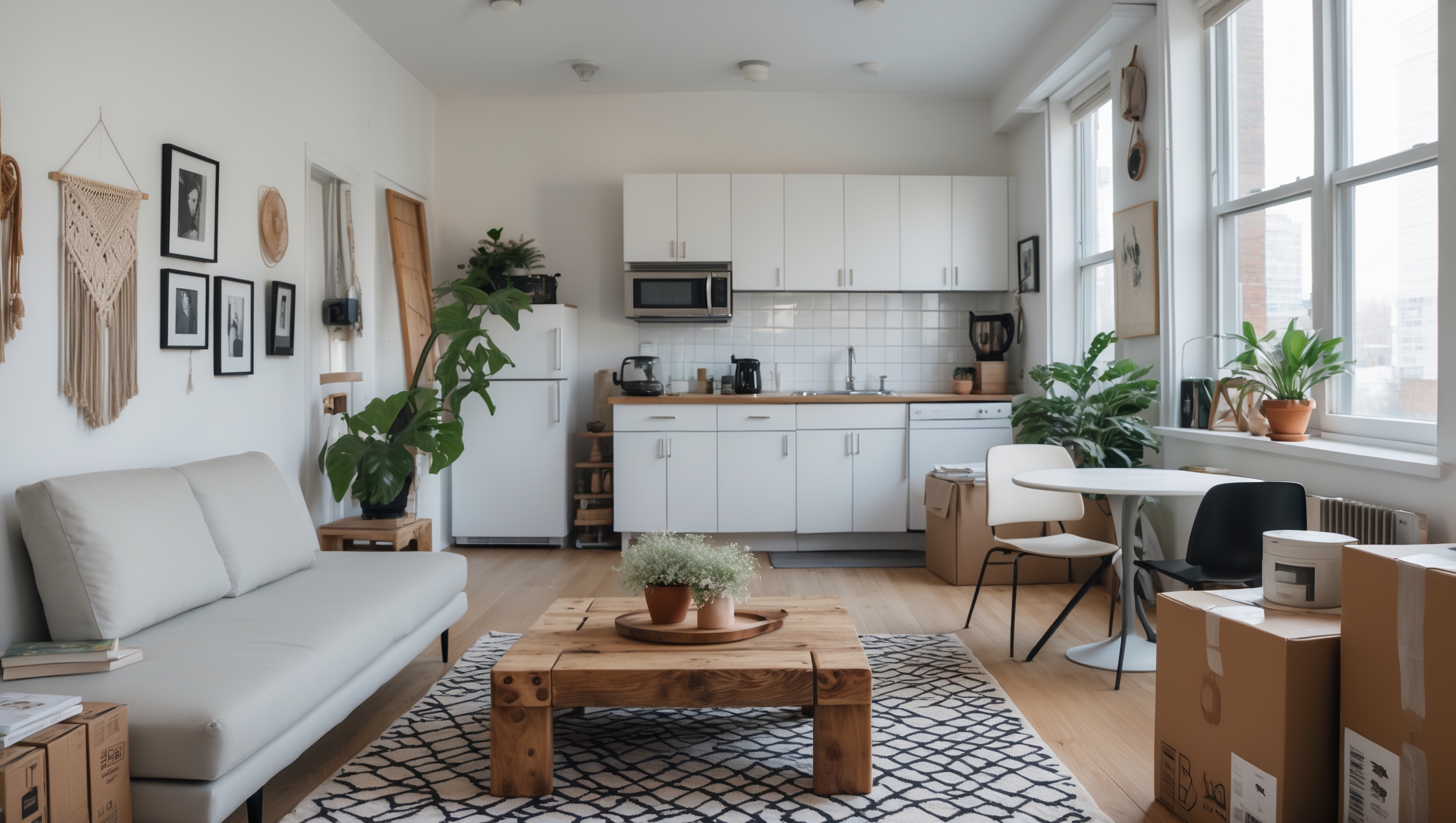
Introduction: The Challenge of Furnishing a New Home Abroad
Moving abroad opens the door to adventure, but it also brings a unique set of living logistics. One of the most daunting tasks expats and long-term travelers face is furnishing an empty apartment in an unfamiliar country—often on a tight budget and a limited timeline. While some rentals come furnished, many do not, especially in cities where landlords expect tenants to bring their own belongings. Shipping items from home is usually cost-prohibitive, and local options can be overwhelming or confusing to navigate. Cultural differences in furniture style, the prevalence (or lack) of secondhand markets, and even the process of buying, transporting, and assembling household essentials can all be surprisingly different from what you’re used to.
This comprehensive guide breaks down the process of furnishing an apartment abroad, step by step, with a strong focus on budget-friendly strategies that work in most destinations. We’ll explore how to prioritize purchases, where to source affordable furniture and appliances, what tools and knowledge you’ll need to assemble and maintain your finds, and how to avoid common traps that waste money or cause headaches later. Whether you’re in Europe, Asia, Latin America, or beyond, these practical tips and checklists will help you create a comfortable, functional home without breaking the bank—or your back.
Assessing Your Needs and Setting a Realistic Budget
What Do You Really Need?
Start by distinguishing between must-haves and nice-to-haves. In your first weeks, you’ll need only the essentials for sleeping, cooking, and basic living. Remember, you can always add more later. Consider:
- Sleeping: Mattress or bed, bedding
- Cooking: Stove or hotplate, fridge, basic cookware and utensils
- Eating: Table and chairs (or a small folding table)
- Storage: Clothes rack, shelves, or wardrobe
- Lighting: Lamps (many rentals lack sufficient lighting fixtures)
- Hygiene: Shower curtain, bathmat, laundry basket
Budgeting: What to Expect
Prices vary widely depending on the country, city, and whether you buy new or used. As a rule of thumb, plan for these minimums:
- Major cities, Western Europe/Japan/Australia: $1,200–$2,000 for basic furnishings
- Eastern Europe/Southeast Asia/Latin America: $500–$1,000 for basics
- Ultra-budget (all secondhand, minimal): $200–$600
Factor in moving costs, delivery fees, and basic tools. Build in a 10–15% buffer for unexpected extras.
Prioritizing Purchases: The First Two Weeks
Room-by-Room Checklist
- Bedroom: Mattress or futon, pillow, blanket/sheet (bed frame optional at first)
- Kitchen: Hotplate or basic stove, pan, pot, knife, spoon/fork, mug, plate, fridge (if not supplied), dish soap and sponge
- Bathroom: Shower curtain, bathmat, toilet brush, basic cleaning supplies
- Living Area: Folding chair or floor cushion, lamp, power strip
Get creative—many expats use multi-purpose furniture (a mattress in the living area by day, bedroom by night) until they build out their space.
Where to Source Affordable Furniture and Appliances
New vs. Used: Pros and Cons
- New: Warranty, easy assembly, but higher cost and delivery charges
- Used: Biggest money-saver, often immediate pickup, but may require cleaning or minor repairs
Best Places to Shop Locally
- Classifieds: Facebook Marketplace, Craigslist, Gumtree, OLX, local expat groups
- Charity Shops/Thrift Stores: Great for kitchenware, lamps, small furniture
- Discount Chains: IKEA, JYSK, Conforama, or local equivalents
- Local Markets: Flea markets, “rastro” (Spain), “marché aux puces” (France), “tianguis” (Mexico)
- Appliance Outlets: Ask about display models or scratch-and-dent deals
- Neighbors & Landlords: Sometimes prior tenants leave items behind or neighbors are upgrading
Negotiating and Inspecting Purchases
Don’t be afraid to negotiate, especially in informal markets. Check for bed bugs, mold, missing parts, and test any electronics before handing over cash. Bring a local friend if possible, or use translation apps for clarity.
Delivery and Transport Solutions
- Many cities have delivery services for heavy items (often cash-only, sometimes same-day)
- Consider renting a van for a day with other new arrivals to split costs
- Apps like Lalamove, GoGoVan, or Uber Van may be available in your city
- For small items, public transport or a rolling suitcase can save taxi fare
Essential Tools and DIY Know-How
Starter Toolkit for Expats
- Multi-bit screwdriver
- Adjustable wrench
- Hammer
- Tape measure
- Pliers
- Utility knife
- Level (many phone apps work for this)
- Basic drill (optional but useful for hanging shelves, assembling furniture)
Kits are available at hardware stores or large supermarkets for $10–$30. Borrow from neighbors or buy secondhand to save money.
Assembly Tips
- Watch YouTube tutorials in your language for tricky items
- Save all screws and extra pieces for future repairs
- If instructions are only in the local language, use Google Translate’s camera feature
- Take photos during each step to help with reassembly if you move again
Saving Strategies: Hacks for Every Budget
Maximizing Secondhand Finds
Many expats moving out will sell or give away items in excellent condition. Set alerts on local marketplace apps for keywords like “urgent sale,” “moving,” or “liquidation.” Attend expat meetups and ask about furniture swaps.
Repurposing and Upcycling
- Wood pallets can be turned into bed frames or coffee tables (ask local shops for free ones)
- Crates or boxes make instant shelves
- Old suitcases double as storage and side tables
Renting Instead of Buying
Furniture rental companies operate in many major cities and can be a cost-effective option for short stays. Costs are usually lower than buying new, and pickup is included when you leave.
Timing Your Purchases
- Shop during local sales events or holiday closures, when stores discount floor models
- Buy off-season (fans in winter, heaters in summer) for the best deals
Room-Specific Solutions
Bedroom
- Mats, futons, or air mattresses can suffice for the first month on a budget
- Look for used wardrobes or use portable racks and hanging shelves
- Buy bedding at supermarkets or discount stores—quality may differ from home, so check fabric content
Kitchen
- Mix and match: Buy a few essentials (pot, pan, mug, plate, knife) and add slowly
- Consider a portable induction or gas stove if the kitchen is unfurnished
- Check if fridges are sold separately in your destination (common in some countries)
- Skip specialty gadgets until you see what you actually use
Living Area
- Floor cushions or bean bags are affordable and flexible
- Foldable tables and chairs allow easy rearrangement
- Thrift stores are goldmines for lamps and small shelves
Bathroom
- Bring or buy a shower curtain—many rentals don’t include one
- Plastic shelving or baskets are cheap and resist humidity
- Basic cleaning supplies can be found at supermarkets or discount shops
Common Mistakes to Avoid
- Overbuying: Start with essentials; avoid buying everything at once
- Ignoring Measurements: Always measure your space and doorways before purchasing
- Assuming Local Standards: Power plugs, mattress sizes, and even bed heights may differ from home
- Skipping Inspection: Always check used items in person when possible
- Not Reading Rental Agreements: Some landlords require you to return the apartment empty, others expect you to leave certain items
Safety, Compliance, and Cultural Considerations
Electrical Standards
Buy only items compatible with local voltage and plug types. Adapters are fine for small electronics, but don’t use high-wattage appliances with voltage converters long-term—they can be fire hazards.
Fire Safety
- Ask if your apartment has a smoke detector; if not, buy a portable one
- Keep exits clear and don’t overload power strips
Building Regulations
Some buildings restrict furniture deliveries to specific hours or require advance notice. Always check building rules to avoid fines or conflicts with neighbors.
Cultural Tastes and Norms
Local color and style preferences may influence what’s available and affordable. Embrace some local flair in your furnishings—it will help you feel more at home and can be much cheaper than importing your own style.
Maintenance and Upkeep
- Keep assembly instructions and receipts for warranty claims
- Tighten screws and bolts every few months to prevent wobbly furniture
- Clean upholstery and mattresses regularly to prevent mold, especially in humid climates
- Use felt pads under furniture to protect floors (especially in rentals)
When You Move Out: Reselling and Disposal Tips
- List items for sale in expat and local groups a month before leaving
- Bundle items (“kitchen starter kit”) to move things faster
- If unsold, donate to local charities or contact municipal services for collection
- Ask your landlord if the next tenant would like to buy or inherit items
Conclusion: Creating a Home—Affordably and Sustainably
Furnishing an apartment abroad isn’t just about filling a space—it’s about creating a comfortable, livable environment that reflects both your needs and your new locale. By prioritizing essentials, sourcing creatively, and learning a few DIY basics, you can avoid common pitfalls and save hundreds (or even thousands) of dollars. More importantly, you’ll gain confidence in navigating local systems, negotiating deals, and adapting to a new way of life.
Remember, perfection isn’t the goal—functionality, comfort, and flexibility are your best friends as you settle into your new home. Over time, you’ll discover what you truly need and what you can live without. You may even find that some of your improvised solutions become cherished parts of your expat story. As you prepare for your next move, you’ll be equipped not only with affordable furniture but with the resourcefulness and resilience that make life abroad so rewarding. Happy furnishing—and welcome home, wherever you are!
You mentioned that assembling and maintaining furniture abroad can be different from what I’m used to in the US. Are there any basic tools or knowledge you would recommend getting before arrival, especially for people who might not be very handy?
It’s smart to come prepared! A basic toolkit with a screwdriver set (including both Phillips and flathead), a small hammer, measuring tape, and adjustable wrench is very useful. Many affordable furniture pieces use hex keys (Allen wrenches), so bringing a set is a good idea too. Watching a few YouTube videos on assembling flat-pack furniture can help if you’re not very handy, as instructions can vary by country.
You mention that some cities expect tenants to bring their own furniture, and local options can be overwhelming. How would you recommend expats research or evaluate the quality and reliability of secondhand furniture markets in a country they’re new to?
When moving to a new country, start by joining local expat groups and online forums to get firsthand advice about reputable secondhand markets. Visit stores in person when possible to inspect items for quality. Check for reviews of sellers or stores online, and ask locals or colleagues for recommendations. Always clarify return policies and delivery options before making a purchase to avoid surprises.
You mention prioritizing essentials like a bed, cooking gear, and lighting, but how much should I realistically budget for those items in a major European city? Are there common hidden costs that first-time expats often overlook when furnishing from scratch?
For a major European city, you can expect to spend around 300–500 euros for basics like a bed, cooking gear, and lighting if you shop at popular budget stores or consider secondhand options. Hidden costs first-time expats often overlook include delivery fees, assembly charges, minor kitchen essentials like utensils, and deposits for large items if renting furniture. It’s also wise to set aside a small emergency buffer for unexpected purchases or repairs.
If I’m moving to a country where I don’t speak the language well, what are some practical ways to source basic kitchen appliances and cookware locally without overspending or getting overwhelmed by unfamiliar brands?
To source kitchen appliances and cookware locally, try visiting large discount stores or supermarkets—these often have affordable basics and clearer labeling. Look for secondhand options through local online marketplaces or expat community groups, which can offer good deals and advice. If possible, bring photos or translations of what you need to show store staff. Focusing on recognizable brands or sticking to simple, essential items can also help avoid confusion and overspending.
You talked about setting a realistic budget for essentials, but I’m wondering how much I should expect to spend on furnishing a basic apartment when moving to Europe versus Asia. Do average start-up costs differ a lot by region, and do you have any ballpark figures?
The average start-up costs do differ by region. In Europe, furnishing a basic apartment can range from 1,000 to 2,500 euros, depending on the country and whether you buy new or secondhand. In many Asian countries, you might spend between 500 and 1,500 US dollars for similar basics. Prices can vary widely based on local markets and availability, but overall, Asia tends to be more affordable than most parts of Europe for basic furnishings.
I see you suggest prioritizing essentials like a mattress and basic cookware first. Do you have tips for estimating an initial furniture budget in a completely unfamiliar country, especially when you’re not sure what items typically cost there?
Estimating your initial furniture budget can be easier if you research local online marketplaces, social media groups, and large retailers for price comparisons. Try making a list of your essentials and looking up their average prices in your destination country. You can also reach out to local expat forums for recent cost estimates specific to your city, which helps avoid surprises.
I noticed you mentioned that lighting can be an issue since many rentals lack fixtures. In your experience, what’s the best way to find affordable lamps or lighting solutions abroad? Are there any particular stores or secondhand sources that are more reliable for this?
You’re right, lighting is often overlooked in rentals. In most cities, large discount stores or supermarkets often sell basic lamps at reasonable prices. Secondhand shops, online marketplaces, and local flea markets are excellent for unique or cheaper options—just be sure to test items before buying. Facebook Marketplace and local classifieds can be especially reliable for finding used lighting, as you can often negotiate prices and see items in person.
You talked about budgeting for essentials first, but how much should I realistically set aside for things like basic cookware and bedding in an average European city? It’s hard to know what a reasonable starting budget is in a new country.
For basic cookware and bedding in an average European city, you can expect to spend around 80 to 150 euros. This should cover items like a small set of pots and pans, some utensils, plates, glasses, and a simple bedding set. Shopping at discount stores or secondhand shops can help you stay closer to the lower end of that range.
When you talk about prioritizing essentials for the first weeks abroad, how do you suggest deciding which kitchen appliances to buy immediately versus waiting, especially if you’re not sure how long you’ll be staying?
A good approach is to start with the kitchen appliances you know you’ll use daily, such as a kettle, basic cookware, and perhaps a microwave or hot plate, depending on your cooking habits. Hold off on items like blenders or slow cookers until you know your routine and how long you’ll be staying. That way, you avoid spending too much on things you might not need.