
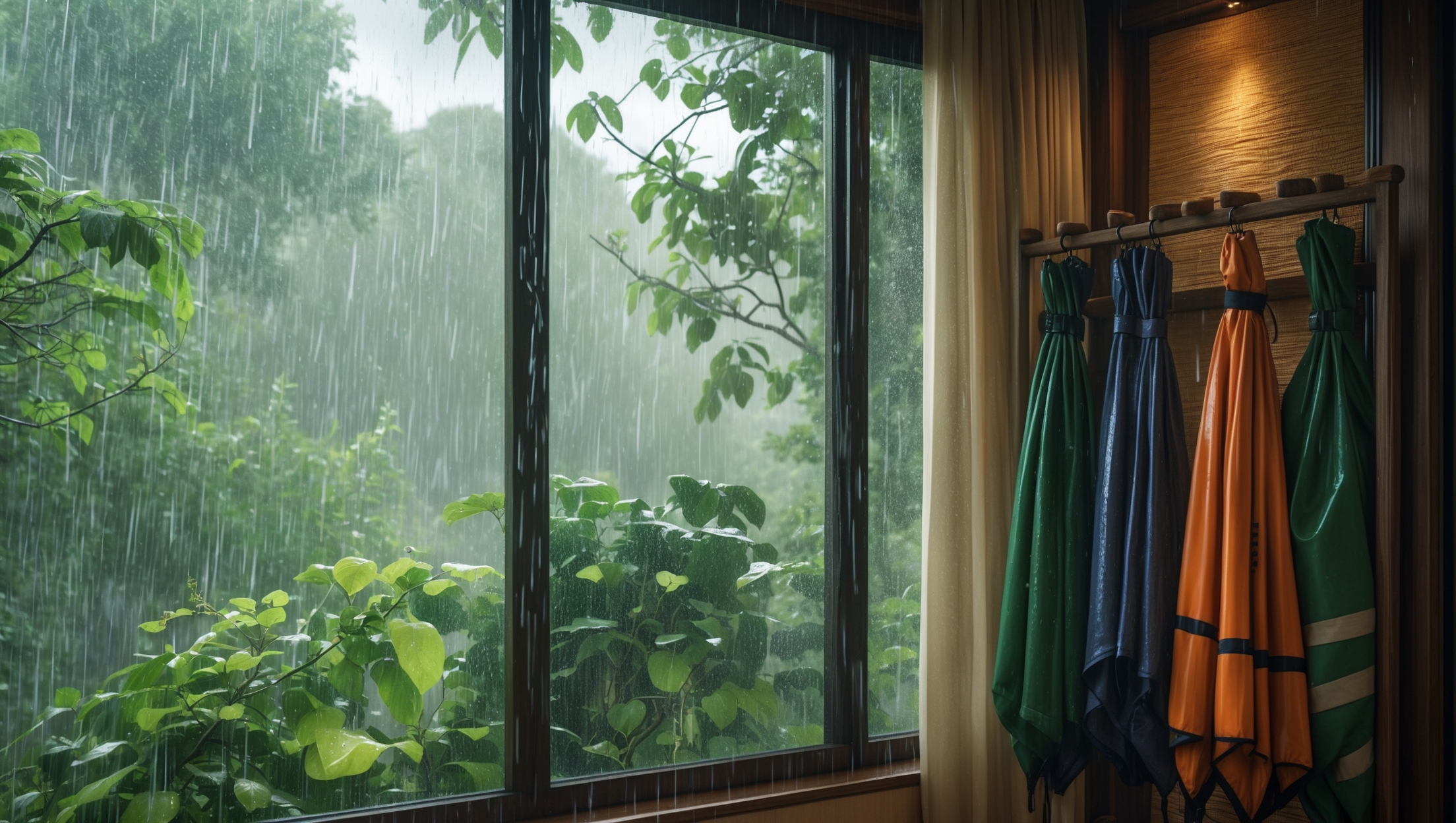
Introduction: Why Rainy Season Readiness Matters for Travelers and Expats
Settling into a new country brings a rush of excitement, but few newcomers anticipate the unique challenges of the rainy season until the first heavy downpour arrives. Whether you’re an expat settling in for the long haul or a traveler on a multi-month journey, adapting to a wet climate can impact everything from your daily routines and comfort to the longevity of your belongings. In many destinations across Southeast Asia, Central America, Africa, and beyond, the rainy season isn’t merely a week or two of showers—it can mean months where sudden deluges, high humidity, and flooding are part of daily life. For those coming from drier climates, this shift can pose unexpected hurdles. Wet gear, slippery streets, persistent mold, and power outages become part of the landscape. The key to an enjoyable, stress-free rainy season lies in smart preparation. This guide offers a practical maintenance and packing checklist specifically for expats and travelers navigating the realities of life abroad during the wet season. Learn how to protect your home, health, and belongings, and discover what to pack so you’re comfortable, safe, and ready to embrace the rain rather than dread it.
Understanding the Local Rainy Season: What to Expect
Duration, Intensity, and Surprises
Rainy seasons vary dramatically by region. In Thailand, monsoons can last from May to October, bringing daily storms that start and stop abruptly. In Costa Rica, the ‘green season’ stretches from May to November, often with afternoon downpours and clear mornings. Africa’s equatorial belt might see intense rains for several months, often with little warning before the skies open. Some regions experience flooding, landslides, or infrastructure disruptions, so understanding local patterns is crucial for planning and safety.
- Local insights: Ask neighbors or local friends about what to expect. Online expat forums are goldmines for tips specific to your area.
- Government resources: Many countries issue seasonal advisories—check weather apps, embassy bulletins, or local news for updates.
Home Maintenance Essentials: Preparing Your Space
Inspect and Seal Entry Points
Before the rains begin, inspect your accommodation thoroughly. Look for cracks around windows, gaps under doors, and worn weather-stripping. Even small openings can let in water and humidity, inviting mold and pests.
- Seal cracks with silicone caulk.
- Install or replace door sweeps and window seals.
- Check for loose roof tiles or shingles, especially in older or traditional homes.
Gutter and Drainage Maintenance
Blocked gutters and drains are a leading cause of leaks and indoor flooding. Even in apartments, clogged balcony drains can create indoor waterfalls.
- Clear all gutters and downspouts of leaves and debris before the season starts.
- Check that drainage directs water away from your foundation or entryways.
- For apartment dwellers, ensure balcony and window drains flow freely.
Humidity and Mold Prevention
Persistent moisture breeds mold, which can damage belongings and trigger allergies.
- Invest in a portable dehumidifier—essential in humid climates.
- Use moisture absorbers (like silica gel or desiccant packs) in closets, shoes, and storage bins.
- Keep windows open for ventilation on dry days, and use fans to circulate air.
Power Outage Preparation
Storms often bring power cuts. Prepare a kit that includes:
- Battery-operated lanterns or LED headlamps.
- Portable power banks for devices.
- Surge protectors for sensitive electronics.
Furniture and Belonging Protection
Raise furniture on blocks if flooding is possible. Store important documents, electronics, and valuables in waterproof containers or on higher shelves. Store shoes and bags in breathable but covered bins to avoid mildew.
Packing Checklist: What to Bring for Rainy Season Living
Waterproof Essentials
- Rain jacket: Lightweight, breathable, and truly waterproof. Avoid ‘water-resistant’—it won’t stand up to tropical downpours.
- Umbrella: Compact, windproof models are best, but in strong monsoon winds, a good jacket is more reliable.
- Waterproof footwear: Rubber boots, waterproof sneakers, or sandals with grip. Avoid leather and suede—they’ll never dry out.
- Packing cubes and dry bags: For electronics, passports, and clothing. Dry bags are invaluable for day trips or commutes.
Clothing Tips
- Quick-dry fabrics: Synthetic blends or technical fabrics dry faster than cotton or denim.
- Light layers: Humidity means you’ll sweat even when it’s pouring. Loose, breathable layers prevent overheating.
- Multiple socks: Pack extras—nothing’s worse than soggy socks and no way to dry them out.
Health and Safety Items
- Insect repellent: Rainy season often brings mosquitoes. Use DEET-based or natural repellents as needed.
- Waterproof first aid kit: Ensure plasters, antiseptics, and medications are sealed.
- Anti-mold wipes and sprays: For shoes, bags, and storage areas.
Travel Accessories
- Microfiber towel: Dries quickly and packs small.
- Portable laundry line: For drying clothing inside during extended rain.
- Ziplock bags: For storing damp clothing or protecting books and electronics.
Daily Life Adjustments: Smart Habits for the Wet Season
Drying and Storage Strategies
Even with the best gear, some things will get wet. Set up a designated drying area near the entrance—use a mat or tray for shoes and hooks or racks for jackets and umbrellas. Avoid piling damp items together; space them out to prevent mildew.
Managing Laundry
Clothes can take days to dry in high humidity. Use indoor drying racks and, if possible, position them under a ceiling fan or near a window. Laundromats with dryers can be a lifesaver in the rainy season. For persistent dampness, consider rotating two sets of essentials so you’re never caught without dry clothes.
Transportation and Commuting
- Always check the weather forecast before leaving home. Sudden storms are common.
- Carry a spare set of clothing or at least socks in a dry bag for work or social outings.
- Allow extra travel time—flooded streets and slower traffic are a given during heavy rains.
Preventing Slips and Falls
- Use non-slip mats at entryways and in bathrooms.
- Wipe up puddles immediately to avoid accidents.
- Choose footwear with good traction for slick sidewalks and tiled floors.
Mold and Pest Vigilance
Check hidden corners and closets weekly for signs of mold. Wipe down surfaces with anti-mold solutions, especially in kitchens and bathrooms. Keep food sealed and dispose of garbage promptly—rainy season is high season for ants and other pests.
Protecting Electronics and Valuables
Humidity-Proofing
Moisture can corrode electronics, cameras, and batteries. Store sensitive items with silica gel packets in sealed containers. Use waterproof cases for phones and laptops when commuting. Consider a small, rechargeable dehumidifier for electronics storage boxes.
Power Surge Protection
Unstable weather means unstable electricity. Use surge protectors on all valuable electronics and unplug devices during storms or when leaving home for extended periods.
Health Considerations During Rainy Season
Staying Healthy
- Drink only filtered or bottled water—heavy rains can contaminate local supplies.
- Keep a supply of basic medicines for colds, stomach bugs, and allergies, as these are more common.
- Maintain good hand hygiene—wet environments help germs spread.
Dealing with Mosquitoes and Disease
- Use window screens or sleep under a mosquito net if advised locally.
- Empty standing water from pots, buckets, and drains to reduce breeding grounds.
- Wear long sleeves and pants in the evening, especially in malaria or dengue-prone areas.
Insurance and Emergency Planning
Home and Travel Insurance Review
Check if your policy covers water damage or flooding. Some local policies exclude natural disasters—ask your insurer for details. For renters, see if your landlord’s policy covers your belongings or if you need supplemental coverage.
Emergency Contacts and Evacuation
- Keep emergency numbers for local authorities and your embassy handy.
- Know the location of the nearest hospital and evacuation routes if you’re in a flood-prone area.
- Store digital and hard copies of passports, visas, and insurance documents in waterproof containers.
Local Community and Social Life: Making the Most of Rainy Days
Embracing Indoor Activities
Rainy season is the perfect excuse to discover local cafes, libraries, museums, and indoor markets. Many cities offer cultural events or classes specifically during the wet months—check local listings and expat groups for ideas.
Staying Connected
Frequent storms can disrupt internet or power. Download offline maps, movies, and e-books in advance. Join local community chat groups for real-time updates on closures, transportation, or emergencies.
Conclusion: Rainy Season as an Opportunity, Not an Obstacle
Rainy season living abroad can seem daunting, but with preparation, it becomes just another part of the adventure. By investing a bit of time in home maintenance, packing smart, and adopting a few new habits, you’ll avoid the most common pitfalls and stay comfortable, dry, and healthy. The wet months often reveal a different side of your host country: lush landscapes, vibrant festivals, and a slower, cozier pace of life. Embrace the chance to explore new indoor spaces, try regional comfort foods, and connect with locals and expats facing the same daily challenges. Remember, the rain won’t last forever—but the experience and confidence you gain from adapting will serve you on every journey. With the strategies and checklists above, you’ll not only survive the rainy season—you might just find yourself looking forward to it next year.
I’m curious if there are specific types of materials or fabrics you recommend for clothing during the rainy season in places with very high humidity like Southeast Asia. I usually bring some quick-dry gear, but I wonder if it still gets musty over months of use.
Quick-dry synthetic fabrics like nylon and polyester are still good choices, but in places with high humidity, they can sometimes feel clammy or develop odors over time. Consider adding some lightweight merino wool items—these dry quickly, breathe well, and resist odor much longer. Also, packing a few moisture-absorbing sachets and washing clothes frequently helps keep mustiness at bay during extended trips.
You mention that rainy seasons in different regions can cause issues like mold and power outages. What are some effective ways to prevent mold growth inside a rental apartment, especially in places with constant high humidity and not much sunlight?
To help prevent mold in a humid, low-sunlight rental, try using a dehumidifier or moisture-absorbing products like silica gel or moisture absorber tubs. Make sure to ventilate rooms by opening windows and using fans whenever possible. Keep wardrobe doors slightly open and avoid placing furniture right against walls. Regularly clean damp areas, and wipe down surfaces that tend to collect moisture, such as bathroom tiles and window sills.
You mentioned that wet gear and persistent mold can become everyday problems during the rainy season. Could you give more specific suggestions on how to store or dry shoes and backpacks to prevent mildew, especially in places with limited indoor space?
To prevent mildew on shoes and backpacks in damp conditions, try removing insoles and stuffing shoes with dry newspaper to absorb moisture overnight. Hang backpacks and shoes separately, ideally near a fan or window for airflow. If space is tight, use a retractable clothesline or hooks on doors. Silica gel packs or moisture-absorbing sachets inside bags also help. Rotate items to ensure all surfaces dry thoroughly.