
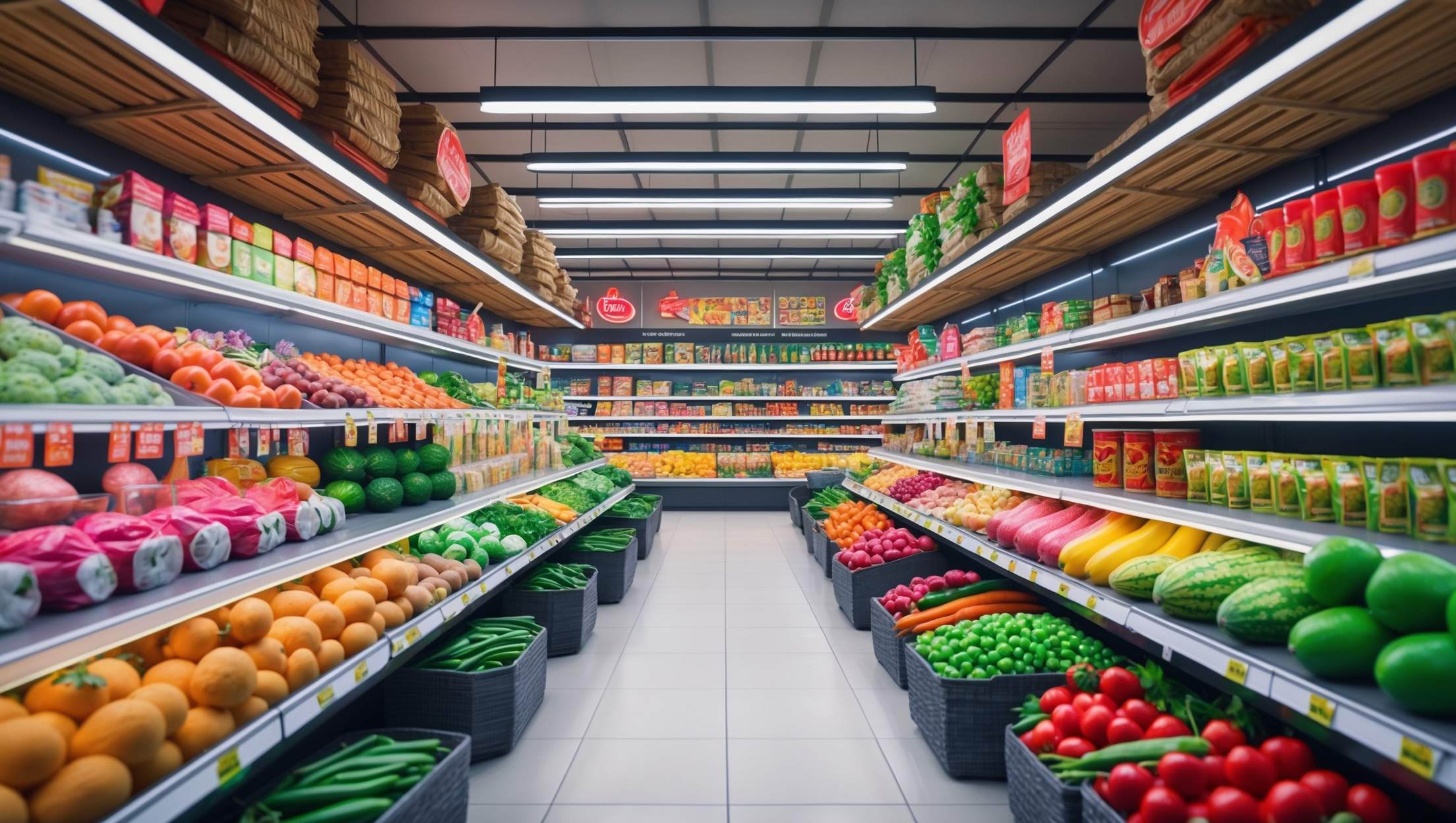
Introduction: The Adventure and Challenge of Grocery Shopping Abroad
Moving to a new country is a thrilling leap into the unknown, and few daily routines highlight the novelty quite like your first grocery run abroad. Whether you’re settling in for a long-term expat assignment, embarking on a sabbatical, or embracing the life of a digital nomad, grocery shopping becomes a microcosm of your broader adjustment. Suddenly, familiar brands disappear, ingredient labels are in another language, and prices may seem baffling. Navigating new store layouts, deciphering local customs around food, and sticking to your budget can feel downright overwhelming. But with the right approach, international grocery shopping becomes less of a daunting chore and more of a cultural adventure—a chance to expand your palate, learn local habits, and take control of your health and expenses. This guide will equip you with practical tools, smart budgeting strategies, and essential food safety tips to master grocery shopping in any new country.
Understanding the Local Grocery Landscape
Types of Grocery Stores You’ll Encounter
Every country has its own set of grocery options, ranging from sprawling hypermarkets and discount chains to open-air markets and tiny neighborhood shops. Understanding these formats is key to planning your shopping trips efficiently:
- Supermarkets & Hypermarkets: Large chains offering a wide variety of products, often including international brands. Examples: Carrefour (France), Tesco (UK), Coles (Australia), Walmart (Mexico).
- Discount Stores: Budget-friendly chains focusing on low cost, sometimes with limited selection. Examples: Lidl, Aldi, Dia.
- Neighborhood Grocers: Small, local stores, sometimes family-run. Great for essentials and last-minute needs.
- Wet Markets & Open-Air Markets: Local produce, meats, and specialty foods. Often cash-only and best for fresh, seasonal ingredients.
- Specialty Stores: Dedicated to specific cuisines or dietary needs—think Asian groceries in Europe, vegan shops, or gluten-free bakeries.
- Online Grocery Delivery: Growing rapidly in many countries, especially urban areas. Can be lifesaving for language barriers or restrictive schedules.
Local Shopping Customs and Etiquette
In some countries, bargaining is expected at markets, while in others, prices are fixed and haggling is frowned upon. Plastic bags may be banned, or you might need to weigh your produce before checkout. Understanding these nuances saves time and embarrassment. Do some reconnaissance: observe locals, ask expat forums, or check local blogs for etiquette tips.
Essential Tools for Stress-Free International Grocery Runs
Language and Translation Tools
Language barriers are a top challenge. Equip yourself with:
- Translation Apps: Google Translate, DeepL, or Microsoft Translator. Use camera mode for labels and ingredient lists.
- Pictorial Shopping Lists: Apps like Paprika or Bring! can let you add images to your lists.
- Phrasebook or Printouts: For offline use, keep a list of essential food terms and allergy warnings in the local language.
Payment and Shopping Logistics
- Reusable Shopping Bags: Many countries charge for plastic bags or ban them entirely.
- Small Change and Local Payment Methods: Some markets are cash-only or prefer mobile payment apps popular locally (like WeChat Pay in China or M-Pesa in Kenya).
- Portable Cooler or Insulated Bag: Crucial for keeping perishables fresh, especially if you walk or use public transport.
- Multi-Use Shopping Cart or Trolley: For those without a car, a foldable cart makes hauling groceries far less daunting.
Health and Dietary Tools
- Allergy and Dietary Cards: Download or print cards explaining your allergies or dietary restrictions in the local language (available from organizations like SelectWisely or Allergy Translation).
- Ingredient Decoder Apps: Use apps to scan labels for allergens, additives, or dietary compliance (such as gluten or vegan status).
Budgeting for Groceries as an Expat
Setting a Realistic Food Budget
Budgeting starts with research. Price levels can vary dramatically even within the same city, and imported products are typically pricier. To set your budget:
- Check cost-of-living websites (Numbeo, Expatistan, local expat groups) for typical grocery prices.
- Track receipts during your first few weeks to get a real sense of your spending.
- Factor in the cost of eating out and local dining customs (e.g., more affordable street food in Southeast Asia, higher grocery costs in Scandinavia).
Saving Money: Local Strategies
- Shop Seasonal and Local: Imported products can be double or triple the price. Embrace local produce and brands.
- Frequent Markets Near Closing Time: Vendors often discount perishables at the end of the day.
- Join Loyalty Programs: Many supermarket chains offer discounts or points for regular shoppers.
- Buy in Bulk, Where Appropriate: Bulk stores or wholesale markets can save money, but only if you have storage and will use the goods.
- Compare Prices Across Stores: Prices can differ widely between chains and even branches.
Understanding Price Displays and Units
Units of measurement can be confusing: kilos vs. pounds, liters vs. gallons, or local measurement systems. Always check the unit price, and if unsure, use your phone’s calculator or a unit conversion app to avoid overpaying.
Food Safety and Quality: What Expats Need to Know
Assessing Freshness and Food Safety Standards
Food safety regulations and standards vary greatly. In some countries, unrefrigerated eggs or milk are normal; in others, this would be a red flag. Tips for ensuring safety:
- Observe the cleanliness of the store or market; trust your instincts if something seems off.
- Check expiration dates carefully—sometimes products are discounted when close to expiry.
- At markets, inspect produce for bruising or mold and ask vendors about harvest dates if possible.
- For meats and dairy, ensure proper refrigeration and ask about sourcing if possible.
- Wash fruits and vegetables thoroughly—use a mild vinegar solution or produce wash if you’re concerned about pesticide residues.
Understanding Local Food Labels
Ingredient lists, nutritional info, and allergy warnings may not be in your language or may use unfamiliar symbols. Familiarize yourself with key terms—many government food safety agencies publish translation glossaries for food labeling. If in doubt, stick to whole, unprocessed foods until you gain confidence.
Food Storage in New Climates
Hotter or more humid countries may require faster consumption of perishables. Some foods (like eggs or certain root vegetables) may be stored at room temperature locally but require refrigeration elsewhere. Observe local practices, but when in doubt, err on the side of caution for storage.
Shopping for Special Diets and Preferences
Vegetarian, Vegan, and Allergy-Friendly Shopping
Some countries have limited options for special diets, while others are extremely accommodating. Tips:
- Research local equivalents for staples (e.g., tofu in Asia, lentils in India, oat milk in Scandinavia).
- Check international stores or online retailers for specialty products.
- Connect with local expat or dietary-specific communities for sourcing tips.
Shopping Gluten-Free or for Other Restrictions
In markets where gluten-free labeling is less common, focus on naturally gluten-free whole foods. Bring translation cards to help explain your needs if asking staff for help.
Shopping Online: Pros, Cons, and Best Practices
Benefits of Online Grocery Shopping Abroad
- Convenience, especially in large cities or if your schedule is tight.
- Easy translation and price comparison.
- Ability to access specialty products not available in stores.
Potential Challenges
- Minimum order requirements or delivery fees.
- Limited availability of fresh produce or short shelf-life goods.
- Delivery windows may be unpredictable; ensure someone is home.
Best Practices
- Read reviews of both stores and delivery services.
- Double-check product sizes and prices—sometimes translations are inaccurate.
- Inspect delivered goods promptly and contact customer service immediately if there are issues.
Case Study: Grocery Shopping in Three Countries
Japan: The Art of Precision and Presentation
Supermarkets in Japan are known for immaculate presentation and a dizzying array of unfamiliar products. Price per 100 grams is typically displayed. Many stores offer prepared foods at deep discounts just before closing. Language can be a barrier; use translation apps or learn basic food kanji. Cash is still king, especially in smaller stores.
Germany: Discounters and Deposit Systems
German shoppers often frequent discounters like Lidl and Aldi. Bring your own bags and be prepared to bag groceries quickly at checkout. Many drinks and some jars have a deposit (Pfand) that you reclaim by returning empties to machines. Credit cards are less universally accepted—keep cash on hand.
Mexico: Markets and Mega-Chains
Traditional mercados offer fresh, local produce and meats, while massive chains like Walmart and Chedraui cater to one-stop shopping. Food safety at markets is generally good, but always inspect produce. Expect price haggling at markets but fixed prices in chains. Be aware of local salsas and spice levels if you’re sensitive to heat!
Checklist: Your First Successful Grocery Run Abroad
- Research local grocery store types and locations.
- Download translation and unit conversion apps.
- Prepare a shopping list with images and local terms.
- Bring reusable bags, small change, and local payment apps/cards.
- Check opening hours and local holidays (some stores close early or on Sundays).
- Prioritize local and seasonal products for cost and freshness.
- Inspect food for freshness and check labels carefully.
- Store perishables promptly and safely at home.
- Track your spending and adjust your budget as needed.
Conclusion: Embracing the Grocery Shopping Learning Curve
International grocery shopping can feel like a test of patience and adaptability, but it’s also a unique gateway into your new home’s culture, economy, and daily life. Each trip to the store or market sharpens your ability to navigate unfamiliar systems, discover new favorite foods, and connect—however briefly—with local rhythms. No matter how well you prepare, expect a few surprises and mistakes along the way, from buying salt instead of sugar to accidentally spending a small fortune on imported peanut butter. But these stumbles are part of the expat experience and ultimately make you a more confident, resourceful traveler.
Remember: start small, lean on technology, and don’t hesitate to ask for help from locals or other expats. Over time, your shopping list will fill with newfound staples, your budgeting will become second nature, and you’ll appreciate the adventure that each grocery run brings. Most importantly, you’ll be nourishing yourself in more ways than one—fueling your body, yes, but also feeding your curiosity and sense of belonging. Happy shopping, wherever your travels take you!
I’m curious about budgeting tips for families with kids when shopping in different store types abroad. Are supermarkets or local markets generally more affordable for staple items, or does it really depend on the country?
Supermarkets and local markets can both have advantages, but their affordability really does depend on the country and even the city. Local markets often offer better prices on fresh produce and staple ingredients, especially if you shop near closing time or buy in bulk. However, supermarkets might have deals, loyalty programs, or imported items at better rates. For families with kids, tracking prices for your regular staples at both types of stores over a few weeks can help you decide where you’ll save more overall.
When you mention budgeting strategies for international grocery shopping, do you have any recommendations on how to track spending when prices are listed in a different currency and fluctuate due to exchange rates? Any specific tools you would suggest for keeping expenses consistent?
Tracking grocery expenses across different currencies can be managed by using budgeting apps that support multi-currency entries, such as YNAB or Revolut. These apps let you input expenses in local currency and automatically convert them using current exchange rates. To stay consistent, consider setting your budget in your home currency and review exchange rates regularly so you can adjust your spending if needed. Keeping receipts and logging purchases soon after shopping also helps you stay on track.
Could you elaborate more on how to budget effectively when items you usually buy back home are either absent or much more expensive abroad? Are there any tools or apps specifically for tracking grocery expenses in different currencies?
To budget effectively, start by comparing local alternatives to your usual products and being open to new brands or regional foods, which can be more affordable. Keep a running list of prices to spot patterns or sales. Apps like Splitwise, XE Currency, or Trail Wallet can help track expenses and convert currencies. Some banking apps also categorize spending and show your purchases in your home currency, making it easier to stay on budget.
I noticed you highlighted smart budgeting as a key strategy. Do you have any advice on how to compare prices between supermarkets, discount stores, and local markets when you’re still getting familiar with the currency and local price ranges?
When you’re new to local prices and currency, start by tracking prices of common items—like bread, milk, and produce—at each store you visit. Take notes or use your phone to photograph price tags. Currency converter apps can help you understand what each amount means in your home currency. Over a few trips, you’ll spot trends and see which places consistently offer better deals on your staples.
When it comes to budgeting for groceries as an expat, do you have any tips on figuring out if it’s more cost-effective to shop at discount chains like Aldi or Lidl versus local neighborhood grocers or specialty stores? I’m trying to estimate monthly expenses for my move.
To compare costs, keep a running list of staple items and track prices at each store, either by visiting in person or checking flyers and online catalogs. Discount chains like Aldi and Lidl usually offer better prices on basics, while local grocers and specialty stores may charge more for unique or imported items. Many expats find a mix works best: buy most essentials from discount chains and get specialty goods elsewhere. Tracking receipts for a month will give you a realistic estimate for your budget.
You talked about different store formats like hypermarkets and neighborhood grocers, but I’m wondering how prices tend to compare between these options. Is it typically cheaper to shop at open-air markets, or do discount chains offer better deals for expats on a tight budget?
Prices can vary a lot depending on the country, but open-air markets often have lower prices for fresh produce and some local items, especially if you buy in bulk or near closing time. Discount chains usually offer better deals on packaged goods, staples, and household items. Many expats find that combining both—buying fresh items at markets and other goods at discount stores—helps stretch their budget.
I noticed you highlighted the challenge of deciphering ingredient labels in another language. Could you recommend any strategies or tools for quickly understanding food labels or allergen information when shopping in countries where you don’t speak the language?
When shopping abroad, using translation apps like Google Translate can help you quickly scan and translate ingredient labels. Some apps allow you to use your phone’s camera to translate text instantly. You can also print or save key phrases for common allergens in the local language to show store staff. Additionally, some countries use standardized allergen icons on packaging, so familiarizing yourself with these symbols beforehand can be helpful.
I noticed you mentioned that discount stores sometimes have a limited selection. For a family on a tight budget, are those stores generally enough to meet most weekly needs, or do you usually have to supplement with specialty or neighborhood shops?
Discount stores can often cover most basic grocery needs for a family, especially staples like rice, pasta, canned goods, and some fresh produce. However, you might find the selection of fresh meats, specialty items, or international foods limited. Many families on tight budgets shop mainly at discount stores but make occasional trips to specialty or neighborhood shops to fill in gaps, especially for specific ingredients or fresher items.
You mention that neighborhood grocers are good for essentials and last-minute needs. In your experience, are prices generally higher at these smaller shops compared to supermarkets or discount chains, or is the difference not that significant?
Based on experience, neighborhood grocers tend to have slightly higher prices than large supermarkets or discount chains, especially for packaged or branded items. The convenience factor and smaller scale usually mean they can’t match the volume discounts of bigger stores. However, for some local produce or daily essentials, the price difference may not be drastic. If you’re on a tight budget, it’s worth comparing a few key items to see how much it impacts your costs.
I’m about to move abroad and I’m a bit nervous about deciphering ingredient labels in another language, especially since I have food allergies. Do you have any tips or tools for making sure I’m safely buying what I need when I can’t read the packaging?
If you have food allergies, it’s smart to prepare before you shop abroad. Carry a card with translations of your allergens in the local language, and use translation apps like Google Translate to scan ingredient lists on your phone. Some expats also recommend learning key allergy words and symbols, and connecting with local expat forums for advice on safe brands or stores.
I’m curious about your advice for navigating open-air markets as an expat. Are there specific tips for budgeting or ensuring food safety there, since these places are often cash-only and don’t always offer packaged goods with labels?
When shopping at open-air markets as an expat, bring enough local currency in small bills for easier transactions. To budget, decide on your spending limit before arriving and stick to a shopping list to avoid impulse buys. For food safety, buy from vendors with clean stalls and high turnover, and choose produce that looks fresh. Wash all fruits and vegetables thoroughly at home, and if you buy meat or dairy, ensure it’s kept cool and handled hygienically.
Your article mentions a range of grocery store types, like hypermarkets and wet markets. From your experience, which of these usually offers the best deals for someone on a tight budget, and is it common for prices to fluctuate a lot between them?
Wet markets often provide the best deals on fresh produce, meat, and local goods, especially for budget-conscious shoppers. Prices at wet markets can be lower than in hypermarkets, but they do tend to fluctuate more based on season and supply. Hypermarkets, on the other hand, usually offer more stable pricing and good deals on packaged goods. Comparing prices at both can help you maximize savings.
I see you listed different types of stores, like supermarkets, discount chains, and neighborhood grocers. For someone on a limited budget, which of these options generally offers the best value without sacrificing food quality?
For those on a limited budget, discount chains usually offer the best value for staple items like rice, pasta, and canned goods without compromising on basic food quality. However, neighborhood grocers can sometimes have great deals on fresh produce, especially if you shop at closing time or look for daily specials. Supermarkets might offer loyalty programs or bulk discounts, so it’s worth checking their promotions as well.
When you talk about budgeting for groceries in a new country, do you have any specific strategies for families with kids who are picky eaters? I’m worried about balancing new local foods with familiar options without blowing our grocery budget.
Balancing a budget with picky eaters can be challenging, especially in a new country. One approach is to identify a few staple local foods similar to what your kids already enjoy and gradually introduce them alongside familiar meals. You can also prioritize buying in bulk where possible and preparing simple, adaptable dishes that allow flexibility for each family member’s tastes. Planning weekly menus and setting aside a small portion of your budget for occasional treats from home can also help manage costs.
Could you give some tips on how to figure out which type of grocery store offers the best value for money in a new country, especially when trying to stick to a tight food budget with a family?
To find the best-value grocery stores in a new country, start by visiting different types of stores—local markets, discount chains, and larger supermarkets. Compare prices for basic staples like rice, bread, and vegetables. Pay attention to store brands, which are often cheaper. Ask locals or neighbors for recommendations on affordable places to shop. Tracking receipts for your weekly shop can help identify which store consistently saves you the most, helping you stick to your family’s budget.
I noticed you mention open-air and wet markets as good spots for fresh, seasonal ingredients, but they’re often cash-only. Do you have any tips for safely handling money or negotiating prices at these markets without standing out too much as a foreigner?
To blend in and stay safe at open-air and wet markets, try to observe how locals handle transactions before making your purchase. Carry small bills to avoid flashing large sums, and keep your cash in a secure, easily accessible pouch. When negotiating, be polite but firm, and don’t be afraid to walk away if the price feels too high—this is common practice. A friendly smile and a few words in the local language can also help you connect and negotiate respectfully without attracting too much attention.
I’m curious, when it comes to budgeting at wet markets or open-air markets where prices aren’t always marked or can be negotiated, do you have any tips for getting a fair deal and not overspending as someone new to the country?
At wet markets or open-air markets, it helps to observe what locals are paying and ask prices at several stalls before committing to buy. Don’t be afraid to politely negotiate—vendors often expect it. Decide your budget ahead of time, bring cash in small denominations, and avoid looking too eager. Over time, you’ll get a sense of fair prices and build some rapport with regular sellers.
I’ve noticed open-air markets often only take cash, as mentioned here. What tips do you have for budgeting when using mostly cash at these markets, and how do you avoid running out before your next full grocery run?
When using mostly cash at open-air markets, set a weekly spending limit and only bring that amount with you. Before shopping, make a list of essentials to stay focused and avoid impulse buys. Track your purchases as you go so you don’t overspend. If possible, keep a small emergency fund tucked away to cover unexpected needs until your next big grocery run.
Could you elaborate on the best ways to identify safe food options at open-air or wet markets, especially when language barriers make it hard to read labels or ask questions about sourcing and freshness?
When shopping at open-air or wet markets, look for stalls with high customer traffic, as locals tend to trust these vendors. Observe how food is stored—fresh produce should look vibrant and be kept out of direct sun, while meat and seafood should be on ice or well chilled. Trust your senses: avoid items with off smells or discoloration. If you can’t ask questions, consider sticking to whole, unprocessed foods you can inspect closely, and wash everything thoroughly at home.
With prices sometimes looking baffling when shopping abroad, do you have tips for tracking spending and budgeting, especially when you’re unfamiliar with the local currency and product packaging? How do other expats avoid overspending at supermarkets or discount stores?
When shopping in a new country, many expats use currency converter apps to track real-time prices and understand what they’re spending. Keeping a digital or paper spending log after each trip really helps spot patterns. It’s also useful to set a weekly or monthly limit in your home currency and stick to it. Other expats often recommend making a shopping list, comparing prices per unit or weight, and resisting impulse buys, especially at discount stores.
You talked about the challenge of ingredient labels being in another language. Are there any reliable tools or apps you recommend for translating food labels quickly, especially for people with specific dietary restrictions?
For quick translation of ingredient labels, apps like Google Translate and Microsoft Translator are very popular and work well with photos or live camera scans. These tools can help you immediately understand foreign labels, which is especially useful if you have allergies or dietary restrictions. Some apps also let you save translations for future use, making your next grocery trip easier.
You mention that open-air markets are often cash-only. Have you found that these markets in most countries accept contactless or mobile payments as well, or is it best to always carry local cash when shopping there?
While some open-air markets in larger cities are starting to accept contactless or mobile payments, it’s still far more common to find cash-only vendors, especially in smaller towns or traditional markets. To avoid any issues, it’s a good idea to always have some local cash with you when shopping at these markets, just in case.
Could you elaborate on how to identify which local grocery stores are best for finding ingredients similar to what we’re used to back home? My kids can be picky eaters, so I’m wondering which type of store is more likely to carry familiar international brands.
To find familiar ingredients and brands, start by visiting larger supermarkets and chains, as they often carry international sections with common global brands. Specialty stores—such as Asian, Middle Eastern, or European markets—can also offer products similar to what you’re used to. Expats in your area or local online forums can be great resources for recommendations. Look for stores in expat-friendly neighborhoods, as they’re more likely to stock familiar items for picky eaters.
I’ve noticed that discount stores like Lidl and Aldi sometimes have a pretty limited selection. If I’m trying to stick to a tight budget, do you have tips for prioritizing which items are best to buy there versus at larger supermarkets or local markets?
Discount stores like Lidl and Aldi are great for basics such as rice, pasta, canned goods, dairy, and seasonal produce—these staples are often much cheaper there. For specialty items, fresh meat, or a wider variety of fruits and vegetables, you might have better luck at local markets or larger supermarkets. Consider doing a main shop at the discount store, then filling in gaps elsewhere to stay within your budget.
I see you talked about budgeting for grocery shopping in a new country. Do you have advice on how to track expenses when prices are in a different currency and products aren’t what we’re used to buying back home?
To track expenses in a new currency, try using a budgeting app that supports multi-currency entries—these often handle automatic conversion to your home currency. Keep digital or paper receipts and update your spending regularly. For unfamiliar products, keep a simple list comparing local items to what you’d buy at home, then adjust your budget as you get used to new brands and prices. This helps you stay organized and sets realistic expectations as you settle in.
I’m curious about how you recommend keeping to a budget when local grocery prices fluctuate a lot or when familiar brands aren’t available. Do you have strategies for tracking spending or finding good substitutions in those situations?
When prices fluctuate or familiar brands are missing, try setting a weekly spending limit and keep track with a simple spreadsheet or a budgeting app. Compare prices across several nearby stores and local markets, as some items might be cheaper or on promotion elsewhere. For substitutions, look for local alternatives or generic brands, and experiment with similar ingredients—often, local produce and staples can be more affordable and just as good in recipes.
For someone on a tight budget, is it usually more cost-effective to stick with discount chains like Lidl and Aldi, or do you find better deals at local wet markets and open-air markets for fresh produce?
For fresh produce, local wet markets and open-air markets often have better deals, especially if you shop near closing time or buy in bulk. However, discount chains like Lidl and Aldi can be more cost-effective for packaged goods, staples, and special offers. A mix of both—shopping for fresh items at markets and packaged products at discount chains—tends to stretch your budget the furthest.
With so many store types like supermarkets, discount chains, and neighborhood grocers, do you have tips for finding the best deals overall, or should I expect to shop at multiple places to keep my grocery budget under control as an expat?
Expecting to shop at multiple places is pretty common for expats aiming to save money. Larger supermarkets often have the widest selection, but discount chains usually offer better prices on staples, while neighborhood grocers can have fresh local produce at competitive rates. Comparing flyers, using store apps, and checking weekly promotions helps spot the best deals. Mixing shopping trips between these options often gives you the best balance of value and variety.
You mention that neighborhood grocers are great for essentials and last-minute needs. In your experience, how do the prices and selection at these small local stores generally compare to bigger supermarkets or discount chains in terms of value and quality?
Neighborhood grocers typically offer less variety than big supermarkets or discount chains, with prices sometimes a bit higher due to their smaller scale. However, you might find fresher local produce and more personal service. For bulk shopping or specific international brands, larger stores usually have better deals and broader selection. For daily essentials, local shops are convenient and reliable, but for big savings or specialty items, bigger stores are often more cost-effective.
With so many store types like hypermarkets, discount chains, and neighborhood grocers mentioned, how do you know which one usually offers the best prices and quality for a weekly family grocery trip in a new country?
Comparing prices and quality in a new country can take a little trial and error. Discount chains often have lower prices but may offer fewer brands or fresh goods. Hypermarkets typically provide a wide selection and competitive prices for bulk items, while neighborhood grocers might have fresher produce but can be more expensive. Try shopping at each type for your staples and fresh foods for a few weeks, then decide which combination fits your family’s budget and quality preferences.
You mentioned the challenge of ingredient labels being in another language. What practical tools or strategies have you found most effective for quickly translating labels or understanding important info like allergens when shopping in a country where you don’t speak the language?
One of the most effective tools is a smartphone translation app—using the camera function to instantly translate labels is quick and accurate for most major languages. Carrying a small list of key allergen terms in the local language also helps, so you can look for them on packaging. Some expats find it helpful to ask store staff for clarification or to join local expat forums for advice on safe brands and products.
I noticed the article mentions that open-air markets are best for fresh and seasonal ingredients, but often cash-only. Do you have any advice on how to handle food safety concerns when shopping at these markets, especially if you’re not used to the local environment yet?
When shopping at open-air markets, look for stalls where produce is displayed cleanly and protected from direct sun or dust. Choose vendors with higher customer traffic, as this often means fresher stock. Wash fruits and vegetables thoroughly with safe water before eating, and avoid raw foods that can’t be peeled. If you buy meat or dairy, make sure it’s kept cool and only purchase what you can use soon. It’s always helpful to carry your own reusable bags to keep purchases separated and clean.
You talked about different types of grocery stores like supermarkets, discount stores, and neighborhood shops. How do prices and product quality usually compare between these options, especially if I’m trying to stick to a tight student budget?
Supermarkets often offer a wide selection and frequent promotions, so you can find good deals if you shop around. Discount stores usually have lower prices, but the range of products and brands might be smaller. Neighborhood shops tend to be more expensive overall, but they can have fresher local produce and unique items. For a tight student budget, discount stores and supermarket promotions are typically your best bet. Consider mixing where you shop to get both savings and quality.
I’m moving abroad soon and a bit worried about shopping at wet markets since I’m not sure how to tell if the produce and meat are safe to buy. Do you have any tips for checking food freshness or signs to watch out for at open-air markets?
At wet markets, look for produce that’s firm, brightly colored, and free from bruises or mold. For meat, choose stalls where products are kept cool and covered, and where the meat looks moist but not slimy or discolored. Trust your nose; fresh items shouldn’t smell sour or off. If possible, shop during busy hours when turnover is high, which usually means fresher goods.
When shopping in open-air markets as an expat, how do you know which fruits or meats are safe to buy if you’re not familiar with local food safety standards? Are there signs or questions you should look out for, especially when there’s a language barrier?
When shopping at open-air markets abroad, visually inspect fruits and meats for freshness—look for vibrant color, no off smells, and avoid anything wilting or slimy. If language is a barrier, you can point to items and ask vendors if they’re ‘fresh today’ using simple phrases or translation apps. Watch to see which stalls locals frequent, as high turnover usually means fresher products. Also, favor vendors who keep food shaded or refrigerated and who use clean utensils or gloves.
When it comes to budgeting for grocery shopping in a new country, how much should a newcomer expect prices to differ between supermarkets, discount stores, and open-air markets? Are there any tips for accurately estimating your weekly expenses before you get used to local prices?
Price differences can be significant—supermarkets often have higher prices than discount stores, while open-air markets may offer bargains on local produce but can vary by region or season. To estimate weekly expenses, check store flyers, visit a few different locations to compare prices, and track your spending for the first couple of weeks. Apps or local expat forums can also give ballpark figures for staple items in your new area.
I noticed the article talks about open-air markets often being cash-only. As an expat, how can I ensure my food purchases are safe at these markets, and what tips do you have for communicating with vendors if I don’t speak the local language?
To keep your food purchases safe at open-air markets, look for vendors with clean stalls and fresh-looking produce, and wash everything thoroughly at home. For communication, pointing, using a translation app, or carrying a phrasebook with basic food words can help. Smiling and being polite goes a long way, and often vendors are used to helping non-native speakers.
I noticed the article mentions that open-air and wet markets are often cash-only and great for fresh produce. Do you have any advice on safely handling cash transactions at these markets, or tips for avoiding scams as an expat when buying unfamiliar foods?
When shopping at open-air or wet markets, keep your cash in a secure, easily accessible pouch—avoid flashing large bills. Count your change immediately but discreetly. If you’re unsure about prices, observe what locals pay or ask for prices before committing to buy. For unfamiliar foods, purchase small quantities first and stay aware of typical market prices to avoid being overcharged.
You mentioned open-air markets and discount stores as options for groceries. In your experience, which of these tends to offer better deals for someone trying to stick to a student budget, and are there strategies for negotiating prices at markets?
Open-air markets often have better deals on fresh produce, especially if you shop near closing time when sellers are eager to clear out stock. You can sometimes negotiate prices, especially if you buy in larger quantities or visit regularly. Discount stores usually have set prices, but they can offer good deals on packaged and staple foods. Combining both—markets for fresh goods and discount stores for basics—can help you stretch your student budget further.
Does the article have any tips on how to figure out food safety standards in countries where ingredient labels aren’t in English? I’m a little concerned about knowing what’s safe to buy, especially with fresh meats and local produce from neighborhood grocers or markets.
The article suggests checking if local expat groups or community boards offer translations or guides for common food labels. For fresh meats and produce, it recommends observing cleanliness practices at the market, asking locals or vendors about sourcing, and, when possible, shopping at stores known for higher food safety standards. If language is a barrier, using a translation app or carrying a list of key food safety terms in the local language can also help.
Regarding open-air markets and neighborhood grocers, could you elaborate on how to navigate food safety concerns, especially with fresh produce and meats, compared to shopping at major supermarkets or hypermarkets?
When shopping at open-air markets or neighborhood grocers, check that meats and dairy are stored on ice or in refrigeration, and avoid items sitting in the sun. For fresh produce, inspect for bruises, wash thoroughly at home, and peel when possible. Unlike supermarkets with more regulated storage, smaller vendors may not always meet the same standards, so choose stalls with high turnover and visibly clean displays for better food safety.
Could you share more about how food safety concerns might vary between different types of stores, like discount chains versus small neighborhood grocers or open-air markets? I’m especially interested in what practical steps expats can take to avoid foodborne illnesses when shopping abroad.
Food safety standards can differ widely between store types. Discount chains often follow strict regulations and frequent inspections, while small grocers or open-air markets may have more variable practices. To reduce risk, expats should check for clean premises, proper refrigeration, and fresh stock in any store. At markets, prioritize stalls with high turnover and visible hygiene practices. Washing produce thoroughly, avoiding raw animal products unless you’re sure of their source, and carrying hand sanitizer can further lower your risk of foodborne illness.
Could you give some tips on how to quickly figure out ingredient labels when you don’t speak the local language, especially in countries where even Google Translate doesn’t work that well with the packaging?
When ingredient labels are tough to understand, try looking for familiar brand logos or symbols that indicate dietary info, like gluten-free or vegetarian icons. You can use image-based translation apps, which sometimes work better than text scanning. Asking store staff or locals for help can be useful—even showing them a photo of what you need. Bringing a small ingredient cheat sheet in the local language also helps you recognize key words or allergens.
I noticed you mention both supermarkets and open-air markets as grocery options for expats. In your experience, how does budgeting differ when relying more on open-air markets versus larger chain stores in a new country?
Budgeting can differ quite a bit between open-air markets and larger chain stores. Open-air markets often offer fresher produce at lower prices, especially if you buy what’s in season or negotiate with vendors. However, prices can vary and you may need cash. Chain stores usually have fixed prices and broader product ranges, but items can be more expensive, especially imported goods. Many expats find that combining both options helps balance cost and variety.
The article mentions that open-air markets are often cash-only and best for fresh produce. I’m curious, how do you usually figure out which payment methods are accepted at the different types of stores when you first arrive in a new country?
When arriving in a new country, it helps to observe signs at store entrances, as many display accepted payment methods like Visa, Mastercard, or local cards. You can also ask cashiers directly or watch how other shoppers pay. For open-air markets, assume cash is preferred unless you see card readers. Getting small local currency notes early on makes transactions easier.
I’m curious about how to safely shop at wet markets and open-air markets, since you mentioned they’re often cash-only and great for fresh ingredients. Are there particular food safety practices expats should follow to avoid getting sick, especially in countries with different standards than the US?
When shopping at wet or open-air markets, choose stalls where food looks fresh and vendors practice good hygiene. Avoid raw or unpasteurized dairy, meats that have been left out, or seafood displayed without adequate ice. Wash all fruits and vegetables with bottled or boiled water before eating. Also, carry hand sanitizer and try to use small bills to minimize handling. These steps can help reduce your risk of foodborne illness, especially in countries where standards may differ from what you’re used to in the US.
You mention that discount stores like Aldi and Lidl usually have a limited selection. For someone trying to stick to a tight budget while also cooking balanced meals, do you have any tips on making the most of what’s available at these places?
Absolutely! To get the most out of discount stores like Aldi and Lidl, plan your meals around the weekly specials and staple items they always carry—such as grains, beans, eggs, seasonal produce, and frozen veggies. Simple recipes that use versatile ingredients help you stay flexible with what’s in stock. You can also batch-cook meals and freeze portions, making your groceries go further while keeping your diet balanced.
The part about specialty stores for specific cuisines caught my attention. In your experience, is it tough to find ingredients for common American recipes abroad, or do most supermarkets stock enough familiar items?
Finding ingredients for common American recipes abroad can vary a lot depending on the country and city. In major cities, larger supermarkets often stock familiar items like peanut butter, pasta, or canned beans, but some ingredients—like certain sauces, baking products, or cuts of meat—might be limited or more expensive. Specialty stores or international markets can be a big help if you’re looking for things like maple syrup, specific cheeses, or American snacks.
I’m curious about how to handle ingredient labels in a foreign language, especially for those with food allergies. Are there specific apps or tools you recommend for translating food labels safely while shopping abroad?
Dealing with foreign ingredient labels can be tricky, especially if you have allergies. Many expats find mobile translation apps like Google Translate or Microsoft Translator very useful—they let you scan text and get instant translations. For extra safety, some allergy-specific apps like FoodAllergy Translate or Ipiit focus on ingredient scanning and allergy warnings. It’s also smart to learn the key allergy-related words in the local language and keep a reference list handy while shopping.
I noticed the article mentions open-air markets often being cash-only. For someone new to a country, how do you find out what payment methods are most commonly accepted at each type of grocery store before you go shopping?
To find out which payment methods are accepted, you can check the grocery store’s official website or social media pages, where they often list accepted cards or payment apps. You can also ask locals, expat groups, or recent reviews online, since people often mention payment options in their experiences. When in doubt, carrying some cash, especially for open-air markets, is a safe choice.
For someone trying to stick to a budget, is it generally cheaper to shop at open-air markets or discount chains like Lidl and Aldi when living abroad? Also, do the prices at neighborhood grocers tend to be much higher?
Shopping at open-air markets can sometimes be cheaper, especially for fresh produce, but prices vary by country and season. Discount chains like Lidl and Aldi are usually very budget-friendly overall, offering consistently low prices on a wide range of items. Neighborhood grocers often have higher prices, particularly for imported or specialty goods. It’s a good idea to compare a few shops in your area to see which fits your budget best.
I’m curious about budgeting since prices can be so different from what I’m used to at home. Do you have any tips for figuring out an average grocery budget quickly when you first arrive in a new country, especially if you don’t know the language?
A good way to estimate your grocery budget quickly is to visit a few local supermarkets and small stores to check prices on staple items like bread, milk, eggs, rice, and produce. Take photos or jot down prices, then compare with what you normally buy. Apps with image translation can help you read labels if you don’t know the language. Also, asking other expats or locals can give you a ballpark figure for monthly expenses.
You mention the importance of understanding different types of grocery stores, like wet markets and discount chains. Do you have any tips for figuring out which type of store is usually best for finding reliable food safety standards in a new country, especially when the language is a barrier?
When you’re in a new country and unsure about food safety, large supermarket chains are usually the safest bet, as they often follow stricter regulations. Look for stores with clear cleanliness, good refrigeration, and staff wearing gloves or uniforms. If language is a barrier, you can observe where locals with families shop or ask expat communities for recommendations. Watching for government certifications or health inspection signs near entrances can also be helpful.
When it comes to budgeting for groceries in a new country, how do prices at neighborhood grocers typically compare to those at larger supermarkets or discount stores? I’m trying to figure out if shopping local actually helps save money or if it ends up costing more in the long run.
Neighborhood grocers often have slightly higher prices than large supermarkets or discount stores, especially for packaged or imported goods. However, they may offer fresh local produce at good prices and smaller quantities, which can help avoid waste. Larger supermarkets and discount chains usually provide better deals on bulk items and promotions, so mixing both—buying staples at big stores and fresh or specialty items locally—can be a smart budgeting strategy.
I’m curious about budgeting strategies for expats when shopping in countries where prices and package sizes differ significantly from what we’re used to in the US. Do you have any specific tips for adjusting your grocery budget during the first month abroad, when you’re still learning what’s available?
When you first arrive, it helps to track all your grocery expenses for the first few weeks—save receipts or use a budgeting app to spot price patterns. Start with a flexible budget and buy staple foods in small quantities to test prices and quality. Compare local brands with imported ones, as local products are usually more affordable. Visiting markets and asking locals for recommendations can also reveal good deals and portion sizes that suit your needs.
I’m curious about the budgeting strategies mentioned for grocery shopping abroad. Are there particular tips for keeping costs down when you’re relying mostly on supermarkets and hypermarkets as opposed to shopping at open-air markets?
When shopping mainly at supermarkets and hypermarkets, you can save by looking for store-brand products, buying in bulk when possible, and keeping an eye out for weekly specials or loyalty programs. Comparing prices between stores can also help, as some chains have better deals on specific items. Sticking to a list and avoiding impulse buys will further help manage your grocery budget.
I’m getting ready for my first big grocery run abroad and I’m a little nervous about not understanding the labels. Do you have any practical tips or apps you recommend for quickly translating ingredients and making sure I don’t accidentally buy something I’m allergic to?
If you’re worried about understanding labels, translation apps like Google Translate and Microsoft Translator can scan and translate text instantly using your phone’s camera. You can also set up allergy alerts in some apps by adding specific ingredients to watch for. Carrying a small card with your allergies written in the local language can be very helpful when asking store staff for assistance.
When settling into a new country, how do you figure out which type of grocery store is best for your weekly needs? Did you find it more cost-effective to shop at hypermarkets for staples and then supplement with local neighborhood stores or open-air markets for fresh items?
When moving to a new country, many expats find it practical to shop at hypermarkets for bulk staples since prices are usually lower. For fresh produce, meats, or specialty items, local stores and open-air markets often offer better quality and seasonal variety. It can be cost-effective to combine both: do a main weekly shop at a hypermarket, then supplement with smaller trips to local markets based on what’s freshest or on sale.
The article mentions that prices can be baffling for newcomers. Do you have any strategies for setting a realistic grocery budget during the first month in a new country, especially with the different types of stores and fluctuating local prices?
A helpful way to set a realistic grocery budget in your first month is to track your expenses weekly and adjust as needed. Start by visiting different types of stores—local markets, supermarkets, and import shops—to compare prices. Keep your receipts, note down common items you buy, and average the costs. Also, ask locals or expat groups what they typically spend. This approach gives you a practical baseline while you adapt to local pricing.
I’m interested in learning more about food safety tips mentioned for wet markets and open-air markets, especially regarding fresh produce and meats. Are there specific signs or practices you recommend looking out for to ensure purchases are safe?
When shopping at wet or open-air markets, it’s wise to check that produce looks fresh, without bruising or mold, and that it’s stored out of direct sunlight. For meats, look for vendors who keep items properly chilled or on ice, and avoid any with a strong odor or discoloration. Observing vendor cleanliness, like use of gloves or clean surfaces, can also be an important indicator of safe practices.
You mentioned that wet markets and open-air markets are often cash-only and ideal for fresh, seasonal ingredients. For expats who don’t speak the local language fluently, do you have any advice on how to effectively communicate with vendors or avoid misunderstandings when shopping at these markets?
Using a notepad or your phone to write down numbers or show photos of items you need can make communication much easier. Learning a few key phrases in the local language, like names of fruits or how to ask for prices, is also helpful. Many vendors are used to working with expats and will use gestures or calculators to clarify costs, so don’t hesitate to point or use hand signals if needed.
You mention open-air and wet markets as great places for seasonal ingredients, but often cash-only. How do you recommend budgeting for these kinds of markets, and is it common to negotiate prices or are they usually fixed?
For cash-only markets, it’s helpful to set a weekly cash budget based on your grocery needs—bring only what you plan to spend to avoid overspending. Prices at open-air and wet markets can sometimes be negotiable, especially if you’re buying larger quantities or shopping later in the day, but in some places, prices are fixed. Observing local shoppers or asking vendors politely can give you a sense of what’s common at your local market.
I’m curious how other expats keep track of their grocery expenses when prices vary so much between discount stores, open-air markets, and supermarkets. Are there any apps or tools you’d recommend for tracking spending in different currencies?
Many expats find it helpful to use budgeting apps that support multiple currencies, such as Splitwise, Wallet, or YNAB (You Need a Budget). These apps let you categorize expenses by store type or location, making it easy to compare spending at discount stores, markets, and supermarkets. Some apps also allow you to set exchange rates and convert expenses automatically, which is useful if you shop in more than one currency.
I noticed the article mentions food safety tips for expats, but could you elaborate on how to assess whether meats or produce from wet markets are safe to purchase compared to supermarkets, especially if there are language barriers?
When shopping for meats or produce at wet markets, look for signs of freshness like bright colors, firm textures, and mild odors. Check that meats are kept cool or on ice and that vendors use clean tools. If you’re unsure about labels or language, observe if locals frequent the stall and how hygienic the setup appears. Supermarkets may offer more standardized safety controls, but careful observation and asking locals for trusted stalls can help you make safe choices at wet markets.
As someone moving with kids, I’m curious about ways to stick to a grocery budget when most of the familiar brands are missing. Do you have any tips for figuring out which local stores offer the best value without spending a ton of time visiting each one?
One helpful way is to join local expat or community groups online, where people often share tips about their favorite affordable grocery stores. You can also check store flyers or apps for weekly deals, which is common in many countries. Consider shopping at local markets for fresh produce—they’re often cheaper and offer good value. Once you’ve tried a couple of stores, you’ll quickly get a feel for where your budget goes furthest.
How do you balance shopping at open-air markets for fresh ingredients with the convenience of bigger discount stores like Lidl or Aldi? I’m trying to stick to a budget but still want to experience local produce.
A good balance is to plan your weekly shop around both options. Visit open-air markets for fresh, seasonal produce and unique local items, often at good prices if you shop near closing time or buy in bulk. For pantry staples, packaged goods, and household items, use discount stores like Lidl or Aldi, which tend to have lower prices on these essentials. This way, you experience local flavors without overspending.
When shopping in discount stores like Lidl or Aldi abroad, how do you compare food quality and safety to what you’d find in local neighborhood grocers or open-air markets? Is there anything in particular to watch out for, especially with fresh produce or meat?
Discount stores like Lidl or Aldi in many countries usually follow strict food safety standards, often matching or exceeding local requirements. However, quality can vary compared to neighborhood grocers or open-air markets. For fresh produce, always check for bruising or wilting, and for meat, ensure it’s within its sell-by date and stored correctly. In open-air markets, freshness can be excellent but hygiene standards may differ, so check that products are kept cool and vendors use proper handling practices.
You mentioned that ingredient labels might be in a different language. What are some good strategies or tools for making sure I understand what’s actually in the food, especially if I have allergies or dietary restrictions?
To understand ingredient labels in another language, you can use translation apps like Google Translate’s camera feature to scan labels directly. Learning key allergy or dietary terms in the local language also helps spot important ingredients quickly. Some expats carry a printed card with allergens listed to show store staff for clarification. Researching common local names for allergens or ingredients before shopping can also make a big difference.
I’m about to move overseas for the first time and one thing I’m worried about is budgeting, since the prices and stores are so different. Do you have tips for comparing prices between supermarkets, discount stores, and open-air markets when you don’t really know what’s a good deal yet?
When you first arrive, try visiting a few supermarkets, discount stores, and local markets to note prices for everyday staples like bread, eggs, and rice. Keep a simple price list on your phone to compare as you shop. Mobile apps or local expat forums often share updated price comparisons too. Over time, you’ll spot which places offer the best deals for different items.
I see you mentioned budgeting strategies for international grocery shopping. Do you have any advice on how to track spending or avoid overspending during those first weeks when prices seem confusing?
Tracking your grocery spending in a new country can be tricky at first. Try saving all your receipts and logging each purchase in a simple notebook or a budgeting app, so you can see where your money goes. Set a weekly spending limit and make shopping lists before you go to avoid impulse buys. Over time, this will help you get comfortable with prices and stay within your budget.
You mentioned that deciphering ingredient labels in a foreign language can be challenging. Do you have any tips or tools for quickly understanding nutrition or allergy information while shopping in unfamiliar grocery stores?
When shopping abroad, using a translation app on your phone can help you quickly understand ingredient labels and nutrition details. Many apps let you scan text or take photos of the packaging for instant translation. If you have allergies, look up the key words for your allergens in the local language before shopping. Some expat forums also share printable lists of common allergens in various languages, which you can carry with you for reference.
When it comes to food safety tips in open-air or wet markets, what should expats be most cautious about? Are there specific signs or practices to look for to make sure produce and meats are safe, especially if you are not familiar with the local language or customs?
When shopping in open-air or wet markets, expats should focus on cleanliness and freshness. Look for stalls where vendors wear gloves or use clean utensils, and avoid food sitting in direct sunlight or uncovered. Check that meats are kept cool, preferably on ice, and produce is free from bruises or mold. Trust your senses—smell and appearance can reveal a lot. If unsure, shop where locals gather, as these vendors are often more trusted.
I noticed you mentioned that prices can be baffling and that discount stores might have a limited selection. As someone on a tight budget, is it better to stick to these discount stores or are open-air markets usually more affordable for fresh food?
Open-air markets often offer fresh produce at lower prices than grocery stores, especially if you shop towards the end of the day when sellers may discount items. However, discount stores sometimes have better deals on staples and packaged goods. Combining both—using markets for fresh food and discount stores for basics—can help you stretch your budget further without compromising on quality.
Could you elaborate on how budget-friendly discount chains like Lidl or Aldi compare to local neighborhood grocers in terms of selection and prices? I’m trying to figure out which is more cost-effective for someone on a tight budget adjusting to new brands.
Lidl and Aldi generally offer lower prices than most local neighborhood grocers, especially on staple items and their own store brands. However, their product selection can be more limited, with fewer international or specialty items. Local grocers may have a wider range and more familiar brands, but often at higher prices. For tight budgets and willingness to try new brands, Lidl and Aldi are usually more cost-effective, though a mix of both stores can help balance savings and variety.
As someone running a small business here in the US, I’m curious if you have any advice on how to quickly figure out which local grocery stores are best for finding business essentials or ingredients for familiar recipes in a new country.
One helpful approach is to join local expat or business networking groups, as members often share store recommendations and tips. Visiting several stores in person can also give you a sense of product variety and pricing. Additionally, try asking store staff directly about business accounts or bulk purchasing options, which can save time and money when sourcing ingredients and essentials for your business.
Can you give some tips on how to quickly figure out ingredient labels when you don’t speak the local language, especially if someone in the family has food allergies? I’m worried about missing something important while shopping in a new country.
When dealing with food allergies and unfamiliar labels, try using translation apps on your phone that let you scan and translate text instantly. Make a list of key allergen words in the local language before you shop. Also, look for international allergy symbols on packaging. If you’re unsure, ask store staff for help, or stick to products with clear labeling or brands you recognize to stay safe.
You mentioned ingredient labels being in another language. What tools or apps would you recommend for decoding labels or making sure I’m buying the right foods, especially when it comes to allergies or dietary restrictions?
For decoding ingredient labels in another language, translation apps like Google Translate or Microsoft Translator can scan and translate text instantly using your phone’s camera. For food allergies or dietary restrictions, apps such as Food Allergens Translate or Open Food Facts let you search or scan barcodes for detailed product information. Always double-check with store staff if you’re unsure about an ingredient.
I’m really interested in trying open-air markets in my new country, but I’m a little nervous about food safety. Do you have any advice on what to look out for, especially when buying meat or fresh produce from these markets?
When shopping at open-air markets, check that meat is kept cool and covered, and that vendors use clean tools and surfaces. For produce, avoid items with bruises, mold, or signs of pests. Make sure your purchases are washed thoroughly at home before eating. If you’re unsure about an item’s freshness or handling, don’t hesitate to ask the seller about their storage and sourcing practices.
You mention both discount chains like Lidl and local neighborhood grocers as options in other countries. For someone on a tight budget, is it usually cheaper to stick with discount stores, or can small neighborhood shops sometimes offer better prices on basics?
Discount chains like Lidl typically offer lower prices on a wide range of basics due to their bulk buying and efficient supply chains. However, local neighborhood shops can sometimes have better deals on fresh produce or locally sourced items, especially if they’re in an area with high competition. For the best savings, many expats find it helpful to compare prices at both types of stores and buy staples where they’re cheapest.
Could you give some advice on how to handle ingredient labels when you don’t speak the local language? For example, are there specific tools or apps you recommend for deciphering product labels or avoiding allergens while shopping abroad?
When shopping abroad and facing unfamiliar ingredient labels, using translation apps like Google Translate or Microsoft Translator is very helpful—you can use your phone’s camera to scan and translate labels instantly. For allergen safety, apps such as FoodAllergy Translate or Ipiit allow you to check ingredients and flag allergens. It’s also wise to learn the key words for your allergens in the local language and keep a list on hand for quick reference while shopping.
The article mentions that open-air markets are usually best for fresh, seasonal ingredients, but as someone new to the area, how can I tell if the food at these markets meets safety standards? Are there specific things I should look for or avoid when shopping there?
When shopping at open-air markets, look for vendors with clean stalls, fresh-looking produce, and good hygiene practices like wearing gloves or using tongs. Avoid items that appear wilted, bruised, or overly soft. It’s also a good idea to ask locals which vendors they trust. If meat, dairy, or fish are sold, make sure they’re kept cool and covered. If you’re unsure, buying fruits and vegetables you can peel is a safer option.
You mentioned supermarkets, discount stores, and open-air markets as common options for expats. Is it usually cheaper overall to shop at open-air markets for produce and then get packaged goods from supermarkets, or should I just stick to one type of store when budgeting?
Shopping at open-air markets for fresh produce can often be cheaper and offer better quality compared to supermarkets. For packaged goods, supermarkets or discount stores tend to have more consistent pricing and promotions. Many expats find that combining both options—produce from markets and packaged items from stores—helps stretch their budget further than sticking to just one type of shop.
When you talk about deciphering ingredient labels in another language, do you have any tips or tools that make translating and understanding food packaging easier for those of us who aren’t fluent yet? That part always trips me up during my first few shopping trips abroad.
Translating ingredient labels can be tricky, but a few tools can make it much easier. Smartphone apps like Google Translate let you use your camera to scan and instantly translate text on packaging. Carrying a pocket dictionary or a list of common food words in the local language also helps, especially with allergens or dietary restrictions. Some stores or expat forums may have translated lists for typical groceries, which can be a lifesaver during your first few trips.
Could you share more about how to compare prices between local neighborhood grocers and larger supermarkets or hypermarkets? I’m trying to stick to a tight budget, so I’m wondering which usually offers better deals overall for staples and fresh produce.
Local neighborhood grocers often have fresher produce and might offer better deals on seasonal fruits and vegetables, especially if they source directly from local farmers. Larger supermarkets or hypermarkets usually have more consistent pricing and frequent promotions on packaged staples like rice, pasta, or canned goods. To compare, try tracking prices for your regular items over a few shopping trips at both types of stores. Many supermarkets also have weekly flyers or apps featuring discounts, which can help you plan your shopping list for the best deals.
You mention that discount stores like Lidl and Aldi can be great for staying on budget, but do you have any tips for finding products that are both affordable and similar to what I might be used to back home in the US?
When shopping at stores like Lidl or Aldi, look for their ‘American’ or ‘international’ sections, which often carry familiar items such as peanut butter, pancake mix, or certain cereals. Many basic pantry staples—like pasta, rice, and canned vegetables—are very similar to US brands. Experiment with store-brand versions, as they’re usually high quality and cost-effective. If you miss a specific product, consider asking the staff if they ever stock it or if there are local alternatives that closely match.
Can you share more about budgeting for groceries as an expat? I’m used to shopping at big chain supermarkets in the US—how do prices and quality usually compare when buying from local neighborhood stores or specialty shops in other countries?
Budgeting for groceries abroad often depends on where you shop. Local neighborhood stores and markets can offer fresher produce and lower prices, especially for seasonal or regional items, compared to big chain supermarkets. However, specialty shops that sell imported goods may have higher prices for familiar US brands. Many expats find they save money by embracing local products and adjusting their shopping habits. Tracking your weekly expenses and experimenting with different stores can help you find the best balance between price and quality.
I noticed the article mentions that open-air markets are often cash-only. How do expats usually manage payment if they are not used to carrying cash, and do you have any advice for staying safe while shopping in these markets?
Expats often withdraw cash from ATMs near local markets or exchange small amounts at banks before shopping, since many open-air markets only accept cash. To stay safe, keep your cash in a money belt or in different pockets, avoid flashing large bills, and be mindful of your surroundings, especially in crowded areas. Shopping with a friend can also add another layer of safety.
I’m curious about how to handle food safety when shopping at wet markets or open-air markets, since they’re cash-only and focused on fresh, seasonal ingredients. Are there specific things to look out for or questions to ask vendors in those settings?
When shopping at wet or open-air markets, check that meat and seafood are kept cool and displayed on clean surfaces. Fresh produce should look vibrant without visible spoilage or pests. It’s wise to ask vendors how recently items were harvested or caught, and whether products have been kept chilled. Bring your own bags, wash everything thoroughly at home, and avoid items that appear wilted or handled excessively.
When it comes to budgeting, do you have any tips for keeping food costs manageable for a family, especially when most familiar brands aren’t available and local prices are unpredictable? I’d love to hear more about making meal plans in the first few weeks of moving.
When you first arrive, try focusing on simple meals that use local staples, which are usually more affordable. Explore neighborhood markets to get a sense of seasonal produce and prices. Plan a week’s worth of meals around what’s most available and cost-effective, and be flexible with brands—experiment with local alternatives. Tracking your spending for the first few weeks can help you spot patterns and adjust your meal plans to fit your budget better.
You mentioned supermarkets often carry some international brands, but I’ve struggled to find familiar items when I lived in Spain. Do you have any advice on adjusting your grocery list and budget when your usual brands aren’t available?
When your usual brands aren’t available, try focusing on local alternatives—many expats find that regional products are high quality and often more budget-friendly. It helps to be flexible with recipes and open to discovering new staples. Compare prices at different markets, and consider buying in bulk for items you use often. Over time, you’ll adjust your shopping list as you discover which local products fit your needs and budget best.
I’m curious about sticking to a budget while shopping at wet markets and open-air markets, since the article mentions they are often cash-only and have seasonal ingredients. Do you have any tips for keeping track of prices and avoiding overspending when there are no price tags?
When shopping at wet markets, consider bringing a set amount of cash and leave cards at home so you can’t overspend. Keep a small notebook or use your phone’s notes app to jot down what you pay at each stall as you go. It also helps to walk around first and ask about prices before buying, so you get a sense of typical costs and can compare. This way, you stay within your budget and avoid surprises.
When you talk about budgeting for groceries in a new country, do you recommend tracking expenses by store type, like supermarkets versus local shops, or is it better to just set a weekly budget and adapt as you go? I’m curious how other expats usually handle this.
Many expats find it helpful to start with a general weekly budget and track overall spending, then fine-tune based on patterns they notice. Some choose to break expenses down by store type, especially if supermarkets and local shops have noticeably different prices for certain items. This approach can reveal where savings are possible. Ultimately, it depends on your comfort level—starting broad and adjusting as you learn local pricing works well for most people.
When shopping at open-air or wet markets, what strategies would you recommend for non-fluent speakers to ensure they’re getting the right products and paying fair prices, especially when ingredient labels or price tags aren’t clearly displayed?
When shopping at open-air or wet markets as a non-fluent speaker, it helps to learn a few key phrases or bring a translation app to communicate with vendors. Observing what locals buy and how much they pay can give you a sense of fair prices. Pointing or showing pictures of what you need can be effective if ingredient labels aren’t clear. Also, carrying a calculator or using your phone can help clarify prices before purchasing.
I’m used to shopping at big chain stores like Walmart in the US, but you mentioned neighborhood grocers and open-air markets. How do prices and selection usually compare between these local shops and the bigger stores in other countries?
Neighborhood grocers and open-air markets often have lower prices on fresh produce and local foods compared to big chain stores, but the variety of packaged or imported products might be more limited. Larger supermarkets tend to offer a wider selection, including international brands, but sometimes at higher prices. Shopping at both can help you balance cost and selection while exploring new foods.
Could you share any practical tips on how to compare prices between supermarkets, discount stores, and open-air markets when the packaging and brands are unfamiliar? I’m curious about how expats can ensure they’re getting the best value in a new country.
A helpful approach is to focus on price per unit—like per kilo or per liter—since this allows you to compare costs even if brands are new or packaging looks different. Take photos of price tags for reference as you visit different stores and markets. Make note of local staples and their average prices since these are good indicators of value. Don’t hesitate to ask locals which places offer the best deals on everyday items.
You mention open-air markets and neighborhood grocers as good spots for fresh produce, but how do prices there usually compare to big supermarkets? Is there a budget-friendly way to take advantage of both options, or does it depend on the country?
Prices at open-air markets and neighborhood grocers can sometimes be lower than supermarkets, especially for locally grown or seasonal produce. However, in some countries, supermarkets offer better deals due to bulk buying. Visiting both can help you spot the best prices—try shopping for staples and imported goods at supermarkets, while buying fresh, local items at markets. The most budget-friendly option depends on local pricing trends, so comparing prices at both is worthwhile.
I’m moving to Europe soon and I’m a bit nervous about figuring out food labels in another language. Do you have any tools or tips for understanding ingredients and making sure I’m buying what I need, especially if I have dietary restrictions?
Understanding foreign food labels can feel overwhelming at first, but there are some helpful strategies. Consider using translation apps like Google Translate, which can scan and translate labels instantly. Before you shop, familiarize yourself with key words for your dietary restrictions in the local language—many expat forums offer printable lists. You might also find apps designed for allergy or ingredient checking in specific countries. When in doubt, don’t hesitate to ask store staff for help; they’re often used to assisting newcomers.
When moving with kids, I worry about unfamiliar food labels and safety in new stores. Do you have any advice for quickly figuring out which local stores or markets are best for fresh, safe foods within a reasonable budget?
When shopping with kids in a new country, try asking local parents or neighbors for recommendations on trustworthy stores and markets. Look for busy shops with high product turnover, which usually indicates freshness. If language is a barrier, use translation apps to understand labels and ingredients. Many supermarkets also have quality or safety certifications displayed; keep an eye out for those. Starting with larger chain stores can be helpful until you feel comfortable exploring local markets.
Could you give more detail on how to handle food safety when buying meats or dairy at wet markets compared to big supermarkets? As a parent, I’m especially concerned about making sure what I bring home is safe for the kids.
When shopping at wet markets, pay close attention to cleanliness, how meat and dairy are stored, and whether items are kept chilled. Only buy from stalls that refrigerate products and where sellers use gloves or tongs. Check for freshness by looking at color and smell. In supermarkets, safety standards tend to be higher, but always check expiration dates and packaging seals. At home, refrigerate perishables promptly and cook meats thoroughly. These steps can help you minimize risks and keep your family safe.
As a small business owner moving to Europe, I’m curious about your advice for budgeting at open-air markets versus supermarkets. Do you have tips for tracking spending or negotiating prices, especially since these markets are often cash only?
At open-air markets, prices can vary more than in supermarkets, so it helps to set a weekly cash budget and take only that amount with you. Bring a small notebook or use your phone to jot down each purchase and running total as you shop. Don’t hesitate to ask vendors about prices if they’re not marked, and it’s common to politely negotiate, especially if you’re buying in larger quantities. Supermarkets are usually fixed-price and may accept cards, so keeping receipts and reviewing them can help track spending there.
When you mention budgeting strategies for grocery shopping abroad, do you have any tips for figuring out what’s considered a reasonable grocery budget in a new country? I’m worried about overspending when I don’t have a good reference point for local prices yet.
To set a reasonable grocery budget in a new country, start by tracking your receipts during your first few weeks and comparing prices at different stores and markets. Ask local colleagues or neighbors what they typically spend on groceries, and check local online forums or expat groups for budget ranges. This way, you can adjust your spending as you get a better feel for average costs.
You mentioned different types of grocery stores like discount chains, supermarkets, and neighborhood grocers. For someone on a tight budget, how do prices and product selection typically compare between these options, and is it common to shop at multiple places to save money?
Discount chains usually offer the lowest prices, especially on staple items and store brands, but their selection can be limited compared to supermarkets. Supermarkets have a wider range of products, including international and specialty items, though prices may be higher. Neighborhood grocers often carry local produce and essentials but can sometimes be more expensive. Many expats and locals do shop at several stores to get the best deals on different items, which is quite common in many countries.
You talk about different store types like discount chains and specialty stores for certain cuisines. As someone on a tight budget, is it generally more cost-effective to stick with discount supermarkets, or are there ways to save by shopping at local markets and small grocers?
Discount supermarkets usually offer the lowest prices for everyday essentials, which is helpful when sticking to a tight budget. However, local markets and small grocers can be surprisingly affordable, especially for fresh produce or specialty items. It’s a good idea to compare prices for your regular staples and take advantage of local market deals, especially towards the end of market days when vendors may lower prices.
Could you elaborate a bit more on how to balance shopping between discount stores like Lidl or Aldi and local neighborhood grocers? I’m trying to stick to a tight budget without missing out on authentic local foods, so any tips for mixing both types of stores efficiently would be helpful.
A good approach is to buy staple items and bulk goods like rice, pasta, and cleaning supplies from discount stores such as Lidl or Aldi since they usually offer lower prices. For fresh produce, specialty items, and authentic local foods, visit neighborhood grocers or markets—they often have better quality and unique products. Try making a weekly meal plan and split your shopping list, focusing on essentials at the discount store and visiting local shops for things you can’t find or want to experience from the local culture.
I’m curious about budget-friendly options for expats. Between discount stores like Lidl and local neighborhood grocers, which do you think usually offers better deals on staple items, or is it worth mixing both in your regular routine?
Discount stores like Lidl typically have lower prices on staple items such as bread, rice, and canned goods compared to most local neighborhood grocers. However, local stores sometimes offer better deals on fresh produce or run special promotions. Mixing both in your routine can help you get the best value—buy staples at discount stores and check local shops for seasonal or special offers.
I’m curious about budgeting strategies for grocery shopping overseas. Is it usually cheaper to shop at open-air markets compared to supermarkets, or does it really depend on the country? Any tips for figuring this out early on?
Whether open-air markets are cheaper than supermarkets depends a lot on the country and even the city you’re in. In many places, markets can offer fresher produce and lower prices, especially for local goods. To figure this out, try comparing prices for staple items at both types of stores during your first few visits. Also, ask locals where they shop and look for weekly or daily specials at supermarkets. Keeping a simple price notebook can help spot patterns quickly.
I noticed you described the differences between discount chains like Lidl and neighborhood grocers. How do prices and quality typically compare between discount stores and smaller family-run shops, especially when trying to stick to a monthly grocery budget abroad?
Discount stores like Lidl usually offer lower prices because they buy in bulk and have fewer overhead costs. Family-run shops often carry fresher local produce or specialty items, but prices are generally higher and the selection may be smaller. If you’re budgeting, doing most of your shopping at discount stores and picking up occasional specialty or fresh items from family-run shops can help you balance quality and cost.
I noticed you mention specialty stores for dietary needs—do you have any tips for identifying reliable ones in a new country, or should expats expect much higher prices compared to local grocers and supermarkets?
When searching for reliable specialty stores, ask local expat groups or community forums for recommendations—they often know trustworthy places for dietary needs. Check for stores with clear labeling, active customer service, and consistent product availability. Prices at specialty stores do tend to be higher than at local grocers, but comparing a few stores and exploring online options can help you find reasonable deals.
I’m curious how you usually handle reading ingredient labels when you don’t speak the local language, especially in countries where not many international brands are available. Are there any tools or strategies you recommend for making sure I avoid allergens or unwanted ingredients?
When you can’t read ingredient labels, translation apps like Google Translate’s camera feature are really handy—you just point your phone at the label for instant translation. For specific allergens, you could carry a card with the local words for your allergens to compare or show to staff. Some apps also let you scan barcodes for ingredient info. If in doubt, asking store staff or local friends for help is also a good strategy.
You mention both hypermarkets and discount stores as major grocery options. Could you elaborate on how prices and product availability typically compare between the two, especially when it comes to finding international brands or specialty items?
Hypermarkets usually offer a wider selection of products, including many international brands and specialty items, but their prices can be higher than those in discount stores. Discount stores tend to focus on local or generic products at lower prices, with fewer international options. If you’re after specific global brands or niche ingredients, hypermarkets are more likely to have them, though you’ll generally pay a bit more.
I’m curious about the food safety tips for wet markets and small neighborhood shops, since I tend to shop for fresh produce and meats. Are there specific signs or precautions to look out for when choosing where to buy?
When shopping at wet markets or small neighborhood shops, look for clean stalls, vendors who use gloves or tongs, and fresh-looking products without unpleasant odors. For meat and seafood, check that items are kept cool and not left out at room temperature. It’s also wise to ask vendors how often they restock and how they handle unsold goods. If you notice pests, dirty surfaces, or products exposed to the open air, it’s best to shop elsewhere. Trust your senses—if something looks or smells off, choose another vendor.
I noticed you mentioned that some open-air markets are cash-only. In your experience, how can expats best handle budgeting and managing their money safely when shopping at these kinds of markets, especially if they don’t speak the local language well?
When shopping at cash-only open-air markets, it’s wise to set a spending limit before you go and bring only the amount of cash you’re comfortable using. Divide your cash into smaller amounts in different pockets or a money belt for added security. Use a calculator or your phone to track spending on the spot. If you’re unsure about prices or can’t communicate easily, showing the amount you want to spend can help. Also, avoid carrying valuables and be mindful of your surroundings.
I’m curious how you handle ingredient labels in another language when trying to shop safely, especially for people with allergies or dietary restrictions. Are there any tools or apps you’d recommend for translating or identifying safe foods in unfamiliar stores?
When shopping abroad with allergies or dietary restrictions, translation apps can be very useful. Google Translate allows you to scan and translate ingredient labels instantly using your phone’s camera. There are also specific apps like Fooducate or Allergy Translate that help identify allergens in various languages. It’s also a good idea to familiarize yourself with key ingredient words in the local language before shopping.
I noticed you mentioned that open-air and wet markets are often cash-only and ideal for fresh produce. Do you have any tips on how expats can safely handle payments and avoid being overcharged in these types of markets, especially if they are new to the local language?
When shopping at open-air or wet markets, carry small denominations of cash to make transactions easier and avoid drawing attention. Watch how locals pay and what they’re charged to get a sense of fair prices. Use your phone’s calculator to clarify amounts if you’re unsure, and don’t hesitate to politely ask for the price to be written down. Learning a few basic phrases or numbers in the local language can also help you communicate and feel more confident.
I noticed you mentioned that ingredient labels are often in another language. Do you have any recommendations for apps or tools that help translate ingredient lists quickly, especially when shopping with kids in tow and time is short?
When you’re shopping with kids and need quick translations, apps like Google Translate or Microsoft Translator are very handy. Both let you use your phone’s camera to instantly translate ingredient labels. You just point your camera at the text, and the translation appears on your screen, which saves time and hassle in busy grocery aisles.
When you talk about budgeting while grocery shopping abroad, how do you recommend planning expenses if you’re not sure which type of store—like supermarkets versus discount chains—will offer the best value overall? I’m moving soon and want to avoid overspending early on.
A good way to handle budgeting when you’re unfamiliar with local stores is to set a weekly spending limit at first and visit a few different types of stores—supermarkets, discount chains, and local markets. Track prices for your regular items at each place to see where you get the best value. Over your first couple of weeks, compare receipts and adjust your routine to shop more often at the stores offering better prices for your needs.
Could you elaborate more on how expats can determine which type of grocery store—like a hypermarket versus a local neighborhood grocer—offers the best value for common staples? Are there any strategies for balancing convenience, price, and variety when deciding where to shop regularly in a new country?
To compare grocery store types, expats can start by tracking prices for staple items like bread, milk, and rice at both hypermarkets and local grocers over a few visits. Many find that hypermarkets offer better prices and wider variety, but neighborhood stores can be more convenient and sometimes have fresher produce. A good strategy is to do bulk or specialty shopping at hypermarkets, and quick top-ups at local stores. Keeping a simple price list or using budgeting apps helps spot the best value over time.
You mention that open-air and wet markets are great for fresh, seasonal ingredients but are often cash-only. For someone used to shopping with cards and budgeting apps, what’s the best way to keep track of spending and stay within a budget at these types of markets?
At cash-only markets, try setting a cash limit before you shop—withdraw your weekly grocery budget in cash and only use that at the market. After each trip, quickly jot down purchases in your budgeting app or a notes app on your phone. This hybrid approach helps you stay on track and keeps your spending organized, even when shopping without cards.
When you talk about budgeting, do you have any advice on figuring out if the discount stores or local neighborhood grocers usually offer better value for everyday essentials? I sometimes find it tricky to compare prices when the brands and packaging are so different from the US.
Comparing prices abroad can be tricky with different brands and packaging sizes. One tip is to check the price per unit (such as per kilo or liter), which is often listed on the shelf tag. This helps you fairly compare products across stores. Discount stores usually have lower prices for basics, but local grocers may offer better deals on produce or local items. Keeping a simple price notebook or using your phone to track common items can help you spot the best value over time.
I noticed you talked about adapting to different store types like discount chains versus neighborhood grocers. In your experience, where do you usually find the best balance between price and quality, especially when you’re still figuring out local brands?
When adjusting to a new country, I often find that mid-range supermarkets offer the best balance between price and quality. Discount chains are great for basics, but their selection can be limited. Neighborhood grocers might have fresher produce and unique local items, though sometimes at higher prices. To get familiar with local brands, I usually try a mix: staples from discount stores, fresh foods from neighborhood shops, and specialty items from mid-range supermarkets until I learn what works best.
When you mention that budget chains like Aldi or Lidl sometimes have a limited selection, do you have any tips for expats on how to supplement what they can’t find there without blowing their budget at specialty or neighborhood stores?
If you can’t find certain items at Aldi or Lidl, try combining your shopping trips: buy staples and basics at the budget chains, then head to local markets, ethnic stores, or larger supermarkets just for the missing items. Planning meals around what’s easily available and flexible substitutions can also keep costs down. Watching for weekly specials or store-brand versions at different shops can help too.
I noticed you mentioned that open-air markets are usually cash-only and great for fresh ingredients. How do expats typically handle payment if they’re not used to carrying cash, and do these markets usually accept foreign currencies or just the local one?
Expats usually need to adapt by carrying some local cash when shopping at open-air markets, since these vendors rarely accept cards or mobile payments. Generally, these markets only accept the local currency, not foreign ones. It’s a good idea to withdraw cash from ATMs in advance, preferably at a bank to avoid high fees, and to carry small denominations for easier transactions.
The article lists several types of stores like supermarkets, discount chains, and open-air markets. If I want to stick to a tight student budget while still eating healthy, which of these options is usually the most cost-effective and reliable for fresh produce?
Open-air markets are typically the most cost-effective for fresh produce, especially if you arrive near the end of the market day, when prices often drop further. They usually offer a wide variety of seasonal fruits and vegetables, often at lower prices than supermarkets or discount chains. However, for reliability and consistent availability, discount chains are a strong second choice and can help you stick to a student budget while still finding quality fresh produce.
When you mention open-air markets and wet markets being cash-only, do you have any tips for expats who are still getting used to the local currency? I’m worried about not having enough cash on hand or miscalculating prices in a different language.
A helpful way to adjust is to carry a small calculator or use your phone’s calculator to quickly convert prices. Before heading out, estimate your budget and withdraw a bit more cash than you think you’ll need. It also helps to write down or save a few key phrases for asking prices or denominations. Breaking larger bills beforehand can make transactions smoother, and over time, you’ll get a feel for the typical costs.
You talked about open-air markets being great for fresh ingredients but often cash-only. How do you usually handle language barriers when shopping at these markets, especially if you are not fluent in the local language yet?
When shopping at open-air markets without fluency in the local language, using a combination of gestures, pointing, and showing numbers on your phone or a notepad can help communicate prices and quantities. Learning a few basic phrases for greetings, numbers, and common foods also makes transactions smoother. If possible, watching how locals interact with vendors can give you cues on local etiquette and communication style.
When you mention that prices might seem baffling at first, do you have any tips for recognizing when something is a good deal versus just more expensive because it is imported? I find it tricky to know if I am overpaying for common items in a new country.
It can definitely be confusing at first! One way to spot a good deal is to compare prices of local versus imported brands for the same item. Local products are typically more affordable. Also, visit multiple stores or markets to get a sense of typical prices. Asking locals or checking online community groups can also help you figure out what’s considered a fair price for common groceries.
I’m curious how expats typically handle understanding food labels when they don’t know the local language yet. Are there any tools or techniques you recommend for staying safe and avoiding allergens in that situation?
Many expats use smartphone translation apps to scan and translate food labels in real time, which is very helpful for identifying ingredients and allergens. Some people also print out cards listing their allergies in the local language to show store staff. Joining expat forums or local social media groups can help you find trusted brands or products with clear labeling. When in doubt, it’s safest to stick to simple, whole foods with fewer ingredients.
As a parent, I’m concerned about food safety when shopping abroad, especially in wet markets. Do you have any practical tips for making sure the produce and meats I buy are safe for my kids to eat, or signs I should watch out for?
When shopping at wet markets, look for vendors with clean stalls, fresh-looking produce, and meats kept chilled or on ice. Avoid items with unusual smells, discoloration, or excessive flies. Washing fruits and vegetables thoroughly or peeling them reduces risk. For meats, buy only what looks freshly cut and store it promptly in a refrigerator. Also, try to shop at times when turnover is high and avoid pre-cut or pre-cooked foods if you’re unsure about hygiene standards.
The article talks about different types of grocery stores like discount chains and hypermarkets. If I’m trying to stick to a limited budget in a new country, which type of store would you recommend starting with, and are there any specific tips for finding the best deals?
If you’re on a limited budget, discount grocery chains are usually the best starting point, as they often have lower prices on everyday essentials compared to supermarkets or hypermarkets. Look for weekly flyers, store-brand products, and bulk offers to maximize savings. Shopping at local markets for fresh produce can also help stretch your budget further.
You mentioned that some open-air markets are cash-only and best for fresh, seasonal ingredients. Do you have any tips on how expats can identify the best times to visit these markets in a new country, and how to avoid overpaying as a foreigner?
Visiting open-air markets early in the morning is usually best, as produce is freshest and vendors are just setting up. Chat with locals or observe busy times to find the best hours. To avoid overpaying, watch what locals pay, learn a few basic phrases in the local language, and don’t be afraid to politely negotiate. Shopping towards closing time can also lead to better deals as vendors clear stock.
You mentioned that wet markets are often cash-only and great for fresh ingredients. How can expats ensure food safety when buying meats or produce in these open-air settings, especially if they’re not yet familiar with local standards or language?
When shopping at wet markets, look for vendors with clean stalls and fresh-looking products. Choose meats that are kept cool and displayed separately from other foods. Arrive earlier in the day for fresher options. If possible, watch how vendors handle food and ask locals for trusted recommendations. When language is a barrier, using a translation app can help you clarify questions about sourcing or freshness. At home, always wash produce thoroughly and cook meats fully to ensure safety.
Could you give some more tips on figuring out which type of grocery store to prioritize when moving to a new country? For instance, if I’m on a tight budget but also need some specialty items for dietary needs, what’s the best strategy to balance both?
Start by visiting larger supermarkets first, as they often have both affordable staples and a section for specialty or international foods. For the best prices, check out local markets or discount stores for basics. If you need specific dietary items, look for smaller specialty shops, but buy only what you can’t find elsewhere. Compare prices and quality by checking a few stores in your area before settling into a routine.
The article mentions different types of grocery stores, like supermarkets, discount chains, and neighborhood grocers. For someone on a tight student budget, which type usually offers the best balance between price and quality, especially when factoring in local versus international brands?
For students on a budget, discount chains often provide the lowest prices, especially for staple items and store brands. However, neighborhood grocers can sometimes offer good deals on fresh local produce. Supermarkets have more variety, including international brands, but prices are generally higher. If balancing price and quality is most important, focus on discount chains for basics and check local grocers for affordable, fresh local products.
When you first arrive in a new country, which type of store would you recommend visiting first if you’re trying to quickly get the basics while jet-lagged and unfamiliar with the area? Is a supermarket generally easier than a neighborhood grocer or an open-air market for newcomers?
If you’re jet-lagged and still getting your bearings, heading to a supermarket is usually the best choice. Supermarkets tend to have clear signage, a wide range of essentials in one place, and are generally more self-explanatory for newcomers. Neighborhood grocers and open-air markets can be great later on, but supermarkets offer more convenience and less overwhelm when you’ve just arrived.
Could you share more about how to stick to a budget when prices seem so unpredictable at local stores abroad? Are there any specific budgeting tools or techniques that work well for families adjusting to frequent shopping at both supermarkets and small neighborhood shops?
When prices vary, tracking spending in real time helps keep your budget on track. Many families use apps like YNAB or Spendee to log expenses from both bigger supermarkets and smaller shops. Setting a weekly grocery cash envelope or digital limit can also prevent overspending. Plan meals based on weekly promotions and try to shop with a list to avoid impulse buys. Comparing prices and being flexible with brands can stretch your budget further.
I noticed you mentioned that prices can be baffling when you first start shopping abroad. Do you have any tips on how to figure out if you’re actually getting a good deal, especially when you’re not familiar with the local brands or typical prices?
One handy approach is to compare prices by checking the cost per unit (like per kilogram or per liter), which helps you judge value across unfamiliar brands. Visiting multiple stores or local markets can give you a sense of the typical price range. You could also ask locals which brands offer the best quality for the price, and use online price comparison tools or supermarket apps if available in your area.
When it comes to smaller neighborhood grocers versus big supermarkets in a new country, is there usually a big difference in prices or selection? I’m trying to plan my weekly grocery runs and figure out which stores are better for certain items.
Smaller neighborhood grocers often have fewer choices but can be less expensive for local produce or specialty items, especially if they cater to the local community. Big supermarkets usually offer a wider range of international brands and packaged goods, sometimes at higher prices. Many expats find it helpful to buy staples and imported items at supermarkets, and fresh produce or local foods at neighborhood stores for better deals and quality.
When it comes to shopping at open-air markets in a new country, how do you handle situations where you cannot read the ingredient labels or do not speak the language well? Do you have strategies for making sure you are getting what you need, especially for specific dietary restrictions?
When shopping at open-air markets where language is a barrier, consider bringing photos or a list of your dietary restrictions written in the local language—translation apps can help with this. Pointing to items and using simple phrases can be effective. If you have allergies, learn key words or phrases for those ingredients. Local expat communities or online forums may also offer useful tips on common foods and trusted vendors.
When it comes to open-air markets that are cash-only, how do you suggest sticking to a budget, especially when you might not have a good sense of local prices yet? Any advice on avoiding common food safety pitfalls in these types of markets would also be appreciated.
To stick to your budget at cash-only open-air markets, bring only the amount of cash you plan to spend and make a list of essentials before you go. Observe what locals pay or ask friendly vendors about typical prices to get a sense of fair costs. For food safety, buy from stalls with high turnover, choose items that look clean and fresh, and avoid foods that have been sitting out unrefrigerated, especially meats and dairy.
When you mention deciphering ingredient labels in another language, do you have any tips or specific tools for figuring out things like allergens or expiration dates on unfamiliar products? I always worry about misreading something important when shopping in a new country.
Absolutely, reading ingredient labels in a new language can be tricky. Try using translation apps with camera features, like Google Translate, which let you scan and translate labels instantly. Many countries highlight common allergens in bold or a separate section, so look for that format. For expiration dates, familiarize yourself with local date formats (often day/month/year). Also, consider carrying a printed card with key allergen words in the local language for quick reference.
I noticed you mentioned that wet markets and open-air markets are often cash-only. In your experience, do these types of markets accept any mobile payment options, or is it really important to always have local currency on hand?
From my experience, most wet markets and open-air markets still mainly rely on cash, especially in smaller towns or less touristy areas. However, in some larger cities, you might find vendors who accept popular mobile payment apps, especially in regions where these apps are widely used. It’s definitely safest to carry some local currency when visiting these markets, just in case mobile payment isn’t available.
When sticking to a budget abroad, would you recommend shopping mainly at discount chains like Aldi or mixing in visits to local neighborhood grocers and specialty stores? I’m curious about finding the right balance between savings and getting authentic local products.
Shopping mostly at discount chains like Aldi can help you stick to your budget, but mixing in local neighborhood grocers and specialty stores is a great way to experience authentic local products and flavors. A good balance is to buy staples at discount stores and treat yourself to unique or fresh items from local shops. This way, you save money while still enjoying the best of local cuisine.
You mentioned discount stores like Lidl and Aldi, and also open-air markets for fresh food. If I’m trying to stick to a tight budget as an expat, which option usually works out cheaper for weekly groceries, and are there tradeoffs in quality or variety I should be aware of?
Discount stores like Lidl and Aldi usually offer lower prices overall, especially for packaged goods, dairy, and staples, making them a strong option for tight budgets. Open-air markets can sometimes be cheaper for fresh fruits and vegetables, particularly if you shop near closing time, but prices and quality can vary. Markets often give you better freshness and local options, while discount stores provide more consistent pricing and a wider variety of products.
Could you share more details about how prices typically compare between supermarkets, discount chains like Lidl or Aldi, and neighborhood grocery stores? I’m trying to figure out the best place to shop regularly while sticking to a budget in a new country.
Supermarkets usually offer a wide range of products and brands, but their prices can be moderate to high, especially for imported goods. Discount chains like Lidl or Aldi tend to have the lowest prices, focusing on private-label products and weekly specials, making them ideal for budget shopping. Neighborhood grocery stores might be more convenient, but they often have higher prices due to smaller size and limited stock. For the best value, many expats do their main shopping at discount chains and pick up specialty or fresh items from local stores.
You mentioned a variety of store types like supermarkets, discount chains, and neighborhood grocers. Do you have any advice on which type tends to offer the best balance of price and quality for expats just starting to budget in a new country?
For expats new to budgeting, discount chains usually offer the lowest prices, but their selection may be limited. Supermarkets provide a good balance, with reasonable prices and a wider variety of products, including some international brands. Neighborhood grocers can be great for fresh produce and local specialties, though they might be a bit pricier. Many expats find it helpful to combine shopping at supermarkets for staples and neighborhood stores for fresh or unique items.
The article touches on deciphering food labels in another language. Are there any reliable tools or apps that expats have found particularly helpful for translating ingredient lists or understanding allergy information while shopping in a new country?
Several translation apps can make grocery shopping much easier for expats. Google Translate and Microsoft Translator both let you scan and translate text directly from product labels, which is useful for tricky ingredient lists. For allergy concerns, apps like Food Allergy Translate or Scan & Translate can help identify potential allergens in other languages. Carrying a list of your allergens in the local language is also a smart backup.
I see you mention that open-air markets are often cash-only and best for fresh, seasonal ingredients. Do you have any tips for how expats can safely handle cash in these markets, especially if they’re not fluent in the local language or familiar with negotiating prices?
When visiting open-air markets, it helps to carry small bills and coins to avoid showing large amounts of cash. Keep your money in a secure, easily accessible spot like a zippered pouch. If you’re unsure about prices, watch how locals shop or ask politely, using a calculator or phone to clarify numbers if needed. Smiling and showing patience often helps, even if language skills are limited.
When shopping at open-air markets in a new country, do you have any tips for handling cash and negotiating prices respectfully as a foreigner? I want to avoid accidentally offending vendors or overpaying since I am still learning the local customs.
When shopping at open-air markets, it’s helpful to carry small bills and coins so you can pay the exact amount or close to it, which vendors appreciate. Before negotiating, observe how locals interact and follow their lead in greeting and haggling. Be polite and smile—friendly bargaining is often expected, but pushing too hard can be considered rude. If you’re unsure about prices, politely ask another customer or compare prices at different stalls to avoid overpaying.
I’m curious about budgeting for groceries as an expat since you said prices can be baffling and formats like discount stores or hypermarkets offer different selections. Is it generally cheaper to shop at local neighborhood grocers and markets, or do bigger stores provide better value for Americans abroad?
The best value often depends on where you’re living. Local markets and small grocers can be cheaper for fresh produce and regional items, and you might find better quality too. However, discount stores and hypermarkets often have lower prices on packaged goods, bulk items, and imported products familiar to Americans. Many expats find a mix works best—buying fresh items at local markets and staples at larger stores to get the most for their budget.
The article mentions that prices in grocery stores abroad can be baffling for newcomers. Do you have any tips for figuring out if something is a good deal, especially when you’re not familiar with the typical prices in a new country?
To get a sense of fair pricing in a new country, try comparing prices for common items at several different stores or markets. You can also ask locals or fellow expats what they usually pay for staples like bread, milk, or eggs. Using currency conversion apps helps you relate prices to what you’re used to, and checking weekly ads or flyers can highlight sales or typical costs.
I noticed you listed several types of grocery stores like hypermarkets, discount stores, and neighborhood grocers. In your experience, which of these tends to offer the best value for expats trying to balance budget and quality, especially during their first few weeks in a new country?
Hypermarkets usually offer the best balance of value and quality for expats, especially when you’re just settling in. They have a wide range of products, including both local and international brands, and their prices are generally competitive. Discount stores can be great for basics, but their selection may be limited. Neighborhood grocers are convenient and good for fresh produce, but they might be pricier or smaller in variety. Starting with hypermarkets is often a practical choice for getting set up affordably.
You mentioned that open-air and wet markets are often cash-only and best for fresh, seasonal ingredients. Are there any tips for non-native speakers to communicate effectively with vendors or avoid being overcharged in these markets?
Using basic local phrases for greetings, numbers, and ‘how much’ can make transactions smoother at open-air or wet markets. Carrying a calculator or using your phone to show the price can help avoid misunderstandings. Watching how locals interact and checking posted prices (if available) can also help you gauge fair pricing and prevent overcharging.
I noticed you mentioned open-air markets and wet markets are often cash-only. Do you have any tips for dealing with local currencies or finding the best exchange rates when grocery shopping in these places as a newcomer?
When shopping at open-air or wet markets, it’s helpful to carry small denominations of local currency since many vendors may not have change for larger bills. It’s best to use reputable currency exchange offices or ATMs connected to well-known banks to get favorable exchange rates. Avoid exchanging money at airports or with street vendors, as rates can be less favorable. Also, ask locals or expats where they get the best rates—personal recommendations can be very useful in a new city.
I’m curious about how you manage grocery shopping when you first arrive in a new country and you don’t recognize any of the food brands. Are there any tools or tips for figuring out what’s equivalent to what you’re used to, especially when labels are in another language?
When you arrive in a new country and aren’t familiar with local brands or language, it helps to use translation apps that can scan labels for you. Many expats also join online forums or local expat groups to ask about reliable brands and product equivalents. Shopping with pictures of your usual products can help store staff suggest local alternatives. Trying out smaller quantities at first lets you experiment without wasting money.
I’m curious about grocery shopping with kids in a new country. Do you have any tips for managing language barriers at supermarkets or open-air markets when your kids are with you, especially when they get impatient or if you have to ask about unfamiliar products?
Shopping with kids in a new country can be a challenge, especially with language differences. Bringing along pictures of common items or using a translation app can help you ask questions quickly. Involving your kids by giving them simple tasks, like spotting familiar foods, can keep them engaged. If you’re unsure about unfamiliar products, politely asking staff or other shoppers with gestures often works well. Having a snack or small toy on hand also helps manage impatience.
You mentioned that wet markets and open-air markets are often cash-only and best for fresh, seasonal ingredients. How can someone new to a country figure out if these markets have set prices or if it’s expected to negotiate or haggle?
When visiting wet or open-air markets in a new country, look for posted price tags—these usually mean prices are fixed. If prices aren’t visible, it’s a good idea to observe other shoppers or ask locals about common practices. Often, if sellers state a price quickly or seem open to discussion, negotiation is acceptable. Watching how locals interact can give you a clear sense of whether haggling is expected.
You mentioned ingredient labels being in another language—do you have any tips or recommended apps for quickly translating food labels or understanding local food safety standards while grocery shopping in a new country?
For quick translation of food labels, apps like Google Translate and Microsoft Translator let you use your phone’s camera to scan and instantly translate text. They’re very handy in grocery aisles. For understanding local food safety standards, try searching for your country’s official food safety authority or expat-focused community forums, as these often share updated guidelines and helpful tips specific to your new location.
You talked about different types of grocery stores like hypermarkets and neighborhood grocers. For someone who’s on a tight budget, do you recommend sticking mainly to discount chains, or are there times when local markets or small shops actually offer better deals?
Discount chains are usually reliable for low everyday prices, especially on staples. However, local markets or small shops can sometimes offer better deals on fresh produce, especially if you shop near closing time or buy in-season items. It’s often worth checking weekly flyers or asking locals where the best deals are, as prices can vary depending on the area and time of year.
You brought up budgeting strategies for expats at international stores. How can someone get a sense of typical prices in their new country to avoid overspending, especially given how different discount stores, supermarkets, and specialty shops can be?
To get a good sense of typical prices, start by visiting several types of stores—discount, mainstream, and specialty shops—and take note of the prices for common items you buy regularly. You can also check local grocery store flyers or apps to compare weekly deals. Asking local friends or neighbors about average prices can help you spot overpriced items and make smarter choices while shopping.
When shopping at open-air markets in a new country, how do you usually handle the language barrier, especially when trying to ask about prices or confirm the freshness of ingredients?
When shopping at open-air markets abroad, carrying a small phrasebook or using a translation app on your phone can be a big help. Simple gestures, like pointing to items and showing numbers on your fingers, are often understood. Smiling and being polite usually encourages vendors to assist you. For freshness, you can indicate smelling or touching produce (if it’s allowed) or observe what local shoppers do.
When you mention discount stores like Lidl and Aldi, do you find their product range is generally sufficient for a balanced diet, or would expats need to supplement by visiting other types of shops, especially for specialty or fresh items?
Lidl and Aldi usually carry a solid range of basics for a balanced diet, including fresh produce, dairy, grains, and proteins. However, expats may notice limited choices when it comes to specialty items, certain ethnic foods, or specific fresh products. If you have particular dietary preferences or want more variety, it’s common to visit other supermarkets or local markets as well.
Could you give more concrete examples of how to read or translate food labels in a country where you don’t know the language? I’m especially concerned about avoiding allergens when I can’t understand ingredient lists.
If you’re shopping in a country where you don’t speak the language, you can use translation apps on your phone to scan or photograph ingredient lists—many apps like Google Translate have a camera mode for this. It’s also helpful to familiarize yourself with key words for your allergens in the local language beforehand, and write them down or keep them saved on your phone. Some expats carry allergy cards with these terms to show store staff for extra help.
You mentioned discount stores like Lidl and Aldi as options for saving money. For someone moving from the US, how does the quality and selection in those stores compare to what you’d typically find at a Walmart or a local supermarket here?
Lidl and Aldi generally focus on offering a smaller selection of products compared to Walmart or most US supermarkets, prioritizing their own store brands at lower prices. The quality is usually good, especially for basics like fresh produce, dairy, and bakery items, though you might not find as many specialty or international products. If you’re used to big-name brands or a huge variety, it might feel more limited, but you’ll likely appreciate the value and freshness in everyday essentials.
You mention neighborhood grocers and wet markets as options for fresh items abroad. For someone watching expenses, is it generally cheaper to shop at these local spots regularly, or is it better to stick with the bigger supermarkets for most groceries?
Shopping at neighborhood grocers and wet markets is usually more budget-friendly for fresh produce, meats, and local staples, since prices can be lower and you can often buy just what you need. Supermarkets may offer more imported goods and packaged items, but these usually come at a higher price. Many expats find that a mix—getting fresh items from local markets and non-perishables from supermarkets—offers the best value.
When it comes to sticking to a budget while shopping at discount stores like Lidl or Aldi versus neighborhood grocers, do you have any suggestions on which usually offers better value for expats trying to adapt, especially if international brands are not a priority?
Lidl and Aldi typically offer better overall value for expats focused on budgeting, especially if buying local or store-brand products is acceptable. These discount chains often have lower prices than neighborhood grocers for staples like bread, produce, and dairy. You might find less variety in international brands, but you can stretch your budget further by prioritizing their own brands or weekly specials.
When you first move to a new country, do you recommend starting out at the bigger supermarkets to get familiar brands or jumping right into the neighborhood stores and markets for better prices? I’m also wondering if there are tips for budgeting while you’re still figuring out the local currency.
Starting at bigger supermarkets can be a comfortable way to find familiar brands and get used to local products and prices, especially if you’re still adjusting. Once you feel more confident, exploring neighborhood stores and markets is a great way to discover local foods and often save money. For budgeting, try setting a weekly spending cap in your home currency, then convert it to the local currency before shopping. Using a budgeting app can also help track your expenses as you adapt.
The article mentions different types of stores like discount chains, open-air markets, and neighborhood grocers. When moving to a new country, which type do you think is best for sticking to a tight student budget, and are there any trade-offs I should know about?
For a tight student budget, discount chains are usually the most reliable choice since they offer consistently low prices and a wide selection of staples. Open-air markets can sometimes have bargains, especially for fresh produce, but prices and quality can vary. Neighborhood grocers are convenient but generally more expensive. The main trade-off with discount chains is fewer specialty or local items compared to markets, but you’ll save more overall.
The article brings up different types of stores like supermarkets, discount chains, and neighborhood grocers. From a budgeting perspective, which type tends to offer the best value for staple items, and are loyalty programs common or useful for expats?
Discount chains usually offer the best value for staple items like rice, pasta, and canned goods, as they focus on lower prices and bulk options. Supermarkets can also have competitive prices, especially if you take advantage of promotions. Loyalty programs are quite common in larger supermarkets and can help you save more, but their usefulness for expats depends on how long you’ll be shopping there and whether you can easily sign up with your local address or phone number.
When you mention budgeting strategies for grocery shopping abroad, do you have any specific tips for keeping costs down when shopping at open-air markets versus supermarkets? I am curious how these two options compare in terms of both price and quality, especially for fresh produce.
Open-air markets often offer fresher produce at lower prices, especially if you shop close to closing time when vendors may discount items. Bargaining is sometimes possible, helping you save more. Supermarkets typically have set prices but may offer weekly specials or loyalty discounts. For the best quality and savings, check what’s in season at markets and compare prices for staple items in both places before deciding where to buy each week.
I’m curious about the budgeting part—are there specific strategies you recommend for figuring out a weekly grocery budget when prices and package sizes are so different from what I’m used to in the US? It feels hard to even know where to start.
Adjusting your grocery budget abroad can be tricky at first. A good starting point is to track your spending for the first couple of weeks, noting both prices and package sizes of your regular items. Compare local alternatives and try to build a meal plan based on what’s affordable and available. It helps to convert prices to your home currency for easier comparisons, and shopping at local markets or in bulk can also stretch your budget further.