
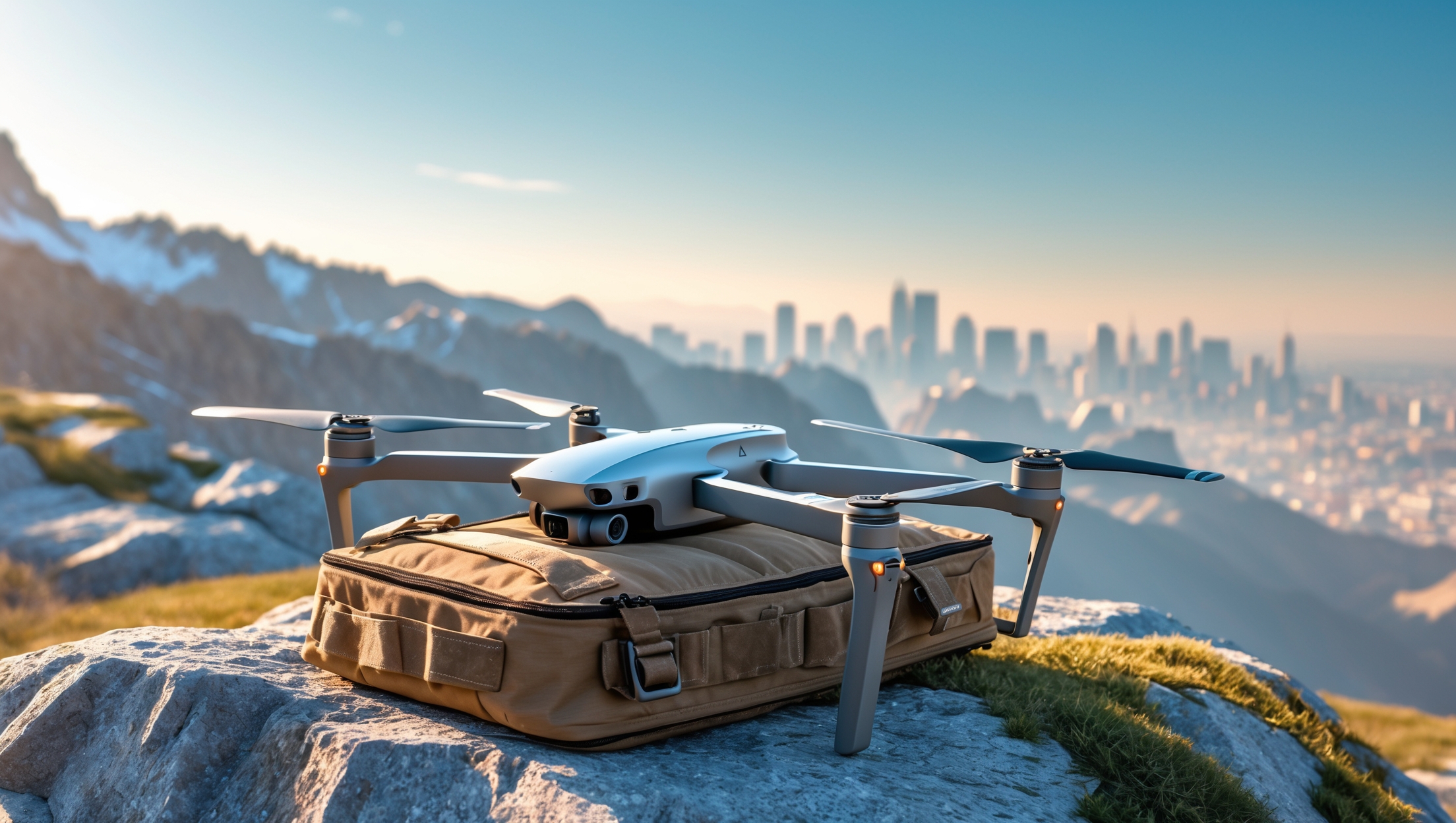
Introduction: The Rise of Drones in Global Travel
Drones have revolutionized the way travelers document their journeys, offering breathtaking aerial perspectives and cinematic footage that were once the exclusive domain of professionals. From capturing the turquoise waters of a remote atoll to surveying ancient ruins from above, drones unlock creative possibilities for adventurers, content creators, and hobbyists alike. Yet, traveling with a drone is far from a straightforward affair. Each country has its own evolving set of regulations, import restrictions, and operational guidelines. The potential for stunning footage is matched by the risks of fines, equipment confiscation, or even legal trouble if you aren’t prepared.
This guide is designed for global explorers—whether you’re a digital nomad, a travel blogger, or simply a hobbyist—who want to travel internationally with their drone. We’ll cover everything from compliance and permits, to essential gear, safety best practices, and region-specific pitfalls. With practical, up-to-date advice, real-world examples, and detailed checklists, you’ll be equipped to fly legally, safely, and creatively, wherever your travels take you.
Understanding Drone Laws: Research and Compliance
Why Compliance Is Crucial
Drone laws vary drastically by country and even by region within countries. Penalties for non-compliance can range from hefty fines to criminal charges and equipment seizure. Being proactive about compliance isn’t just about avoiding trouble—it’s about protecting your investment and ensuring you can actually use your drone during your trip.
Pre-Trip Legal Checklist
- Research Entry Restrictions: Some countries (e.g., Morocco, Cuba, Egypt) ban drones altogether. Others allow entry but restrict use.
- Understand Registration Requirements: Many countries require you to register your drone before arrival (e.g., EU countries, Canada, Australia). Registration may be required both in your home country and at your destination.
- Obtain Necessary Permits: Commercial use, night flying, or flights near airports, national parks, or urban centers may require special permits.
- Know the No-Fly Zones: Use official government maps or apps to identify restricted areas (airports, government buildings, military zones, wildlife reserves).
- Check for Drone Import Taxes: Some countries levy import duties on drones brought in, even for personal use.
Practical Tools for Legal Research
- Official Civil Aviation Authority (CAA) Websites: Always consult the official site for your destination country.
- Drone Laws Websites (e.g., UAV Coach, Drone Laws): Aggregated guides, but always cross-check for updates.
- Travel Forums and Recent Trip Reports: Recent traveler experiences can alert you to enforcement trends and on-the-ground realities.
- Mobile Apps: Some apps (e.g., Airmap, DroneMate) provide updated maps of legal and restricted airspace worldwide.
Essential Equipment and Packing Tips for Drone Travelers
Choosing the Right Drone for Travel
- Weight and Size: Opt for compact, lightweight models (e.g., DJI Mini series) that often fall below critical regulatory thresholds (e.g., 250g).
- Battery Life: Carry spare batteries—most airlines allow up to two spare lithium batteries in carry-on luggage (check airline-specific policies).
- Camera Quality: Balance resolution and frame rate needs with weight and portability.
- Durability: Choose drones with propeller guards and robust carrying cases for rough travel conditions.
Packing Checklist
- Drone (with propellers removed and gimbal locked)
- Remote controller (with cables)
- At least two fully-charged batteries (in Lipo-safe bags, in carry-on)
- Battery charger and relevant power adapters for your destination
- ND filters for bright conditions
- MicroSD cards (multiple, high-speed, in protective case)
- Propeller guards and spare propellers
- Hard-shell or padded drone case
- Lens cloth and cleaning kit
- Printed copies of your registration, permits, and insurance (if required)
Flying with Drones: Airline and Airport Security
- Batteries in Carry-On: Lithium polymer (LiPo) batteries must be in your carry-on, never checked baggage.
- Battery Contact Protection: Terminals should be taped or in original packaging to prevent short circuits.
- Security Screening: Be prepared to remove your drone and batteries from your bag for inspection.
- Declare When Asked: If customs officers inquire, present your documentation and explain your intended use.
Permits, Insurance, and Documentation
Obtaining Permits: When and How
Permits may be required for:
- Commercial filming or photography
- Flying in national parks or protected areas
- Night flights or flights above certain altitudes
Research the application process in advance. Some permits take weeks to process and require detailed flight plans, insurance proof, or local sponsor letters.
Insurance Essentials
- Liability Insurance: Many countries require proof of liability coverage (e.g., up to €1 million in the EU) for commercial flights.
- Equipment Insurance: Covers theft, accidental damage, or loss—critical for expensive drones.
- Travel Insurance Add-Ons: Specialized policies can cover drone-related incidents; always check exclusions.
Documentation to Carry
- Drone registration certificate (from home country and/or destination)
- Permit documentation, if applicable
- Insurance policy documents
- Copy of drone manual (some customs officers request this)
- Flight logs for commercial operators
Global Hotspots: Regional Drone Law Highlights
Europe
- EU Regulations: Harmonized rules under EASA, but local differences remain; sub-250g drones have fewer restrictions.
- No-Fly Zones: Many city centers, national parks, and historic sites are off-limits.
- Registration: Required for most drones above 250g.
Asia
- Japan: Permits required in urban areas; strict altitude and distance rules.
- Thailand: Registration and liability insurance required; severe penalties for non-compliance.
- India: Permits required for all flights; import restrictions enforced.
Americas
- USA: FAA registration required; strict airspace restrictions near airports and national parks.
- Canada: Registration and pilot certificate required for drones over 250g.
- Caribbean: Varies widely; some islands prohibit drones entirely.
Africa and Middle East
- Morocco, Egypt, Kenya: Drones are banned or extremely restricted; risk of confiscation at customs.
- UAE: Commercial use permitted with registration and permits; strict enforcement.
Flight Safety: Best Practices Wherever You Go
Pre-Flight Safety Checklist
- Inspect drone for physical damage
- Check battery levels and connections
- Confirm GPS lock and compass calibration
- Update firmware and check for geo-fencing restrictions
- Review local weather conditions (wind, precipitation, visibility)
- Ensure area is clear of people, wildlife, and obstacles
- Announce your intention to fly if in a public area
In-Flight Safety
- Maintain visual line of sight at all times
- Obey maximum altitude limits (typically 120m/400ft)
- Respect privacy: do not film people without consent
- Monitor battery level and plan for safe return
- Avoid flying over crowds, roads, and sensitive infrastructure
Post-Flight Care
- Inspect drone and batteries for damage
- Back up footage immediately to a laptop or portable drive
- Clean propellers and camera lens
- Charge batteries safely in a well-ventilated space
Common Pitfalls and How to Avoid Them
- Assuming Home Country Laws Apply: Always research local rules; ignorance is not a defense.
- Underestimating Airport Security: Be ready to explain your purpose and show documentation.
- Flying Without Insurance: Accidents can be costly—liability insurance is often mandatory.
- Overlooking Updates: Drone laws change frequently; check for updates before each trip.
- Pushing Weather Limits: Drones are sensitive to wind and rain. Don’t risk your gear for a shot.
Case Studies: Real-World Experiences
Case Study 1: Smooth Flying in Portugal
Anna, a travel filmmaker, registered her sub-250g drone with the EU aviation portal before her trip to Portugal. She researched local no-fly zones around Lisbon and Sintra, applied for a one-time permit to film at a UNESCO site, and carried copies of her paperwork. When questioned by airport security, she confidently explained her project and provided her documents. She enjoyed trouble-free flying and stunning footage.
Case Study 2: Confiscation at Cairo Airport
James, unaware of Egypt’s strict drone ban, packed his drone in checked luggage. Upon arrival, customs officers confiscated the drone, and he faced a $500 fine. His drone was never returned, and he missed several planned shoots for his travel blog.
Case Study 3: Insurance Pays Off in Thailand
Maria purchased liability and equipment insurance before traveling to Thailand. During a flight near Chiang Mai, a gust of wind crashed her drone into a tree. Her equipment insurance covered the damage, and her liability insurance covered a minor injury to a bystander. Having documentation on hand also helped her avoid legal trouble with local authorities.
Maximizing Your Drone Experience Abroad
Tips for Getting the Best Shots Legally
- Scout locations on foot first and check with locals for hidden restrictions
- Fly during golden hour for optimal lighting
- Use ND filters for cinematic motion blur
- Always keep an emergency landing plan in mind
- Respect wildlife—avoid disturbing birds or sensitive habitats
Responsible Drone Etiquette
- Seek permission before flying near people or private property
- Educate curious onlookers about your equipment and safety practices
- Share your footage responsibly and credit local communities when appropriate
Conclusion: Safe, Legal, and Rewarding Drone Travel
Traveling with a drone can elevate your journeys, offering new creative possibilities and unforgettable memories. However, it comes with a unique set of legal, logistical, and ethical challenges that demand thorough preparation. By investing time in research, securing the right permits and insurance, and prioritizing safety at every stage, you can avoid common pitfalls and focus on capturing the world from above.
Remember: drone laws are dynamic and enforcement varies widely. Always check for the latest regulations before departure, and be ready to adapt your plans if needed. Respect local communities, wildlife, and privacy—responsible drone operation is key to ensuring that travelers like you can continue to enjoy these technologies around the world.
With the right mindset and preparation, your drone can become a trusted travel companion, helping you tell compelling stories and experience destinations from a unique perspective. Safe travels and happy flying!
I see that countries like Morocco and Egypt ban drones entirely, while others have strict usage restrictions. If my layover is in a country with a drone ban, could my drone be confiscated even if I’m just in transit and not planning to leave the airport?
Yes, your drone could potentially be confiscated during a layover, even if you don’t leave the airport. Some countries with strict drone bans inspect transit luggage and may enforce their rules regardless of your final destination. It’s a good idea to contact the airport or your airline ahead of time to confirm their specific policies and consider alternative routes if necessary.
The article mentions some countries totally ban drones, while others only restrict usage. Is there a comprehensive resource or checklist you recommend for checking entry and usage rules before booking a trip, especially to less common destinations?
Finding up-to-date drone regulations can be tricky, especially for less common destinations, since rules change often and official sources may not be in English. The best approach is to check the official civil aviation authority website of each country you plan to visit. Additionally, some international drone communities and organizations maintain updated databases or checklists, which can provide a good overview, but always double-check with official sources before booking to avoid surprises.
I’m planning a trip to Europe this summer and want to take my drone, but I’m a bit confused about the registration process mentioned in the article. Do I need to register my drone separately for each EU country I visit, or does registration in one country cover the whole region?
Within the EU, you only need to register your drone in one member country. That registration is valid across all EU states due to harmonized regulations under EASA. Just carry your registration proof when traveling between countries, and make sure to follow each country’s specific rules regarding where and how you can fly your drone.
You mention that some countries like Morocco and Cuba ban drones altogether. If I’m flying with a registered drone from the US and have layovers in those countries, could my equipment be seized even if I don’t take it out of my bag? What precautions would you recommend in that scenario?
Yes, your drone could be seized during layovers in countries that ban them, even if you keep it packed. Authorities may inspect luggage during transfers, and simply possessing a drone can be enough for confiscation or fines. To avoid problems, check layover country rules in advance. If possible, arrange flights with layovers in drone-friendly countries or ship your drone separately to your destination.
You mention that some countries, like Morocco and Egypt, ban drones altogether. If my business requires aerial footage, are there any recommended alternatives or legal workarounds for capturing similar content in such locations without risking fines or equipment seizure?
In countries where drones are banned, one common alternative is hiring licensed local aerial videography companies who have permission to operate. You can also consider using long poles, cranes, or cable cams for elevated shots. Always check with local authorities to confirm what filming methods are allowed. This way, you get quality footage without risking legal trouble or equipment loss.
I noticed you mentioned some countries like Morocco and Egypt outright ban drones. If I’m flying into one of those places just for a layover with a drone in my luggage, could I still get in trouble, or do those bans only apply if you’re planning to use the drone there?
Even if you’re only passing through countries like Morocco or Egypt with a drone in your luggage and have no plans to use it, you could still face issues. Some countries have strict laws against simply possessing or transporting drones, not just operating them. It’s safest to check the specific customs rules for your layover countries, as drones can sometimes be confiscated or even lead to fines at the airport.
I travel internationally for work and leisure, and I’m interested in bringing my drone along. The article mentions that some countries, like Morocco and Egypt, ban drones altogether. Are there safe ways to transport a drone if I’m transiting through these countries but not actually using it there?
If you’re only transiting through countries that ban drones, it’s best to keep your drone in your checked luggage and do not attempt to use or access it during your layover. However, be aware that some countries may still confiscate drones found in transit, even if they’re not used. Always check the latest regulations of your transit countries and consider contacting their customs authorities before your trip to avoid any issues.
You mention that some countries ban drones completely while others require pre-arrival registration. If I plan to visit several destinations on one trip, is there a recommended way to keep track of each country’s rules and streamline the paperwork process, especially when traveling on a tight schedule?
To manage different drone rules across countries, create a checklist before your trip with each destination and its requirements. Many travelers use spreadsheets to track registration deadlines, permit needs, and contact information for authorities. Consider researching and preparing all paperwork in advance, and store digital and printed copies together for easy access. This way, you’ll avoid last-minute hassles and keep everything organized, even on a tight schedule.
If my drone is already registered in the US, do I still need to register it again when visiting places like the EU or Canada? Also, is the process something I can do online before I leave or only after I arrive?
Even if your drone is already registered in the US, most countries—including the EU member states and Canada—require you to register your drone locally if you plan to fly it there. Fortunately, both the EU and Canada offer online registration for foreign visitors, so you can usually complete the process before you travel, making things much smoother once you arrive.
You talked about equipment confiscation and penalties for not registering drones. Could you explain how the registration process differs between the EU and Canada? Is it possible to register a drone in advance before arriving in those countries, or do I need to do it upon entry?
In the EU, drone registration is managed centrally through the EASA system, and you can usually register online before your arrival—registration is valid across most EU countries. In Canada, you need to register your drone with Transport Canada, and this can also be done online in advance. So, for both regions, registering before you travel is possible and recommended to avoid any issues.
For countries that require pre-arrival registration, like those in the EU or Canada, how far in advance do I need to submit my paperwork as a tourist, and are there any expedited options if my travel plans are last-minute?
For countries like those in the EU or Canada, it’s best to submit your drone registration paperwork at least two to four weeks before your trip, as processing times can vary. Some nations may offer expedited processing, but this isn’t guaranteed and often depends on the specific agency. If you’re traveling last-minute, check the official aviation authority’s website for urgent application options, and keep digital copies of all confirmations with you when you travel.
I run a small travel company that offers drone photography as part of our packages. Do you have any advice on how to efficiently keep track of registration and permit requirements for multiple countries, especially if we’re taking groups to several destinations in one season?
To manage registration and permit requirements across different countries, consider creating a centralized spreadsheet or database that lists each destination with its drone regulations, required permits, deadlines, and contact details for authorities. Assign a team member to monitor updates from official aviation or tourism websites before each trip. This way, you can ensure compliance, avoid last-minute issues, and keep everything organized for your group tours.
For someone who’s just a hobbyist and not a professional creator, are there affordable yet reliable options for registering a drone in multiple countries, or is the process generally expensive and complicated wherever you go?
Registering a drone as a hobbyist can vary widely by country. Some countries have straightforward, low-cost registration (sometimes even free), while others are more expensive or require extra paperwork. There’s no universal registration service for multiple countries, so you’ll usually need to register separately in each place you plan to fly. It’s a good idea to check each country’s aviation authority website before traveling.
You mentioned some countries like Morocco and Egypt ban drones completely. How can I find a reliable and current list of countries with total bans or strict restrictions before planning a family trip with our drone?
To stay updated on drone laws worldwide, it’s best to check the official civil aviation authority websites for each country you plan to visit. You can also consult international drone community forums or resources from organizations like the International Civil Aviation Organization for recent changes. Always double-check regulations just before your trip, as rules can change quickly and may include temporary bans or special requirements.
Could you elaborate on how travelers can handle situations where their destination country unexpectedly updates its drone regulations after they’ve already arrived? Are there best practices for staying informed about legal changes while on the road?
If you discover new drone regulations after arriving, the first step is to stop flying until you understand the changes. Visit official government or aviation authority websites for updates, and check local news sources. Joining online forums or social media groups for drone pilots in your destination can also provide timely information. When traveling, it’s wise to regularly check these sources and sign up for official alerts, so you’re aware of any sudden legal changes.
I noticed you mentioned countries like Morocco and Egypt where drones are banned. If my business takes me to one of these places, is it possible to ship my drone equipment separately to avoid issues at customs, or is that also likely to cause problems?
Shipping your drone equipment separately to countries where drones are banned, like Morocco and Egypt, is still very risky. Customs authorities in these countries are strict, and shipments containing drones can be confiscated or returned, and you may even face fines or legal issues. It’s strongly recommended not to send drones there by any means unless you have explicit prior approval from the relevant authorities.
The article mentions that some countries ban drones altogether while others have strict import regulations. In cases where entry is allowed but usage is restricted, what are some best practices for transporting a drone through these countries without running into issues at customs or during transit?
When passing through countries with drone restrictions, keep your drone powered off, batteries stored safely, and all relevant paperwork—such as registration or permits—readily available. Pack your drone in checked or carry-on luggage as local rules dictate, and avoid flying or assembling it while in restricted regions. Clearly label your equipment, and be honest if questioned by customs, explaining you are simply transiting and not intending to fly. Double-check regulations for each stopover to avoid surprises.
If I’m planning to visit multiple countries during one trip, how do I handle drone registration in each location? Is it possible to register in advance for all countries or do I have to wait until arrival in each place?
Drone registration rules vary by country, and most require you to register with their aviation authority, often after you arrive or just before you fly. Some countries let you register online in advance, but others require in-person steps. Check the official aviation websites for each country you’ll visit to see their exact process and if pre-arrival registration is possible. Be sure to carry all your registration documents for every country during your trip.
When you mention that some countries completely ban drones, how do seasoned travelers typically find up-to-date information before departure, and are there any reliable resources or forums you recommend for last-minute legal changes?
Seasoned travelers usually check official aviation authority websites of their destination country for the latest drone regulations. They also join global drone communities and forums where members share recent updates. For last-minute legal changes, monitoring online groups or social media pages dedicated to drone users, as well as consulting embassy advisories, can be very helpful. Always double-check close to your departure date, as rules can change unexpectedly.
I travel pretty frequently with my family, and I’m curious about how you recommend staying up-to-date with drone regulations for countries that tend to change their rules often. Are there any specific resources or strategies you use to avoid getting caught by surprise?
To keep up with changing drone regulations, it’s helpful to check official aviation authority websites for your destination before each trip. Some travel and drone communities online regularly share updated rules and real-life experiences, which can be very useful. You might also consider using dedicated drone regulation apps that provide real-time updates for different countries. Always double-check right before you travel, as rules can change unexpectedly.
Can you clarify how travelers should handle situations where countries allow drones to be brought in but strictly limit their use? Is there any risk of having gear confiscated at customs even if you do not plan to fly the drone?
If a country allows travelers to bring in drones but restricts their use, you should carry proof that you understand and respect these regulations, such as printed guidelines or permission letters if available. Customs officials may still examine your drone and gear, and there is a possibility—though rare—of confiscation if they suspect you might break local laws. To reduce risk, keep your drone packed, avoid carrying flight logs showing recent activity in that country, and be transparent about your intentions if asked.
You mention that some countries completely ban drones and others require registration before arrival. If I’m traveling to multiple countries on one trip, is there a recommended way to manage different permits and registrations efficiently?
When visiting multiple countries, it’s best to research each country’s drone regulations in advance and create a checklist with their requirements. Keep digital and paper copies of all permits and registrations, organized by country, so they’re easy to show if requested. Consider using a travel folder or app to track deadlines and permit details. This systematic approach helps avoid last-minute issues at borders or airports.
I noticed you pointed out that registration might be required both in your home country and at your destination. If a country requires prior registration before your arrival, how far in advance should applicants typically start the process to avoid travel disruptions?
It’s best to start the drone registration process at least one to two months before your planned travel date. Some countries have online systems that process quickly, but others may require additional paperwork or verification that can take several weeks. Always check the official requirements for your destination, as processing times and procedures can vary.
You mentioned different countries require drone registration before you arrive. Is there a central resource or website you recommend for checking up-to-date registration rules for each country, or does it really involve checking each one separately before every trip?
There isn’t a single central website that covers every country’s drone registration requirements. It’s best to check the official aviation authority or government website for each country you plan to visit, as rules and registration processes frequently change. Some global drone communities and forums compile information, but always verify details directly before traveling to avoid any issues.
If I’m traveling through multiple countries on one trip, do I need to register my drone separately for each destination even if I’m only planning to use it in one of them? How do travelers usually handle border crossings with a drone in these situations?
If you plan to only use your drone in one country, you usually only need to register it there. However, some countries require you to declare or register drones at entry even if you don’t plan to fly them. When crossing borders, travelers typically keep their drone and registration documents handy, declare the drone if asked, and check customs rules in advance to avoid any issues during transit.
You mentioned that some countries require you to register your drone before arrival, and that this might be necessary both at home and at your destination. How far in advance should someone start the registration process, and are there any countries where the process is especially time-consuming or complicated?
It’s wise to start the registration process at least a month before your trip, since some countries can take several weeks to process applications or may ask for additional documents. Countries like India, Brazil, and China are known for more complex or lengthy registration procedures. Always check official government sites early, as requirements and processing times can change without much notice.
You mention that some countries totally ban drones while others have complex entry and usage rules. For someone who needs to bring a drone for work trips, how do you recommend planning routes or destinations to avoid issues like equipment seizure or unexpected fines?
To avoid problems when traveling with a drone for work, start by researching each destination’s drone laws well in advance. Look for official government aviation sites for up-to-date rules about entry, registration, permits, and usage. If a country bans drones, consider routing around it or leaving your drone at home for that segment. Always carry printed documentation of your drone’s registration and permits. Planning ahead and communicating with local authorities can help you steer clear of confiscation and fines.
You mention that countries like Morocco and Egypt ban drones altogether. If I’m traveling through multiple countries on a single trip and one bans drones, should I leave my drone at home or are there safe ways to store or ship it to avoid confiscation?
If your trip includes countries that ban drones, it’s safest to avoid bringing your drone altogether, since even carrying it—unflown—can lead to confiscation or penalties. Alternatively, you could ship your drone to a country on your itinerary where it’s allowed, using a reputable courier service, and collect it there. Just be sure to check import regulations for shipping as well.
You mention that countries like Morocco, Cuba, and Egypt outright ban drones. If I’m connecting through one of those countries on a layover, could my drone be confiscated even if I don’t leave the airport, or are there ways to ensure I comply during transit?
If you’re transiting through a country that bans drones, your drone could still be at risk of confiscation, even if you stay inside the airport. Some countries scan luggage during transit and may enforce their regulations on all items. To minimize risk, check with your airline and the airport authorities before flying. In some cases, you might be able to declare the drone or store it with airport customs for the duration of your layover.
Could you elaborate on how travelers can practically keep up to date with evolving drone laws and regional differences while moving between multiple countries in one trip? Are there resources or strategies you consider most reliable for real-time updates?
Staying updated on drone laws while traveling through multiple countries can be tricky, as regulations change often and vary by region. The most reliable method is to check the official civil aviation authority websites for each country before arriving, as they usually post the latest rules. You might also use dedicated drone apps like AirMap or UAV Forecast, which offer real-time updates and local restrictions. Joining traveler or drone communities online can provide firsthand tips about recent changes, too. Always double-check information before flying, since enforcement can differ even within the same country.
Regarding countries that ban drones entirely like Morocco and Egypt, do you have any advice for travelers who might have a drone in their checked luggage but didn’t realize the destination’s restrictions until arrival? What should they expect at customs in these cases?
If you arrive in a country like Morocco or Egypt with a drone in your luggage, customs will likely confiscate the drone and may impose fines or other penalties. In some cases, you might not be allowed to enter with the drone at all. It’s best to declare the drone honestly and cooperate with authorities. Some travelers have had their drones held at the airport for the duration of their stay, to be returned when they leave. Always check regulations before traveling to avoid complications.
I noticed you said some countries require drone registration before arrival. How far in advance should I start the registration process for places like the EU or Australia? Have you run into any unexpected delays with international drone permits before?
For the EU, it’s wise to start the drone registration process at least 2 to 4 weeks before your trip, as some countries can take a bit longer to process applications. For Australia, a similar timeframe is recommended, but the process is often quicker if you have all the required documents ready. Delays can happen if paperwork isn’t complete or if additional verification is needed, so starting early helps avoid last-minute issues.
Could you clarify how travelers can check for last-minute changes in drone regulations while they are already abroad? For instance, are there specific resources or methods recommended for staying up-to-date, especially when rules can change quickly in certain countries?
When abroad, travelers should regularly consult the official aviation authority websites of the country they are visiting, as these are the most reliable sources for up-to-date drone regulations. It’s also wise to use reputable drone apps that provide real-time updates, or check with local drone clubs and tour operators who often have the latest information. Setting up news alerts for relevant keywords can help you stay informed about sudden regulatory changes.
Could you clarify how travelers can find the most up-to-date drone regulations for countries where rules might change frequently during their trip? I’m especially wondering about regions where information is not readily available in English.
To stay updated on drone regulations in countries with changing rules, it’s wise to check official aviation authority websites before and during your trip, using browser translation tools if the site isn’t in English. You can also contact local embassies or tourism boards for guidance. Drone pilot forums and travel communities can provide recent traveler experiences, but always verify against official sources when possible.
The checklist references having to register your drone both at home and abroad. How far in advance should travelers typically start the registration process to avoid delays, and are there specific pitfalls to watch out for when registering remotely for countries like Canada or those in the EU?
It’s wise to start the drone registration process at least 2–4 weeks before your trip to allow time for approvals and possible document requests. When registering for countries like Canada or EU members, watch for translation requirements, local address requests, and differences in accepted ID documents. Some portals may only be accessible in certain languages or require you to register as a non-resident operator, so reading the official guidelines carefully can help avoid snags.
The article mentions that some countries require you to register your drone before arrival. How far in advance should I start this registration process to avoid any travel disruptions, especially if I’m visiting multiple countries on one trip?
It’s wise to start the drone registration process at least 3 to 4 weeks before your departure, as some countries can take several weeks to process applications, especially if documents or translations are required. If you’re visiting multiple countries, research each country’s requirements early and prioritize those with longer processing times. This approach helps ensure you receive your permits or documentation before your trip and avoid any last-minute issues.
You mentioned that some countries, like Morocco and Egypt, have complete bans on bringing in drones. If I’m planning a multi-country trip through regions with mixed regulations, how do you recommend handling layovers or brief transits in these countries with a drone in my luggage?
If your itinerary includes layovers or transits in countries with drone bans, it’s safest to avoid carrying your drone entirely through those airports. Even during a brief layover, authorities can confiscate drones found in checked or carry-on luggage. Consider shipping your drone separately to your main destination or adjusting your route to avoid transit through banned countries. Always check the latest customs rules for every stop.
I noticed you touched on equipment confiscation as a risk. If a traveler’s drone does get seized by customs in a country with strict restrictions, what are the typical steps or recourse options to recover their equipment, or is it usually a total loss?
If customs confiscates a traveler’s drone, the process for recovery varies by country. In some cases, travelers may be able to appeal or pay fines, but in countries with strict restrictions, the chances of getting the drone back are often slim. Usually, officials will provide a receipt or documentation if there’s a possibility to reclaim the device upon departure, but sometimes confiscation is permanent. It’s always best to check regulations in advance to avoid this risk.
I saw the article mentions countries like Morocco, Cuba, and Egypt that ban drones entirely. If I have a layover in a country with a ban, will authorities confiscate my drone even if I’m just passing through and not planning to use it?
If you have a layover in a country that bans drones, authorities may still confiscate your drone, even if you aren’t planning to use it. In some countries, simply possessing a drone during transit can be an issue. It’s best to check the specific regulations of your layover country and, if possible, avoid carrying your drone through those locations to prevent any complications.
When researching drone laws for international travel, how far in advance should I start the registration or permit application process? I’m worried about running into delays or not having the right paperwork by the time my trip starts.
It’s wise to begin researching drone laws and starting any registration or permit applications at least 2–3 months before your trip. Some countries process permits quickly, but others can take several weeks or even longer. Starting early gives you time to clarify requirements, gather supporting documents, and handle unexpected delays so you have all your paperwork in order before you travel.
Could you provide more detail on what travelers should do if their destination country bans drones entirely, like Morocco or Egypt? Are there recommended procedures for declaring your drone at customs, or for storing it securely if entry is not allowed?
If your destination country bans drones entirely, it’s best to leave your drone at home to avoid confiscation or penalties. If you must travel through such countries with a drone, declare it at customs on arrival and ask about secure storage options at the airport—some airports offer temporary storage until departure. Always check official customs guidelines before your trip to avoid any issues.
You listed that countries like Morocco and Cuba ban drones completely, but what happens if you accidentally bring one into those countries? Is it just confiscated at the airport or can there be bigger legal consequences? Just trying to avoid any surprises.
If you accidentally bring a drone into countries like Morocco or Cuba, it can be more serious than just confiscation at the airport. Authorities may seize the drone, but travelers have also faced fines, detention, or legal proceedings for violating drone bans. It’s best to thoroughly check regulations before traveling and, if in doubt, leave your drone at home to avoid any legal trouble.
I noticed you mentioned that some countries, like Morocco and Egypt, completely ban drones. If I have a layover in one of those countries but don’t plan to use my drone there, could it still get confiscated in customs just for being in my luggage?
Yes, even if you’re only transiting through countries like Morocco or Egypt and don’t intend to fly your drone, customs may still confiscate it if they find it in your luggage. These countries often have strict rules against importing drones, regardless of usage plans. To avoid issues, it’s best to check the specific airport and airline policies or consider leaving your drone at home if your route includes a stop in such places.
I noticed you highlighted places like Morocco, Cuba, and Egypt that completely ban drones. Are there any practical steps travelers can take if they accidentally arrive with a drone in a country that prohibits them, or is confiscation always unavoidable?
If you arrive in a country that bans drones, it’s important to declare the device immediately to customs officials rather than trying to conceal it. In some cases, they may allow you to store the drone at the airport until your departure or arrange for it to be shipped back home. Confiscation can often be avoided if you’re transparent and cooperative, but policies vary, so always check local regulations before you travel.
The article mentions that some countries, like Morocco and Egypt, ban drones altogether. How do you find out if a country has such a ban before traveling, and what should you do if you have a layover in one of these countries with your drone in your luggage?
To check if a country bans drones, consult that country’s official aviation authority website or contact their embassy before your trip. Travel forums and recent government advisories can also help. If you have a layover in a country with a drone ban, pack your drone securely in your checked luggage and avoid accessing it during your stay. Always check transit regulations, as some countries may confiscate or fine you even if you’re just passing through with a drone.
You mention that some countries completely ban drones, like Morocco, Cuba, and Egypt. What is the best way to verify current import restrictions before booking travel, and are there any resources you recommend for getting timely updates in case regulations change last minute?
To verify current drone import restrictions, it’s best to check the official government or civil aviation authority website of your destination country before you book. Embassies and consulates also offer up-to-date advice. For timely updates, consider monitoring online travel forums and subscribing to government travel advisories, as regulations can change with little notice.
I noticed you mention that registration may be required both in your home country and at your destination. As someone with a drone registered with the FAA in the US, how do I go about handling overlapping registrations when traveling to the EU? Is double registration the norm or is there a way to streamline this process?
When traveling to the EU with your FAA-registered drone, you’ll usually need to register separately under the EU’s drone regulations, as US registration isn’t recognized there. Double registration is common, but some EU countries allow you to register once through the EASA system for use across member states. Always check the specific requirements of your destination country in advance to stay compliant.
You talked about registration requirements for different countries, like the EU and Australia. If I’m only going to be in a country for a short vacation, do I still need to register my drone, or are there special permits for tourists?
In most countries, including the EU and Australia, tourists are still required to register their drones before flying, regardless of the length of their stay. Some countries may offer simplified or temporary registration options for visitors, but this varies. Be sure to check the specific drone regulations for your destination before traveling, so you can comply with any registration or permit requirements.
As a small business owner who creates travel content for clients, I’m wondering if you have any tips for dealing with countries that completely ban drones, like Morocco or Cuba. Are there recommended alternatives or specific procedures for getting footage in those places without risking fines or equipment seizure?
When visiting countries that ban drones, like Morocco or Cuba, it’s best to leave your drone at home to avoid the risk of fines or confiscation. Instead, consider hiring local videographers who have the proper permits, or use ground-based equipment such as gimbals, action cameras, or telescopic poles to capture dynamic footage. Stock footage services can also help fill aerial content gaps legally and safely.
The article notes that registration might be needed both in my home country and abroad. Could you clarify if I can complete all necessary international registrations online before my trip, or are there cases where registration must be done in person after arrival?
You can often complete drone registrations for many countries online before traveling, as some aviation authorities provide digital platforms for foreign operators. However, a few countries still require in-person registration or verification upon arrival, especially for commercial use or larger drones. Always check the official aviation authority website of your destination for the latest process and requirements, as these can vary widely.
The article mentions that some destinations like Morocco and Egypt either ban drones or have strict limitations. How do you recommend handling situations where you only find out about an import or usage restriction after arriving, particularly as a business owner traveling with expensive equipment?
If you discover a drone restriction after arrival, it’s best to keep your equipment securely packed and avoid using it until you’ve clarified local regulations. Contact customs officials or your embassy for guidance before moving through customs. As a business owner with valuable gear, have documentation proving ownership and purpose. If authorities seize your equipment, stay polite and comply—then follow up through official channels to retrieve your drone.
I’m interested in the part about drone registration before arrival. For destinations like the EU or Australia, how far in advance should you start the registration process, and are there any online steps Americans can complete before traveling?
For the EU, it’s best to start the drone registration process at least a few weeks before your trip, as some countries may take a few days to process applications. For Australia, registration can usually be completed online within a few days. Americans can often complete most, if not all, registration steps online before traveling, including creating an account, submitting documentation, and paying any fees. Double-check each country’s official aviation authority website to ensure you meet their requirements in advance.
I travel quite a bit for work and family vacations, and I always worry about accidentally bringing my drone somewhere it’s not allowed. How up-to-date are the entry restriction lists you mentioned, and do you have tips for finding reliable information before each trip?
The entry restriction lists in the article are accurate as of the publication date, but drone regulations can change frequently. For the most reliable and current information, check the official government aviation or customs websites of your destination before each trip. Also, consider reaching out to local drone enthusiast groups or forums for up-to-date traveler experiences and tips.
I noticed the article talks about registration requirements both at home and abroad. Can you explain how to handle drone registration if you’re traveling to a country that needs prior approval but you’re already abroad and didn’t register in advance?
If you’re already abroad and realize you need prior approval to fly your drone, check if the country allows online registration or accepts remote applications. Visit the official aviation authority’s website for guidance—many countries let travelers submit documents and receive approval digitally. If online registration isn’t available, you may need to contact local authorities in person before flying. Always avoid flying until you’ve received the required permissions to stay compliant and avoid penalties.
You mention registration requirements both in the US and abroad—does that mean I might need to register my drone separately in each country I visit, and are there any quick ways to handle this if I’m traveling with kids and on a tight schedule?
Yes, many countries require you to register your drone separately according to their local laws, even if it’s already registered in the US. Some countries offer online registration, which can save time, but others may require in-person steps at the airport or a government office. It’s a good idea to check official aviation authority websites for your destinations in advance and, if possible, complete online registrations before your trip to simplify things when traveling with kids.
For travelers worried about accidentally entering a country with total drone bans, like Morocco or Egypt, do you have any recommendations for safely storing or declaring drones during transit, especially on layovers, to avoid confiscation or penalties?
To avoid issues in countries with strict drone bans, consider shipping your drone separately to your destination if possible. If you must transit through a banned country, keep your drone in checked luggage and do not attempt to use it. Always check customs regulations in advance; some airports have deposit services where you can declare and temporarily store prohibited items until you depart. Make sure the drone is powered off, batteries are removed and stored properly, and all documentation is readily available in case customs officials ask.
You mentioned some countries completely ban drones, like Morocco and Cuba. If my layover is in one of those places, could my drone be confiscated even if I don’t use it? I’d like to know what precautions to take to avoid problems in transit.
Yes, it’s possible for your drone to be confiscated during a layover in countries that ban drones, even if you don’t use it. Customs officials may inspect your luggage and enforce local regulations. To avoid issues, check the specific airport and transit policies beforehand, consider shipping your drone separately, or choose flight routes that avoid layovers in such countries. If you must transit there, declare the drone and have documentation ready, but be aware there’s still a risk.
The article mentions that some countries allow drones to enter but restrict their use. Can you give examples of what kinds of restrictions travelers might face in those places, and what steps we should take if we’re just passing through on a layover with a drone in our luggage?
Some countries may let you bring a drone in your luggage but ban flying entirely or require you to declare it at customs. Restrictions could include prohibiting assembly, operation, or even the possession of drones outside airports. If you’re only transiting, keep your drone packed and avoid taking it out. Always check specific transit regulations and inform customs if required, even if you don’t plan to use the drone during your stay.
You noted that many countries expect travelers to register their drones ahead of time, sometimes even before arriving. Is there a centralized site or resource you recommend for confirming registration requirements and application lead times, especially for trips through the EU or Australia?
There isn’t a single centralized site covering all countries, but for the EU, the European Union Aviation Safety Agency (EASA) website outlines drone rules for member countries, including registration processes. For Australia, the Civil Aviation Safety Authority (CASA) provides official guidance and online registration. Always check the official aviation authority websites for each destination, as requirements and processing times can vary and may change frequently.
The article mentions that registration may be required in both your home country and your destination. How difficult is it to handle drone registration for countries like Canada or those in the EU if you’re only visiting for a short business project, and are there services that help streamline this process?
Registering a drone for short visits in Canada or EU countries can be straightforward but does require attention to detail. Most countries offer online portals in English for registration, and you typically need drone details and proof of insurance. The EU uses a unified system called EASA, which makes things easier. There are also third-party services that can help guide you through the paperwork for a fee, especially helpful if you’re managing tight timelines.
As someone from the US who travels frequently with my drone, I’m curious how you handle countries that allow drones to be brought in but place heavy restrictions on where you can actually use them. Do you have strategies for finding reliable, up-to-date info on flight zones when abroad?
When traveling, I recommend checking the official civil aviation authority websites of your destination for the most reliable updates on drone regulations and permitted flight zones. Mobile apps like AirMap or Drone Assist can also help, as they provide real-time, location-specific information. Connecting with local drone communities or forums before your trip is another great way to learn about on-the-ground restrictions and recent changes.
As a small business owner who sometimes travels with a drone to create content for my brand, I’m wondering how often countries update their drone import or usage regulations. Is there a recommended source or method for staying on top of changes when planning international trips?
Drone regulations can change frequently, sometimes with little notice, as countries adapt to new technology and concerns. To keep up, check the official aviation authority websites of your destination before each trip, since they usually post the latest rules. Additionally, joining international drone user forums or subscribing to newsletters from major drone associations can help you get timely updates and advice from other travelers.
You mentioned that registration may be required both in the US and the destination country. How complicated is the process if I have a sub-250g drone, and do any countries exempt lighter drones from these rules or make the process quicker for travelers?
If your drone is under 250g, the process is often simpler. In the US, registration isn’t required for recreational use if your drone is below 250g, but you must still follow FAA rules. Many countries also exempt sub-250g drones from registration, though there are exceptions. Always check the specific regulations for your destination, as some locations still require forms or online notification regardless of weight.
The article talks about registering drones before arriving in places like the EU or Australia. How far in advance should I start the registration process as a US traveler, and are there any services that make this process easier for people juggling family and work schedules?
For the EU and Australia, it’s wise to start the registration process at least 2–4 weeks before your trip to allow for paperwork and any possible delays. Some third-party services and drone associations offer help with registration, handling paperwork and reminders, which can be useful if you have a busy schedule. Just double-check that any service you use is reputable and recognized by the relevant aviation authority.
You mentioned that some countries like Morocco, Cuba, and Egypt completely ban drones. If I’m traveling with connecting flights through these countries but not actually staying there, could customs still confiscate my drone? How should I handle layovers in countries with strict restrictions?
Yes, drones can be confiscated during layovers even if you’re only transiting through countries with strict bans like Morocco, Cuba, or Egypt. Customs authorities may scan checked or carry-on luggage and seize drones simply for being in your possession. To avoid issues, check your layover countries’ transit policies in advance. If possible, arrange flights that avoid layovers in such locations or consider shipping your drone separately to your final destination.
If I’m planning to visit several countries on one trip and some of them have a total ban on drones like Morocco or Egypt, what’s the best way to handle actually carrying my drone through those airports? Is it better to ship it separately or leave it at home?
If your itinerary includes countries with a total ban on drones, like Morocco or Egypt, it’s safest to leave your drone at home. Carrying it through airports in these countries could result in confiscation, fines, or legal trouble—even if you don’t plan to use it there. Shipping it separately is risky too, as customs may seize it. Consider renting a drone at destinations where they’re allowed.
Do you know if there are any countries where you can bring a drone into the country but are absolutely not allowed to use it, even for personal or recreational purposes? The section on entry restrictions made me wonder about the difference between import bans and usage bans.
Yes, there are countries where bringing a drone into the country is allowed, but flying it is strictly prohibited regardless of purpose. For example, some countries may only permit drones for commercial or government use, while personal or recreational flying remains illegal. It’s important to check both import and usage regulations for your destination, since a country might not confiscate your drone at the border but still enforce heavy penalties for unauthorized flying.
If I’m traveling to multiple countries in one trip, like Canada and then the EU, do I have to register my drone separately for each location, or is there some kind of universal registration that would work for several destinations?
You will generally need to register your drone separately in each country you visit, as there is no universal drone registration system. For example, Canada and EU countries have their own specific requirements. Always check the drone regulations and registration process for each destination before traveling to avoid any issues.
Are there any recommendations for what travelers should do if they accidentally enter a country that bans drones, like Morocco or Cuba? Is voluntary disclosure at customs safer, or should you just avoid mentioning it altogether?
If you accidentally bring a drone into a country where they’re banned, it’s usually safest to declare it proactively at customs. Concealing the drone can lead to serious legal trouble, including fines or confiscation. Customs officials may allow you to store the drone at the airport or arrange for its return when you leave. Always check entry requirements ahead of travel to avoid these situations.
I travel often as a hobbyist and I’m concerned about the risk of my drone being confiscated at customs in countries with evolving regulations. If I’m passing through a country with a total drone ban just for a layover, could my drone still be seized, or does that only apply if I enter the country officially?
If you’re only in transit and don’t leave the airport’s international zone, most countries with drone bans won’t apply those regulations to you, and your drone is unlikely to be seized. However, if you exit customs for any reason, even during a layover, you could be subject to the country’s drone laws and risk confiscation. It’s best to check each country’s specific transit rules before you travel.
The article mentions that some countries restrict both entry and usage of drones, and that rules can change regionally. How do you keep up with the most current drone regulations when planning an international trip, especially for less common destinations where official information might be hard to find?
To stay updated on drone regulations, start by checking the official aviation authority websites of your destination, as they usually provide the latest rules. For less common destinations, reach out to local embassies or tourism offices, since they may offer guidance or contacts. Online drone forums and travel communities often share recent traveler experiences, which can be helpful where official information is limited. Always double-check just before your trip, as rules can change quickly.
Can you clarify how travelers should handle situations where a country’s drone regulations change after they’ve already arrived? For instance, if laws become stricter mid-trip, are there recommended steps to avoid fines or confiscation?
If drone regulations change while you’re already in a country, it’s important to stay updated by checking official government sites or local authorities regularly. If new rules restrict your drone use, stop flying immediately and store the drone safely. Reach out to local aviation or transport offices for guidance on compliance, and keep all documentation handy. This approach helps you avoid fines, penalties, or confiscation.
Can you give more details on how to find out if a country requires pre-arrival drone registration, and if there’s a central site or resource that lists these requirements for multiple countries? I’m worried about missing a step before I travel.
To check if your destination requires pre-arrival drone registration, start by visiting the official civil aviation authority website of that country, as they publish the latest rules. While there isn’t a single official global site, resources like UAV Coach and Drone Laws often compile up-to-date country regulations. Double-check details before traveling, since requirements can change quickly and official government sources are the most reliable.
Does the article include any advice or resources for quickly checking changing drone regulations in countries where rules might shift between the time you book travel and when you arrive? As a business owner, staying up-to-date seems tough when planning trips far in advance.
The article does mention the challenge of changing drone regulations but does not provide specific resources or tools for real-time updates. It recommends regularly checking official aviation authority websites of your destination before your trip and just prior to departure, as rules can change rapidly. For business trips, setting up alerts or subscribing to updates from those authorities can also help you stay informed.
When traveling to places that require drone registration both at home and in the destination country, how do you actually handle dual registration in practice? Does the process ever cause delays at customs or lead to issues bringing drones into countries with stricter entry rules?
To handle dual registration, you generally need to register your drone with your home country’s aviation authority and separately with the destination country’s agency, often online before arrival. Keep printed or digital proof of both registrations. Customs delays can happen, especially in countries with stricter rules, so having documentation ready helps. Some countries may inspect or even temporarily hold your drone, so check entry requirements in advance to avoid surprises.
I’m planning a multi-country trip that includes both EU countries and places like Morocco and Egypt. If my drone is already registered in the US, will I still need to register it separately in each country I visit, or is there any kind of international reciprocity?
Drone registration is not internationally reciprocal—having your drone registered in the US does not exempt you from local requirements abroad. Most countries, including EU members, Morocco, and Egypt, have their own rules and may require you to register your drone separately. The EU has a unified registration system, so registering in one EU country is often valid across other EU states, but outside the EU, you’ll need to comply with each country’s specific process.
You mentioned that registration may be required both in your home country and at your destination. If I’m planning a multi-country trip through Europe and Australia, how should I approach registering my drone to ensure compliance in each place? Are there unified systems or do I need to register separately in each country?
For Europe, many countries participate in the EU-wide drone registration system, so registering in one EU country generally covers you across the EU. However, Australia has its own separate registration requirements, so you’ll need to register your drone with the Australian authorities as well. Always check each country’s specific rules before your trip, as some non-EU countries in Europe may have different processes.
If a country bans drones altogether, like Morocco or Egypt, what do you recommend for travelers who still want to capture aerial views? Are there safe and legal alternatives or workarounds to consider?
When drones are banned in a country, consider alternatives like hiring a local, licensed aerial photographer or videographer who can legally operate drones. Some destinations also offer helicopter or small plane tours that allow you to take aerial photos. Always check the specific regulations and obtain any necessary permissions to avoid legal trouble.
The article talks about needing to register your drone both in the US and in other countries. For a first-timer, is there a recommended step-by-step process to make sure I’m registered correctly before I leave, and do all countries require advance registration or can some be done on arrival?
Start by registering your drone with the FAA if you’re in the US. Next, research drone regulations for each country you plan to visit, since requirements differ—some require online registration before arrival, while others allow you to register once you land. Always check official government sources for the latest procedures, as not all countries offer on-arrival options. It’s a good idea to keep digital and physical copies of your registration documents during your travels.
The article mentions that some countries like Morocco, Cuba, and Egypt ban drones completely while others have strict registration rules. If I’m planning a multi-country trip that passes through one of these drone-restricted countries even just for a layover, what happens if I have a drone in my luggage?
If you’re carrying a drone during a layover in a country with a complete drone ban, authorities may confiscate your drone at customs, even if you’re not leaving the airport. Some countries also impose fines or legal penalties. It’s safest to check specific airport and transit rules ahead of time or consider shipping your drone separately to avoid potential issues.
When preparing for international travel with a drone, how far in advance should I start the registration or permit application process? Have you encountered countries where the approval takes longer than expected?
It’s wise to start your drone registration or permit applications at least 4–6 weeks before your trip. Some countries process approvals quickly, but others—like India, Thailand, or Indonesia—may take longer or require additional documentation. Delays can happen due to high demand or extra security checks, so starting early helps ensure you get the necessary permits in time for your travels.
I’m pretty new to drones and didn’t realize some countries completely ban them or require registration before arrival. How do you find out if a country updates its drone rules before your trip, and what’s the best way to handle sudden law changes while you’re already abroad?
To stay updated on drone regulations, regularly check the official aviation authority website of your destination country before your trip, as rules can change without much notice. It’s also helpful to join travel or drone forums where recent experiences are shared. If you encounter sudden law changes while abroad, store your drone safely and avoid flying until you fully understand the new rules. Always carry proof of registration or permits if required.
Regarding registration requirements, if I am registered as a drone pilot in the US, does that usually cover me abroad, or do most countries require starting from scratch with their local authorities even for tourists making a short visit?
Your US drone pilot registration typically does not transfer to other countries. Most nations require foreign visitors, even tourists, to register their drone locally and follow local rules. Before traveling, check each destination’s aviation authority for their specific registration process and any additional permits you might need to operate your drone legally.
As a parent who sometimes travels internationally with kids, I’m wondering if there are countries where carrying a small recreational drone could create problems at customs, even if I don’t intend to fly it. Do you have tips for avoiding unintentional legal issues at border crossings?
Some countries, like India, Morocco, and Egypt, have strict rules or outright bans on bringing drones through customs, even for recreational and non-flying purposes. To avoid issues, always check the latest regulations for your destination before packing a drone. Carry documentation showing you own the drone and explain its recreational purpose if questioned. If in doubt, consider leaving the drone at home or contacting the destination’s embassy for clarification.
As someone who runs a small real estate photography business and sometimes travels abroad with my drone, I’m curious about how strict entry restrictions are enforced in places where drones are banned. Have you come across any strategies for securely storing or declaring drones when visiting countries like Morocco or Egypt for unrelated business?
In countries like Morocco and Egypt, enforcement of drone bans can be strict, especially at airports where customs routinely scan for drones. Travelers have reported drones being confiscated at entry points. If you must bring your drone but don’t intend to use it, declaring it at customs and asking for secure storage during your stay is sometimes possible, though not guaranteed. Alternatively, shipping your drone separately to a neighboring country for later pickup can help avoid issues.
I see that some destinations require pre-arrival drone registration. How far in advance should I start this process, and are there any resources to help with last-minute registrations if I find out about these rules close to my trip?
It’s wise to start the drone registration process at least a few weeks before your trip, since approval times can vary by country and sometimes require additional paperwork. If you discover the requirement close to your travel date, some countries offer expedited or online registration, though not all do. Check the official aviation authority website of your destination for guidance and see if they offer urgent processing or digital forms to help with last-minute requests.
You mention that some countries like Morocco, Cuba, and Egypt ban drones altogether, while others only restrict their use. If I’m traveling with layovers in these countries but not planning to use my drone there, could I still run into issues at customs or during transit?
Yes, you could still face issues even if you’re only passing through these countries without intending to use your drone. Some places, like Morocco, Cuba, and Egypt, may confiscate drones at customs, even during layovers. It’s best to check each country’s regulations in advance and consider alternative routes or contact their customs authorities to ask about transit policies for drones.
If I’m planning a trip to several countries with different registration requirements for drones, is there a way to register my drone in advance for multiple destinations, or do I have to handle each country separately before I arrive?
You’ll need to register your drone separately for each country you plan to visit, as there isn’t an international or universal drone registration system. Each country has its own rules and processes. It’s best to check the official aviation authority websites for each destination before you travel and complete any required registrations in advance whenever possible.
As a small business owner who sometimes needs to capture aerial footage for marketing purposes, I’m wondering how you recommend staying organized when juggling drone permits and registration requirements for multiple destinations in one trip. Are there common pitfalls or paperwork mistakes travelers make?
Staying organized with drone permits and registration is key when traveling to multiple destinations. Create a destination checklist and keep digital and printed copies of all permits in one folder, clearly labeled for each country. Double-check validity dates and specific local rules before departing. Common mistakes include missing application deadlines, overlooking translation requirements, or forgetting to register your drone separately in each country. Regularly review the latest regulations to avoid surprises along the way.
As a parent traveling with a drone and kids, I’m a bit worried about the risk of equipment confiscation you mentioned. If a destination has unclear or sudden changes in drone rules, what steps should I take to best protect my investment on arrival?
If you’re unsure about drone regulations at your destination, keep your drone and accessories in your carry-on, so you can address any concerns directly. Before your trip, contact the local aviation authority to confirm current rules. Consider printing or saving official documentation to show at customs. If confiscation is a risk, think about using a less expensive drone or even renting at your destination to minimize potential loss.
For someone based in the US who registers their drone with the FAA, how does the registration process work when traveling to countries like Canada or EU members? Is there a way to streamline the paperwork or does each country require starting from scratch?
FAA drone registration is only valid within the United States. When you travel to Canada or EU countries, you must register your drone separately according to the regulations of each country or region. Unfortunately, there isn’t a universal registration system, so you’ll need to follow each destination’s process—usually online and sometimes before arrival. It’s best to check the specific requirements of the country you’re visiting before your trip.
I saw that countries like Morocco and Cuba completely ban drones, while others just restrict their use. If I run into issues at customs in one of these countries by mistake, what steps should I take right away to protect my equipment and business?
If you accidentally bring a drone into a country with a complete ban, it’s important to remain calm and cooperative with customs officials. Politely explain that you were unaware of the ban and never argue. Request a receipt and documentation if your drone is confiscated. Avoid offering bribes or making false statements. Contact your embassy for guidance on next steps and keep records of all communications. This approach can help protect both your equipment and your business reputation.
For travelers flying with drones to countries that ban them entirely, like Morocco or Cuba, is it safer to leave the drone at home, or are there any recommended ways to ship the drone ahead or store it during that leg of the trip?
When visiting countries that ban drones, it’s definitely safest to leave your drone at home. Many airports in places like Morocco or Cuba will confiscate drones on arrival, and penalties can be severe. Shipping the drone ahead or trying to store it nearby is risky and often not practical due to strict customs regulations. It’s best to avoid bringing the drone altogether for those parts of your trip.
If I’m traveling through multiple countries with different drone registration requirements, do I need to register my drone separately in each place, and what happens if one leg of my trip passes through a country that bans drones entirely? Any tips for handling layovers in these situations?
Yes, you generally need to register your drone separately in each country where registration is required, as drone laws vary widely. If passing through a country that bans drones, check if you can declare your drone to customs and keep it stored, rather than using it. For layovers, keep your drone packed and avoid taking it out of your luggage unless instructed by authorities. Always research each country’s policies in advance to avoid issues during your travels.
Regarding registration requirements, can you clarify whether travelers need to register their drone again if it’s already registered in their home country? Also, are there common pitfalls to watch for when registering in advance for destinations like EU countries or Australia?
If your drone is registered in your home country, you will still likely need to register it separately when traveling to most foreign destinations, including EU countries and Australia. Each country sets its own drone registration rules, and home country registrations are rarely recognized abroad. Common issues include missing country-specific documentation, not meeting local insurance requirements, and overlooking deadlines for advance online registration. Always check each country’s official aviation authority before you travel to avoid any surprises.
As a parent who travels with kids, I’m curious about how to manage drone equipment safely around children, especially in airports or crowded destinations. Does the guide have tips for keeping gear out of little hands and minimizing security hassles while traveling?
The guide highlights keeping drone equipment in a dedicated, secure carry case and storing it out of reach of children, especially during airport waits or in crowded spots. It also suggests pre-packing batteries and props separately, following airline regulations, and keeping gear organized to speed up security checks. Supervising your kids closely and explaining that the gear isn’t a toy can help prevent accidents.
You talk about registering drones both in the home country and at the travel destination. For US-based small businesses creating content abroad, is there a centralized resource or recommended process for tracking each country’s current drone import and registration rules?
There isn’t a single, centralized resource that covers every country’s drone rules, but many businesses use a combination of tools. The International Civil Aviation Organization (ICAO) and local civil aviation authority websites are good starting points. It’s also helpful to consult travel forums and professional drone associations, as they often share recent updates. Keeping a spreadsheet or database of each country’s requirements can help you stay organized as rules change.
Are there any tips in the guide for safely packing a drone and extra batteries in checked versus carry-on luggage? I’m always nervous about airport security flagging my equipment or running into battery restrictions.
Yes, the article highlights that drone batteries, especially lithium-ion types, should always go in your carry-on luggage due to airline safety rules. It suggests using fireproof battery bags and making sure the battery terminals are taped or covered to prevent short circuits. For the drone itself, secure it in a padded case to protect sensitive parts. Also, check your airline’s specific limits on battery capacity and quantity before you fly to avoid surprises at security.
If I’m traveling through multiple countries in one trip, some of which require drone registration and some that don’t, what’s the best way to handle registration? Do I need to register my drone separately for each country, or is there any sort of international registration that covers multiple places?
Currently, there isn’t an international drone registration that covers multiple countries, so you’ll need to follow each country’s specific rules. If a country requires registration, you must complete their process before flying your drone there. Check the regulations for every country on your itinerary ahead of time, as requirements, permitted drone types, and registration methods can vary widely.
If a destination allows you to bring your drone but restricts usage to certain areas, how do you usually find out where it’s actually permitted to fly? Are there specific apps or websites that help travelers stay updated with regional drone laws as they change?
To find out where you can fly your drone, official government aviation websites for your destination are a good starting point, as they often publish current maps and advisories. Additionally, apps like AirMap, Drone Assist, and UAV Forecast are popular among travelers for showing permitted flight zones and airspace restrictions. Always double-check local restrictions, as rules can change quickly or be specific to certain parks or landmarks.
I noticed you mentioned some countries like Morocco and Cuba that ban drones completely. If I’m traveling through multiple countries with one of these on my itinerary, what’s the best way to handle bringing my drone—should I ship it home or are storage options available at airports?
If your itinerary includes countries that ban drones, it’s usually safest not to bring your drone into those countries at all. Some travelers choose to ship their drone home before entering, while others look for luggage storage or airport lockers in nearby countries, though availability varies and security isn’t always guaranteed. Check airport websites in advance or contact them directly to confirm storage options before your trip.
I travel frequently with my drone and noticed you mentioned that some countries completely ban drones at entry, like Morocco and Egypt. Have you found any reliable resources or apps for quickly checking the latest restrictions before booking flights, especially for countries where rules change often?
You’re right that drone regulations can change quickly, especially in countries with strict policies. While there isn’t a single official global source, many travelers find the app ‘DroneMate’ helpful for checking up-to-date country restrictions. Additionally, consulting local civil aviation authority websites and drone forums can keep you informed on the latest rules before booking your flights.
If I want to register my drone for a trip to both Canada and an EU country, is it possible to use the same registration for both, or do I need to go through two different processes? Just trying to keep things organized ahead of time!
You’ll need to register your drone separately for Canada and the EU country you’re visiting. Each region has its own drone registration requirements and systems, so one registration won’t cover both. Be sure to check the official aviation authority websites for each destination to ensure you have the correct documentation before you travel.
For travelers bringing a drone to a country where drones are banned, like Morocco or Egypt, does the guide suggest any safe methods for temporarily storing the equipment or alternatives if transit through those countries is necessary?
The article notes that in countries where drones are banned, such as Morocco or Egypt, travelers should avoid bringing their drone altogether. It doesn’t recommend ways to store drones temporarily in those countries. As an alternative, the guide suggests either shipping your drone to your next destination or arranging secure storage outside the restricted country if transiting through. This helps travelers avoid possible confiscation or legal issues.
You talked about needing to register drones in advance for certain destinations. As a parent, I’m traveling with my teen who also has a drone—are there age restrictions or extra steps required for minors traveling internationally with drones?
Many countries do have age restrictions or special requirements for minors flying drones. Some require operators to be at least 16 or have adult supervision, and others may not allow minors to register drones in their own names. Before your trip, check regulations for your destination and consider registering the drone under your name if your teen is underage. Always keep documentation and proof of registration handy when traveling.
In the section on pre-trip legal checklists, you talk about different registration requirements for drones before traveling. Is there a resource or database you recommend for quickly checking the rules for multiple countries if we travel to several destinations in one trip?
For checking drone regulations across multiple countries, the International Civil Aviation Organization (ICAO) provides general guidelines, but many travelers find resources like the UAV Coach Drone Laws database or the country-by-country summaries from the Drone Rules website helpful for trip planning. While no single resource is perfectly comprehensive, these databases are regularly updated and can serve as a solid starting point. Always double-check with local aviation authorities before your trip to ensure compliance with the latest regulations.
I’m planning my first big international trip with my drone and I’m a bit confused about the differences between registration requirements in my home country versus the destination. How do I know if I need to register my drone for both, and where do I actually start that process?
Drone registration rules can vary widely between countries. You typically need to register your drone in your home country, especially if that’s required to fly it legally there. For your destination, check the official aviation authority’s website to see if foreign drones must be registered; some countries require it before arrival, while others may not. Start by gathering your drone details and visiting both your home country’s aviation site and the destination’s to follow their step-by-step registration process if needed.
I travel a lot between the US and Europe as a hobbyist, and I’m confused if I need to register my drone both in the US and in every country I visit, or can I use something like the EU registration across multiple countries?
You’ll need to register your drone with the FAA if you fly in the US. For Europe, the EU has a shared drone registration system, so registering in one EU country generally lets you fly in others within the EU without re-registering. However, always check the specific regulations for each country you visit, as some may have additional requirements.
Could you clarify how travelers can check the most up-to-date import restrictions or drone bans for countries like Morocco or Egypt? I’m worried that these rules change frequently and don’t want to risk having my drone confiscated at customs.
To stay updated on drone import restrictions or bans, it’s best to check each country’s official aviation authority website before your trip, as rules can change unexpectedly. You can also contact the respective embassies or consulates for the latest regulations regarding drones. Double-check just before traveling, and if possible, get written confirmation to have on hand at customs.
The article mentions that some countries, like Morocco and Egypt, completely ban drones while others have stricter usage restrictions. If you’re planning a multi-country trip with layovers, how do you handle carrying a drone through restricted countries without running into legal issues at customs?
When traveling through countries with strict drone bans or restrictions, even if you’re just transiting, it’s best to check each country’s customs rules before your trip. Some places may confiscate drones found in your luggage during layovers. Consider shipping your drone separately to your final destination, or choose flight routes that avoid stopovers in countries with bans. Always declare your drone if required and carry documentation to show your travel intent.
If I’m planning a family trip to Europe and want to bring my teenager’s small drone, do we need to register it in every country we visit, or is registering once in the EU enough? The article mentions registration requirements but doesn’t specify how it works for multiple destinations.
If you’re traveling within EU countries, you only need to register the drone once in your country of first entry, as long as that country is part of the EU’s drone regulations (EASA). Your registration is recognized in all other EASA member countries. However, non-EU countries each have their own rules, so you’ll need to check specific requirements if you visit any of those.
You mentioned having to register drones in advance for places like the EU or Australia. How far ahead of my trip should I start the registration process to make sure everything goes smoothly, especially if approval times vary between countries?
It’s wise to start the drone registration process at least 3 to 4 weeks before your trip. Some countries process applications quickly, but others—like Australia—can take longer, especially if foreign operators are involved. This extra time also helps if you need to provide extra documents or face unexpected delays. Always check each country’s official aviation authority for their estimated processing times.
You highlighted how drone registration is sometimes required both in your home country and abroad. For US travelers heading to the EU, is it enough to register under the EU system, or do I need to keep my FAA registration up to date as well when flying overseas?
When flying your drone in the EU, you must register with the EU system if your drone meets their requirements, regardless of your FAA registration. However, the FAA registration is still necessary if you plan to fly your drone in the US again. Keeping both registrations current ensures you stay compliant with regulations in each region.
When traveling as a small business owner who uses drones for marketing content, what is the best way to research import restrictions and avoid unexpected confiscation, especially in countries like Egypt or Morocco that may ban drones completely?
To avoid issues when traveling with drones, start by checking the official government or civil aviation authority websites of your destination for the latest regulations. Use embassy contacts for guidance and ask your airline about drone policies. For countries like Egypt or Morocco where bans are common, it’s safest to leave your drone at home unless you have explicit written permission to import and use it, as authorities may confiscate drones upon arrival.
Could you clarify if there are any resources or databases you recommend for travelers to quickly check up-to-date drone import restrictions and operational laws for specific countries before departure? With the rules changing so much, I worry about missing a last-minute ban or permit update.
You’re right to be cautious, as drone regulations do change frequently. The best approach is to check the official aviation authority website of your destination country, as they post the most current information. Some global drone communities and forums also maintain user-updated lists, but always verify these with official sources before traveling, especially just before your departure.
You mention that some countries might confiscate drones at the border. Are there any tips for safely transporting a drone through countries where they are banned, especially if I have layovers, or should I ship it separately?
If your travel itinerary includes countries where drones are banned, it’s safest to avoid carrying your drone through those borders—even during layovers—as authorities may confiscate it. Instead, consider shipping your drone directly to your destination using a reputable courier, making sure to comply with all customs regulations. Always research each country’s rules before traveling to avoid surprises.
I noticed you said registration could be required both in your home country and at your destination. How complicated is it to register a drone for short trips, and are there any tips for speeding up the process when traveling between multiple countries?
Registering a drone for short trips can vary in complexity depending on the country. Some places offer quick online registration, while others require paperwork or even in-person visits. To save time, check official government websites for each destination in advance, prepare digital copies of your documents, and register as early as possible. Using a checklist for each country’s requirements can also help streamline the process when traveling to multiple locations.
Could you provide more details about drone registration requirements before arrival, especially for travelers coming from the US? For example, how far in advance should I register my drone for places like the EU or Australia to avoid issues at customs?
For the EU, it’s best to register your drone online through the aviation authority of your destination country at least 2–3 weeks before you travel, as processing times can vary. In Australia, registration is also required ahead of your trip and can usually be completed online, but allow at least one week for confirmation. Always have your registration documentation handy when entering customs to avoid delays.
As a parent planning a family trip abroad, I’m wondering how easy it is to find out about drone restrictions for each country. Are there any reliable resources or official websites you recommend for checking up-to-date regulations before we travel?
Finding accurate drone regulations for each country can be a bit of a challenge, as rules vary and can change frequently. The best place to start is the official civil aviation authority website of the country you’re visiting, as they typically publish up-to-date guidelines. There are also some international drone traveler resources that compile regulations, but always double-check with the official government source for the most current information before your trip.
If I’m traveling internationally, how far in advance should I start looking into registration and permit requirements for my drone? Are there countries that process applications faster or slower than others?
It’s wise to begin researching registration and permit requirements at least 4 to 6 weeks before your trip. Some countries process applications quickly, sometimes within a few days, but others can take several weeks or even longer depending on bureaucracy. Popular drone destinations like Australia and New Zealand tend to have streamlined online processes, while some countries in Asia or Africa may require more time and paperwork. Checking the official aviation authority website for your destination is the best starting point.
I see you touched on registration requirements in both the US and destination countries. If I’m just passing through a country on a layover with my drone but not actually flying it there, do I still need to worry about import restrictions or registration in that country?
If you’re only transiting through a country with your drone and don’t plan to take it out of your luggage or fly it, most countries do not require you to register the drone. However, some places have strict import or customs rules, so it’s wise to check their official regulations in advance to avoid surprises. Occasionally, customs may ask about your drone, especially if it’s visible in your baggage.
You mention some countries like Morocco and Egypt ban drones altogether. If I have a layover in one of those countries but don’t plan to fly my drone there, could I still run into problems just carrying the drone in my luggage?
Yes, you could still face issues even if you don’t intend to fly your drone during a layover in countries where drones are banned, like Morocco or Egypt. Authorities may confiscate the drone at customs or impose fines simply for possessing it, regardless of your travel plans. It’s safest to check the specific transit regulations beforehand or consider shipping your drone separately to avoid complications.
I see that drones can be completely banned in certain places like Morocco and Egypt. If you’re just transiting through an airport in those countries with a drone in your checked baggage, could that still cause problems or confiscation?
Yes, even if you are only transiting through airports in countries like Morocco or Egypt, having a drone in your checked baggage can still cause issues. In some cases, airport authorities may confiscate the drone, regardless of your travel plans. It’s best to check the specific transit policies of the countries beforehand or consider shipping your drone separately to avoid unexpected problems.
I noticed you mentioned that some countries like Morocco and Cuba ban drones altogether. In cases where drones are confiscated upon arrival, what is the typical process for travelers to reclaim their equipment when departing, and are there countries where confiscation is permanent?
In many countries that ban drones, such as Morocco, authorities may confiscate drones at the airport and hold them until you leave. Usually, you’ll receive a receipt, and you can reclaim your equipment before departure. However, in some countries like Cuba, confiscation can be permanent with no option for return. Always check specific regulations before traveling, as procedures and enforcement can vary widely.
When traveling with a drone for business purposes, like filming client projects overseas, how do you handle countries that have total bans or very restrictive import rules, such as Morocco or Cuba? Is it ever possible to obtain a special permit, or is it best to leave the drone at home in these cases?
In countries with total drone bans or very strict import rules, like Morocco or Cuba, it’s usually safest to leave your drone at home. Special permits are rarely issued and the process can be lengthy or unclear. Attempting to bring in a drone without proper authorization can lead to confiscation or legal trouble. Always check with the country’s aviation authority in advance, but for places with complete bans, alternative filming arrangements are often your best bet.
You mentioned that some countries, like Morocco, Cuba, and Egypt, completely ban drones, while others allow entry with restrictions. Could you clarify whether having connecting flights through such countries poses any risks for travelers carrying drones in their checked luggage?
Passing through countries that ban drones, even just on a layover, can be risky. If your checked luggage is inspected during a transfer in places like Morocco, Cuba, or Egypt, your drone could be confiscated, and you may face fines or other penalties. It’s safest to avoid routing flights with layovers in countries where drones are banned, even if you don’t plan to leave the airport.
Regarding the entry restrictions for countries that ban drones outright, like Morocco or Egypt, do you have any tips for travelers who have a layover in these countries? Is it possible to keep a drone in checked baggage without risking confiscation during transit?
If your layover is strictly an airside transit (you don’t leave the international terminal), your checked baggage usually isn’t inspected by local customs. However, there’s still a risk: some airports scan all baggage, and drones can be confiscated even if you’re just in transit. It’s safest to check with the airline and the airport’s transit policies before your trip. If possible, choose routing through countries without strict drone restrictions to avoid issues.
I noticed you highlighted registration requirements in both your home country and the destination. For travelers from the US, are there any tips on keeping up with registration paperwork when visiting multiple countries on a long trip with a drone?
For US travelers taking drones abroad, it’s useful to keep digital and printed copies of all current registrations and permits, both from the FAA and the authorities in each destination country. Organize these documents in a dedicated folder or app for easy access during customs checks or inspections. Also, double-check validity periods and renewal dates throughout your trip, as some countries require renewals or updates if you stay longer than planned.
I noticed you mentioned that some countries ban drones altogether, like Morocco and Egypt. If I have a layover in one of these countries, could my drone still get confiscated even if I don’t plan to take it out of my bag?
Yes, your drone could be confiscated during a layover in countries that ban drones, even if you keep it in your bag and don’t use it. Some customs authorities check luggage and may enforce the ban regardless of your travel plans. It’s a good idea to contact the airport or airline in advance and consider shipping your drone separately if needed.
You mentioned that penalties for breaking drone laws can be really severe in some places. Are there particular countries where US travelers have commonly run into problems with customs or drone confiscations despite doing research in advance? Any examples or red flags to watch for?
Yes, there are some countries where US travelers have faced drone confiscations or difficulties at customs, even after preparing in advance. Egypt, Morocco, India, and Nicaragua are examples where strict import rules or unclear regulations have led to confiscations or fines. Common red flags include outright bans on drone importation, unclear permit requirements, or frequent changes in drone laws. Always double-check with official government sources before travel and consider traveling without your drone if rules seem ambiguous.
I noticed you mentioned Morocco, Cuba, and Egypt as countries that ban drones entirely. If I have a connecting flight through one of these countries but don’t plan to use my drone there, could it still get confiscated during a layover?
Yes, even if you are only transiting through Morocco, Cuba, or Egypt and don’t intend to use your drone, it could still be confiscated during a layover. Many countries have strict regulations and may seize drones at customs, regardless of your travel plans. It’s safest to avoid carrying a drone at all when connecting through countries with total bans.
You mentioned that drone registration might be necessary both in your home country and at your destination. If I’m traveling through multiple countries on one trip, how should I handle registering my drone to make sure I stay compliant in each place?
To stay compliant when traveling through multiple countries, research each country’s drone regulations ahead of time. Register your drone online with each national aviation authority if required, before arrival. Carry proof of registration for every country you visit. Also, check if there are special rules about transit stops or connecting flights with your drone. This preparation will help you avoid potential issues at customs or during your travels.
I’m planning a trip to multiple countries and noticed that registration requirements can vary quite a bit. Is there a way to handle drone registration in advance for several countries at once, or do I need to go through the process separately for each destination?
You’ll generally need to register your drone separately in each country you visit, as there isn’t a universal or international drone registration system. Each country has its own process and requirements. It’s best to research the official aviation authority websites of your destinations ahead of time and complete any necessary registrations before you travel to avoid any issues at customs or while flying.
I noticed you touch on equipment confiscation as a potential risk if travelers aren’t prepared. If someone’s drone were seized at customs due to a misunderstanding or paperwork issue, are there standard steps or contacts you recommend for trying to recover the equipment, or is it usually a lost cause?
If your drone is confiscated at customs, it’s not always a lost cause, but recovery can be challenging. First, calmly ask customs officials about the specific reason for the seizure and what documentation might help. Request a written record of the incident, including contact details. Reach out to your embassy or consulate for guidance. In some cases, you can appeal or provide missing paperwork. However, each country has its own process, and sometimes retrieval isn’t possible, so it’s wise to research and prepare thoroughly before travel.
How do you recommend travelers keep up with changing drone regulations when planning multiple stops across different countries? Is there a reliable way to check for last-minute rule changes before departure?
Staying current with drone regulations can be tricky since rules can change quickly from country to country. The best approach is to check the official aviation authority websites for each destination shortly before your departure. Some countries also have apps or official newsletters with updates. Additionally, online communities and travel forums focused on drones often share timely experiences and alerts about last-minute changes.
With so many countries requiring registrations both at home and at the destination, how far in advance should I start the paperwork to make sure I have all permits and registrations processed before an international trip?
It’s wise to start your paperwork at least 4 to 6 weeks before your trip. Some countries process drone registrations and permits quickly, while others may take several weeks or request extra documentation. This timeframe gives you a buffer for unexpected delays and ensures you have all necessary approvals before departure.
You mentioned that some countries like Morocco and Egypt completely ban drones, while others have strict registration rules. Do you have any tips on how to safely transport a drone through countries like these if I have connecting flights or layovers there, even if I don’t plan to fly it?
If you’re passing through countries with drone bans or strict regulations, it’s safest to pack your drone in checked luggage, ensuring it’s powered off and batteries are stored according to airline policies. Clearly label it as a personal item, and avoid easy access or carrying it in hand luggage. Check transit country laws in advance—some may require you to declare the drone at customs, even if you aren’t flying it. If possible, get written confirmation from the airline or embassy regarding drone transit rules to avoid unexpected confiscation.
The article lists countries that ban drones entirely, like Morocco and Cuba. For travelers with layovers in those countries, is it usually possible to keep your drone in checked luggage without risking confiscation, or do you recommend shipping drones separately to avoid problems during transit?
If your flight involves layovers in countries that ban drones, there is still a risk of confiscation even if the drone stays in your checked luggage. Authorities sometimes scan luggage during transit. To minimize potential issues, shipping your drone separately using a reputable courier is generally safer. If that’s not possible, check with your airline and the layover country’s customs policies before travel.
I run a small real estate business and sometimes travel abroad for property shoots. You mention that some countries ban drones outright while others have registration requirements. Do you have any tips on how to efficiently check up-to-date entry and usage rules for multiple destinations before planning my trip?
To efficiently check drone rules for multiple countries, it’s helpful to consult the official civil aviation authority websites of your destinations since they post the latest regulations. Additionally, many international drone user forums and reputable drone associations regularly update lists of country-specific requirements and bans. Before each trip, double-check for recent changes, as regulations can shift quickly. Creating a checklist for each country you visit can also help ensure compliance and streamline your planning.
You say many countries require drone registration before arrival, like in the EU or Canada. As a US hobbyist, is there a universal resource or app where I can check registration requirements and apply before my trip, or do I need to research each country separately every time?
Currently, there isn’t a single universal app or website that covers drone registration requirements and applications for all countries. You’ll generally need to research each destination’s rules individually. However, some organizations and apps, like the International Civil Aviation Organization and UAV Coach, offer guides and summaries that can help. It’s always safest to check the official government website of your destination before traveling.
I’m planning a multi-country trip and noticed you said registration might be needed both in the US and at my destination. Is there an efficient way to manage drone registrations for several countries ahead of time, or do I need to handle each one separately as I go?
You’ll generally need to handle drone registration separately for each country, as there’s no universal registration system. Most countries require you to follow their specific process, which can often be completed online before you travel. It’s a good idea to research the drone laws and registration requirements for each destination in advance, so you can complete necessary paperwork and avoid surprises on arrival.
When traveling to countries where drones are completely banned, like Morocco or Egypt as mentioned, what is the recommended way to store or declare the drone at customs to avoid confiscation or penalties? Are there specific procedures for transit airports in those countries?
In countries where drones are fully banned, it’s best not to bring your drone at all—even in your checked luggage—as customs can confiscate it and impose fines. If you must transit through such countries, check airline and airport policies in advance. Some airports may offer temporary storage or require you to declare and surrender the drone until your departure. Always contact the embassy or local authorities for current procedures before traveling.
I’m planning a trip to both Canada and Australia and noticed the article mentioned that registration might be required in both your home country and at the destination. Do you know if the registration process is something you can do online before you go, or does it have to be done after arrival?
You can complete the drone registration process for both Canada and Australia online before your trip. Both countries have official government websites where you can register your drone as a visitor. It’s a good idea to handle this in advance to avoid any delays or issues upon arrival. Just make sure you have all necessary information about your drone and your travel details ready when you apply.
As someone who runs a travel photography business, I’m curious about how drone import restrictions work for countries that completely ban them, like Morocco or Egypt. Is there any way to get a temporary permit for commercial projects, or is it absolutely not allowed under any circumstances?
In countries like Morocco and Egypt, drone import and use are generally prohibited, even for commercial purposes. Temporary permits are rarely issued, and getting approval is extremely difficult, especially for non-residents or foreign businesses. In most cases, authorities will confiscate drones at customs. If you need to use a drone for a project, it’s best to work with a local, licensed operator who already has permissions, rather than attempting to bring your own equipment.
The article mentions registration might be required in both the US and the destination country. If I already registered my drone in the US with the FAA, does that make the process easier abroad, or would I still need to go through separate registration steps for each country I visit?
Having your drone registered with the FAA in the US is a good start, but most countries have their own drone registration requirements. You’ll still need to check each destination’s rules and, in most cases, register your drone separately. Some countries might make the process easier if you can show prior registration, but it usually doesn’t exempt you from their procedures.
You mentioned that some countries like Morocco and Cuba completely ban drones, while others just restrict use. How can I find out ahead of time whether I’ll be allowed to even bring my drone through customs at my layover airports, not just my final destination?
To find out whether you can bring your drone through customs during layovers, check the official customs and aviation authority websites of each country on your route. Look specifically for transit and import regulations related to drones, since even just carrying one through the airport can be an issue. You can also contact the airline or the embassy of each layover country for the most up-to-date information.
The article talks about registering drones in advance for places like the EU, Canada, and Australia. Is this registration process usually quick, or should I expect it to take a few weeks? Any advice on avoiding last-minute problems with paperwork?
Registration times can vary by country. In the EU and Canada, the process is often online and can be completed in a day or two, but delays sometimes occur. Australia may take a bit longer. To avoid last-minute issues, double-check requirements for your destination, complete registration at least two weeks in advance, and carry printed proof of registration when you travel.
I’ve flown drones in the US and Canada, but I’m planning a trip to Egypt where, as you mentioned, drones are banned. Is there any way to get special permission or permits for bringing a drone in for documentary purposes, or is it a hard ban with no exceptions?
Egypt has very strict regulations regarding drones, and they are generally banned for both recreational and commercial use. However, in very rare cases, special permits may be granted for film or documentary work, but these are difficult to obtain and require coordination with Egyptian authorities, often through the Ministry of Defense or Civil Aviation. It’s important to contact the relevant Egyptian embassy well in advance and never attempt to bring a drone without official written permission, as unauthorized drones are subject to confiscation and travelers may face legal penalties.
I see that registration may be required in both your home country and the destination. If I’m planning a trip with multiple stops in different countries, is there a general process or resource that helps manage registrations and compliance for each location?
When traveling with a drone across multiple countries, there’s no single global resource or universal process for managing registrations and compliance. Each country has its own rules, so you’ll need to research drone regulations for every destination before you go. Many aviation authorities publish guidelines online, and some international drone communities share up-to-date summaries. It’s a good idea to prepare documentation, registration proof, and permits for each location in advance.
Could you elaborate more on how to handle situations where a country allows the import of drones but has very strict restrictions on their use? For example, what should travelers do to avoid accidental violations in countries like Egypt or Morocco?
When traveling to countries like Egypt or Morocco, where importing drones is legal but their use is heavily restricted, it’s best to keep your drone packed and powered off at all times unless you have explicit, written authorization for use. Always check local regulations before your trip, declare your drone at customs if required, and avoid assembling or flying it unless you have official permits. If unsure, reach out to the relevant aviation authority for guidance before arrival.
You mentioned that some countries, like Morocco and Egypt, completely ban drones. How do travelers usually handle layovers or connecting flights through airports in these countries if they’re carrying a drone in their luggage?
When passing through countries that ban drones, even during layovers or connecting flights, it’s important to check the specific airport and country regulations in advance. In many cases, customs officials may confiscate drones if they’re found during security checks, even if you’re only transiting. Some travelers opt to ship their drones separately or choose flight routes that avoid these countries altogether to prevent issues.
Could you elaborate on equipment confiscation risks? If a country like Morocco outright bans drones, what’s the best way to handle airport security if I’m transiting through versus actually visiting?
If a country like Morocco bans drones, carrying one—even in transit—risks confiscation or fines at the airport. If you’re only transiting and won’t leave the secure area, some airports may allow your drone to stay with you, but others might not. If you must pass through customs, declare the drone and clarify your transit status. If visiting, do not bring a drone, as authorities may seize it regardless of intent. Always check transit and customs rules in advance.
Could you share some advice on registering my drone before traveling to different countries? I’m a bit confused about whether I need to register both in the US and in the countries I’ll visit, or is it only necessary in the destination country?
You’ll usually need to register your drone both in your home country (like the US) and in most countries you plan to visit. The US requires drone registration if you fly under FAA rules, and most other countries expect you to register with their aviation authority before flying there. Always check the specific drone regulations for each destination, as requirements can vary widely.
If I’m planning a family vacation that includes stops in several countries with different drone regulations, what’s the best way to manage registration and permits ahead of time? Are there any apps or services you recommend for keeping all the paperwork organized while traveling?
When traveling to multiple countries with a drone, it’s smart to research each country’s regulations well in advance. Many countries require registration or permits, sometimes even before arrival. To manage this, keep digital and printed copies of all documents. Apps like DroneMate and AirMap can help track regulations, while cloud storage services like Google Drive or Dropbox are great for organizing registration forms and permits so you can access them easily during your trip.
I saw you mentioned different registration requirements for drones in places like the EU, Canada, and Australia. For travelers based in the US who already registered with the FAA, do those registrations help speed up or simplify the process when entering other countries, or do you always have to start from scratch?
FAA registration applies only within the United States, so unfortunately it does not transfer or simplify registration in other countries. When entering places like the EU, Canada, or Australia, you’ll need to follow their specific registration and compliance rules from scratch, regardless of your FAA status. Be sure to check each country’s requirements before you travel, as rules and processes can vary widely.
I’m planning a trip that will take me through multiple countries in Europe and parts of Africa, and I’m struggling to figure out how to handle drone registration when each country has different rules. Do you have any tips for managing paperwork and compliance efficiently on a multi-country tour?
When traveling through multiple countries, it’s helpful to create a checklist of each country’s drone regulations and required registrations before your trip. Try organizing digital copies of permits, certificates, and insurance documents in a cloud folder for easy access. Reaching out to local aviation authorities ahead of time can clarify unclear rules. Keeping printed backups and a summary sheet with the key requirements for each country can also help ensure smooth compliance during your journey.
Can you clarify what kind of permits or registration are usually needed if I plan to visit multiple countries on the same trip? Is there an efficient way to handle paperwork ahead of time, or does everything need to be done separately for each country?
Drone permits and registration requirements vary by country, and unfortunately, there isn’t a universal permit that covers multiple countries. You’ll usually need to register your drone and apply for permits separately in each country you plan to visit. Some countries offer online applications, so it’s a good idea to check each destination’s civil aviation authority website and handle as much paperwork as possible before your trip to avoid delays.
The article mentions that some countries completely ban drones, like Morocco and Egypt. If I’m planning a multi-country trip and have a layover in one of these places (without leaving the airport), should I be concerned about customs confiscating my drone even if I don’t use it there?
Yes, it’s possible your drone could be flagged or confiscated during a layover, even if you never leave the airport. Some countries have very strict rules and may prohibit simply transiting with drones. It’s best to check the specific regulations for each country on your route and consider contacting the airport or customs authorities in advance to clarify their policies on drones during layovers.
You mentioned some countries completely ban drones, like Morocco and Cuba. If I have a layover in one of these countries but don’t plan to leave the airport, could my drone still get confiscated during customs?
Yes, even if you only have a layover and stay within the airport, customs in countries that ban drones—like Morocco and Cuba—may confiscate your drone if it’s discovered in your luggage. These bans often apply to transit passengers as well. It’s a good idea to check with the airline or airport authorities before traveling, or consider shipping your drone separately to avoid issues.
I’m planning a family trip to Europe this summer and want to fly my drone for some sightseeing footage. Is there a specific resource or database that stays up-to-date with each EU country’s registration and permit requirements, or do you recommend checking each country’s aviation authority separately?
The European Union Aviation Safety Agency (EASA) provides general drone regulations for EU member countries, so their website is a useful starting point. However, each country may have additional rules or requirements. For the most accurate and up-to-date information, it’s best to check both the EASA guidelines and the official aviation authority websites of each country you’ll visit.
When researching countries that ban drones completely, like Morocco or Egypt, is there a safe way to transit through those countries with a drone packed in your luggage, or could that still result in confiscation or legal trouble even if you don’t plan to use it there?
Transiting through countries that completely ban drones, even if you don’t intend to use them, can still pose risks. Customs officials may confiscate your drone or impose penalties just for carrying it, even in checked luggage. It’s best to check with the specific country’s embassy or airline beforehand. Sometimes, securing prior written permission or arranging for the drone to be shipped separately are safer alternatives.
I see you talk about needing to register your drone both at home and possibly at your destination. Does that mean if I’m a US-based hobbyist traveling to Europe, I’ll need to register in each EU country, or does the EU have a joint registration process for visitors?
If you’re a US-based hobbyist traveling to Europe, you don’t need to register your drone separately in each EU country. The EU has a unified system—register once in any EU member state and your registration is valid across all of them. Just be sure you comply with each country’s local rules and always carry proof of your registration.
You talked about equipment confiscation as a risk if you don’t comply with local drone laws. If my drone gets seized at the airport, is there any way to get it back before leaving the country, or is it usually gone for good?
If your drone is seized at the airport, recovery depends on both the country’s regulations and the reason for confiscation. Some authorities may hold your drone until you depart and allow you to reclaim it when leaving, while others might keep or even destroy it if laws were broken. It’s important to speak with customs officials right away, keep all documentation, and ask about the process for retrieval before you leave.
I’m planning to travel to both the EU and Australia with my drone, and you mentioned registration might be required before arrival in some countries. Is there a resource or checklist for figuring out which countries require pre-trip registration and how early I should start the process?
When traveling with a drone, requirements can vary widely between countries. While the article doesn’t list a specific global resource, a good approach is to check the official aviation authority websites for each country you plan to visit—such as EASA for the EU and CASA for Australia. Start this process at least a month before your trip, since some registrations can take several weeks to process. Keeping a personal checklist with deadlines for each country can also help you stay organized.
If I’m planning to travel to several countries that require drone registration, is there a way to handle all the paperwork in advance, or do I need to go through the process separately for each country? I’m worried about timing since some registrations might take a while.
You’ll need to go through the registration process separately for each country, as there isn’t a universal or international drone registration system. Many countries have their own requirements and timelines, so it’s best to research each destination’s process in advance. Some allow online registrations, which can speed things up, but others may take longer or require documents in person. Planning ahead is key to avoid delays.