
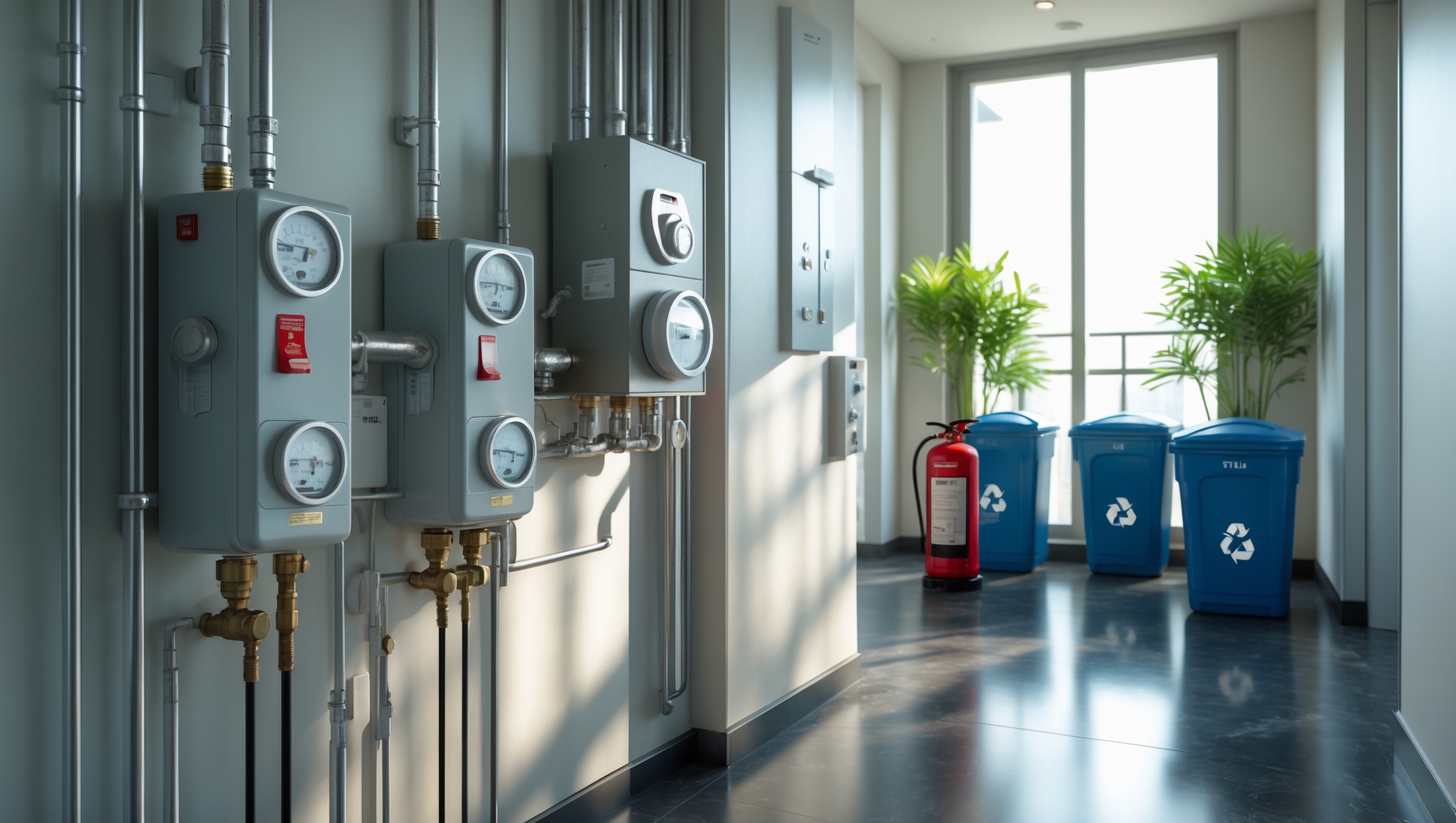
Introduction: The Unsung Challenge of Managing Utilities Abroad
Moving abroad or settling into a new country for a long-term stay comes with a checklist of exciting milestones—unpacking boxes, exploring the neighborhood, learning the local language. Yet, one essential aspect often underestimated or overlooked is understanding how to set up and manage local utilities: water, electricity, and waste disposal. Whether you’re an expat, digital nomad, or a long-term traveler, mastering these systems is crucial for budgeting, comfort, and compliance. Many newcomers assume utility systems function the same everywhere, only to encounter confusing billing cycles, unexpected deposits, or even service interruptions due to simple misunderstandings. This guide offers a practical, step-by-step approach to navigating utilities in your new home, empowering you to avoid costly mistakes, prevent service hiccups, and make eco-conscious choices. From reading meters and negotiating contracts to handling waste and troubleshooting outages, you’ll find actionable advice tailored to real-world scenarios expats face worldwide.
Understanding Utility Systems: Key Variations Worldwide
Why Local Knowledge Matters
No two countries—or even cities—handle utilities the same way. Understanding the local approach can save you money and stress. For example, in some places, utilities are bundled into rent, while others require you to set up accounts individually. Some countries privatize services, others run them municipally. Being aware of these differences helps you ask the right questions before signing a lease or moving in.
Common Utility Inclusions and Exclusions
- Included in Rent: Many apartments, especially short-term or serviced rentals, include utilities in the monthly fee. Always confirm which are covered.
- Separate Billing: In many European and Asian cities, tenants are responsible for setting up and paying for their own utilities. This can include water, gas, electricity, and waste collection.
- Prepaid vs. Postpaid: Some systems, especially in parts of Africa and Asia, run on prepaid meters for electricity or water. Others bill you monthly or bi-monthly after usage.
Setting Up Utilities: Step-by-Step Checklist
1. Research Local Providers and Requirements
Before moving in, determine which companies supply water, electricity, and waste collection. Ask your landlord or property manager for details, or check with neighbors. Some properties may have only one provider; others offer a choice. Key questions:
- Who are the authorized providers for each utility?
- Are utilities already connected, or will you need to set them up?
- Are there any special requirements for foreigners (ID, residency proof, deposits)?
2. Gather Required Documentation
Expect to provide the following, though requirements vary:
- Passport and visa/residence permit
- Rental contract or proof of address
- Bank account details (for automatic payments)
- Contact information (local phone number preferred)
3. Apply for Connections or Transfers
If utilities are not already in your name, you’ll need to apply for new connections or transfer existing accounts. This often involves:
- Filling out online or paper applications
- Paying a connection fee or refundable deposit
- Scheduling a technician visit (for meter reading/installation)
- Submitting meter readings at move-in and move-out
4. Confirm Start Dates and Billing Cycles
Once approved, ensure you understand when billing starts and how often you’ll receive statements. Note any grace periods, late payment penalties, or required minimum usage charges. Many providers offer apps or websites for tracking your consumption—sign up early to avoid surprises.
Water Systems: What Every Expat Should Know
Potable Water: Tap or Bottled?
Water safety standards vary dramatically. Before drinking tap water, check local advisories or ask neighbors. In much of Western Europe, tap water is safe, but in parts of Latin America, Asia, and Africa, bottled or filtered water is the norm. Consider installing a certified filtration system if long-term.
Understanding Water Meters and Billing
- Metered Billing: Most modern apartments have individual water meters, but some older buildings share communal meters. Understand whether you pay for your own usage or a share of the building’s total.
- Reading the Meter: Learn to read your water meter. Take photos at move-in and move-out to avoid overcharges. Some meters require manual readings, while others are smart meters with remote reporting.
- Water Pressure and Maintenance: Older buildings may have water pressure issues, especially on higher floors. Ask your landlord about booster pumps or local water cut schedules.
Water Conservation Tips
- Install low-flow showerheads and faucets (ask permission if renting).
- Fix leaks promptly—small drips can add up quickly on your bill.
- Practice mindful use: short showers, full loads in washing machines, and reusing water where possible.
Electricity: Navigating Local Grids and Tariffs
Voltage, Plugs, and Appliances
Check the voltage and plug type in your new country. Using incompatible appliances can cause damage or be a fire hazard. Buy quality adapters or converters if needed, and consider leaving high-energy devices at home.
Meter Types and Billing Structures
- Time-of-Use Tariffs: Some regions charge higher rates during peak hours. Learn your provider’s tariff structure and adjust usage accordingly.
- Prepaid Meters: Top up at local shops or online. Monitor your balance to avoid running out unexpectedly.
- Postpaid Meters: Pay after usage. Set a reminder for bill due dates to avoid late fees or disconnection.
Preventing Power Interruptions
- Ask about scheduled outages or load shedding (common in some countries).
- Invest in surge protectors to safeguard electronics from unstable grids.
- Consider a battery backup for essential devices if outages are frequent.
Waste Management: Compliance and Best Practices
Understanding Local Collection Systems
Municipal waste systems differ vastly. Some cities offer door-to-door collection; others require you to deposit trash at communal points. Recycling protocols, permitted disposal days, and sorting rules may be strictly enforced. Ignoring these can result in fines or neighborly tension.
Sorting and Recycling: A Practical Approach
- Learn the categories: paper, plastics, glass, organics, and general waste.
- Find out if you need to buy specific bags or bins for each category.
- Locate your nearest recycling center or drop-off point for special items (electronics, batteries, hazardous waste).
Composting and Reducing Waste
- Many countries encourage or even mandate composting. Small countertop composters are available if space is limited.
- Reduce packaging waste by shopping at local markets with reusable bags and containers.
- Donate or sell unwanted items rather than discarding them.
Budgeting for Utilities: Real-World Cost Breakdown
Typical Utility Costs by Region
Utility costs can be a significant portion of your monthly budget. Here’s a general breakdown (in USD equivalents) for a single-bedroom apartment in major regions (as of early 2024):
- Western Europe: $100–$180/month (all utilities)
- Eastern Europe: $50–$100/month
- Southeast Asia: $30–$70/month (excluding bottled water)
- North America: $120–$200/month
- Latin America: $40–$90/month
These figures vary with climate, local infrastructure, and lifestyle (air conditioning, long showers, etc.). Always budget a 10–20% buffer for fluctuations or unexpected charges.
Hidden Fees and Deposit Requirements
- Connection or activation fees—typically $10–$50 per utility
- Refundable security deposits—often one month’s average bill
- Early termination penalties if you move out before the contract ends
- Late payment fees—can accrue quickly and may lead to service suspension
Ways to Save
- Negotiate with landlords to include utilities in rent, especially for short stays
- Monitor consumption and adjust habits (LED bulbs, unplug devices, shorter showers)
- Ask about energy-saving programs or government rebates for efficient appliances
Dealing with Common Utility Issues
Language Barriers and Customer Service
Contacting utility providers can be daunting if you don’t speak the local language. Tips:
- Use translation apps or bring a bilingual friend when calling or visiting offices
- Request written communication for clarity
- Keep copies of all agreements, bills, and correspondence
Service Interruptions and Emergencies
- Ask your landlord or neighbors about typical outage frequencies and procedures
- Keep emergency numbers for utility companies handy
- Stock up on bottled water, candles, and a battery-powered radio for prolonged outages
Disputing Bills and Meter Readings
- Photograph meter readings when moving in and out
- Compare your bills with local averages to spot discrepancies
- File disputes promptly and follow up in writing
Case Study: Navigating Utilities in Three Different Countries
1. Germany: Precision and Paperwork
In Germany, utilities are often billed separately from rent, and tenants must set up accounts directly with providers. Registration requires proof of residence and a local bank account. Recycling is strictly enforced, with multiple bins and complex sorting rules. Missing a collection day or improper sorting can result in fines.
2. Thailand: Prepaid Convenience
Many Thai apartments use prepaid electricity and water meters, topped up at convenience stores or online. Waste is collected daily in urban areas, but recycling is limited. Water filtration is common, and most expats budget for bottled water for drinking and cooking.
3. Mexico City: Waste Sorting and Community Effort
Utilities are often included in rent, but you’ll need to clarify which ones. Waste sorting is required by law, with designated days for organics, recyclables, and general waste. Water pressure varies, and many residents use rooftop tanks. Knowing your building’s system is crucial to avoid running dry.
Tools and Resources for Mastering Utilities Abroad
- Translation Apps: Google Translate, DeepL for contracts and customer service
- Expense Trackers: Splitwise, Mint, or local banking apps for budgeting
- Smart Plugs & Monitors: Track electricity consumption in real time
- Community Forums: Expat groups on Facebook or Reddit for local advice
- Government Websites: Official utility portals for up-to-date procedures and tariffs
Conclusion: Empowering Your Life Abroad Through Utility Mastery
Adapting to a new country’s utility systems is more than just a technical hurdle—it’s a gateway to smoother, more confident living. By understanding how water, electricity, and waste systems operate locally, you’ll not only avoid unnecessary expenses and stress but also build credibility with landlords, neighbors, and service providers. Taking the time to research providers, negotiate inclusions, and learn the rhythms of billing cycles can prevent unpleasant surprises and help you budget with precision. More importantly, embracing local recycling and conservation practices connects you with your new community’s values and sustainability goals.
While initial setup may involve paperwork and a learning curve, the payoff is substantial: uninterrupted comfort, financial savings, and a sense of control over your environment. Use this guide as a practical reference, and don’t hesitate to seek help from local expat networks or government resources when challenges arise. With a proactive approach and a willingness to adapt, you’ll turn managing utilities from an expat headache into one of the small victories that make living abroad so rewarding.
You talked about unexpected deposits and confusing billing cycles when setting up utilities abroad. Can you share tips on estimating initial costs and handling possible language barriers during the signup process?
To estimate initial utility costs, ask your landlord, neighbors, or expat forums for typical deposit amounts and monthly charges in the area. It helps to budget a bit extra for unexpected fees. For language barriers, bring important phrases written in the local language or use a translation app during signup. If possible, ask someone bilingual to assist or accompany you to the utility office to make the process smoother.
The article mentions that utilities are sometimes privatized and sometimes municipal. From a business perspective, does this impact the reliability or price stability of services, and should I prefer one over the other when choosing a rental location abroad?
Privatized utilities can sometimes offer more efficient service but may have higher or less predictable prices, as they operate for profit and may adjust rates more frequently. Municipal utilities are often more stable in pricing and may prioritize reliability for residents, but service quality can vary by region. When choosing a rental, it’s wise to ask current residents or landlords about recent price trends and any service issues to make a more informed decision based on local experiences.
We’re planning a move to Europe for a year, and I’m curious about utility deposits and billing cycles. Are there typical upfront costs or delays in getting electricity and water set up, and do families usually face service interruptions during the initial transition?
When moving to Europe, it’s common for utility providers to require an upfront deposit, especially if you don’t have a local credit history yet. The deposit amount varies by country and provider. Billing cycles are usually monthly or bimonthly. Getting electricity and water set up can take anywhere from a few days to two weeks, depending on the location and whether services are already connected. Temporary service interruptions are possible during the transition, but they’re typically brief and can often be avoided by arranging setup in advance.
The article mentions that some places bundle utilities into the rent while others require separate setup. How can I tell ahead of time what to expect in a country I’m moving to, and are there any red flags I should watch for when viewing apartments?
To find out if utilities are bundled or separate, research typical rental practices in your destination country through expat forums and local real estate sites. When viewing apartments, always ask the landlord directly about what’s included in the rent. Watch out for vague answers, missing utility meters, or unusually low rent prices—they might signal hidden utility costs or unreliable service.
I noticed you mentioned that, in some countries, utilities are bundled into rent, while in others, tenants need to set up their own accounts. In your experience, how easy is it to transfer utility accounts if you end up moving within the same city? Do you usually face additional fees or wait times?
Transferring utility accounts within the same city varies by country and provider. In many places, the process is straightforward—usually requiring a form or online request, proof of residence, and sometimes a meter reading. Some providers may charge a small transfer or reconnection fee, and it’s common to wait a few days up to a week for the transfer to complete. It’s best to contact the utility company directly to understand local requirements and timeframes.
The article touches on unexpected deposits and service interruptions due to misunderstandings. Could you explain what typical upfront costs or documentation I should expect when setting up utilities in a foreign country, and how long the process usually takes?
When setting up utilities abroad, you’ll often need to provide a copy of your passport, proof of address like a lease agreement, and sometimes a residence permit. Upfront costs usually include a deposit—often equal to one or two months of your estimated bill. The setup process can take anywhere from a couple of days to a few weeks, depending on the country and utility provider. Checking local requirements in advance can help you avoid delays.
The article mentions that some rentals include utilities in the rent while others require separate billing. Is it generally more cost-effective for expats to look for apartments with bundled utilities, or do you recommend managing each utility individually for better control over usage and expenses?
Whether bundled utilities are more cost-effective depends on your lifestyle and the local market. Bundled options offer convenience and predictable monthly costs, which is great if you value simplicity or expect higher usage. Managing utilities individually can help you save if you’re energy-conscious and want more control, but it may require extra effort to set up and monitor bills. It’s a good idea to compare typical bundled rates with average standalone utility costs in your area before deciding.
I’m curious about how common it is for expats to face service interruptions due to misunderstandings with local utility providers. Are there typical mistakes or cultural differences in billing cycles or deposits that we should watch out for when setting up utilities abroad?
Service interruptions can happen fairly often for expats, usually due to unfamiliar billing cycles, missed payments, or misunderstanding deposit requirements. In some countries, utility bills may arrive monthly, quarterly, or only electronically. Deposits might be required upfront, and the amounts or procedures can differ widely. It’s important to clarify these details with your provider, keep records of all payments, and ask about any local practices that might differ from what you’re used to at home.
You mentioned that in some countries, utilities can be bundled into rent while in others you have to set them up individually. How do you usually find out which situation applies before signing a lease, and what paperwork should I ask for to confirm what’s included?
To determine if utilities are included in your rent, always ask the landlord or agent directly before signing the lease. Request a breakdown in writing—either in the lease agreement or as an official addendum—specifying which utilities are covered. Also, ask to see recent utility bills if possible, or confirmation of service accounts, so you know what you’ll be responsible for if they’re not included.
Could you elaborate on how to identify whether utilities like water and waste disposal are managed privately or by the municipality in a new country? I’m concerned about the potential differences in reliability and billing methods between the two systems.
To determine if utilities are managed privately or by the municipality, start by asking your landlord or building manager—they usually know the providers. Check your utility bills for company names; municipal services often have official city or government logos, while private companies use their own branding. Local expat forums and neighbors can also share their experiences. Reliability and billing can differ, with municipal services typically being more regulated but sometimes slower to respond, while private providers may offer faster service but could cost more. Always clarify payment procedures and service contacts when you move in.
You mentioned that billing cycles and deposits can be unexpectedly different abroad. Is there a way to estimate what kind of upfront costs or deposits I should budget for when moving to a new country, or does this really vary a lot by region?
Upfront costs and utility deposits can differ quite a bit by country and even by city. However, a safe approach is to budget for at least one to two months’ worth of average utility bills as a deposit, plus possible connection fees. Researching local utility providers or expat forums for your specific destination can help you get a more accurate estimate for your situation.
You mentioned that billing cycles and deposits can vary a lot depending on the country. If I want to budget accurately as an expat, is there an average deposit amount or billing frequency I should expect, or does it really differ that much from place to place?
Deposit amounts and billing frequencies can differ quite a lot depending on the country and even the city. Some places require one or two months’ worth of average utility bills as a deposit, while others have a flat fee. Monthly billing is most common, but some areas use bi-monthly or quarterly cycles. It’s a good idea to check directly with local providers before moving so you can plan your budget more accurately.
When it comes to handling waste disposal abroad, are there any specific questions you recommend asking a landlord before signing a lease? I’ve found that in the US, trash pickup is usually straightforward, but I imagine it could work very differently elsewhere.
Absolutely, waste disposal can vary a lot from country to country. Before signing a lease, ask the landlord how trash and recycling are collected—are there specific days, designated bins, or collection points? Clarify who provides the bins and whether there are fees or permits involved. It’s also helpful to know if you need to separate recyclables or compostables, and where to dispose of bulky items.
We’re planning a move to Europe with our kids, and I’m wondering how flexible utility contracts usually are for expats. If we only expect to stay a year or less, are there typically short-term options available, or do utilities usually require longer commitments?
In many European countries, utility contracts have become more flexible in recent years, especially in cities with lots of expats. You’ll often find month-to-month or 6–12 month contracts, though some providers still prefer longer commitments for better rates. If you’re staying less than a year, look for suppliers that advertise ‘no minimum term’ or offer contracts suited to renters. It’s a good idea to ask your landlord or relocation agent for recommendations too.
When moving to a new country, how soon should I expect utilities like water and electricity to be connected after setting up the accounts, and are there any tips to avoid service interruptions during the transition period?
Once you’ve set up your utility accounts in a new country, activation times can vary—typically from a couple of days to a week for water and electricity. To avoid service interruptions, try to arrange account setup before your move-in date and confirm all required documents are submitted. If possible, ask the property manager or previous occupant about the current status to ensure a smooth transition.
I’m interested in the section about utilities sometimes being included in rent and other times paid separately. In your experience, is it generally more cost-effective to have utilities bundled into rent, or is it better to set them up individually as a tenant?
Whether utilities are bundled with rent or set up separately can impact overall cost and convenience. Bundled utilities offer simplicity and protect you from seasonal price fluctuations, but landlords may charge a premium to cover worst-case usage. Setting them up individually can be cheaper if you monitor your usage and local rates are reasonable, but it does require more effort and responsibility. It often depends on local utility costs and personal habits, so it’s worth comparing both options before committing.
I noticed the article mentions some countries bundle utilities into rent, while others require tenants to set up accounts themselves. For someone running a small business from home abroad, what’s the best way to clarify these arrangements with landlords upfront to avoid unexpected costs or misunderstandings?
When discussing rental arrangements, ask your landlord for a detailed breakdown of which utilities are included in the rent and which are separate. Request to see sample bills or past agreements if possible. Make sure all utility responsibilities are clearly stated in the rental contract, including who sets up and pays each account. This upfront clarification will help you budget accurately and prevent confusion later.
You mentioned that in some countries utilities are bundled into the rent, while in others you have to set up accounts individually. Could you provide advice on how to find out exactly which utilities are included before signing a lease, especially if there is a language barrier with the landlord or agency?
To clarify utility inclusion, ask for a written breakdown of what the rent covers before signing. You can request this information by email or text, using a simple template translated into the local language with a tool like Google Translate. If you’re unsure, consider bringing a bilingual friend or hiring a local relocation agent to help communicate your questions to the landlord or agency. Always get written confirmation to avoid misunderstandings.
Could you expand on how meter readings are typically handled in places where utilities aren’t bundled with rent? For example, do tenants usually submit readings themselves, or are they done by an agent, and what should expats watch out for to avoid billing mistakes?
In many countries where utilities are not included in rent, meter readings can be handled in several ways. Sometimes, tenants are responsible for reading their own meters and submitting the numbers to the utility company or landlord, usually at the start and end of the rental period or each month. In other cases, an agent or a representative from the utility company visits to record readings. Expats should take photos of their meter readings upon moving in and out, always confirm the readings on bills, and keep copies for reference to help avoid disputes or accidental overcharges.
As someone used to bundled utilities back in the US, I’m curious how common it is for landlords in other countries to misrepresent what’s actually included in the rent. Are there any red flags or best practices you recommend for confirming what utilities I’ll be responsible for before signing a lease?
Misunderstandings about included utilities can happen, especially in countries where landlord practices vary. Always ask for a detailed, written breakdown of what is covered by your rent before signing. Watch out for vague language like ‘utilities included’ without specifics, and be wary if a landlord avoids providing past utility bills or a sample contract. It’s also helpful to talk to current tenants or neighbors for insights on typical arrangements.
You talk about how some places bundle utilities into rent while others require setting everything up separately. Have you found that one approach ends up being more cost-effective or reliable for long-term expats, especially when it comes to troubleshooting service issues?
Bundled utilities can offer convenience and make budgeting easier since you pay a fixed amount and don’t have to deal with multiple providers. However, setting up utilities separately sometimes means you can shop around for better rates or specific services, which might save money in the long run. When it comes to troubleshooting, direct accounts with providers often allow for quicker resolution since you contact them directly, while bundled services require going through your landlord or agent, which could take longer.
When looking for a place overseas, is it usually possible to negotiate which utilities are included in the rent, or is that typically fixed by landlords? I’m curious how much flexibility expats usually have in bundling water, electricity, or waste services with their lease.
In many countries, the inclusion of utilities in rent can vary widely. Some landlords offer bundled utilities, especially for apartments or short-term rentals, while others expect tenants to set up and pay for services separately. It’s often possible to negotiate which utilities are included, so it’s worth discussing your preferences before signing a lease. The amount of flexibility depends on local norms and the landlord’s approach, but expats do sometimes successfully negotiate these details.
You brought up how utility billing cycles and deposits can differ widely by country. Have you found any tips or resources that help expats estimate utility costs before signing a lease, especially in countries where tenants handle their own accounts?
One approach is to ask your prospective landlord or property agent for recent utility bills from the same property, which can give you a realistic idea of monthly costs. Expats in local forums and online expat groups often share their experiences and cost breakdowns. Some cities or utility companies also publish average residential rates and consumption estimates on their official websites. Comparing these sources before signing a lease can help you budget more accurately.
You mentioned that some countries bundle utilities like water, power, and waste services into the rent while others require tenants to set up accounts individually. How can I accurately verify what is and is not included before I sign a lease if I don’t yet speak the local language well?
To verify which utilities are included, ask your landlord or agent for a written breakdown, even if it’s in the local language. Use a translation app or service to interpret the lease terms. If possible, have a bilingual friend or a local relocation consultant review the documents with you to ensure you fully understand what’s covered before signing.
I’m curious about how waste disposal systems vary from place to place. As an expat, what should I look out for in terms of sorting and disposing waste, and are there penalties for not following local waste guidelines in certain countries?
Waste disposal systems can differ a lot internationally. Some countries require strict separation of recyclables, compost, and general waste, while others have a simpler process. It’s important to check with your local municipality or landlord for specific sorting rules. Many places issue fines if you don’t sort waste properly or use the wrong bins, so following local guidelines is essential to avoid penalties.
I noticed you brought up unexpected deposits or confusing billing cycles for utilities in some countries. In your experience, how can expats best estimate their monthly utility costs in advance, especially when utilities aren’t bundled with rent?
To estimate monthly utility costs abroad, start by asking your landlord or neighbors about average bills for similar-sized homes. Many local expat forums or social media groups can also provide typical cost ranges. Be sure to check how often bills are issued—some countries bill every two months. Factor in seasonal changes, like higher electricity use for air conditioning in summer, to get a more accurate monthly average.
As someone planning my first move abroad, I’m a bit confused about how to figure out if utilities like water and electricity are bundled into my rent or if I have to set them up separately. Are there common questions I should ask landlords to avoid getting stuck with unexpected bills?
When speaking with landlords, ask directly if utilities like water, electricity, and gas are included in the rent or billed separately. Request a list of all utilities covered and which ones you’ll need to set up yourself. It’s also wise to ask how billing works, about average monthly costs, and if there are set-up fees or deposit requirements. Clear answers prevent misunderstandings and surprise expenses.
I noticed you mentioned that in some countries, utilities are bundled into rent, while in others you have to set them up yourself. How common is it for landlords to include utilities in the rent for long-term leases, say, over a year? Are there any red flags to watch for in contracts when utilities are supposedly included?
For long-term leases over a year, whether utilities are included depends greatly on the country and sometimes the city. In some places, it’s standard for rent to cover utilities, while in others, tenants set up and pay bills separately. When utilities are included, check your contract for details about which utilities are covered, any usage caps, and what happens if you exceed them. Watch for vague wording or clauses that allow landlords to change terms mid-lease—clarity is crucial to avoid unexpected charges.
I noticed the article mentions that in some countries utilities like water and electricity can be bundled into rent, while in other places they’re billed separately. If I’m moving to a country where I have to set up each utility on my own, how far in advance should I start the process to avoid any service gaps when I move in?
It’s wise to begin setting up your utilities at least two to three weeks before your move-in date. Some providers may require documents or in-person appointments, which can add time. Starting early gives you a buffer for any delays and ensures you have water, power, and other essentials ready when you arrive.
You mention that in some places utilities are bundled into the rent while in others you have to set up separate accounts. From your experience, what are the typical upfront costs or deposits for setting up utilities individually, and are there ways to minimize these expenses when first moving in?
Upfront costs for setting up utilities individually can vary widely by country and provider, but it’s common to pay deposits equivalent to one or two months’ average usage, plus possible connection or activation fees. To minimize these expenses, ask your landlord if they can keep existing accounts in place and transfer them to your name. Sometimes, choosing automatic payments or providing local references can reduce the required deposit.
I’m curious about troubleshooting outages in countries where I don’t speak the language well. Are there typical procedures or emergency contacts I should be aware of ahead of time, and is there a way to prepare for unexpected service interruptions as a newcomer?
It’s really helpful to prepare by noting down key emergency contacts for utilities, like water and power companies, as soon as you arrive—these are often listed on your bills or local government websites. Learning a few basic phrases in the local language (such as ‘no electricity’ or ‘no water’) can be useful. Also, ask neighbors or your landlord about typical outage procedures. Keeping some bottled water, a flashlight, and charged power banks handy is a smart backup for unexpected interruptions.
You talked about unexpected deposits and confusing billing cycles for utilities in different countries. For someone on a tight budget, what are some common utility deposit amounts or upfront costs I should be prepared for when moving to a new country?
Upfront utility costs can vary a lot depending on the country and even the city. Commonly, utility deposits range from the equivalent of $50 to $300 per service, but some places may ask for more, especially if you have no local credit history. Sometimes, you’ll also pay a connection or activation fee. It’s wise to budget at least a few hundred dollars for initial utility costs when moving abroad, just to be safe.
Can you give any advice on what questions I should ask a landlord before signing a lease when it comes to utility billing cycles and deposits? I’m worried about running into issues with unexpected fees or service interruptions after moving in.
Before signing a lease, ask your landlord how often utility bills are issued and when payments are due. Check if utilities are included in the rent or billed separately, and clarify what deposits, if any, are required for each service. It’s also helpful to confirm who is responsible for setting up and maintaining the accounts, and whether there have been past issues with late payments or service interruptions at the property.
You touched on the need to read meters and understand billing cycles abroad. Do you have any tips on how to avoid unexpected utility deposits or hidden fees, especially for someone leasing business premises in a country where utilities aren’t included in the rent?
To avoid surprise deposits or hidden fees, request a detailed breakdown of all utility-related charges from your landlord before signing the lease. Ask for copies of previous utility bills to gauge typical costs and check if any deposits are refundable. Also, clarify who pays for connection fees, meter readings, and service maintenance. If possible, set up accounts directly with utility providers to avoid third-party markups.
If I encounter issues with service interruptions or confusing billing cycles in a new country, what’s the best first step to resolve them when I’m unfamiliar with the local utility providers or regulations? Are there common pitfalls to avoid in this situation?
When facing service interruptions or billing confusion abroad, start by contacting your landlord, building manager, or neighbors—they can often clarify which utility companies serve your address and typical local practices. Document any issues and communications. Avoid making payments before verifying charges or provider details, and be cautious about sharing personal info until you’re sure you’re dealing with an official representative. Taking these steps helps you avoid common pitfalls like scams or accidental overpayments.
If utilities are bundled with rent, how can I double-check exactly which services are covered before signing a lease? Are there common misunderstandings expats have about what’s included versus what is billed separately?
To be sure which utilities are included, ask the landlord or agent for a detailed breakdown—ideally in writing—of what’s covered in your rent. Common misunderstandings include assuming internet, heating, or maintenance fees are included when they’re often separate. Always clarify if water, electricity, gas, waste collection, and internet are bundled to avoid surprise bills later.
The guide talks about unexpected deposits and service interruptions when managing utilities abroad. Have you found that most countries require large upfront deposits for utilities, and is there a typical timeline for getting your service connected after signing up? I’m curious how this might affect planning a move-in date.
Deposit requirements for utilities vary widely by country and can range from a small fee to a substantial amount, especially if you don’t have local credit history. In some places, expats are asked for higher deposits than locals. Service connection times also differ—some countries can connect water or electricity within a few days, while others may take a week or longer due to paperwork and scheduling. It’s a good idea to factor in these possible delays and extra costs when planning your move-in date.
If there’s a misunderstanding with setting up utility accounts and my service gets interrupted, what’s the usual process for getting things running again? I’m worried about being stuck without water or power right after moving in.
If your utility service is interrupted due to a misunderstanding with account setup, the usual process involves contacting the local utility provider right away to clarify your situation. Once you provide the necessary documents and complete any required forms or payments, most providers can restore service within 24–48 hours. It’s a good idea to keep copies of your lease, identification, and proof of payment handy to speed things up.
You mentioned that in some countries utilities are bundled into rent while in others tenants need to set up accounts separately. If I’m moving my small business abroad, are there specific questions I should ask landlords or agents to avoid hidden utility costs or unexpected service interruptions?
When moving your business abroad, ask landlords or agents whether utilities are included in the rent or billed separately. Clarify which utilities (water, electricity, waste, internet) are covered, how billing works, and if there are any connection or transfer fees. Also, check if there are usage limits or scheduled service interruptions, and request copies of recent utility bills to estimate average costs. This helps you avoid surprises and ensures your business runs smoothly.
You talked about adjusting to different billing cycles and even dealing with unexpected service interruptions due to misunderstandings. If I’m moving to a place where I need to set up water or electricity myself, what are some common mistakes expats make during the setup process that I should watch out for?
A few common mistakes expats make when setting up utilities include not having all the required documents (like proof of address or identification), misunderstanding deposit requirements, and overlooking local payment methods. Some forget to clarify billing cycles or how to report outages. It’s also easy to assume services will be activated immediately, but there could be waiting periods. Double-check all requirements with your provider and ask about typical timelines to avoid surprises.
You mention that many newcomers are surprised by unexpected deposits or confusing billing cycles. Could you elaborate on how typical security deposit amounts for utilities are determined in different countries, and whether these are usually refundable when moving out?
Utility security deposits vary widely by country and even by city. Typically, they’re calculated based on estimated monthly usage, previous payment history, or a flat rate set by the utility company. In many places, deposits are around one or two months’ average bills. Most countries require utility companies to refund these deposits, usually after deducting any outstanding charges, once your account is closed and final meter readings are taken. Always keep your receipts and confirm the process with your provider when setting up service.
You mentioned that utilities can either be privatized or managed municipally depending on the country. From a budgeting perspective, is one system generally more affordable or predictable than the other for long-term travelers?
Affordability and predictability can vary by country, but municipally managed utilities often have more regulated pricing, which may make costs easier to anticipate over time. Privatized utilities may offer more competitive rates at times, but they can also be subject to price fluctuations. As a long-term traveler, it’s helpful to research the local system in your destination to understand any seasonal or rate changes that might affect your budget.
When you mention that some places require tenants to set up their own utility accounts separately, what kind of documentation or identification do you usually need, and are there any upfront deposits or hidden fees to look out for during this process?
When setting up your own utility accounts abroad, you’ll typically need to provide identification such as a passport or residency permit, proof of address (like your rental contract), and sometimes a local tax ID. Most utility companies require an upfront security deposit, which varies by region and service. Be sure to check for non-refundable connection or activation fees, as these can sometimes appear as unexpected costs.
I’m curious about managing waste disposal in countries where it isn’t handled automatically by the landlord or city. Are there common extra fees or specific steps expats should watch out for to avoid missing pick-ups or being fined for incorrect sorting?
In many countries where waste disposal isn’t managed by landlords or the city, expats may need to contract private collection services or purchase official waste bags. There can be extra fees for collection, especially for bulky or hazardous items. It’s important to learn the local sorting rules and schedules—missing a pick-up or incorrect sorting can sometimes lead to fines. Asking neighbors or your local municipality for guidance can help you avoid common mistakes.
The article mentions that utilities can be bundled into rent or require setting up separate accounts, depending on the country or even the city. How would you recommend figuring out what’s actually included before you sign a lease, especially if there’s a language barrier with your landlord?
To avoid surprises, always ask for a clear, written list of which utilities are included in your rent before signing anything. If there’s a language barrier, consider using a translation app, or bring a bilingual friend or agent to help clarify details. You can also request a sample lease or bill breakdown to see what’s typically covered.
You mentioned negotiating contracts and dealing with unexpected deposits for utilities abroad. Do you have any tips on how to estimate potential upfront utility costs before signing a lease, especially when moving to a country where systems differ a lot from the US?
To estimate upfront utility costs, start by asking your prospective landlord or real estate agent about typical deposits and any connection fees for water, electricity, and gas. Also, join local expat forums or social media groups to get recent examples from others who have made similar moves. Utility companies’ websites sometimes list standard deposit amounts, so it helps to review those as well before committing to a lease.
The article mentions that in some places utilities are bundled into rent, while in others you have to set them up yourself. How can I make sure I’m not missing any hidden costs or responsibilities when signing a lease in a new country?
Before signing a lease, ask for a detailed breakdown of what utilities are included in the rent and which ones you’ll need to set up or pay separately. Request to see recent utility bills and ask if there are any extra fees, like maintenance or service charges. Make sure your lease clearly lists all your responsibilities to avoid unexpected costs.
You mentioned that in some countries utilities are bundled into the rent, while in others you need to set up accounts individually. Could you give an example of how that process might look different between, say, France and the US? I’m trying to figure out what paperwork or steps I should expect if I move to Europe.
In France, many rentals include utilities in the rent, especially for apartments. If they’re separate, you might need proof of residence, a copy of your lease, and ID to set up water and electricity accounts. In the US, utilities are usually not bundled, so you’ll typically contact each provider directly, show ID, your lease, and sometimes a credit check or deposit is required. Each country may also require different documents for foreigners, so it’s good to check with your landlord or agent.
How do you usually find out which utilities are actually included in the rent versus what you’ll need to set up on your own, especially if the lease agreement is in another language? Any tips on questions to ask a landlord up front to avoid surprises?
When renting abroad, it’s common to ask the landlord directly which utilities are included in the rent and which you’ll need to set up yourself. If the lease is in another language, consider getting it professionally translated or asking for a summary in English. Good questions to ask upfront include: Are water, electricity, gas, and internet included? Who pays for trash collection? Are there any monthly or annual utility fees not listed in the rent? This helps avoid unexpected costs later.
If utilities like water, electricity, and waste disposal are managed separately, how long does it usually take to get everything set up? I’m planning our move with kids, so I want to avoid any gaps in service at our new place.
When utilities are managed separately, setup times can vary quite a bit, but generally, each service might take anywhere from a few days up to two weeks to be activated. Water and electricity often require scheduling appointments for meter readings or technician visits, while waste services may start on the next collection cycle. To avoid service gaps, it’s best to contact each provider as soon as you have your move-in date and ask about required documents or deposits.
If I move to a city where utilities need to be set up individually, how long does it typically take for services like water and electricity to get activated after applying? I want to avoid being without power or water with young kids in the house.
The activation time for utilities like water and electricity can vary depending on the city and provider, but it’s common for services to be connected within 2 to 7 business days after your application and any required deposits are submitted. To minimize downtime, contact providers as soon as you have your new address and ask about expedited options for families with children. Scheduling in advance and ensuring all paperwork is correct will help make the transition smoother.
I noticed the article mentions that unexpected deposits and confusing billing cycles can catch expats off guard. Could you give examples of what kinds of deposits or billing differences might be common in places like Europe or Asia compared to what we’re used to in the States?
In Europe, it’s common for landlords or utility companies to require hefty upfront security deposits, sometimes equal to two or three months of estimated utility charges, whereas in the States, deposits are usually smaller or even waived with good credit. In Asia, you might see pre-paid electricity meters where you buy credits in advance, or billing cycles that are not monthly—sometimes every two months—which can make budgeting trickier if you’re used to predictable monthly bills in the US.
As a small business owner considering relocating operations abroad, I’m curious how common it is for utility services to require a significant security deposit when setting up new accounts. Are there typical amounts or processes to expect, and how do these compare between municipally run versus privatized systems?
Utility companies abroad often require a security deposit for new accounts, especially if you lack local credit history. The amount can vary: deposits may range from a month’s average bill up to several months’ worth, depending on the country and service. Municipally run utilities sometimes have lower, more standardized deposits, while privatized systems may charge higher or variable amounts. The deposit is typically refundable when you close the account, provided all bills are paid. Be prepared to show identification, proof of address, and sometimes business registration documents during setup.
You mentioned that billing cycles and utility setups can differ a lot depending on the country or even the city. Could you provide some tips on how to find out in advance whether utilities are bundled with rent or need to be arranged separately before signing a lease?
To find out if utilities are included with your rent, carefully review the rental listing and lease agreement for any mention of water, electricity, gas, or waste services. Ask the landlord or agent directly if you’re unsure. It’s also helpful to request recent utility bills as proof. If possible, connect with previous tenants or neighbors for insights into how utilities are typically handled in that building or area.
As a small business owner planning to relocate my team for an extended project, I’m interested in how billing cycles for utilities might differ across countries. Are there common pitfalls for expats when it comes to budgeting for unexpected deposits or service interruptions?
Utility billing cycles can vary widely—some countries bill monthly, others every two or three months, and billing dates may not align with what you’re used to. A common pitfall is underestimating the size or timing of required deposits, which can be substantial for foreigners. Service interruptions can also happen if payments are missed or if account setup takes longer than expected, so it’s wise to budget extra time and funds for these processes.
If I move to a country where tenants set up their own water and electricity, how long does it typically take to get those services activated? Do I need any documents or deposits ready in advance, especially if I don’t speak the local language well?
Activation times for water and electricity can vary by country, but it usually takes 2 to 7 days after submitting your application. You’ll typically need identification (like a passport), proof of address, and sometimes a rental contract. Deposits are common, especially for new tenants or foreigners. If you don’t speak the local language, arranging for a translator or asking your landlord or an expat service to assist can make the process smoother.
I’m curious about the process for setting up utility accounts individually in countries where that’s required. Are there standard documents or identification that expats typically need, and how far in advance should we start the setup when moving into a new place to avoid any service gaps?
When setting up utility accounts abroad, expats are usually asked for identification (such as a passport or residence permit), proof of address (rental contract or utility bill), and sometimes a local bank account. Requirements can vary, so it’s wise to check with local providers ahead of time. Start the process at least two weeks before your move-in date to help avoid service gaps.
If I arrive in a country where utilities are handled separately from rent, how difficult is it to negotiate contracts when I don’t speak the language well? Are there any tips for expats to avoid miscommunication or unexpected charges during the setup process?
Negotiating utility contracts without strong language skills can be challenging, but many expats manage with some preparation. It’s helpful to use translation apps or ask a bilingual friend to assist during sign-up. Request written copies of contracts to review carefully, and clarify details like billing cycles, deposits, and service fees. If possible, choose providers with English-speaking customer service. Always document agreements and keep receipts to avoid misunderstandings or surprise charges.
When setting up utilities in a new country where tenants handle accounts individually, how long does it typically take to get water and electricity activated? I’m trying to budget both money and time for my move, so any advice on average deposit amounts or processing times would be helpful.
Activation times for water and electricity can vary a lot by country and city, but generally, it can take anywhere from a few days to two weeks after submitting the necessary documents. Deposits also differ, but expect to pay one to two months’ worth of typical utility bills upfront per service. Contacting local providers in advance or asking your landlord for average costs can help you plan more accurately.
You talked about unexpected deposits and service interruptions being common for newcomers. If you arrive in a country where everything is billed separately, what should be your first step to avoid any lapses in service? Is it possible to get utilities running before physically moving in?
Your first step should be contacting each utility provider directly as soon as you have a move-in date. Many countries allow you to set up accounts and schedule service activation in advance, sometimes requiring you to provide documents like your lease agreement or ID. You can usually arrange for utilities—like water, electricity, and gas—to be turned on before you arrive, especially if you pay any required deposits ahead of time.
Could you clarify how to tell if utilities like water and waste disposal are actually included in my rent versus billed separately? I’ve found that rental listings can sometimes be vague or misleading about this, especially for longer-term stays.
Rental listings can definitely be unclear about utility inclusion. The most reliable way is to ask your landlord or property manager directly for a detailed breakdown of what’s covered in your rent. Request to see the actual contract or agreement before signing, and look for sections specifying utilities. If possible, get written confirmation regarding water and waste disposal to avoid unexpected bills. For long-term stays, this step is especially important since practices can vary widely by country and region.
When dealing with unexpected deposits or confusing billing cycles abroad, do you have any tips for keeping track of payments and avoiding service interruptions? I’m especially concerned about places where utilities aren’t handled directly through the landlord.
To avoid surprises with utilities abroad, set up reminders for payment due dates as soon as you receive your first bill. Keep a spreadsheet or use a budgeting app to record deposit amounts, due dates, and what each payment covers. Ask providers for clear, written breakdowns of charges if anything is unclear. If you’re not paying through your landlord, always save receipts or confirmation emails as proof of payment, and double-check that your account details are registered correctly with each utility company.
In your section about utility inclusions and exclusions, you mention that some places bundle utilities into rent, while others make you set up accounts individually. For someone used to the US system, how do you usually find out which method applies before actually signing a lease abroad?
To find out whether utilities are included in rent before signing a lease abroad, it’s best to ask the landlord or rental agent directly during your initial inquiries. Rental listings often specify this, but details can vary. Reviewing the lease agreement carefully is essential, as it should outline which utilities, if any, are included and which you’ll need to arrange yourself.
You mentioned service interruptions can happen due to misunderstandings with local utility systems. If I do experience a sudden outage in water or electricity soon after moving in, what are the first steps you suggest I take to resolve it, and who should I typically contact in those situations?
If you experience a sudden outage just after moving in, first check with your neighbors to see if it’s a wider issue or just your unit. Next, review your lease or welcome documents for the utility provider’s contact details. If the utilities are managed through your landlord or building manager, contact them immediately. Always keep important numbers handy and note any required account or meter information when you call the provider or management.
You mentioned that in some places utilities are bundled into rent while in others they’re separate. How can you make sure you fully understand what’s included before signing a lease, especially if there’s a language barrier or unfamiliar contract terms?
Before signing a lease, ask for a detailed breakdown of costs in writing—even using translation apps if needed. Request clarification on which utilities are included and which are not. If possible, have someone fluent in the local language review the contract or consider hiring a local agent to help ensure you understand all terms and don’t miss any hidden charges.
The article mentions that in some places utilities are bundled into rent, while in others they’re paid separately. If I’m negotiating a commercial lease overseas, are there red flags or specific questions I should ask to avoid misunderstanding what utilities I’ll be responsible for, or dealing with unexpected service interruptions?
When negotiating a commercial lease abroad, ask for a detailed breakdown of which utilities (like water, electricity, waste disposal) are included and which you’ll pay separately. Clarify how utilities are billed, whether there are any shared meters, and if there are service history records or known issues with outages. Request to see recent utility bills and confirm how service interruptions are handled—knowing who to contact and response times can help prevent surprises.
I am curious about how billing cycles and deposit requirements usually differ between municipally-run versus privatized utility systems. Could you provide some examples of what an expat might encounter in terms of upfront costs or frequency of bills in either scenario?
Municipally-run utilities often have standard billing cycles, such as monthly or bi-monthly, and may require a modest refundable deposit, especially if you don’t have a local credit history. Privatized utilities can be more varied; some may bill monthly, while others offer pay-as-you-go options. Deposits with private companies are sometimes higher or based on your projected usage or credit score. Expats might find that upfront costs are generally lower with municipal systems, while privatized providers may ask for larger or non-refundable fees, especially for short-term or foreign customers.
You brought up how billing cycles and deposits can be confusing when setting up utilities abroad. Could you share any tips for avoiding surprise charges or large upfront fees, especially for expats who might only be staying for a year or less?
To avoid surprise charges or hefty deposits, ask the utility provider if they offer short-term or expat-friendly contracts with lower or waived deposits. Request a detailed breakdown of all upfront fees and billing cycles before signing up. Some providers accept a guarantor or bank guarantee instead of a cash deposit. Also, consider choosing utilities bundled in your rental agreement, as landlords sometimes handle setup and deposits for you.
Could you explain a bit more about how utility contracts typically work when you’re renting long-term in a city where utilities aren’t included in the rent? I’m wondering what kind of deposits or documentation are usually required, and if it’s common to run into delays getting things set up.
When utilities aren’t included in rent, tenants usually need to set up accounts directly with local providers. You’ll typically be asked for identification, proof of residence (like your lease), and sometimes a deposit—especially if you lack local credit history. Deposits vary by country and provider. Delays can happen, especially if paperwork isn’t complete or there’s high demand, so it’s wise to start the process as soon as your lease is signed.
When it comes to setting up waste disposal services abroad, is it common to have to arrange this separately from water and power, or are they usually bundled? I’d like to avoid any service interruptions or confusion, especially during the first month after moving.
In many countries, waste disposal services are handled separately from water and power, so you may need to contact a different provider or your local municipality to set them up. However, in some areas, especially in larger cities or serviced apartments, all utilities might be bundled into a single bill. It’s best to check with your landlord or local utility office as soon as you arrive to clarify what’s included and ensure each service is properly activated for a smooth move-in.
Could you clarify how to find out if utilities are included in your rent before signing a lease, especially if you don’t speak the local language well? Are there specific questions I should ask or paperwork to look for to avoid surprises with separate utility billing?
To confirm if utilities are included in your rent, ask your landlord or agent directly about each utility: water, electricity, gas, and waste collection. Look for terms like ‘utilities included’ or ‘all bills included’ in your lease agreement. If there’s a language barrier, use a translation app or bring a bilingual friend. Request a written breakdown of what is and isn’t included before signing. Always double-check for separate utility agreements or references to meter readings in the paperwork.
The section about different countries privatizing or municipalizing utilities caught my attention. Could you explain how this might affect the process for expats trying to negotiate contracts or resolve outages, especially if there’s a language barrier involved?
When utilities are privatized, expats often have to negotiate contracts directly with private companies, which may have varying procedures and customer service standards. Municipal utilities might offer more standardized services, but processes could be less flexible. In both cases, language barriers can complicate communication, so it’s helpful to have translated documents or seek local assistance. Using a relocation agent or asking landlords for guidance can also ease contract negotiations and help resolve outages more smoothly.
As a business owner who might need to temporarily relocate staff abroad, I’m wondering if the guide addresses how to handle situations where utilities are not bundled with rent. Are there typical deposit amounts or documentation requirements we should anticipate for new utility accounts in different countries?
The guide does discuss scenarios where utilities are not included in rent. It explains that deposit amounts and documentation can vary widely depending on the country. For example, deposits may range from the equivalent of one to three months’ average bills, and common requirements include passports, proof of address, and sometimes local bank accounts. Checking with local utility providers or relocation agents in the destination country can help clarify specific expectations.
I noticed the article mentions that sometimes utilities are bundled into rent while other times you have to set them up yourself. As a small business owner planning to open a shop abroad, what questions should I ask a landlord to make sure I fully understand which utilities I’m responsible for and avoid unexpected costs?
When talking to a landlord, ask which utilities are included in your rent and which ones you’ll need to set up and pay for yourself. Clarify if charges are fixed or based on actual usage, and request a breakdown of typical monthly costs. Find out if there are any setup fees, who to contact in case of issues, and whether you’ll need to transfer or open utility accounts in your business name.
You mentioned that in some places, utilities might be bundled into the rent, whereas in others, tenants need to set up each account themselves. What are some key questions I should ask a landlord before signing a lease to avoid hidden utility costs or billing surprises?
Before signing a lease, ask your landlord which utilities are included in the rent and which require separate contracts. Confirm if there are any average monthly costs, deposit requirements, or setup fees. Also, check how billing works—whether you’ll pay the landlord directly or the utility company—and if there are seasonal price changes. This will help you budget accurately and avoid unexpected charges.
When setting up utilities abroad as a family, how do you handle unexpected service interruptions or outages if you’re not yet familiar with the local emergency processes? Are there typical steps or resources expats should know about right away to avoid long disruptions?
When you first move abroad, it’s helpful to ask your landlord, neighbors, or property manager about local emergency contacts and how outages are usually reported. Many countries have hotlines for water, electricity, or gas issues, and some utility companies offer apps or text alerts for service updates. Keep a list of these contacts handy and note where the nearest service offices are. Joining local expat groups can also provide quick advice and support during unexpected outages.
You mention that some utility systems are privatized while others are municipally managed. Is it usually easier for an expat to set up accounts and resolve service issues with one type over the other, especially with limited local language skills?
In many cases, municipally managed utilities may offer more standardized procedures and sometimes have staff familiar with helping newcomers. However, privatized companies might provide online account options or English-language support, depending on the country. For expats with limited local language skills, either system can present challenges, but checking for available support services (like English hotlines or online tools) before choosing a provider can make the process smoother.
You mentioned that sometimes utilities are bundled with rent and other times tenants set up their own accounts. For long-term stays, do you recommend negotiating utilities into the lease, or is it usually better to handle them separately to have more control over costs?
Negotiating utilities into your lease can offer convenience and predictability in budgeting, as you won’t need to set up individual accounts or track fluctuating bills. However, handling utilities separately might give you more control over usage and the ability to choose providers if available. For long-term stays, consider your preference for simplicity versus control, and also check local practices—sometimes it’s standard to bundle, while in other places it’s rare. Discuss options with your landlord before deciding.
As a small business owner planning to expand overseas, I’m curious about the process of negotiating utility contracts abroad. Are there common pitfalls to watch out for when setting up separate billing accounts, especially in countries where utilities aren’t bundled with rent?
When negotiating utility contracts abroad, watch for minimum contract terms, hidden fees, and fluctuating rates, which can catch new businesses off guard. Setting up separate billing often requires local documentation or proof of address, so prepare these in advance. Also, be aware that some countries have slow connection times or require deposits. Clarify service levels and response times in case of outages, and always verify which utilities you are responsible for, as arrangements can differ widely from your home country.
As a small business owner planning to expand operations overseas, I’m curious how to budget for utilities when moving into commercial spaces, especially since billing cycles and deposit requirements vary so much by country. Are there typical questions I should ask landlords to avoid unexpected expenses?
When negotiating for commercial spaces abroad, ask landlords about the average monthly costs for water, electricity, and waste disposal, as well as billing frequency and whether utilities are metered individually or shared. Check if past utility bills can be reviewed. Clarify deposit amounts, connection fees, and who is responsible for maintenance or unexpected repairs. This helps prevent surprises and allows for more accurate budgeting.
Is there a way to find out upfront if utilities like water and waste management are usually included in the rent for apartments in specific countries, or does it mostly depend on the landlord? I’m wondering how to avoid surprises before signing a lease.
Utility inclusion in rent varies a lot by country and even by city, but it often comes down to the landlord’s policies and local norms. To avoid surprises, always ask for a detailed breakdown of what’s included before signing the lease. Checking local rental listings or expat forums can also give you insight into typical arrangements in your destination.
The article mentions that sometimes utilities like water and electricity are bundled into the rent while other times you have to set up separate accounts. How can I find out exactly what is included before signing a lease, and are there any warning signs that a landlord might not be upfront about extra costs?
To know exactly what utilities are included, always ask for a detailed list in writing before signing the lease. Request that the lease agreement clearly states which utilities are covered and which are not. Be wary if a landlord hesitates to provide written details or is vague about costs—these can be warning signs of hidden fees or incomplete information.
I’m interested in the process of setting up water and electricity accounts individually, as mentioned for some European and Asian cities. Are there common pitfalls or hidden fees that first-timers should watch out for during these setups?
When setting up water and electricity accounts in many European and Asian cities, be aware that some providers require hefty deposits, connection fees, or administrative charges upfront. It’s also common to need local identification or proof of residency. Watch out for long contract terms and penalties for early termination. Always ask for a breakdown of charges and check whether estimated billing or actual meter readings will be used to avoid surprises later.
As someone used to US utility systems, I’m curious how common it is for landlords abroad to bundle all utilities like water, power, and garbage into the rent versus making tenants set up each service separately. Are there certain regions where bundling is more typical?
Bundling of utilities with rent varies a lot by region. In many European cities and parts of Asia, it’s common for apartments—especially short- to medium-term rentals—to include water, garbage, and sometimes electricity in the rent. In contrast, in places like Australia or New Zealand, tenants more often set up their own accounts. It’s always best to clarify what is included when signing a lease, as practices can differ even within the same country.
As a small business owner planning to relocate abroad, I’m curious about the process of negotiating utility contracts, especially when it comes to making sure I’m not overpaying for bundled services versus setting up utilities individually. Are there specific questions you recommend asking landlords or agencies before signing a lease?
When negotiating utility contracts abroad, ask landlords or agencies if utilities are included in the rent, how costs are calculated, and whether there are itemized bills for each service. Inquire about the flexibility to choose your own providers, compare bundled versus individual rates, and check for any early termination fees. Also, ask if there are seasonal price changes or hidden charges that could affect your monthly costs.
When moving to a new country, how soon after arrival do you usually need to set up your own utility accounts if they aren’t included in rent? Is it possible to arrange these in advance, or do you have to wait until you physically move in?
In most countries, you’ll need to set up your own utility accounts right after moving in if they aren’t included in your rent. Some providers allow you to start the process online or by phone a few days before your arrival, while others require you to be present for identity verification or meter readings. It’s best to check with your landlord and the utility companies beforehand to see what their specific requirements are.
The guide talks about unexpected deposits and confusing billing cycles abroad. For families moving with kids, how much should we budget upfront for utility setup, and do these deposits usually get refunded when we leave or is it different depending on the country?
For families, upfront utility setup costs abroad often range from $200 to $800, depending on the country and type of housing. Deposits are usually required for water, electricity, and sometimes gas, but the amount can vary based on family size and anticipated usage. Most countries refund deposits when you leave, provided all bills are paid and you follow the correct closing procedures, but some places deduct final usage or fees. It’s best to confirm policies with your local utility provider in advance.
You mentioned that in some countries utilities might be bundled with rent, while in others tenants handle setup and payment themselves. For someone leasing a commercial space, what questions should I ask landlords to avoid confusion about what’s actually included before signing a lease?
When leasing a commercial space, ask the landlord which utilities (water, electricity, gas, waste disposal, internet) are included in the rent and which are not. Clarify if you’ll need to set up any accounts or make separate payments. Also, check who is responsible for repairs and maintenance of utility infrastructure. Request written details in your lease so there’s no ambiguity later on.
I’m curious about how utility deposits work in different countries. If we’re moving into a long-term rental, is it common to pay large upfront fees for water or electricity, and can these be negotiated? It would help to know what kind of paperwork or identification expats usually need to have ready.
Utility deposits do vary by country, but it’s quite common for landlords or utility companies to ask for upfront deposits, especially for electricity and water. The amounts can range from a small administrative fee to a sum equal to a couple of months’ typical usage. Sometimes, these fees are negotiable, particularly if you have local references or a good rental history. Usually, you’ll need a passport, visa or residence permit, and sometimes proof of address or income. Having copies of these documents ready will speed up the process.
You mentioned that in some places utilities are run municipally, and in others they’re privatized. Have you noticed any major differences in reliability or how easy it is to set up accounts for expats depending on the type of provider?
Yes, there are noticeable differences. Municipal utilities tend to be more standardized and consistent in reliability, but the setup process might involve more paperwork and waiting times. Privatized providers can be quicker and more flexible with account setup, often offering online options, but reliability can vary and customer service quality depends on the company. As an expat, it’s helpful to check local forums or ask neighbors about their experiences before choosing a provider.
When moving to a new country, how do you usually find out if utilities like water and electricity are bundled into the rent or need to be set up separately as a tenant? Are there common questions or red flags to look out for during apartment hunting?
When looking for an apartment abroad, always ask the landlord or agent directly if water, electricity, and other utilities are included in the rent or billed separately. It’s common to see listings that specify ‘utilities included,’ but sometimes only some are covered. Ask for clarification about which utilities, how billing works, and if you need to set up any accounts yourself. Red flags include vague answers, refusal to show recent utility bills, or inconsistent information between the listing and the viewing.
As a small business owner considering relocating my company abroad, I’m curious how common it is for utility services, like electricity and water, to require large upfront deposits, and whether these deposits are ever negotiable or refundable if there are no issues during the rental period.
Upfront deposits for utilities like electricity and water are quite common in many countries, especially for new business customers or foreigners. The amount can vary widely depending on local regulations and your company’s credit history. These deposits are usually refundable at the end of your lease or contract, provided all bills are paid and there’s no damage. In some cases, you can negotiate the deposit amount or offer a bank guarantee instead, particularly if you have a strong financial standing.
You mentioned that some countries bundle utilities into the rent while others require separate accounts. How do you recommend clarifying this with landlords, especially when there might be a language barrier or cultural differences in expectations?
When discussing utilities with landlords in a new country, ask directly whether rent includes water, electricity, and waste services, and if not, who sets up and pays each bill. If language is a concern, prepare key questions in writing or use a translation app. Written agreements help avoid misunderstandings, so politely request these details in your rental contract, even if it’s not standard practice locally.
You talk about the confusion around billing cycles and unexpected deposits when setting up utilities abroad. Could you provide some tips on what specific questions to ask landlords or utility companies before signing a lease to avoid hidden fees or surprise requirements?
Before signing a lease, ask your landlord or the utility companies if any deposits are required, how often bills are issued, and whether fees for late payments or reconnection apply. Clarify if utilities are included in the rent or separate, and request a breakdown of typical monthly costs. Also inquire about procedures for transferring utility accounts and if there are any one-time setup or administration fees.
As a small business owner planning to relocate, I’m particularly interested in how separate utility billing works in European cities. Are there specific documents or identification I’ll need to set up utility accounts as a non-resident, and how long does the process usually take?
In most European cities, separate utility billing means you’ll need to set up accounts for water, electricity, and sometimes waste services individually. As a non-resident, you typically need your passport, proof of address (like a lease agreement), and sometimes a tax identification number. The process can take anywhere from a few days to two weeks, depending on the provider and city. It’s a good idea to check with local utility companies for any extra requirements.
You mentioned that utilities can sometimes be bundled into the rent or set up individually, depending on the country. If I’m moving to a place before securing long-term housing, is there a typical timeframe for getting utilities like water and electricity connected once I have my own apartment?
Once you secure your own apartment, the timeframe to get utilities like water and electricity connected can vary by country and city. Generally, it takes anywhere from a couple of days to about two weeks, depending on the local providers and required paperwork. In some regions, connections can be quite fast if the previous tenant had recent service, but it’s always a good idea to confirm with your landlord or neighbors for realistic timelines.
Could you provide more details about how security deposits for utilities usually work when setting up accounts individually in a new country? I am concerned about unexpected upfront costs and would like to know what is typical to expect or negotiate.
When setting up utilities individually in a new country, it’s common to be asked for a security deposit, especially if you don’t have a local credit history. The amount usually ranges from one to three months’ average bills, but this varies by provider and country. Some companies may waive or reduce the deposit if you provide references or a guarantor. Always ask if the deposit is refundable and under what conditions, so you know when and how you’ll get it back. If costs are high, it’s reasonable to discuss payment in installments.
Could you elaborate on how to handle situations where there are unexpected deposits or unclear billing cycles when setting up utilities in a new country? Are there common signs that indicate a system is especially different from what we may be used to in the US?
When you encounter unexpected deposits or unclear billing cycles, ask for a detailed breakdown of charges and clarify the billing schedule before signing any agreements. Common signs of a different system include prepaid meters, cash-only payments, or bills issued irregularly instead of monthly. Watch for requirements to pay through local banks or at physical offices, which can differ from US practices. Always keep copies of receipts and contracts, and connect with local expats for firsthand advice on navigating these systems.
You mention that sometimes utilities are bundled into rent while other times tenants have to set up their own accounts. How can I determine which situation applies before I sign a lease, and what specific questions should I ask the landlord to avoid surprises?
To find out whether utilities are included in your rent, review the rental listing details and ask the landlord directly before signing. Specifically, ask which utilities are covered in the rent and which ones, if any, you’ll be responsible for setting up and paying separately. Also, confirm if there are estimated monthly costs for these utilities and whether the existing accounts can remain in the landlord’s name or must be transferred to you.
Your point about unexpected deposits for utilities caught my eye—could you give examples of how much these deposits might be in different countries, or advice on budgeting for them as a small business renting a property overseas?
Utility deposits can vary greatly depending on the country and even the utility provider. For example, in Germany, deposits for electricity might range from 100 to 300 euros, while in the UAE, deposits for small businesses can be around 2,000 AED. In many Southeast Asian countries, deposits can be the equivalent of one or two months’ average bills. When budgeting, it’s wise to set aside at least the equivalent of two months’ expected utility costs as deposits, and check with local providers or your landlord for specifics before signing contracts.
You mentioned that in some areas utilities are bundled with rent while in others you set them up separately. Do you have any tips on negotiating with landlords to include utilities, and how can you make sure you’re not overpaying compared to managing the bills on your own?
When negotiating with landlords to include utilities, it’s helpful to research average utility costs in the area first. Bring this information to the discussion so you can propose a fair all-inclusive rent. Ask for a breakdown of what’s covered and if there are usage limits. To avoid overpaying, compare the bundled rent to separate rent plus recent utility bills—some landlords might add a premium for the convenience. If possible, request to see past utility bills to verify typical costs before agreeing.
I’m curious about how to handle unexpected service interruptions, like electricity or water outages, especially when I’m still learning the local language. Does your guide offer tips on reporting issues or getting help quickly in those situations?
Yes, the guide covers strategies for dealing with service interruptions, even if you’re not fluent in the local language. It suggests keeping a list of important local contacts and using translation apps or template phrases to report issues. The guide also recommends joining local expat groups online, where people often share outage updates and practical tips for getting assistance quickly.
You mention that some places bundle utilities with rent while others require separate accounts—do you have any advice on how to quickly figure out which system is being used in a new city or country before I sign a lease?
To quickly determine how utilities are handled in a new city or country, start by asking rental agents or landlords directly whether the rent includes utilities or if you’ll need to set up separate accounts. Checking local rental listings can also reveal common practices, as many specify utility arrangements. Finally, online expat forums and local housing groups can be a good source of firsthand experiences from other renters.
You mentioned that some places bundle utilities with rent while others require individual setup. If I’m moving with kids and want to avoid unexpected service interruptions, what steps do you recommend I take before signing a lease to ensure all utilities are properly arranged and running from day one?
Before signing a lease, confirm with your landlord exactly which utilities are included and which you’ll need to arrange separately. Ask for written proof that all bundled services are active and up to date. If you must set up utilities yourself, contact providers in advance, as activation can take several days. Request a move-in inspection to check water, power, and internet, and have the landlord present during this walkthrough to address any issues immediately.
I noticed you mention that in some countries utilities are bundled with rent, while in others tenants must set them up individually. Do you have any advice on what questions to ask a landlord to clarify exactly which utilities I’ll be responsible for before signing a lease?
When speaking with a landlord, ask specifically which utilities are included in the rent and which you’ll need to arrange yourself. Clarify which services—such as water, electricity, gas, internet, and waste collection—are covered. It’s also helpful to ask about average monthly costs for any utilities you’ll be responsible for, whether accounts need setting up in your name, and how billing or meter readings are handled.
When utilities are bundled into the rent, as mentioned in the article, what’s the best way to verify exactly which services are included and if there are any usage limits or extra fees that might catch newcomers by surprise?
To clarify exactly which utilities are bundled in your rent, ask your landlord or property manager for a detailed list in writing. Request specifics on included services like water, electricity, gas, and internet. Also, inquire about any usage caps or potential extra charges. Reviewing your lease agreement for these details can help avoid unexpected fees later on.
You talked about confusing billing cycles and unexpected deposits when dealing with utilities abroad. For someone on a tight budget, is there a way to estimate upfront how much money should be set aside for things like deposits or activation fees before moving in?
Absolutely, it’s wise to plan ahead. Before moving, contact your future utility providers or your landlord for a breakdown of typical deposits, activation fees, and the first month’s usage estimates. Deposits can vary widely—some countries charge one or two months’ average usage, while others have fixed fees. If possible, check local expat forums for recent examples. Adding 10–20% as a buffer in your budget can help cover any unexpected costs.
When you mention service interruptions due to misunderstandings, what are some practical steps new expats can take right after moving in to avoid accidentally missing a payment or misreading a local billing cycle?
To avoid missing payments or misreading billing cycles, ask your landlord or neighbors to explain how local utilities are billed and when payments are due. Set up automatic payments if possible, or set calendar reminders for due dates. Keep copies of contracts and recent bills for reference. If billing information is in another language, consider having it translated to be sure you understand everything clearly.
You mentioned that in some countries utilities are bundled with rent, while in others tenants need to set them up individually. Are there certain red flags or questions I should ask a landlord to clarify what is actually included before signing a lease?
It’s wise to clarify all utility details before committing. Ask the landlord which utilities are included in the rent and request a list in writing. Confirm if there are any usage limits or extra fees. Inquire about billing procedures, the average monthly costs, and whose name the accounts are under. If possible, request to see past utility bills to avoid surprises.
You mention confusing billing cycles and unexpected deposits as things that can trip people up. Can you explain how utility deposits typically work abroad and what steps I should take to make sure I’m budgeting correctly for those extra costs?
Utility deposits abroad are usually upfront payments required when you set up a new account, especially if you don’t have local credit history. The amount can vary—some countries charge a set fee, while others base it on expected usage. To budget properly, ask the utility provider about deposit amounts and refund policies before signing up. Also, clarify the billing cycle so you know when payments are due and can avoid late fees or unexpected charges.
I noticed you mentioned that sometimes utilities are bundled with rent, while in other cases, tenants set up accounts individually. What are some practical questions to ask a landlord to make sure there are no surprises with separate billing or service interruptions?
When discussing utilities with a landlord, ask which utilities are included in the rent and which ones you’ll be responsible for. Clarify if there are any average monthly costs for non-included utilities and whether previous tenants experienced large fluctuations. Confirm if you need to set up accounts in your name, and ask about the process and timing for activation. Finally, check if there are any known issues with service reliability or past service interruptions.
Could you explain what kind of deposits are common when setting up utilities individually as a long-term renter in a new country? I’m trying to get a handle on upfront costs and any fees I should be budgeting for.
When setting up utilities as a long-term renter abroad, it’s common to pay a refundable security deposit for each service, like electricity, water, and sometimes gas. These deposits usually cover one or two months of average usage. In addition, some providers charge a non-refundable connection or activation fee. The exact amounts vary by country and provider, but budgeting for both the deposit and any setup fees is a good idea. You might also need to provide identification and proof of address when applying.
You mention that utility billing cycles and setup processes can be quite different around the world. For those moving to a non-English-speaking country, what strategies or resources do you recommend for overcoming language barriers when contacting local utility providers or understanding contracts?
One effective strategy is to use translation apps or browser extensions to help interpret websites and documents from utility providers. Bringing a bilingual friend or hiring a local interpreter can be invaluable when making phone calls or visiting offices. Some expat communities online also share translated templates and guides. Additionally, some utility companies may offer support in English or have translated materials—it’s worth asking directly when you make initial contact.
When utilities aren’t included in the rent, how soon after signing a lease should I start the process of setting up accounts for water and electricity to avoid service gaps? Is it something landlords usually help with, or am I completely on my own?
It’s best to start setting up your water and electricity accounts as soon as you’ve signed your lease, ideally a week or two before your move-in date. This helps prevent any service gaps. In some countries, landlords may assist or provide information, but often it’s up to the tenant. Ask your landlord if they can offer account details or advice, but be prepared to handle most of the process yourself.
I noticed you mention that sometimes utilities are bundled in rent, while other times tenants have to set up accounts themselves. Do you have recommendations on how to verify exactly what is included before signing a lease, and any budgeting tips for places where utilities are paid separately?
Before signing a lease, ask the landlord or agent for a detailed list of included utilities and request to see previous utility bills if possible. Ensure the lease agreement clearly states what’s covered. For budgeting when utilities are separate, research average costs in the area, factor in seasonal variations, and set aside a small monthly buffer for unexpected increases.
The article talks about unexpected deposits and billing cycles when setting up utilities abroad. Could you share advice on how to estimate monthly utility costs in a new country, especially when it’s privatized versus municipally run?
To estimate utility costs abroad, start by asking your landlord, neighbors, or local expat groups for typical monthly charges. Privatized utilities can have more variable rates and fees, while municipal services are often more consistent but may include extra taxes. Check if providers have online calculators or sample bills, and always factor in seasonal changes, as heating or cooling can impact costs significantly.
Could you explain how utility deposits typically work when setting up accounts individually in a new country? I am curious if there are common amounts or refund timelines that long-term travelers should be prepared for, especially if services are municipally run versus privatized.
When setting up utilities abroad, deposits are often required, especially if you don’t have local credit history. The amount can vary widely—sometimes it’s one or two months’ estimated usage or a fixed fee, depending on the country and whether the provider is municipal or private. Municipal utilities might have standardized, lower deposits, while private companies can be stricter. Refunds are usually processed after you close the account and pay your final bill, often taking anywhere from a few weeks to a couple of months. It’s wise to ask your provider about specific deposit amounts and refund policies in advance.
You mentioned that sometimes utilities are included in the rent while other times tenants have to set them up individually. How can I reliably find out which utilities are actually included before I sign a lease in a new country?
To know which utilities are included in your rent, always ask the landlord or property manager directly before signing anything. Request a detailed list of included utilities in writing—such as water, electricity, gas, and waste removal. Sometimes this information is in the lease, so review the contract carefully and clarify any unclear points to avoid surprises later.
The article talks about utilities sometimes being bundled into rent, but in other cases, tenants set up each service themselves. For someone moving to a new country, what are the first steps to figure out which situation applies and to avoid service interruptions during the move?
To find out if utilities are bundled with your rent or need to be set up separately, start by checking your rental contract or asking your landlord or letting agent directly. Clarify which utilities are included and which you’ll need to arrange. If you’re responsible for any services, contact local providers as early as possible—some may require documentation or have waiting periods. This helps ensure everything is connected when you move in.
I noticed the article mentions that some places bundle utilities into the rent while others require separate setups. For someone moving to a country for the first time, how can you quickly find out which system is common in your new city before signing a lease?
To find out whether utilities are bundled with rent or need separate setup in your new city, it’s a good idea to check local rental listings and see how they’re described. You can also ask local real estate agents or contact landlords directly to clarify what’s typical. Online expat forums and community groups often provide practical insights about common rental practices in that location.
When it comes to deposits or unexpected billing cycles for utilities abroad, are there typical amounts or timeframes people should budget for during their first few months, or does it really vary widely between countries?
Deposits and billing cycles for utilities can vary quite a bit across countries and even between regions or providers. In many places, expect to pay a deposit equal to one or two months’ average utility bill when setting up service, though some locations may charge more for foreigners or those without local credit history. Billing cycles are usually monthly or bi-monthly, but always check with your provider to confirm local practices and avoid surprises.
You mention that misunderstanding local billing cycles or setup requirements can lead to interruptions or extra expenses. If I’m moving to a non-English speaking country, what’s the best way to navigate setting up my own utility accounts and avoid confusion with contracts or deposits?
When moving to a non-English speaking country, it helps to ask your landlord or a local contact for guidance on setting up utilities, as they can explain common practices and required documents. Consider having key contract terms translated before signing, and ask the utility provider if they offer English support or written summaries. Bringing a deposit in cash and copies of your ID, visa, and lease can also streamline the process and minimize misunderstandings.
I’m curious about how deposits for utilities are typically handled when setting up accounts in a new country. Are these deposits usually refundable, and do they vary a lot by country or type of utility service?
Utility deposits are common when setting up new accounts abroad and are usually required as a security measure. These deposits are generally refundable if you pay your bills on time and close the account properly. The amount and refund process can vary quite a bit by country and by type of service—electricity, water, or gas may all have different rules. It’s a good idea to check local utility company guidelines before moving.
I’m curious about the process for setting up individual utility accounts when landlords don’t include them in the rent, especially in countries where language barriers exist. Do you have any tips for handling this paperwork or knowing what documents are typically required as a foreigner?
When setting up utility accounts abroad, you’ll usually need a passport, proof of address (like your lease), and sometimes a local tax number or residence permit. If language is a barrier, try bringing a local friend, using translation apps, or asking the utility company if they have English forms. Some expat forums also share document lists and sample forms, which can be really helpful before you visit the office in person.
You mention that in some places utilities are bundled into rent and in others they aren’t. If I’m moving to a country where I’ll need to set up each service separately, what is usually the best order to arrange water, power, and waste collection to avoid service interruptions?
When setting up utilities separately, it’s usually best to arrange for power (electricity) first, since it often takes the longest to activate and may require a technician visit. Next, set up water service, as you’ll need it right away for daily living. Waste collection is typically handled last, since it often requires just a sign-up or notification to the local service provider. This order helps ensure you’re not left without essential services as you move in.
You mentioned that some places bundle utilities into the rent while others require separate setup. Are there particular questions I should ask landlords to avoid confusion or hidden costs before signing a lease in a new country?
Absolutely, asking the right questions can help you avoid surprises. Be sure to ask if utilities are included in the rent and which ones (water, electricity, gas, internet). Clarify if there are usage limits, who pays for overages, and how bills are handled. Also, inquire about average monthly costs, whether you’ll need to set up any accounts yourself, and any fees for connecting or disconnecting services.
Could you elaborate on how to identify which utilities are included in rent versus those you need to set up separately, especially in countries where the practices might vary even between cities or landlords?
To figure out which utilities are included in your rent, always review your rental agreement carefully and ask your landlord for clarification before signing. In many countries, practices differ not only by region, but also between landlords. Sometimes water and waste are included, while electricity or internet may not be. If something isn’t specified in the contract, assume you’ll need to set it up yourself. It’s helpful to get this in writing to avoid confusion later.
If utilities like water or waste collection are municipally managed in one city but privatized in another, what are some typical differences in how expats set up accounts or pay bills, and does this affect the possible costs or deposit requirements?
When utilities are municipally managed, setting up accounts often involves contacting a city office, with standardized fees and processes. Privatized utilities may require setting up accounts directly with companies, which can vary in requirements, such as higher deposits, additional documents, or credit checks. Costs can differ too: private providers sometimes charge higher rates and extra fees. Always ask about deposit policies and billing cycles, as these can change depending on whether the system is public or private.
You mentioned that some countries require deposits or have confusing billing cycles when setting up utilities. From your experience, how can expats best avoid surprise fees or deposits, especially when the language barrier makes contracts tricky to interpret?
To avoid surprise fees or deposits, try connecting with local expat groups for firsthand advice about utility setup. Whenever possible, request a contract summary in English or use reliable translation apps to review documents before signing. It also helps to ask your landlord, relocation agent, or HR department to clarify typical costs and payment schedules in advance. This way, you’ll have a clearer idea of what to expect and can prepare accordingly.
As a business owner who might relocate employees, I’m curious about budgeting for utilities when they’re billed separately rather than included in the rent. Do you have any advice on estimating average monthly costs in advance, or are there resources to help avoid surprises in countries where pricing varies month to month?
When utilities are billed separately, it helps to research average costs for electricity, water, and waste services in your target country or city. Check expat forums, government websites, or local utility company pages for recent data. If possible, ask landlords or local contacts for recent utility bills from similar properties. Setting aside a monthly buffer in your budget can also help manage fluctuations, especially in places where prices vary seasonally or are affected by usage tiers.
You talked about the confusion that can come from billing cycles and deposits when setting up utilities abroad. Could you give some practical tips on budgeting for unexpected upfront costs, and are there common amounts people should expect to pay for deposits in different regions?
When moving abroad, it’s wise to set aside extra funds for utility deposits and initial bills, as these can vary widely. In Western Europe, deposits typically range from €100 to €300 per utility. In parts of Asia or Latin America, they may be lower—sometimes between $50 and $200. Budget an additional month’s worth of estimated utility costs as a buffer. Also, ask providers about any one-time fees upfront, and request written estimates when possible to avoid surprises.
When setting up utilities that are not included in rent, how far in advance should I start the process to avoid delays right after moving abroad? Are there usually any surprise deposits or upfront costs that aren’t obvious at first glance?
To avoid delays, it’s best to start setting up utilities at least 2–4 weeks before your move-in date, as activation times can vary widely by country and provider. Many utility companies require upfront deposits, connection fees, or payment for the first month in advance, which may not always be clearly advertised. It’s a good idea to ask directly about all initial costs when you apply, so you can budget accordingly and avoid surprises.
You mention that sometimes utilities are bundled into the rent while in other places you need to set up individual accounts. How can expats quickly tell which situation applies before signing a lease, and are there certain questions you recommend asking landlords to avoid surprise expenses?
Before signing a lease, ask the landlord directly if utilities like water, electricity, gas, and waste management are included in the rent or billed separately. It’s also wise to request an estimate of average monthly utility costs and clarification on who handles setup and payment for each service. Getting this information in writing in the lease can help prevent any misunderstandings or unexpected expenses after you move in.
You mentioned that sometimes utilities are bundled into rent while other times they need to be set up individually. In your experience, how easy is it to transfer or terminate utility accounts when you move out, especially in countries where services are privatized versus municipally run?
Transferring or terminating utility accounts can vary a lot. In countries with privatized utilities, you might need to contact each provider individually, provide notice, and sometimes deal with extra paperwork or final meter readings. With municipal services, the process is often more streamlined and handled through a local office. Either way, it helps to start early and keep records of all communications to avoid unexpected charges after moving out.
I’ve run into situations in Europe where utilities like water and trash weren’t included in my rental and had to open accounts myself. Are there any countries where this process is especially complicated or requires a long lead time to get service started?
Yes, in some European countries, setting up utilities can be more involved. For example, in France and Italy, arranging water or electricity might require in-person visits, local tax numbers, or several documents, and processing times can take anywhere from a few days to several weeks. In rural areas or with older properties, delays are more common. It helps to ask landlords or agents about local procedures before signing a lease, so you can budget extra time if needed.
When setting up water and electricity accounts individually in a new country, are there usually up-front deposits or waiting periods for service activation? I’m trying to plan my move-in schedule and budget, so any tips on typical timelines or unexpected fees would be really helpful.
In many countries, setting up water and electricity accounts often involves an up-front deposit, especially for new residents or expats without a local credit history. Waiting periods can range from a day to a week for service activation, depending on the provider and whether they need to visit your property. It’s wise to budget for security deposits, possible connection or administrative fees, and to contact providers as early as possible to avoid move-in delays.
You mention that utility billing cycles and service setups can be confusing in different countries. Have you found any practical strategies or questions I should ask local providers to avoid unexpected service interruptions when first managing utilities for a business abroad?
When setting up utilities for a business abroad, always ask providers about their billing cycle dates, payment methods, and any required deposits. Clarify the notice period for missed payments and service cutoffs. It’s also wise to request written confirmation of your account details and to set up auto-pay if available. These steps help prevent unexpected interruptions and keep your business running smoothly.
You mentioned that different countries handle utility billing very differently, sometimes needing deposits or individual accounts. What tips do you have for budgeting or preparing financially when you have no idea how much utilities will actually cost in a place you’ve never lived before?
When moving somewhere new, it’s wise to overestimate your utility expenses for the first few months. Research average costs online or ask locals or your landlord for typical monthly amounts. Set aside a buffer for possible deposits or connection fees. If utilities aren’t included in your rent, monitor usage closely at first to avoid surprises and adjust your budget as you learn your actual patterns.
I’m curious about waste management—are there places where expats need to sign up for waste disposal separately, or is it usually included with other utilities or rent? How do you figure this out before signing a lease?
In many countries, waste disposal is included in rent or paid through local taxes, but there are places—especially in parts of Europe and Asia—where expats must register separately with a waste service provider. Before signing a lease, ask your landlord or agent directly about how waste collection is handled and check your lease agreement for details about included utilities and services. This avoids surprises after you move in.
You mentioned billing cycles and unexpected deposits for utilities abroad. Could you provide more info on what kinds of deposits are common and whether these are typically refundable when moving out, or if they vary a lot between countries?
Utility deposits for expats often include an upfront payment when you set up water, electricity, or gas services. The amount depends on the provider and country, sometimes equivalent to one or two months’ average bills. These deposits are generally refundable if your account is settled and you haven’t damaged any equipment. However, the refund process and requirements can differ widely—some countries refund automatically, while others need a formal request or inspection. Always check local terms before signing a contract.
Could you explain how deposits for utilities typically work in countries where you have to set up accounts individually? I’m wondering what kind of upfront costs I should prepare for and if these deposits are usually refundable when moving out.
When setting up utilities in many countries, providers often require an upfront deposit, especially if you don’t have a local credit history. The deposit amount can vary—sometimes it’s a flat fee, other times it’s based on estimated monthly usage. Typically, this deposit is refundable when you close the account, provided all bills are paid and there’s no damage to equipment. It’s a good idea to confirm the exact terms with each utility company before signing up.
I’m curious about setting up utility accounts individually in countries where it’s not bundled with rent. Are there any common documents I should be prepared to provide, or are there usually extra deposits for expats compared to locals?
When setting up utility accounts individually abroad, you’ll typically need to provide proof of identity (such as a passport), proof of address (like a lease agreement), and sometimes a visa or residence permit. Many countries require expats to pay higher or additional security deposits compared to locals, since you may have no local credit history. It’s a good idea to have these documents ready and to budget for possible extra costs.
You mention that utility billing cycles can differ significantly from place to place. Could you elaborate on how to anticipate and budget for deposits or upfront fees, especially when utilities are not included in the rent?
Utility providers in many countries require a deposit or upfront fee before activating services, especially if you don’t have a local credit history. The amount can vary, often based on the type of utility and your accommodation. To budget accurately, ask your landlord or neighbors about typical costs, and set aside one to two months’ worth of expected utility expenses. Also, clarify if deposits are refundable and factor these initial costs into your moving budget.
Could you elaborate on what steps expats should take if they encounter a service interruption due to misunderstandings around billing cycles or deposits? I’m trying to figure out how quickly these kinds of issues can typically be resolved in a new country.
If you face a service interruption because of billing cycle confusion or missing deposits, first contact your utility provider’s customer service to clarify what caused the disruption. Bring proof of payment or deposit if possible. Many providers can restore service within a day or two once outstanding issues are resolved and any missed payments or deposits are made. Keep records of all communications and receipts to help speed up the process.
Could you elaborate on how to verify which utilities are actually included in your rent, especially in countries where there is a mix of bundled and separate billing? Are there common red flags or paperwork details expats should look out for before signing a lease?
To verify which utilities are included in your rent, always request a detailed list from the landlord or agent, ideally in writing. Check your lease for clear terms about water, electricity, gas, and waste fees—ambiguous language is a red flag. Ask to see recent utility bills or past rental agreements for reference. Watch out for vague phrases like ‘some utilities included’ without specifics, and clarify who is responsible for setting up and paying each service before signing.
You mentioned that sometimes utilities are bundled into rent, while other times they’re separate. If I move to a country where everything is billed separately, what steps do I need to take right after signing a lease to make sure there’s no interruption in water or electricity service?
After signing your lease, contact the local utility companies for water and electricity as soon as possible. You’ll likely need to provide your lease agreement, identification, and possibly a deposit. Ask your landlord if there are existing accounts or if you need to start new ones. Arrange for transfer or activation dates to align with your move-in to prevent any service gaps.
You mentioned that sometimes utilities are included in rent, especially in short-term or serviced apartments, while in other places tenants have to set them up themselves. Is there a standard way landlords let you know what’s included before you sign a lease, or should you always ask up front?
There isn’t a worldwide standard for how landlords communicate which utilities are included in the rent. In some places, it’s clearly listed in the rental listing or lease agreement, but that’s not always the case. To avoid misunderstandings, it’s best to ask the landlord or agent directly before signing anything. Make sure any agreements about utilities are spelled out in your lease.
I’m curious about the billing cycles you mentioned—do you have tips for avoiding service interruptions if payment systems or due dates are really different from what I’m used to in the US?
Absolutely, adapting to new billing cycles can be tricky. I recommend setting up automatic payments if the provider offers them, or using calendar reminders for due dates. If online access is limited, ask your landlord or neighbors about their routines. Also, try to pay a little ahead of the due date until you’re comfortable with the system, and always keep a copy of receipts or confirmations.
When it comes to troubleshooting outages or meter reading in a new country, are there typical procedures or emergency contacts expats should know about, or does this vary a lot from place to place? I’m worried about dealing with unexpected service interruptions right after moving.
Procedures and contacts for outages or meter reading often vary by country and even city. Generally, you’ll find a customer service or emergency number printed directly on your utility bills or the local provider’s website. It’s wise to ask your landlord or neighbors for key contact info and basic troubleshooting steps as soon as you move in, as some areas require you to report outages directly while others handle it automatically.
When setting up utilities individually in a new country, what kind of unexpected deposits or upfront costs should I be prepared for? Does the article cover typical timelines for getting services like electricity and waste management activated after signing a lease?
You can often expect to pay security deposits when setting up utilities like electricity, water, or gas, especially if you don’t have local credit history. Some providers may also charge connection or activation fees. The article mentions these possible upfront costs but notes that the exact amount varies by country and provider. Regarding timelines, the article explains that electricity and waste management setup can take anywhere from a few days to a couple of weeks after you sign a lease, depending on local procedures and demand.
When moving to a new country with kids, how do you recommend handling situations where utilities like water or power are interrupted because of an overlooked billing cycle or deposit? Are there emergency workarounds families should know about while waiting for services to be restored?
If you experience a utility interruption due to missed payments or deposits, it’s best to contact the utility provider immediately to explain the situation and arrange quick payment or deposit. Many countries allow same-day or next-day reconnection once outstanding fees are settled. For emergencies, keep bottled water and portable chargers on hand, and know the location of nearby friends or community centers where your family can stay temporarily. It’s also wise to ask neighbors about local practices for quick reconnection or emergency help.
I’m curious about how billing cycles for utilities work in countries where tenants need to set up accounts themselves versus places where everything’s bundled. Is there usually a big difference in overall cost or budgeting challenges between these two setups, especially for families?
When tenants set up utility accounts themselves, billing cycles are often monthly or bi-monthly, and costs can vary based on actual usage, which makes budgeting less predictable but sometimes offers potential savings with careful consumption. In places where utilities are bundled into rent, the cost is fixed and budgeting is simpler, but you might pay a little more for the convenience and may have less control over your usage. For families, bundled setups tend to make managing expenses easier, while separate billing can introduce more variables and occasional surprises.
The article mentions that utility billing cycles and deposit requirements can differ greatly by country. Could you provide some examples of how expats typically deal with large upfront deposits, especially in cities where utility providers require them before starting service?
Expats often manage large utility deposits by budgeting for these costs before moving, sometimes negotiating with landlords to cover or share the deposit as part of the rental agreement. In some cities, expats may use local guarantor services or provide additional documentation to reduce the required deposit. Occasionally, employer relocation packages can also include help with utility deposits, so it’s worth asking your company if this support is available.