
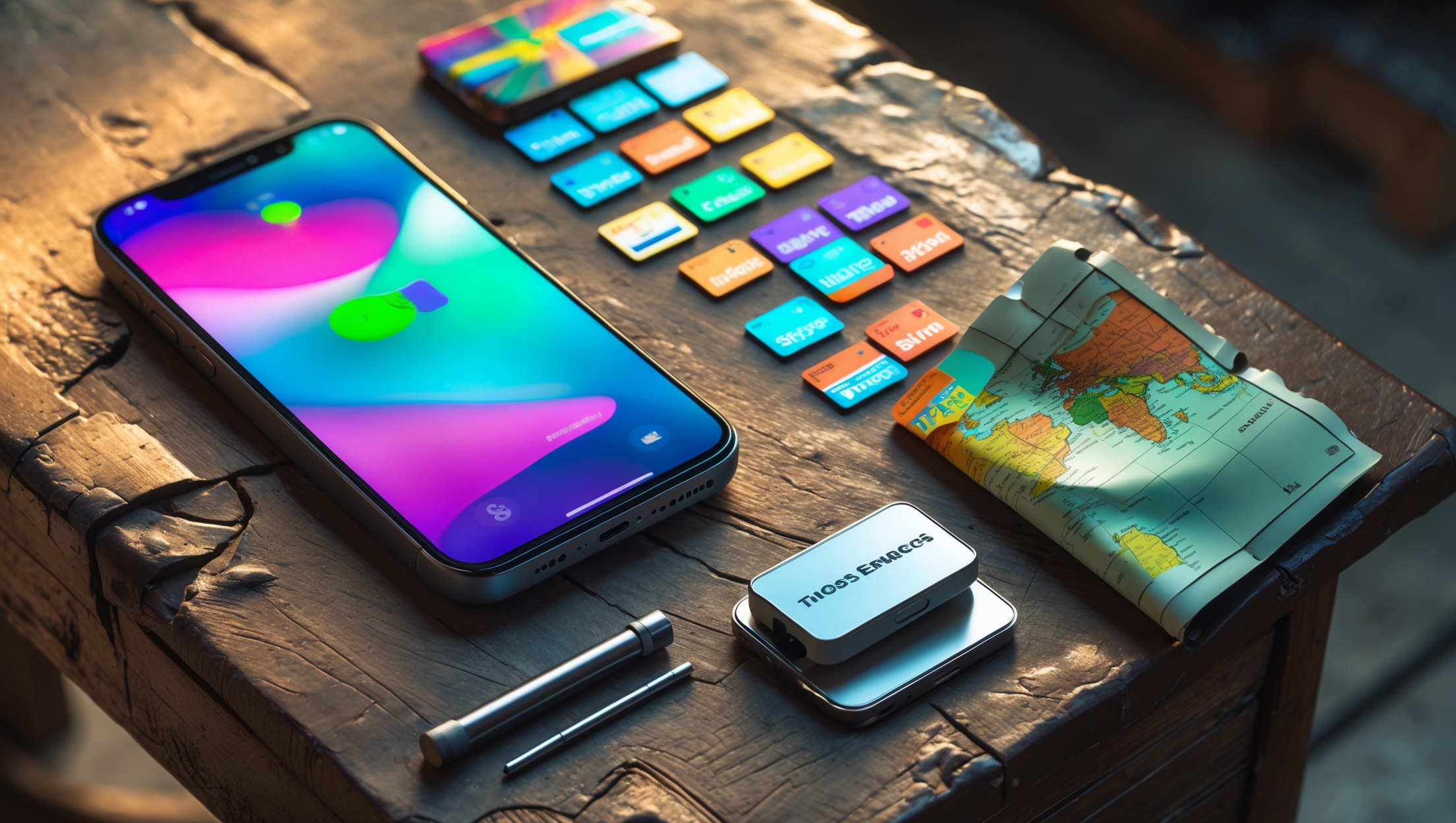
Introduction: Why Local SIM Cards Matter for Travelers and Expats
Whether you’re embarking on a backpacking adventure through Southeast Asia, settling into a new city as an expat, or simply escaping for a few weeks of holiday, staying connected is more vital than ever. International roaming fees can quickly turn a simple video call or map check into an expensive mistake. Local SIM cards, however, offer a practical and cost-effective alternative to expensive roaming packages, providing access to local rates, generous data plans, and reliable coverage. Yet, the process of acquiring and activating a SIM card in a foreign country can be confusing—especially with language barriers, varying regulations, and a bewildering array of choices. This comprehensive guide will walk you through every step of buying, setting up, and optimizing a local SIM card abroad. From identifying the right provider and understanding compliance rules to troubleshooting activation issues and maximizing your data usage, this post is packed with actionable advice to help you stay connected wherever your travels take you.
Understanding the Basics: How Local SIM Cards Work
What Is a SIM Card?
A SIM (Subscriber Identity Module) card is a small, removable chip that stores your mobile subscription and identity information. Inserting a local SIM into your unlocked phone allows you to access a country’s mobile network as if you were a resident, with local rates and services.
Benefits of Using a Local SIM Card
- Cheaper rates: Enjoy calls, texts, and data at local prices, which are typically much lower than international roaming fees.
- Better coverage: Local SIMs often provide superior network access compared to roaming arrangements.
- Access to local services: Some apps and verification methods require a local number for registration or delivery.
- Flexible packages: Choose from prepaid or postpaid options, data-only or full plans, and tailor your service to your needs.
Step 1: Checking Your Device Compatibility
Is Your Phone Unlocked?
The most common beginner mistake is assuming any phone will accept a new SIM. Many phones, especially those purchased through a carrier, are SIM-locked and will not work with a foreign SIM card. Before you leave, check your device’s lock status:
- iOS: Go to Settings > General > About; look for “Carrier Lock” or “Network Provider Lock.”
- Android: Try inserting a SIM from another carrier, or check with your provider.
If your phone is locked, contact your carrier to request an unlock. This process may take several days, so plan ahead.
Supported Frequencies and SIM Sizes
Mobile networks abroad may use different frequencies (bands) than your home country. Check your phone’s specifications and compare them with the destination country’s network bands. Also, confirm the SIM size required (nano, micro, or standard).
Step 2: Where and How to Buy a SIM Card Abroad
Where to Buy
- Airport Kiosks: Convenient but often pricier. Good for immediate connectivity.
- Official Carrier Stores: Best for authentic SIMs, clear information, and assistance with setup.
- Convenience Stores/Supermarkets: Widespread in many countries; often sell prepaid SIM kits but minimal support.
- Online Pre-Orders: Some carriers allow you to order a SIM to your hotel or home before you travel.
What to Bring
- Passport: Many countries require ID for SIM registration.
- Proof of Address: Occasionally required, especially for long-term plans.
- Unlocked phone: Have it on hand for testing and setup.
Scams and Pitfalls to Avoid
- Avoid buying SIMs from street vendors or unofficial sources—these may be faulty, unregistered, or overpriced.
- Be wary of “tourist SIMs” at airports that cost more for less data. Compare prices at city shops if possible.
Step 3: Understanding Local Regulations and Compliance
SIM Registration Laws
Many countries now require SIM card registration using a valid ID (usually a passport for foreigners). Some, such as India or Turkey, have strict compliance rules and may block unregistered SIMs after a short grace period.
- Ask for a receipt and registration confirmation: This can be crucial if your SIM is later deactivated.
- Data privacy: Be aware that your personal information may be stored with the carrier and sometimes shared with authorities.
Duration of Validity
Prepaid SIMs often expire after a set period (e.g., 30 or 90 days of inactivity). Know the terms before purchase, especially if you’re planning multiple trips or a long stay.
Step 4: Comparing Mobile Providers and Plans
How to Choose the Right Provider
- Network coverage: Research which carriers have the best coverage in your destination, especially if you’re traveling outside major cities.
- Data speeds: Local forums, expat groups, and coverage maps can provide up-to-date information on network reliability.
- Pricing: Compare data bundles, call rates, and validity periods. Some providers offer special tourist packages.
- Language support: If you don’t speak the local language, a provider with English-speaking staff or an English app can be invaluable.
Prepaid vs. Postpaid
For short stays, prepaid SIMs are almost always the best option: no contracts, no credit checks, and easy top-ups. Postpaid plans might be available to expats with long-term visas and a local address, but beware of minimum contract lengths and cancellation fees.
Data-Only vs. Voice & Data SIMs
- Data-only SIMs: Cheaper, suitable if you rely on apps for calling and messaging (e.g., WhatsApp, Skype).
- Voice & Data SIMs: Necessary if you need to make local calls or receive SMS (e.g., for banking or two-factor authentication).
Step 5: Setting Up and Activating Your SIM Card
SIM Card Installation
- Switch off your phone before inserting the SIM.
- Use a SIM ejector tool or paperclip to open the tray.
- Insert the SIM in the correct orientation; close the tray securely.
Activation Process
- Some SIMs are pre-activated; others require you to call a number, text a code, or register online.
- At official stores, staff typically help with activation and initial setup.
- You may need to set the correct APN (Access Point Name) in your phone’s network settings for data to work. These details are usually provided in the SIM kit or on the carrier’s website.
Troubleshooting Common Issues
- If you see “No Service,” double-check that the SIM is seated properly and that your device is unlocked.
- For data issues, verify the APN settings. Most carriers provide step-by-step guides online.
- If your SIM isn’t recognized, try restarting your phone or contacting carrier support.
Step 6: Managing Costs and Getting the Most from Your Data
Choosing the Right Data Package
Estimate your typical usage—map navigation, video streaming, video calls, and photo sharing can quickly eat up data. Opt for a package that matches your needs, as overage charges can be steep.
Top-Up and Recharge Options
- Most prepaid SIMs can be topped up at convenience stores, kiosks, ATMs, or online using a local bank card or, in some cases, international credit cards.
- Keep your phone number and SIM card packaging, as you may need them to top up or recover your account.
How to Avoid Unnecessary Charges
- Turn off data roaming for your secondary SIM (if using dual SIMs) to prevent accidental charges.
- Monitor your data usage through the carrier’s app or by dialing a USSD code (listed on SIM packaging).
- Disable automatic app updates and background data in your device settings.
- Use Wi-Fi when available to conserve your mobile data allowance.
Step 7: Using Your Local SIM for Everyday Tasks
Making Calls and Sending Texts
- Use the full local dialing format, including area codes.
- International calls may require a special prefix or add-on package—check with your provider.
Accessing Local Services
- Many banking apps, ride-sharing services, and delivery platforms require a local number for SMS verification.
- Update your contact details with important services to ensure you receive notifications.
Staying Secure
- Be cautious with SIM swap scams: never share SIM or account details with strangers.
- Set up a SIM PIN code for additional security, especially in crowded places or shared accommodations.
Step 8: Dual SIM and eSIM Options
Using Dual SIM Phones
Many modern smartphones support two SIM cards. This allows you to keep your home number active (for banking or important messages) while using a local SIM for data and calls. Configure which SIM handles data and which handles calls in your phone’s settings.
eSIM: The Digital Alternative
- Some carriers and new phones support eSIM, eliminating the need for a physical card.
- eSIMs can be activated by scanning a QR code from the carrier—especially handy for digital nomads or frequent travelers.
- Not all countries or devices support eSIM, so check compatibility before relying on this option.
Step 9: What to Do When It’s Time to Leave
Keeping Your Number Active
If you plan to return, check if your SIM will remain valid during your absence. Some providers offer “holiday hold” or low-cost maintenance options to keep your number and balance active.
Recycling or Disposing of Your SIM
- Many countries have electronic waste recycling bins; dispose of SIM cards responsibly.
- Erase any saved contacts or texts before discarding your SIM.
Transferring Contacts and Data
Before removing your SIM, back up any contacts or messages that may be stored on the card rather than your device or cloud account.
Conclusion: Staying Connected, Smartly
Securing and using a local SIM card abroad is one of the smartest moves a traveler or expat can make. It’s about more than just saving money: it’s about ensuring you have the connectivity for navigation, emergencies, work, and keeping in touch with loved ones. By understanding how to check your device, choose the right provider, comply with local regulations, and manage your costs wisely, you can sidestep common pitfalls and enjoy a seamless mobile experience. Remember, preparation is key—unlock your phone before departure, research your destination’s mobile landscape, and have the necessary documentation ready. Once you’re on the ground, take the time to compare plans, activate your SIM correctly, and monitor your data usage. If your travels take you through multiple countries, consider dual SIM or eSIM options for even greater flexibility. Above all, stay vigilant against scams and safeguard your mobile security. With these best practices, you’ll not only avoid costly mistakes but also unlock the full potential of your journey—staying connected, informed, and ready for whatever adventures lie ahead.