
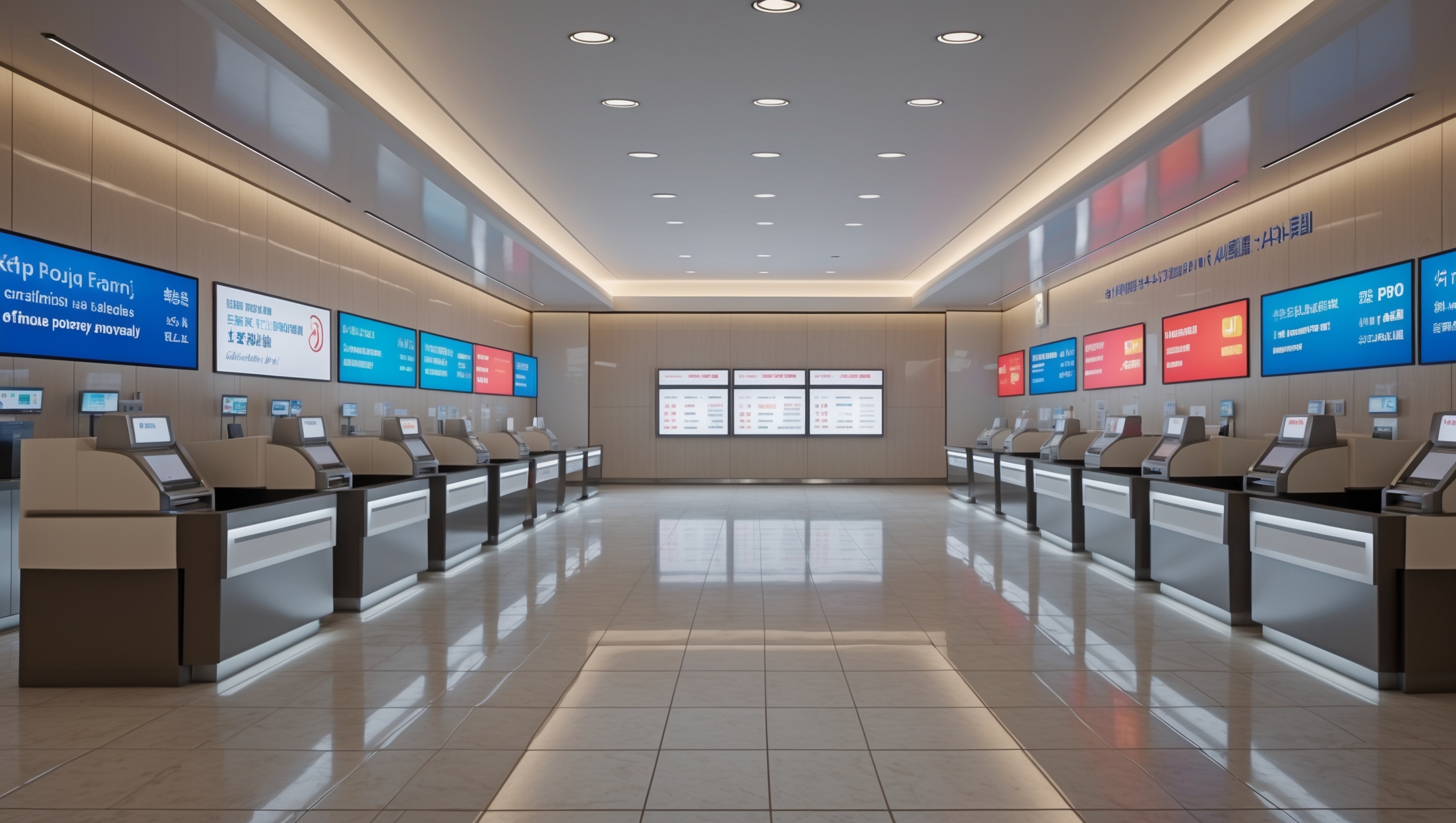
Introduction: Why Local Banking Matters for Travelers and Expats
Moving or traveling abroad unlocks a world of adventure but also presents a suite of practical challenges—one of the most crucial being financial management. Whether you’re an expat settling into a new country, a digital nomad hopping borders, or a long-term traveler, having efficient access to local banking services is essential. Relying solely on your home-country bank cards can lead to excessive fees, currency conversion headaches, and even access issues. Opening a local account can streamline bill payments, make everyday purchases easier, and help you avoid the frustration of declined cards or ATM withdrawal limits. However, the process is rarely as simple as walking into a branch with your passport. Each country has its quirks, regulatory requirements, and hidden costs. This guide provides a step-by-step approach to opening a bank account abroad, reveals common pitfalls (and how to avoid them), and shares expert strategies for minimizing fees and managing your money with confidence wherever you go.
Understanding Local Banking Systems: What to Expect
Types of Accounts
Most countries offer similar basic account types, but terminology and features can differ:
- Current/Checking Accounts: Used for daily transactions, bill payments, and debit cards.
- Savings Accounts: Earn interest, may have withdrawal restrictions.
- Multi-currency Accounts: Useful in regions with frequent cross-border payments (e.g., EU, Southeast Asia).
- Digital-Only Banks: Increasingly popular, app-based, may have fewer requirements but limited physical branches.
Banking Culture and Paperwork
Expect that requirements and processes will vary widely. In some countries—like Germany or Japan—bureaucracy is king, demanding ample documentation and in-person visits. In others—like Australia or Singapore—digital onboarding is streamlined and efficient. Knowing the local norms will save time and frustration.
Step-by-Step: Opening a Local Bank Account
1. Research the Best Banks for Foreigners
- International Banks: HSBC, Citi, and Santander often have expat-friendly services, but may require higher minimum balances or monthly fees.
- Local Banks: Sometimes offer better rates and lower fees, but may not have English-language support or online banking accessible to non-residents.
- Digital Banks: N26, Revolut, Wise, and Monzo are expanding globally. They’re ideal for those who want fast setup with minimal paperwork—but beware of country restrictions.
2. Gather Required Documentation
Common documents include:
- Valid passport
- Secondary ID (driver’s license, national ID)
- Proof of address (rental contract, utility bill, official letter)
- Proof of visa or residency permit
- Tax identification number (varies by country)
- Employment contract or university acceptance letter (sometimes necessary for students/workers)
Tip: Some banks accept digital copies; others demand paper originals. Check requirements before your appointment.
3. Schedule an Appointment (If Required)
Many traditional banks require you to book an appointment, especially in countries where English-speaking staff are limited. In-person interviews are common in parts of Europe and Asia.
4. Complete the Application
Be prepared for a lengthy process in some countries. You may need to fill out multiple forms, answer questions about your source of funds and intended account use, and, occasionally, undergo a short interview. Digital banks typically have a streamlined, app-based process with automated ID verification and instant approval for many nationalities.
5. Receive Your Bank Card and Set Up Online Banking
Physical cards may be mailed to your address, or you may collect them at the branch. Setting up online banking is critical—ask for English instructions if available, and set up two-factor authentication for security.
Beginner Mistakes to Avoid in Foreign Banking
1. Overlooking Minimum Balance Requirements
Many banks impose hefty monthly fees if your balance falls below a threshold. These can be easily missed and add up quickly. Always ask about minimums and set up automatic alerts if possible.
2. Ignoring Account Closure Procedures
Leaving the country without properly closing your account can result in dormant account fees or even legal headaches. Always request written confirmation of closure.
3. Using International Cards for Everyday Spending
Foreign transaction fees (often 2–4%) and poor exchange rates can eat into your budget. Use your local card for daily purchases and reserve your home card for emergencies.
4. Failing to Update Address or Visa Status
Banks may freeze or close your account if your residency status changes and you don’t update your records. Keep your details current to avoid disruptions.
5. Not Understanding Local Fees
ATM withdrawals, paper statements, and interbank transfers often incur fees. Read the fine print and ask for a full fee schedule in English if possible.
Cost Breakdown: Common Fees and How to Minimize Them
Monthly Account Fees
Typical range: $2–$15/month. Waived with higher balances or by choosing online-only accounts.
ATM Withdrawal Fees
- Out-of-network withdrawals can cost $2–$5 per transaction.
- Some banks refund a set number of foreign ATM fees per month—ask about this feature.
- Use partner bank ATMs whenever possible to avoid surcharges.
International Transfer Fees
- Traditional banks may charge $20–$40 per wire transfer.
- Digital services (Wise, Revolut) often offer much cheaper cross-border transfers with real exchange rates.
- Watch out for hidden currency conversion markups (often 2–5%).
Currency Exchange Costs
Always check whether your bank uses the mid-market rate or adds a margin. Even small differences can cost you hundreds over time.
Paper Statement and Maintenance Fees
Opt for e-statements and online services to avoid unnecessary charges.
Smart Money Management: Practical Tips for Expats and Travelers
Keep Multiple Accounts
- Maintain a home-country account for long-term savings and payments.
- Use a local account for daily expenses and bills.
- Consider a third, multi-currency digital account as a backup for emergencies.
Use Budgeting Apps Compatible with Local Banks
Apps like YNAB, Mint, or PocketGuard help track spending—ensure your chosen app supports your new bank or use CSV exports if not.
Set Up Automatic Transfers and Bill Payments
Automate rent, utilities, and phone bills from your local account to avoid late payment penalties and build a positive relationship with your bank.
Enable Strong Security Measures
- Activate two-factor authentication (2FA) for online banking.
- Use complex, unique passwords and update them regularly.
- Monitor account activity for fraud, especially after using unfamiliar ATMs.
Leverage Currency Conversion Tools
Use apps or online calculators to compare real-time rates before making large transfers or ATM withdrawals.
Compliance and Regulatory Issues: Staying on the Right Side of the Law
Know Your Obligations
Many countries require foreigners to declare foreign assets or report income. Non-compliance can result in fines or even deportation. Consult local tax authorities or an international tax advisor if unsure.
Understand FATCA and CRS
US citizens and residents must report foreign accounts over $10,000 (aggregate) to the IRS via FBAR; many other countries participate in the Common Reporting Standard (CRS). Your bank may require you to fill out extra forms—don’t ignore them.
Be Wary of Blacklisted Banks
Some local banks may be under sanctions or have poor reputations for fraud. Stick to well-known, regulated institutions even if fees are slightly higher.
Insurance Essentials: Protecting Your Money Abroad
Deposit Protection Schemes
Most developed countries insure deposits up to a set limit (e.g., €100,000 in the EU, $250,000 in the US). Confirm your bank participates and avoid keeping excess funds in uninsured accounts.
Travel and Fraud Insurance
Consider additional coverage for loss or theft of bank cards, especially in countries with high rates of card skimming. Some premium accounts include built-in insurance—ask your bank for details.
Case Study: Navigating Local Banking in Spain
Emma, a British expat, moved to Madrid for work. She chose a major Spanish bank with English-speaking staff. She brought her passport, NIE (residency number), proof of address, and work contract. The process took two appointments due to a missing utility bill. Her biggest surprise: monthly account fees of €12 unless she maintained a €2,000 minimum balance. She also discovered that ATM withdrawals from non-affiliated banks cost €2 each. Emma now uses a digital bank for fee-free international transfers and keeps her Spanish account for salary and bills. Her advice: research banks before arrival, check all fee schedules, and keep digital copies of every document you submit.
Safety Checklist: Keeping Your Accounts Secure
- Use ATMs in secure, well-lit locations—preferably inside bank branches.
- Set up SMS/email alerts for all transactions.
- Never share your PIN or online banking details.
- Report lost or stolen cards immediately and block them online if possible.
- Beware of phishing emails or calls pretending to be your bank, especially in a new language.
Conclusion: Banking Abroad Doesn’t Have to Be Daunting
Mastering local banking is one of the smartest steps you can take as a traveler or expat. While the process can seem intimidating—filled with paperwork, unfamiliar fees, and regulatory hurdles—a methodical approach turns it into a manageable task. Start by researching banks that cater to foreigners, prepare your documents in advance, and always ask about fees and account requirements. Don’t underestimate the value of digital banks for flexibility and cost savings, but also recognize when a traditional bank account is necessary for residency or employment reasons. Staying compliant with local laws protects you from legal issues, and using robust security practices preserves your hard-earned money. Most importantly, keep your finances organized: leverage budgeting tools, automate payments, and maintain a clear separation between local and home-country funds. By following these practical strategies, you’ll not only avoid the most common pitfalls—you’ll gain the confidence to manage your money effectively, no matter where your journey takes you. An efficient banking setup frees you to focus on the real joys of life, travel, and living abroad.