
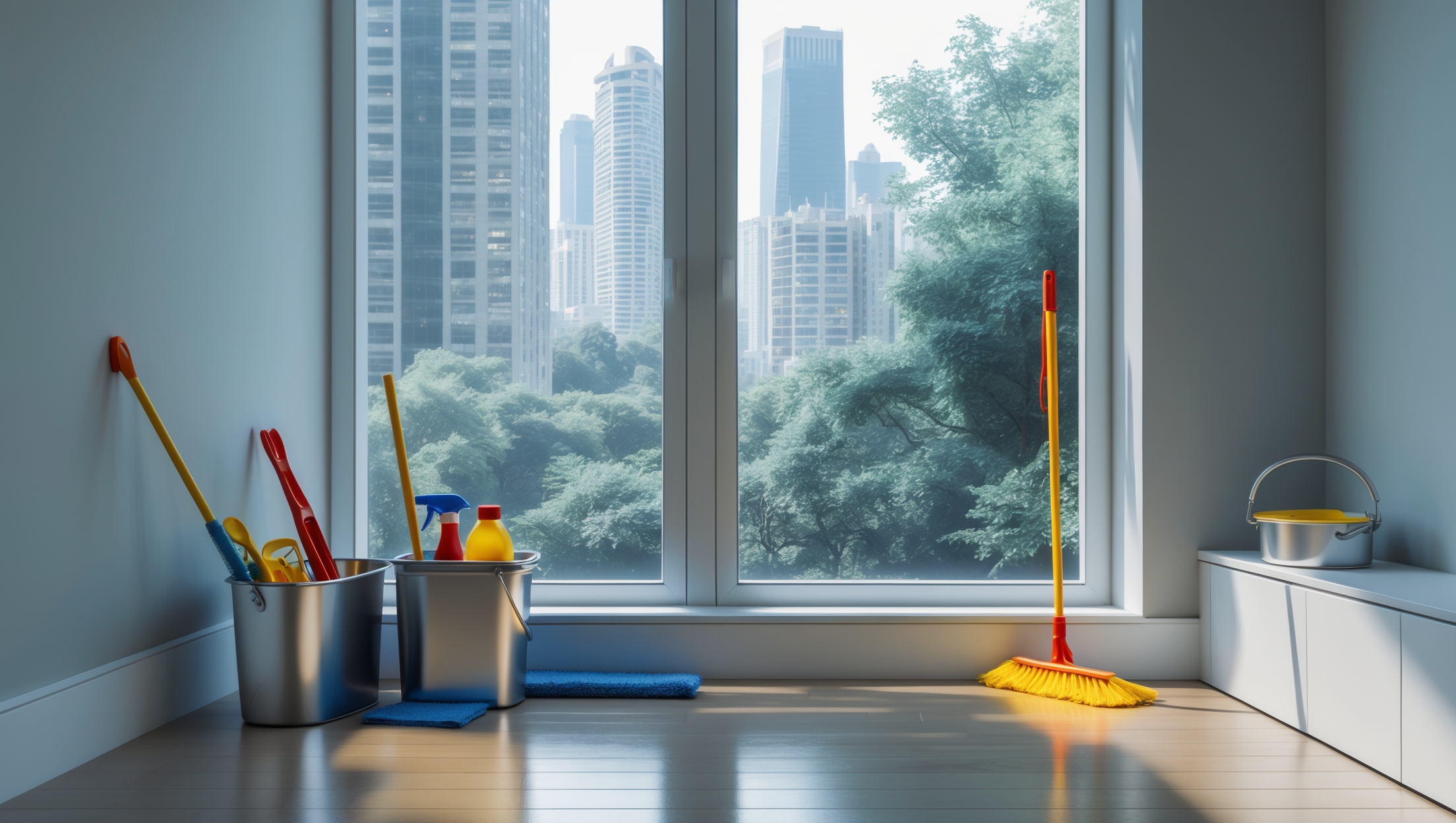
Introduction: Why Apartment Maintenance Matters When Living Abroad
Moving into an apartment abroad is an exciting leap—full of new experiences, cultures, and opportunities. Yet, one aspect that often catches expats and long-term travelers off guard is the responsibility of maintaining their rental property. Unlike vacation stays or hotels, apartments (even furnished ones) usually expect tenants to take care of day-to-day upkeep and minor repairs. Overlooking maintenance can lead to hefty repair bills, disputes with landlords, or even legal complications. Understanding how to care for your overseas home not only safeguards your deposit but also ensures you enjoy a comfortable, hassle-free stay. This guide offers a deep dive into practical, location-agnostic maintenance best practices for apartment living abroad. Whether you’re in bustling Bangkok, historic Prague, or coastal Lima, these tips will help you keep your rental in top shape, avoid common pitfalls, and feel at home wherever you are.
Understanding Your Maintenance Responsibilities
Read and Decode Your Lease Agreement
Begin by carefully reviewing your lease. In many countries, tenants are legally responsible for certain aspects of maintenance, while landlords handle others. Your agreement should clarify who handles:
- Appliance repairs and replacements
- Plumbing and electrical issues
- Routine cleaning and upkeep
- Minor fixtures and fittings
- Structural repairs
If your lease is in a foreign language, have it translated or reviewed by a local expert. Misunderstandings about maintenance can lead to surprise charges or disputes when you move out.
Know Local Standards and Expectations
Maintenance expectations vary globally. In some countries, tenants are expected to repaint walls or replace lightbulbs, while elsewhere, even minor repairs are the landlord’s duty. Ask neighbors, building management, or local expat communities for insights into local norms.
Routine Cleaning: The First Line of Defense
Create a Regular Cleaning Schedule
Routine cleaning prevents minor issues from becoming major headaches. Set a weekly schedule for:
- Dusting surfaces and corners to prevent buildup
- Vacuuming or sweeping floors
- Cleaning bathrooms to prevent mold and limescale
- Wiping kitchen surfaces and appliances
Combatting Humidity and Mold
Many apartments abroad, especially in coastal or tropical climates, are prone to mold. Use a dehumidifier or keep windows open for airflow. Regularly check bathrooms, kitchens, and wardrobes for early signs of mold (discolored patches, musty smell). Clean affected areas promptly with vinegar or a local anti-mold product.
Managing Pests
Crumbs, food waste, and clutter attract pests. Dispose of garbage regularly, keep food in sealed containers, and deep-clean kitchen cabinets monthly. In high-risk areas, use local pest deterrents or traps as a preventive measure.
Basic Repairs Every Tenant Should Master
Essential Toolkit for Apartment Living Abroad
Equip yourself with a basic, compact toolkit. Essentials include:
- Multi-bit screwdriver
- Adjustable wrench
- Pliers
- Tape measure
- Small hammer
- Flashlight or headlamp
- Electrical tape
- Selection of screws, nails, and wall hooks
Most hardware stores abroad carry affordable starter kits. Having these on hand saves you from calling for help for simple fixes.
Fixing Dripping Faucets and Leaky Pipes
Minor leaks are common in older apartments. Learn to:
- Tighten loose faucet handles
- Replace worn washers (available at local stores)
- Seal small pipe leaks with plumber’s tape as a temporary fix
If leaks persist or worsen, contact your landlord or building maintenance promptly, as water damage can be costly and sometimes not covered by your deposit.
Unclogging Drains
Hair and debris often clog sinks and showers. Use a plastic drain snake or a mixture of baking soda and vinegar monthly as preventive maintenance. Avoid harsh chemical cleaners, especially in countries with old plumbing systems.
Replacing Lightbulbs and Fuses
Keep spare bulbs and fuses in your apartment. Check the voltage and type before purchasing replacements—standards differ globally. Always switch off the power before changing fuses or bulbs.
Preventive Maintenance: Stay Ahead of Major Issues
Monitor for Early Warning Signs
Pay attention to:
- Unusual noises from appliances or plumbing
- Sudden spikes in utility bills (possible leaks)
- Cracks in walls or ceilings
- Persistent odors (could indicate mold or gas leaks)
Report suspicious signs early to prevent escalation and protect your deposit.
Seasonal Checks
- Winter: Insulate windows, check for drafts, test heating systems, and ensure pipes are protected from freezing.
- Summer: Clean air conditioner filters, check for insect entry points, and inspect window seals.
- Rainy Season: Clear balcony drains, check for leaks around windows and doors, and store important documents in waterproof containers.
Appliance Care: Make Your Gear Last
Routine Appliance Maintenance
Follow manufacturer instructions (often available online if you don’t have the manual). Key tasks include:
- Cleaning refrigerator coils and defrosting freezers
- Descaling kettles and coffee machines
- Emptying washing machine filters
- Checking air conditioner filters and cleaning monthly in peak seasons
When to Call a Professional
If an appliance makes strange noises, stops working, or smells of burning, unplug it immediately and contact your landlord or a certified technician. Attempting electrical repairs yourself can void warranties or cause injury.
Documenting Everything: Protecting Your Deposit
Before You Move In
Take detailed photos and videos of every room, including close-ups of existing damage, appliance conditions, and meter readings. Email these to your landlord and save copies.
During Your Stay
Keep a log (digital or paper) of any maintenance issues, repairs, or communications with building management. Save all relevant receipts in case you need reimbursement or proof of upkeep.
Before You Move Out
Do a final deep clean and document the apartment’s condition. Address minor repairs proactively (patching small holes, tightening fixtures) to avoid deductions from your deposit.
Communicating with Your Landlord or Building Management
Report Issues Promptly
Notify your landlord in writing (email or messaging app) as soon as you spot a problem. Provide clear descriptions, photos, and suggest possible solutions. Prompt communication shows responsibility and helps resolve issues faster.
Understand Local Protocols
Some countries require maintenance requests to go through a building superintendent or property management company. Learn the correct channels and keep all correspondence polite and concise.
Dealing with Maintenance Emergencies
Know Your Emergency Numbers
Have a list of local emergency contacts:
- Landlord or property manager
- Local plumber/electrician (ask for building recommendations)
- Fire department and emergency services
- Insurance provider
Immediate Actions in Case of Flood, Fire, or Power Outage
- Shut off water or electricity at the main switch if safe to do so
- Evacuate immediately in case of fire or gas leak
- Contact the necessary emergency service and notify your landlord
Familiarize yourself with the location of main shut-off valves and circuit breakers soon after moving in.
Budgeting for Maintenance: Avoiding Costly Surprises
Set Aside a Maintenance Fund
Even if your landlord covers major repairs, tenants are usually responsible for minor fixes and consumables (lightbulbs, batteries, cleaning supplies). Allocate a small monthly budget for these expenses. In some countries, tenants may also be liable for appliance servicing or emergency call-outs if the issue was caused by negligence.
Understand Local Pricing
Labor and parts costs vary widely. Ask neighbors or expat forums about typical rates for common repairs. In some regions, landlords expect tenants to arrange and pay for repairs up front, then deduct the cost from rent or seek reimbursement—know your rights before agreeing to this.
Smart Upgrades (With Permission)
Temporary Improvements
If allowed, consider small, reversible upgrades to improve comfort and reduce future maintenance. Examples include:
- Removable window insulation film
- Replaceable shower heads or water-saving aerators
- Stick-on hooks for organizing cables or kitchen tools
Always seek written permission for any semi-permanent changes.
Maintenance Best Practices Checklist
- Read and understand your lease’s maintenance clauses
- Create and stick to a regular cleaning schedule
- Keep a basic toolkit in your apartment
- Learn minor repairs: faucet leaks, drain clogs, bulb replacement
- Document the apartment’s condition upon move-in and move-out
- Report issues to your landlord promptly and keep written records
- Set aside a maintenance fund for minor fixes
- Know emergency shut-off locations and local emergency contacts
- Perform seasonal checks and preventive maintenance
Conclusion: Making Maintenance Part of Your Overseas Adventure
Taking care of your apartment abroad isn’t just about protecting your deposit—it’s about creating a safe, comfortable, and enjoyable living space that lets you thrive in your new surroundings. Proactive maintenance helps you avoid unexpected expenses, keeps minor issues from escalating, and gives you greater peace of mind. More importantly, it fosters a sense of ownership and connection to your adopted home, no matter how temporary your stay.
Remember, maintenance abroad is not a solo journey. Local neighbors, expat communities, and property managers are valuable resources—don’t hesitate to ask for advice or recommendations. With the right habits and knowledge, you’ll not only impress your landlord but also empower yourself to handle the small challenges of daily life with confidence. By adopting these best practices, you can focus on what really matters: exploring, learning, and making the most of your overseas adventure. Your apartment will thank you—and so will your wallet.
You mention that lease agreements often outline which maintenance tasks are the tenant’s responsibility. Do you have any tips for how to approach a landlord if the agreement is vague or if expectations seem unclear, especially in countries where the landlord might not speak much English?
If your lease agreement is unclear about maintenance responsibilities, it’s helpful to approach your landlord politely and directly. Use simple, clear language or consider using translation apps to bridge any language gaps. You can also write down specific questions or requests and, if possible, ask a local friend to help communicate. Keeping a written record of all correspondence can help prevent misunderstandings and ensure clarity for both sides.
I noticed you said some countries expect tenants to repaint walls or swap out lightbulbs themselves. How do you usually find out what’s considered normal maintenance in a new city, and are there standard costs for these tasks that I should budget for?
To find out what’s considered normal maintenance in a new city, it’s best to check your rental agreement first, as it often outlines tenant responsibilities. You can also ask your landlord or property manager directly or talk to local residents for advice. Standard costs can vary: repainting can be a few hundred dollars, while replacing lightbulbs is usually inexpensive. Setting aside a small monthly budget for minor upkeep is a good idea.