
Introduction: The True Price of Comfort Abroad
When preparing for life in a new country, most travelers and expats focus on the obvious expenses—rent, transportation, food, perhaps even insurance. However, one of the most underestimated parts of living abroad is the cost of utilities. Utilities—electricity, water, gas, internet, and waste disposal—are the backbone of modern comfort. Yet, they can also be a source of budget shocks, confusion, and even disputes with landlords or neighbors if you’re not prepared. From unexpected deposit requirements to tiered billing systems and climate-driven spikes, utility costs can differ dramatically from what you’re used to at home. This guide dives deep into the hidden costs, unique local practices, and budgeting strategies for handling utilities in foreign apartments. Whether you’re a digital nomad renting short-term or an expat settling for the long haul, understanding the utility landscape abroad is essential for financial planning and peace of mind.
Understanding Local Utility Systems: Beyond the Basics
What Counts as a Utility?
Utilities typically include electricity, water, gas (for heating or cooking), internet or broadband, and waste disposal. In some countries, additional services like central heating, air conditioning, or even television licenses may be bundled into your bill. It’s essential to clarify with your landlord or agent exactly which services are included in your rent and which you’ll need to arrange (and pay for) separately.
How Utilities Are Billed
- Direct Billing: Utilities are billed to you directly from the provider. You’ll sign up, pay deposits, and receive monthly bills.
- Indirect Billing: Some landlords include utilities in the rent or charge a flat rate. Be cautious: this may not cover overages, and you might pay more than your actual usage.
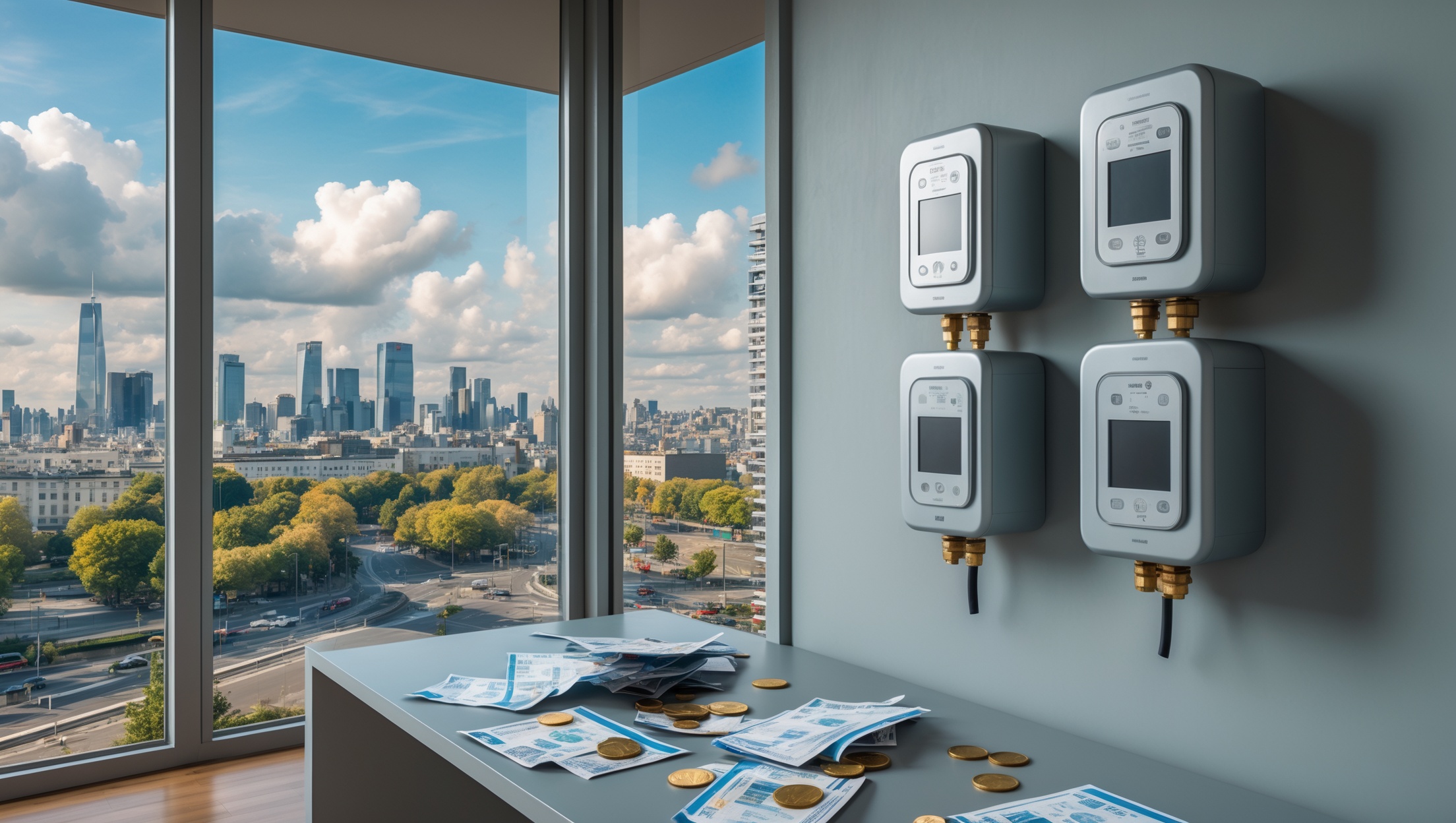
- Metered Systems: Many countries use meter readings for electricity, water, or gas. Some apartments have individual meters; others may have a shared meter for the building.
- Prepaid Systems: In some regions, utilities like electricity or water are prepaid by purchasing credits. This is common in parts of Africa, Southeast Asia, and Latin America.
Common Utility Providers
Know the major utility companies in your destination. In some countries, utilities are state-run; in others, you’ll choose from several private companies. Research the reliability and reputation of providers, as well as how to set up or transfer accounts.
Electricity: Rates, Fees, and Usage Surprises
Unit Costs and Tiered Pricing
The cost per kilowatt-hour (kWh) of electricity varies widely worldwide. In many countries, electricity uses a tiered pricing system: the more you use, the more you pay per unit. This structure can catch newcomers off guard, especially if moving from places with flat rates. High-usage seasons (summer for air conditioning, winter for heating) can lead to bill spikes.
Connection and Deposit Fees
Setting up an account may require a non-refundable connection fee and a refundable deposit—sometimes equivalent to several months’ predicted usage. Ask up front what fees apply and under what conditions deposits are returned.
Voltage and Appliance Compatibility
Using incompatible appliances can increase consumption or cause damage—leading to costly repairs and wasted energy. Invest in voltage converters and ask your landlord about the property’s standard voltage and plug types.
Unexpected Charges
- Standing charges: Fixed monthly fees, regardless of usage.
- Seasonal surcharges: Extra fees during high-demand periods.
- Load shedding or blackout mitigation: In some countries, power reliability is an issue; rental generators or battery backups may be an additional cost.
Water and Wastewater: Regional Pricing and Practices
How Water is Priced
Water bills may be calculated based on meter readings (per cubic meter usage), by headcount, or as a flat fee per unit. In water-scarce regions, rates can be surprisingly high, and usage restrictions are common.
Hidden Water Costs
- Water heater maintenance: Some landlords require tenants to service or descale water heaters, at your expense.
- Wastewater fees: In Europe and East Asia, you may see separate charges for wastewater treatment.
- Water delivery: In places where tap water isn’t potable, you may need to budget for bottled water delivery or filtration systems.
Seasonal and Environmental Factors
Drought-prone areas may impose temporary surcharges or usage restrictions. Garden irrigation, car washing, or even filling a bathtub can push you into higher billing tiers or result in fines.
Gas: Cooking, Heating, and Hot Water
Types of Gas Systems
- Piped Gas: Urban apartments may have direct piped gas, billed monthly based on meter readings.
- Bottled/Canister Gas: Common in rural or older buildings. You’ll purchase and replace cylinders as needed—requiring upfront deposits and regular refills.
Cost Variables
Gas prices can fluctuate with global oil markets, seasonal demand, and regional supply issues. In cold climates, expect spikes in winter when heating is in constant use.
Safety and Compliance
Many countries require regular gas safety inspections—sometimes at the tenant’s expense. Failing to comply can lead to fines or loss of insurance coverage.
Internet and Television: Connectivity Abroad
Setting Up Service
Internet setup can be straightforward in urban areas but complicated elsewhere. Some buildings have exclusive deals with certain providers, limiting your choices. Contracts may require hefty installation fees and minimum terms (6-24 months), with penalties for early cancellation.
Hidden Connectivity Expenses
- Router rental or purchase fees
- Data caps and overage charges
- Shared bandwidth in apartments: Slower speeds during peak hours if you share lines with neighbors
- Satellite or mobile data for rural areas: Often more expensive than standard broadband
Television and Streaming
Some countries require a public broadcasting license, billed separately from cable or satellite TV. Factor this in, especially if you plan to watch local channels. Streaming services may have regional restrictions—budget for VPNs or alternative solutions.
Waste Disposal and Recycling: Often Overlooked Costs
Municipal vs. Private Services
In many cities, waste collection is municipal and included in your taxes or rent. Elsewhere, private contractors bill directly based on bin size, frequency, or weight. Large item pickup, electronic waste, or hazardous material disposal may incur extra fees.
Hidden Tips
- Ask your landlord or neighbors how waste is handled and billed.
- Find out about recycling requirements—fines for improper sorting are increasingly common in Europe and Asia.
- Budget for composting or special waste pickup if you plan to generate significant organic or bulky waste.
Deposits, Connection Fees, and Unexpected Expenses
Initial Setup Costs
- Utility Deposits: Usually refundable, but sometimes only after a year or less deductions for damages or unpaid bills.
- Connection Fees: Non-refundable and required by most providers for new accounts.
- Transfer or Disconnection Fees: Charged when moving in or out of a property.
How to Recover Deposits
Keep all receipts and documentation. Ensure final bills are paid and meters are read at move-out. Provide forwarding addresses for refunds—some providers only refund to local bank accounts.
Budgeting Strategies: How to Avoid Nasty Surprises
Research and Estimate Before Signing
- Ask for copies of previous utility bills from your landlord or agent.
- Check online expat forums for typical costs in your building or neighborhood.
- Read your lease carefully—what’s included, what’s excluded, and who’s responsible for setup and payment?
Build a Utility Buffer in Your Budget
Don’t just budget for rent. Add 15–25% for utility costs in your monthly expenses, depending on local climate and property size. In some regions, it’s wise to double your estimate for the first 1–2 months to cover deposits and setup fees.
Monitor Usage
- Track meter readings monthly.
- Use smart plugs or apps to monitor high-drain appliances.
- Turn off heating, cooling, and water heaters when not needed.
Plan for Seasonal Variations
Budget extra for peak seasons—summer cooling or winter heating. In subtropical climates, electricity bills can more than double during the hottest months.
Practical Tips for Utility Savings and Efficiency
- Negotiate with landlords for partial inclusion of utilities or a cap on usage.
- Invest in energy-efficient appliances and LED lights.
- Install draft stoppers and window insulation to reduce heating/cooling needs.
- Learn local habits (e.g., off-peak laundry, shared hot water) that cut costs.
- Consider solar-powered devices where feasible.
- Enroll in provider loyalty programs or bundle services for discounts.
Case Studies: Real Utility Bills from Around the World
Case 1: Tokyo, Japan (One-bedroom Apartment)
- Electricity: ¥7,000/month (tiered pricing; spikes in summer)
- Water: ¥2,500/month (flat fee)
- Gas: ¥3,400/month (metered; used for hot water and cooking)
- Internet: ¥4,500/month (contract, 12 months minimum)
- Waste: Included in rent (municipal collection)
Case 2: Mexico City, Mexico (Two-bedroom Apartment)
- Electricity: MXN 400–1,000/month (depending on usage; CFE bills bi-monthly)
- Water: Included in rent
- Gas: MXN 800/month (bottled gas; refill as needed)
- Internet: MXN 600/month
- Waste: Included in property tax
Case 3: Berlin, Germany (Studio Apartment)
- Electricity: €35–60/month (provider contracts; annual reconciliation)
- Water: Included in rent (varies by lease)
- Gas: N/A (district heating included in rent)
- Internet: €30/month (24-month contract)
- Waste: €10–15/month (charged per bin size)
Case 4: Cape Town, South Africa (One-bedroom Flat)
- Electricity: ZAR 800–1,500/month (prepaid meter)
- Water: ZAR 200–400/month (tiered, drought restrictions apply)
- Gas: Not commonly used
- Internet: ZAR 700/month (uncapped fiber)
- Waste: Included in municipal rates
Conclusion: Mastering Utility Costs for a Smoother Life Abroad
Utility costs are more than just numbers on a bill—they’re a reflection of local infrastructure, habits, climate, and even culture. Too often, expats and travelers are blindsided by hidden fees, complex billing structures, or unexpected surges in usage. By taking the time to understand the typical systems in your destination, clarifying responsibilities in your lease, and budgeting with a healthy buffer, you can avoid unpleasant surprises and keep your finances on track. Don’t forget to ask questions, research local providers, and learn from the experiences of others already living in your chosen city. Over time, you’ll develop an instinct for smart consumption, efficient living, and even negotiating better terms with landlords or utility companies. In the end, mastering the hidden costs of utilities isn’t just about saving money—it’s about embracing the rhythms of daily life abroad, adapting to new norms, and ensuring a smoother, more enjoyable experience wherever you choose to call home.
I noticed the article mentions that some landlords charge a flat rate for utilities, but this might not cover overages. Have you found that it’s usually better to insist on metered billing to avoid unexpected costs, or do flat rates often end up more affordable for expats?
Choosing between flat-rate and metered utility billing really depends on your usage habits and the local context. Flat rates can be simpler and sometimes cheaper if you use more utilities or if rates are stable, but you risk paying extra if you exceed usage caps. Metered billing is often fairer for light users and provides a clear breakdown of costs. Many expats prefer metered billing to avoid surprises, unless the flat rate is very competitive and clearly explained.