
Introduction: The Hidden Challenge of Mold and Humidity Abroad
From the misty Scottish Highlands to the tropical coastlines of Southeast Asia, temporary homes abroad offer unique experiences—but they also come with hidden challenges. One of the most overlooked issues is managing mold and humidity, which can affect your health, comfort, and belongings. Whether you’re a digital nomad, a student, or just a curious traveler, understanding how seasonal changes impact indoor air quality and moisture levels is essential. The risks of mold aren’t limited to unsightly spots on walls or a musty smell; they can trigger allergies, damage electronics and clothes, and even lead to costly disputes with landlords. Unfortunately, many short-term rentals lack robust ventilation or climate control, making proactive management vital—especially if you’re unfamiliar with local weather patterns or building standards. In this comprehensive guide, we’ll walk you through practical, actionable steps to assess, prevent, and control mold and excess humidity in temporary homes across the globe. We’ll highlight must-have tools, regional considerations, and seasonal checklists to help you breathe easy and make your stay as healthy as it is memorable.
Understanding the Risks: Why Mold and Humidity Matter
The Health Hazards
Mold spores and high humidity are more than just an inconvenience. They can exacerbate asthma, trigger allergic reactions, and cause respiratory problems. Prolonged exposure may even lead to chronic health issues—especially in children, the elderly, or those with compromised immune systems. Symptoms to watch for include persistent coughing, sneezing, watery eyes, headaches, or skin irritation. If you notice these, consider humidity or mold as a potential cause.
Damage to Personal Belongings
High humidity can warp wood, rust electronics, encourage mildew in clothing, and shorten the lifespan of books, documents, and musical instruments. Mold stains can be nearly impossible to remove from fabrics and leather goods. In furnished rentals, any damage may result in charges against your security deposit.
Local Building Standards and Climate Factors
Many countries have older buildings with poor insulation, single-pane windows, or inadequate ventilation. Coastal, tropical, and rainy regions are especially prone to persistent dampness, while mountain or northern climates may see seasonal spikes during wet months. Understanding what to expect in your destination can help you prepare and act quickly upon arrival.
Assessing Your Temporary Home: Initial Inspection Checklist
Step 1: Look for Visible Signs
- Check window sills, corners, and behind furniture for dark spots or fuzzy patches (mold can be black, green, or even pink).
- Inspect closets, under sinks, and bathrooms for musty odors—a common early warning sign.
- Examine ceilings and walls for water stains or peeling paint, which can indicate leaks or chronic dampness.
Step 2: Ask the Right Questions
- Does the apartment have extractor fans in bathrooms and kitchens?
- Are there functioning windows in all rooms? Do they open easily?
- Has there been any history of flooding or leaks?
- Does the landlord provide a dehumidifier or air conditioning?
Step 3: Test Humidity Levels
Buy a portable digital hygrometer (often under $15) on arrival. Place it in the bedroom and living area for the first 24 hours. Ideal indoor humidity is between 40–60%. Anything above 60% signals a need for intervention.
Essential Tools and Equipment: What to Pack or Buy Locally
Portable Hygrometer
Small, battery-powered devices that give instant readings. Carry one in your luggage if you travel frequently, or pick one up at a local hardware or electronics store.
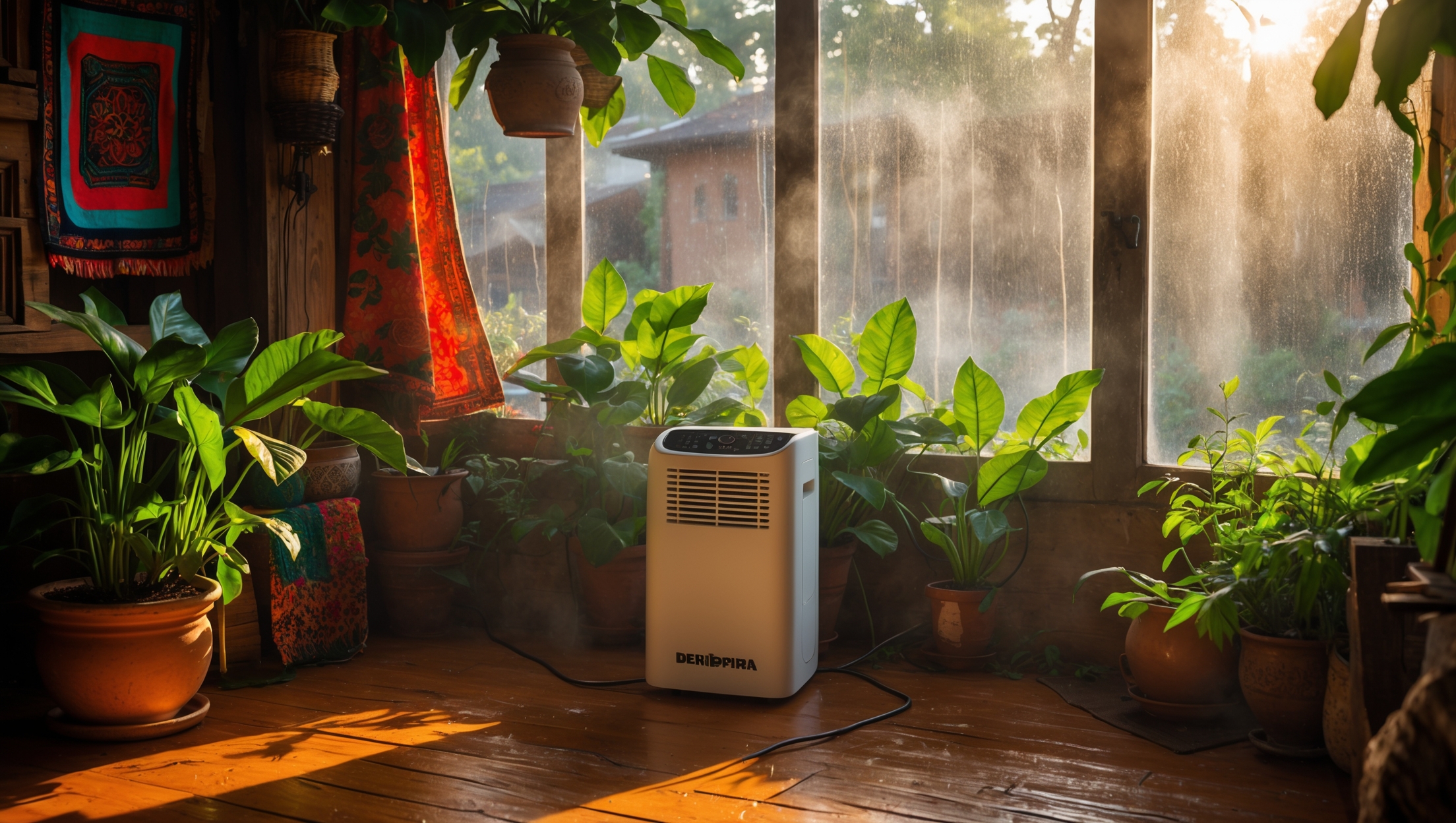
Dehumidifier
- Electric Dehumidifier: Best for persistently damp areas. Check for energy efficiency and tank size. Small models work well for bedrooms, while larger units can handle living spaces.
- Desiccant Packs: Ideal for closets, shoes, and luggage. Silica gel or activated charcoal bags are lightweight and effective for small spaces.
Ventilation Aids
- Clip-on Fans: Enhance air movement, especially in windowless bathrooms or kitchens.
- Window Draft Stoppers: Prevent cold, damp air from seeping in during wet or windy seasons.
Mold Cleaning Supplies
- White vinegar or hydrogen peroxide (for non-porous surfaces).
- Disposable gloves and sponges (dedicated for this purpose).
- Microfiber cloths for gentle cleaning and drying.
Seasonal Strategies: Tailoring Your Approach
Wet Season (Rainy Climates, Monsoons, or Winter Thaws)
- Run dehumidifiers or air conditioners daily if available.
- Keep closet doors open to promote airflow; use desiccant packs inside.
- Wipe condensation from windows each morning and dry window sills.
- Hang damp towels and clothes outside or in a well-ventilated area.
- Limit indoor plant watering and avoid drying clothes indoors if possible.
Dry Season (Hot, Arid, or Central Heated Climates)
- Monitor humidity—extremely dry air (<40%) can also cause discomfort and static.
- If using heating, occasionally open windows to refresh indoor air and prevent stale, trapped moisture.
- Be mindful of sudden humidity spikes after rain or snowmelt; inspect hidden corners regularly.
Proactive Prevention: Daily and Weekly Habits
Daily Routines
- Open windows for 10–20 minutes each morning and evening, weather permitting.
- Run extractor fans during and after showers or cooking; leave doors open for cross-ventilation.
- Immediately mop up any spills or leaks.
Weekly Checks
- Wipe bathroom tiles, shower curtains, and window ledges with vinegar solution.
- Rotate stored clothes and shoes; check for dampness or musty odors.
- Inspect under beds and behind furniture for hidden moisture or discoloration.
What To Do If You Find Mold
Small, Surface Mold (Non-Porous Surfaces)
- Wear gloves and a mask.
- Spray affected area with white vinegar or hydrogen peroxide.
- Let sit for 10 minutes, then scrub gently with a sponge.
- Dry thoroughly with a clean cloth.
Larger or Persistent Mold Problems
- Report immediately to your landlord or property manager.
- Document with photos and written descriptions.
- Do not attempt to clean mold on porous materials (drywall, insulation, fabric sofas); professional remediation is required.
Protecting Your Belongings
- Keep suitcases and bags off the floor and away from exterior walls.
- Store electronics and valuables in dry, well-ventilated areas; use desiccant packs inside cases.
- If storing for long periods, wrap clothes and shoes in breathable fabric bags.
Regional Considerations: Climate-Specific Tips
Tropics and Coastal Regions
High year-round humidity and sudden downpours are common. Invest in a larger-capacity dehumidifier if staying more than a few weeks. Avoid storing books or paper materials near windows. Choose synthetic over leather or suede shoes to prevent mildew.
Mountain and Alpine Destinations
Humidity may surge during spring thaws or rainy autumns. Ventilate daily, and check for condensation around windows and under rugs. If using a wood stove, ensure good air circulation to prevent excess dampness in corners.
Urban Apartments in Older Buildings
Single-pane windows and limited insulation can cause cold walls and persistent condensation. Use draft stoppers, and keep furniture a few inches away from exterior walls. Ask the landlord about previous mold issues before committing.
Insurance and Liability: Protecting Yourself as a Tenant
Short-Term Rental Insurance
Many travel or renters’ insurance policies have exclusions for mold-related damages. Review your policy and clarify coverage before your trip. If renting through platforms like Airbnb, document the condition of the property on arrival. Notify the host of any issues immediately to avoid liability.
Landlord Responsibilities
Laws vary by country, but most landlords are responsible for maintaining a safe, habitable environment. In many places, tenants are expected to use ventilation and report problems promptly. Keep all communication in writing, and photograph any issues for your records.
Case Study: Mold Management in a Coastal Portuguese Flat
Maria, a remote worker from Canada, rented a furnished apartment in Porto for the winter. Within weeks, she noticed a musty odor and tiny black spots on the bedroom wall. Using a portable hygrometer, she confirmed humidity levels hovered around 75%. She invested in a small dehumidifier, kept windows open for daily ventilation, and placed silica gel packs in her closet. After documenting the issue, she contacted her landlord, who arranged for professional cleaning of the affected area. Over the next months, regular monitoring and proactive steps kept the problem from returning—and her security deposit was returned in full. Maria’s experience highlights the importance of early detection, open communication, and using the right tools for your climate.
Conclusion: Breathe Easy, Wherever You Roam
Managing mold and humidity in temporary homes abroad may seem daunting, but with the right knowledge and tools, it’s entirely manageable. By inspecting your rental on arrival, monitoring humidity levels, and adopting daily and seasonal routines, you can protect your health and belongings from the hidden hazards of excess moisture. Remember, prevention is far less stressful—and less costly—than remediation. Don’t hesitate to communicate openly with landlords or hosts about concerns; most are willing to help if you approach them early and provide clear documentation. Investing in a portable hygrometer, desiccant packs, and, where needed, a dehumidifier can make a world of difference—especially in climates prone to damp. Every location will have its quirks, but awareness and adaptability are your best defenses. With these strategies, you’ll not only avoid mold-related headaches but also enjoy a fresher, healthier, and more comfortable stay—no matter where your travels take you. Safe journeys and happy, healthy living!
I’m curious about the seasonal checklists you referred to for different regions. Could you provide an example of what kind of preventative steps might be needed in a humid climate like Southeast Asia during the rainy season versus a colder, damp climate like Scotland?
In Southeast Asia during the rainy season, preventative steps include using dehumidifiers, airing out rooms regularly, quickly drying wet clothes, and checking for leaks. In a colder, damp climate like Scotland, focus on good insulation, keeping windows slightly open for airflow, regularly heating your home to reduce condensation, and wiping down any visible mold right away. Each climate requires slightly different priorities to stay ahead of mold and dampness.
You mention that mold can damage electronics and books, which is a big concern for me since I usually bring a laptop and some gear when moving abroad. Are there any affordable, portable tools or products you recommend for controlling humidity in small rental spaces, particularly for longer stays?
For small rental spaces, portable dehumidifiers are a practical option and can be found in compact, affordable models that work well for bedrooms or living areas. Moisture absorber packs or silica gel can help protect electronics and books directly—just place them inside storage bags or cases. Also, consider keeping electronics stored in airtight containers when not in use, especially during humid periods.
You mentioned that mold can damage electronics and books, which I often travel with. Are there specific tools or products you recommend for protecting these items when staying in humid climates for just a couple of months? I’m hoping to keep things simple and budget-friendly.
To protect electronics and books in humid climates, consider using silica gel packets or dehumidifier bags inside your luggage, storage bins, or book bags. These are inexpensive and help absorb excess moisture. For extra protection, store items in airtight plastic containers or resealable bags when not in use. Make sure to air out your belongings regularly to prevent mold growth, especially if you’re staying for a couple of months.
You mention that many short-term rentals abroad may lack proper ventilation or climate control. What are some easy-to-find, budget-friendly tools or products you would recommend for travelers who can’t make permanent changes to their temporary homes?
For travelers in temporary homes, portable dehumidifiers and moisture absorbers like silica gel packs or hanging moisture traps are great budget-friendly options. Small fans can help improve air circulation, and window draft stoppers or door sweeps can reduce humidity entering from outdoors. These items are widely available at supermarkets or home supply stores and require no permanent installation.
I often travel with sensitive electronics and books. Can you share any specific tips on protecting these kinds of items from humidity damage during seasonal changes, especially in more humid climates like Southeast Asia?
To protect electronics and books in humid climates, store them in airtight containers or sealable plastic bags with silica gel packs to absorb excess moisture. For electronics, avoid leaving devices plugged in when not in use and wipe them down regularly. For books, keep them off the floor and away from walls where condensation can occur. Try to use a portable dehumidifier or air conditioner in your room, especially during wetter seasons.
If I start noticing symptoms like sneezing or watery eyes during a stay, how can I quickly figure out if humidity or mold is the cause rather than something else in the environment? Are there quick tests or indicators I should look for?
If you notice symptoms like sneezing or watery eyes, look for visible signs of mold such as dark spots on walls, ceilings, or behind furniture, and check for musty odors, which often signal mold presence. Using a portable humidity meter can help—readings above 60% suggest high humidity, increasing mold risk. Also, try spending time outdoors or in another room to see if your symptoms improve, which may indicate an indoor air issue.
I’m curious about how to spot hidden mold issues before moving in. Are there any quick checks or red flags you look for when doing a walk-through, especially in countries with climates very different from the US? I’d love to avoid surprises with health risks or landlord disputes.
When touring a new place, pay attention to musty odors, stains or discoloration on walls and ceilings, especially around windows and bathrooms, and areas with peeling paint or warped wood. Check for excessive condensation on windows and look inside cupboards under sinks for dampness or mold spots. In humid climates, ask if there’s a working ventilation system or dehumidifier. These quick checks can help you spot potential mold problems before you commit.
You mentioned that many temporary homes abroad lack proper ventilation or climate control. Do you have any advice on quick, temporary fixes for improving ventilation in places where it’s not possible to install anything permanent or expensive?
Absolutely. For quick, non-permanent fixes, try propping open windows and doors whenever possible to improve airflow. Use portable fans to help circulate air, especially near moisture-prone areas like bathrooms and kitchens. Placing a bowl of salt or baking soda can also help absorb excess humidity. If privacy or bugs are a concern, hang lightweight curtains or use mesh screens. These simple steps can make a noticeable difference without any major installations.
I see you talked about mold and humidity causing issues with electronics and clothes. If we start noticing a musty smell just a few weeks into our stay, what are the first immediate steps you would suggest, especially if the weather outside is very damp and windows can’t be left open for long?
If you notice a musty smell, start by running any available fans or turning on an air conditioner to help circulate air indoors. Place moisture absorbers like silica gel packets or dehumidifier bags in closets and near electronics. Wipe down damp surfaces, and keep clothes dry by hanging them with space between items. If you have a portable dehumidifier, use it regularly, especially in closed spaces. These steps can help reduce humidity and limit mold growth even when you can’t open windows for long.
You mention that many short-term rentals lack proper ventilation or climate control. If I’m moving into a temporary home in a humid country, what are some easy-to-check signs in advance that a rental might be at risk for mold or excess moisture issues?
When visiting or reviewing photos of a potential rental, look for signs like condensation on windows, peeling paint, musty smells, water stains on walls or ceilings, and visible patches of mold, especially in bathrooms or corners. Check if there’s a dehumidifier or extractor fan, and ask if windows can be opened easily. These clues can help you spot humidity or mold risks before moving in.
I noticed you suggested paying attention to symptoms like coughing or skin irritation as possible signs of mold or humidity issues. If someone starts noticing these symptoms in a temporary home abroad, what are the immediate steps they should take to protect their health while arranging for a longer-term solution?
If you notice symptoms like coughing or skin irritation, try to spend more time outdoors and ventilate the space as much as possible by opening windows or using fans. Avoid areas with visible mold and keep humidity low using a dehumidifier if available. Clean affected surfaces carefully with mild detergent and wear gloves. Contact your landlord or housing provider to address the source of the problem as soon as possible.
When it comes to seasonal changes, how quickly can mold become a problem if the weather suddenly shifts from dry to humid? I’m curious if there’s a particular timeframe where renters should be extra vigilant with prevention steps when moving into a new region.
Mold can start to develop within 24 to 48 hours of a sudden shift from dry to humid conditions, especially in areas with poor ventilation or existing moisture. Renters should be especially vigilant during the first week after moving into a new, more humid region. Regularly checking for damp spots, using dehumidifiers, and ensuring good airflow in the first days can make a big difference in preventing mold issues.
I’m curious about what specific tools or gadgets you recommend for travelers who want to keep humidity in check, especially in places where you can’t install permanent solutions. Have you found certain portable dehumidifiers or hygrometers work better for short-term stays?
For short-term stays, small rechargeable or USB-powered dehumidifiers work well—they’re easy to pack and don’t require installation. Brands like Eva-Dry and Pro Breeze make compact models travelers often find effective. For monitoring, portable digital hygrometers (such as ThermoPro or Govee) are affordable and accurate, letting you check humidity levels easily. Both options help you manage humidity without permanent changes to your temporary home.
I’m curious how regional weather patterns specifically affect mold risk in temporary housing. For example, would staying in the rainy season in Southeast Asia require totally different precautions than living in a humid European city? Are there key differences in what to watch for based on location?
Regional weather plays a big role in mold risk for temporary homes. In Southeast Asia during the rainy season, constant high humidity and frequent rain make ventilation and moisture control crucial—think regular airing out and using dehumidifiers if possible. In a humid European city, the risk might be highest in older buildings with poor insulation, so checking for leaks and maintaining airflow is key. Mold risk increases with warmth and moisture everywhere, but the specific triggers and best practices can vary based on local climate and building style.
I often rent places for my remote work that don’t have much ventilation. You mention must-have tools in the article—could you clarify which specific items are most effective for controlling humidity in these kinds of temporary homes, especially when running a dehumidifier isn’t an option?
For temporary homes without much ventilation and where using a dehumidifier isn’t an option, the most effective tools are moisture absorbers (like silica gel or calcium chloride tubs), a hygrometer to monitor humidity levels, and small portable fans to improve air circulation. Opening windows briefly when possible can also help reduce moisture. These items are affordable, easy to pack or buy locally, and make a noticeable difference in controlling humidity.
You mention that regional climate and lack of ventilation can really impact mold growth. If I’m moving between different climates frequently, are there affordable tools or gadgets you suggest for monitoring humidity and air quality that I can easily pack and take with me?
Portable digital hygrometers are a great option—they’re compact, inexpensive, and help you keep track of humidity levels wherever you go. Some models also include basic air quality indicators for things like temperature or even VOCs. For extra portability, consider pocket-sized models or those that attach to your phone. These gadgets typically run on batteries and fit easily into luggage, making them ideal for frequent travelers.
I noticed you mentioned the importance of understanding local weather patterns and building standards when managing mold and humidity. Do you have any tips for quickly assessing the ventilation quality in a short-term rental before committing to a lease, especially when listings don’t provide much detail?
When viewing a short-term rental, check for visible vents or exhaust fans in kitchens and bathrooms, and see if windows open easily. Pay attention to any musty smells, which could indicate poor ventilation or hidden mold. If possible, visit during different times of day to observe airflow. You can also ask the landlord directly about previous mold issues and how they manage humidity in the property.
You mentioned that seasonal changes can really impact indoor moisture, especially in places with less robust ventilation. How can I tell if a short-term rental I manage is at higher risk for mold before the wet season hits, and what should I look for in a basic seasonal maintenance checklist?
To assess mold risk before the wet season, inspect your rental for signs like musty odors, visible spots on walls or ceilings, and condensation on windows. Check areas with poor airflow, such as bathrooms and closets. For your checklist, include cleaning exhaust fans, checking for leaks, ensuring windows and vents open smoothly, and testing dehumidifiers if you use them. These steps help you spot and prevent moisture issues early.
You highlighted that mold exposure can be especially risky for children and people with allergies. How quickly do symptoms usually show up after moving into a humid environment, and what are some early warning signs I should look for in my temporary home abroad?
Symptoms of mold exposure can appear within days to weeks after moving into a humid environment, depending on sensitivity. Early warning signs to watch for include nasal congestion, coughing, itchy eyes, headaches, sneezing, or skin irritation, especially in children or those with allergies. Keep an eye out for musty odors, visible mold spots, or damp areas, as these can signal mold growth even before health symptoms appear.
You mentioned that health issues like allergies and headaches can be signs of hidden mold or excess moisture, especially if the rental lacks proper climate control. Are there any DIY signs or quick checks I can do when first inspecting a temporary home to spot potential humidity or mold problems before committing to a lease?
Yes, there are some simple checks you can do. Look for musty odors, visible mold on walls or ceilings, peeling paint, or condensation on windows. Check behind furniture and inside cabinets for dampness or discoloration. If the air feels unusually humid or stuffy, that can be a sign too. Running your hand along walls for dampness and asking about recent leaks can also help spot potential issues.
Could you elaborate on which must-have tools are the most effective for combating humidity in regions where short-term rentals often lack proper ventilation? I move between tropical and temperate climates a lot, so I’m curious about which items are worth packing or buying locally.
For frequent travelers dealing with humidity, a portable dehumidifier is one of the most effective tools—look for a compact, travel-sized option. A digital hygrometer helps you monitor humidity levels wherever you stay. Moisture absorber packs (like silica gel or calcium chloride) are lightweight for packing and useful in closets or small rooms. Depending on your destination, you might also find value in a small, battery-operated fan to improve airflow. Most of these items can be purchased locally if luggage space is tight.
Our family will be spending a semester in a humid country, and my kids have allergies. Are there specific budget-friendly tools or steps you recommend for renters who can’t make major changes to their temporary housing?
For renters in humid climates, some budget-friendly tools can really help. Portable dehumidifiers and moisture absorbers are effective and don’t require installation. Use washable dust mite-proof covers on bedding, and keep windows open when possible to boost ventilation. Regularly wipe down surfaces, especially in bathrooms and kitchens, and avoid drying clothes indoors to reduce moisture. These steps can make things more comfortable and allergy-friendly without major changes.
You mention that mold and humidity can be especially problematic for children and people with allergies. As a parent, what are some quick signs I should look for when staying in a new place abroad to know if the air quality might be an issue before my family starts feeling sick?
When you arrive at a new place, check for musty smells, visible spots or stains on walls and ceilings, condensation on windows, or peeling paint, as these can all signal mold or excess moisture. Also watch for any signs of dampness, especially in bathrooms and corners. If your child starts coughing, sneezing, or has itchy eyes soon after moving in, air quality could be an issue. Opening windows to air out rooms and using a portable dehumidifier can also help reduce risk.
You mentioned that many short-term rentals may not have proper ventilation or climate control. Are there any quick and affordable ways to improve air quality in these situations, especially if I can’t make permanent changes to the property?
Absolutely, there are several simple and budget-friendly ways to improve air quality in short-term rentals. You can use portable dehumidifiers or moisture-absorbing crystals to help control humidity. Regularly opening windows, even for short periods, improves ventilation. Placing small fans strategically can also help air circulation. Air-purifying plants or a compact air purifier can further enhance air quality without any permanent modifications.
You mentioned that mold can damage electronics and books, which is a concern for me as I travel with a lot of gadgets and documents. If I start noticing a musty smell but no visible mold yet, what immediate steps should I take to protect my belongings before things get worse?
If you notice a musty smell, it’s important to act quickly. Move your electronics, books, and documents to a dry, well-ventilated area and avoid keeping them near walls or on the floor. Use silica gel packs or portable dehumidifiers in storage spaces to reduce moisture. Wipe down surfaces regularly and air out your belongings when possible. These steps can help minimize the risk of mold until you can address the underlying humidity issue.
I’m planning a few months in a humid climate and was wondering if you have advice on quick, budget-friendly ways to manage mold risk in rentals that might not have proper ventilation or dehumidifiers. Are there specific warning signs I should check for before signing a short-term lease?
To manage mold risk on a budget, try using moisture absorbers like silica gel or charcoal, and keep windows open when possible. Dry clothes outside if you can, and wipe down damp surfaces regularly. Before signing a lease, check for musty smells, visible spots on walls or ceilings, peeling paint, warped wood, and condensation on windows. These are all warning signs of existing moisture or mold problems.
I’m wondering how to tell if a temporary rental abroad has poor ventilation or climate control before I actually move in. Are there any signs I should look for during a virtual tour or questions I can ask the landlord to avoid nasty surprises with humidity and mold?
When viewing a rental virtually, look for visible vents, extractor fans in kitchens and bathrooms, and windows that can be opened easily. Ask the landlord if there is air conditioning, dehumidifiers, or central heating, and whether there’s a history of moisture issues. Also, check for signs of mold on ceilings and around windows in the video. Don’t hesitate to ask if the property gets condensation or musty odors.
If I start noticing symptoms like sneezing or watery eyes soon after arriving in a temporary home, what immediate steps should I take to determine if humidity or mold is the cause, versus just adjusting to a new environment?
If you notice symptoms like sneezing or watery eyes, start by inspecting your temporary home for musty odors, visible mold spots on walls or ceilings, and dampness, especially in bathrooms and kitchens. Use a portable humidity meter if possible to check if indoor humidity is over 60 percent. If symptoms improve when you’re outside, mold or humidity is likely a factor. Otherwise, it could just be your body adjusting to a new place.
the point about damage to electronics and books. Are there certain types of portable dehumidifiers or mold prevention tools you would recommend for travelers who are moving between different climates and might have limited luggage space?
For travelers with limited luggage space, small rechargeable or battery-operated dehumidifiers are a practical choice. Look for compact silica gel canisters or mini dehumidifier bags that can be placed near electronics or inside bookshelves. For mold prevention, portable UV sanitizing wands and travel-size moisture absorbers work well. These options are lightweight, reusable, and effective for protecting your belongings in various climates.
The article mentions using certain tools and seasonal checklists to manage mold and humidity. Are there affordable, portable devices you recommend that work well for frequent travelers who move between different climates?
Yes, there are several portable and affordable devices that can help travelers manage mold and humidity. A compact digital hygrometer is useful for monitoring indoor humidity levels. Small dehumidifiers designed for travel can be effective in damp environments. For detecting mold, pocket-sized moisture meters can help identify problem areas. Look for lightweight, USB-powered devices so they are easy to pack and use in different climates.
As someone who frequently rents short-term apartments for business travel, I’m wondering if there are any quick assessment tips for spotting potential mold problems before signing a lease, especially in places where I’m unfamiliar with the local climate and building standards.
When touring a potential rental, check for musty odors, visible stains or black spots on walls, ceilings, and around windows, and look for peeling paint or warped wood. Ask if the apartment has a history of leaks or flooding and inspect bathrooms and kitchens for proper ventilation. If possible, visit during daylight to better spot discoloration or damp patches. These quick checks can help reduce the risk of mold surprises in unfamiliar locations.
I never realized that mold and humidity could actually damage electronics and books. If I notice a musty smell but can’t see any obvious mold, what are some early warning signs or quick tests I could do before it becomes a real problem?
A musty smell is often the first sign that excess humidity or hidden mold is present. Check for condensation on windows, walls that feel damp to the touch, or any spotting on surfaces like corners or behind furniture. You can also place a clean, dry glass in the suspected area overnight—if it fogs up inside, that’s a sign of high humidity. Early vigilance helps prevent damage to your belongings.
You highlighted that many temporary homes abroad don’t have good ventilation or climate control. If the property I’m staying in doesn’t have windows that open easily, what’s the best way to assess and manage humidity levels, especially if I’m not familiar with the local climate?
If your temporary home has windows that don’t open easily, using a portable digital hygrometer is a practical way to check humidity levels indoors. Aim for a range between 40% and 60%. If humidity is high, consider using a portable dehumidifier or running air conditioning if available. Also, keep doors between rooms open to encourage air flow and dry any damp areas quickly to help prevent mold growth.
We’ll be staying in a pretty old apartment in Southeast Asia for several months with two kids, and I’m worried about both their allergies and possible mold on their stuff. Are there any specific checklists or tools you recommend for families with young children who might be especially sensitive to seasonal humidity changes?
For families with young children, it’s helpful to use a simple checklist: inspect rooms for visible mold, check for musty smells, and keep windows open when weather allows for ventilation. Consider bringing a portable dehumidifier and a digital hygrometer to monitor humidity levels (aim for 40–60%). Wash bedding and soft toys frequently in hot water, and store items in airtight bins if possible. Kids’ sensitivities can be managed by keeping their sleeping area extra clean and dry.
You mentioned that electronics are especially vulnerable to damage from humidity in temporary homes. Are there cost-effective solutions to protect laptops and cameras in places without reliable climate control, or should we advise our staff to buy specific gear before traveling?
In places without reliable climate control, simple measures can help protect electronics. Using silica gel packets or rechargeable dehumidifier packs in storage cases is a cost-effective way to absorb excess moisture. Advising staff to store devices in airtight containers or sealed bags when not in use can also help. Specialized gear isn’t always necessary unless they’re traveling to extremely humid regions, but packing a few moisture absorbers is a smart precaution.
I’m studying abroad in a place with very different weather than I’m used to. How can I tell if humidity or mold is starting to become a problem before it gets really obvious, like before I see stains or smell mustiness?
To catch humidity or mold issues early, check for signs like condensation on windows, peeling paint, or a general feeling of dampness in the air. You might also notice fabrics feeling clammy or papers curling. Using a simple humidity monitor can help; aim to keep indoor humidity between 40% and 60%. Regularly inspect less visible areas like behind furniture or inside closets where problems can start subtly.
You mention that a lot of short-term rentals might not have robust ventilation or climate control. In your experience, what are some reliable ways to quickly check the ventilation quality when first arriving at a temporary place, especially in humid regions?
When you arrive, look for exhaust fans in kitchens and bathrooms, and check if windows open easily to allow fresh air in. See if there are any signs of moisture, like condensation on windows or musty smells. Turning on fans or air conditioning, if available, can also help gauge airflow. If you have a portable humidity meter, it’s an easy way to assess the indoor humidity right away.
You mention seasonal checklists for managing mold and humidity in temporary homes. Could you provide an example of what a typical checklist might look like for someone staying in a tropical climate during the rainy season?
Certainly! For a tropical rainy season, a typical checklist might include: airing out rooms daily, using dehumidifiers or moisture absorbers, checking windows and doors for leaks, wiping condensation from surfaces, storing clothes and linens in dry places, cleaning air conditioning filters regularly, inspecting hidden spots like under sinks for mold, and emptying trash frequently to avoid moisture buildup. These steps help keep mold and humidity under control during the damp season.
I’m curious how you recommend handling humidity and mold issues if you’re only staying in a place for a few weeks and the landlord doesn’t allow you to install anything permanent, like dehumidifiers or vent fans. Are there temporary solutions that actually work in those situations?
If you’re in a temporary rental, you can still manage humidity and mold with a few non-permanent solutions. Use moisture-absorbing products like silica gel packs or disposable dehumidifier tubs, which are inexpensive and don’t require installation. Open windows regularly to improve ventilation, and try to keep doors between rooms open to help air circulate. Wipe down damp surfaces daily, especially in bathrooms and kitchens, to prevent mold from taking hold.
You mention that some short-term rentals might not have proper ventilation or climate control. What are the first red flags to look for when checking a new place for hidden mold or excessive humidity, especially if you’re only staying for a few weeks and don’t know the area well?
When you first arrive, pay attention to any musty or damp smells, as these can signal hidden mold. Look for visible signs like dark spots on ceilings, walls, or around windows, as well as condensation on windows or peeling paint. Also, check if the bathroom and kitchen have exhaust fans or if windows open easily. If the air feels stuffy or sticky, that’s often a sign of poor ventilation or high humidity.
I’m curious about how to recognize early signs of mold or humidity issues in a new rental, especially if local weather and building standards are unfamiliar. Are there any quick checks or red flags you recommend looking for right when moving into a temporary place abroad?
When moving into a new rental, check for musty odors, visible spots on walls, ceilings, or windowsills, and any bubbling or peeling paint. Pay attention to excess condensation on windows or persistent dampness in bathrooms and closets. Test for poor ventilation by noticing if the air feels heavy or if rooms stay humid after showers. These early signs can help you spot humidity or mold issues before they worsen.
You mentioned that short-term rentals often lack proper ventilation or climate control, which I’ve definitely noticed. Are there any budget-friendly steps landlords or tenants can reasonably take to improve air quality in older buildings without major renovations or installing expensive HVAC systems?
Absolutely, there are several affordable ways to improve air quality. Landlords or tenants can use portable dehumidifiers to reduce moisture, place fans for better air circulation, and regularly open windows when weather allows. Adding moisture-absorbing materials like silica gel or charcoal in damp spots can also help. Houseplants that filter air, like spider plants, are inexpensive and effective. Keeping bathrooms and kitchens dry and promptly fixing leaks are small but important habits too.
I noticed you mentioned electronics and books being at risk from high humidity in temporary homes. Do you have tips on what travelers can do right away if they notice their belongings starting to feel damp or musty before mold actually appears?
If you notice your electronics or books feeling damp or musty, try to move them to the driest, most ventilated spot in your space. Use silica gel packets or moisture absorbers near your items, and run a fan or dehumidifier if possible. For books, stand them upright and fan out the pages. For electronics, unplug them and wipe surfaces gently. Prompt action can prevent mold from developing.
When it comes to seasonal changes, how soon do you typically start noticing issues with mold or humidity after moving into a new place abroad? Does it vary a lot by region, or are there warning signs to watch for early on?
The timing of mold or humidity issues can vary quite a bit depending on the region and the local climate. In humid or rainy areas, problems might show up within just a few weeks of arrival, especially if ventilation is poor. It’s a good idea to look for early warning signs like musty odors, condensation on windows, or damp spots on walls and ceilings soon after moving in. Staying alert as the seasons change can help you catch issues before they get worse.
My family is moving into a short-term rental in a humid region, and I’m worried about mold issues since the place doesn’t have AC or strong ventilation. Are there any affordable tools you suggest for checking humidity levels and keeping things under control right from the start?
A portable digital hygrometer is a handy, affordable tool for monitoring humidity levels—these are widely available and easy to use. To help keep humidity in check, consider getting a small dehumidifier or using moisture absorber packs, especially in closets and bathrooms. Placing fans to improve air circulation and leaving windows open when possible can also make a difference, even without AC.
Could you share specific signs that mold or high humidity might be affecting electronics or books before visible damage appears? I’d like to catch issues early since my family usually travels with laptops and school materials for the kids.
Absolutely, there are early signs to watch for before visible damage. For electronics, look out for sluggish performance, unexplained shutdowns, or condensation on screens and inside battery compartments. For books, you may notice pages feeling slightly wavy, a musty smell, or covers starting to curl. Pay attention to any dampness or clamminess in the air, as these can signal rising humidity levels that could eventually harm sensitive items.
In your experience, are there certain signs when first visiting a rental abroad that hint at hidden humidity or mold problems even if you don’t see visible stains or smell anything musty right away? Any quick checks you recommend before signing a lease?
Yes, there are a few subtle signs you can look for. Check around windows, corners, and under sinks for any peeling paint, warped wood, or bubbling wallpaper, which can indicate past moisture. Pay attention to how rooms feel—if a space feels damp or unusually cold, it might signal humidity issues. Also, ask the landlord about recent repairs or if a dehumidifier is needed, and inspect for any condensation on windows or pipes. These quick checks can help you spot potential problems before committing to a lease.
You mention that some short-term rentals lack proper ventilation or climate control. If I notice musty smells or symptoms like sneezing after moving in, what are the first steps you’d recommend taking right away to address possible mold or humidity problems before they get worse?
If you notice musty smells or start sneezing, begin by opening windows to increase airflow and help dry out any dampness. Use any available fans or air conditioning to circulate air. Check for visible mold, especially in bathrooms, kitchens, and closets. Wipe down any small patches with a mild bleach solution. Try to keep humidity low by running a dehumidifier if one is provided. Notify your host or landlord immediately about the issue so they can address it properly.
I’m curious if your seasonal checklists account for regional differences in humidity, like rainy versus dry seasons, or the impact of older versus newer building materials. How should travelers adjust their prevention strategies if they’re staying in different climates or types of accommodation throughout the year?
The seasonal checklists in the article focus on broad guidelines, but you’ll want to tailor your prevention steps to local conditions. In rainy or humid climates, increase ventilation and use dehumidifiers if possible, especially in older buildings that may retain moisture. In drier areas or newer constructions, focus on routine inspections for leaks or condensation. Adjust your routine by researching the local weather patterns and accommodation type before you arrive, and modify your efforts as you move between different climates or building styles.
I’m planning to spend a few months in Southeast Asia and saw you mention that many short-term rentals there might not have strong ventilation. Is there a quick way to check how effective the ventilation is when I first move in, or certain warning signs I should watch out for?
When you arrive, check if windows open fully and whether there are fans or air vents in key rooms like the kitchen and bathroom. Notice any musty smells, lingering condensation on windows, or visible mold spots—these are warning signs of poor ventilation. Also, see if air feels stuffy or humid after a few hours inside, as this can indicate limited airflow.
I never really thought about humidity damaging electronics or books in a rental before. Are there affordable tools or gadgets you’d recommend for someone staying just a couple months, especially in places with unreliable climate control?
For a short stay, you might find portable dehumidifiers very useful—they come in compact, affordable options and help protect electronics and books from excess moisture. Silica gel packs or moisture absorber bags are also inexpensive and easy to place near your valuables. A small digital hygrometer is handy for monitoring humidity levels so you know when to take action.
I’m a little worried about the impact on electronics you talked about. How can I tell if high humidity is damaging my laptop or camera while I’m staying in a humid area, and are there any quick ways to protect them if I notice signs of trouble?
You might notice high humidity affecting your electronics if your laptop or camera feels unusually warm, if you see condensation on or inside the device, or if it starts behaving erratically—like slow performance or random shutdowns. To protect them, try using silica gel packets in your laptop bag or camera case to absorb moisture, keep devices in a well-ventilated area, and avoid leaving them directly on the floor where moisture collects. If you spot condensation, power off the device and let it dry thoroughly before turning it back on.
You mention that mold can lead to disputes with landlords in temporary homes. Do you have advice on documenting humidity or mold issues for renters, or tips on conversations to have with landlords before moving in to avoid problems later?
To protect yourself, take clear photos and write notes about any mold or dampness when you first view or move into the property. Consider using a simple humidity meter to track indoor moisture levels. Before signing a lease, ask the landlord about past mold issues, how problems are addressed, and whether regular inspections or ventilation solutions are provided. Make sure any agreements are included in writing.
The article talks about the health risks and impact on electronics and clothes from mold and humidity. Could you clarify if there are specific signs to watch for during seasonal changes, especially in places with unpredictable weather, so we know when to take action before obvious mold appears?
Absolutely, there are subtle signs to watch for before mold becomes visible. During seasonal changes or unpredictable weather, look out for persistent musty odors, condensation on windows, damp spots on walls, or a sudden increase in allergy-like symptoms. Clothes feeling damp even when dry and electronics showing unexplained malfunctions are also early indicators. Taking action when you notice these can help prevent serious mold problems later.
I’ll be moving into a short-term rental in Southeast Asia soon, and I’m a bit worried about how the local climate will affect my electronics and clothes. Are there specific tools or easy steps you’d recommend for keeping humidity under control in a place that doesn’t have strong air conditioning or ventilation?
In places with high humidity and limited AC, portable dehumidifiers can make a big difference—they help reduce moisture and protect electronics and clothing. If that’s not an option, moisture-absorbing products like silica gel packs, charcoal bags, or hanging dehumidifier bags work well in closets and storage areas. Try to keep windows open when weather allows to increase airflow, and store electronics in sealed plastic containers when not in use.
I noticed you mentioned that electronics and musical instruments are vulnerable to humidity damage. If I’m only staying abroad for a couple of months, what’s the most efficient way to protect valuable inventory or gear in a short-term rental, especially in tropical climates?
For a short-term stay in a humid, tropical climate, keep electronics and musical instruments in airtight plastic bins or resealable bags with silica gel packs to absorb moisture. Whenever possible, use a portable dehumidifier or air conditioner in your rental to control indoor humidity. Avoid leaving valuable gear near windows or walls where condensation can form. Regularly inspect your items for any signs of moisture or mold and wipe them down as needed.
I’m curious about the seasonal checklist you mentioned. Are there any key warning signs I should look out for as the weather changes, especially in humid climates? I want to catch potential mold problems early before they get out of hand during my stay.
Absolutely, watching for early warning signs is important, especially in humid climates. As the seasons change, look for musty odors, condensation on windows, patches of discoloration on walls or ceilings, and increased allergy symptoms. Also, check for visible mold around air conditioners, bathrooms, and behind furniture. Make sure to ventilate your space regularly and address any leaks promptly to prevent small issues from becoming major problems.
Could you give some advice on what specific signs I should look for when I first arrive at a temporary rental to spot potential humidity or mold problems, especially in places where I might not be familiar with local building standards?
When you first arrive, check for musty odors, which often indicate hidden mold. Look at ceilings, walls, and corners for discoloration, stains, or peeling paint. Pay attention to condensation on windows and damp patches near bathrooms or kitchens. Also, see if closets or furniture against exterior walls feel damp. If ventilation seems poor or you notice dehumidifiers running, these can be signs the landlord is managing excess moisture.
You mention that mold can cause disputes with landlords, especially in short-term rentals. What steps should I take to document mold or humidity problems as soon as I notice them, in case I need to negotiate repairs or protect my security deposit?
Start by taking clear, date-stamped photos and videos of the affected areas. Make detailed notes about the location, extent of the mold or humidity, and any odors. Notify your landlord in writing as soon as possible, describing the issue and attaching your evidence. Keep copies of all communications and any responses. This documentation will help you if you need to discuss repairs or your security deposit later.
I read that electronics and books are especially vulnerable to damage from high humidity. Could you suggest any specific tools or products travelers should prioritize packing to protect these items, especially when living in particularly damp regions like Southeast Asia?
For protecting electronics and books in humid climates like Southeast Asia, consider packing silica gel packs or rechargeable desiccant dehumidifiers to absorb excess moisture. Vacuum-sealed storage bags are great for books. For electronics, small portable dehumidifiers work well in confined spaces, and waterproof pouches or dry bags add extra protection. Keeping items in airtight containers when not in use can also make a big difference.
Could you elaborate a bit more on how to assess whether a temporary rental has adequate ventilation before signing a lease? Are there any quick checks or questions you suggest for someone who’s unfamiliar with local building standards?
When visiting a potential rental, look for windows that open easily in each room, especially kitchens and bathrooms. Check for extractor fans in bathrooms and above stoves. Ask the landlord if there’s a working ventilation system or mechanical fans. Also, see if you notice any musty odors or condensation on windows, as these can indicate poor airflow. It’s perfectly reasonable to ask when the ventilation system was last serviced or if previous tenants reported any humidity or mold problems.
If someone starts noticing allergy symptoms like coughing or headaches shortly after moving into a new place abroad, what’s the best way to quickly identify whether humidity or mold is to blame? Are there any easy first steps before bringing in professionals?
If you notice symptoms soon after moving in, start by inspecting visible areas for mold—look for spots on walls, ceilings, or around windows, and note any musty odors. Use a basic humidity gauge (hygrometer) to check if the indoor humidity is above 60%, which can promote mold. Ventilate rooms well and see if that eases symptoms. These simple steps can help narrow down the cause before considering professional help.
You mentioned that mold can damage electronics and documents, which is a big concern for me when I travel for business. Could you elaborate on how best to store sensitive equipment or paperwork in these humid environments, especially during rainy seasons?
To protect electronics and documents in humid, mold-prone settings, keep items in airtight plastic containers or resealable bags with silica gel packets inside to absorb moisture. Store them in the driest part of your accommodation, away from exterior walls or windows. When possible, use portable dehumidifiers or air conditioners to maintain low humidity in the room. Regularly check and air out your equipment and papers to prevent mold growth, especially during rainy periods.
My kids have allergies, so I’m always worried about hidden mold in short-term rentals, especially in humid places. Are there simple ways to check for mold risks before moving our stuff in, or should I bring any test kits along just in case?
Before moving in, do a careful walk-through and check for musty odors, visible spots on walls or ceilings, peeling paint, or condensation on windows. Look behind furniture and inside cabinets, especially in kitchens and bathrooms. Bringing a small flashlight helps check dark corners. While mold test kits can offer extra peace of mind, basic visual and smell checks catch most issues. If you have concerns, ask the host about any past water damage or mold problems.
I’m curious about your seasonal checklists for managing mold. In places with rapidly changing weather, like the Scottish Highlands, what specific signs should I look out for as early indicators of a humidity problem before it turns into visible mold or serious damage to electronics and clothes?
In regions like the Scottish Highlands, watch for early signs such as windows fogging up from the inside, musty or damp odors, and a clammy feeling on walls or fabrics. You might also notice small water droplets forming on cold surfaces, or clothes and electronics feeling slightly damp. Spotting these signs early lets you increase ventilation, use dehumidifiers, or relocate sensitive items before mold or damage sets in.
I noticed you mentioned issues with electronics getting damaged by high humidity in temporary homes. Are there specific affordable tools or methods you recommend for protecting laptops and camera gear if you’re staying somewhere with poor ventilation for just a few months?
For short stays in humid, poorly ventilated spaces, consider using silica gel packs or rechargeable dehumidifier packs inside your laptop and camera bags to absorb moisture. Storing electronics in airtight plastic containers with these packs is another low-cost method. If possible, run a small portable dehumidifier in your room, or use a fan to improve airflow. Always unplug devices when not in use to prevent moisture damage.
You mentioned the importance of seasonal checklists for preventing mold. As a small business owner who relocates every few months, how often should I inspect and address potential mold issues, and are there certain times of year when it’s most critical?
For someone relocating frequently, aim to inspect for mold every time you move into a new space, and then do a quick check every month you’re there. Pay special attention during rainy seasons or in humid climates, since these are peak times for mold growth. If you’re in a tropical or damp area, consider inspecting even more often, especially after heavy rain.
I’m curious about the must-have tools you recommend for controlling humidity and mold when living abroad temporarily. Are there budget-friendly options that are easy to pack or find locally, particularly in places where you might not have access to a dehumidifier?
Some practical tools to control humidity and mold while living abroad include moisture absorber packets (like silica gel or calcium chloride), which are cheap, lightweight, and easy to find in most supermarkets or hardware stores. A small hygrometer can help you monitor humidity levels. Vinegar or baking soda are excellent for cleaning mold and are available almost anywhere. If a dehumidifier isn’t available, using fans for better air circulation and opening windows regularly can also help keep moisture at bay.
You mentioned that many short-term rentals abroad often lack proper ventilation or climate control. Are there any portable or affordable solutions you recommend for managing humidity and mold when landlords can’t or won’t address these issues?
Portable dehumidifiers are a practical option for controlling humidity in rental spaces, and there are compact, affordable models available for travel. Moisture absorbers, such as silica gel or calcium chloride-based products, can help in smaller rooms or wardrobes. Also, using fans to promote air circulation and drying wet areas quickly will reduce mold risk. These portable solutions don’t require any permanent installation and can usually be taken with you when you move.
You mentioned that many short-term rentals lack proper ventilation or climate control, which seems pretty common in our experience. If we’re only staying for a few weeks, is it worth investing in portable dehumidifiers, or are there cheaper, effective alternatives to manage humidity and protect our belongings during a short stay?
For a stay of just a few weeks, you may not need to invest in a full-size portable dehumidifier. Instead, you can use inexpensive moisture absorbers like silica gel packs or disposable dehumidifier tubs, which help control humidity in small spaces. Also, try to air out rooms by opening windows regularly and avoid drying clothes indoors to reduce excess moisture.
I’m curious about the seasonal checklists for managing mold and humidity. Do the recommended steps change drastically between tropical destinations and cooler climates like the Scottish Highlands, or is there a universal approach you suggest for temporary homes regardless of location?
The basic principles for managing mold and humidity—ventilation, moisture control, and regular inspection—are universal. However, specific steps can differ by climate. In tropical destinations, you’ll need to focus more on dehumidification and air circulation, while in cooler climates like the Scottish Highlands, monitoring condensation and ensuring heating is consistent are especially important. Seasonal checklists adapt to local weather patterns, so it’s helpful to tailor tasks such as window checks, insulation, and appliance use to your current environment.
Could you elaborate on how regional weather patterns impact the choice of tools or methods for managing mold and humidity? For instance, would a digital nomad staying in the Scottish Highlands need a different approach compared to someone living in coastal Southeast Asia?
Regional weather patterns play a big role in managing mold and humidity. In the Scottish Highlands, where it’s cool and damp, you might focus on using dehumidifiers and ensuring good ventilation to counter prolonged moisture. In coastal Southeast Asia, where it’s both warm and very humid, air conditioning, silica gel packs, and regular cleaning become critical, along with keeping windows closed during the hottest, most humid parts of the day. Tailoring your tools and methods to local conditions makes a real difference.
I noticed you mentioned that many short-term rentals might lack proper ventilation or climate control. Have you come across any specific portable dehumidifiers or air purifiers that are effective but still easy to travel with for temporary stays abroad?
Yes, there are several portable options that work well for short-term stays. For dehumidifiers, compact models like the Pro Breeze Mini or Eva-Dry E-333 are lightweight and easy to pack. For air purifiers, the Levoit Core Mini or PureZone Mini are both effective and travel-friendly. These devices are designed for smaller spaces and can fit in a suitcase, making them convenient for moving between rentals.
I noticed you talked about seasonal checklists. How much should I adjust my routine for countries with a rainy season versus those with colder, damp winters? Are there any specific warning signs to look out for in older buildings abroad?
Your routine should adjust quite a bit depending on the climate. In rainy seasons, focus on keeping windows closed during storms, using dehumidifiers, and ventilating after rain. In colder, damp winters, condensation from heating can be an issue, so air out rooms daily and check for damp spots near windows and ceilings. In older buildings, watch for musty smells, peeling paint, or discolored patches—these can be early signs of mold or hidden moisture problems.
You mentioned that short-term rentals often lack proper ventilation or climate control. What are some affordable or portable tools that a student could realistically bring along to help manage humidity in places where you can’t install anything permanent?
Portable dehumidifiers are a practical choice for students as they’re compact and don’t require installation. Silica gel packs or moisture absorber tubs are also lightweight and effective for smaller spaces like closets or bathrooms. A small, battery-powered hygrometer can help you keep an eye on humidity levels. These tools are easy to pack and use without making permanent changes to your rental.
With kids who have sensitive allergies, I worry about signs of mold or high humidity when arriving at a new place. Are there certain must-have tools or inexpensive gadgets you recommend packing to monitor and manage moisture, particularly if we’ll be moving between regions with very different climates?
A portable digital hygrometer is a smart, affordable tool to pack—it quickly tells you the humidity level in any room, helping you spot potential mold risks early. Also consider a small, battery-operated dehumidifier or moisture absorber for added protection in damp areas. These gadgets are lightweight and can make a real difference, especially when traveling with kids who have allergies.
You mentioned that temporary homes abroad often lack good ventilation or climate control. If I’m renting a place short-term and can’t make major changes like installing a dehumidifier, what are some cheap or portable options to help control humidity and prevent mold?
You can try using moisture absorbers like silica gel packs or disposable desiccant tubs, which are inexpensive and easy to find. Small portable fans can improve air circulation, and leaving windows slightly open when possible helps reduce humidity. Hanging clothes to dry outside and wiping down damp surfaces regularly will also help prevent mold in a short-term rental.
I’m curious about your seasonal checklists—do you have specific recommendations for dealing with high humidity during monsoon seasons or colder, damp climates like the Scottish Highlands? How much should prevention tactics differ by region and time of year?
Humidity control definitely needs to adapt to both the season and the region. For monsoon seasons, use dehumidifiers, ventilate rooms when possible, and dry laundry outdoors or in well-ventilated spaces. In colder, damp climates like the Scottish Highlands, focus on heating rooms consistently, using moisture absorbers, and airing out spaces on dry days. The main difference is that colder areas often need a combination of heat and reduced humidity, while tropical areas need more ventilation and moisture removal.
I had no idea that humidity could actually damage electronics while staying abroad. If my rental doesn’t have any kind of dehumidifier or air conditioning, what are some affordable ways I can protect my laptop and camera gear from moisture, especially in the rainy season?
You can help protect your electronics by storing them in airtight containers or zip-lock bags with silica gel packets to absorb moisture. Try to keep your gear off the floor and away from exterior walls, as these areas tend to be dampest. If possible, air out the room regularly by opening windows when humidity is lower. Small, portable moisture absorbers or desiccant packs are affordable and can make a noticeable difference during the rainy season.
When moving between places with totally different climates, like going from Scotland to Southeast Asia, do you recommend investing in any specific portable tools or products for monitoring or controlling humidity? I’m also curious about how effective small dehumidifiers are for temporary setups.
When moving between climates as different as Scotland and Southeast Asia, a portable digital hygrometer is very useful for monitoring humidity levels. For controlling humidity, small dehumidifiers can help in temporary setups, especially in smaller rooms, though their effectiveness depends on the room size and local humidity. Look for compact, energy-efficient models. For extra control, moisture absorbers like silica gel packs or desiccant tubs are practical for wardrobes and suitcases.
You mention that some short-term rentals might not have good ventilation or climate control. Are there any portable or low-cost tools you would recommend for monitoring and managing humidity levels if you’re only staying for a couple of months?
If you’re staying somewhere short-term, a small digital hygrometer is a great portable and inexpensive tool for monitoring humidity levels. To manage humidity, consider a compact, rechargeable dehumidifier or moisture-absorbing crystals (like silica gel or DampRid). Both are easy to pack and don’t require installation or much space, making them ideal for temporary setups.
You mentioned that electronic devices can get damaged by high humidity. Do you have any tips for protecting laptops or cameras while staying in places that don’t have good climate control? I’m heading somewhere tropical for a few months and want to avoid any expensive surprises.
To protect your electronics in humid environments, store them in airtight containers or resealable plastic bags with silica gel packets to absorb moisture. When not in use, keep devices powered off and away from direct airflow from windows. Wipe them down regularly and try to use a dehumidifier or air conditioner if one is available. Also, avoid leaving devices in places with drastic temperature changes to prevent condensation inside.
The article talks about regional and seasonal differences affecting indoor moisture. Could you elaborate on how someone might adjust their mold prevention strategies if they’re relocating from a dry climate like Arizona to a humid one in Southeast Asia for a few months?
Moving from a dry place like Arizona to humid Southeast Asia means you’ll need to be proactive about mold. Use a dehumidifier or air conditioning to keep indoor humidity below 60 percent. Instead of just ventilating, make sure windows are closed during especially damp weather. Check for leaks, clean damp surfaces promptly, and avoid drying clothes indoors. Regularly inspect hidden areas for early signs of mold, as growth can happen quickly in humid conditions.
You mentioned that many short-term rentals don’t have proper ventilation or climate control. Do you have any tips for assessing a place before moving in to avoid the worst mold and humidity problems, especially if doing a virtual tour or booking sight unseen?
When assessing a rental virtually or booking sight unseen, ask the host for recent photos of windows, walls, and bathrooms to check for visible mold or condensation. Confirm if there’s mechanical ventilation like exhaust fans in kitchens and bathrooms. Ask about the presence of dehumidifiers and air conditioning. Reviews from previous guests often mention humidity or mold issues, so scan those for clues before booking.
I noticed the article discusses the impact of local weather patterns and building standards on mold risk. How can someone quickly assess the humidity risk level in a new temporary home if they’re unfamiliar with the region? Are there specific warning signs or quick tests that are especially reliable?
To quickly assess humidity risk in a new temporary home, look for warning signs like a musty smell, condensation on windows, or visible dampness on walls and ceilings. You can also use a portable hygrometer, an inexpensive device that measures indoor humidity—levels above 60% can promote mold. Pay attention to how well the space ventilates, especially in bathrooms and kitchens, as poor airflow can raise moisture levels.
You mention that short-term rentals often lack proper ventilation or climate control. What are some low-cost solutions for managing mold and humidity if I can’t make permanent changes to the space or use heavy equipment like dehumidifiers?
If you can’t make permanent changes or use large equipment, there are still a few effective ways to manage mold and humidity. Open windows regularly to improve airflow, especially after cooking or showering. Use portable moisture absorbers like silica gel packs or disposable dehumidifier bags. Keep furniture away from walls to promote circulation, and hang laundry outside when possible. Wiping down damp surfaces and promptly drying wet areas can also help prevent mold growth.
You mentioned that many rentals abroad lack proper ventilation and that mold can lead to disputes with landlords. If I see early signs of mold in my temporary place, what’s the best first step I should take to avoid problems with my health and with the owner?
At the first sign of mold, notify your landlord immediately in writing and document the issue with photos. This helps protect you if disputes arise later. Meanwhile, try to ventilate the area as much as possible—open windows and use fans if available. Avoid cleaning with harsh chemicals unless your rental agreement allows it; instead, gently clean small spots with vinegar or soap and water. Taking quick, clear action shows you’re proactive about both your health and the property.
You mentioned that many short-term rentals abroad don’t have strong ventilation or climate control. In your experience, what are the most effective low-cost tools to measure and manage humidity levels quickly when you first arrive somewhere new?
A portable digital hygrometer is an inexpensive and reliable tool to check humidity as soon as you arrive. If you find the humidity is high (over 60%), a small, plug-in dehumidifier or moisture absorber packs can help quickly, especially in bedrooms and bathrooms. Keeping windows cracked for airflow and running fans also makes a noticeable difference, even if there’s no built-in climate control.
You mention that many short-term rentals lack proper ventilation or climate control. What quick and affordable solutions have you found effective for controlling humidity if installing a dehumidifier isn’t an option, especially in places with high local moisture year-round?
If a dehumidifier isn’t possible, there are a few affordable ways to manage humidity in a temporary home. Use moisture absorbers like silica gel or calcium chloride crystals, which are inexpensive and available at many stores. Keeping windows slightly open when weather allows can help airflow. Use fans to circulate air, especially in bathrooms or kitchens. Hanging clothes outside to dry instead of indoors also prevents extra moisture buildup. These steps can make a noticeable difference in high-humidity environments.
I’m planning to spend a few months in a humid country, but I’m worried since I won’t have access to fancy dehumidifiers in my rental. Are there simple, affordable tools or methods you recommend for controlling humidity when you’re on a tight budget and dealing with basic accommodation?
You can manage humidity on a budget with some simple methods. Use moisture absorbers like silica gel packets or calcium chloride crystals, which are inexpensive and easy to find. Keep windows open for ventilation when possible, and use a fan to improve air circulation. Hanging clothes outside to dry and wiping down damp surfaces regularly also helps prevent mold. These steps can make a noticeable difference even without high-end equipment.
For travelers staying in areas with high seasonal humidity, are there affordable portable tools or devices you suggest for monitoring moisture levels and preventing damage to electronics or documents? I’m trying to avoid investing in bulky equipment since most stays are under three months.
For short stays, consider a compact digital hygrometer to monitor humidity. These are lightweight, inexpensive, and fit easily in luggage. To protect electronics and documents, use small silica gel packets or portable dehumidifier bags in storage areas. These options are affordable, reusable, and don’t take up much space, making them ideal for travelers.
In the section about preventing mold in short-term rentals, do you have any suggestions for effective humidity control methods that don’t require installing permanent equipment? I’m especially interested in options for places where opening windows isn’t always feasible.
Absolutely, there are a few practical options for controlling humidity without installing anything permanent. Using portable dehumidifiers is very effective and they’re easy to move between rooms or rentals. You can also try moisture-absorbing products like silica gel packs, DampRid, or charcoal bags, which require no installation. Running exhaust fans briefly after showers or cooking can help too, if available. These methods work well even when opening windows isn’t possible.
You mentioned that many temporary homes abroad might not have good ventilation or climate control. Are there any easy, low-cost solutions you’d recommend for improving air circulation if installing anything permanent isn’t an option?
Absolutely, there are simple ways to boost air circulation without making permanent changes. Using portable fans near windows can help move fresh air indoors. If you have access to a window, opening it for short periods each day—even just a crack—can make a big difference. Propping interior doors open and occasionally switching the position of furniture can also help air flow more freely through your space.
I’m curious how seasonal changes affect the risk of mold in tropical areas versus somewhere like the Scottish Highlands. Do you recommend different prevention steps depending on the climate, or is there a flexible checklist that works in most regions?
Seasonal changes do affect mold risk differently in the tropics versus places like the Scottish Highlands. Tropical areas tend to have high humidity year-round, so constant ventilation and dehumidifying are key. In the Highlands, risks spike in damp, rainy seasons, so focus on drying out spaces during those times. While some prevention steps like good airflow and quick cleanup of moisture apply everywhere, adjusting your approach to local humidity patterns is the most effective way to manage mold.
You mentioned that many short-term rentals abroad may lack robust ventilation or climate control. Do you have any tips for quickly assessing a new temporary home for potential mold or humidity issues on arrival, especially when local building standards are unfamiliar?
When you arrive, start by checking for musty odors, visible mold spots (especially around windows, bathrooms, and under sinks), and condensation on windows or walls. Feel for dampness on surfaces and look for any peeling paint or warped wood. Ask if a dehumidifier is available, test how well windows open for ventilation, and see if extractor fans function properly. These quick checks can help you spot humidity or mold issues early, even with unfamiliar building standards.
You talked about mold triggering health issues like allergies and causing damage to electronics and books. How quickly can these problems set in when moving into a new, humid location, and what should I check for during the first few days to catch early signs?
Mold and humidity problems can develop surprisingly fast, sometimes within just a few days if conditions are right. In your first week, check for musty smells, visible spots on walls or ceilings, condensation on windows, and any unexplained allergy symptoms. Inspect books, electronics, and stored clothes for dampness or discoloration. Running a dehumidifier and improving ventilation can help prevent issues early on.
If you start seeing symptoms like coughing or headaches but can’t visually find any mold, what’s the best way to check for hidden mold in a rental? Are there affordable tools or simple tests you suggest for travelers who are not familiar with local building standards?
If you suspect hidden mold but don’t see any, start by checking areas prone to moisture, like behind furniture, under sinks, or around windows. Portable humidity meters and DIY mold test kits are affordable and widely available; these can help detect high moisture or mold spores in the air. If symptoms persist, let your landlord know and consider asking for a professional inspection.
As someone who frequently travels between humid and dry climates, I’m wondering how practical it is to travel with mold prevention tools you recommend. Are there lightweight or portable options you suggest for people who can’t invest in larger equipment like dehumidifiers?
Travelers moving between different climates often can’t carry bulky equipment, but there are several lightweight mold prevention options. Consider packing moisture absorber packets, like silica gel or desiccant pouches, which are compact and effective in small spaces. Portable, battery-operated mini dehumidifiers can also fit in luggage and help in hotel rooms or rentals. Additionally, bringing a small hygrometer lets you monitor humidity levels wherever you stay, making it easier to take quick action if things get too damp.
I’ve run into issues with musty smells and damage to electronics in some short-term rentals, especially in humid parts of Asia. You mention must-have tools for managing humidity—are there any affordable gadgets you’d recommend that are easy to pack or find locally, especially for someone on a tight budget?
For travelers on a budget, consider picking up a compact digital hygrometer to monitor humidity—it’s usually inexpensive and small enough for your bag. Portable mini dehumidifiers or rechargeable silica gel packs are also lightweight options that can help protect electronics from moisture. In many Asian cities, you’ll find these at hardware stores or large supermarkets. Resealable plastic bags and moisture absorber packets are affordable, too, and can keep musty smells at bay in closets and luggage.
You brought up that mold can sometimes cause disputes with landlords. If I see signs of mold or water damage when I first move in, what should I document or communicate to the landlord to avoid being blamed later on?
If you notice mold or water damage when you move in, take clear dated photos or videos of the affected areas as soon as possible. Write a brief email or message to your landlord describing what you found and attach the images. Keep copies of all communication. This helps establish that these issues were present before you moved in, protecting you from future disputes.
I’m about to move into a temporary flat in a really humid area, and I’ve heard mold can creep up fast. Are there specific signs I should look for right away to catch issues early, especially since some rentals might not have obvious water damage or smells?
When you first move in, check for discoloration or dark spots on walls, ceilings, and around windows—these can be early signs of mold even if there’s no musty smell. Look for peeling paint, bubbling wallpaper, or any patches that feel damp to the touch. Also, inspect hidden spots like behind curtains, under sinks, or inside closets where humidity can build up unnoticed.
As a parent traveling with kids who are sensitive to allergies, I’m curious—are there particular seasons or regions you’d say are biggest trouble spots for mold in short-term rentals? I want to know what signs to look out for before committing to a home.
Tropical and humid regions, especially during rainy seasons, are the most prone to mold issues in short-term rentals. Places near the coast or with poor ventilation can be problematic year-round. Before booking, check for musty odors, visible mold spots in bathrooms and around windows, and ask about dehumidifiers or ventilation. Also, look for recent reviews mentioning cleanliness or moisture problems.
I’m curious about how seasonal changes actually affect mold growth in different climates. For example, are there specific times of year in places like Southeast Asia when renters should be extra vigilant, and do you have any advice on preparing for those peak periods?
Seasonal changes play a big role in mold growth, especially in humid regions like Southeast Asia. The rainy or monsoon season is when humidity spikes, creating ideal conditions for mold. During these months, keep windows closed on humid days, use dehumidifiers or fans if available, and check hidden spots like behind furniture for early signs of mold. Regular cleaning and ventilating on dry days also helps prevent buildup.
You mentioned that many short-term rentals don’t have good ventilation or climate control. What specific portable tools or products would you recommend for someone on a tight student budget who needs to control humidity but can’t install anything permanent?
For a student budget, consider a small portable dehumidifier—there are compact models designed for travel that can make a real difference in damp rooms. Alternatively, moisture absorber packs or hanging desiccant bags are very affordable and easy to find locally. Using a basic fan to boost air movement can also help reduce humidity, especially if you crack a window when possible.
As a parent traveling with kids, I worry about how fast mold can become a serious issue in short-term rentals, especially in humid regions. If we start noticing musty smells or mild allergy symptoms, how quickly should we act and what are the very first steps you recommend before things get out of hand?
If you notice musty smells or mild allergy symptoms, it’s important to act right away—mold can grow quickly in humid environments. Start by ventilating the space as much as possible, using fans or opening windows. Check for visible signs of moisture or mold on walls, ceilings, and around bathrooms. Wipe down any damp areas and notify your rental host immediately so they can address the issue before it worsens.
I’m curious about regional differences you touched on—how do strategies for managing mold and humidity vary between, say, a rainy European city and a tropical area in Southeast Asia? Are there specific habits or tools that work better in certain climates that you’d recommend from your own travels?
Managing mold and humidity does vary by region. In rainy European cities, using dehumidifiers and frequent ventilation is key because the air is cooler and damp. In Southeast Asia’s tropics, air conditioning and moisture absorbers like silica gel are more effective, as heat and persistent humidity make mold more aggressive. In both places, regular airing out and quick cleaning of wet areas help, but tools like portable dehumidifiers are especially handy in cooler climates, while AC and natural ventilation work best in the tropics.
You mentioned that electronics and clothes can get damaged by high humidity in temporary homes. Are there specific preventative steps or products you recommend for digital nomads who travel light and stay in places without climate control?
To protect your electronics and clothes from humidity when traveling light, consider packing a few small silica gel packs or portable moisture absorbers—they’re lightweight and help reduce dampness in bags and storage areas. For clothes, quick-drying fabrics are less prone to mold. Keeping devices and clothes in airtight bags or packing cubes can also help, especially if you’re staying somewhere without climate control.
The article touched on the risks that mold and humidity pose to electronics and musical instruments. Could you share more specific tips for protecting sensitive equipment during especially humid seasons, or suggest any affordable products travelers should pack ahead of time?
To protect electronics and instruments, use silica gel packs or rechargeable dehumidifier pouches inside cases or storage bins. Airtight plastic containers or zip bags help seal out moisture when items aren’t in use. Small, portable dehumidifiers can be affordable, and microfiber cloths are handy for regular wiping. Consider bringing a hygrometer to monitor humidity and keep devices elevated off the floor to avoid condensation.
The guide touches on how regional weather and local building standards can impact mold risks. Are there specific warning signs or red flags renters should look for during an initial walkthrough to assess the likelihood of humidity problems in a new place?
Yes, there are some clear signs to watch for during a walkthrough. Look for visible mold patches, peeling paint, or water stains on walls and ceilings. Pay attention to musty odors, especially in kitchens, bathrooms, and closets. Check for condensation on windows and make sure rooms have ventilation options like windows that open or exhaust fans. Also, be wary of signs of past flooding or poorly maintained gutters and drainage around the property.
I noticed you mentioned damage to electronics and books from high humidity. Are there affordable tools or simple hacks you’d recommend for protecting valuables in a short-term rental, particularly in more humid climates or during rainy seasons?
To protect electronics and books in humid short-term rentals, try using silica gel packets or moisture absorber tubs, which are inexpensive and easy to find. Store valuables in airtight plastic containers or ziplock bags when not in use. Running a small portable dehumidifier, even just part of the day, can also help reduce overall moisture. Placing items away from exterior walls and windows can further minimize exposure to humidity.
You mentioned that many temporary rentals abroad lack strong ventilation or climate control. Are there any portable, budget-friendly tools or gadgets you’d recommend for someone who moves between different climates frequently, especially for preventing humidity issues before they start?
Absolutely, there are several portable and affordable tools worth considering. A compact dehumidifier is useful and easy to move between locations. You might also try rechargeable moisture absorbers, which help manage humidity in small spaces. For monitoring, a digital hygrometer is handy to track room humidity levels. These options are lightweight and don’t require installation, making them ideal for temporary stays in varied climates.
The article mentions that electronics and clothes can get damaged from excess humidity in temporary homes. Could you suggest any budget-friendly tools or methods to protect our kids’ devices and school supplies when staying in places with poor ventilation?
To protect your kids’ devices and school supplies in humid, poorly ventilated spaces, consider using silica gel packs or moisture-absorbing packets inside bags and storage boxes. You can also place small, inexpensive dehumidifiers or containers of baking soda in rooms or closets. Keeping electronics in airtight plastic bins when not in use helps too. Try to air out the space daily, even briefly, to reduce moisture buildup.
You mention that many short-term rentals abroad often lack proper ventilation or climate control, which has definitely been my experience. Are there any affordable and portable tools you’d recommend packing that are effective at monitoring or reducing humidity, especially if you’re staying just a few weeks in a place without AC?
A small digital hygrometer is a great affordable tool to pack—it lets you monitor humidity levels accurately. For reducing humidity, consider a compact, rechargeable mini dehumidifier or disposable moisture absorber bags. Both are lightweight and easy to use in short-term rentals. Also, a simple portable fan can improve airflow, which helps manage moisture if other options aren’t available.
You mentioned that health symptoms like sneezing and watery eyes could indicate mold issues in temporary homes. How soon after moving into a new place abroad should someone start monitoring for these signs, and are there quick ways to assess indoor air quality right after arrival?
It’s best to start watching for symptoms like sneezing, watery eyes, or congestion within the first few days of moving in, as mold issues can be present right away. For a quick air quality check, look for musty odors, visible damp spots, or condensation on windows. You can also open windows briefly to see if fresh air relieves your symptoms.
You mentioned that symptoms like coughing and watery eyes might be linked to humidity or mold. If I start noticing those signs, is it usually safe to try cleaning things myself right away, or should I contact the landlord first? What would be the safest approach in a temporary rental?
If you notice symptoms like coughing or watery eyes and suspect mold in your temporary rental, it’s safest to contact your landlord first. Let them know about your concerns so they can assess the situation and decide on proper remediation. Some mold situations can be hazardous or require professional cleaning, so avoid deep cleaning until you know the extent of the issue. You can, however, ventilate the area and wipe visible moisture carefully while you wait for their response.
I run a small rental property business in the US and sometimes deal with mold issues during humid spells. Are there particular must-have tools or strategies from your guide that work well in both the US and abroad, or does the approach depend a lot on the local climate?
Many of the tools and strategies from the guide work well regardless of location. Dehumidifiers, hygrometers to monitor indoor humidity, and good ventilation practices are universally effective. Regular inspections for leaks and water entry points are also useful everywhere. While some adjustments may be needed based on local climate—like the strength of dehumidifiers or ventilation needs—these core steps help manage mold in both US rentals and properties abroad.
If I’m staying in a country where I don’t really understand the local weather patterns or building standards, what would you say is the first sign I should watch out for to catch humidity issues early in my apartment, before it becomes a bigger problem?
One of the earliest signs of humidity issues is condensation on windows or cool surfaces, especially in the mornings. You might also notice a musty smell before any visible mold appears. Keeping an eye out for damp patches on walls or ceilings and feeling if fabrics (like bedding or clothes) are staying unusually damp can help you catch problems early.
Could you elaborate on how regional building standards in different countries might impact your approach to managing mold and humidity? I’m especially curious if there are specific signs I should look for in older homes that might signal a bigger risk.
Regional building standards can play a big role in mold and humidity issues. In some countries, older homes may lack modern insulation, proper ventilation, or moisture barriers, making them more prone to dampness. Watch for signs like musty odors, peeling paint, water stains on walls or ceilings, and single-pane windows. Crumbling plaster or visible condensation are also red flags that the building might have poor moisture control.
You mentioned that mold issues can sometimes lead to disputes with landlords. Could you provide advice on documenting mold or humidity problems in a short-term rental, and what steps should be taken if the landlord is reluctant to address the issue?
To document mold or humidity problems in a short-term rental, take clear photos or videos with visible timestamps, and keep detailed notes about when and where issues appear. Notify your landlord in writing as soon as possible, attaching your evidence. If the landlord is reluctant to help, follow up in writing and keep records of all communication. If the issue persists, you may consider contacting local tenant advocacy groups or relevant authorities for further support.
You mentioned that temporary homes often lack robust ventilation or climate control. Are there affordable tools or portable solutions you recommend for renters who can’t make permanent changes but want to protect electronics and clothes from humidity damage?
Absolutely, there are several budget-friendly portable solutions renters can use. Small dehumidifiers are effective for bedrooms or closets and are easy to move. Silica gel packets or moisture absorber bags help protect electronics and clothing in storage. Battery-operated humidity monitors are handy to keep track of moisture levels. For better air circulation, portable fans can make a big difference, especially in areas without built-in ventilation.
In your experience, what are the most affordable and portable tools for monitoring humidity or preventing mold damage, especially for travelers who don’t want to invest in expensive gear for short-term stays? I’m particularly worried about protecting electronics in places with limited climate control.
For short-term travelers, small digital hygrometers are both affordable and portable for monitoring humidity—many cost under $15 and fit in your bag. To help protect electronics, silica gel packs or portable rechargeable dehumidifiers are inexpensive options you can place alongside your devices. Keeping electronics in airtight plastic containers when not in use also helps limit moisture exposure in humid environments.
I noticed you mention that many short-term rentals might not have good ventilation or climate control. What are some effective and portable solutions I could bring with me to reduce humidity, especially if I don’t know what sort of appliances will be available in my temporary home?
You can pack a small, portable dehumidifier—many models are lightweight and suitable for travel. Moisture absorber packs using silica gel or calcium chloride are also easy to bring and work well in closets or small spaces. Additionally, a compact battery-operated fan can help circulate air where windows can’t be opened. These options don’t rely on existing appliances and are effective in managing humidity.
The article mentions that seasonal changes can have a big impact on mold and air quality, but how would I know when it’s time to start being extra cautious in a new country? Are there specific warning signs in the weather or rental conditions I should look for before problems show up?
As you settle into a new country, keep an eye out for rising humidity, frequent rain, or warm, damp periods—these are prime times for mold growth. Signs inside your rental, like condensation on windows, musty smells, or peeling paint, can also be early indicators. It’s wise to start monitoring air quality and ventilation as soon as the weather shifts or if you notice these conditions.
You mentioned that many short-term rentals don’t have good ventilation or climate control. Are there any portable or budget-friendly tools you recommend for managing humidity that are easy to find in most countries?
Portable dehumidifiers are a reliable choice and are available in most major cities, either at electronics stores or online. For a more budget-friendly option, moisture absorber packs or desiccant tubs—like those using silica gel or calcium chloride—can help control humidity in smaller spaces. These are often found in supermarkets or hardware stores. A simple hygrometer is also handy for monitoring humidity levels and is generally easy to find and affordable.
You talked about how mold and humidity can damage electronics and musical instruments. Are there affordable tools or hacks you recommend for travelers who want to protect their gear from moisture, particularly in countries with unpredictable rainy seasons?
Travelers can protect electronics and instruments by packing a few silica gel packets or rechargeable desiccant bags inside cases—these are inexpensive and reusable. Airtight plastic containers or zip-lock bags also help shield gear from humidity when not in use. For extra assurance, consider a small, portable hygrometer to monitor moisture levels in your room and open windows briefly on dry days to keep air circulating.
I’m curious about your seasonal checklists—do the steps for managing mold and humidity change much between humid places like Southeast Asia and cooler regions like Scotland, or are there universal tips that work no matter the climate?
Some steps for managing mold and humidity are universal, like ventilating spaces regularly and monitoring indoor moisture levels. However, the approach can differ depending on the climate. In humid regions like Southeast Asia, using dehumidifiers and frequent airing out are key, while in cooler places like Scotland, focusing on heating, reducing condensation, and fixing drafts becomes more important. Tailoring your checklist to the local climate will help you be more effective.
As a parent traveling with young kids, how can I quickly tell if a rental is likely to have hidden mold or humidity issues before committing to a lease, especially if I can’t visit the property ahead of time?
When you can’t visit in person, ask the landlord or agent for recent photos or videos of areas prone to moisture, like bathrooms, kitchens, and window frames. Request information on the property’s ventilation, previous mold issues, and humidity control measures. Reading recent guest reviews and checking for any musty odor in photos or videos can also help you spot potential problems before committing.
The article mentions that many short-term rentals lack proper ventilation or climate control. For someone moving into an older temporary apartment abroad, what are some simple tools or strategies you’d recommend for quickly assessing if humidity will be a problem before it leads to damage or health issues?
A quick way to assess humidity issues is to bring a small digital hygrometer when you first move in—these give instant humidity readings, ideally between 30% and 50%. Check for musty odors, condensation on windows, or visible mold, especially in bathrooms and corners. Open cabinets or closets and look for dampness or peeling paint. If readings are consistently high or you notice warning signs, consider using a portable dehumidifier right away to keep moisture under control.
Can you give some specific tips on how to check for hidden mold in a rental before signing the lease, especially if local building standards are different and I don’t know what warning signs to look for?
When inspecting a rental, look closely at corners, behind furniture, inside cabinets, and around windows for discoloration or musty odors. Check under sinks and in bathrooms for any black or green spots. Ask the landlord if there have been past leaks or water damage. Even if you’re unfamiliar with local standards, using a flashlight and your nose to examine less obvious spots can help reveal hidden mold.
I’m curious about how to assess the ventilation quality in a short-term rental, especially if the building standards are unfamiliar. Are there specific signs or tools you recommend bringing to check air quality and moisture levels when first arriving?
When staying in a short-term rental, check for signs like condensation on windows, musty odors, or visible mold, which can point to poor ventilation. Try opening windows to see if air circulates freely. Bringing a small portable hygrometer can help you monitor humidity—ideally, it should be between 40-60%. You might also consider a CO2 monitor to get a rough idea of air exchange if you’re particularly concerned about air quality.
I’ve had issues with electronics getting damaged by humidity during long stays abroad. Do you have any advice on simple tools or budget-friendly techniques to specifically protect tech gear and musical instruments in temporary homes where humidity is high?
To protect electronics and musical instruments in humid environments, try using silica gel packets or rechargeable dehumidifier boxes inside storage cases. Store items in airtight plastic bins when not in use, and consider running a small, energy-efficient dehumidifier in the room if possible. Wiping down gear with a dry cloth and using moisture-absorbing desiccant packs can help prevent damage. These solutions are affordable and effective for temporary housing situations.
I’m curious about the regional considerations you brought up. How would you suggest adjusting mold control strategies for temporary homes in a really humid place like Southeast Asia versus a colder, damp climate like Scotland?
In Southeast Asia’s humid climate, focus on ventilation, dehumidifiers, and quick drying of clothes and wet areas. Use moisture absorbers and keep windows open when possible. For colder, damp places like Scotland, prioritize insulation to prevent condensation, regularly heat the home even if only at a low level, and use extractor fans in kitchens and bathrooms. Check for drafts and seal leaks to minimize moisture entering from outside.
I’m curious about the landlord aspect you mentioned. If we spot mold after moving into a short-term rental, what’s the best way to document the problem and handle it with the property owner to avoid extra costs or conflicts?
When you notice mold, take clear photos or videos showing the affected areas and the date. Notify your landlord in writing right away, describing the issue and attaching your evidence. Keep copies of all communications. Ask for a prompt inspection or remediation, and avoid cleaning or altering the mold yourself until they’ve responded, to prevent disputes over responsibility.
As someone who rents out short-term properties in humid areas, I’m curious how to introduce low-cost solutions for humidity control that still comply with local building standards. Are there particular tools or methods mentioned that work well for landlords on a budget?
Affordable options mentioned include using portable dehumidifiers and moisture-absorbing materials like silica gel or charcoal bags in problem areas. Encouraging good ventilation by installing vent fans or simply keeping windows open whenever possible can also help and generally complies with building codes. Just ensure any electrical devices, like dehumidifiers, meet local safety standards and are placed safely in the unit.
You mention that humidity can damage electronics and clothes during a stay abroad. Do you have any specific recommendations for effective yet compact dehumidifiers or moisture absorbers that work well in short-term rentals, particularly if we’re traveling light and don’t want to overspend?
For short-term rentals and light travel, disposable moisture absorber packs, such as silica gel or calcium chloride-based options, are compact and inexpensive. They work well in wardrobes, bags, or small rooms. If you prefer a small electric device, mini rechargeable dehumidifiers or USB-powered models are also available and easy to pack. These solutions are effective for keeping clothes and electronics dry without taking up much space or costing too much.
I travel for work and often rent places in humid regions like Southeast Asia. You mention that many short-term rentals lack good ventilation or climate control. What are the most practical steps I can take right away if I arrive at a place that feels damp or musty, especially if I can’t install anything permanent?
If you arrive at a rental that feels damp or musty, start by opening windows and doors to increase airflow whenever possible. Use portable fans to help circulate air, and consider running the air conditioning, if available, to reduce humidity. You can also buy moisture absorbers like silica gel or disposable dehumidifier packs from local stores—these require no installation and are great for closets or small rooms. Avoid hanging wet clothes indoors and try to keep furniture away from walls to boost air movement.
I noticed you brought up electronics being at risk from humidity damage. Have you found particular strategies or products that work well to protect laptops or cameras in humid climates, especially in places where air conditioning isn’t reliable or available?
Protecting electronics in humid areas without reliable air conditioning can be challenging, but there are some practical strategies. Using airtight containers or large ziplock bags with silica gel packs can help absorb excess moisture. For daily use, storing laptops or cameras in dry boxes or bins with moisture absorbers overnight is effective. Also, regularly wiping down devices and keeping them off the floor can reduce risk. Portable dehumidifiers or rechargeable desiccant packs are also helpful, especially in smaller rooms.
If we don’t start noticing health symptoms but see a little mold or smell mustiness, is it safe to wait until the end of our stay to take action, or should we try to tackle it right away? I’m trying to balance being proactive with not overreacting.
It’s safest to address mold and musty odors as soon as you notice them, even if no one is experiencing symptoms. Mold can grow quickly and may worsen over time, affecting air quality. Small issues can often be managed easily by cleaning affected areas and improving ventilation, helping prevent bigger problems during your stay.
The article talks about how local weather patterns and building standards can play a big role in mold and humidity issues. Are there specific warning signs travelers should look for when first inspecting a short-term rental to assess its risk for mold, especially in regions with a lot of seasonal variation?
When inspecting a short-term rental, look for musty odors, water stains on ceilings or walls, peeling paint, condensation on windows, and visible mold, especially in bathrooms and around windows. Check if rooms feel damp or have poor ventilation. In areas with strong seasonal changes, ask if the property has dehumidifiers or recent mold remediation. These clues can help you spot potential humidity or mold issues early.
You talked about regional considerations for mold prevention—how do strategies differ between, say, the rainy season in Southeast Asia versus colder, damp climates like Scotland? Are there specific tips or checklists for each environment to keep stuff safe and avoid health issues?
Strategies do differ quite a bit. In Southeast Asia’s rainy season, focus on frequent ventilation, using dehumidifiers or moisture absorbers, and storing belongings in airtight containers. In colder, damp climates like Scotland, keeping interior spaces heated and dry is key—run heating regularly, avoid over-drying laundry indoors, and check for condensation on windows. For both, regular inspections for leaks or mold spots help prevent bigger issues. Making a checklist for each climate can help you remember these tailored steps.
I noticed you mentioned that mold can be hard to spot and sometimes landlords aren’t very responsive. If I’m traveling with young kids and staying in a place short-term, what are some quick ways to assess the risk of mold before we even unpack our belongings?
When you arrive, check for musty or damp smells, especially in bathrooms, kitchens, or closets, as these can indicate hidden mold. Look closely at walls, ceilings, and around windows for any discoloration, black spots, or peeling paint. Feel for dampness around skirting boards or under sinks. If possible, run your hand along surfaces to check for moisture. If you notice anything concerning, consider discussing it with your landlord before unpacking your belongings.
I noticed you talked about regional weather patterns and building standards affecting mold risk. How quickly can mold start growing if we move into a place during the rainy season, and what’s the first thing you recommend checking on arrival to prevent problems?
Mold can begin to grow within 24 to 48 hours if a home is damp and poorly ventilated, especially during the rainy season. As soon as you arrive, check for any signs of existing dampness or water leaks, particularly around windows, ceilings, and in bathrooms. Addressing leaks and ensuring good airflow right away is the best way to prevent mold from taking hold.
You mentioned that some short-term rentals lack proper ventilation or climate control. Are there any quick, portable tools or budget-friendly products you recommend bringing with you to help control humidity if you’re staying somewhere with limited options?
Absolutely, there are a few portable tools that can make a big difference. A small, rechargeable dehumidifier or moisture absorber packs (such as silica gel or DampRid) are easy to carry and help reduce excess moisture. A compact, battery-powered fan can also improve air circulation. If possible, pack a hygrometer to keep track of humidity levels. All of these are budget-friendly and don’t require installation.
I’m planning to stay in Southeast Asia for a couple months, and I’m worried about my electronics getting ruined by the humidity. Are there affordable tools or tricks you’d recommend for protecting things like laptops and cameras in places without reliable air conditioning?
To protect your electronics in humid environments, consider using silica gel packs or moisture-absorbing desiccants in your storage bags or cases. Airtight plastic containers can also help. If possible, store devices off the floor and away from walls to reduce moisture exposure. When not in use, keep your electronics turned off and unplugged. Portable dehumidifiers are an option, but silica gel is a more affordable and low-maintenance solution.
You mention that many temporary rentals abroad lack robust ventilation or climate control. Are there any specific portable devices or DIY methods you recommend for renters to quickly improve air circulation or humidity control without making permanent modifications?
For renters, portable dehumidifiers are very effective and can quickly reduce humidity without any installation. Small fans or portable air circulators also help improve air flow in stuffy rooms. DIY options include keeping interior doors open, using moisture-absorbing crystals or silica gel packs, and hanging laundry outside whenever possible. These solutions are temporary, easy to remove, and don’t require any changes to the property.
I’m curious how you suggest handling mold prevention in areas with unpredictable weather patterns, like the Scottish Highlands you referenced. Should travelers prioritize certain seasonal checklists or strategies depending on if it’s a damp, rainy season versus a drier one?
In areas with unpredictable weather like the Scottish Highlands, it’s wise for travelers to adjust their mold prevention strategies based on the season. During damp or rainy periods, focus on maximizing ventilation, using dehumidifiers if possible, and checking for leaks or condensation regularly. In drier times, keep windows open when safe to promote airflow, but still monitor for hidden moisture. Adapting your checklist this way helps stay ahead of changing conditions.
I’m planning to bring some electronics and books for my semester abroad, but now I’m worried about humidity damage. Are there specific budget-friendly preventative tools or strategies you would recommend for keeping personal belongings safe in a humid rental?
To protect your electronics and books from humidity, consider using silica gel packets or activated charcoal bags inside your luggage and storage boxes. Affordable plastic storage bins with tight lids can also help keep moisture out. For daily prevention, try to keep items away from exterior walls and use a small, portable dehumidifier if your budget allows. Regularly airing out the room and your belongings can make a big difference, too.
You mention that a lot of temporary rentals lack proper ventilation or climate control. If we’re renting properties for a few months at a time, what are some practical steps we can require landlords to take before move-in to reduce the risk of hidden mold or humidity issues?
You can ask landlords to thoroughly inspect and clean the property before move-in, focusing on areas prone to dampness like bathrooms and kitchens. Request that they provide evidence of recent mold checks or professional cleaning if possible. Make sure windows and vents are in good working order, and ask for dehumidifiers or air purifiers if the area is humid. Finally, request that they address any visible leaks or water stains, as these can signal hidden problems.
I’m planning a stay in Southeast Asia during the rainy season and am worried about keeping my electronics and clothes safe from humidity and mold. Are there any affordable tools or products you’d recommend bringing from the US to help prevent damage?
To protect your electronics and clothes from humidity and mold in Southeast Asia, consider packing silica gel packets, moisture absorber tubs, and zippered plastic bags for extra protection. A compact dehumidifier designed for travel can also be very helpful. These items are often more affordable and reliable if purchased in the US before you go, as options abroad may be limited or pricier.
You mention that seasonal changes can really impact indoor humidity, but how soon after arriving in a new place should I start using a checklist or tools to assess moisture risks? Is there such a thing as acting too late or too early to prevent mold in temporary homes?
It’s best to assess moisture risks as soon as you arrive in your new temporary home, ideally within the first day or two. Acting early is important—mold can develop quickly if humidity is high. There’s really no such thing as starting too soon, but waiting too long could make prevention harder. Using a checklist and basic tools like a hygrometer right away helps catch issues before they become bigger problems.
You mentioned that temporary rentals often lack proper ventilation or climate control. As a parent traveling with kids, what are some simple, kid-friendly steps I can take right away if I notice mold or musty smells in a new short-term rental before we can get more permanent solutions?
If you notice mold or musty smells, open windows and doors to boost fresh air flow whenever it’s safe for your kids. Use portable fans to help circulate air and keep closets or cabinets open if possible. Avoid letting damp towels or clothes pile up indoors. For quick cleaning, wipe visible mold from hard surfaces with mild soapy water, keeping kids away from affected spots. Make sure to report any mold issues to your host right away for further action.
As someone with mild asthma, I’m curious if you have tips for what symptoms to watch for during specific seasons in more humid countries. Are there certain times of year when mold issues tend to get worse in temporary rentals?
In humid countries, mold issues in temporary rentals often worsen during the rainy or monsoon seasons, when moisture levels are high. If you have asthma, watch for increased coughing, wheezing, chest tightness, or shortness of breath, especially during these wetter months. Pay attention to musty odors or visible mold after periods of heavy rain—these can signal worsening air quality. Ventilating your space and using a dehumidifier can help reduce risks during these seasons.
When staying in regions with really unpredictable weather, like the Scottish Highlands you mentioned, what are some simple tools I can pack or buy locally to keep humidity lower and protect things like electronics or kids’ clothes, without spending too much?
For unpredictable weather, you can pack moisture absorbers like silica gel packs or small, refillable dehumidifier tubs—they’re lightweight and effective for protecting electronics and clothes. Locally, you can buy inexpensive disposable dehumidifier boxes at supermarkets or hardware stores. Hanging damp absorber bags in wardrobes can help with kids’ clothes. Keeping windows slightly open when possible and using portable fans to improve airflow also makes a big difference without much cost.
I’m curious about the seasonal checklists you referenced for different regions. Could you give examples of what those might look like, especially for tropical versus more temperate climates? I’m trying to plan ahead for an upcoming stay and want to be prepared for both health and property concerns.
For tropical climates, the checklist should focus on controlling high humidity—use dehumidifiers, ventilate rooms daily, inspect for leaks after heavy rains, and store valuables in airtight containers. In temperate regions, pay attention to ventilation during wet seasons, check windows and doors for drafts, dry laundry outdoors when possible, and clean gutters regularly to prevent water buildup. In both climates, inspect for visible mold monthly and address any issues right away to protect your health and belongings.
As someone who travels for business and often rents older homes, I’m curious if there are any early warning signs of mold or humidity issues I should look out for before signing a lease, especially in unfamiliar climates with different building standards.
When viewing older rental homes, look for musty odors, visible water stains on walls or ceilings, and peeling paint, which can all signal moisture problems. Check for condensation on windows and inspect closets or corners for any discoloration. Ask the landlord about previous water leaks or ventilation systems. Noticing these signs early can help you avoid mold or humidity issues before committing to a lease.
Could you share more about what types of issues with mold or humidity tend to become disputes with landlords in different countries? I’m a bit concerned about potential liability or damage fees, and I’m not sure what’s typically considered the tenant’s responsibility versus the landlord’s.
Mold and humidity disputes often revolve around whether the problem is due to structural issues, which are usually the landlord’s responsibility, or tenant behavior, like poor ventilation or not reporting leaks, which can fall on tenants. In some countries, landlords are expected to provide a mold-free home, but if a tenant causes excess moisture or delays reporting a problem, liability can shift. Always document the home’s condition on arrival and report any issues quickly to help avoid fees or disputes.
Do you have any tips for identifying hidden sources of mold in older rentals, especially in regions where ventilation is poor and the climate is damp? I’m worried about moving into a place where the problem isn’t obvious but could affect my health.
In older rentals with poor ventilation and damp climates, mold often hides behind furniture, under carpets, around window frames, and inside closets or cupboards. Check for musty odors, water stains, peeling paint, or discoloration on walls and ceilings. Pay attention to areas near plumbing or where condensation forms. Bringing a small flashlight can help you inspect darker corners and behind appliances before moving in.
You mention that many short-term rentals often have poor ventilation or limited climate control. What are the most practical tools or gadgets you recommend for travelers on a tight budget who want to reduce humidity and prevent mold in these kinds of temporary homes?
For travelers on a budget, a small portable dehumidifier can be a good investment since it’s compact and effective for single rooms. Moisture-absorbing products like silica gel packs or disposable dehumidifier tubs are inexpensive and easy to pack. A basic hygrometer also helps you monitor humidity levels. Opening windows for cross-ventilation when weather allows is a helpful free option, too.
You mentioned that many short-term rentals don’t have great ventilation or climate control. What are some quick and affordable fixes for renters who aren’t allowed to make permanent changes to the property, especially in humid regions?
For renters dealing with poor ventilation or humidity, consider using portable dehumidifiers—they’re effective, easy to move, and don’t require installation. You can also use moisture absorbers like silica gel or charcoal bags in closets and corners. Running fans and opening windows regularly helps too. Placing damp towels or sponges near windows can catch condensation. All these solutions are non-permanent and affordable.