
Introduction: Why Fire Safety Should Be Top of Mind When Living or Traveling Abroad
Moving to a new country or embarking on extended travel brings a world of adventure—and a unique set of safety considerations. Among these, fire safety is often underestimated. Yet, understanding and complying with local fire regulations is not only a legal responsibility in many destinations, but it can also be lifesaving. Whether you’re settling into a long-term rental, managing a short-term vacation stay, or establishing a new home base as an expat, local fire codes and safety practices may differ significantly from what you’re accustomed to. From the types of smoke detectors required to the correct use of fire extinguishers, even seemingly small details can have major implications for your safety, insurance coverage, and peace of mind.
This comprehensive guide demystifies the essentials of fire safety regulations abroad. We’ll cover the specific equipment you need, common compliance mistakes to avoid, regional variations in laws, how to perform a fire safety check in your new accommodation, and much more. With practical advice and actionable checklists, you’ll be equipped to protect yourself, your family, and your belongings—no matter where your journey takes you.
Understanding the Basics: How Fire Safety Regulations Vary Worldwide
Key Differences in Global Fire Codes
Fire safety standards are not universal. Some countries enforce rigorous building codes, while others rely on voluntary compliance or basic recommendations. For example, Scandinavian nations typically require hardwired smoke alarms and regular fire inspections, while in parts of Southeast Asia, enforcement may be more relaxed and equipment less standardized.
- Europe: Many EU countries mandate interconnected smoke detectors in residential properties, with additional rules for rental units and public accommodations. Fire doors and clear escape routes are often legally required.
- North America: The U.S. and Canada have strict codes for smoke and carbon monoxide detectors, fire extinguishers, and egress windows. Local ordinances often add extra requirements for rentals and multi-family housing.
- Asia: Urban centers like Tokyo and Singapore have robust fire safety laws, while rural areas may be less regulated. In some countries, building age determines which standards apply.
- Australia & New Zealand: Both countries require smoke alarms in all dwellings, with regular testing and battery replacement mandated by law in most states.
- Latin America & Africa: Regulations vary dramatically, often depending on city or region. In some places, fire safety may be self-managed by property owners.
Why Local Knowledge Matters
Unfamiliarity with local laws can lead to fines, invalid insurance claims, or unsafe living conditions. Some landlords may cut corners, while language barriers can complicate understanding signage or emergency instructions. Always request documentation on fire safety compliance when renting or buying property abroad.
Essential Fire Safety Equipment: What to Look for in Your New Home
Smoke and Heat Detectors
Check for the presence and placement of smoke detectors. In some countries, only battery-powered units are common, while others require hardwired, interconnected alarms. Test devices upon arrival and replace batteries as needed. If your accommodation lacks detectors, consider purchasing portable units from local hardware stores or reputable online retailers.
- Install detectors in bedrooms, hallways, and living areas
- Test monthly and replace batteries at least once a year
- Replace entire units every 7-10 years or per manufacturer’s instructions
Fire Extinguishers
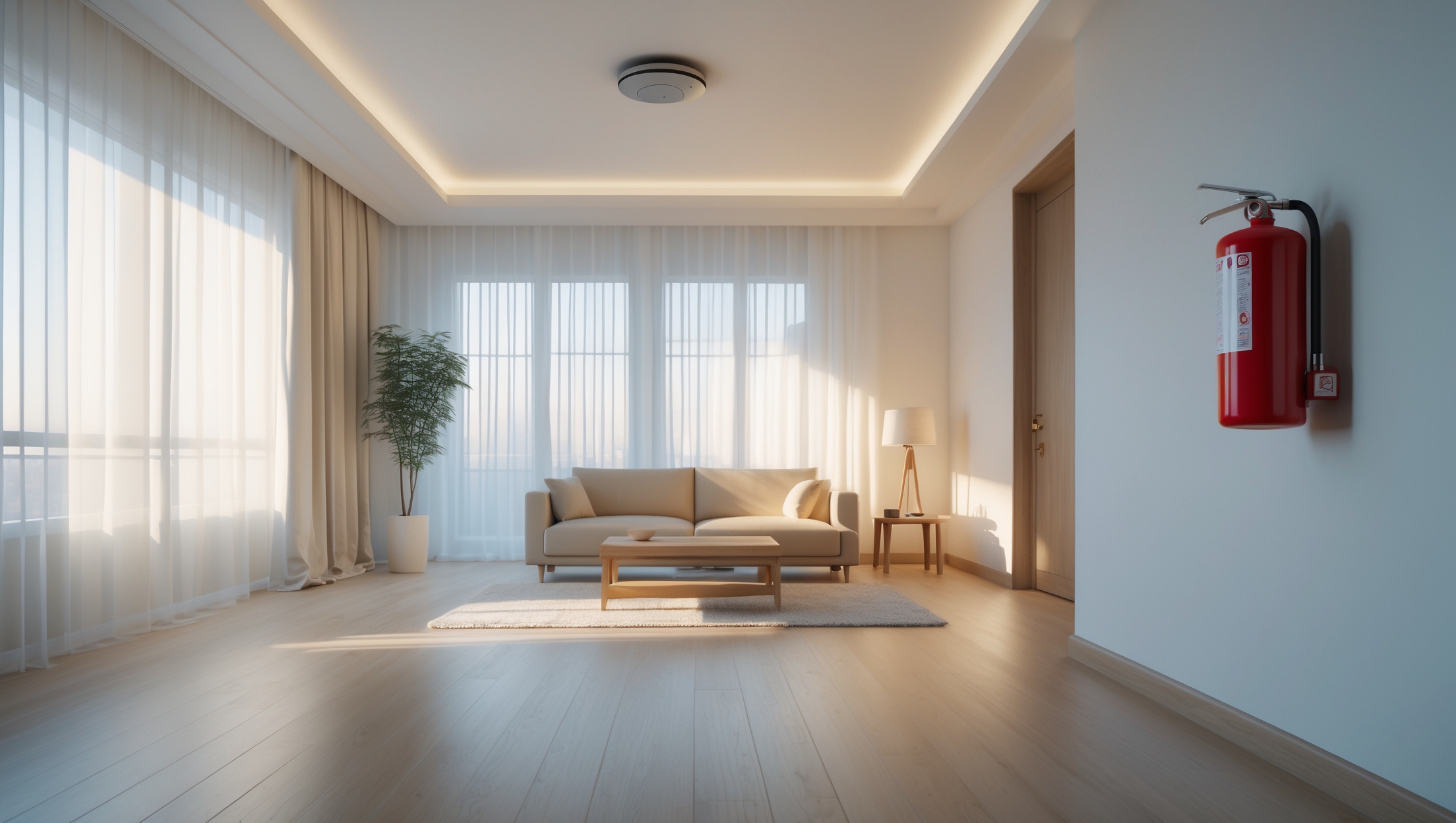
Identify the type and location of fire extinguishers. Multi-purpose (ABC-rated) extinguishers are suitable for most home environments. In many countries, they should be wall-mounted in kitchens and corridors. Check that the pressure gauge is in the green zone and that units are within their service date.
- Know how to use the PASS technique: Pull, Aim, Squeeze, Sweep
- Request a demonstration from your landlord or property manager if unsure
- Arrange for annual servicing where required
Fire Blankets & Emergency Ladders
Especially important for multi-story buildings, fire blankets can smother small fires or wrap around individuals for evacuation. Portable emergency escape ladders are recommended for bedrooms above ground level in countries where window egress is required by law.
Building Features
- Clear, illuminated exit signage (required in many jurisdictions for rentals)
- Accessible fire escapes or secondary exits
- Fire doors that close automatically
- Unobstructed hallways and stairwells
Common Mistakes Expats and Travelers Make with Fire Safety
Ignoring Local Signage and Instructions
Emergency signage may look different or be in an unfamiliar language. Take time to learn key terms like “exit,” “fire alarm,” and “assembly point” in the local language. Photograph or map out escape routes upon arrival.
Assuming All Properties Meet the Same Standards
Don’t presume that Airbnb hosts or landlords have complied with local fire codes. Inspect for yourself: check that alarms work, extinguishers are in date, and exits are accessible. Don’t hesitate to request upgrades or report non-compliance.
Overlooking Portable Cooking and Heating Devices
Portable gas stoves, space heaters, and candles are common culprits in residential fires abroad. Always follow manufacturer instructions and never leave these devices unattended. Store flammable liquids safely and away from heat sources.
Not Preparing a Personal Safety Plan
In an emergency, confusion and panic are common. Review evacuation routes, identify a meeting point, and keep a flashlight and phone within easy reach. If traveling with others, agree on a communication plan in case you get separated.
Fire Safety Compliance and Permits: What Expats and Travelers Need to Know
Short-Term Rentals and Vacation Homes
Many countries now require proof of fire safety compliance for short-term rental listings. This may include:
- Up-to-date smoke and carbon monoxide detectors
- Valid fire extinguisher servicing certificates
- Clear written instructions for evacuation
Ask hosts or property managers for documentation, and review local regulations on official government websites.
Long-Term Leases and Home Ownership
If you’re signing a long-term lease or buying property abroad, ensure your contract includes clauses regarding fire safety. Many countries require a fire safety inspection prior to property transfer. Inquire about:
- Recent inspection reports
- Certificates of occupancy
- Building permit status for recent renovations
Insurance Implications
Non-compliance with fire safety regulations can invalidate home or renters insurance in many countries. Verify policy requirements regarding equipment installation, maintenance, and documentation. Photograph installed devices and keep digital copies of receipts and certificates.
Step-by-Step: How to Perform a Fire Safety Check in Your New Accommodation
1. Inspect Alarms and Detectors
- Locate all smoke and carbon monoxide detectors
- Test each unit and replace batteries if needed
- Check expiration dates on devices (often printed on the back)
2. Examine Fire Extinguishers
- Ensure at least one multi-purpose extinguisher is easily accessible
- Verify pressure gauge and service tags are current
- Confirm everyone knows the location and operation
3. Map Escape Routes
- Identify at least two ways out of your living space
- Check that doors and windows open easily and aren’t blocked
- Locate stairwells, fire escapes, or external ladders
4. Review Building Features
- Look for illuminated exit signs in hallways
- Check that fire doors close automatically and aren’t propped open
- Ensure corridors and stairs are free of clutter
5. Prepare Emergency Supplies
- Keep a flashlight, spare batteries, and a whistle near your bed
- Store important documents and medications in a grab-and-go bag
- Save local emergency numbers in your phone
Fire Safety Maintenance Best Practices for Long-Term Travelers and Expats
Regular Testing and Upkeep
Set monthly reminders to test alarms and inspect extinguishers. Replace batteries and expired equipment promptly. Record maintenance activities in a dedicated safety log, especially if required by your lease or insurance policy.
Staying Informed About Local Changes
Fire safety laws can change, especially in response to high-profile incidents. Subscribe to local news or expat forums for updates. Contact your local embassy or consulate for advice on regional compliance and emergency procedures.
Community Fire Safety Engagement
If you’re part of a residential building or expat community, advocate for regular fire drills and safety workshops. Sharing information and best practices helps ensure everyone’s safety and may be required for insurance or legal compliance.
Case Study: Fire Safety Lessons from Expats in Different Countries
Case 1: Apartment Living in Germany
Sarah, an expat in Berlin, assumed that her rental apartment met all fire safety standards. After a minor kitchen fire, she discovered her smoke detector batteries were dead and that her landlord had not conducted annual inspections. This incident prompted her to purchase additional detectors and request written confirmation of compliance from her property manager.
Case 2: Villa Stay in Thailand
James rented a villa in Chiang Mai and noticed the absence of any visible smoke detectors or fire extinguishers. He contacted the owner, who immediately installed both after realizing the oversight. James now carries a portable smoke detector when traveling in regions with variable standards.
Case 3: Family Move to Australia
The Patel family moved to Sydney, where their real estate agent provided a detailed fire safety checklist and scheduled a professional inspection before move-in. They now routinely test alarms and participate in building-wide fire drills, feeling confident in their preparedness.
Fire Safety Myths Abroad: What You Need to Stop Believing
- Myth: “Modern buildings are fireproof.”
Reality: All buildings can burn. Materials and layout only delay fire spread—not prevent it. - Myth: “If there’s no smoke, there’s no danger.”
Reality: Toxic gases and heat can incapacitate before flames are visible. Early warning devices save lives. - Myth: “The landlord is always responsible for fire safety.”
Reality: Many countries place responsibility on tenants for equipment maintenance and safe practices. - Myth: “Fire safety gear is too expensive to bother with.”
Reality: Basic smoke alarms and extinguishers are affordable and widely available.
Fire Safety Checklist for Expats and Travelers
- Test smoke and carbon monoxide detectors upon arrival
- Ensure at least one functioning fire extinguisher is accessible
- Learn the escape routes and practice evacuation
- Translate or familiarize yourself with local emergency instructions
- Keep emergency supplies (flashlight, whistle, grab bag) close at hand
- Request documentation of fire safety compliance from landlords or hosts
- Review and update your insurance policy to reflect local requirements
- Stay informed about local fire regulations and news
Conclusion: Fire Safety Abroad—Your Responsibility, Your Peace of Mind
Travel and international living open doors to incredible experiences, but they also introduce new challenges. Fire safety should never be an afterthought. Local regulations, cultural norms, and building standards may not match what you’re used to, making it vital to approach each new accommodation with a critical, informed eye. Ignorance is not just risky—it can be costly, both in terms of personal safety and legal or financial consequences.
By proactively educating yourself about local fire safety requirements, inspecting equipment, and maintaining emergency plans, you empower yourself and those around you. Don’t rely on assumptions or the goodwill of landlords and hosts—take ownership of your safety. Simple actions, such as testing alarms, mapping escape routes, and ensuring compliance, can turn a potentially life-threatening situation into a manageable incident.
Remember, fire safety is a universal concern, but the details are always local. Stay informed, stay vigilant, and make fire safety a foundational part of your travel and living routine. With preparation and awareness, you’ll enjoy your new environment with the confidence that you’re protected—no matter where in the world you call home.
The article mentioned that insurance coverage might be affected by not following local fire codes. If I’m renting a place in another country, is there an easy way as a traveler to verify if the property meets the local fire safety standards before I go, or do I need to ask the owner directly about each requirement?
As a traveler, it’s best to ask the property owner or manager directly about fire safety compliance. You can request information on smoke detectors, fire extinguishers, emergency exits, and any official inspection certificates. While some booking platforms may show safety features, requirements vary by country, so direct communication ensures you have the most accurate and up-to-date details.
You mention that fire safety equipment requirements like smoke detectors can differ greatly between countries. If I’m renting a long-term apartment abroad, are there specific questions I should ask my landlord to ensure compliance with local fire safety codes?
Yes, when renting a long-term apartment abroad, it’s wise to ask your landlord whether the property has the required fire safety equipment such as smoke detectors, fire extinguishers, and fire exits according to local regulations. You can also inquire about when the equipment was last inspected, maintenance procedures, and what steps to take in case of a fire. This can help ensure your safety and that the property complies with local fire safety codes.
I was surprised to read about the legal requirements for fire doors and escape routes in EU accommodations. How do travelers usually verify if their Airbnb or short-term rental abroad actually meets these kinds of local fire safety laws before moving in?
Travelers can check fire safety in Airbnbs or rentals by asking hosts specific questions before booking—like whether the property has marked escape routes, functional fire doors, and working smoke detectors. On arrival, look for posted evacuation plans and check that exits aren’t blocked. Reading recent guest reviews for safety mentions can also be helpful, but ultimately, local regulations may not always be enforced, so trust your instincts about a property’s readiness.
As someone used to US fire codes, I’m wondering how to find out exactly what’s required in a European rental, especially in countries where rules can change a lot. Are there clear resources for travelers, or is it best to ask landlords directly when booking accommodations?
Fire safety regulations in Europe can vary significantly by country and even by city. While some countries publish guidelines online, these may not always be available in English or may lack detail for rentals. The most reliable approach is to ask landlords or hosts directly about fire safety features, such as smoke detectors, emergency exits, and evacuation plans, when booking. This ensures you know exactly what to expect in your accommodation.
You mentioned that some countries take a more relaxed approach to fire safety equipment and enforcement. If I’m moving somewhere with looser standards, what specific steps should I take to make sure my new accommodation is actually safe?
When moving to a place with looser fire safety standards, start by checking that your accommodation has working smoke detectors and at least one fire extinguisher. Make sure all exits are accessible and not blocked, and familiarize yourself with escape routes. You might also want to bring your own portable smoke alarm or carbon monoxide detector, and talk to your landlord about any concerns or improvements that can be made for added safety.