
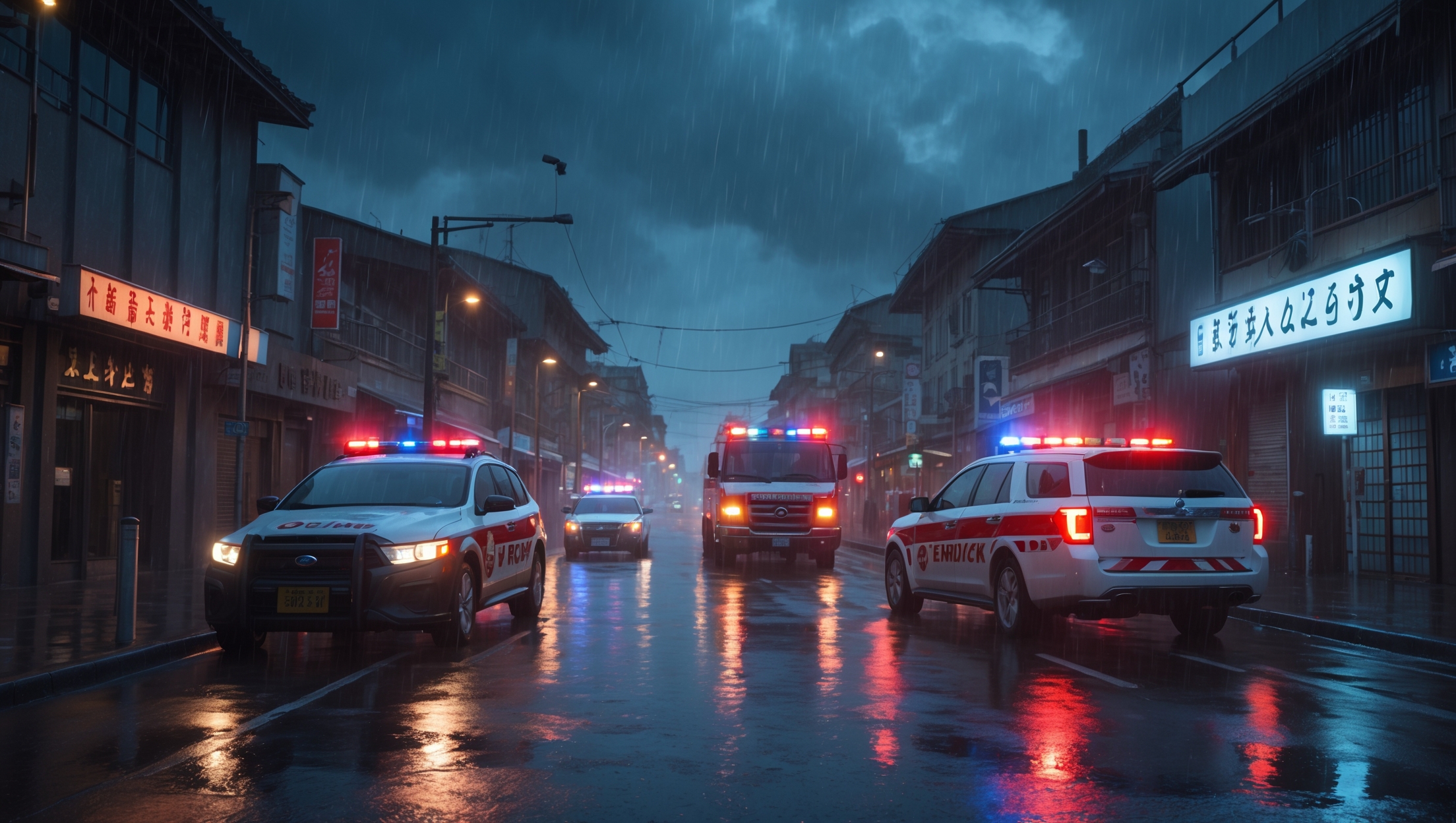
Introduction: Why Understanding Emergency Services Abroad Matters
Traveling or living abroad opens the door to new adventures, but it also comes with unique risks. One of the most overlooked yet critical aspects of international life is knowing how to access local emergency services. Whether you are an expat settling in for the long haul or a traveler passing through, emergencies can strike without warning—medical crises, fires, natural disasters, or security incidents. In these moments, your ability to quickly and effectively contact the right local service can make all the difference.
However, emergency response systems vary widely from country to country. From the number you dial to the language you use, even to the types of assistance offered, each country has its own set of protocols, costs, and cultural expectations. For example, the response you receive after dialing 911 in the United States might differ significantly from calling 112 in Europe or 119 in parts of Asia. In some countries, emergency services might expect payment upfront or after the fact, or responders may not speak English. Understanding these nuances isn’t just a matter of convenience—it’s a matter of safety.
This comprehensive guide will walk you through the essentials of navigating emergency services abroad. You’ll learn about differing emergency numbers, possible costs, communication barriers, how to identify and access local help points, and what cultural factors might influence your experience. With practical tips and real-world examples, this post will help you prepare for the unexpected, wherever your journey takes you.
Understanding Local Emergency Numbers: More Than 911
Common Emergency Numbers Around the World
- Europe (EU): 112 for all emergencies
- UK: 999 or 112
- Australia: 000
- New Zealand: 111
- Japan: 110 (Police), 119 (Fire/Ambulance)
- China: 110 (Police), 120 (Ambulance), 119 (Fire)
- Brazil: 190 (Police), 192 (Ambulance), 193 (Fire)
- South Africa: 10111 (Police), 10177 (Ambulance/Fire)
It’s essential to research and memorize the emergency numbers for your destination before you arrive. In some countries, separate numbers exist for police, fire, and medical emergencies. For example, calling for an ambulance in Japan (119) is different from contacting the police (110). Don’t assume a universal number will work everywhere.
How to Save Local Emergency Numbers
- Program the numbers into your phone’s contacts labeled with the service and country.
- Carry a printed card in your wallet with emergency numbers, your address in the local language, and any relevant health details.
- Check with your embassy for country-specific emergency services cheat sheets.
Emergency Services Protocols: What to Expect When You Call
Language Barriers and What to Say
In many countries, emergency operators may not speak English. Even in major cities, the first responder could be a local with limited language skills. To prepare:
- Learn basic emergency phrases in the local language (e.g., “Help!”, “I need an ambulance.”, “My location is…”).
- Use translation apps or keep a phrase card handy.
- Speak slowly and clearly, even if you are panicked.
- Be ready to state your location accurately—know how to describe landmarks or provide an address in the local format.
Information to Have Ready
- Your exact location (address, hotel, GPS coordinates if possible)
- The nature of the emergency (medical, fire, crime, etc.)
- Number of people involved and their condition
- Your phone number (for follow-up or if the call drops)
Response Times: What Influences Them?
Response times can vary greatly, depending on location (urban vs. rural), time of day, traffic, and local resources. In some countries, ambulances or police can arrive in minutes; in others, it may take much longer. In less developed regions, services may be limited or require you to arrange your own transportation to a hospital.
The Cost Breakdown: Who Pays for Emergency Services?
Free vs. Fee-Based Services
In some countries, emergency response is free to both residents and visitors. In others, you may be billed for ambulance rides, fire services, or even police interventions. For example:
- United States: Ambulance rides can cost from $400 to over $2,000, often billed to your insurance or directly to you.
- Germany: Emergency medical services are generally covered by insurance; uninsured visitors may be charged.
- Thailand: Ambulance services can be free for minor incidents but may incur costs for longer transports or advanced care.
- Japan: Fire and ambulance services are typically free; hospitals may require payment for subsequent treatment.
- South Africa: Private ambulance services can be costly; public services may be free but slower.
How to Prepare Financially
- Check your travel or expat insurance policy for emergency coverage.
- Keep a credit card or cash reserve for unexpected costs.
- Know which hospitals accept your insurance and whether they require payment upfront.
- Request itemized bills and receipts for insurance claims.
Locating and Accessing Physical Help Points
Public Emergency Stations and SOS Phones
Major transit hubs, highways, and tourist areas often have emergency call boxes or SOS phones. These are direct lines to local emergency services and can be invaluable if your phone is lost, dead, or lacks local service.
- Familiarize yourself with the symbols for emergency phones in your destination country.
- Ask your hotel or local contacts about the nearest emergency help point.
Hospitals, Police Stations, and Pharmacies
Know the locations of the nearest hospitals, 24-hour pharmacies, and police stations. Some countries have designated “tourist police” units with English-speaking staff. Save their contact details and addresses, and visit in person if you’re unsure of your location or need help navigating the system.
Cultural Know-How: Navigating Local Attitudes and Expectations
How Culture Impacts Emergency Response
Social norms and expectations can influence how emergency services are delivered. For example:
- In some countries, bystanders may be reluctant to intervene or call for help due to legal liability concerns.
- In others, community support is strong, and locals may proactively assist you and even accompany you to the hospital.
- Privacy norms differ—some places may ask for detailed personal or medical information upfront.
- Perceptions of urgency may vary; what is considered an “emergency” in your home country might be seen as less pressing abroad.
Tips for Communicating with First Responders
- Remain calm and respectful, even in stressful situations.
- Be clear about your needs but understand that protocols may differ.
- Accept that your request could be triaged based on local priorities.
- If you feel misunderstood, ask for help from a bilingual local or your embassy.
Common Myths About Emergency Services Abroad
- Myth: “Emergency services are always free for foreigners.”
Reality: Many countries bill non-residents for ambulance or fire services. - Myth: “English-speaking operators are available everywhere.”
Reality: In rural or less touristy areas, English may not be spoken. - Myth: “You can use 911 worldwide.”
Reality: 911 works in some countries but not all; always know the local numbers. - Myth: “Your embassy will send help immediately.”
Reality: Embassies offer support but rarely dispatch emergency services; you must contact local authorities first.
Step-By-Step: What To Do in an Emergency Abroad
- Stay calm and assess the situation.
- Call the appropriate local emergency number.
- Clearly state your location and the type of emergency.
- Follow the operator’s instructions, even if they differ from what you expect.
- Request an English-speaking responder if possible.
- If you can’t communicate, use translation apps or get help from a local.
- Contact your embassy or consulate for further support if needed.
- Keep records of all interactions and expenses for insurance claims.
Safety Checklist: Preparing for Emergencies Before You Go
- Research and save local emergency numbers for your destination.
- Identify the nearest hospital, police station, and embassy/consulate.
- Carry a card with your address in the local language and any medical needs/allergies.
- Download translation apps and offline maps.
- Check your insurance for emergency coverage and keep proof handy.
- Inform trusted contacts of your itinerary and emergency plans.
- Familiarize yourself with local laws regarding medical care, police, and reporting incidents.
Case Studies: Real-World Lessons
Case Study 1: Medical Emergency in Spain
Jane, an American expat in Madrid, experienced severe abdominal pain late at night. She called 112, the EU-wide emergency number, and was connected to an operator who spoke basic English. An ambulance arrived within 20 minutes. She was transported to a public hospital, where she had to show her insurance documents. Costs were covered by her international health insurance, but she was billed for non-covered medications. Her key takeaway: always have your insurance and ID ready, and know some medical terms in the local language.
Case Study 2: Lost in Tokyo After a Minor Accident
After a bike accident, Mark, a tourist in Tokyo, approached a nearby police box (koban). The officer spoke minimal English, but using a translation app, Mark was able to explain his injury. The officer called an ambulance (119), and Mark was transported to a hospital. There were no fees for the ambulance, but he paid for treatment at the hospital. The translation app bridged the communication gap and sped up the process.
Conclusion: Confidence Through Preparedness
Emergencies are unpredictable, but your response doesn’t have to be. By understanding the local emergency services landscape—knowing the right numbers, preparing for language barriers, anticipating costs, and respecting cultural differences—you empower yourself to act quickly and effectively if the unexpected happens. A little preparation before your trip or move can prevent confusion, costly mistakes, and unnecessary stress when seconds count.
Take time to research and save essential contacts, review your insurance coverage, and learn a few key phrases in the local language. Familiarize yourself with the nearest help points and understand the protocols unique to your destination. Don’t hesitate to ask locals or your embassy for guidance on navigating the system. Remember, while some aspects of emergency response may feel foreign or frustrating, most countries are committed to helping those in need—even if the methods differ from home.
Ultimately, knowing how to access and use emergency services abroad is a vital skill for every traveler and expat. It’s about more than personal safety; it’s about peace of mind, resilience, and making the most of your international experience. With the right knowledge and preparation, you can explore the world confidently—knowing you’re ready for whatever comes your way.