
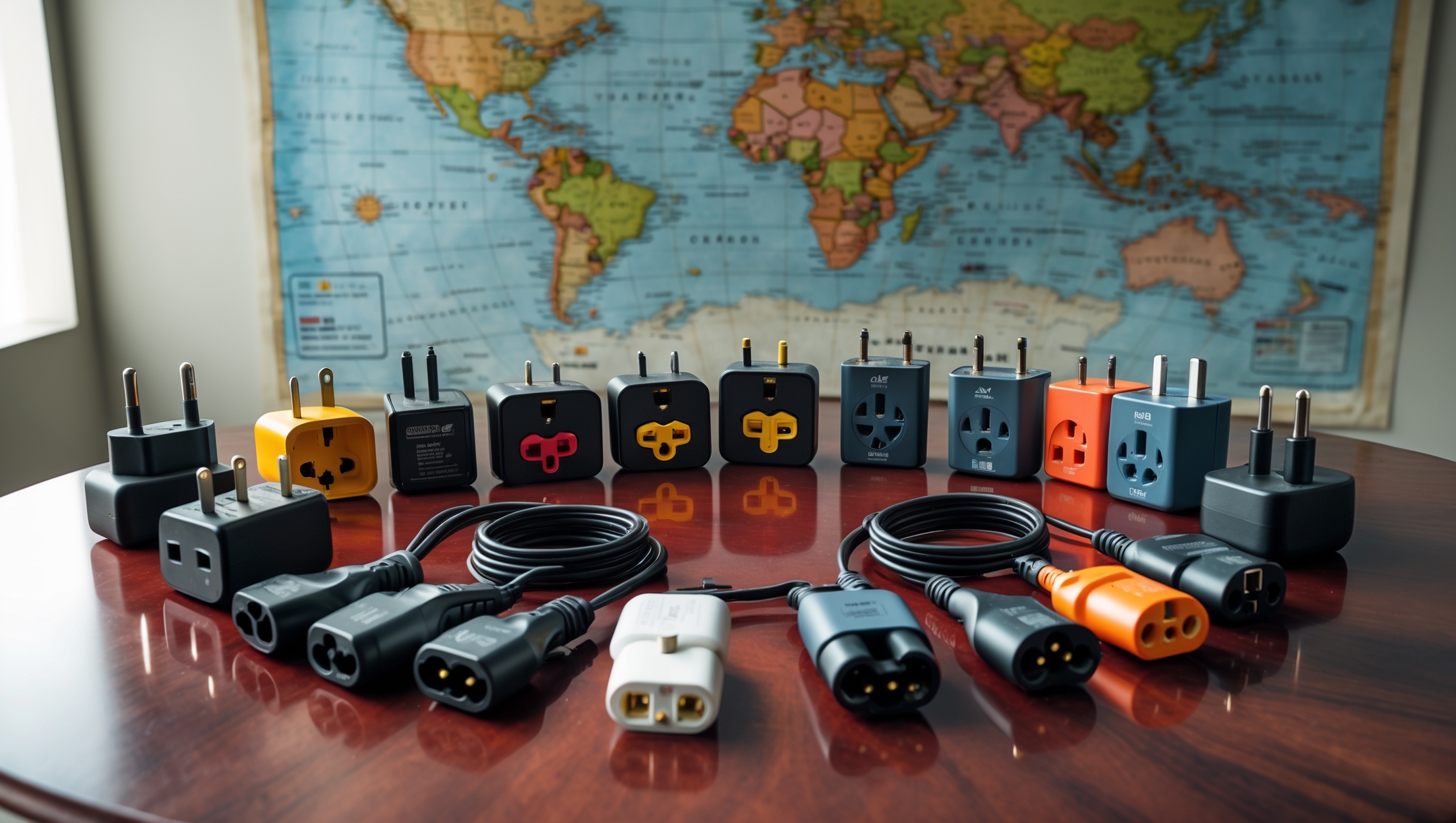
Introduction: Why Power Compatibility Matters Abroad
Imagine landing in a new country, ready to settle in or start your travels, only to find your laptop charger won’t fit the wall socket—or worse, plugging in your hair dryer and hearing a pop as it fries. For expats and travelers, navigating the world of power adapters and voltage differences is more than an inconvenience; it’s about safeguarding your devices, saving money, and ensuring comfort during your stay. Electrical standards vary widely across the globe, with over a dozen plug types and voltages ranging from 100V to 240V. Overlooking these differences can lead to damaged equipment, unnecessary expenses, or even safety hazards. Whether you’re relocating for work, studying abroad, or embarking on an extended journey, understanding the essentials of adapters, converters, and voltage compatibility should be at the top of your checklist. In this guide, we’ll break down the practical tools, regional quirks, and step-by-step strategies to keep you powered up and stress-free wherever you land.
Understanding Plug Types and Voltage Standards Worldwide
The Global Patchwork of Plugs
The world uses more than a dozen different plug and socket types, each identified by a letter (A through N). Some nations use multiple types within their borders, and even within a single city. Common types include:
- Type A/B: North America, Japan
- Type C/E/F: Most of Europe
- Type G: UK, Ireland, some Asian and African countries
- Type I: Australia, New Zealand, China
- Types D, M, N: Parts of India, Africa, South America
Plug shapes, pin sizes, and orientation can all vary, making a one-size-fits-all approach impossible.
Voltage and Frequency: The Hidden Challenge
Global voltage standards typically fall into two camps:
- 110–127V, 60Hz: North America, some parts of Central and South America, Japan
- 220–240V, 50Hz: Most of Europe, Asia, Africa, Australia
Using a device with the wrong voltage can result in malfunction or permanent damage. A 120V-only appliance plugged into a 230V socket is likely to overheat or short-circuit. Frequency mismatches (Hz) can also affect devices with motors or timers, sometimes causing subtle issues over time.
The Traveler’s Toolkit: Adapters vs. Converters
Power Adapters: Bridging the Plug Gap
Adapters are simple devices that allow your plug to fit into a foreign socket. They do not convert voltage. All travelers need an adapter, but choosing the right one depends on your destinations and devices.
- Single-region Adapters: Compact, designed for a specific plug type and ideal if visiting one country.
- Universal Adapters: Feature multiple sliding pins or interchangeable tips. Useful for multi-country trips, but can be bulky and less reliable in some outlets.
- USB Charging Adapters: Add USB ports for phones and tablets—handy for light packers.
Voltage Converters and Transformers: When Are They Needed?
If your device’s voltage doesn’t match the country’s supply, you may need a step-up or step-down converter. These devices transform the voltage from the outlet to match your equipment. Key points:
- Converters (Electronic): For simple heating or travel appliances under 50W–200W (e.g., hair dryers). Not for sensitive electronics.
- Transformers: For higher-wattage or sensitive devices. Heavier and more expensive, but essential for items like some laptops, medical devices, or camera chargers that aren’t dual-voltage.
- Check Your Device: Many modern electronics (laptops, phone chargers) are dual-voltage (e.g., “Input: 100–240V”). If so, you only need an adapter.
How to Check Your Device’s Power Requirements
Reading the Label
Look for a label on your device’s power brick or plug. It should state something like “Input: 100–240V, 50/60Hz.” This means your device will work anywhere with the correct plug adapter. If it says “120V, 60Hz only,” you’ll need a converter for use in 220–240V countries.
Common Device Categories
- Laptops, Phones, Tablets: Most modern models are dual-voltage.
- Hair Dryers, Curlers, Electric Razors: Often single-voltage. Check carefully.
- Kitchen Appliances: Usually single-voltage unless designed for travel.
- Battery Chargers, Cameras: Increasingly dual-voltage, but confirm before travel.
Regional Power Quirks Travelers Should Know
Multi-Plug Outlets and Adapter Fit Issues
Some countries use recessed or angled sockets that may not fit universal adapters. In Italy and Switzerland, for example, older sockets may not accept standard Europlug adapters. South Africa’s large, round Type M plug is often incompatible with plug-in strips or some universal adapters.
Voltage Fluctuations and Brownouts
In parts of Africa, South Asia, and South America, voltage fluctuations and brownouts are common. Sensitive devices like computers or medical equipment may require a surge protector or voltage stabilizer. In some countries, power outages can last hours—consider a portable power bank or uninterruptible power supply (UPS) if reliable power is crucial.
Grounding and Electrical Safety
Not all sockets provide grounding. Using ungrounded adapters with grounded (three-prong) devices can increase the risk of electric shock. Always check whether your destination’s outlets have a grounding pin, and use grounded adapters when possible.
Step-by-Step: Building Your Personal Power Kit
1. Research Your Destination
Use resources like power-plugs-sockets.com to check:
- Plug type(s) used
- Standard voltage and frequency
- Availability of grounded outlets
2. Audit Your Devices
- List every device you plan to bring (laptop, phone, shaver, etc.).
- Check input voltage/frequency for each.
- Identify which require only adapters and which need converters/transformers.
3. Select Your Adapters
- Single-region for long stays in one country.
- Universal for multi-country trips.
- Grounded adapters for laptops, surge protectors if needed.
4. Consider a Converter or Transformer (If Needed)
- Buy a converter rated for your device’s wattage (add 25–50% safety margin).
- For sensitive or expensive electronics, choose a transformer.
- Note that converters are often bulky and may not work with all appliances.
5. Add Extras
- USB charging hub (multi-port, dual-voltage).
- Portable power bank (minimum 10,000mAh for travel days).
- Small surge protector or power strip (check voltage compatibility).
Budgeting for Power: Costs and Smart Buys
What to Expect
- Single-country adapters: $5–$15 each
- Universal adapters: $15–$40 (better quality = higher cost)
- Converters/transformers: $25–$100+, depending on wattage
- USB hubs/power strips: $10–$30
- Surge protectors: $15–$50
Don’t skimp on quality—cheap adapters can overheat, break, or pose safety hazards. Look for brands with safety certifications (CE, UL) and solid customer reviews.
Where to Buy
- Buy before you leave—airport and tourist shops charge a premium, and local shops may lack quality options.
- Online retailers (Amazon, B&H, specialty travel stores) offer the widest selection and reviews.
- Some electronics stores abroad stock adapters for tourists, but selection can be hit or miss.
Common Mistakes and How to Avoid Them
- Confusing adapters with converters: Many travelers ruin devices by using only an adapter when a voltage converter was needed.
- Overloading power strips: Plugging multiple high-wattage devices into a single adapter or strip can cause overheating or tripped breakers.
- Assuming all electronics are dual-voltage: Always check the label. Some older or budget devices are voltage-specific.
- Forgetting about frequency: Devices with clocks or motors may run too fast or slow on the wrong frequency.
- Ignoring grounding: Using ungrounded adapters with laptops or high-power devices can be risky.
- Buying cheap, uncertified adapters: These can break, overheat, or damage your devices.
Case Studies: Power Mishaps and Lessons Learned
Case 1: The Fried Hair Dryer in France
Sarah, an American expat, brought her favorite 120V hair dryer to Paris. She used a simple plug adapter but didn’t realize the voltage difference. The dryer overheated and failed within seconds. Lesson: Hair appliances are often single-voltage—check before packing, or buy locally.
Case 2: The Laptop Lifesaver in Thailand
Mark, a digital nomad, checked his laptop charger label before leaving the US. It read “100–240V,” so he only needed a plug adapter. He bought a grounded Type C adapter and a surge protector, keeping his gear safe during frequent storms and brownouts.
Case 3: The Adapter That Didn’t Fit in South Africa
Julia brought a universal adapter, but South Africa’s large, round Type M socket was too wide. She found local adapters at a hardware store, but had to wait a day. Lesson: Check plug sizes and shapes carefully, and consider buying a local adapter at your destination if needed.
Maintenance and Safety Checklist
- Inspect adapters and converters for cracks or loose parts before each use.
- Never use force to plug an adapter into an ill-fitting socket.
- Unplug devices when not in use to prevent overheating and save energy.
- Keep converters away from water and heat sources.
- Don’t exceed the wattage rating of any adapter, converter, or strip.
- Replace adapters at the first sign of wear or malfunction.
- Store power tools and cables in a dedicated pouch or case to avoid loss or breakage.
Eco-Friendly and Minimalist Power Solutions
- Pack less: Embrace dual-voltage, USB-chargeable devices wherever possible.
- Solar chargers: Useful for remote travel or during outages in sunny regions.
- Multi-device charging hubs: Reduce the need for multiple adapters and wall outlets.
- Buy local: Consider buying voltage-compatible appliances at your destination for long stays, then resell or donate when you leave.
Conclusion: Stay Powered Up—Stay Connected
Powering your life abroad isn’t just about convenience—it’s about protecting your devices, ensuring your safety, and supporting your comfort as you adapt to new environments. With a bit of research, smart packing, and the right tools, you can avoid costly mistakes, save time, and focus on what matters most: exploring, working, and living abroad with confidence. Remember, electrical standards can change even within a country; always double-check before plugging in. Invest in quality adapters and, where needed, converters, and keep a close eye on your device requirements. For frequent travelers, building a compact, versatile power kit is a small effort that pays big dividends in peace of mind. By taking these practical steps, you can keep your devices powered, your plans uninterrupted, and your adventures worry-free—no matter where in the world you find yourself plugged in.