
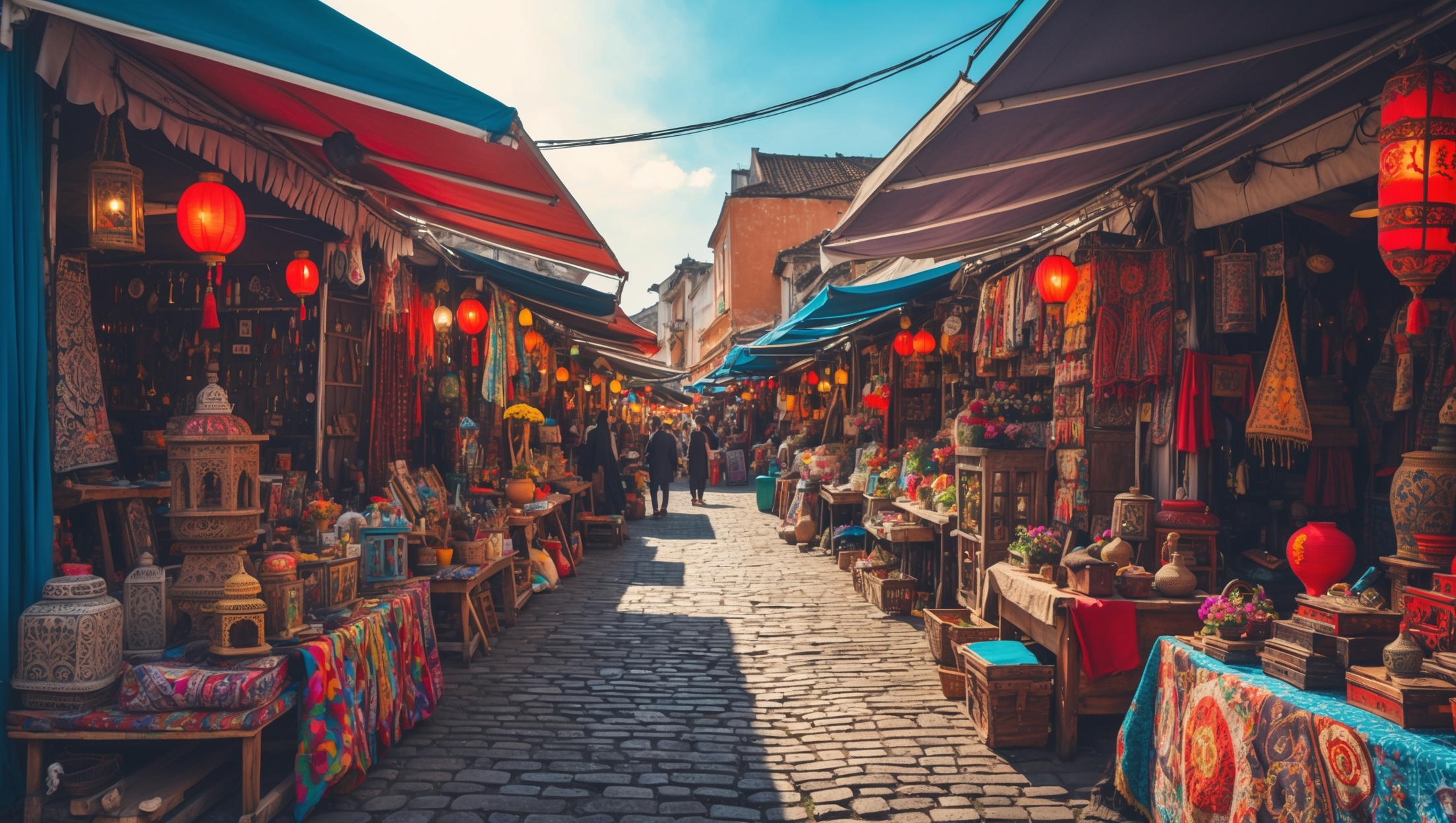
Introduction: The Allure of Flea Markets Abroad
For travelers and expats alike, local flea markets are more than just places to shop—they are vibrant hubs of culture, history, and everyday life. Whether you are sifting through vintage trinkets in Lisbon, haggling over antique ceramics in Bangkok, or sampling regional delicacies in Buenos Aires, flea markets offer a sensory-rich adventure unmatched by any mall or department store. They are the perfect places to discover authentic souvenirs, learn about regional craftsmanship, and mingle with locals. However, these bustling markets can be overwhelming to newcomers. From unfamiliar bargaining customs to the challenge of distinguishing genuine treasures from tourist traps, the experience can quickly shift from thrilling to intimidating. This comprehensive guide is designed to demystify the world of flea markets abroad. We’ll cover essential preparation, budgeting techniques, bargaining etiquette, safety tips, and strategies for spotting true hidden gems—so you can explore with confidence and make the most of every market visit.
Planning Your Flea Market Adventure: Preparation and Research
Know Before You Go: Researching Markets in Your Destination
Before setting out, take time to research the flea markets in your host city or country. Not all markets are created equal—some specialize in antiques; others focus on crafts, textiles, or fresh produce. Look for local blogs, expat forums, and travel sites where residents share up-to-date information on the best markets, opening hours, and seasonal schedules. Pay attention to:
- Market Specialties: Identify which markets sell what kinds of goods—antiques, collectibles, produce, vintage clothing, or artisanal crafts.
- Days and Hours: Many flea markets run only on weekends or specific mornings. Arriving early often yields the best finds.
- Location and Accessibility: Note the market’s location relative to public transportation, and whether it’s best reached by taxi, bus, or on foot.
- Entry Fees: Some larger or specialty markets may have a modest entrance fee.
What to Bring: Tools of the Trade
Pack light but smart. Here’s what seasoned market-goers recommend:
- Cash in Small Denominations: While some vendors accept cards, many prefer cash. Small bills and coins facilitate bargaining and help avoid overpaying.
- Reusable Shopping Bags: Markets often don’t provide bags, and sturdy totes are ideal for fragile or bulky finds.
- Measuring Tape: Useful for checking if furniture or textiles will fit in your space or luggage.
- Smartphone with Translation App: Handy for negotiating with vendors who don’t speak your language.
- Notebook or Notes App: Jot down stall numbers, prices, or vendor details for follow-up purchases.
- Water and Snacks: Many markets can be sprawling; stay hydrated and energized.
Budgeting for Your Flea Market Finds
Setting a Realistic Budget
Flea markets can tempt you into spontaneous splurges. To avoid buyer’s remorse, set a spending limit before you go. Consider:
- Local Price Ranges: Research average costs for items you’re interested in—antiques, textiles, or souvenirs—so you recognize a fair deal.
- Currency Conversion: If you’re shopping in a foreign currency, use a conversion app to track what you’re spending in your home currency.
- Bargaining Room: Vendors often expect to negotiate, so leave margin in your budget for initial asking prices and eventual deals.
Hidden Costs to Watch For
- Transporting Bulky Items: Shipping furniture or large décor pieces home can be costly—factor in transport and customs fees.
- Repairs and Restoration: Some treasures require cleaning or minor repairs; get quotes before committing.
- Entry Fees and Refreshments: Don’t forget to budget for snacks, drinks, and entry charges if applicable.
Mastering the Art of Bargaining
Understanding Local Etiquette
Bargaining customs vary widely by country and culture. In some places, haggling is expected and even enjoyed; elsewhere, prices are fixed and attempts to negotiate may offend. Here’s how to navigate:
- Observe First: Watch how locals interact with vendors to gauge the market’s bargaining culture.
- Polite Inquiries: Start with friendly conversation and ask if the price is negotiable before making an offer.
- Respectful Offers: Offer 10–30% below the asking price, unless you’re certain deep discounts are customary.
- Stay Good-Natured: Bargaining should be lighthearted, not confrontational. A smile goes a long way.
- Know When to Walk Away: If the price doesn’t suit your budget, thank the vendor and move on—sometimes, this leads to a last-minute discount.
Language Tips for Effective Negotiation
Even a few words in the local language can open doors. Learn phrases like “How much?” “Is there a discount?” or “That’s too expensive.” If you’re unsure, use your translation app or carry a phrasebook. Vendors appreciate the effort and may be more willing to bargain.
Spotting Hidden Gems: How to Identify Authentic Treasures
Recognizing Genuine Antiques and Handicrafts
Not all that glitters is gold—some items are mass-produced or inauthentic. Here’s how to separate the real from the replicas:
- Examine Craftsmanship: Authentic antiques and handicrafts often show signs of handwork—irregular stitching, tool marks, or patina—rather than factory-perfect finishes.
- Ask About Provenance: Inquire about the item’s origin, age, and previous owners. Serious vendors are usually happy to share stories or offer certificates of authenticity.
- Beware of “Too Good to Be True”: Unusually low prices for “rare” items are a red flag. Trust your instincts and compare similar items at other stalls.
- Test Before Buying: Plug in electronics (with the vendor’s permission), inspect textiles for damage, and check zippers and fastenings.
Knowing When to Splurge
Some items—such as regional textiles, vintage jewelry, or art—may warrant a higher price due to their uniqueness or craftsmanship. If you fall in love with an item and it fits your budget, don’t hesitate. Flea market finds are often one-of-a-kind and may not be there on your next visit.
Staying Safe and Savvy at the Market
Personal Safety and Belongings
Busy markets are prime spots for pickpockets. Protect yourself by:
- Using a crossbody bag with a zipper and keeping it in front of you.
- Leaving valuables (passports, excess cash, jewelry) in your accommodation safe.
- Staying aware of your surroundings, especially in dense crowds.
- Traveling with a buddy, especially in unfamiliar areas after dark.
Understanding Market Rules and Local Laws
Some markets have specific rules about photography, touching goods, or bringing in outside food. Always ask before snapping photos of stalls or vendors. Also, familiarize yourself with customs regulations—certain antiques, animal products, or artifacts may be illegal to export.
Seasonal Considerations: Timing Your Visit
Best Times to Shop
Early morning is prime time for fresh finds and fewer crowds, especially on weekends. However, late afternoons can yield bargains as vendors look to clear inventory. Consider weather conditions; outdoor markets may become muddy or sparse during rainy seasons, while summer heat can make midday shopping uncomfortable.
Special Events and Pop-Up Markets
Keep an eye out for seasonal festivals, night markets, or holiday bazaars. These events often feature rare vendors and unique local products not found during regular market days.
Transporting Your Finds: Packing, Shipping, and Customs
Packing for Travel
Delicate items should be wrapped in clothing or bubble wrap. Consider collapsible bags or foldable boxes for bulky purchases. If you’re flying, check your airline’s baggage policies for size and weight limits.
Shipping Large or Fragile Items
Ask vendors if they offer shipping services or recommendations for local couriers. Obtain written quotes and insurance for valuable items. Always photograph your purchases and shipping paperwork for reference.
Customs and Import Restrictions
Research what items can be legally imported to your home country. Some antiques, artwork, or animal products may be restricted or require special permits. Declare all goods at customs to avoid fines or confiscation.
Case Studies: Memorable Flea Market Finds from Around the World
Lisbon’s Feira da Ladra: A Vintage Watch’s Journey
An expat searching for a unique souvenir discovered a mid-century wristwatch at Lisbon’s iconic flea market. After confirming its authenticity with the vendor and negotiating a fair price, they secured a timeless piece of local history—later appraised at double the purchase price back home.
Bangkok’s Chatuchak Market: Bargaining for Artisanal Ceramics
A traveler with a keen eye for ceramics found hand-painted bowls at a bustling corner of Chatuchak. Using basic Thai phrases and respectful negotiation, they purchased a set for a fraction of the initial asking price. The vendor even shared tips for safely packing the fragile wares for air travel.
Buenos Aires’ San Telmo Market: Textile Treasures
An avid collector unearthed handwoven blankets from a family-run stall in San Telmo. After learning about the weaving process and supporting local artisans, they left with not just beautiful textiles but also a deeper connection to Argentine culture.
Essential Safety and Etiquette Checklist
- Carry only the cash you plan to spend; keep the rest secure.
- Use polite language and a friendly attitude when negotiating.
- Respect vendors’ merchandise—handle goods gently and ask before touching.
- Be mindful of local customs regarding photography and bargaining.
- Stay hydrated and take breaks to avoid fatigue in large markets.
- Double-check your belongings before leaving each stall.
- Know your country’s import restrictions before buying antiques or animal products.
Conclusion: Making Flea Markets a Memorable Part of Your Journey
Exploring flea markets abroad is about so much more than acquiring souvenirs—it’s a chance to immerse yourself in the rhythms of local life, connect with artisans and vendors, and discover stories woven into every object you find. Each market has its own personality, shaped by regional traditions, community spirit, and the ever-changing array of goods. By approaching these vibrant spaces with curiosity, respect, and a few practical strategies, you’ll not only come home with unique treasures but also with lasting memories and insights into the places you visit. Whether you’re a seasoned bargain hunter or a first-time explorer, the tips and techniques in this guide will help you navigate any market with confidence. So grab your tote bag, brush up on your bargaining phrases, and dive into the world of flea markets—the true heartbeats of cities across the globe. Your next great find, and perhaps your next great story, awaits just beyond the next stall.
As a small business owner who loves sourcing unique items, do you have any advice on how to spot genuine antiques versus mass-produced souvenirs when visiting flea markets in different countries? Sometimes it’s hard to tell the difference, especially with language barriers.
When browsing flea markets abroad, examine the item’s craftsmanship, material, and signs of age—genuine antiques often show wear, patina, or maker’s marks. Mass-produced souvenirs may look uniform or use cheap materials. If language is a barrier, bring photos of authentic items for comparison and consider using a translation app to ask vendors about an item’s history or origin. Trust your instincts and, when in doubt, buy only from stalls with reputations for selling antiques.
As someone traveling with kids, are there any tips in the article about how to navigate crowded flea markets with a family, or is it generally better to leave little ones at home when bargain hunting abroad?
The article suggests that while flea markets can be a fun experience for families, it’s important to keep a close eye on kids in crowded areas and have a plan in case you get separated. Bringing snacks, water, and some small activities can help keep children occupied. Ultimately, it depends on the specific market’s atmosphere—some are family-friendly, while others may be too hectic for young children.