
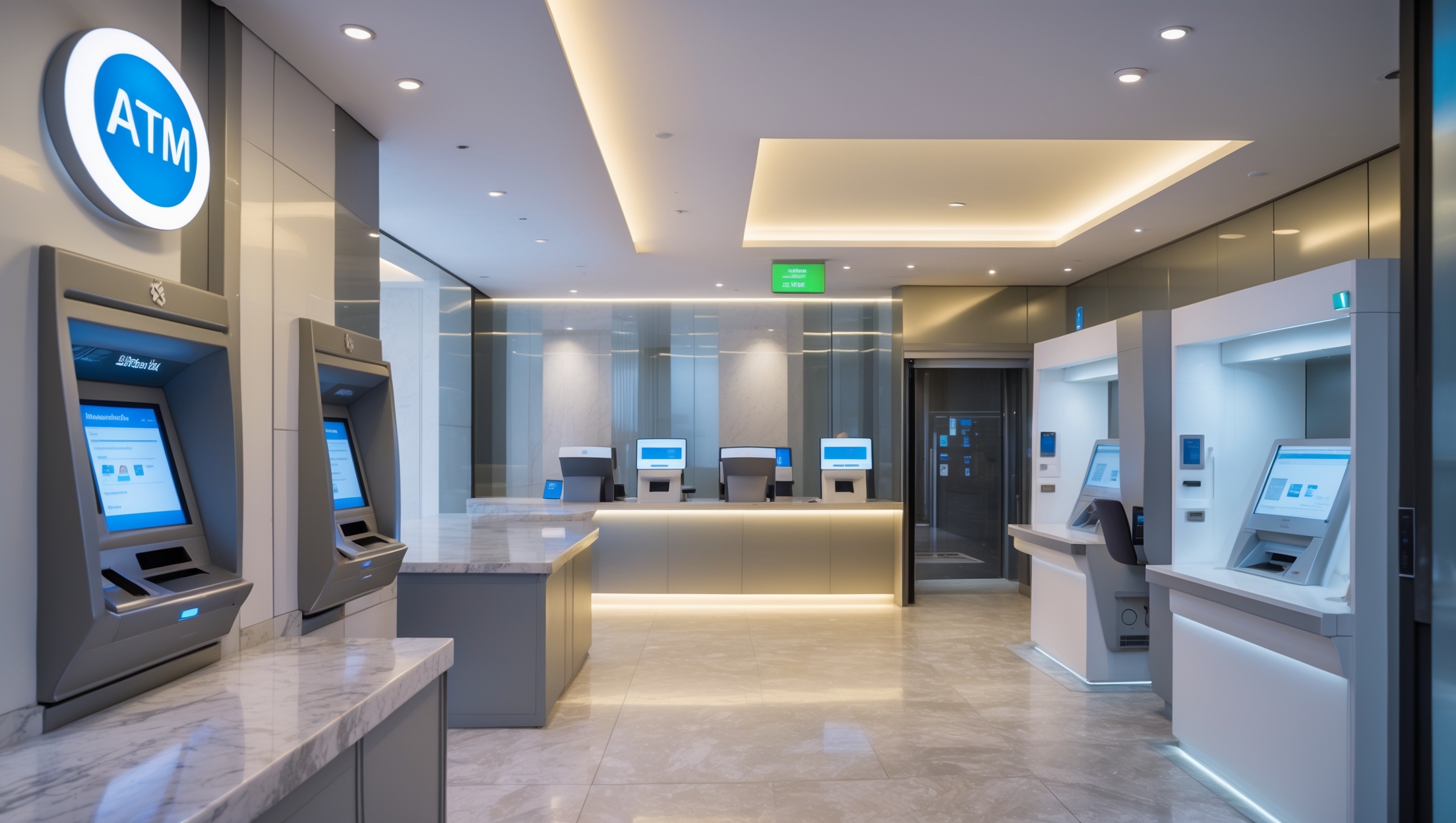
Introduction: The Essential Role of Local Banking in Life Abroad
Whether you’re launching a new chapter as an expat, traveling for an extended period, or setting up life as a digital nomad, managing money efficiently is a cornerstone of a stress-free experience. From securing a rental apartment to paying utilities, buying groceries, or even simply withdrawing cash, local banking quickly becomes a practical necessity. Yet, the intricacies of opening and managing a bank account overseas can be daunting. What paperwork do you need? Which banks are expat-friendly? How do you avoid hidden fees or security pitfalls? And in a world of digital disruption, are there smarter alternatives to traditional banks?
This comprehensive guide demystifies the process step by step. You’ll learn how to set up a local bank account, understand the true costs involved, master digital banking tools, and keep your funds safe. We’ll dig into practical tips, common mistakes to avoid, and smart alternatives like multi-currency accounts and online banks. Whether you’re planning your move or already navigating a new country, this resource will empower you to manage your money with confidence and clarity.
Understanding the Local Banking Landscape
Key Differences Between Home and Foreign Banks
Foreign banking systems can differ sharply from what you’re used to. In some countries, opening an account is straightforward; in others, bureaucracy or language barriers can slow you down. Expect variations in:
- Required documentation: Some banks demand local proof of address or work permits; others cater to non-residents.
- Account types: Options may include current, savings, or even hybrid accounts with unique features.
- Fees: Maintenance, withdrawal, and international transfer fees can add up quickly.
- Digital banking: The quality and availability of online or mobile banking tools varies by region.
Major Bank Types to Consider
- Traditional Banks: Established institutions with physical branches. Good for in-person service and complex needs.
- Online-Only Banks: Offer flexibility, lower fees, and easy setup, often with English support.
- Credit Unions and Cooperative Banks: Often community-focused, sometimes open to foreigners.
Step-By-Step: Opening a Local Bank Account
Step 1: Research the Right Bank and Account Type
Not all banks are foreigner-friendly. Start by:
- Reading expat forums and local guides for recommendations.
- Checking if the bank offers services in your preferred language.
- Comparing account types: look for low-fee options and digital features.
Step 2: Gather Essential Documentation
Typical requirements include:
- Passport and valid visa or residence permit
- Proof of local address (utility bill, rental contract)
- Tax identification number (in some countries)
- Proof of employment or study (if relevant)
- Initial deposit (amount varies by bank)
Tip: Some banks accept a letter from your landlord or hotel as proof of address. Others may allow remote setup with notarized documents.
Step 3: Visit the Branch (or Apply Online)
In-person visits are still standard in many countries. Dress appropriately, bring originals and copies of all documents, and be prepared for basic questions about your stay. Some online-only banks or international banks (like HSBC, N26, or Revolut) allow remote account setup with video verification.
Step 4: Activate and Fund Your Account
Once approved, activate your debit card and online banking. Transfer a small amount from your home account to test international transfer times and fees. Ask about ATM withdrawal limits and online security features.
Common Mistakes to Avoid When Banking Abroad
- Ignoring small print: Hidden maintenance or inactivity fees can drain your balance. Always read the fee schedule.
- Assuming English support: Don’t expect all staff or online interfaces to offer English. Use translation apps or bring a bilingual friend if needed.
- Failing to register your tax residency: Some countries require you to declare international bank accounts for tax compliance.
- Overlooking safety settings: Not activating SMS/email alerts or two-factor authentication increases fraud risk.
- Transferring large sums at once: Test with small amounts before moving significant funds to ensure smooth processing and discover any intermediary fees.
Decoding Fees: What to Watch Out For
Typical Banking Fees for Foreign Residents
- Monthly maintenance fees: Often waived if you maintain a minimum balance.
- ATM withdrawal fees: Both your bank and the ATM operator may charge you, especially for out-of-network withdrawals.
- International transfer fees: Can include both sending and receiving charges, plus currency conversion markups.
- Card replacement fees: Especially if sending to a foreign address.
- Inactivity fees: Some accounts charge if unused for a set period.
Smart Fee Avoidance Strategies
- Choose banks with global ATM networks or partnerships (e.g., Global Alliance banks).
- Look for accounts designed for expats or students—these often feature lower fees and English support.
- Use online comparison tools to find the lowest-cost international transfer providers.
- Monitor your account regularly to spot unexpected charges.
Safety and Security: Keeping Your Money Safe
Essential Security Practices
- Set up two-factor authentication on your online banking app.
- Enable SMS or email alerts for transactions.
- Never share your PIN or passwords, and change them regularly.
- Be wary of phishing emails or calls pretending to be from your bank.
- Use only official ATM machines attached to branches or major retailers.
What to Do If Your Card Is Lost or Stolen
Act fast:
- Use your banking app to freeze/block the card immediately.
- Contact your bank’s emergency hotline (store this in your phone and on paper).
- File a police report if necessary, especially to support any refund claims.
- Request a replacement card and consider a temporary virtual card if available.
Smart Alternatives to Traditional Banking
Multi-Currency Accounts
Providers like Wise (formerly TransferWise), Revolut, and N26 offer multi-currency accounts that let you hold, transfer, and spend in various currencies at low cost. Benefits include:
- Competitive exchange rates and transparent fees.
- Virtual and physical debit cards for spending globally.
- App-based money management and instant notifications.
International Money Transfer Services
For sending money between countries, consider:
- Wise: Low, upfront pricing; direct transfers to local accounts.
- Remitly, OFX, or WorldRemit: Good for one-off or family remittances.
Always compare total costs, including exchange rates, before transferring.
Using Your Home Bank Abroad
Some home banks offer international accounts or partnerships with local banks. Check for:
- Fee-free ATM withdrawals (often limited to partner banks).
- Global customer service lines.
- Ability to open a local-currency account as a non-resident.
Case Study: Opening a Bank Account in Portugal as an Expat
Portugal is a popular destination for digital nomads and retirees. Here’s a real-world case study based on recent expat experiences:
- Step 1: Chose Millennium BCP for its expat-friendly services and English-speaking staff.
- Step 2: Gathered passport, NIF (tax number), proof of address (Airbnb booking, accepted by this branch), and initial deposit of €250.
- Step 3: Booked an appointment online, attended in person, filled out forms (with staff help), and received a temporary debit card on the spot.
- Step 4: Set up online banking via the bank’s app, enabled two-factor authentication, and linked the account to Wise for future transfers.
Result: The entire process took less than 2 hours. Monthly fees were €5, but could be waived with a minimum balance. Digital banking was fully available in English, and ATM access was broad throughout the country.
Maintenance Best Practices for Your Overseas Bank Account
- Log in at least monthly to avoid inactivity fees and to spot unauthorized transactions.
- Keep your contact information up to date, including local and home addresses.
- Review your bank’s fee schedule annually; terms can change without notice.
- Download regular account statements for your records and potential tax reporting.
- If closing your account, do so formally in writing and confirm all fees are settled to avoid surprise charges later.
Choosing the Best Banking Tools: Digital and Mobile Options
Must-Have Features for Expats and Travelers
- Multi-currency support and real-time exchange rates.
- Instant transaction notifications.
- Strong mobile app with bill payment and transfer features.
- English-language support and easy card management.
- Ability to freeze/unfreeze cards instantly in case of loss.
Top Digital Banking Apps for International Use
- N26: German-based, popular throughout Europe with excellent mobile features.
- Revolut: Operates globally, offers cryptocurrency and stock trading in addition to banking.
- Wise: Excellent for currency conversion and low-fee international transfers.
Understanding Compliance and Tax Implications
Many countries require residents (and sometimes non-residents) to report foreign bank accounts to their home tax authorities. The U.S., for instance, mandates citizens to report foreign holdings via FBAR and FATCA. Ignorance isn’t an excuse—always:
- Check local and home country rules for declaring international accounts.
- Maintain clear records of all cross-border transfers and account balances.
- Consider consulting a tax advisor with international experience when in doubt.
Conclusion: Banking Abroad With Confidence
Successfully managing your finances abroad is about more than just opening a local bank account—it’s about understanding the landscape, staying vigilant on fees and security, and taking full advantage of the digital tools at your disposal. By preparing your documentation in advance, researching the most expat-friendly banks, and leveraging multi-currency or online accounts, you sidestep common pitfalls and maximize your financial flexibility.
Remember, the right banking setup can save you hundreds in hidden fees, safeguard your money from fraud, and make everyday life infinitely smoother—whether you’re paying rent, shopping at the market, or sending money home. Don’t forget to maintain your account proactively, stay informed about compliance requirements, and embrace digital apps that put you in control. With a thoughtful approach and the strategies outlined above, you’ll turn banking abroad from a headache into an empowering part of your international adventure—leaving you free to focus on enjoying your new surroundings with peace of mind.
You mention hidden fees as a big issue with foreign banking. For someone handling regular business transactions internationally, what are the main fees to watch out for, and how do online or multi-currency accounts manage these compared to traditional banks?
The main fees to keep an eye on are currency conversion fees, international transfer charges, ATM withdrawal fees, and account maintenance costs. Traditional banks often have higher and less transparent fees, especially for currency exchanges and cross-border transactions. Online or multi-currency accounts typically offer lower fees, more competitive exchange rates, and clearer fee structures. They allow you to hold and send money in multiple currencies, which can help you avoid unnecessary conversion fees when dealing with international clients or partners.
You briefly touch on maintenance and withdrawal fees varying by region. For someone planning a longer stay abroad, what are some practical strategies to minimize these recurring banking fees, and are there specific account types or digital banks that tend to offer better deals for expats?
To cut down on banking fees during a long stay abroad, look for banks with accounts tailored to international customers or expats, as these often waive maintenance and ATM withdrawal fees globally. Digital banks and fintechs popular with travelers (like Wise, Revolut, or N26) usually offer multi-currency accounts and lower or no withdrawal fees. Also, using local partner ATMs where your bank has alliances can help you avoid extra charges.
I’m curious about the required paperwork you mention—if someone is planning a move but doesn’t have a local proof of address yet, are there any banks or account types that typically make exceptions for new arrivals or non-residents?
Some banks, especially larger international or online banks, may offer accounts specifically for non-residents or newcomers without a local address. These are often called non-resident or expat accounts. Requirements vary, but you may need to provide a foreign address, passport, and sometimes a visa or proof of your move. It’s best to contact banks in your destination ahead of time to ask about their policies and what documents they accept as alternatives to local proof of address.
You mentioned that some banks require local proof of address or work permits, while others cater to non-residents. For someone arriving without a job or permanent address yet, what are realistic options for opening an account quickly, and are there specific types of institutions or accounts that tend to be more flexible in these situations?
If you arrive without a job or permanent address, your best bet is often a bank that offers non-resident or international accounts. Some online banks and fintech services are also more flexible, requiring just a passport and sometimes proof of travel. Credit unions or smaller local banks may occasionally help, but typically, larger international banks and digital banks are most accustomed to working with newcomers who lack local documentation.
You mentioned that maintenance and withdrawal fees can add up quickly. Could you give some examples or a range of what these fees might look like in different countries, and are multi-currency accounts usually a more cost-effective alternative?
Maintenance and withdrawal fees vary widely by country and bank. For example, in Europe, monthly account fees can be between 2 and 10 euros, and ATM withdrawals might cost 1–4 euros each time. In Southeast Asia, some banks charge $2–$5 per withdrawal for foreign cards. Multi-currency accounts often have lower or no fees for currency conversion and international transactions, making them a cost-effective option if you travel or deal with multiple currencies regularly.
The article mentions that some banks require proof of a local address or work permit to open an account. What do you recommend for small business owners who are still waiting on their work permits but need local banking to get started?
If you’re still waiting on your work permit, consider looking into banks that offer ‘non-resident’ or ‘expat’ accounts, which may have more flexible requirements. Some online and international banks also provide business accounts without needing a local address right away. Alternatively, e-wallets and payment platforms can be a temporary solution for managing transactions until your permit is approved.
You touched on multi-currency accounts and online banks as alternatives to local banks. For someone trying to minimize both fees and administrative hassles while living in more than one country each year, how do these options realistically compare in terms of access to cash and customer support?
Multi-currency accounts and online banks usually offer lower fees and easier account setup compared to traditional local banks, which is helpful for people living in multiple countries. Access to cash is generally good since many provide physical debit cards you can use at ATMs worldwide, though some may limit free withdrawals. Customer support can vary; online banks often rely on chat or email rather than in-person help, so response times may differ. If you value 24/7 digital support and minimal paperwork, these options work well, but if you need branch access or personalized service, local banks might still be better in some cases.
I see you covered both traditional banks and the rise of digital banking tools. For someone planning frequent international transfers, is it usually more cost-effective to use a local bank’s services, or do multi-currency online banks offer better rates and lower fees in practice?
For frequent international transfers, multi-currency online banks often provide better exchange rates and lower fees compared to traditional local banks. These digital services are designed for cross-border transactions, so they usually minimize hidden costs. However, it’s wise to compare both options in your specific countries, as fees and rates can vary. Checking the fine print for any additional charges or limits is also important before deciding.
I’m curious about digital alternatives like multi-currency accounts—have you found any major drawbacks compared to traditional local banks, especially when it comes to paying local bills or accessing ATMs?
Digital multi-currency accounts are convenient for managing money in different currencies and can be more user-friendly for international transfers. However, some drawbacks include limited support for paying local bills, especially if you need direct debits or local-only payment methods. ATM access can also be restricted, with fees possibly higher or networks less widespread than those of local banks. It’s best to check the specific features and fees of any digital provider before relying on it entirely.
The article mentions multi-currency accounts and online banks as smart alternatives to traditional banks. Could you explain how the fees and safety features of these digital options generally compare to regular local banks, especially for someone sending money internationally?
Multi-currency accounts and online banks often offer lower fees for international money transfers compared to traditional banks, with more transparent exchange rates and fewer hidden charges. As for safety, reputable digital banks are regulated and use robust security features like two-factor authentication and encryption, similar to or sometimes exceeding those of local banks. Always verify that the digital provider is licensed and read reviews before choosing one.
If I don’t have a local proof of address right away but need to pay rent and utilities soon after arriving in a new country, what’s the fastest way to get a bank account set up, or would a multi-currency account work better for this situation?
If you don’t have a local proof of address yet, opening a traditional bank account can be tricky since most banks require this document. A multi-currency account is a practical alternative, as you can set it up online before or just after you arrive. These accounts let you send payments for rent and utilities quickly, often in the local currency, and can bridge the gap until you can open a local bank account.
You mentioned some banks require local proof of address or work permits. If I’m only staying for six months and don’t have a permanent address yet, are there practical ways to open an account quickly, or should I stick to multi-currency online banks at first?
If you don’t have a local address or work permit yet, opening a traditional bank account can be tricky in many countries. In your situation, starting with a multi-currency online bank is usually the fastest and easiest option. Some digital banks let you open accounts with just your passport and proof of travel. Once you’ve settled and have a local address, you can consider switching to a traditional bank if needed.
You mentioned that some countries require local proof of address or work permits to open a bank account. Do you have any tips for expats who don’t have a rental agreement yet—are there alternative documents banks might accept, or should we prioritize finding housing first?
Many banks will ask for a local proof of address, but some may accept alternatives like a letter from your employer, a utility bill in your name, or official correspondence from an immigration authority. It’s also worth asking if the bank offers special expat or non-resident accounts, which may have more flexible requirements. If those options aren’t available, securing housing first can make the process smoother, but always check what each bank specifically requires.
I’m planning to open a local bank account for my small business while living abroad, but I’m unsure which types of accounts are most suitable for non-resident business owners. Do you have any advice on what features or documentation I should be looking for in an account?
When opening a business account abroad as a non-resident, look for options that specifically support foreign owners or expats. Prioritize accounts with multi-currency support, low international transfer fees, and robust online banking. Banks usually require your passport, visa or residency permit, proof of address, and business registration documents. Some may also ask for a business plan or tax details. It’s helpful to contact banks in advance to confirm their exact requirements and see if they offer dedicated business banking services for non-residents.
I noticed your guide covers both traditional banks and digital alternatives like multi-currency accounts. For someone planning only a 6-12 month stay, would you recommend setting up a full local bank account, or are online banking tools usually sufficient for everyday needs and avoiding high fees?
For a 6-12 month stay, online banking tools like multi-currency accounts are usually sufficient and can help you avoid high fees and paperwork. They’re convenient for managing everyday expenses, receiving payments, and converting currencies. Unless you need local-specific services (like a mortgage or local-only payments), you probably don’t need to set up a full local bank account.
I’m curious about the digital banking tools you referenced. For someone who relies heavily on mobile apps back in the US, what are some common challenges when switching to online banking platforms abroad, and are there specific features I should look for to avoid issues with transfers or security?
Switching to online banking platforms abroad often means dealing with unfamiliar interfaces, language barriers, and different security protocols. Some banks may not support US phone numbers for verification or might have limited app functionality outside their country. To avoid issues, look for apps with multilingual support, robust two-factor authentication, and the ability to send or receive international transfers easily. Also, check for customer support availability and whether the app allows you to freeze cards or manage accounts in real time.
As a small business owner considering a move abroad, I’m curious about the differences in documentation requirements you mentioned. How common is it for banks overseas to require a local proof of address if I’m just starting out and don’t have a lease yet?
It’s quite common for banks abroad to ask for a local proof of address before opening an account, even if you’re just starting out. Many banks see it as a regulatory requirement. If you don’t have a lease yet, some banks will accept a temporary address, a letter from your employer, or even a utility bill in your name. Others might let you use a hotel booking or a letter from your landlord. It often depends on the country and the bank’s flexibility.
You mentioned digital banking tools can vary a lot by country. Have you found certain online banks or multi-currency accounts to be consistently reliable and easy to set up for US citizens moving abroad? I’m aiming to minimize hidden fees and hassle as much as possible.
Based on user experiences, Wise (formerly TransferWise) and Revolut tend to offer reliable multi-currency accounts that are relatively easy for US citizens to set up, even before moving abroad. Both platforms are transparent about fees and make international banking more straightforward. Keep in mind that availability and features can differ by country, so it’s worth checking their current requirements and supported locations before making a decision.
I’m curious about the digital banking tools you highlight. Are there particular online banks or multi-currency accounts you recommend for Americans living overseas who need to transfer money back and forth without paying excessive fees?
For Americans living abroad, some widely used digital banking tools include Wise (formerly TransferWise) and Revolut, both of which offer multi-currency accounts and competitive transfer fees. Charles Schwab’s checking account is also popular for its international ATM fee rebates. Each option has different features, so consider whether you need easy currency conversion, low transfer fees, or robust customer support when choosing the best fit for your needs.
When opening a local bank account abroad, how difficult is it to get approval if you only have a tourist visa or are planning to stay long-term but don’t have a permanent address yet? I’m trying to figure out what documentation I should prepare in advance.
Opening a local bank account with just a tourist visa can be tricky, as many banks require proof of residence and a long-term visa or residence permit. Some banks may allow it, but often ask for extra documentation. Prepare your passport, visa, and any proof of address you can provide—like a hotel booking, rental agreement, or a utility bill in your name. Be ready for possible rejections, or consider online banks or services that cater to travelers and expats as alternatives.
I’m curious about the comparison between traditional banks and digital banking options, especially regarding fees for things like international transfers or ATM withdrawals. Have you found that multi-currency accounts or online banks generally offer better rates and fewer hidden charges for expats?
Multi-currency accounts and online banks often provide expats with better rates and lower fees, especially for international transfers and ATM withdrawals. Traditional banks can have higher charges and sometimes less transparent fee structures. Digital banks usually show fees upfront and offer competitive exchange rates, making them popular among expats looking to avoid hidden costs. Always check the specific bank’s fee schedule and user reviews to compare your options.
I’ve run into trouble in the past with banks asking for a local proof of address before letting me open an account. Are there any practical workarounds if you haven’t secured permanent housing yet, or do certain banks let you use a hotel or temporary apartment address?
Many banks do require a local proof of address, but some will accept a hotel address, a letter from your temporary accommodation, or even a letter from your employer if they can vouch for your residency. Online banks and some international branches are often more flexible, sometimes accepting digital documents or offering alternative verification methods. It’s best to check ahead and explain your situation, as requirements can vary between banks and countries.
If I’m staying abroad for just a few months, would using a multi-currency online bank be cheaper overall than opening a regular bank account, considering all those maintenance and international transfer fees mentioned? I’m looking to avoid unnecessary costs while still being able to pay rent and groceries easily.
For a short stay of a few months, a multi-currency online bank is usually more cost-effective. They often have lower or no maintenance fees and better exchange rates compared to local banks, especially if you need to make international transfers. Most also provide convenient cards for everyday spending like rent and groceries. This way, you avoid the hassle and costs of opening and closing a traditional account abroad.
You mention that some banks require local proof of address or a work permit, but what if I’m moving to a country before securing a long-term rental or job? Are there banks that let expats open accounts with just a passport or temporary address?
Yes, some banks, especially larger international or online banks, allow expats to open accounts using only a passport and a temporary address like a hotel or short-term rental. Some may also accept an introduction letter from your employer or proof of arrival documents. It’s a good idea to check with several banks in your destination, as requirements vary. Digital banks and fintech services are often more flexible for newcomers without permanent addresses.
Can you provide more information about which countries are most accommodating to non-residents trying to open a local bank account? I’m particularly interested in what specific documents are typically required and how new arrivals can streamline the process, especially when they don’t have a permanent local address yet.
Several countries like Portugal, Germany, Singapore, and Georgia are known for being accommodating to non-residents opening bank accounts. Usually, you’ll need your passport, proof of address (even a temporary one, like hotel or hostel booking), and sometimes a visa or proof of entry. Some banks may accept a letter from your employer or university as address verification. New arrivals can smooth the process by opening an account at an international or online bank, or by visiting branches in person with all available documents and asking about non-resident account options.
I noticed you mentioned that some banks require local proof of address or work permits while others are more friendly to non-residents. Do you have any tips on finding banks that are easiest for expats from the US to open accounts with, especially if I don’t have a job yet?
When searching for banks as an expat without a job, look for large international banks or branches with ‘expat accounts’ or ‘non-resident banking’ services, as they tend to have more flexible requirements. Online banks and digital banking services are also worth considering since they may only require a passport. It helps to join local expat forums or social media groups for up-to-date recommendations based on recent experiences in your destination country.
You touched on using multi-currency accounts and online banks as smart alternatives to traditional banks. Could you elaborate on how these options compare in terms of fees and security, especially for people who plan to move frequently between different countries?
Multi-currency accounts and online banks generally offer lower fees for currency exchange and international transfers compared to traditional banks, which often charge higher rates and hidden fees. In terms of security, reputable online banks are regulated and use strong encryption, so your money is safe as long as you follow best practices like using strong passwords. These options are great for frequent movers since you can manage finances from anywhere and avoid opening a new account in each country.
I noticed the article covers both traditional banks and digital banking options abroad. Could you elaborate on how digital banking tools or multi-currency accounts typically compare in terms of fees and security for someone who needs to make frequent international transfers?
Digital banking tools and multi-currency accounts often have lower fees for international transfers compared to traditional banks, especially regarding exchange rates and transfer charges. Many digital banks are transparent about their fees and offer real-time rates. In terms of security, reputable digital banks use strong encryption and account protection measures that are on par with or exceed traditional banks. For frequent international transfers, these digital solutions usually provide a faster, more cost-effective, and equally secure experience.
I’m a parent moving abroad with kids and I’m worried about how easy it is to access funds in an emergency. The article mentions that digital banking quality varies by region—do you have tips for identifying which countries offer the most reliable online banking for expats?
When evaluating which countries offer the most reliable online banking for expats, research major international banks operating locally and read recent expat forums for firsthand feedback. Countries like Singapore, Germany, and the UK are known for robust digital banking. Look for features such as 24/7 support, user-friendly apps, and emergency assistance. It’s also wise to test local bank apps in advance and have a backup card or account in a second currency if possible.
In the section about fees, you mention that maintenance and withdrawal charges can add up quickly. Is there any advice on how to accurately estimate these costs or suggestions for banks or account types that are particularly budget-friendly for expats?
To estimate banking fees abroad, start by listing all possible charges—monthly maintenance, ATM withdrawals, currency conversion, and international transfers. Check the specific fee schedules on each bank’s website or ask for a fee sheet in person. Digital banks like Wise and Revolut, as well as some local credit unions, often offer lower or no fees for expats. Comparing account types side by side before signing up can really help you find the best fit for your budget.
I noticed the article mentions that some banks require local proof of address or a work permit to open an account. If I’m moving abroad but staying in an Airbnb or a temporary rental, what would be the easiest way to satisfy the proof of address requirement, especially if I don’t have a job contract yet?
Many banks accept a rental agreement or a utility bill as proof of address, even if it’s from an Airbnb or short-term rental, as long as your name is on the document. If that’s not possible, consider asking your host for a signed letter confirming your stay. Some banks also accept a letter from your employer or a government document, so check their specific requirements in advance.
As a parent with kids who will be needing their own bank accounts in a new country, I’m wondering if the paperwork requirements are different for minors or students when opening a local account. Does your guide cover special considerations for families with children?
The guide gives a general overview of opening bank accounts abroad, but it doesn’t go into detail about the extra requirements for minors or students. Usually, banks do have different paperwork and may require a parent or guardian’s involvement when opening accounts for children. It’s a good idea to check with the specific bank ahead of time to find out exactly what documents you’ll need for your kids.
Could you share more specifics about opening an account as a non-resident parent who doesn’t have a local address yet? I worry about needing to show proof of address quickly to set up utilities and schools for my kids.
Opening a bank account abroad as a non-resident without a local address can be challenging, but some banks offer solutions. Look for banks with ‘non-resident’ or ‘expat’ account options—these may only require your passport and a letter from your employer or a rental agreement, even if temporary. Some online banks and fintech services also let you open an account before you have a permanent address, which can help with setting up utilities and enrolling your kids in school.
I’m a bit confused about what counts as acceptable proof of address when opening a bank account abroad, especially if I don’t have a long-term rental yet. Are there specific documents or creative solutions that usually work in these situations?
Banks often ask for a utility bill, rental agreement, or official government letter showing your name and local address. If you don’t have these yet, some banks accept a letter from your employer, a university enrollment letter, or a letter from your host if you’re staying with someone. Certain banks might also accept a hotel receipt or a temporary address registration document. It’s always best to ask the bank in advance what alternatives they accept, as requirements can vary.
I’m curious about the digital banking options you touched on, especially for managing frequent international transactions. Are there particular online banks or multi-currency accounts that tend to have lower fees and better security for small US-based businesses operating in multiple countries?
For small US-based businesses handling frequent international transactions, digital banks like Wise (formerly TransferWise) and Revolut Business are popular because they offer multi-currency accounts, competitive exchange rates, and generally low transfer fees. Both prioritize security with robust authentication methods. Mercury is another option focused on US businesses with some international features. It’s always a good idea to compare their specific pricing, supported currencies, and security measures to find the best fit for your needs.
Could you give some examples of expat-friendly banks that don’t require a local proof of address or work permit to open an account? I’m worried about getting stuck in the paperwork loop when I first move and don’t have all my documents yet.
Absolutely, there are a few banks and financial services that cater to expats and travelers who might not have a local address or work permit yet. For example, international banks like HSBC Expat and Citibank International offer accounts designed for newcomers. Additionally, digital banks such as Wise (formerly TransferWise), Revolut, and N26 often allow you to open accounts with just your passport and proof of residency in your home country, making the process much smoother when you first arrive.
You mention that required documentation can vary a lot when opening a local bank account abroad. For someone who doesn’t have a permanent address yet, what are some practical ways to satisfy these requirements, or are there banks that specifically cater to new arrivals without local proof of address?
Some banks, especially in major cities or those aimed at expats, offer beginner or non-resident accounts that may not require local proof of address. You can sometimes use a temporary accommodation address, a letter from your employer or university, or even a utility bill in your name from your home country. Online banks and some international branches are also more flexible for newcomers without a permanent address.
I noticed the article talks about multi-currency accounts and online banks as smart alternatives to traditional banks abroad. How do their fee structures and security measures usually compare to those of standard local banks, especially when it comes to regular transactions and transferring larger sums?
Multi-currency accounts and online banks often have lower fees for everyday transactions and currency conversions compared to standard local banks, which may charge more for international services. For larger transfers, online banks sometimes offer better exchange rates and lower flat fees. In terms of security, reputable online banks follow strict encryption and regulatory standards similar to traditional banks, but it’s always good to check their licensing and customer protections before signing up.
Could you clarify what kinds of documentation are usually accepted as proof of address for expats, especially for those who haven’t secured permanent housing yet? I’m planning a move but worry that not having a lease up front might complicate opening an account.
Banks often accept several forms of proof of address, even if you haven’t settled into a permanent home. These can include a temporary rental agreement, a letter from your employer or university confirming your address, recent utility bills in your name, or an official letter from your hotel or hostel. Some banks may also accept a letter of introduction from your embassy. It’s a good idea to contact your chosen bank in advance to confirm which documents they’ll accept in your specific situation.
The article mentions hidden fees adding up quickly with foreign banks, especially for international transfers and withdrawals. Are there specific digital or multi-currency account options that small business owners have found most cost-effective in your experience?
Small business owners often find digital banks like Wise (formerly TransferWise) and Revolut to be cost-effective for international transfers and multi-currency accounts. These platforms typically offer better exchange rates and lower fees than traditional banks. Payoneer is also popular for businesses dealing with multiple currencies. It’s wise to compare transaction fees, supported currencies, and account features before choosing the best fit for your needs.
You mentioned that some banks require local proof of address or work permits while others are more open to non-residents. Are there any specific countries or bank names you’d recommend for someone who doesn’t have a local address yet?
If you don’t have a local address, some countries are generally more welcoming. For example, in Georgia (the country), TBC Bank and Bank of Georgia often open accounts for non-residents with just a passport. In Portugal, Millennium BCP and Novo Banco may allow non-residents to open accounts, sometimes with just a tax number. Always call ahead to check the current requirements, as policies can change.
You mentioned that opening a bank account abroad can depend on the required documentation and sometimes local proof of address is needed. Do you have any suggestions for expats who don’t have a permanent address right away? Are there banks or alternatives that are more flexible with these requirements?
Many digital banks and fintech services, like Wise or Revolut, are more flexible and often don’t require a local address for setup, making them popular among expats. Some traditional banks also offer special accounts for newcomers or students with relaxed documentation requirements. You could also use a temporary address from a hotel or rental, but always verify if the bank allows this. It’s helpful to bring extra identification and proof of your reason for being in the country.
The article talks about fees like maintenance, withdrawal, and international transfers potentially adding up fast. Could you break down how these fees typically differ between traditional banks and digital or multi-currency accounts when living abroad for a few months?
Traditional banks often charge higher maintenance fees and can have costly withdrawal and international transfer fees, especially if you use ATMs outside their network or send money across borders. Digital and multi-currency accounts usually offer lower or even no monthly fees, reduced ATM withdrawal costs, and more competitive exchange rates for international transfers. These accounts are designed to be more flexible and transparent for travelers and expats, making them a popular choice for living abroad short-term.
You touched on the differences in fees for maintenance, withdrawals, and international transfers with foreign banks. For someone who expects to make frequent transfers back to the US, have you found traditional banks or digital alternatives like multi-currency accounts to be more cost effective in the long run?
Based on the article’s findings, digital alternatives like multi-currency accounts are generally more cost effective for frequent international transfers. They tend to offer lower fees and better exchange rates than many traditional banks, which often charge higher transfer and conversion fees. If you’re planning regular transfers to the US, it’s worth comparing the actual fee structures and exchange rates of both options before making a decision.
When opening a local bank account as an expat, what kind of documentation is usually the most difficult to provide, and do any banks make exceptions for new arrivals who don’t have a proof of address yet?
Proof of address tends to be the toughest document for new expats to provide, as many don’t have a lease or utility bill right away. Some banks, especially those with expat-friendly services, may accept alternative proof like a letter from your employer, a student enrollment letter, or temporary accommodation confirmation. It’s a good idea to check with specific banks, as policies can vary widely.
I’m curious about hidden fees you referenced, especially for international transfers and ATM withdrawals. Have you found that multi-currency accounts or online banking options consistently offer better rates and fewer fees compared to sticking with traditional banks when living abroad for a year or more?
Multi-currency accounts and online-only banks do tend to offer better rates and lower fees for international transfers and ATM withdrawals than most traditional banks. They often use real currency exchange rates and charge smaller or no transaction fees. Still, it’s important to read the fine print—some online banks may have their own unique fees or ATM limits, especially if you withdraw cash frequently or in less common currencies.
The article talks about maintenance and withdrawal fees at foreign banks. How can I estimate or find out these costs before choosing a bank, and are online banks or multi-currency accounts usually cheaper for handling everyday expenses and transfers?
To estimate maintenance and withdrawal fees, visit the websites of banks you’re considering and look for their fee schedules, often listed under ‘account information’ or ‘terms and conditions.’ You can also contact customer service for specifics. Online banks and multi-currency accounts generally offer lower fees and better exchange rates than traditional banks, making them popular for daily spending and international transfers. However, always compare fee details and features before deciding.
I noticed you mentioned that documentation requirements can vary a lot between countries and banks. If I only have a tourist visa and no local proof of address yet, are there specific bank types or digital alternatives that are more flexible for someone in that situation?
Yes, some digital banks and fintech services are more flexible for travelers with only a tourist visa and no local address. Look for international digital banks or mobile banking apps that accept passports and temporary addresses, like hotels or hostels. Some banks in popular expat destinations also offer ‘non-resident’ or ‘international’ accounts, which often have lighter documentation requirements. Always check the specific bank’s policy before applying.
You talked about how digital banking tools and multi-currency accounts are smart alternatives to traditional banks. In your experience, do these options really help save on international transfer fees, or do they come with their own hidden costs that expats should watch out for?
Digital banking tools and multi-currency accounts often offer better exchange rates and lower international transfer fees compared to traditional banks. However, some do have hidden costs, such as monthly account fees, ATM withdrawal limits, or markups on exchange rates. It’s a good idea to read the fee schedule carefully and compare a few services to find the one that fits your needs best.
When setting up a local bank account abroad, how hard is it to get the right documents if you’re just arriving and don’t have a permanent address yet? Does the guide recommend any workarounds for people who haven’t locked down housing right away?
If you’ve just arrived and don’t have a permanent address, getting the required documents for a local bank account can be tricky, since banks often ask for proof of address. The article suggests asking about acceptable alternatives like a temporary address (such as a hostel or hotel), or using a letter from your employer or school. Some banks may also accept a utility bill or rental agreement, even if it’s short-term. It helps to check with several banks, as requirements can vary.
Has anyone had issues with opening a local bank account due to lacking a local address or work permit? The article mentions that requirements vary a lot, so I’m curious about any workarounds people have found in countries with strict documentation rules.
Many travelers and expats do run into problems opening a local bank account without a local address or work permit—especially in countries with stricter regulations, such as Germany or Japan. Some people have managed with alternative documents, like a letter from a hostel, proof of enrollment if studying, or by using international banks or digital banking services that require less paperwork. It’s often helpful to ask the bank directly about possible exceptions or to try several branch locations.
In your experience, how difficult is it for a US expat to open a local bank account if you don’t have a permanent address right away? Do most banks accept a temporary address or is it better to look for online banks until you’re fully settled?
Opening a local bank account as a US expat can be tricky without a permanent address, since most traditional banks require proof of residence. Some may accept a temporary address, like a hotel or a letter from your employer, but this varies by country and bank. Online banks or international accounts are often more flexible, making them a practical choice until you secure long-term accommodation.
I noticed you mentioned some banks require a local proof of address or a work permit to open an account. Do you have any suggestions on how families relocating for a short period, like a school year, can meet those requirements without a long-term lease?
Families staying temporarily can often use a letter from their school, a short-term rental agreement, or a utility bill in their name as proof of address. Some banks also accept a letter from your employer or even a hotel receipt if you’re in initial accommodation. It’s a good idea to contact banks ahead of time to ask about acceptable documents, as requirements can vary.
You mentioned some banks require proof of address or work permits to open an account. If I’m planning to stay short-term and won’t have a permanent address right away, are there specific types of accounts or banks that are more flexible about documentation for expats?
Yes, some banks offer accounts specifically designed for expats or short-term residents, often called non-resident or basic accounts. These usually have more flexible requirements and may accept a temporary address, hostel, or hotel booking as proof. Digital banks and international banking services can also be more accommodating, often needing only a passport and a local phone number. It’s best to contact banks in your destination ahead of time to confirm their specific documentation policies.
As a small business owner planning to relocate, I’m curious about the paperwork process. Do you have any practical tips for gathering required documents like proof of address or work permits before arriving in a new country to avoid delays opening an account?
To avoid delays, start by researching the specific bank requirements in your destination—these are often listed on official bank or government websites. Before you move, gather key documents like a passport, visa or work permit, proof of address (such as a lease agreement or utility bill), and any business registration papers. If possible, request digital and certified copies. Some banks allow you to begin the application process online, so check this in advance to streamline things once you arrive.
I noticed you mentioned hidden fees like maintenance and international transfer charges. Could you give examples of what those might realistically add up to per month for someone who uses their account for day-to-day expenses and occasional transfers back to the US?
Absolutely, hidden fees can add up. For example, a monthly maintenance fee might range from $5 to $15. International transfer fees can be $10 to $40 per transfer, plus a 1–3% currency conversion fee. If you make one transfer per month and use your account regularly, you might see total monthly fees between $15 and $50, depending on the bank. Always check the specific bank’s fee schedule before opening an account.
The article mentions fees can add up quickly, especially for things like withdrawals and international transfers. In your experience, are multi-currency or online banks usually better at minimizing these costs compared to traditional banks, or are there hidden charges to watch out for with those options too?
Multi-currency and online banks generally offer lower fees for withdrawals and international transfers than traditional banks, which makes them appealing for travelers and expats. However, it’s wise to check for less obvious costs like ATM withdrawal limits, currency conversion rates, or monthly account fees. Some online banks may also charge for inactivity or additional cards, so reviewing the full fee schedule before signing up is important.
I’m trying to avoid high international transfer and withdrawal fees while living abroad. Could you explain more about how multi-currency accounts or online banks compare to traditional local banks in terms of fees and convenience for expats?
Multi-currency accounts and online banks typically offer lower fees for international transfers and withdrawals compared to traditional local banks. They often let you hold and spend in multiple currencies, which helps avoid conversion charges. Many online banks provide intuitive apps for managing funds, fast transfers, and clear fee structures. Traditional banks may be less convenient, with higher fees and slower services, but can offer wider ATM access and in-person support. For expats, online or multi-currency accounts usually provide more flexibility and cost savings.
I’m really interested in digital banking alternatives like multi-currency accounts you mentioned. Are there certain situations where it’s still better to stick with a traditional local bank instead of just using an online bank or app, especially for things like paying rent or utility bills?
Yes, there are situations where a traditional local bank can be more practical. For example, some landlords or utility companies may only accept payments from domestic bank accounts, or require direct debits that online banks might not support. If you need to deposit cash or require in-person services, a local bank is often necessary. It’s a good idea to check the payment requirements for your rent and utilities before choosing your primary banking option.
I’m interested in the part about smart alternatives to traditional banks, like multi-currency accounts and online banks. Are these actually reliable for things like rent payments and setting up utilities, or do most landlords and service providers still expect a local account?
Multi-currency accounts and online banks are becoming more widely accepted, but some landlords and utility providers may still prefer or require payments from a traditional local bank account, especially in smaller towns or with older systems. In larger cities or with modern providers, you’ll often be able to use these smart alternatives for rent and utilities, but it’s a good idea to check in advance with your landlord or provider before relying solely on them.
I’m interested in the part about fees for international transfers and maintenance—do multi-currency or online banks usually offer better deals on these compared to traditional banks with physical branches, or are there trade-offs I should watch out for?
Multi-currency and online banks often have lower fees for international transfers and account maintenance compared to traditional banks, and their exchange rates can be more favorable. However, trade-offs may include limited in-person support, potential restrictions on certain services, or less robust customer service. It’s important to compare specific fee structures, app usability, and support hours before deciding which option fits your needs best.
Do you have any advice for getting around the requirement for a local proof of address when trying to open a bank account as a new arrival? I’ve found that in some countries, landlords or hotels won’t provide the documentation banks ask for.
It’s a common issue for newcomers. One approach is to ask your employer (if you have one) to write a letter confirming your local address. Some banks may also accept a temporary residence certificate from the local town hall, or a utility bill in your name—even a mobile phone bill can sometimes work. If these aren’t options, consider online or digital banks that may have simpler requirements for proof of address.
From your experience, how easy is it for Americans to open a local bank account abroad if they can’t provide a local proof of address right away? Do you have suggestions for navigating that requirement or banks that are more flexible with expats?
Opening a local bank account abroad without a proof of address can be tricky for Americans, as most banks require it for compliance reasons. Some international banks or digital banks are more flexible; options like HSBC, N26, or Wise often cater to expats and may accept alternative documents or temporary addresses. It helps to ask if your accommodation (hotel, hostel, or landlord) can provide a proof-of-residence letter, or check if your embassy offers guidance. Starting with an expat-friendly or online bank can make the process smoother.
For someone moving abroad temporarily, do you recommend opening a local bank account or going for one of the online or multi-currency account options mentioned? I’m interested in minimizing fees and hassle but still need to pay rent and utilities as a non-resident.
If you want to minimize fees and hassle while paying rent and utilities abroad, a multi-currency or online account can work very well, especially if you’re only staying temporarily. Many of these accounts let you pay bills locally and convert currency at better rates. However, some landlords or utility companies may only accept payments from local bank accounts, so it’s best to check with them first. If local accounts aren’t required, online options usually offer more convenience for non-residents.
I’ve heard hidden fees can really add up fast when using foreign ATMs or transferring money between countries. Do you have any tips on how to spot these fees beforehand, or any advice on which banks or digital services are best at minimizing them for expats?
Hidden fees often come as ATM withdrawal charges, currency conversion fees, or incoming/outgoing transfer fees. Before using a service, check both your home bank’s and the foreign bank’s fee schedules. Digital banks like Wise and Revolut are popular among expats for transparent, lower-cost international transfers. Also, some global banks offer fee-free ATM networks, so ask your bank about partnerships abroad. Always review the total cost before confirming a transaction.
You talk about maintenance and international transfer fees piling up quickly with local banks. In your experience, do multi-currency accounts or online banks really save you that much in hidden charges compared to traditional banks, and are there any downsides expats should watch out for when using those alternatives?
Multi-currency accounts and online banks can definitely help you save on maintenance and transfer fees compared to traditional banks, especially if you move money internationally or use different currencies often. However, downsides can include limited ATM networks, less robust customer support, and sometimes restrictions on cash deposits. Always check the fee structure and ensure the provider is regulated in your country of residence to keep your money safe.
You mention that some banks require local proof of address or work permits, while others cater to non-residents. How can I find out in advance which banks in a particular country are more expat-friendly, and is it possible to open an account before arriving?
To find expat-friendly banks, search online expat forums and country-specific guides, as people often share up-to-date experiences there. Some major international banks or local banks with dedicated expat services usually advertise their requirements on their websites. Whether you can open an account before arriving depends on the country—some banks offer remote or online account setup, while others require you to be present. Contact banks directly to confirm their policies before you travel.
When setting up a bank account abroad, how difficult is it usually to meet the documentation requirements, especially if you don’t have a local utility bill or long-term lease yet? Are there certain types of banks that are more flexible about these rules for newcomers?
Meeting documentation requirements can be tricky if you lack a local utility bill or lease, as many traditional banks rely on these for proof of address. However, some international or digital banks may accept alternative documents, like a letter from your employer, a student letter, or even a hotel booking. Online banks and expat-friendly institutions are generally more flexible, so researching those options in your destination country is a good idea.
Could you elaborate on which types of documents are usually hardest to obtain when opening a local bank account as a new expat? I am particularly worried about proving my address if I haven’t signed a lease yet.
Proving your address is often the toughest part for new expats, especially if you haven’t signed a lease. Banks typically require a recent utility bill, rental agreement, or official government letter with your local address. Without a lease, you might ask your employer or host for an official letter, or check if the bank accepts alternative proofs, like a hotel booking confirmation or a letter from your embassy.
I saw you mentioned that some banks require local proof of address or work permits, while others cater more to non-residents. Do you have any tips on how someone planning a move can find out which banks in their chosen country are more expat-friendly before they arrive?
When planning your move, it’s helpful to look up major international and local banks in your destination country and check their official websites for account requirements. Expat forums and social media groups often discuss banks that are expat-friendly, sharing recent experiences. You can also contact the banks’ customer service by email or chat to ask about account options for non-residents or newcomers, which can save you time before you arrive.
I’m curious about the multi-currency accounts and online banks you mentioned as smart alternatives. Are these generally more cost-effective than traditional banks when it comes to international transfers and ATM withdrawals, or do they have their own hidden fees to watch out for?
Multi-currency accounts and online banks often offer lower fees and better exchange rates for international transfers and ATM withdrawals compared to traditional banks. However, it’s important to read their fee schedules carefully. Some charge for currency conversion, ATM usage outside their network, or have monthly account fees. Always check for hidden costs like inactivity fees, and compare several providers before deciding.
I see you talk about hidden fees with both traditional and digital banks. Could you share more details on the types of fees expats tend to overlook, especially when using multi-currency or online accounts compared to regular local bank accounts?
Expats often overlook fees like currency conversion charges, ATM withdrawal fees, and inactivity fees with multi-currency or online accounts. Some digital banks also charge for receiving international payments or exceeding certain transaction limits. With local accounts, hidden costs may include monthly maintenance fees or charges for using foreign cards at ATMs. Always review the full fee schedule of any bank, and check if exchange rates used for conversions include extra margins.
You mention that some banks require local proof of address or work permits, while others cater to non-residents. As a small business owner planning to relocate, how difficult is it to open a business account without already having a local address, and are there any specific banks that are known to make this process easier for foreigners?
Opening a business account abroad without a local address can be tricky, as many traditional banks require proof of address or residency. However, some international banks and digital banks are more flexible. Banks like HSBC, Citibank, and online platforms such as Wise or Revolut may offer business accounts to foreigners with fewer local requirements. It’s still a good idea to check each bank’s specific documentation needs before you move.
I’m curious about the paperwork involved—if I don’t have a rental contract yet, is there a way to open a local bank account in most countries, or do I have to wait until I have a permanent address?
In many countries, banks typically ask for proof of address such as a rental contract or utility bill to open an account. However, some banks offer basic accounts or special services for newcomers or expats that may accept a hotel reservation, temporary housing address, or a letter from your employer. It’s best to contact the banks directly and ask about alternative documentation—they might have flexible options you can use before securing a permanent address.
When opening a local bank account as a non-resident, how common is it for banks to require a local proof of address or work permit? Are there any ways to satisfy these requirements if you’re just arriving and still searching for accommodation?
It’s quite common for banks abroad to ask for local proof of address or a work permit, especially in Europe and Asia. If you haven’t secured accommodation yet, some banks may accept a temporary address, a hotel receipt, or a letter from your employer (if applicable). Alternatively, consider asking if the bank has expat-friendly accounts or relaxed requirements for newcomers, or check if your home bank offers international accounts as a bridge solution.
With all the fees you mentioned, especially for international transfers or withdrawals, are there multi-currency account options or online banks you’ve found that are particularly affordable or easy to set up for families moving abroad?
Yes, many families find multi-currency accounts with online banks like Wise, Revolut, and N26 useful for managing money abroad. These services often have lower transfer fees and better exchange rates than traditional banks. Setup is usually straightforward—just an online application and ID verification. They let you hold, send, and spend in multiple currencies, making daily expenses and international transfers cheaper and easier.
Could you clarify what paperwork is typically required to open a local bank account if you don’t already have a permanent address or work permit in the new country? Are there banks that specialize in working with expats or digital nomads in these situations?
When opening a local bank account without a permanent address or work permit, most banks still require identification (like your passport), proof of entry (such as a visa), and sometimes a local contact address, even if temporary. Some banks and fintech services do cater to expats and digital nomads—for example, international banks, online banks, or specific branches in expat-heavy areas may offer flexible requirements. It’s best to contact banks in advance to confirm their policies, as requirements can vary widely.
The article talks about multi-currency accounts and online banks as smart alternatives. How do these compare in terms of fees and safety with traditional banks, especially when it comes to things like withdrawing cash or transferring money internationally?
Multi-currency accounts and online banks often have lower fees than traditional banks for international transfers and foreign currency transactions. They usually offer better exchange rates and more transparent fee structures. Withdrawing cash from ATMs abroad can be cheaper too, though some providers may charge their own fees. In terms of safety, most reputable online banks and multi-currency services are regulated and offer security comparable to traditional banks, but always check if they are licensed in your country before signing up.
If you’re moving abroad with kids, are there certain banks that are more accommodating for families, especially when you need to access cash quickly or set up joint accounts? I’m trying to avoid excessive fees and paperwork headaches during the transition.
Some international banks like HSBC, Citibank, and Santander are known for being family-friendly and have streamlined processes for joint accounts and quick cash access. They often offer multi-currency accounts, English-speaking support, and tend to reduce paperwork for expats. Local banks may vary, so look for those with dedicated expat services. It’s a good idea to call ahead and ask about requirements for joint accounts and fee structures—some banks waive certain fees for families or if you meet a minimum balance.
You mentioned that some banks require local proof of address or a work permit to open an account. Have you come across any practical workarounds for expats or digital nomads who can’t provide either when first arriving in a new country?
Some expats and digital nomads have found it easier to open online-only accounts with global fintech providers, which often accept a passport and proof of identity without needing a local address. Another option is to use a friend’s or temporary accommodation address, with their permission, for initial paperwork. Some banks also offer ‘non-resident’ accounts, although these may have higher fees or limited features.
You mentioned that maintenance and international transfer fees can add up quickly. Could you give an example of what those fees might look like in practice, or recommend ways to minimize them when sending money between my US bank and my new local account?
Absolutely! For example, some banks charge monthly maintenance fees of $5–$15, and international wire transfers might cost $20–$50 per transaction, plus a percentage on currency exchange. To minimize costs, consider using online money transfer services, which often have lower fees and better exchange rates, or look for banks that waive fees for expats or offer global accounts with free transfers.
Does the process for opening a local bank account differ much if you’re only staying in the country for a few months versus moving there long-term? I’m wondering if temporary residents generally face more paperwork or higher fees.
Yes, the process can differ quite a bit for temporary residents. Many banks require more documentation, such as proof of address or a valid visa, when you’re not planning a long-term stay. Some banks may even limit account features or charge higher fees for short-term residents. It’s a good idea to check specific bank policies in the country you’re visiting, as requirements can vary widely.
I’m trying to avoid hidden fees while living abroad, especially with all the different charges you listed like maintenance and international transfer fees. Are multi-currency accounts or online banks generally better for someone who gets paid in US dollars but spends money locally in another currency?
Multi-currency accounts and online banks can be really helpful for your situation. They often let you hold US dollars and local currencies, making it easier to avoid conversion fees when spending or transferring money. Online banks usually have clearer fee structures and lower charges than traditional banks, especially for international transfers and ATM withdrawals. Just make sure to compare specific fee details and supported currencies before choosing an option.
I’m getting ready to move abroad for a few years and the article mentions that some banks require local proof of address or work permits. How do people usually handle the address requirement if they haven’t signed a lease yet? Any tips for getting around that initial hurdle?
Many newcomers use temporary solutions for the address requirement. You can often use a hotel booking confirmation, a signed letter from a hostel, or even a letter from your employer stating your intended address. Some banks also accept a friend’s or family member’s address with their permission. It’s a good idea to ask several banks, as requirements can vary widely.
With the article mentioning both maintenance and international transfer fees, do you have tips for minimizing these costs when regularly sending money home or moving funds between accounts in different countries? Are certain digital banks more cost-effective for this?
To keep costs low when moving money internationally, try using digital banks or fintech platforms that offer multi-currency accounts and low transfer fees. Services like Wise, Revolut, and N26 are often more affordable than traditional banks for both maintenance and transfers. Always check the exchange rate margins and any hidden fees before choosing a service, and consider keeping funds in the currency you’ll use most to reduce conversion costs.
When opening a bank account abroad, you mentioned some banks require a local proof of address or work permit. What are some common alternatives if I don’t have those documents yet? Is it possible to start with a basic account and upgrade later once I have all the paperwork?
If you don’t have a local proof of address or work permit yet, some banks may accept alternative documents like a hotel booking confirmation, a letter from your employer, or a student enrollment letter. It’s often possible to open a basic or non-resident account with limited features, then upgrade it later once you have the required paperwork. Be sure to check what specific alternatives the bank accepts before applying.
I’m curious about the fees you talked about—especially for maintenance and international transfers. How much can these actually add up to in practice, and are there smart ways to minimize those costs if you plan to stay abroad for just a year or two?
Maintenance fees for local bank accounts abroad can range from a few dollars to over $20 per month, depending on the bank and account type. International transfer fees often include a flat fee (usually $10–$50) plus a percentage of the transfer amount and unfavorable exchange rates. To minimize costs, consider using online banks or fintech services that offer low-fee international transfers, maintain only the minimum required balance, or choose accounts designed for expats or students. Comparing banks and researching hidden charges before opening an account is also a smart move.
The article points out the differences in fees, especially for things like withdrawals and international transfers. For someone trying to avoid high fees on a tighter budget, would you recommend digital banks or multi-currency accounts over traditional banks, or are there specific features to look for?
Digital banks and multi-currency accounts often have lower fees for withdrawals and international transfers compared to traditional banks, making them a good choice if you’re watching your budget. Look for features like free or low-cost ATM withdrawals, competitive exchange rates, and minimal transfer fees. Also, check for easy app management and good customer support. Always review the fee structures carefully before deciding.
When opening a bank account in another country, how do you usually prove your local address if you’re just moving there and don’t have utility bills yet? Are there banks that are more flexible about this for new arrivals or students?
When you’re new to a country and don’t have utility bills yet, many banks will accept alternative documents, such as a rental contract, a letter from your employer, or an official letter from your university if you’re a student. Some banks, especially those with dedicated services for newcomers or students, are more flexible with address requirements. It’s a good idea to visit a few branches and ask about their specific policies for new arrivals.
Could you elaborate on what type of documentation is typically required by banks that are considered expat-friendly? I’m wondering if most places will accept a foreign passport and proof of a temporary address, or if there are common pitfalls to be aware of for newcomers.
Most expat-friendly banks will ask for your foreign passport as the main ID, along with proof of your local address—this could be a rental agreement, utility bill, or a letter from your employer or university. Some banks also require a visa or residency permit. A common pitfall is that temporary accommodation addresses (like hotels) may not always be accepted, so try to arrange more formal proof if possible.
I’m planning to stay in Spain for about a year and I keep hearing that some banks require local proof of address while others don’t. If I haven’t secured a permanent apartment yet, what’s usually accepted as proof and are there expat-friendly banks that make this easier?
Many banks in Spain do require a local proof of address, such as a rental contract or utility bill. However, some expat-friendly banks, like online banks or international branches, may accept alternative documents like a hostel booking, a letter from your employer, or official registration with the town hall (empadronamiento). It’s a good idea to ask banks directly about their requirements, as they can vary.
The article mentions hidden fees for international transfers and account maintenance. For someone on a tight budget balancing school and family expenses, which alternative options like multi-currency accounts or online banks are usually the most cost-effective and reliable for everyday use?
For tight budgets, multi-currency accounts from providers like Wise or Revolut often offer low or no monthly fees and transparent exchange rates, making them cost-effective for everyday use. Many online banks, such as N26 or Monzo, also provide free accounts with minimal international fees. These options tend to be reliable and easy to manage from your phone, helping you avoid the surprise charges traditional banks sometimes add.
You mentioned hidden fees can add up quickly when banking overseas. Could you give some examples of common fees small business owners get surprised by, and are there steps I can take during setup to avoid the biggest expenses?
Some common fees that surprise small business owners abroad include foreign transaction charges, ATM withdrawal fees, incoming wire transfer costs, and minimum balance penalties. To avoid these, ask about all account-related fees upfront, choose banks that cater to international clients, and consider digital banks or multi-currency accounts. Setting up business accounts with banks known for transparent pricing can help minimize unexpected expenses.
I’m planning a move abroad with my kids, and I’m worried about the paperwork mentioned for opening a local bank account. Do you know if most countries require all family members to show proof of address or is just the main account holder enough?
Usually, only the main account holder is required to provide proof of address and identification when opening a local bank account. However, if you plan to open joint or child accounts, some banks might ask for documents for each family member involved. It’s best to check with the specific bank in your destination country to confirm their requirements before you go.
The article mentions that both traditional banks and digital alternatives exist for expats. Could you elaborate on how multi-currency accounts compare to local bank accounts when it comes to receiving payments from international clients? Are there fee savings or convenience factors I should consider as someone with cross-border business transactions?
Multi-currency accounts often make it easier for expats to receive payments in different currencies without automatic conversion, which can save on conversion fees and delays compared to local bank accounts. They’re typically more convenient for handling cross-border business, as you can hold, receive, and send multiple currencies from a single account. However, check both account types for fees on incoming international payments, currency conversion, and account maintenance to ensure you get the best deal for your transaction needs.
As a parent thinking about relocating abroad, I’m worried about paperwork and language barriers when opening a bank account, especially since time is limited with kids. Do you have any specific tips for expat families to streamline the process and pick expat-friendly banks that minimize hassle?
To make opening a bank account abroad easier for your family, look for banks with expat-focused services, English-speaking staff, and online application options. Some international and digital banks allow you to open accounts remotely, which can save time at the branch. Gather required documents (passports, proof of address, visas) in advance and ask if they accept notarized copies. Joining expat forums can also help you identify banks with hassle-free onboarding for families.
Do most local banks abroad require you to have a work permit or can a tourist or someone on a short-term visa also open an account? I’m curious if certain banks make this process easier for non-residents, especially if you don’t have a permanent address yet.
Most local banks abroad do require some form of residency, such as a work permit or long-term visa, to open an account. However, some banks, especially larger international ones, may offer accounts for non-residents or tourists, often called ‘non-resident accounts.’ These usually require at least a passport and sometimes a temporary address or proof of onward travel. It’s best to research specific banks in your destination—some are more flexible and have services tailored to newcomers or expatriates.
You talk about maintenance, withdrawal, and international transfer fees adding up quickly. Is it generally cheaper to use online banks or multi-currency accounts instead of traditional local banks for everyday spending and transferring money back home?
Online banks and multi-currency accounts often come with lower fees compared to traditional local banks, especially for international transfers and currency conversion. They typically offer better exchange rates and fewer maintenance charges. For everyday spending and sending money back home, these alternatives can be more cost-effective, but it’s important to compare specific fee structures and check if your chosen provider is widely accepted in your destination.
You mention that some banks require a local address or work permit to open an account, while others are more flexible for non-residents. How can I find out in advance which banks in my destination are more expat-friendly, and is it possible to set up an account before arriving in the country?
To find out which banks are expat-friendly, try searching expat forums, recent online reviews, and social media groups specific to your destination. Many expats share their banking experiences and recommend banks that are flexible with non-residents. Some international banks also list their account requirements online. Opening an account before arrival is sometimes possible, especially with digital or international banks, but local banks often require you to be present for identity verification.
Could you clarify which types of documentation are typically the hardest for expats to obtain when opening a local bank account? For example, is a local proof of address usually more challenging than a work permit, and are there any common workarounds?
Local proof of address is often the toughest requirement for expats, since you usually need to show a rental contract or utility bill in your name, which can be hard to get before settling in. Work permits can also be tricky but tend to be more straightforward if you’re employed. Some banks accept a letter from your employer, a hotel bill, or a temporary lease as alternatives, so it’s worth asking about their flexibility.
I’m planning to move abroad for a year and I’m worried about all the hidden fees mentioned, especially with international transfers. Are there specific digital banks or multi-currency accounts that consistently offer lower fees for things like ATM withdrawals and converting currencies?
Digital banks like Wise (formerly TransferWise), Revolut, and N26 are popular for expats because they typically offer lower fees on currency conversions and ATM withdrawals than traditional banks. They support multi-currency accounts, real exchange rates, and transparent fee structures. It’s a good idea to compare their fee tables and check if they operate in your destination country before opening an account.
When setting up a local bank account abroad, how difficult is it to get proof of address if you haven’t secured permanent housing yet? Are there common workarounds that expats typically use to meet this requirement?
Getting proof of address without permanent housing can be a challenge, as most banks require a utility bill, lease, or official letter. Expats often use a temporary address from a hotel, hostel, or serviced apartment if they provide a letter confirming your stay. Some banks accept a letter from your employer or educational institution as proof. It’s also common to open an account with international banks that have more flexible requirements for newcomers.
The article talks about maintenance, withdrawal, and international transfer fees adding up quickly. If I’m planning to use digital tools or multi-currency accounts instead of a traditional local bank, do you have advice on minimizing or avoiding these fees altogether?
Using digital banks or multi-currency accounts can definitely help reduce fees when banking abroad. Look for providers that offer fee-free or low-fee international transfers and ATM withdrawals—many popular digital banks are transparent about their fee structures. Also, consider accounts that let you hold and spend in multiple currencies to avoid conversion charges. Always check for any hidden or inactivity fees, and compare a few options to find the most cost-effective solution for your needs.
When you mention multi-currency and online banking as smart alternatives, how do those compare to opening a regular local account in terms of accessing cash or paying bills like rent and utilities? Are there situations where one is clearly better than the other?
Multi-currency and online banks often make it easy to pay bills or send money digitally, sometimes even offering local account details for popular currencies. However, when it comes to accessing cash or paying rent and utilities that require local cash transfers, a traditional local account can be more practical. If you plan to stay long-term or your landlord requires payments from a domestic account, a local bank is usually the better choice. For short stays or mostly card-based transactions, online options can work well.
As a small business owner considering relocating part of my operations overseas, I’m curious about the paperwork requirements for opening a local bank account. Are there particular documents I should prepare in advance to save time, especially if I don’t have a local address yet?
For small business owners opening a local bank account abroad, banks usually ask for your passport, visa or residency permit, proof of business registration, and sometimes business plans or reference letters. If you don’t have a local address, some banks may let you use your business address, a temporary accommodation letter, or a notarized address from your home country. Preparing these documents in advance can make the process smoother, but requirements can vary by country and bank, so it’s best to confirm with the specific bank before your visit.
You mentioned both traditional banks and online alternatives like multi-currency accounts. If I mostly get paid in US dollars but want to avoid high conversion fees when spending locally, would an online-only bank be a better option, or should I still consider opening a local account?
If you’re mostly paid in US dollars and want to minimize conversion fees, a multi-currency online account could be very effective. These accounts often let you hold, convert, and spend different currencies at better rates than traditional banks. However, if you need to pay local bills, receive local transfers, or access in-person services, a local bank account might still be useful. Consider what transactions you do most often to decide which option fits your needs best.
I’m interested in how digital banks and multi-currency accounts compare to traditional banks when it comes to hidden fees, especially for frequent international transfers. Are there any clear scenarios where one option is more cost-effective than the others?
Digital banks and multi-currency accounts often have lower or more transparent fees than traditional banks, especially for frequent international transfers. Traditional banks may charge higher transfer fees and offer less favorable exchange rates, sometimes with additional hidden charges. Digital banks usually provide real-time rates and explicit fee breakdowns. If you transfer money abroad regularly, digital or multi-currency accounts tend to be more cost-effective, while traditional banks might only be preferable for large, infrequent transfers or when you need in-person service.
I’m a little worried about hidden fees and the differences in digital banking options you talked about. Do you have any tips for comparing the true costs and features between a regular local bank account and one of those multi-currency or online alternatives before committing?
To compare local bank accounts with digital or multi-currency alternatives, make a list of your regular banking needs—like ATM use, wire transfers, and monthly fees. Request a fee schedule from each provider and look for hidden costs such as foreign transaction fees or minimum balance charges. Also, check if customer support is available in your preferred language and if the app or online platform is user-friendly. Trying out demo accounts or reading recent customer reviews can also help you spot differences before deciding.
You mention multi-currency accounts and online banks as smart alternatives. Could you share some insight on how safe these options really are compared to traditional local banks, especially when it comes to international transfers and protecting business funds?
Multi-currency accounts and reputable online banks generally offer strong security measures like encryption, two-factor authentication, and fraud monitoring, similar to traditional banks. Many are regulated in their home countries, which adds a layer of protection. For international transfers, these platforms often use secure, licensed payment networks. However, it’s important to choose providers with a solid reputation and appropriate licensing. Always check deposit protection policies, as coverage can differ from local banks. For significant business funds, spreading risk across multiple institutions is a smart precaution.
I’m curious about how long it typically takes to set up a local bank account as a non-resident, especially if you only have a short-term rental instead of a permanent address. Are there countries where this process is much faster or easier for expats with families?
The setup time for a local bank account as a non-resident can vary widely by country and bank. In some European countries like Portugal or Spain, accounts can sometimes be opened within a day or two, even with a short-term rental, especially if you have all required documents. Singapore and the UAE are also known for efficient setups for expats. However, some banks may require a permanent address or local reference, which can add delays. Family status usually doesn’t impact the timeline, but having documents ready—like passports, visas, and proof of address—can help speed things up.
You mention the importance of understanding the true costs involved with local banking, especially with maintenance and international transfer fees. Could you share examples of what these typical fees look like in popular expat destinations, and how they compare to using multi-currency accounts?
In countries like Spain or Thailand, local banks often charge monthly account maintenance fees ranging from $3 to $10, and international transfer fees can be $15 to $40 per transaction. In contrast, multi-currency accounts, such as those from Wise or Revolut, usually have lower or no maintenance fees and charge lower transfer fees, often just 0.5% to 1% of the transfer amount. This can lead to significant savings if you move money internationally often.
You mentioned multi-currency accounts and online banks as smart alternatives to traditional banks. For someone moving abroad long-term, are these digital options actually reliable for things like paying rent and utility bills, or will landlords and companies typically expect a regular local bank account?
Digital banks and multi-currency accounts are becoming more widely accepted, but in many countries, landlords and utility companies may still prefer or even require payments from a traditional local bank account. Some digital banks do provide local account details, which can help, but it’s a good idea to check with your future landlord or utility provider first. Having a local account can make day-to-day transactions smoother, but many expats successfully use a mix of both options.
Do you have any advice for dealing with countries where banks require a local proof of address but you’re only staying short term or living in temporary housing? I’ve found that’s a common sticking point when trying to open an account abroad.
This is a common challenge for many travelers and expats. Some solutions include using a letter from your hotel, hostel, or landlord as your proof of address—many banks will accept these if they’re official. Another option is to open an account with a digital or international bank that doesn’t require a local address. You could also ask your employer or university for a letter confirming your residence. Each bank’s policy varies, so it’s worth checking in advance and bringing multiple documents if possible.
You mention that some banks require local proof of address or work permits to open an account. For someone moving abroad for the first time without a permanent address yet, what strategies or types of banks would you recommend to get set up quickly?
If you don’t have a permanent address yet, consider looking into digital banks or international banks that cater to expats and travelers. Some of these banks allow you to open an account with just your passport and a temporary address, such as a hotel or hostel. You can also ask your employer for assistance, as some companies help new hires set up local accounts. Finally, check if your home bank has partnerships with local banks, which can sometimes simplify the process.
I’m curious about the fees part—do you have tips for figuring out the true cost of banking abroad, like how to compare maintenance fees, international transfers, and digital bank options before choosing? I don’t want to get hit with surprise charges after opening an account.
To avoid unexpected charges, always request a full fee schedule from each bank you’re considering, including monthly maintenance, ATM withdrawals, and transfer fees. Compare these with digital banks, which often have clearer, lower fees for international use. Also, check for hidden charges like currency conversion or minimum balance penalties. Reading recent customer reviews can help spot any less obvious costs.
When comparing traditional banks with online or multi-currency accounts mentioned in the article, how do the hidden fees and exchange rates typically stack up, especially for regular transfers and ATM withdrawals? I want to avoid surprises, so any real-world examples would be helpful.
Traditional banks often have higher hidden fees, such as international transfer charges, currency conversion markups, and ATM withdrawal fees. Their exchange rates can include a margin of 2–5% above the market rate. Online and multi-currency accounts usually offer lower or transparent fees, and their exchange rates are closer to the real mid-market rate. For example, withdrawing $200 from a foreign ATM might cost $10–$15 in fees with a traditional bank, but only $2–$4 with some online accounts. Always check both the fee tables and current exchange rates before making transfers or withdrawals.
Do most local banks abroad require you to have a permanent address, or are there ways for expats who are only staying temporarily to open an account? I’m worried about not having the right paperwork since I’ll only be renting short-term.
Many local banks abroad do ask for a permanent address, but requirements can vary a lot by country and even by branch. Some banks accept a temporary or rental address along with your visa or residency papers. Others might offer special expat or non-resident accounts with more flexibility. It’s helpful to bring as much documentation as you can—passport, rental agreement, and proof of income—then ask banks directly about their options for temporary residents.
Could you expand on the hidden fees mentioned, especially for international transfers and ATM withdrawals? In your experience, do multi-currency accounts and online banks offer significant savings on these costs compared to traditional banks, or are there trade-offs to be aware of?
Hidden fees for international transfers usually include poor exchange rates, intermediary bank fees, and flat service charges. ATM withdrawals abroad can also trigger extra charges, like foreign ATM and currency conversion fees. Multi-currency accounts and online banks often provide better exchange rates and lower fees, saving you money. However, trade-offs may include limited in-person support, cash deposit challenges, or restrictions in certain countries. Always compare specific account terms before choosing.
I noticed you mention multi-currency and online banks as smart alternatives. For small business owners dealing with frequent international payments, would these generally offer lower fees and better rates than opening a traditional local bank account?
Multi-currency and online banks often provide lower fees and more competitive exchange rates compared to traditional local banks, especially for frequent international transactions. Many of these platforms are designed specifically for businesses needing to send or receive money across borders, making them a cost-effective solution. However, fee structures can vary, so it’s wise to compare specific providers to ensure they meet your business’s needs.
We’re considering moving abroad for my spouse’s job, but I’m a bit concerned about hidden fees, especially when it comes to making regular transfers for things like school payments back in the US. Are online banks or multi-currency accounts generally better for families to avoid these extra costs, or should we stick with a local traditional bank?
Online banks and multi-currency accounts are often better for reducing hidden fees, especially with regular international transfers like school payments. They tend to offer lower exchange rate margins and fewer transfer fees than many traditional banks. Local banks might still be useful for in-country needs, but for sending money abroad regularly, families usually save more using online or multi-currency accounts.
In your experience, what’s the best way for a small business owner relocating abroad to gather the required documentation quickly, especially if local proof of address is hard to get right away?
One practical approach is to ask your new landlord or hotel for a letter confirming your stay, which many banks accept as temporary proof of address. If that’s not possible, try using a signed lease agreement, utility bill in your name, or even an official letter from your employer. Some banks are flexible, especially if you explain your situation, so it’s always worth asking about alternative forms of documentation.
As a small business owner planning to spend several months abroad, I’m curious how multi-currency online banks stack up against traditional banks when it comes to receiving payments from clients in different countries. Are there specific fee structures or limitations I should watch out for with these alternatives?
Multi-currency online banks generally make receiving international payments easier and often have lower transfer fees and better exchange rates than traditional banks. However, some platforms may limit the number of supported currencies or regions, and fees can vary for incoming payments depending on the currency or payment method. It’s smart to compare transaction fees, currency conversion rates, and any account maintenance charges, as well as to check if your clients’ preferred payment methods are supported.
I’m curious about the hidden fees you talked about, especially for international transfers and ATM withdrawals. Are digital-only banks or multi-currency accounts generally better at minimizing these extra charges compared to traditional banks?
Digital-only banks and multi-currency accounts often do a better job of minimizing hidden fees, especially for international transfers and ATM withdrawals. They typically offer lower transfer fees, better exchange rates, and sometimes even reimburse ATM fees. Traditional banks, on the other hand, may charge higher and less transparent fees for the same services. Always check the specific fee structures before choosing an account, as policies can vary.
Could you elaborate on how multi-currency accounts compare to traditional local bank accounts when it comes to handling regular business expenses and paying foreign vendors? I’m trying to minimize fees and keep things simple as I grow my business abroad.
Multi-currency accounts let you hold and pay out in several currencies, which helps reduce costly conversion fees when dealing with foreign vendors. They’re often simpler to manage than opening multiple local bank accounts in each country. Traditional local accounts may offer better integration with local payment systems, but can involve more complex setup and higher international transfer fees. For regular business expenses and paying vendors abroad, a good multi-currency account can simplify bookkeeping and save money, especially as your global transactions increase.
I’m a bit confused about hidden fees—especially for international transfers and ATM withdrawals. Can you explain what kinds of fees are most common for Americans opening an account abroad, and how I can compare which banks or digital options will actually save me money in the long run?
Hidden fees can really add up when banking abroad. The most common ones include international wire transfer fees, currency conversion charges, ATM withdrawal fees, and sometimes even monthly account maintenance charges. To compare banks or digital providers, look closely at their fee schedules—pay attention to both fixed fees per transaction and percentage-based conversion fees. Digital banks and fintech services often offer lower or zero fees for transfers and withdrawals, but always check their exchange rates and any limits. Reading the fine print and asking for a detailed fee list from each provider helps you make the best choice.
When setting up a bank account abroad as a digital nomad, how difficult is it usually to get all the required documents, especially if you don’t have a local address yet? Are there specific banks that are known for being more flexible with non-residents?
Getting all the required documents can be a challenge if you don’t have a local address, as most banks typically ask for proof of residency, identification, and sometimes a local tax number. However, some international banks and digital banks (like Wise or N26) are more flexible, allowing non-residents or newcomers to open accounts with just a passport and proof of address from your home country. It’s a good idea to check with specific banks in your destination, as requirements and flexibility can vary widely.
You talked about banks that require proof of address or work permits. If we’re planning on long-term travel without a permanent address right away, what’s the best way to open a local bank account, or should we stick to multi-currency online banks at first?
If you won’t have a local address or work permit right away, traditional banks can be tough to access. In your situation, starting with a reliable multi-currency online bank is often the easiest option. These platforms let you hold and spend money in different currencies without a permanent address. Once you establish a local address, you can then explore opening a standard local account if needed.
I’m planning to move abroad for a year and the idea of all the required paperwork for opening a local bank account is a bit overwhelming. Can you give some concrete examples of what documents are usually needed, especially if you don’t have a job lined up yet?
When opening a local bank account abroad, you’re typically asked for your passport, proof of address (like a utility bill or rental contract), and sometimes a visa or residency permit. Even without a job, banks may ask for a letter explaining your situation or proof of funds. Requirements can vary, so it’s helpful to check directly with the specific bank in your destination country.
Can you explain more about how digital banks compare to traditional banks when it comes to safety for foreign account holders? The article mentions security pitfalls, and I’m wondering if online-only banks are as reliable, especially if you’re new to the country.
Digital banks usually use strong security measures like two-factor authentication and encrypted transactions, similar to traditional banks. However, some digital banks might not offer the same level of deposit protection or local regulatory oversight, especially if they’re newer or not licensed in your new country. It’s important to check if the digital bank is regulated where you live and whether your funds are insured, just as you would with a traditional bank.
You talk about hidden fees adding up fast with both traditional and online banks abroad. Can you give examples of the types of fees families might overlook, and are multi-currency accounts actually more cost-effective for people who need to send money home every month?
Some commonly overlooked fees include ATM withdrawal charges, foreign transaction fees, and account maintenance costs, which can appear monthly or after a period of inactivity. You might also face incoming transfer fees or currency conversion markups. Multi-currency accounts can be more cost-effective for regular international transfers, as they often offer better exchange rates and fewer conversion fees, but it’s important to check for any monthly fees or withdrawal limits before choosing one.
The article mentions hidden fees like maintenance or withdrawal charges. Are there specific strategies or questions to ask local banks up front to ensure you understand all potential costs before opening an account abroad?
Before opening an account abroad, ask the bank for a detailed fee schedule covering monthly maintenance, ATM withdrawals, card replacement, international transfers, and account closure. Clarify if there are minimum balance requirements or currency conversion fees. Request information about any promotional offers that might expire and change your costs. This way, you can compare banks and avoid unexpected charges.
The article mentions both traditional and digital banking options. For a small business owner relocating overseas, are digital banks usually more cost-effective when it comes to international transfers and daily operations, or do traditional banks still have advantages?
Digital banks often offer lower fees and faster processing for international transfers, which can be especially helpful for small business owners managing cross-border transactions. They also tend to have user-friendly apps and more flexible account setups. However, traditional banks may provide advantages like in-person support, a wider range of business services, and easier cash handling. The best option depends on your specific needs—some business owners even use a combination of both to maximize benefits.
I’m curious about the part on avoiding hidden fees, especially with international transfers. If I need to regularly send money home for family expenses, do multi-currency accounts or online banks offer significant savings compared to traditional bank transfer fees?
Multi-currency accounts and online banks can offer noticeable savings for regular international transfers. They usually provide more competitive exchange rates and lower fees than traditional banks, which often charge both transfer fees and add hidden markups to currency conversion. Using these alternatives can make a real difference over time, especially if you send money frequently. Be sure to compare the rates and any service fees before choosing the best option for your needs.
You mentioned that some countries make it harder for foreigners to open accounts because of documentation requirements. Have you found any reliable ways to meet proof of address rules if you haven’t secured long-term housing yet?
Yes, proof of address can be tricky without long-term housing. Some banks accept a letter from your hotel or hostel, a tenancy agreement (even if short-term), or a utility bill in your name. Others might allow a letter from your employer or university. It’s a good idea to check with the specific bank to see what documents they accept, as requirements can vary widely.
I’m moving abroad with my kids soon and trying to decide between opening an account at a local traditional bank or using a digital-only bank. Are there certain types of accounts that are better suited for families who need to pay rent and school fees regularly?
For families moving abroad, a local traditional bank can make it easier to pay rent and school fees, especially if these payments require local currency or direct transfers to local institutions. Many traditional banks offer specific family or joint accounts with extra features like multiple cardholders. However, some digital-only banks now provide multi-currency accounts and easy international transfers, which may be convenient if you move frequently. It’s best to check which banks support recurring payments and offer reliable customer service in your new country.
The article mentions hidden fees with local banks and alternatives like multi-currency accounts. Could you provide some real-world examples of how these fees compare? For a business with regular transactions both locally and back in the US, is there a clear cost advantage to using an online or multi-currency bank instead of a traditional local bank?
Local banks often charge international wire fees, currency conversion fees, and maintenance costs that can add up—sometimes $20–$50 per wire, plus 1–3% for conversions. Multi-currency accounts from platforms like Wise or Revolut usually offer mid-market exchange rates with lower transfer fees, often under 1%. For businesses with frequent cross-border transactions, these online solutions can be significantly cheaper and simplify financial management compared to traditional local banks.
When setting up a local bank account as a non-resident, what types of documentation are usually hardest to provide? Are there any banks in particular that have a reputation for being more flexible with expats who might not have a local proof of address yet?
One of the toughest documents to provide is often local proof of address, since many expats haven’t settled into permanent housing right away. Some banks also require a local phone number or a work contract, which can be challenging. International banks and digital banks are generally more flexible and may accept alternative documents like a letter from your employer or a hotel bill. It’s a good idea to call ahead and check each bank’s specific requirements before visiting.
I noticed the article touches on hidden fees like maintenance and international transfer charges. Could you provide more detail about how these fees typically compare between traditional local banks and online banks or multi-currency accounts, especially for someone moving frequently between countries?
Traditional local banks often charge higher maintenance fees and steeper international transfer charges compared to online banks and multi-currency accounts. Online banks and multi-currency accounts are designed for expats and frequent travelers, so they usually offer lower monthly fees and more competitive currency conversion rates. In many cases, international transfers are faster and cheaper, or even free, with these alternatives. Always review the specific fee structures before choosing an account, as costs can vary by provider and destination country.
When evaluating multi-currency accounts versus traditional local banks, what should digital nomads consider in terms of fees and accessing funds? Are there significant differences in the safety measures offered by each option abroad?
When comparing multi-currency accounts and local banks, digital nomads should look closely at transaction and currency conversion fees, ATM withdrawal charges, and minimum balance requirements. Multi-currency accounts often offer lower conversion fees and easier international access, but may have fewer physical branches. In terms of safety, both options are generally secure if regulated, but traditional banks may offer stronger deposit insurance locally, while online multi-currency providers rely on international safeguards. It’s wise to check the specifics for each provider and country.
I’m getting ready for a big move and the part about required documentation caught my attention. If I don’t have a long-term rental or a local job contract yet, what are my best options for proving my address to open a bank account abroad?
If you don’t have a long-term rental or local job contract, banks might accept alternative documents for proof of address. Common options include a temporary accommodation contract, a utility bill in your name (even from a hotel or Airbnb), or an official letter from your landlord. Some banks also accept a letter from your employer or a university if you’re a student. It’s a good idea to contact the specific bank in advance to check their requirements.
When opening a business account as a non-resident, do you find it easier to go with traditional banks or online banks, especially when local paperwork like work permits or proof of address is required? I’d love to know which option tends to have fewer bureaucratic hurdles.
Online banks typically have fewer bureaucratic hurdles for non-residents when opening a business account. They often require less local paperwork—sometimes just an ID and proof of address, which can even be from your home country. Traditional banks usually ask for more documents like local proof of address, work permits, or even a local business license, making the process slower and more complex.
You talked about both traditional banks and online or multi-currency alternatives. For someone planning a short-term stay—like only 4 or 5 months—which option tends to have lower fees and less hassle, or is it better to stick with your home bank’s international offerings?
For a stay of just 4 or 5 months, online or multi-currency accounts usually offer lower fees and less paperwork compared to opening a traditional local bank account. These services are designed for flexibility and often make it easier to manage different currencies. In most cases, this approach is less hassle than arranging new accounts abroad or relying solely on your home bank’s international fees.
The article mentions that some banks require local proof of address or work permits, while others cater to non-residents. How do you find out in advance which banks are more friendly to expats, and is it possible to open an account before arriving in the country?
To find expat-friendly banks, try searching expat forums, local Facebook groups, or official expat websites for up-to-date recommendations. Many banks list account opening requirements on their websites. Some international banks let you start the application process online before you arrive, but most will require an in-person visit to finalize the account. Planning ahead and contacting banks directly can save time and hassle.
You talked about hidden fees with international transfers and withdrawals. When trying to stick to a budget, how can I best avoid these extra charges, and are there specific types of banks or accounts that are more cost-effective for frequent travelers?
To avoid extra charges, look for banks or accounts that specialize in international travel, like those offering low or no foreign transaction and ATM fees. Online banks and some credit unions often provide better rates. Using accounts that reimburse ATM fees and choosing local currency when withdrawing abroad can also help you save money. Always check fee schedules before choosing an account.
When discussing multi-currency accounts and online banks as alternatives, how do their typical fees and safety measures compare to traditional banks, especially for someone who just needs a basic local account to pay rent and utilities while abroad?
Multi-currency accounts and online banks often have lower fees than traditional banks, especially for currency exchange and international transfers. Many offer free or low-cost basic accounts. In terms of safety, most reputable online banks are regulated and use strong security measures, like two-factor authentication. For someone just needing a local account to pay rent and utilities, these alternatives can be cost-effective and safe, as long as you choose a well-established provider with proper licensing.
As someone from the US who’s dealt with unexpected international banking fees before, I’m curious—do most banks let you know upfront about all their maintenance and withdrawal charges, or are some fees buried in the fine print? Any tips on how to spot or negotiate these when you set up an account abroad?
Banks often advertise common fees, but some charges—especially maintenance and withdrawal fees—can be tucked away in the fine print or terms and conditions. When setting up an account abroad, ask for a complete fee schedule in writing and clarify if there are any monthly, ATM, or foreign transaction fees. It also helps to speak with a bank representative directly and compare multiple banks before committing. Negotiation is possible, especially at smaller or local banks, so don’t hesitate to ask if certain fees can be waived based on your account activity or deposit size.
I’m wondering what types of documents are usually required to open a local bank account as an expat if you don’t have a utility bill or permanent address yet. Are there any workarounds for families moving abroad temporarily?
Opening a local bank account as an expat often requires proof of identity (like a passport), proof of address, and sometimes a visa or residency permit. If you don’t have a utility bill or permanent address yet, some banks accept a letter from your employer, your rental agreement, or a letter from a local resident vouching for your address. For families moving temporarily, looking into international or online banks that cater to expats can also be a practical solution, as their requirements are often more flexible.
Can you give more details on what typical maintenance and withdrawal fees look like at local banks compared to using a multi-currency online account? I’m trying to figure out which option would actually end up being cheaper for daily expenses abroad.
Local banks abroad often charge monthly maintenance fees, which can range from $2 to $10, and ATM withdrawal fees between $2 and $5 per transaction, plus possible foreign currency conversion fees. Multi-currency online accounts usually have little to no maintenance fees and lower or zero withdrawal fees at certain ATM networks. However, some online accounts might limit free withdrawals or charge higher fees after a set number of transactions. Comparing your expected usage and the specific fee structures of each option will help determine the most cost-effective choice for your daily expenses.
I’m curious about the paperwork required when opening a business account abroad. Do most countries ask for business registration from the US, or do I need to set up a local entity first? Any advice on what to expect for small business owners?
When opening a business account abroad, most countries require you to have a local business entity rather than just relying on your US business registration. Typically, you’ll need to provide proof of local registration, identification of owners, and sometimes a business plan. It’s wise to research the specific country’s requirements and consider consulting a local advisor to smooth the process for small business owners.
I’m curious about the fees you talk about, especially for international transfers and ATM withdrawals. Are there certain digital banking tools or multi-currency accounts that are particularly cost-effective for families who often send or receive money from the US?
For families dealing with frequent transfers between the US and other countries, digital banks like Wise and Revolut, as well as multi-currency accounts offered by banks such as HSBC or Citibank, tend to offer competitive rates and lower fees on international transfers and ATM withdrawals. These services often provide transparent pricing and better currency conversion rates compared to traditional banks, making them cost-effective for regular cross-border transactions.
Could you clarify which types of documentation are most commonly required when opening a bank account abroad? For example, if my child and I don’t have a work permit yet but need to pay for a rental and utilities quickly, what’s usually accepted?
Most banks abroad typically require a valid passport, proof of address (which could be a lease agreement or utility bill), and sometimes a visa or residence permit. While a work permit is often helpful, it isn’t always required for basic accounts. For you and your child, having your passports and a rental contract should usually be enough to get started, especially for paying rent and utilities.
When opening a local bank account as a digital nomad, what sort of paperwork is usually hardest to get, and are there banks that make this process easier for foreigners who might not have a local address yet?
For digital nomads, proof of a local address is often the trickiest requirement, since many banks insist on this for compliance reasons. Some banks, especially international ones or digital banks with a global focus, are more flexible and may accept a hostel booking, letter from an employer, or even a friend’s address. It’s best to ask in advance what alternatives they accept, as policies vary widely by country and institution.
I’m curious how strict banks are about requiring a local proof of address before opening an account. In my experience, some countries are tough on this while others are more relaxed. Do you have any tips for expats who might not have a permanent address right away?
Banks vary a lot in how strictly they enforce local address requirements. In some countries, they’ll accept a temporary address, a hotel booking, or even a letter from your employer as proof. If you don’t have a permanent address, try asking the bank what alternative documents they’ll accept. Some expats also use digital banks or international accounts as a short-term solution until they get settled.
When setting up a local bank account abroad, how difficult is it usually to get the required documents like a local proof of address or work permit if you’ve just arrived in a new country? Are there any common workarounds for new expats who don’t have these yet?
Getting documents like a local proof of address or a work permit right after arriving can be challenging, since many banks require these for opening an account. Some expats use temporary solutions, such as providing a hotel or hostel address, or a letter from their employer or university. In some countries, certain banks or digital banks offer basic accounts with fewer requirements, helping newcomers get started until they can provide permanent documentation.
You mentioned that some banks require local proof of address or work permits, while others are more expat-friendly. Do you have any tips for finding out which banks in a new country are more open to non-residents, or is it best to ask around after arriving?
To identify expat-friendly banks before you arrive, try searching for expat forums or social media groups focused on your destination—people often share recent experiences there. Many banks also list account requirements on their websites, so checking those ahead of time can help narrow your options. Once you arrive, asking locals or other expats can give you up-to-date, practical advice about which banks are most welcoming to non-residents.
The section about required documentation for opening a bank account overseas caught my eye. If I don’t have a local proof of address yet, are there certain banks or account types that are more flexible for newcomers, or should I be looking at digital banking alternatives first?
Many traditional banks overseas do require a local proof of address, but some international and online banks are more flexible for newcomers. Digital banks and fintech providers often let you open an account with just your passport and another form of ID. These can be a practical first step before you have an address, and later you can transition to a local bank if needed.
Could you clarify what kind of documentation is typically accepted as proof of address when opening a bank account abroad? For example, if I am only temporarily renting and don’t have a long-term lease, are utility bills or hotel receipts generally sufficient?
Banks abroad usually accept documents like utility bills, rental agreements, or official government correspondence as proof of address. If you’re temporarily renting and lack a long-term lease, some banks may accept recent utility bills in your name or an official letter from your landlord. Hotel receipts are less commonly accepted but might work at certain banks, especially if they’re itemized and show your full name and address. It’s best to check directly with the specific bank about their accepted documents, as requirements vary by country and institution.
I saw the article mentions different types of documentation may be required to open a local bank account, like proof of address or work permits. If I’m just staying for a few months as a student, do you have tips for handling the proof of address part, especially if I don’t have a long-term lease?
If you don’t have a long-term lease, many banks accept alternative proof of address. You can often use a letter from your university confirming your student status and residence, a dormitory contract, or a recent utility bill in your name if available. Some banks also accept official correspondence sent to your temporary address. It helps to check with the bank beforehand to know their accepted documents.
When opening a bank account abroad, how do you actually prove your local address if you’re just arriving and don’t have a rental contract yet? Are there common workarounds for new arrivals who don’t have all the paperwork right away?
Many banks abroad understand new arrivals might not have a rental contract right away. Some will let you use a temporary address, like a hotel or hostel, or accept a letter from your employer, university, or a host. Others may accept a utility bill or a letter from a local resident vouching for you. It’s often helpful to ask the bank directly about acceptable alternatives, as requirements can vary by country and institution.
I noticed you mentioned that some banks require local proof of address or work permits while others are more flexible for non-residents. As a small business owner planning to spend a few months each year abroad, what kinds of documents should I expect to prepare if I don’t have a long-term lease?
If you don’t have a long-term lease, banks abroad might still accept alternative documents like a hotel booking confirmation, a letter from your temporary accommodation, or a utility bill in your name. Some banks may also accept a letter from your employer or an official business invitation. It’s helpful to bring your passport, proof of income or business registration, and be ready to explain your situation to the bank staff.
You mentioned that banks in some countries require proof of local address or a work permit. If I’m just arriving and staying in temporary housing, what are some practical ways expats get around this hurdle to open a bank account quickly?
If you’re staying in temporary housing, many expats use their hotel booking confirmation, a signed rental agreement, or a letter from their employer as proof of address. Some banks also accept a utility bill in your name, even if it’s for a short-term place. Alternatively, consider opening an account with a digital or international bank, which often has more flexible requirements for new arrivals.
Could you clarify what types of documentation are typically required for opening a local bank account if you don’t yet have a rental contract or formal proof of address? I’m wondering how flexible banks usually are for newcomers who are still settling in.
Banks vary in their requirements, but most will ask for some form of identification like a passport and possibly proof of visa status. If you don’t have a rental contract or formal proof of address, some banks may accept a hotel booking, a letter from your employer, or a letter from your university if you’re a student. Flexibility depends on the bank and country, so it’s worth visiting branches and explaining your situation—some may offer basic accounts to newcomers with minimal documents.
You mentioned both traditional banks and digital alternatives like multi-currency accounts. For someone trying to avoid high fees and have easy access to funds, especially for paying rent or groceries, do you recommend starting with a local branch or is it better to rely on online banks right away?
If minimizing fees and having easy, everyday access to your money are your priorities, online banks or multi-currency accounts usually offer lower fees and more flexibility than traditional banks. However, if you need to pay rent to a landlord who only accepts local transfers, opening a local branch account might be necessary. Depending on your situation, some people find it useful to have both: use an online bank for most needs, and a local account for specific payments.
The article talks about hidden fees when banking abroad. Can you give more details on which types of fees are most common for international students or travelers, and are there specific account types or banks that help minimize these costs?
Hidden fees for international students or travelers often include foreign transaction fees, ATM withdrawal fees, currency conversion fees, and monthly account maintenance charges. Some banks also charge for using out-of-network ATMs. To minimize these costs, look for banks or accounts that offer no foreign transaction fees, global ATM fee reimbursements, or special student accounts designed for internationals. Online banks and certain international bank partnerships can also help reduce or eliminate many of these common fees.
The article talks about multi-currency accounts as a smart alternative to traditional banks. Can you give some examples of specific digital banks or platforms that are popular with expats, and how their fees or features compare to regular local banks?
Popular digital banks for expats include Wise, Revolut, and N26. These platforms usually offer multi-currency accounts, low or transparent currency conversion fees, and easy online setup without requiring a local address. In comparison, traditional local banks often charge higher international fees, have more paperwork, and may require residency documents. Digital banks also provide handy mobile apps and quicker customer support, making them convenient for people living abroad.
If I already use an online multi-currency account, are there any hidden fees or disadvantages compared to opening a traditional bank account in the new country, especially when it comes to paying for everyday things like groceries or utilities?
Using an online multi-currency account is convenient, but there can be some drawbacks compared to a local bank account. You may face less favorable exchange rates, foreign transaction fees, or ATM withdrawal charges. Some online accounts might not be accepted everywhere, especially for utilities or rent, which often require a local account. Always review your provider’s fee structure and check local acceptance before relying solely on your online account.
I’m really interested in the digital banking side you mentioned. Are there specific regions or countries where digital banking tools are especially advanced or reliable for expats, or should I expect to use mostly traditional banks in most places?
Digital banking tools are especially advanced and expat-friendly in regions like Western Europe (for example, the UK, Germany, and the Netherlands), Singapore, and Australia. Services like Revolut, N26, and Wise are particularly popular with expats and travelers in these areas. However, in some developing countries or places with stricter banking regulations, you may still need to rely on traditional banks, though digital options are gradually expanding globally.
The article mentions that some countries require a local proof of address or work permit to open a bank account. For someone only staying three to six months and possibly without a permanent address yet, what are some practical solutions or alternatives for setting up banking quickly?
If you’re staying abroad for only a few months and don’t have a permanent address, consider opening an account with an international digital bank or a fintech service like Wise or Revolut. These often require just basic ID and can provide you with local account details. Alternatively, some local banks offer non-resident or expat accounts that have more flexible requirements, so it’s worth asking at several banks or checking what documents are accepted as proof of temporary accommodation, such as hotel bookings or a rental agreement.
I’m interested in the smart alternatives like multi-currency accounts and online banks that you referenced. Do these options help you avoid the high fees and bureaucratic hurdles common with traditional banks, or are there still hidden costs and limitations expats should be aware of?
Multi-currency accounts and online banks can definitely reduce many of the fees and paperwork that traditional banks impose, making them more convenient for expats. However, it’s wise to look out for hidden costs such as ATM withdrawal fees, currency conversion margins, and account inactivity charges. Not all services are available in every country, and customer support can sometimes be limited. Reviewing the specific terms for your chosen provider is important before signing up.
You mention digital and multi-currency banking as smart alternatives—how do their fee structures and safety measures generally compare to those of traditional banks, particularly for expats who need to transfer money internationally on a regular basis?
Digital and multi-currency banks often offer lower fees for international transfers compared to traditional banks, with some even providing real-time exchange rates and minimal transfer charges. Their safety measures are generally robust, using encryption and two-factor authentication. However, traditional banks may offer added local deposit protection and a physical branch presence, which some expats value. Checking the specific fee tables and security policies before choosing a bank is a good idea.
I’m wondering what kind of documentation is usually the hardest to get for non-residents trying to open a bank account abroad. Is it proof of address, a work permit, or something else? Any tips for handling bureaucracy or language barriers during this process?
For non-residents, proof of local address is often the hardest document to obtain when opening a bank account abroad, since you may not have a lease or utility bill yet. Some banks also require a work permit or visa, which can be tricky if you’re still job-hunting. To handle bureaucracy, prepare all your documents in advance, ask if banks accept alternatives like a hotel address, and consider bringing translated copies. If language is a barrier, visiting international branches or bringing a translator can help smooth the process.
The article mentions digital and multi-currency banking tools as alternatives to traditional banks. Could you expand on how reliable and widely accepted these alternatives are for paying local bills, especially in countries where digital banking isn’t as established?
Digital and multi-currency banking tools have become more reliable in many countries, especially in developed regions. However, their acceptance for paying local bills varies a lot. In places where digital banking isn’t common, you may find limitations—some service providers or utilities might only accept traditional bank transfers or cash. It’s a good idea to check which payment methods are accepted for the specific bills you need to pay before relying solely on a digital or multi-currency service.
When you mention that some banks require local proof of address or work permits while others accommodate non-residents, do you have examples of which countries or banks are more expat-friendly in this regard? I’m trying to plan my paperwork ahead of a move.
Some countries are known for being more accommodating to expats opening bank accounts. For instance, Portugal and Germany often have banks that let non-residents open accounts with just a passport and maybe a tax number. In Southeast Asia, Thailand and Singapore have some banks that help expats, though requirements can vary by branch. In contrast, countries like France or the US usually require proof of local address or a residence permit. It’s helpful to check with international branches or banks like HSBC or N26, as they often cater to expats.
Could you clarify what types of documentation are typically required to open a local bank account if you don’t have a rental contract or a job yet? I’m wondering how feasible it is to set up banking before finding a permanent address abroad.
Opening a local bank account without a rental contract or job can be possible, but requirements vary by country and bank. Generally, banks may accept alternative proof of address such as a hotel or hostel booking, a letter from your host, or a utility bill in your name. You’ll usually still need a valid passport and sometimes a visa. It’s wise to contact banks in advance to ask about their specific requirements for newcomers without a permanent address.
You mention multi-currency accounts and online banks as alternatives to traditional banks. For someone moving abroad long-term, how do the fees and transfer speeds typically compare between using a local bank versus sticking with a digital option for everyday expenses and receiving payments?
Local banks usually offer lower fees for everyday purchases in the local currency, but international transfers and currency conversions can be more expensive and slower, sometimes taking several business days. Digital and multi-currency accounts often have quicker transfer speeds—sometimes instant—and lower fees for both spending and receiving payments across currencies. However, digital options may charge small percentage fees for currency exchange or ATM withdrawals, so it’s a good idea to check specific provider rates based on your expected usage.
As a parent moving abroad with my kids, I’m wondering how strict banks really are about requiring local proof of address when opening a new account. If we’re staying in temporary housing at first, what are some practical workarounds while we get settled?
Banks are usually quite strict about requiring local proof of address, but there are some practical solutions. Many banks will accept a rental agreement or a letter from a temporary accommodation provider, like a hotel or serviced apartment. Some expat-friendly banks or ‘international’ accounts may also let you use a letter from your employer or school. Make sure to ask each bank what documents they accept, as requirements can vary.
I’m planning an extended stay abroad with my family, and I’m worried about hidden fees when transferring money back home. Could you explain a bit more about how multi-currency accounts or online banks help reduce these costs compared to traditional local banks?
Multi-currency accounts and online banks often offer better exchange rates and lower transfer fees than traditional local banks. They let you hold and manage money in different currencies, making it easier to avoid double conversions or extra costs. Many also provide transparent fee structures, so you know exactly what you’re paying, and some even allow free or low-cost transfers between countries.
I’m planning a year abroad with my family, and I’m worried about hidden fees that can really add up. Can you give some examples of common charges we might not expect when setting up and using a bank account as expats?
Absolutely, hidden fees can be frustrating when living abroad. Some common charges to watch for include monthly account maintenance fees, minimum balance penalties, international ATM withdrawal fees, foreign transaction fees on card payments, and charges for paper statements or in-person services. Also, some banks charge for incoming or outgoing wire transfers, even domestically. Checking the fee schedule before opening an account can help you avoid surprises.
Could you give more details on how multi-currency accounts compare with using local traditional banks when it comes to avoiding hidden fees for everyday expenses like groceries and utilities? I’m trying to stick to a tight family budget.
Multi-currency accounts often help you avoid hidden foreign transaction fees because they let you pay directly in the local currency, using funds you hold in that currency. Traditional local banks can be cheaper for everyday expenses if you live there long-term, as you avoid international card fees, but they might have maintenance charges. Multi-currency accounts are best for flexibility, while local banks may offer better integration for bills or utilities. Always check each provider’s fee schedule for small transactions to ensure you stay within your budget.
I’m moving abroad soon and your guide mentions that some banks require a local proof of address. What are some common documents that count as proof, especially if I’m staying at an Airbnb or short-term rental at first?
Banks usually accept documents like a rental agreement, utility bill, or official letter from your landlord as proof of address. If you’re staying at an Airbnb or a short-term rental, you can often use your booking confirmation or ask your host for a signed letter confirming your stay. Some banks may also accept a letter from your employer or a registration certificate from the local authorities. It’s a good idea to check directly with the bank for their specific requirements.
The article mentions smart alternatives like multi-currency accounts and online banks. Are these trusted and widely accepted enough to cover basics like paying utility bills or rent, or do landlords usually expect payments from a traditional local bank?
Multi-currency accounts and online banks are increasingly trusted and convenient, but their acceptance can vary depending on the country and specific utility providers or landlords. Some landlords still prefer payments from a traditional local bank, especially for recurring rent. It’s important to check with your landlord or utility company in advance to confirm if they accept payments from these alternatives or require a local bank account.
Could you elaborate more on how fees for international transfers and ATM withdrawals compare between traditional banks and digital alternatives? I’m trying to figure out which option would be more cost-effective for someone who needs to move money between countries regularly.
Traditional banks often charge higher fees for international transfers and ATM withdrawals, including flat transfer fees, currency conversion markups, and ATM usage fees. Digital alternatives like online banks and fintech apps typically offer lower or even zero transfer fees, better exchange rates, and free or cheap international ATM withdrawals. For frequent cross-border transactions, digital options are usually more cost-effective, but always check individual provider terms for any hidden charges.
For someone who isn’t fluent in the local language, what’s the best way to navigate paperwork requirements, especially if a bank insists on local proof of address or a work permit? Are there specific expat-friendly banks that simplify this process?
If you’re not fluent in the local language, look for international or expat-friendly banks, as they often have English-speaking staff and simpler documentation processes. Some banks accept a letter from your employer, a rental agreement, or even a hotel address for proof of residence. Bringing translated documents and asking if the bank has forms in English can also make things easier. Larger banks in major cities are usually more accommodating to expats.
When opening a bank account abroad, how difficult is it for someone without a local address or work permit to find an expat-friendly bank? Are there particular countries or regions where this kind of requirement is less strict?
Finding an expat-friendly bank without a local address or work permit can vary greatly by country. Some places like Singapore, Hong Kong, and certain European countries (like Portugal or the UK) offer more flexible options for foreigners, especially if you choose international banks. However, many banks still require at least proof of address. Look for banks with expat services or consider digital banks that cater to non-residents—they often have simpler requirements.
Could you clarify what typically counts as acceptable proof of local address or work permits when opening a bank account overseas? I am relocating soon and want to make sure I prepare the right documents to avoid unnecessary delays.
When opening a bank account abroad, banks usually accept documents like a rental contract, recent utility bill, official government letter, or a letter from your employer as proof of local address. For work permits, banks typically require an official work visa or residency permit issued by the local government. Requirements can vary, so it’s a good idea to check with your chosen bank ahead of time to be sure you have the right paperwork prepared.
The article mentions fees for things like international transfers and withdrawals. Could you give examples of how much these fees typically are, and whether multi-currency accounts really help reduce costs for people who need to send money back to the US regularly?
International transfer fees vary, but banks often charge $15–$50 per wire, plus a less favorable exchange rate. ATM withdrawals abroad might cost $2–$5 per transaction, sometimes more with your home bank’s surcharge. Multi-currency accounts can help reduce these costs—they often offer better exchange rates and lower transfer fees than traditional banks, making them a practical option if you send money to the US frequently.
When opening a bank account abroad, are multi-currency accounts through online banks generally more cost-effective than local traditional bank accounts, especially considering fees for business-related international transfers? I want to minimize overhead for my small business while abroad.
Multi-currency accounts from online banks are often more cost-effective for small businesses handling frequent international transfers. They tend to offer lower transaction fees, better exchange rates, and fewer monthly charges compared to many local traditional banks. This setup can help you minimize overhead, especially if you deal with clients or vendors in multiple countries. However, check that the online bank supports all your required currencies and countries before committing.
Could you clarify what kind of documentation is typically required by banks that cater to non-residents? I’m wondering if proof of address in the new country is always necessary, or if there are banks that accept documentation from your home country instead.
Banks that serve non-residents usually ask for a passport, proof of address, and sometimes a visa or residency permit. Some banks may accept proof of address from your home country, while others require a local address. It depends on the bank’s policies and the country’s regulations. International or expat-focused banks are more likely to accept foreign documentation, so it’s a good idea to check their specific requirements before applying.
The article talks about fees like maintenance and international transfer costs. For someone on a tight budget, are digital banks or multi-currency accounts usually cheaper overall than traditional banks when it comes to everyday expenses abroad?
Digital banks and multi-currency accounts are often cheaper for people on a tight budget, especially for everyday spending and international transfers. They typically have lower or no maintenance fees, more transparent exchange rates, and fewer hidden charges than traditional banks. However, it’s important to review the specific fee structures for things like ATM withdrawals or receiving payments, since these can vary by provider.
When you mention needing local proof of address to open a bank account, what kinds of documents usually work for that? I’m worried since I’ll just be arriving and might not have utility bills or a rental contract right away.
Banks abroad usually accept several types of documents as proof of address. Besides rental contracts or utility bills, you might be able to use a letter from your employer, a recent bank statement from your home country with your new address, or an official letter from your university (if you’re a student). Some banks also accept hotel booking confirmations or a letter from your host. It’s best to check directly with the bank, as requirements can vary.
When setting up a local bank account abroad, how difficult is it to open one if you don’t have a local proof of address or a work permit? Are there certain countries or banks that are noticeably more flexible for expats in this regard?
Opening a local bank account without a proof of address or work permit can be tricky, as many banks require these documents for compliance reasons. However, some countries like Portugal, Georgia, and Singapore, as well as certain international banks, are more expat-friendly and may offer basic accounts with just a passport. Online banks or fintech options might also have fewer requirements and could be a practical alternative.
As a parent moving abroad with school-age kids, I’m worried about hidden banking fees stacking up over time, especially on things like international transfers for tuition or allowances. Can you recommend specific types of accounts or banks that are more transparent about these costs or that help families minimize fees?
Many international banks offer accounts tailored for expats or families, which are usually more transparent about fees. Look for banks that provide global or multi-currency accounts, as these often include lower or flat-rate fees on international transfers. Online banks and fintech services like Wise or Revolut are popular for minimizing hidden charges and showing clear, upfront costs. Always ask for a detailed fee schedule before opening an account, and consider banks with family account bundles or student fee waivers that might save you even more.
I’m an American parent planning a move abroad with two kids, and I’m wondering how strict banks usually are about requiring local proof of address. Are there any common workarounds for expats dealing with this, or does it really depend on the country?
Banks in most countries are quite strict about needing a local proof of address, especially due to anti-money laundering regulations. However, some expats manage by using a temporary address, like a hotel or serviced apartment, or providing a rental agreement. In some places, banks accept utility bills or a letter from an employer as proof. The specific rules and workarounds do depend on the country, so it’s helpful to check in advance and gather as much documentation as possible before you go.
You brought up multi-currency and online bank alternatives. For someone worried about high international transfer and maintenance fees, do those digital banks really help avoid extra costs, or are there hidden downsides compared to opening a regular local account?
Digital banks and multi-currency accounts can often reduce international transfer and maintenance fees compared to traditional banks, especially for frequent travelers or expats. They typically offer better exchange rates and lower or zero fees for cross-border transactions. However, some may have limits on free currency exchanges, ATM withdrawals, or charge fees for less common services. Also, certain digital banks may not provide the same level of customer support or access to in-person services as traditional local banks. It’s important to review fee structures and service details before choosing.
The section on digital banking tools caught my eye—do most online banks abroad offer multi-currency accounts, or is that more common with specialized financial platforms? I’d love tips for managing regular expenses while minimizing hidden fees.
Most online banks abroad typically offer accounts in the local currency, while multi-currency accounts are more often available through specialized financial platforms like Wise or Revolut. To manage regular expenses and avoid hidden fees, try to use local ATMs that are part of your bank’s network, always pay in the local currency when using your card, and review your bank’s fee schedule closely to spot any international charges.
When setting up a local bank account as a non-resident, how strict are most banks about requiring local proof of address or work permits? Any tips for expats who might not have these documents right away but need access to basic banking quickly?
Most banks are quite strict about proof of address and work permits due to regulations, especially in Europe and Asia. However, some banks offer basic accounts for non-residents or expats, sometimes accepting a hotel address, a letter from your employer, or even a utility bill in your name. You might also consider international banks, digital banks, or expat-focused services, which can have more flexible requirements and faster setup while you arrange local documents.
When comparing traditional banks to online or multi-currency options, how should expats evaluate which is more cost-effective overall? Are certain hidden fees or transaction limits commonly overlooked when choosing between these alternatives?
To determine which banking option is more cost-effective, expats should compare monthly account fees, ATM withdrawal charges, currency conversion rates, and international transfer costs. It’s also important to check for less obvious fees, such as inactivity charges, minimum balance requirements, and limits on free transactions. Some multi-currency accounts may have hidden fees for receiving money or exchanging currencies, so reviewing the full fee schedule before making a choice is key.
You mention that some banks require local proof of address or work permits while others accept non-residents. If I’m planning a move but won’t have a lease signed right away, are there ways to open a local bank account temporarily, or should I look into digital or multi-currency options first?
If you won’t have a local address or work permit immediately, many traditional banks may not let you open an account right away. In this situation, digital banks or multi-currency accounts can be a flexible option to manage your finances until you secure local documentation. These services often cater to non-residents and make it easier to transition once you settle in.
Could you elaborate on how digital banking options for expats compare with traditional banks regarding daily transaction limits or customer support, especially when there is a language barrier? I’m interested in what challenges to expect if I rely primarily on online banks while abroad.
Digital banks often have higher daily transaction limits and more flexible access compared to traditional banks. However, customer support may be less accessible—many operate primarily via chat or email, which can be challenging if support isn’t offered in your language. Some digital banks only provide help in English or the local language. If you rely mainly on online banks, be prepared for limited in-person support and double-check their language options before signing up to avoid communication issues.
Could you clarify what kind of local proof of address is typically accepted by foreign banks for new arrivals who may not have a utility bill or lease agreement yet? I imagine this could be a stumbling block for many expats just settling in.
Foreign banks often accept a range of documents as proof of address, even for new arrivals. If you don’t have a utility bill or lease, you might use an official letter from your employer, a letter from your university (if you’re a student), a bank statement from your home country showing your new address, or a tenancy confirmation from your landlord. Some banks also accept registration certificates from local authorities. It’s always wise to check with the specific bank, as requirements can vary.
In your experience, which types of banks tend to be more accommodating for foreigners who don’t yet have a local address or work permit? I’d like to avoid getting stuck in paperwork limbo when I first arrive.
From experience, international banks and large global banks with branches in your destination country are usually more accommodating for newcomers without a local address or work permit. Some digital or online-only banks also offer flexible account opening processes, often accepting a passport and minimal paperwork. Local banks often require stricter documentation, so starting with an international or digital bank can help you avoid delays.
Could you elaborate on the specific types of documentation typically required by banks in countries with stricter regulations, and how expats can prepare if they don’t have local proof of address yet?
Banks in countries with stricter regulations usually require a valid passport, visa or residence permit, proof of address, and sometimes a reference letter from your home bank or employer. If you don’t have local proof of address yet, you can ask if a rental agreement, utility bill, or a letter from your employer or landlord will be accepted. Some banks may allow you to use your home country address temporarily, or you can use a certified letter from your consulate. It’s best to check with the bank beforehand and gather as many alternative documents as possible.
You talked about hidden fees like maintenance and international transfer charges. If I’m planning to use digital banks or multi-currency accounts as an alternative, how do their fees typically compare to traditional banks for things like daily withdrawals and sending money back to the US?
Digital banks and multi-currency accounts usually have lower fees than traditional banks, especially for international transfers and daily withdrawals. Many digital banks offer free or low-cost ATM withdrawals worldwide and charge less for sending money abroad. Some even let you hold multiple currencies without conversion fees. Still, be sure to check each provider’s fee schedules, as some may limit free withdrawals or add small markup rates for currency exchange.
You mentioned that fees can add up quickly, especially for maintenance and international transfers. Are there digital banks or multi-currency accounts that consistently offer lower fees for expats, or does it really depend on the country you’re moving to?
Digital banks and multi-currency accounts often have lower fees than traditional banks, especially for international transfers and account maintenance. However, the availability and specific fee structures depend heavily on the country you’re moving to. Some popular options for expats include Wise, Revolut, and N26, but it’s important to compare their services based on your destination and personal needs, as regulations and support can vary by country.